

TECHNICAL SUPPORT


Published 2026-01-22
The smell of burnt plastic and the sound of a clicking gear—it's the universal language of a project hitting a wall. You spend weeks perfecting the code, tweaking the Arduino sketches, and balancing the weight distribution. But then, the heart of the movement, that little block of plastic and wires, decides it’s had enough. Or worse, it works fine, but it has someone else’s bright, distracting logo plastered all over it, ruining the sleek aesthetic of the machine you’ve spent months building.
There’s a specific kind of frustration when your hardware doesn't match the quality of your vision. This is where the world of white labelservos starts to make a lot of sense.
Most people start with whatever they can find in a local bin. These motors move, sure. But they feel like borrowed parts. When you are moving from a prototype to something you actually want to show the world—or even sell—you need a component that disappears into the design.
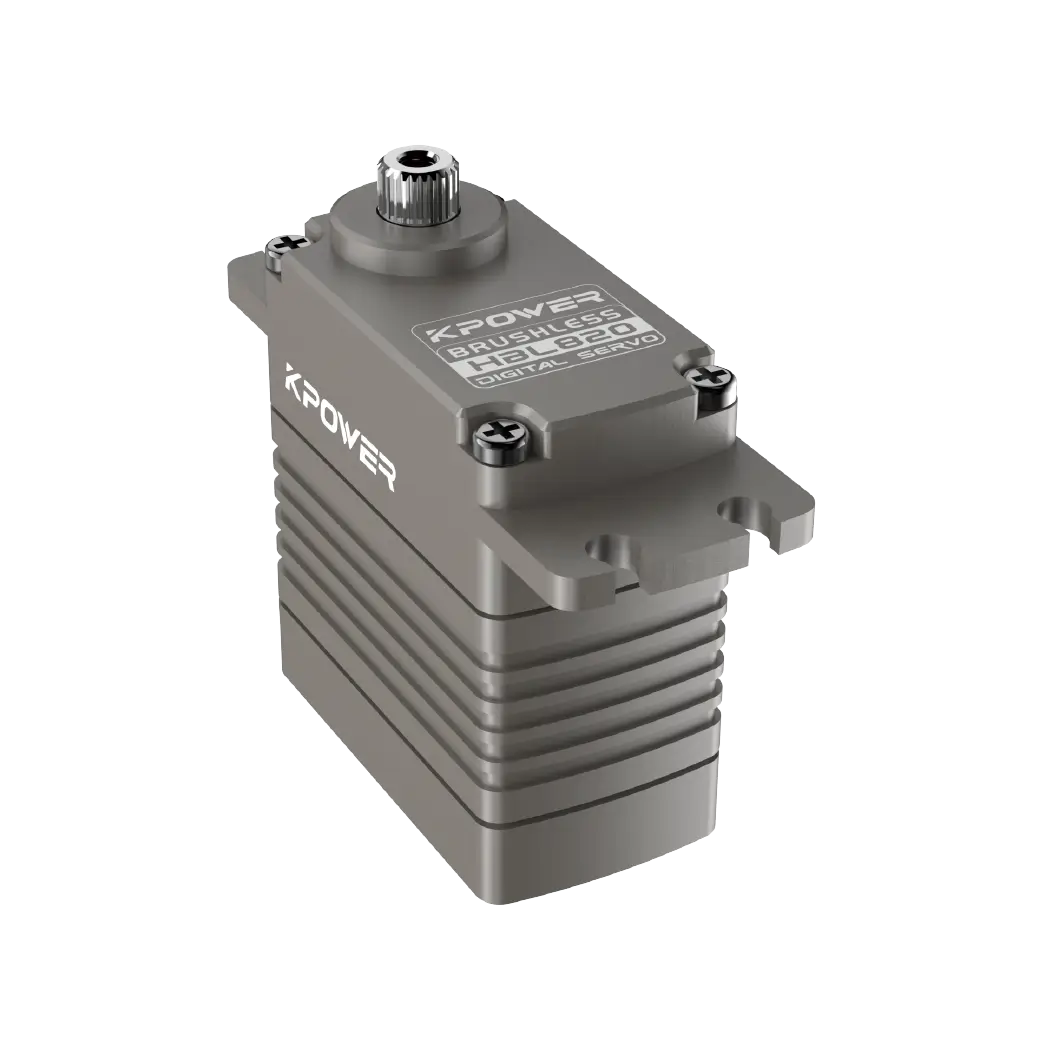
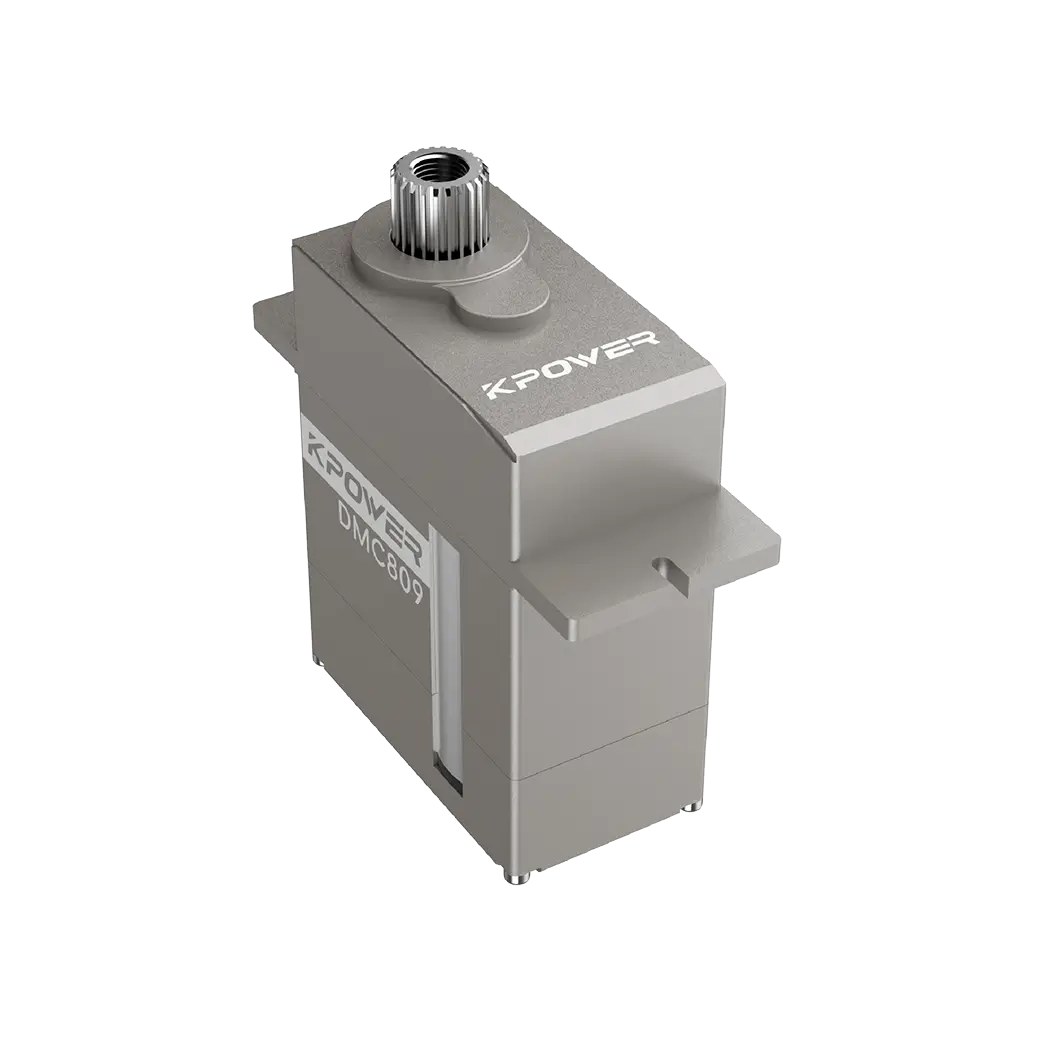
A white labelservomotor isn't just about removing a sticker. It’s about owning the movement.kpowerunderstands this shift. When you integrate aservomotor with an Arduino setup, you aren't looking for a "part number." You are looking for a specific torque, a precise angle, and a reliability that doesn't require a manual the size of a phone book.
Why settle for a generic look when your project is unique?
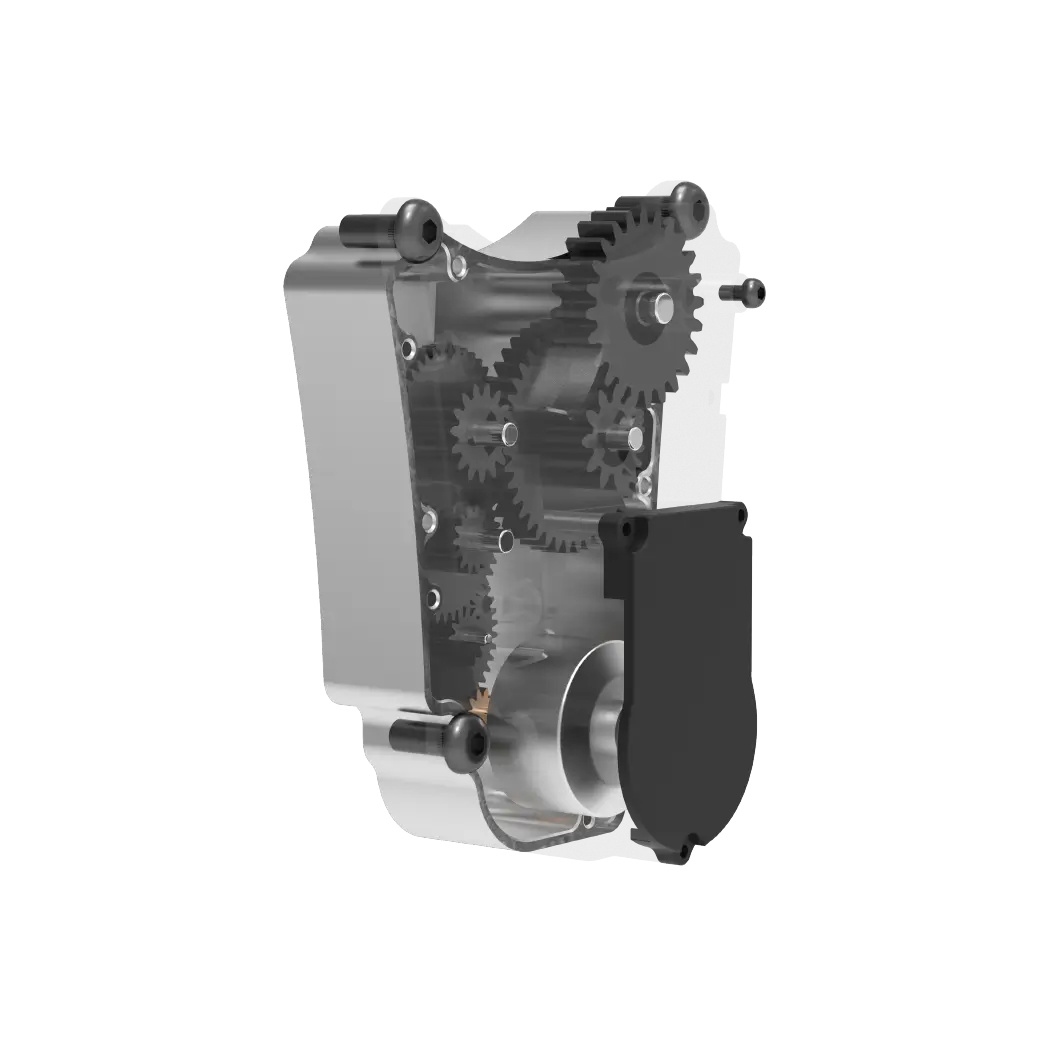
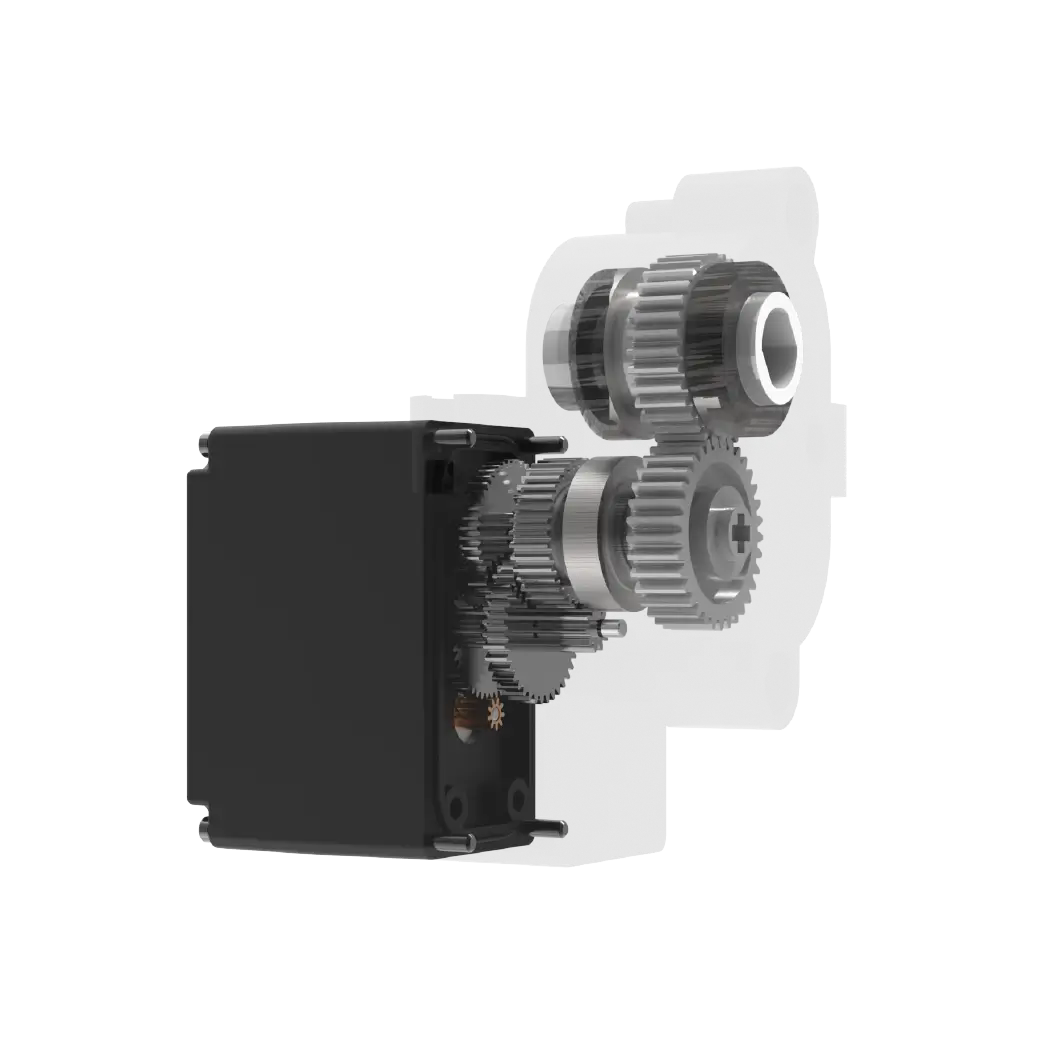
Let's talk about the guts of the machine. A servo is only as good as its internals. We’ve all seen those gears that strip the moment they hit a slight resistance. It’s like watching a runner trip on a flat road.kpowerbuilds these things with a focus on the actual physical stress they endure.
Metal gears aren't just a luxury; they are the difference between a machine that lasts a year and one that lasts a week. When you hook these up to an Arduino, the PWM signals need to translate into smooth, jitter-free motion. If the internal potentiometer is cheap, your robot arm starts shaking like it’s had too much caffeine.kpowerfocuses on that stability.
It’s about the "hold." A good servo holds its position with a sort of quiet confidence. You push it, and it pushes back. That’s the kind of resistance you want.
Suppose you’ve built a custom camera gimbal or a specialized automated feeder. You’ve put in the work. When a client or a collaborator looks at it, they should see your brand, or at least a clean, professional slate.
Kpower provides that blank canvas. It’s the muscle behind the curtain. You get the Arduino compatibility—plug and play, essentially—but the exterior is ready for your own identity.
This is the question that keeps people up at night. Arduino is wonderful because it’s open. But some servos are picky. They pull too much current and reset your board, or they don’t respond well to the standard library.
Kpower servos are designed to play nice. They understand the 5V or 6V reality most hobbyist and professional boards live in. You don’t need a degree in electrical physics to get the arm moving. You just need a solid power source and a signal wire that knows its place.
Sometimes you don't even know what you're building until it starts moving. I've seen projects start as 3D printers and end up as automated bartending machines. The beauty of a reliable servo motor is that it doesn't care about the "why." It only cares about the "how much" and "how fast."
I remember a project where the movement had to be so slow it was almost imperceptible. Most cheap motors would stutter at that speed. It was painful to watch. Switching to a Kpower unit was like going from a gravel road to a freshly paved highway. The smoothness wasn't just a "nice to have"—it was the entire point of the project.
Q: Can I use these for high-torque applications without them melting? A: Heat is the enemy of any motor. Kpower uses materials designed to dissipate that heat better than the "no-name" versions you find in bulk bags. If you’re pushing the limits, these stay cooler longer.
Q: Is "White Label" just about the sticker? A: No. It’s about the freedom to integrate. It’s knowing the quality is consistent across every unit you buy, so you don't have to recalibrate your Arduino code for every single motor.
Q: What about the jitter? A: Jitter usually comes from poor signal processing or a cheap pot inside the motor. Kpower tightens those tolerances. It’s the difference between a steady hand and a shaky one.
Q: Is it hard to mount? A: Standard dimensions are a gift. These fit where they are supposed to fit. No need to hacksaw your mounting brackets.
There is a moment, usually around 2:00 AM, when you flip the switch and everything just works. The Arduino sends the command, the Kpower servo rotates to exactly 45 degrees, and it stays there. No buzzing. No clicking. No weird smell.
That’s what you’re really buying. You aren't just buying plastic and copper. You’re buying the end of a headache. You’re buying the right to put your own name on something and be proud of how it moves.
If you’re tired of the "standard" options that feel like toys, it might be time to look at something that treats your work with a bit more respect. Movement should be precise, and your hardware should be a silent partner, not a loud, branded distraction. Kpower keeps things moving so you can keep creating.
It’s simple, really. Good gears, good signal, no ego. That’s how great things get built.
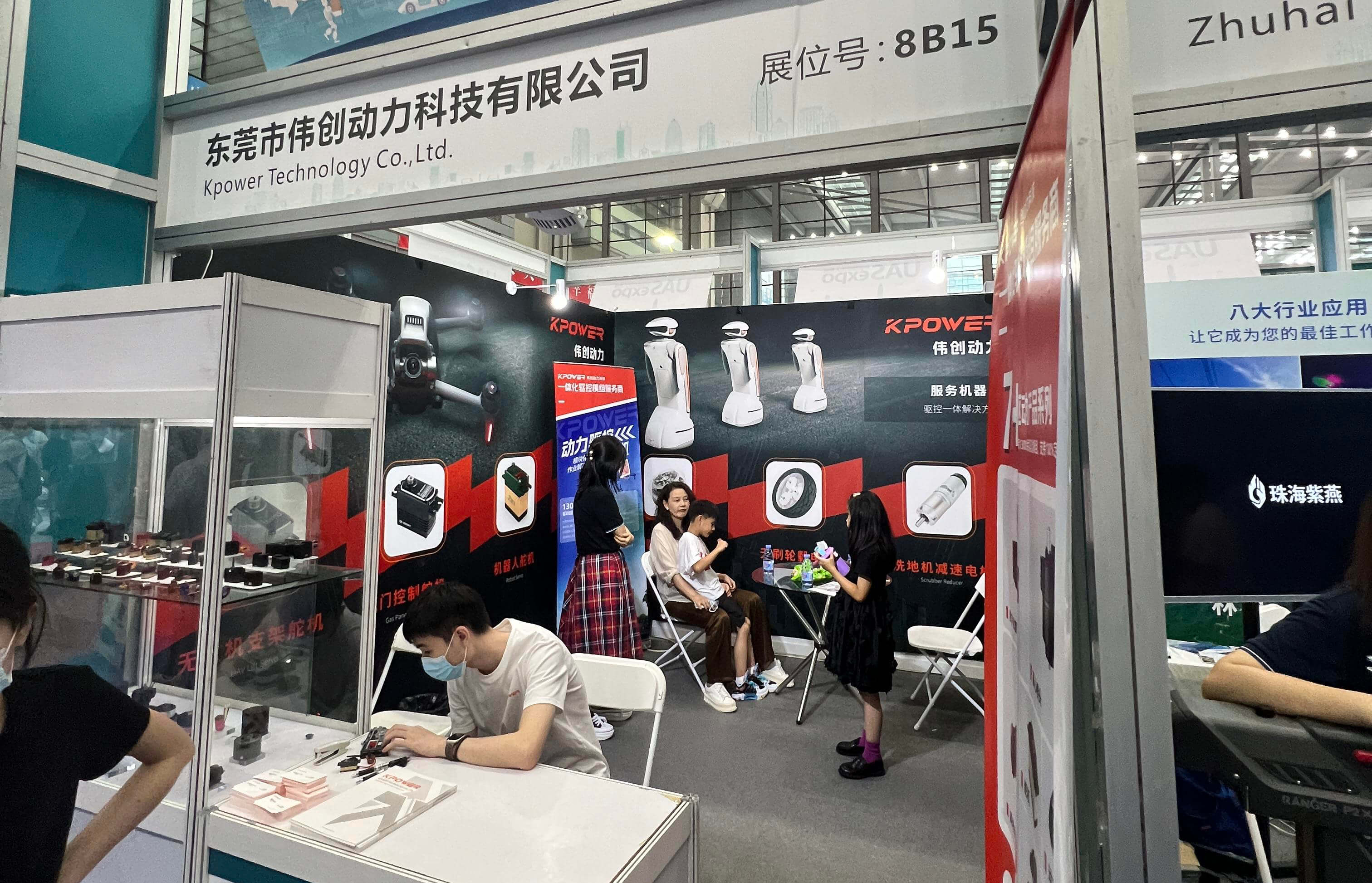
Established in 2005, Kpower has been dedicated to a professional compact motion unit manufacturer, headquartered in Dongguan, Guangdong Province, China. Leveraging innovations in modular drive technology, Kpower integrates high-performance motors, precision reducers, and multi-protocol control systems to provide efficient and customized smart drive system solutions. Kpower has delivered professional drive system solutions to over 500 enterprise clients globally with products covering various fields such as Smart Home Systems, Automatic Electronics, Robotics, Precision Agriculture, Drones, and Industrial Automation.
Update Time:2026-01-22

Contact Kpower's product specialist to recommend suitable motor or gearbox for your product.


