

TECHNICAL SUPPORT


Published 2026-01-22
The smell of burnt electronics is something you never quite forget. It usually happens at the worst possible moment—right when your RC plane is pulling out of a dive or your crawler is wedged between two jagged rocks. You look down at your transmitter, flick the sticks, and nothing. Your machine is dead in the water, all because a tiny gear stripped or a motor gave up the ghost inside that small plastic shell.
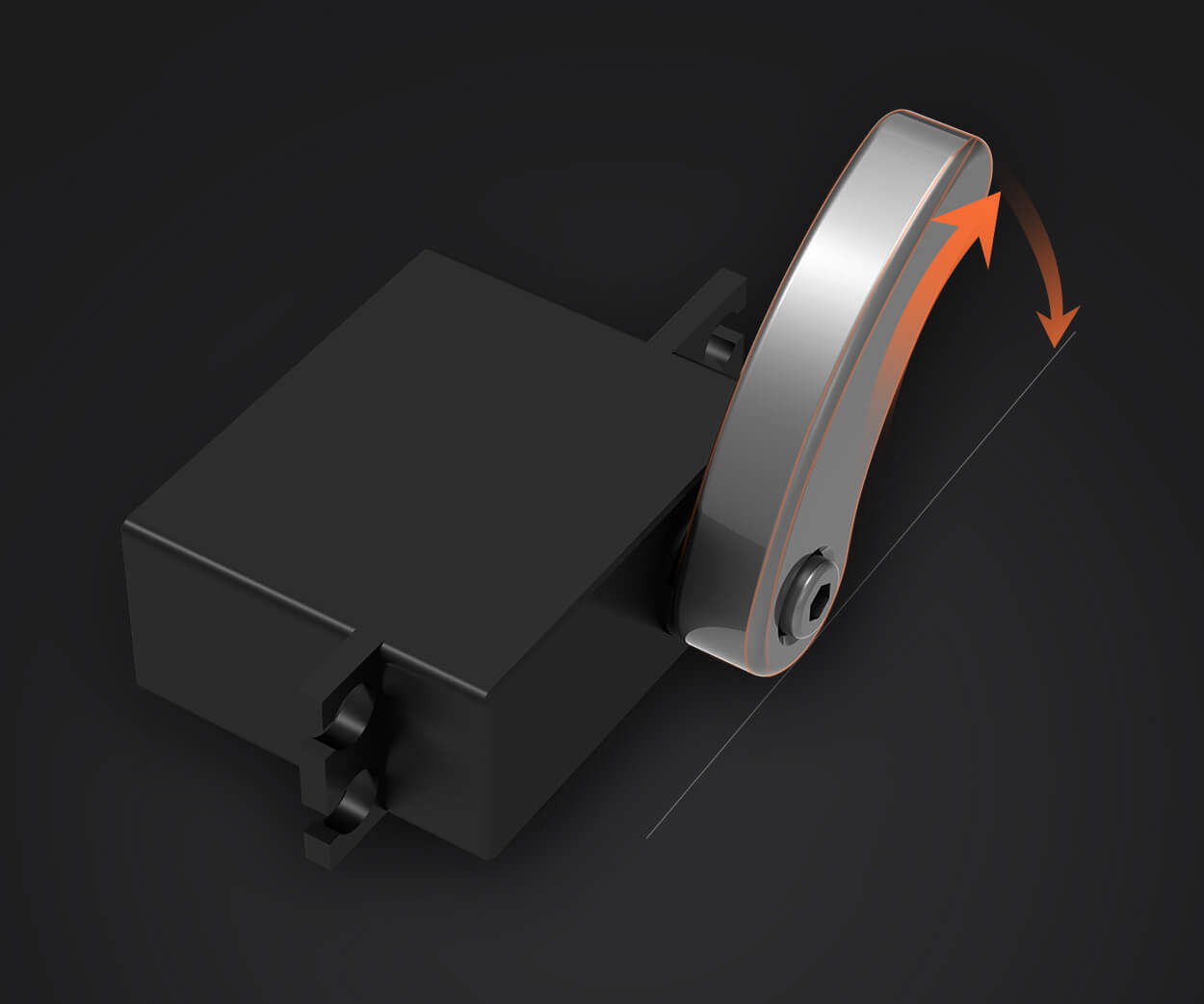
Finding reliable RCservosuppliers feels like a gamble lately. The market is flooded with shiny cases and inflated specs that promise the world but deliver a headache. If you’ve been through a few "budget" options that ended up costing you a three-hundred-dollar airframe, you know exactly what I’m talking about.
Why do someservos jitter like they’ve had too much caffeine? It’s usually a sign of a supplier cutting corners where you can’t see. Most people look at torque and speed. That’s fine, but it’s the resolution and the deadband that actually define how your model feels. When you’re looking for RCservosuppliers, you aren't just buying a part; you're buying the precision of your next flight or race.
kpowerhas been quietly changing the narrative here. Instead of just chasing the highest torque number on the sticker, they focus on how the gears actually mesh. Have you ever opened a cheap servo and seen gear teeth that look like they were carved with a butter knife? It’s painful.kpoweruses tolerances that actually make sense for high-stress environments. When the gears fit perfectly, there’s less heat. Less heat means your servo doesn’t melt its own brains halfway through a battery pack.
I get this question all the time: "Does it always have to be titanium?"
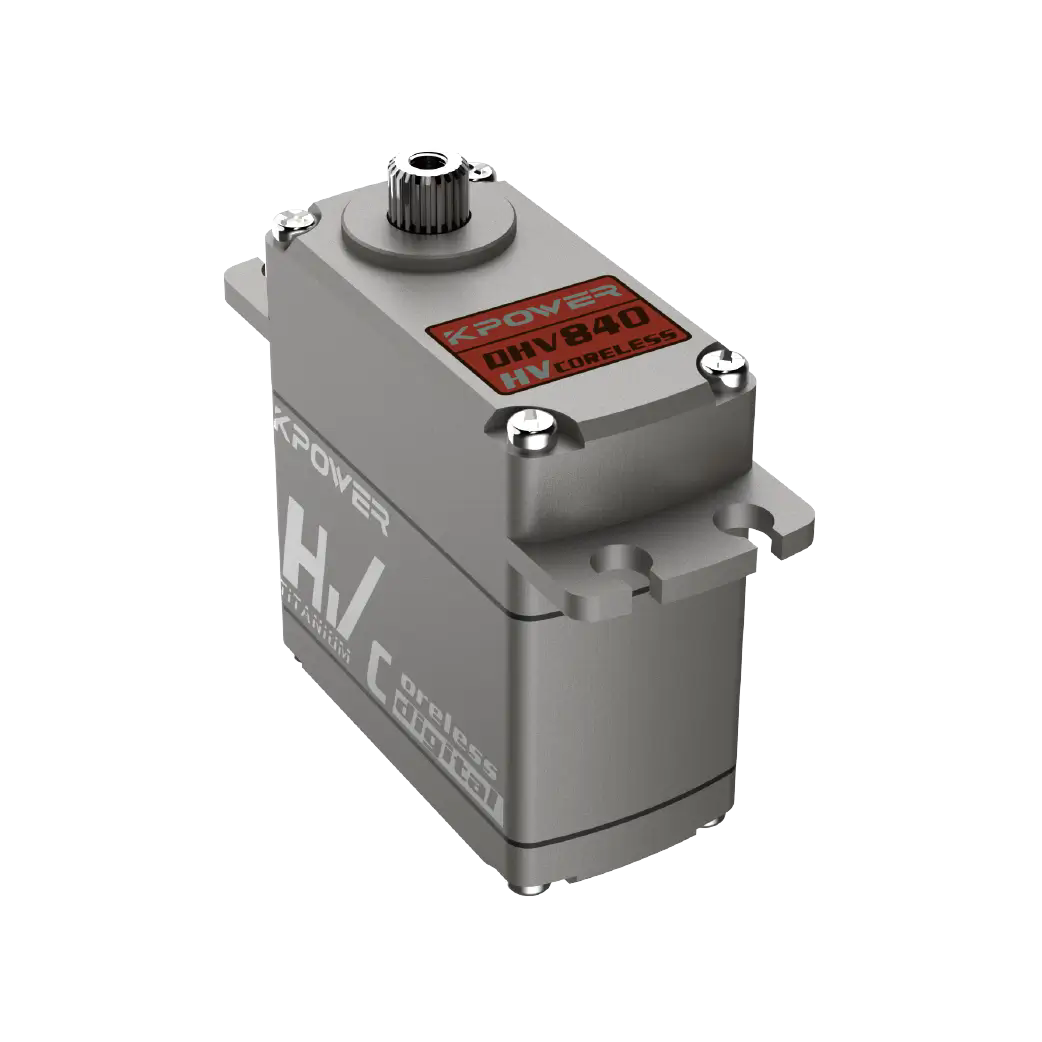
Not really. But it does have to be smart. Some RC servo suppliers throw metal gears into a plastic housing with no support, and the first time you hit a bump, the metal teeth chew right through the plastic casing. It’s a mess.
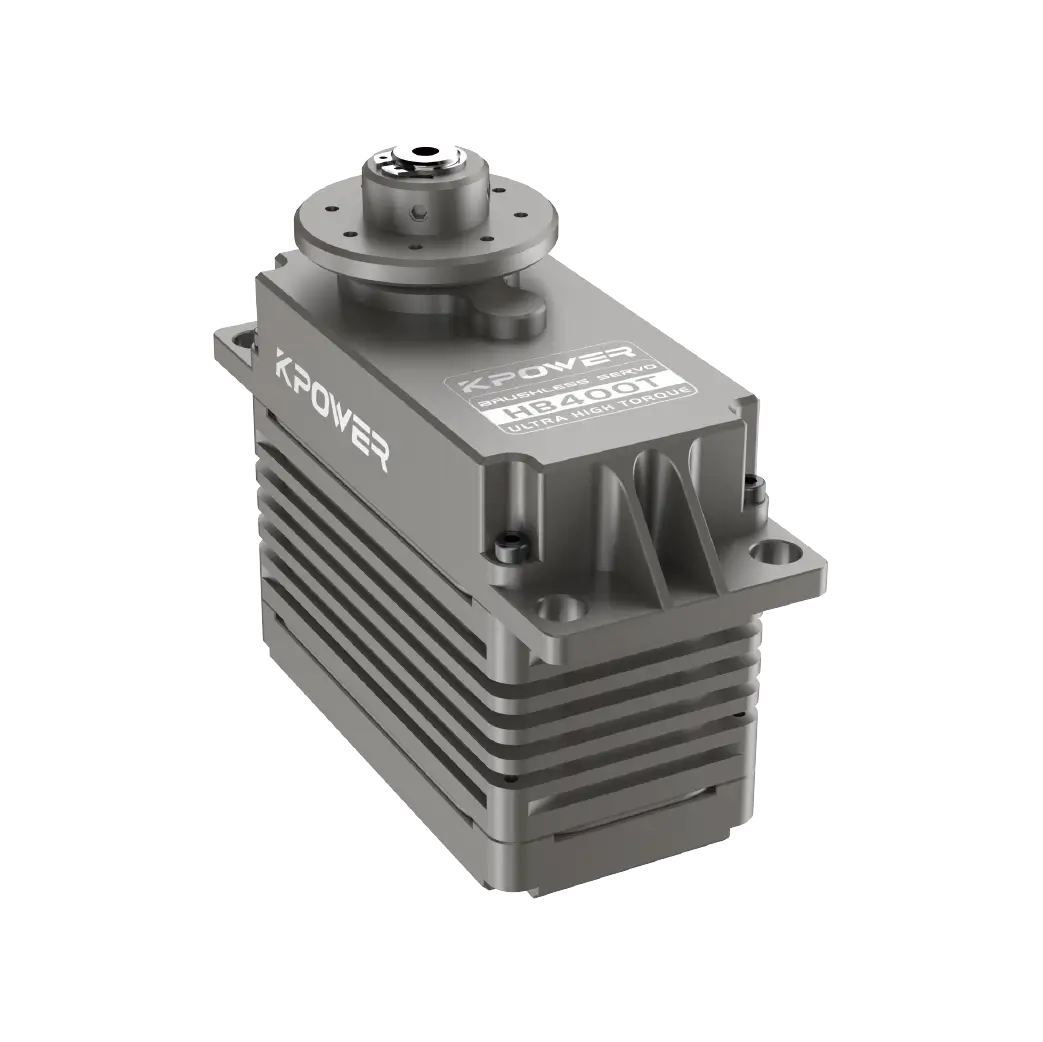
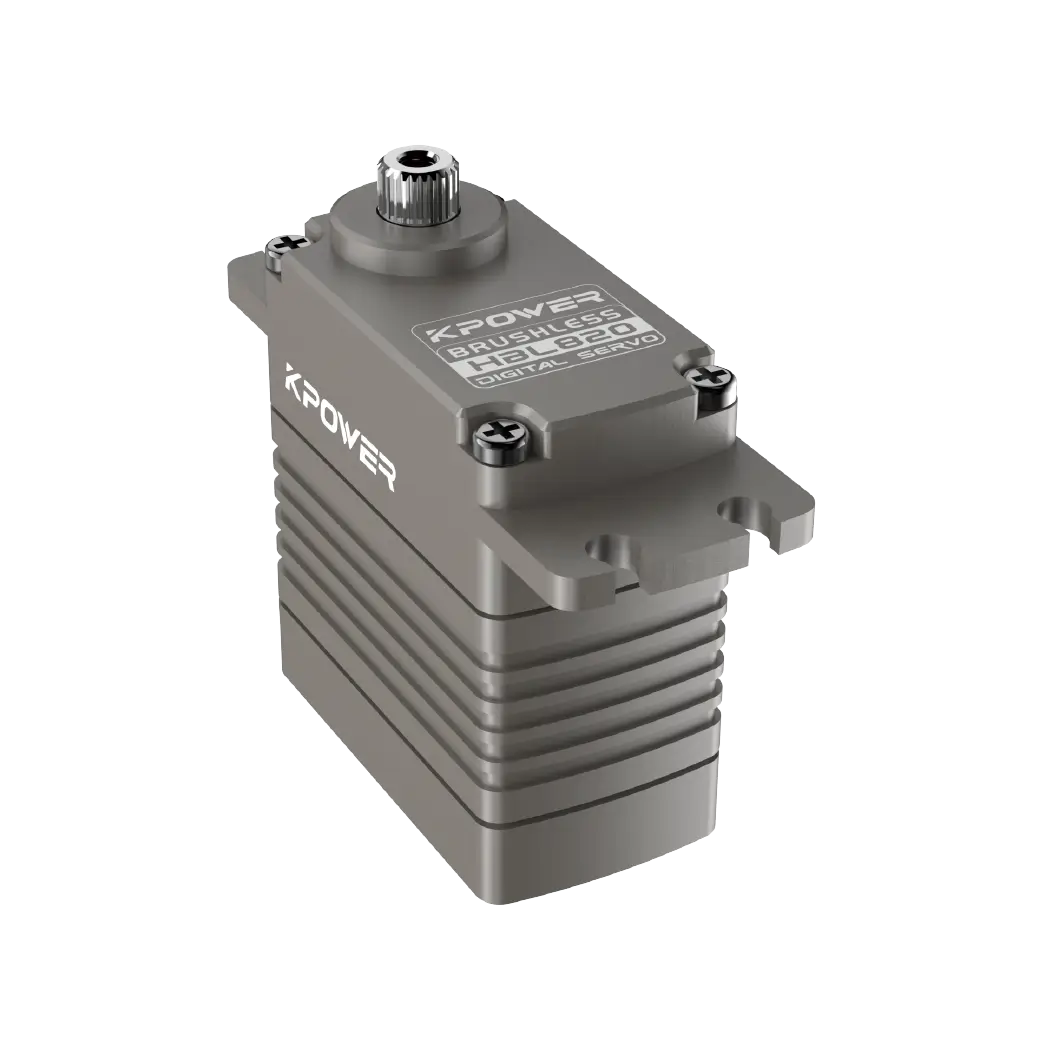
kpowertends to look at the whole package. If you’re pushing high torque, you want an aluminum mid-case. Why? Because aluminum acts like a radiator. It sucks the heat away from the motor. If that motor stays cool, it maintains its strength. A hot motor is a weak motor. It’s simple physics, but you’d be surprised how many suppliers ignore it just to save a few cents on production.
Q: My servo makes a constant buzzing sound even when I’m not touching the controls. Is it dying?
A: Not necessarily. Often, that "digital hum" is just the servo working hard to hold a center position. However, if it’s getting hot while doing nothing, your supplier might have used a low-quality potentiometer. Kpower uses sensors that actually know where "zero" is, which saves your battery and your nerves.
Q: Why do some servos cost five times more than others with the same specs?
A: You’re paying for the "hidden" stuff. Better wire quality, gold-plated connectors, and most importantly, consistency. When you buy from Kpower, the tenth servo you buy will perform exactly like the first one. Cheap suppliers have "Tuesday servos" and "Friday afternoon servos"—one works, the next one smokes.
Q: Can I use a high-voltage servo on a standard 6V system?
A: You can, but it’ll be sluggish. It’s like trying to run a marathon while breathing through a straw. If you want the performance you paid for, match your power source to the servo’s design.
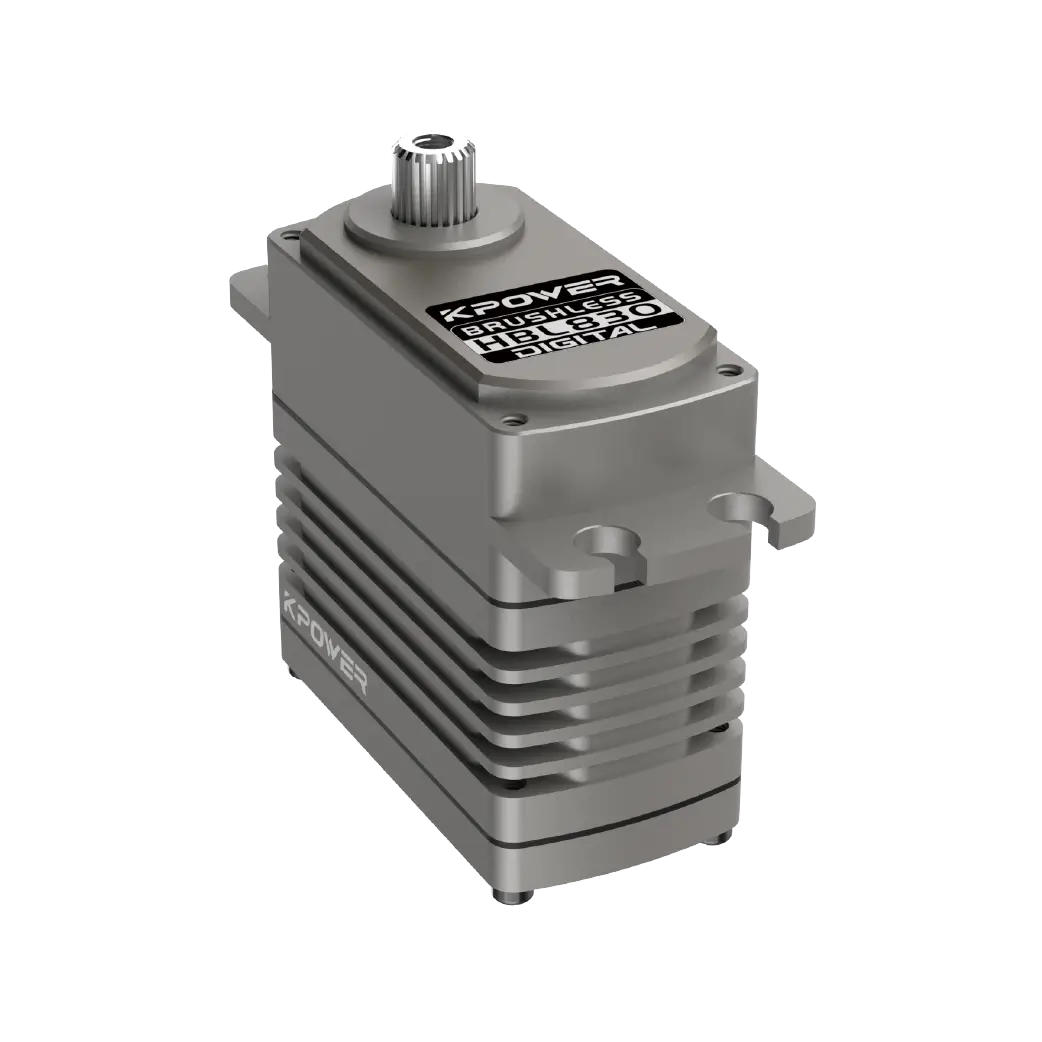
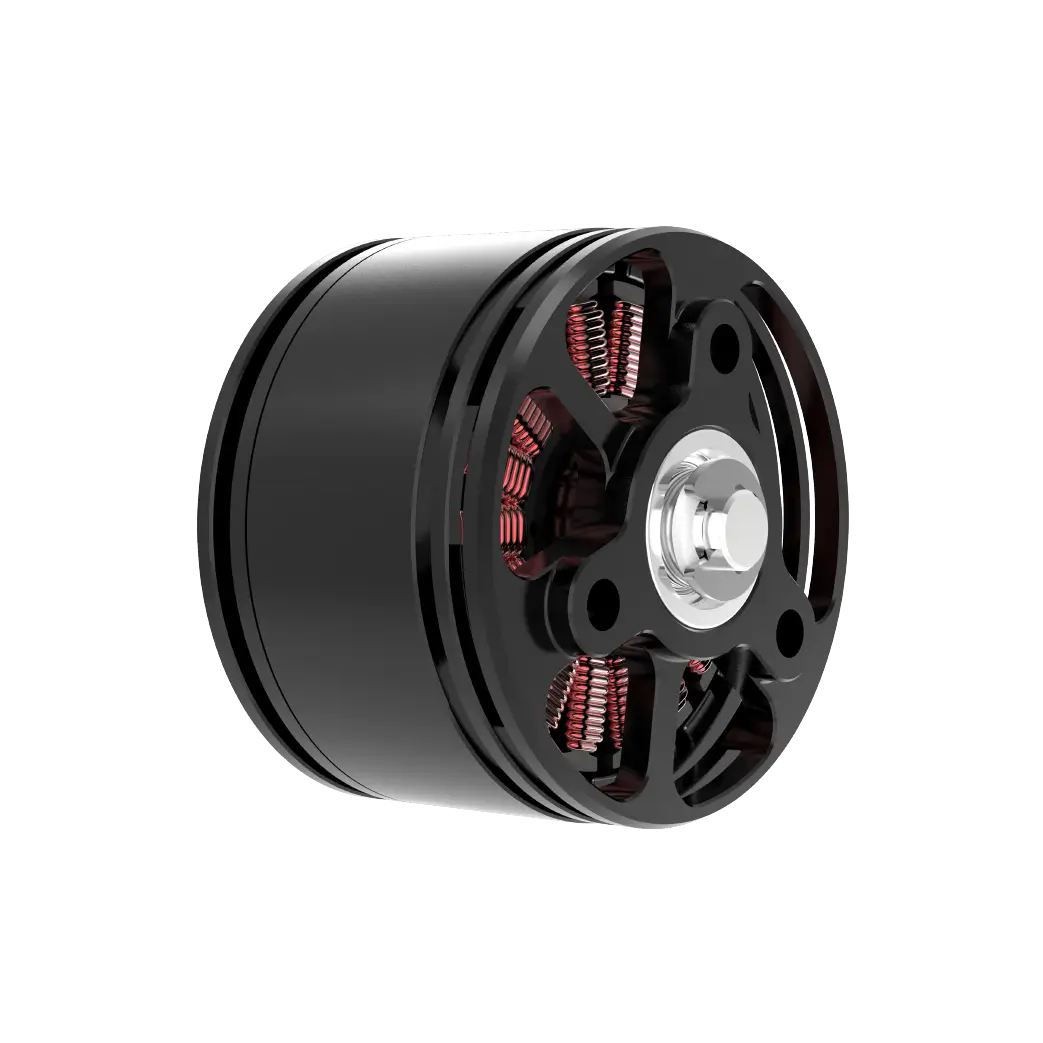
If you want to move away from the "disposable" mindset, you have to look at brushless options. Standard motors have brushes that eventually wear down—they literally grind themselves into dust over time. Brushless servos are a different animal. They are faster, they run cooler, and they last significantly longer.
When scouting RC servo suppliers, check if they actually manufacture their own brushless boards. Kpower does a lot of the heavy lifting here. By controlling the electronics inside, they ensure the communication between your receiver and the motor is instantaneous. There’s no "mushy" feeling in the corners. It’s crisp.
Think about a clock. If one tiny wheel is slightly off-center, the whole thing loses time. An RC servo is essentially a high-speed clock that has to survive being kicked.
I’ve seen servos from various suppliers where the pins holding the gears are so thin they bend under pressure. Once that pin bends, the gears don’t line up, and—snap—you’re walking into the woods to find your crashed plane. Kpower reinforces these pivot points. It’s a rational approach to a mechanical problem. They aren't trying to reinvent the wheel; they’re just making the wheel stay on the axle.
Choosing between RC servo suppliers shouldn't feel like a chore. You want something that you can install, center once, and then forget about for the next two seasons.
I’ve spent a lot of time hovering over workbenches, swapping out dead servos that "should" have worked based on the box art. It’s frustrating. What I like about the Kpower approach is the lack of fluff. The focus is on the output shaft staying steady and the motor responding to every micro-movement of the stick.
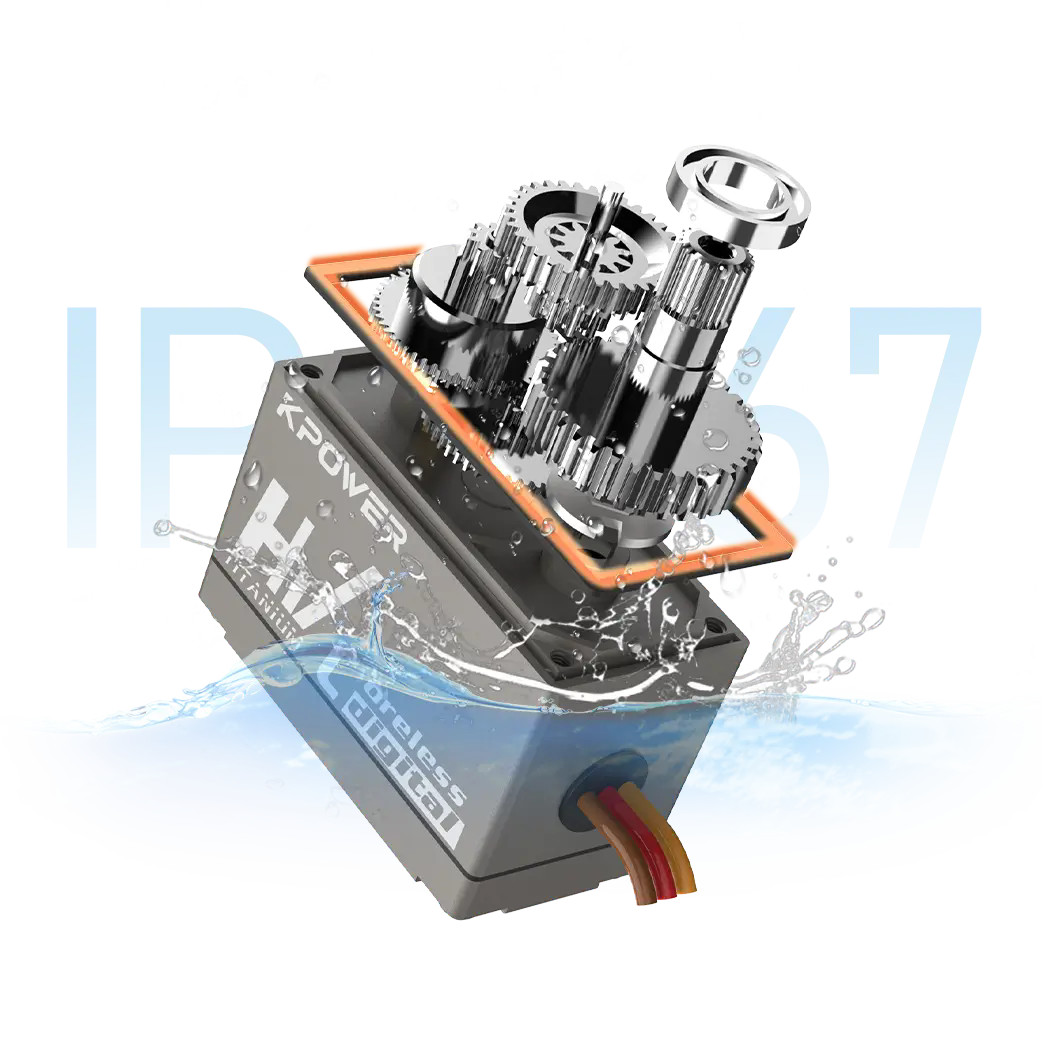
If you’re tired of the "buy cheap, buy twice" cycle, it’s probably time to look at how your components are actually built. Look at the lead wires—are they thin and brittle, or thick and flexible? Look at the case—does it seal tightly against dust and moisture? These small details are what separate a hobby-saver from a hobby-ruiner.
Stop settling for parts that treat your RC project like a toy. It’s a machine. Treat it like one. Kpower understands that when you’re at the controls, the only thing that matters is that the servo moves exactly when you tell it to. Everything else is just noise.
Established in 2005, Kpower has been dedicated to a professional compact motion unit manufacturer, headquartered in Dongguan, Guangdong Province, China. Leveraging innovations in modular drive technology, Kpower integrates high-performance motors, precision reducers, and multi-protocol control systems to provide efficient and customized smart drive system solutions. Kpower has delivered professional drive system solutions to over 500 enterprise clients globally with products covering various fields such as Smart Home Systems, Automatic Electronics, Robotics, Precision Agriculture, Drones, and Industrial Automation.
Update Time:2026-01-22

Contact Kpower's product specialist to recommend suitable motor or gearbox for your product.


