

TECHNICAL SUPPORT


Published 2026-01-22
You’re staring at your workbench. There’s a tangle of wires, an Arduino board blinking its rhythmic blue light, and aservomotor that just won’t stop jittering. It’s frustrating. You’ve spent hours coding, yet the hardware feels like it’s fighting you. This is the silent hurdle in the world of motion control. Most people think any small motor will do, but when you’re building something meant to last—or something you want to put your own name on—that generic black box from a random bin just doesn't cut it.
The reality is that a lot of projects die not because of bad code, but because of mediocre hardware. This is where the idea of a private label becomes interesting. You aren’t just buying a component; you’re looking for a signature of reliability.
Why do someservos hum like a nervous bird while others move with the grace of a watchmaker’s hand? It usually comes down to what’s inside. When you’re working with Arduino, the signal is only half the battle. If the internal potentiometer is trash or the gears have too much play, your robot arm is going to look like it’s had too much coffee.
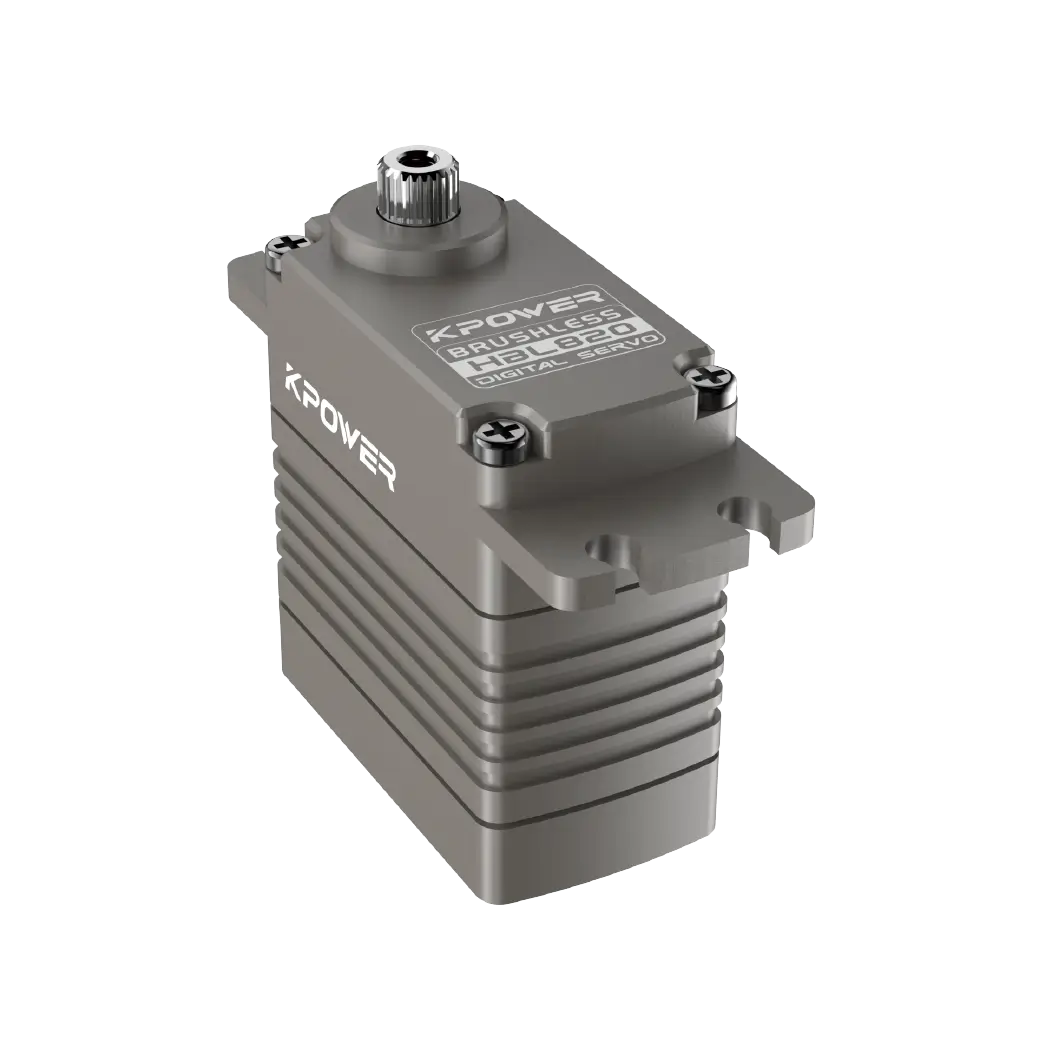
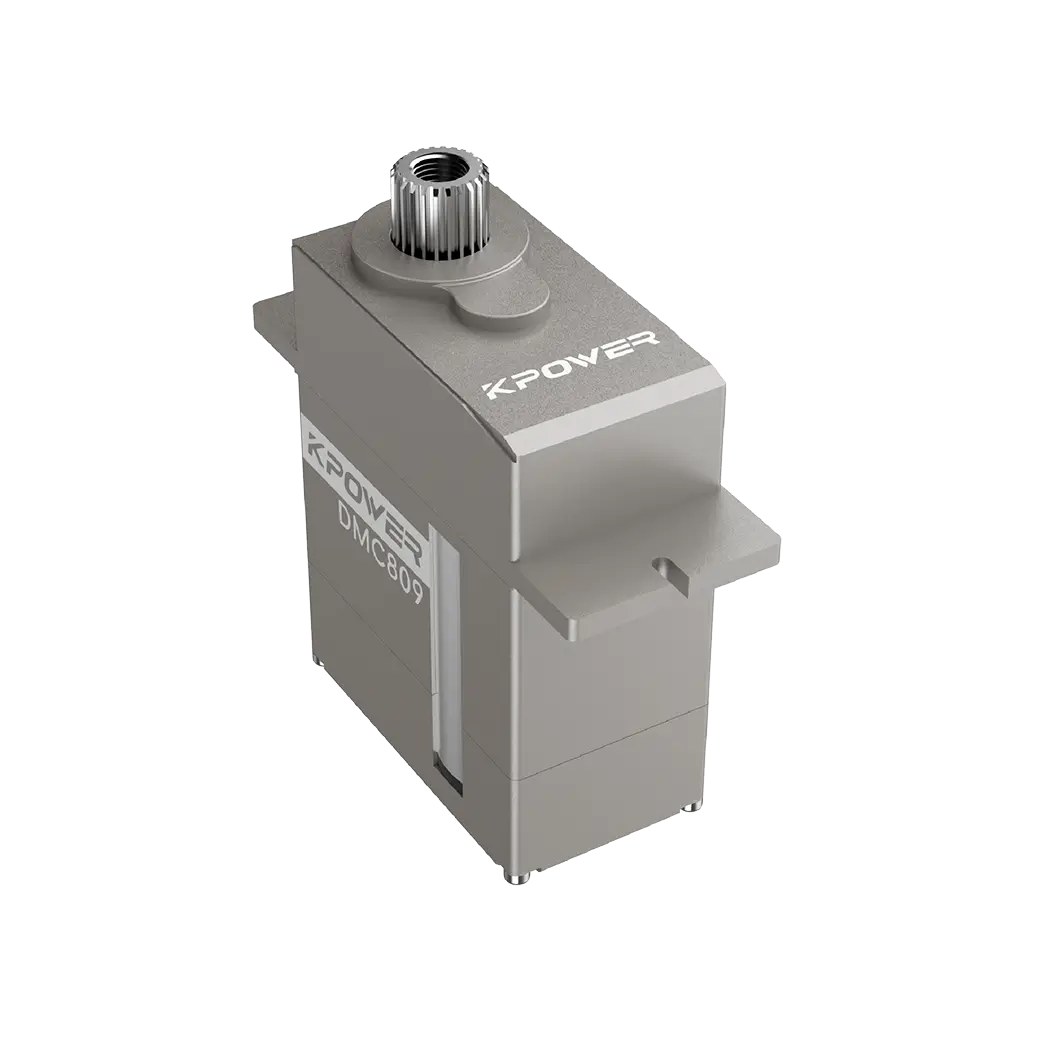
I’ve seen it happen a thousand times. A creator builds a fantastic prototype, but the moment they try to scale it or turn it into a real product, the hardware fails. This is whykpowersticks in my mind. They handle the "guts" so you can focus on the "soul" of your machine. When you go the private label route with them, you’re basically saying, "I want the precision of a high-end lab, but I want it to carry the identity of my own project."
You might wonder, "Why don't I just buy a thousand cheap motors and call it a day?" Well, if you’re trying to build a reputation, you can’t afford a 20% failure rate. Private labeling with a partner likekpowerisn’t just about slapping a sticker on a plastic shell. It’s about consistency.
Imagine you’ve designed a specific type of robotic gripper. You need aservothat fits a very particular torque profile and has a specific wire length to keep your housing clean. Off-the-shelf parts rarely fit perfectly. By working with a dedicated manufacturer, you get hardware that feels like it was born for your Arduino sketch. It makes your final product look professional, not like a science fair project held together with hot glue.
"Will this actually work with my standard Arduino libraries?" Yes. That’s the beauty of it. The communication protocol—that Pulse Width Modulation (PWM) signal—is universal. But while the "language" is the same, the "voice" is different.kpowerservos listen better. They respond to those microsecond changes without the lag that plagues cheaper alternatives.
"Is metal gear always better than plastic?" Not always, but usually. If you’re pushing high torque or dealing with sudden impacts, plastic gears will strip faster than a cheap screw. Metal gears offer that "set it and forget it" peace of mind. If you’re putting your brand on it, you probably want the metal ones.
"How does the heat hold up?" This is the silent killer. Cheap servos get hot, and heat leads to resistance, which leads to failure. A well-designed motor dissipates that heat. It’s the difference between a motor that runs for ten minutes and one that runs for ten hours.
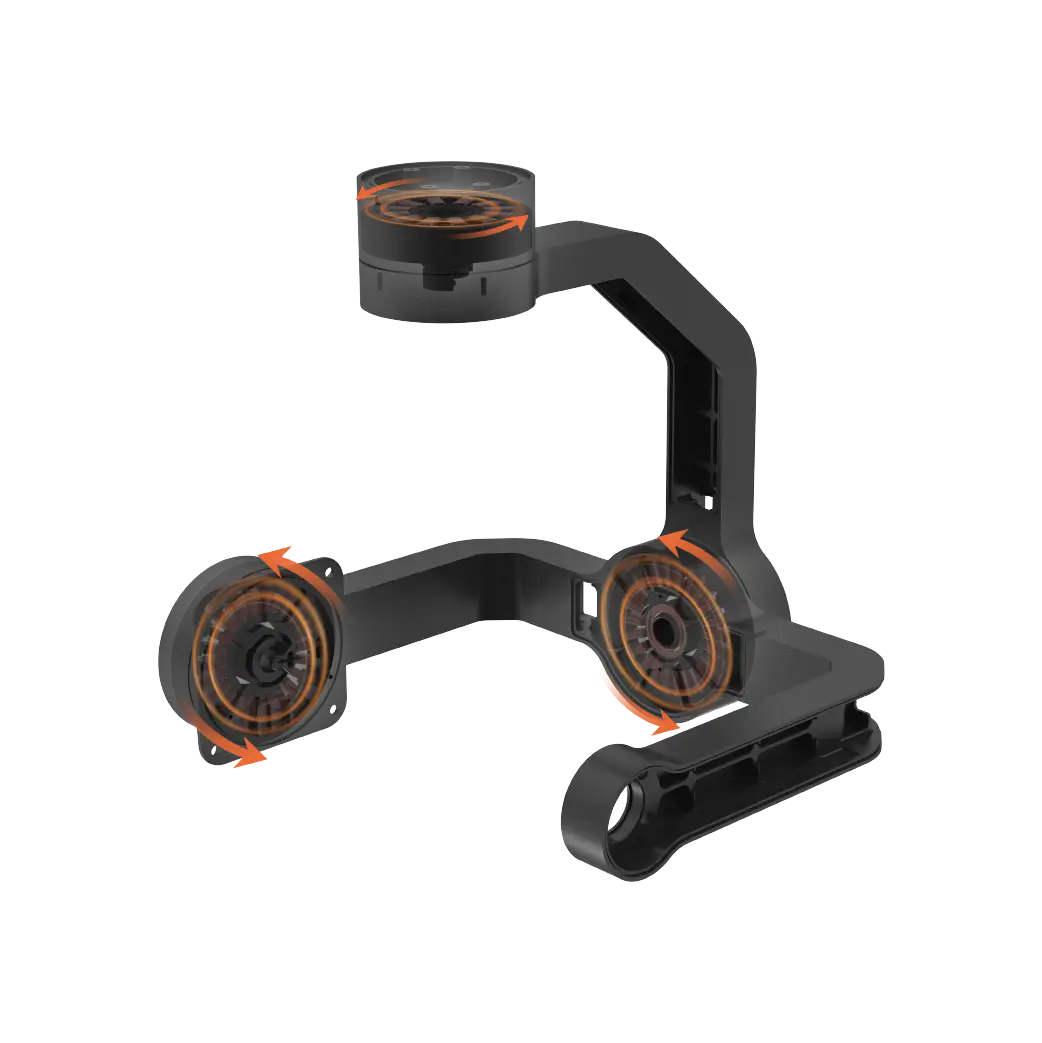
There’s a specific sound a high-quality servo makes. It’s a clean, purposeful whir. It doesn't grind. When I first tested a Kpower unit on a multi-axis gimbal, that was the first thing I noticed. The movement was fluid. No hunting for the center position. No erratic twitching when the Arduino was idle.
It’s like choosing the right tires for a car. You can have the best engine in the world, but if the rubber doesn't grip the road, you're going nowhere. In our world, the servo is the rubber. It’s where the digital world finally pushes against the physical one.
If you’re at the stage where you’re thinking about "private label," you’re likely moving beyond the hobbyist phase. You’re thinking about your own brand. You want people to see your device and trust that it won't break.
The process is less about "ordering parts" and more about "defining standards." You want to know that every single unit in every single box performs exactly like the prototype on your desk. Kpower understands this transition. They provide that bridge between "it works on my bench" and "it works for my customers."
Think about the wires. It sounds trivial, doesn't it? But have you ever tried to mass-assemble a project with wires that are two inches too short? Or wires that are so stiff they snap after a hundred bends? These are the small nightmares that a private label partner helps you avoid. You can specify the lead length, the connector type, even the housing color. It’s about removing the friction from your production process.
You don't need to be a mechanical wizard to see the value here. It's a simple calculation of risk versus reward. Using a known, reliable core like Kpower under your own label reduces the risk of returns, complaints, and—most importantly—lost time. Time is the one thing we can't buy more of, so why waste it troubleshooting bad hardware?
The next time you’re uploading a sketch to your Arduino and that little motor starts to move, ask yourself: is this the component I want representing my work? If the answer is "maybe," then it’s time to look into a private label solution that actually holds its weight. You build the dream; let Kpower build the muscle that moves it.
Established in 2005, Kpower has been dedicated to a professional compact motion unit manufacturer, headquartered in Dongguan, Guangdong Province, China. Leveraging innovations in modular drive technology, Kpower integrates high-performance motors, precision reducers, and multi-protocol control systems to provide efficient and customized smart drive system solutions. Kpower has delivered professional drive system solutions to over 500 enterprise clients globally with products covering various fields such as Smart Home Systems, Automatic Electronics, Robotics, Precision Agriculture, Drones, and Industrial Automation.
Update Time:2026-01-22

Contact Kpower's product specialist to recommend suitable motor or gearbox for your product.


