

TECHNICAL SUPPORT


Published 2026-01-22
The workbench is a mess. There are jumper wires tangled like colorful spaghetti, a half-empty coffee mug, and that one robotic arm that keeps twitching every time it tries to pick up a plastic cube. It’s a scene many of us know too well. You spend hours refining your code, ensuring every line of the logic is crisp, only to have the hardware let you down with a stutter or a grind.

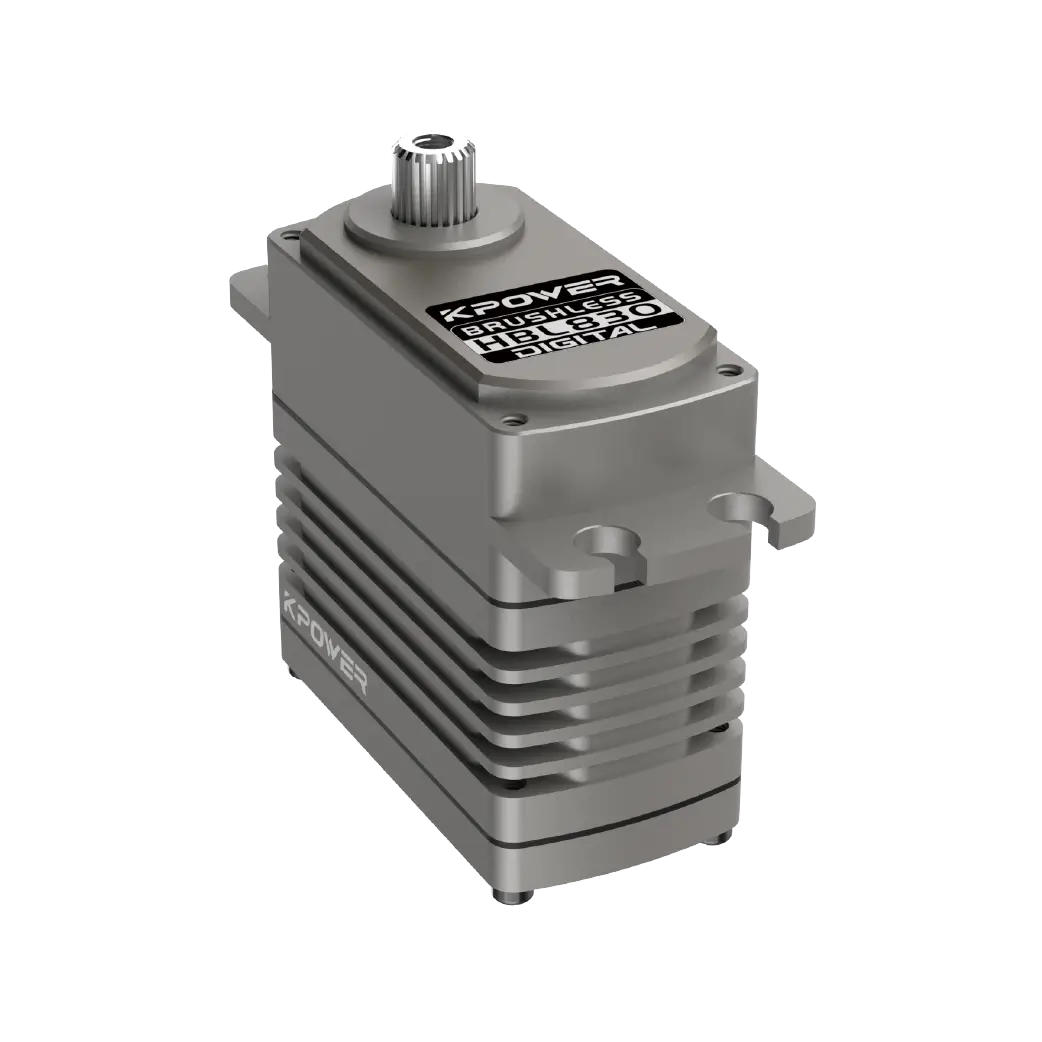
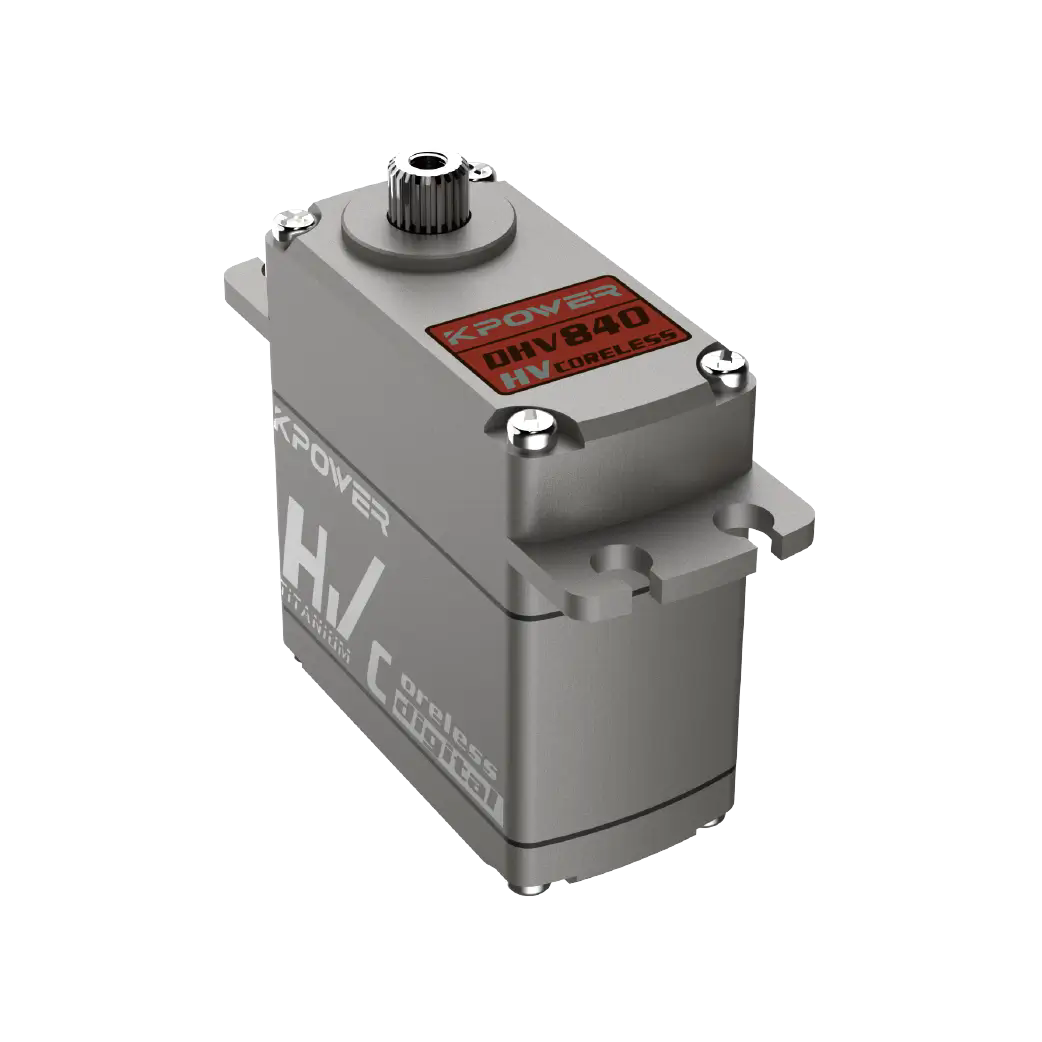
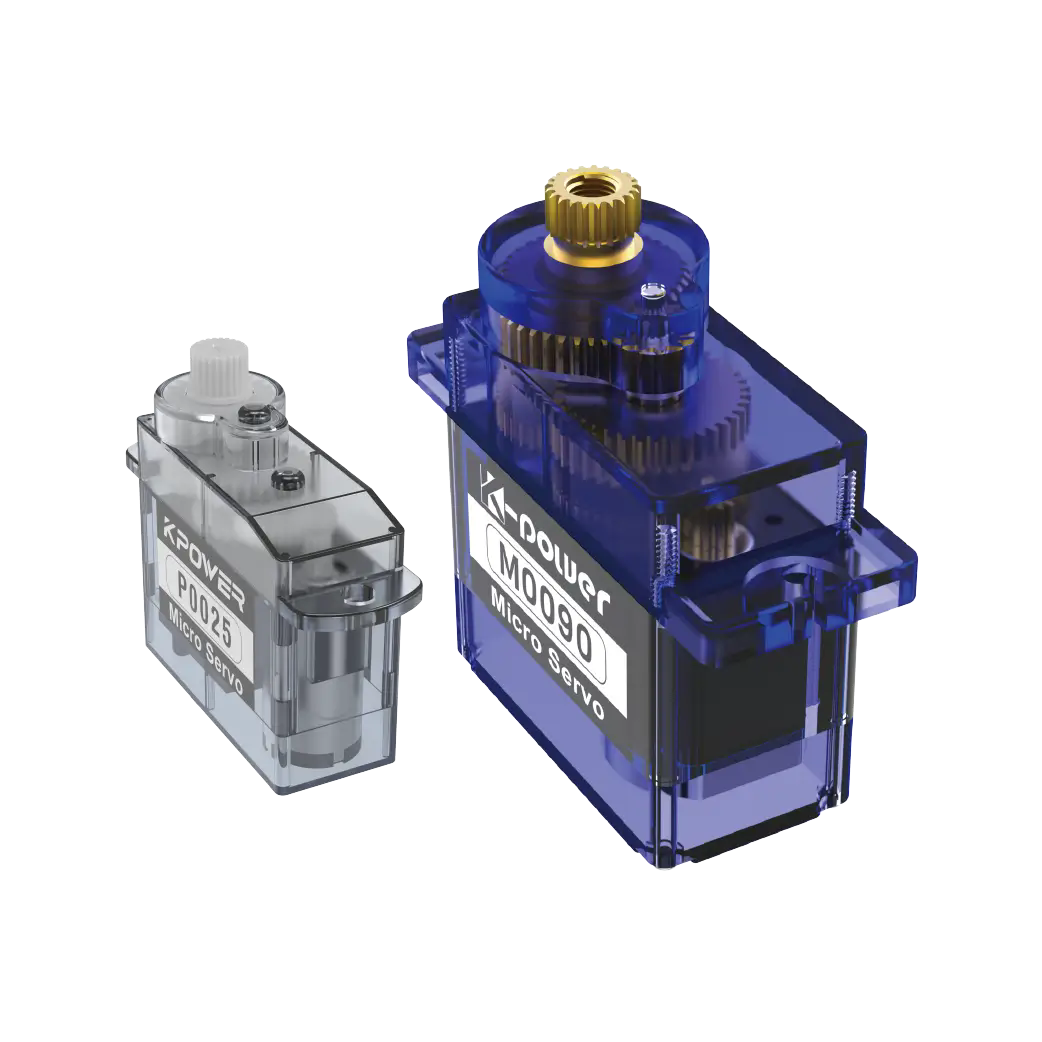
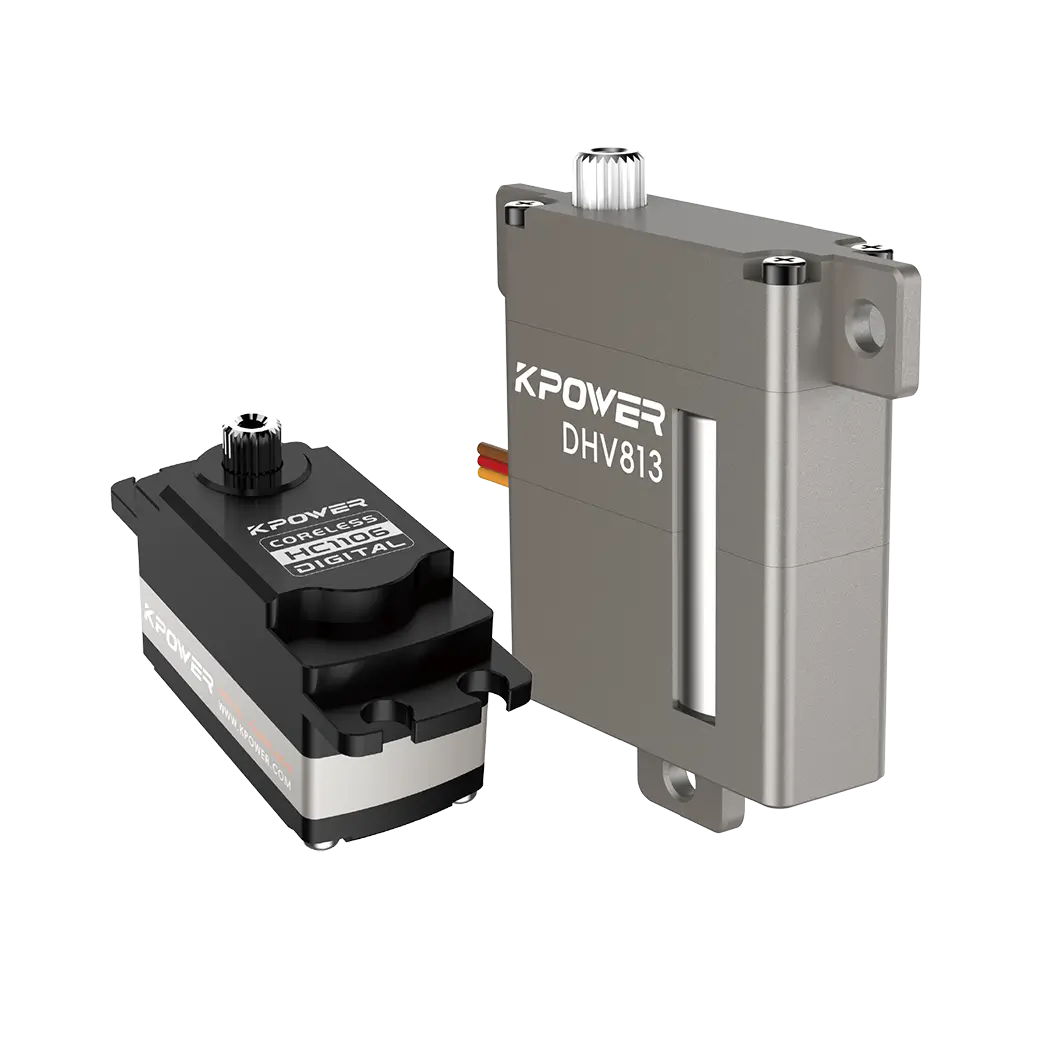
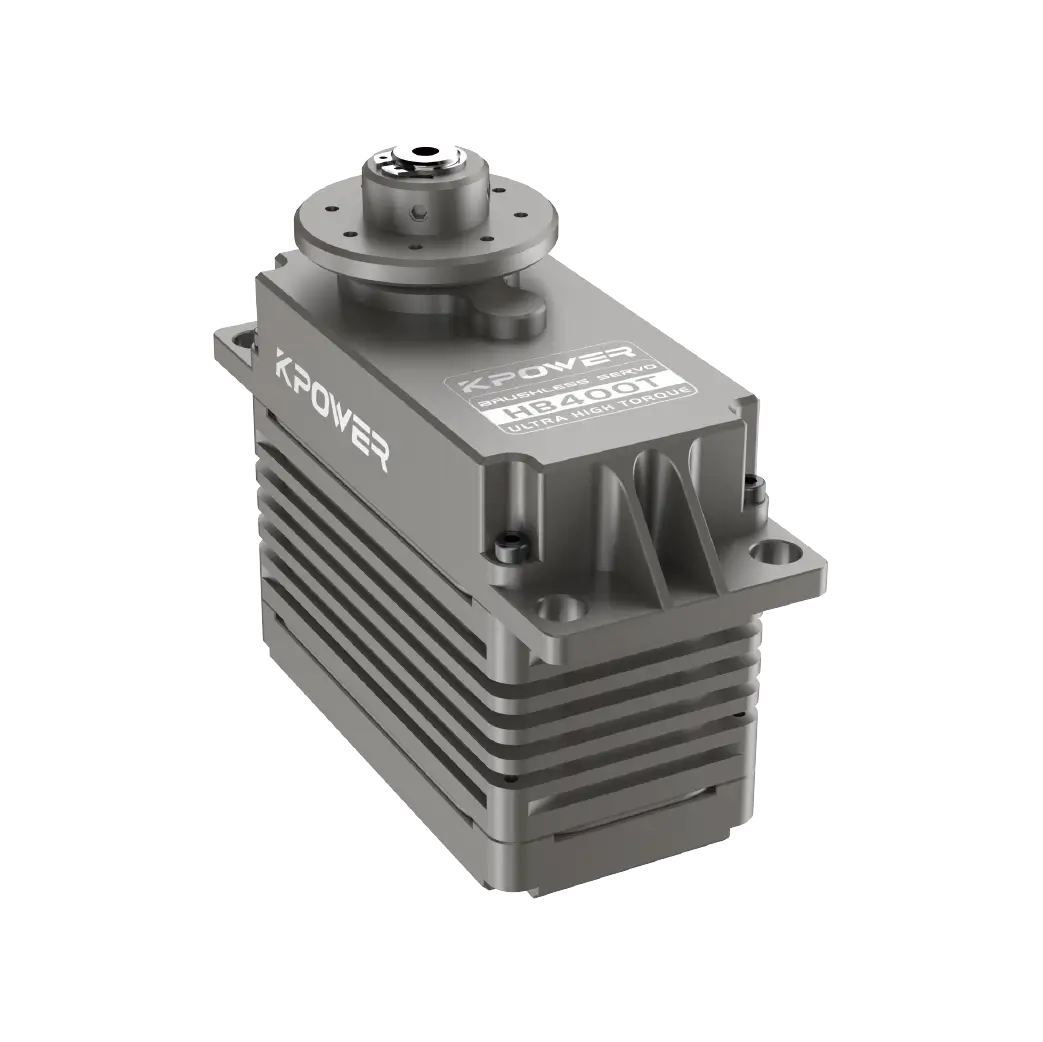
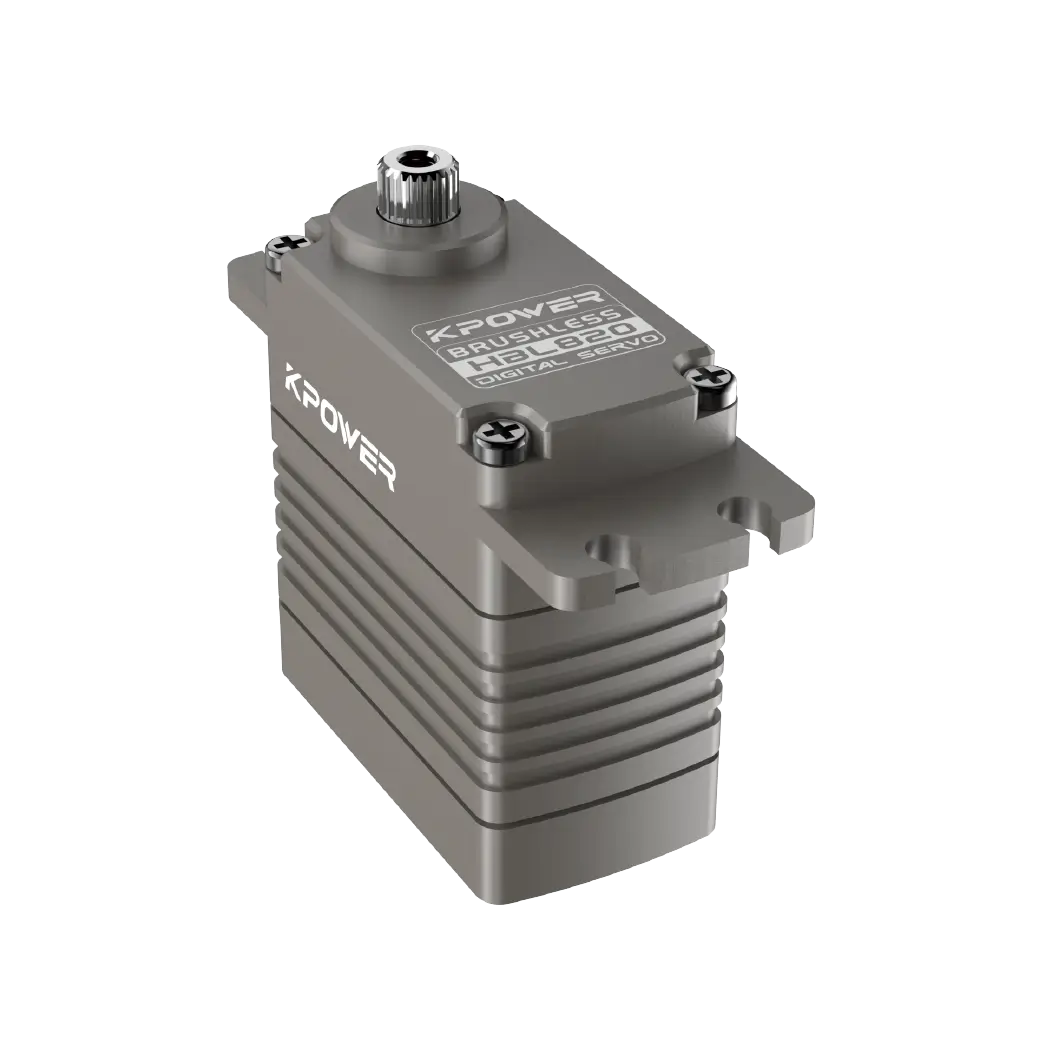
If you’ve ever wondered why your motion projects feel more like a chaotic dance than a precision march, the answer usually hides inside that small plastic or metal box we call aservo. Finding a reliableservomotor Arduino solution isn't just about picking a part off a shelf; it’s about finding a partner for your controller that actually listens.
We have all been there. You send a signal for a 45-degree turn, and the motor acts like it’s had too much caffeine. This "jitter" is the enemy of any decent project. It usually happens because the internal feedback loop of a cheap motor can’t decide where it actually is. It overshoots, then tries to correct, then overshoots again.
When I look at the mechanical side of things, I see a lot of gear sets that look like they were made of recycled toys. They strip under pressure. They have "slop"—that annoying wiggle where the output shaft moves but the motor doesn't. This is wherekpowerstarts to make sense. Instead of a guessing game, you get a response that feels locked in. It’s the difference between drawing with a dull crayon and a technical pen.
The beauty of using a simple controller is the ease of the pulse-width modulation (PWM) signal. It’s a simple language. But if the listener—theservo—is "hard of hearing," the conversation breaks down.
Think about it this way:
That "holding" part is vital. Torque isn't just about moving a weight; it’s about keeping it there. If you’re building a bipedal walker or a camera tilt mechanism, the motor needs to fight gravity without whining. A solid servo motor Arduino solution requires a motor with a high-quality potentiometer and a motor driver chip that doesn't get confused by minor voltage ripples.
"Can I just power my servo directly from the board?" I see this a lot. The short answer? You can, but you shouldn't. Motors are hungry. When they start moving, they want a big gulp of current. A standard board is like a tiny straw. If the motor sucks too hard, the board's voltage drops, the processor resets, and your project "dies" for a second. Use a separate power source for yourkpowerunits and just share the ground wire. It saves so many headaches.
"Do I always need metal gears?" Not always, but if there’s any chance of a sudden impact or a heavy load, plastic gears will turn into "smooth circles" very quickly. Metal gears provide that mechanical peace of mind. If you are building something that interacts with the real world—like a door lock or a gripper—metal is the way to go.
"Why is my servo getting hot even when it’s not moving?" This usually means it’s fighting itself or a heavy load it can’t quite hold. A well-designed motor should be efficient. If it’s burning up while sitting still, the internal logic is working too hard to maintain a position it can't reach physically.
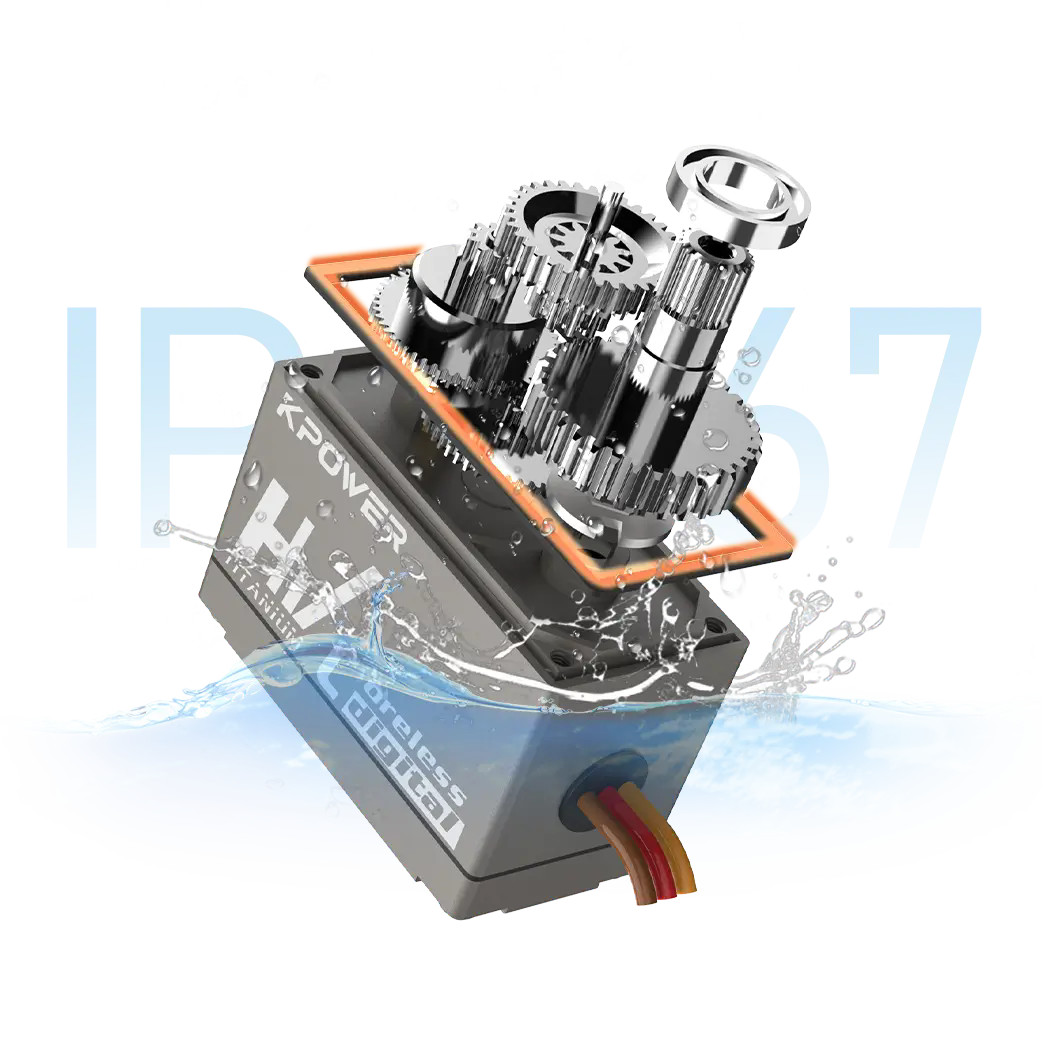
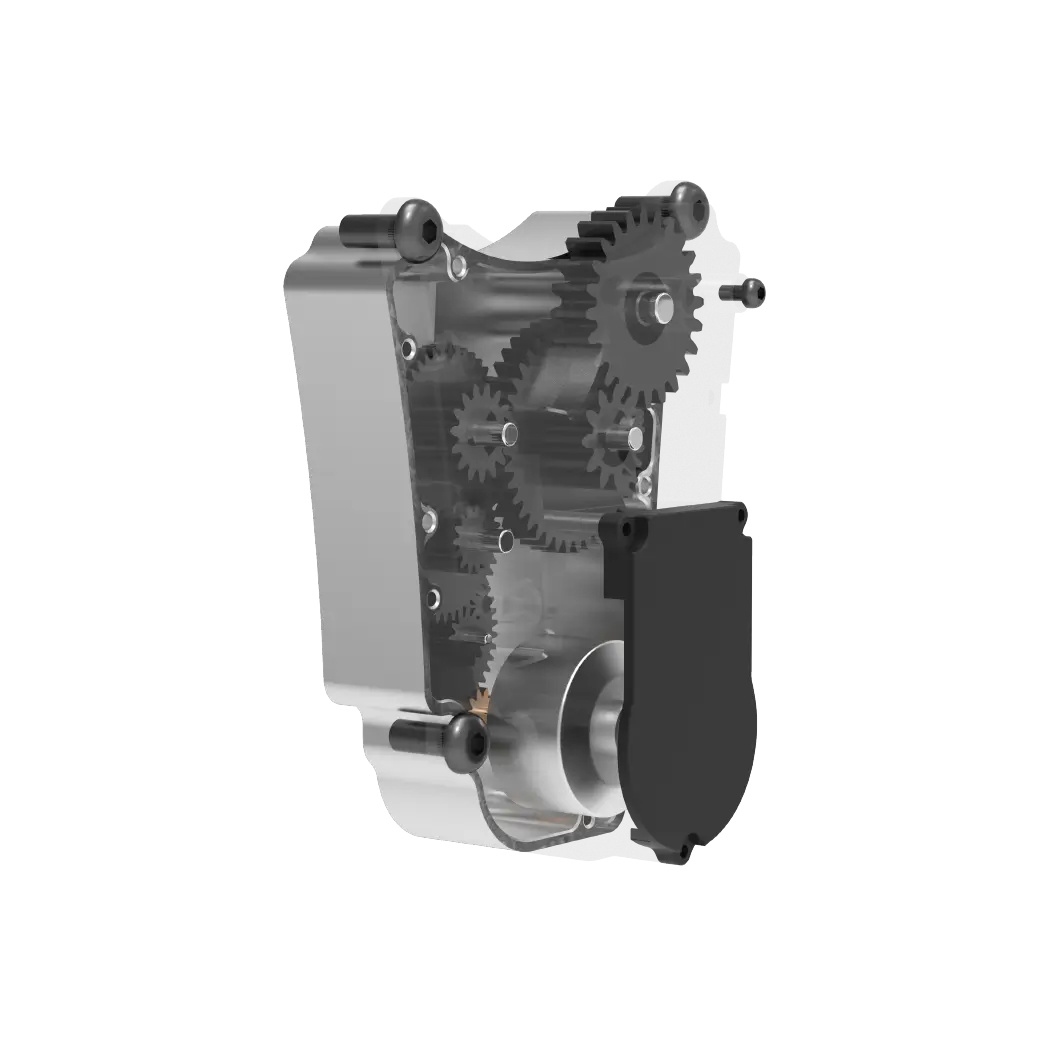
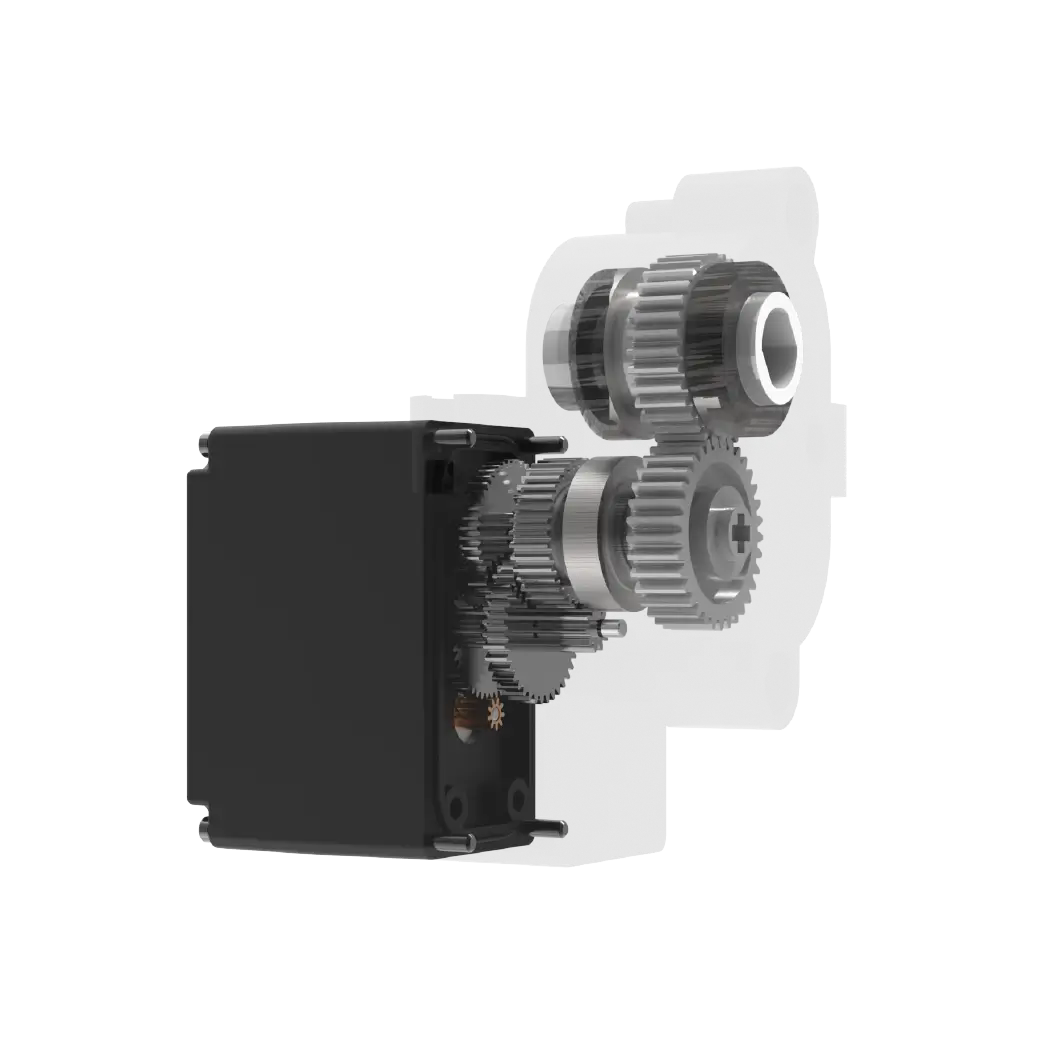
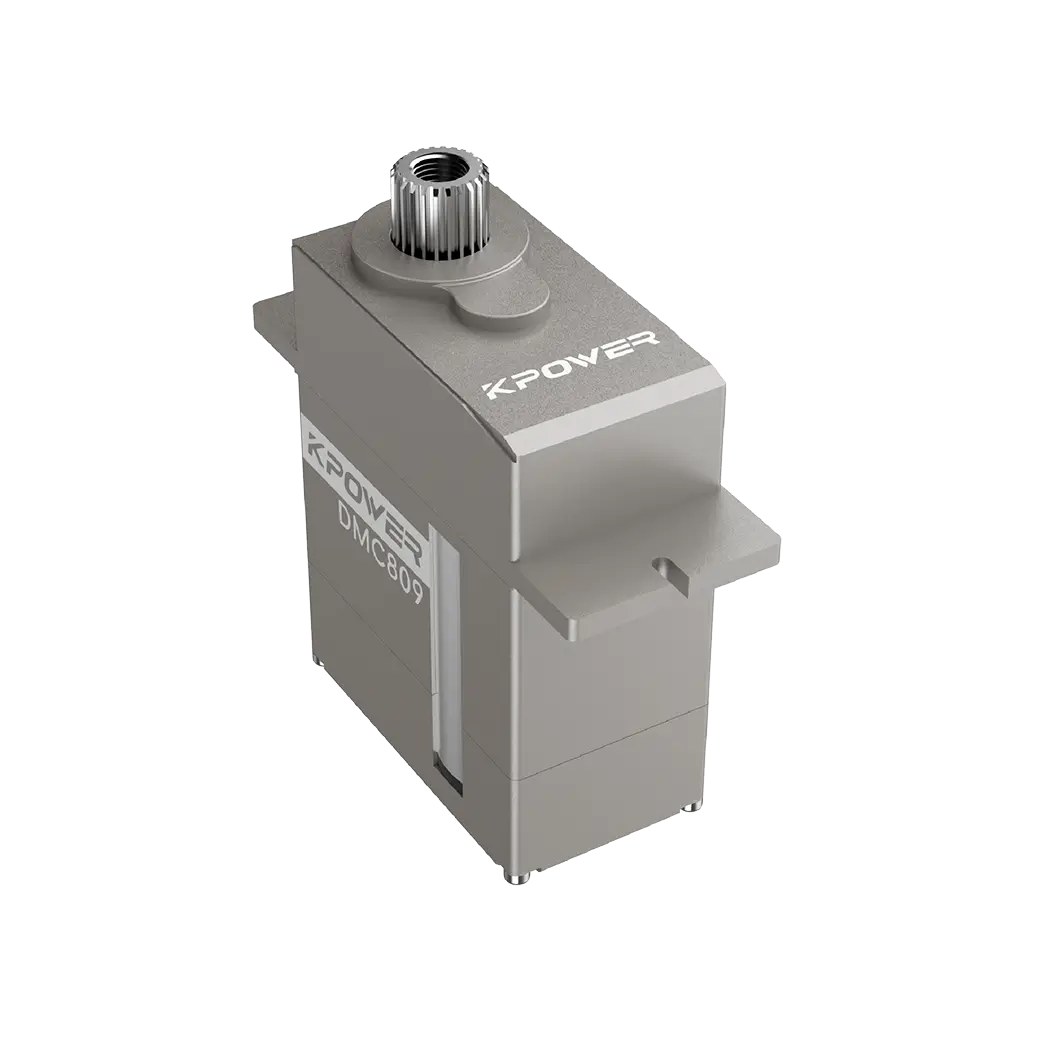
Let’s talk about the "guts" for a second. Inside a Kpower servo, the alignment of the motor pinions and the final drive gear is treated with a bit more respect than the average mass-produced unit. When the gears mesh perfectly, friction drops. When friction drops, the motor draws less current and runs cooler.
It’s almost like a clock. If one gear is slightly off-center, the whole rhythm breaks. I’ve taken apart enough motors to know that the secret isn't just the motor type—it’s the housing. A rigid case prevents the gear shafts from flexing under load. If they flex, the teeth don't meet right, and that’s when the "crunch" happens.
Most people start with a simple sweep sketch. It’s fun for ten minutes. But eventually, you want to do more. You want multi-axis synchronized movement. You want a robot that moves fluidly, like a living thing, rather than a clunky machine.
To get there, you need consistency. If you have four servos on a four-legged robot, and two of them are slightly faster than the others, your robot is going to walk in circles. Or fall over. The manufacturing consistency in Kpower servos means that when you send the same command to four different units, they actually do the same thing. It sounds basic, but in the world of affordable hardware, it’s actually a bit of a luxury.
There is a specific kind of frustration that comes from a "ghost in the machine." You check your code a hundred times. You swap the wires. You yell at the screen. Then you realize the hardware just isn't capable of the precision you're asking for.
I’ve seen great ideas get tossed into the "scrap bin" simply because the builder used components that couldn't keep up with their imagination. Don’t let a $10 saving be the reason your $200 project fails.
When you choose a servo motor Arduino solution, you are essentially buying the "muscles" for your project’s "brain." If the muscles are weak or shaky, the brain can’t express its potential. Whether it’s a wing flap on a scale model or the steering rack on an autonomous car, the mechanical link is the final word in your project's success.
Next time you’re sitting there, looking at a project that just won’t behave, take a hard look at the servos. Are they humming loudly? Are they jittering at idle? Are the movements jerky?
Maybe it’s time to stop fighting the hardware. Sometimes, the best technical "fix" isn't a better algorithm; it’s a better gear set and a more responsive motor. Kpower offers that bridge between "it almost works" and "it’s perfect."
Go back to your desk, clear off those stray wires, and pick a motor that actually follows orders. Your code deserves it, and honestly, your sanity does too. The world has enough twitchy robots; let's build something that moves with a bit of grace.
Established in 2005, Kpower has been dedicated to a professional compact motion unit manufacturer, headquartered in Dongguan, Guangdong Province, China. Leveraging innovations in modular drive technology, Kpower integrates high-performance motors, precision reducers, and multi-protocol control systems to provide efficient and customized smart drive system solutions. Kpower has delivered professional drive system solutions to over 500 enterprise clients globally with products covering various fields such as Smart Home Systems, Automatic Electronics, Robotics, Precision Agriculture, Drones, and Industrial Automation.
Update Time:2026-01-22

Contact Kpower's product specialist to recommend suitable motor or gearbox for your product.


