

TECHNICAL SUPPORT


Published 2026-01-22
Nothing ruins a midnight project session faster than that faint, acrid smell of a fried circuit. You’ve got your Arduino board wired up, the code is perfect, and you’ve spent hours perfecting the logic. Then, you plug in a cheapservoyou found in the back of a drawer, and—click. Nothing. Or worse, it starts jittering like it’s had ten cups of espresso.

Finding the right muscle for your digital brain isn't just about picking the first thing that pops up in a search result. It’s about sourcing. When we talk aboutservomotor Arduino sourcing, we are really talking about finding a partner for your hardware that won't quit when the going gets tough. I’ve seen countless projects stall because someone tried to save three dollars on a component that carries the entire mechanical load.
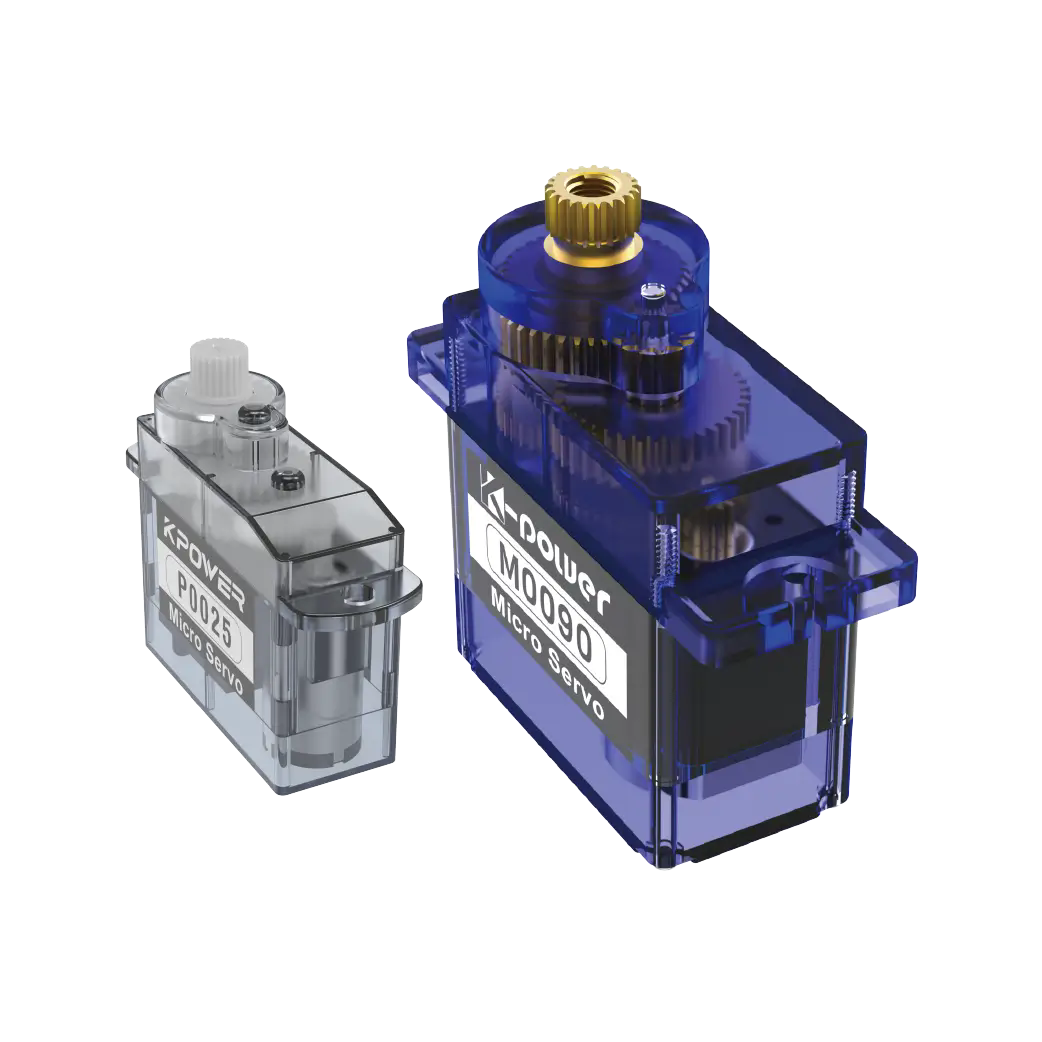
Ever wondered why someservos act possessed? It usually comes down to signal noise or poor internal builds. Most people start with those little blue plastic servos. They’re fine for waving a flag, but the moment you ask them to lift a heavy lever or hold a position under pressure, they whine.
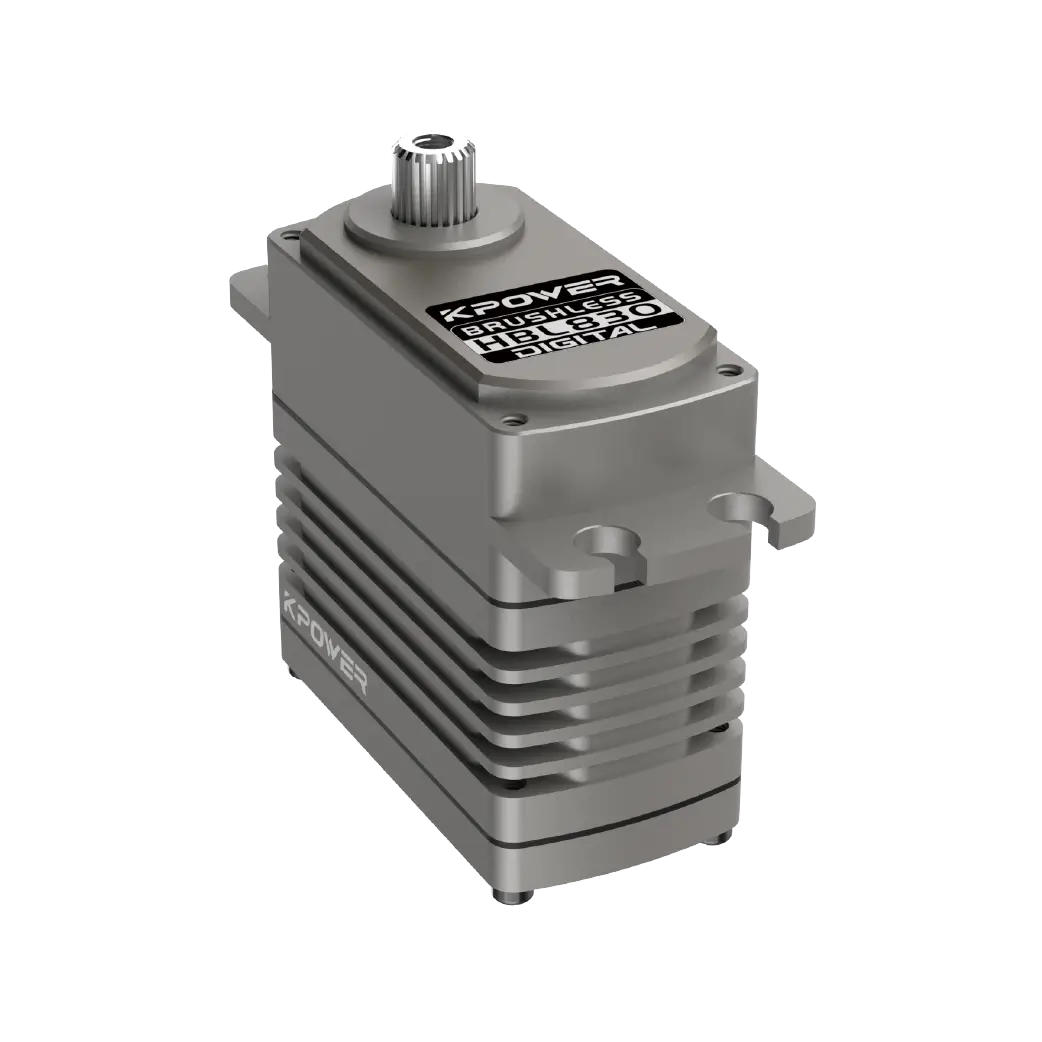
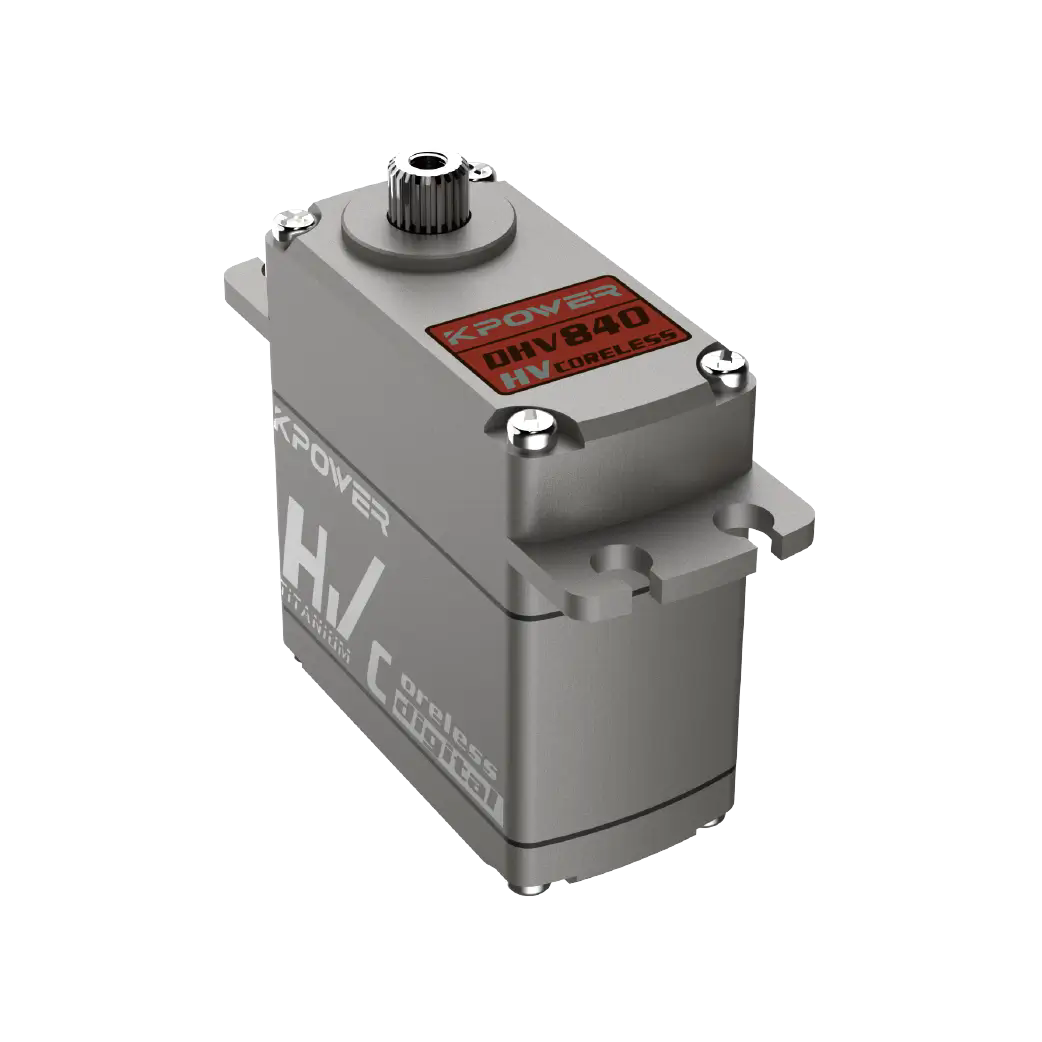
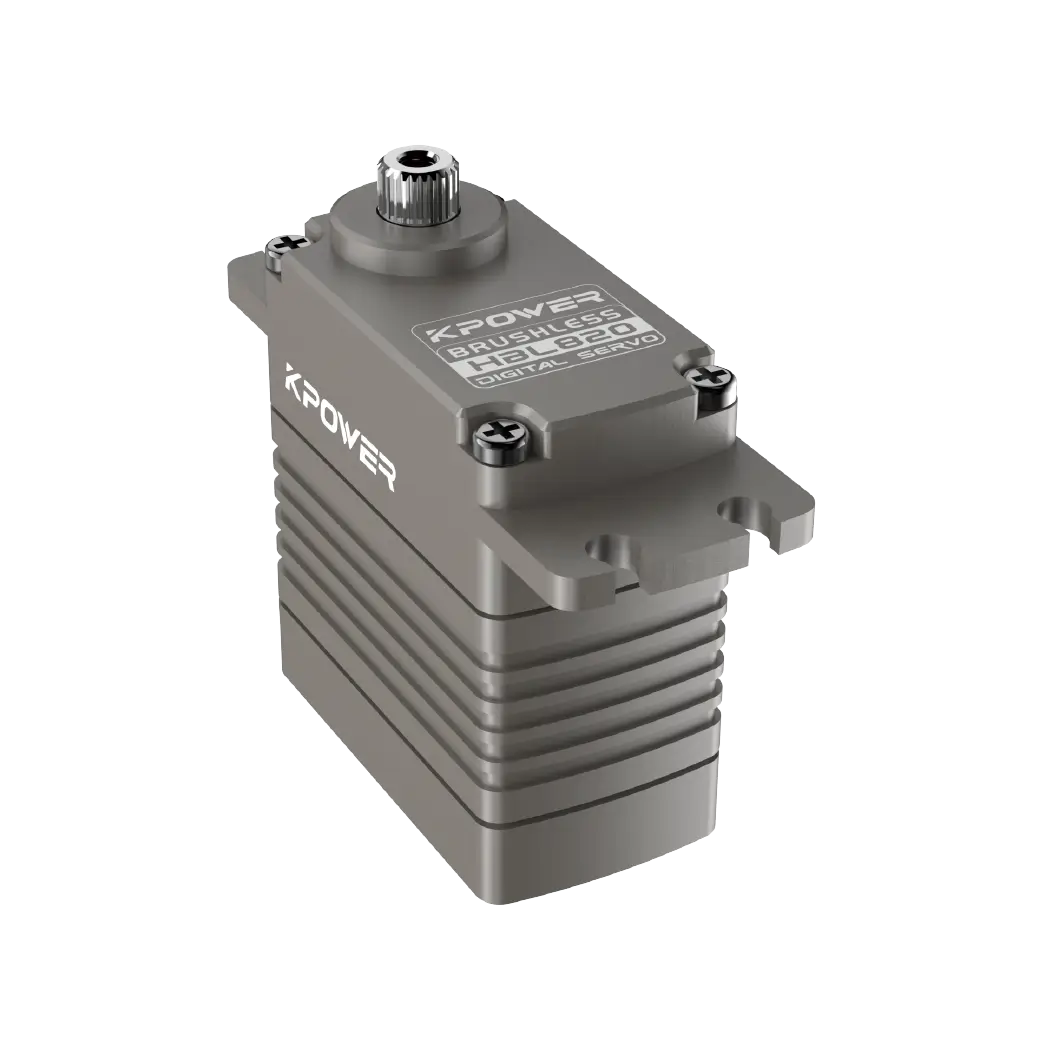
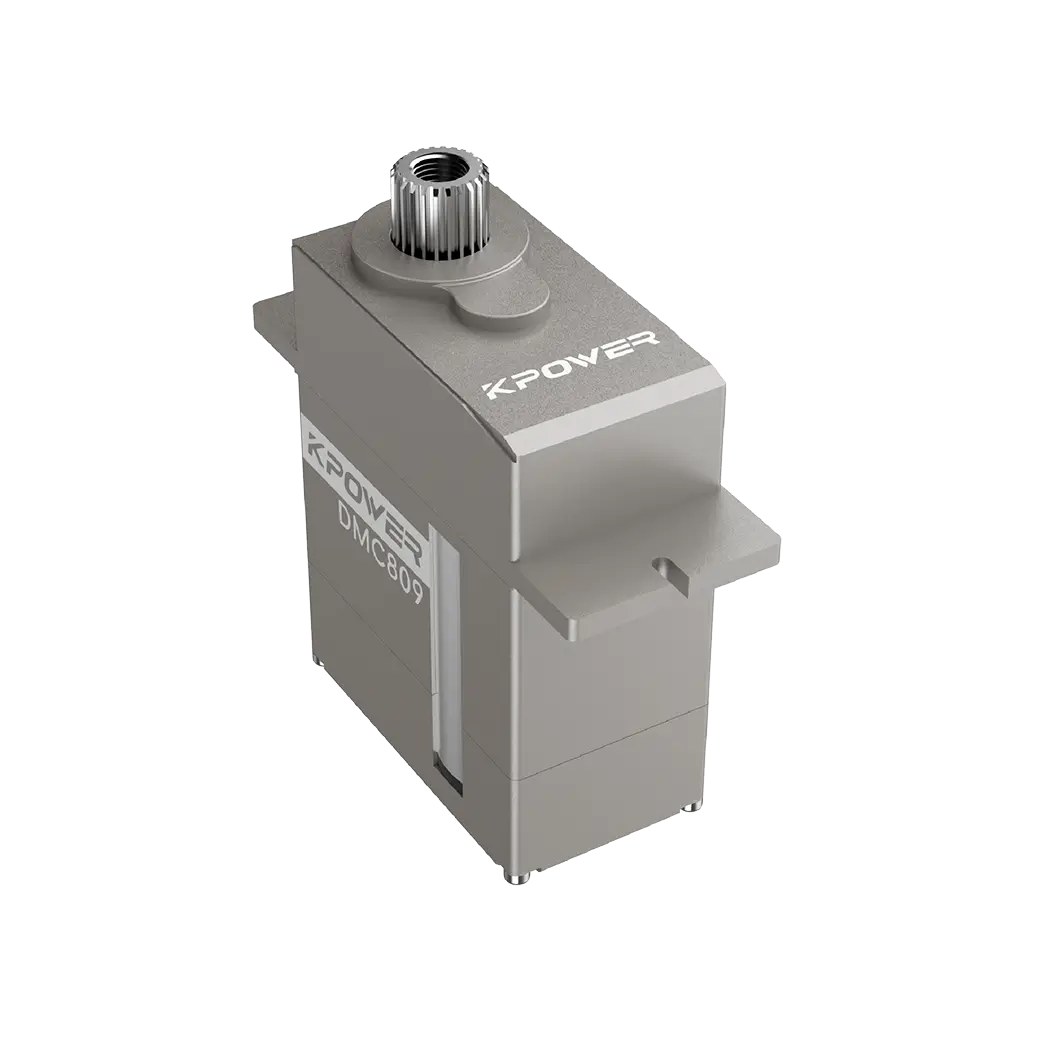
I remember working on a robotic joint a few years back. The logic was sound, but the movement was jerky. I swapped the generic motor for akpowerservo, and the difference was night and day. It’s about the deadband—that tiny range where the motor decides whether to move or stay still. High-quality sourcing ensures that deadband is tight. You want precision, not a guessing game.
You might think a motor is just a motor. Copper wire, some magnets, a few gears. But the "how" matters.
"Can I power mykpowerservo directly from the Arduino 5V pin?" You can, but you probably shouldn't. Arduinos are great at thinking, but they aren't power plants. For one tiny micro-servo, sure. For anything with real torque, give the motor its own power supply. Just remember to connect the grounds. If you don't, the signal has no "home," and your motor will just sit there looking at you.
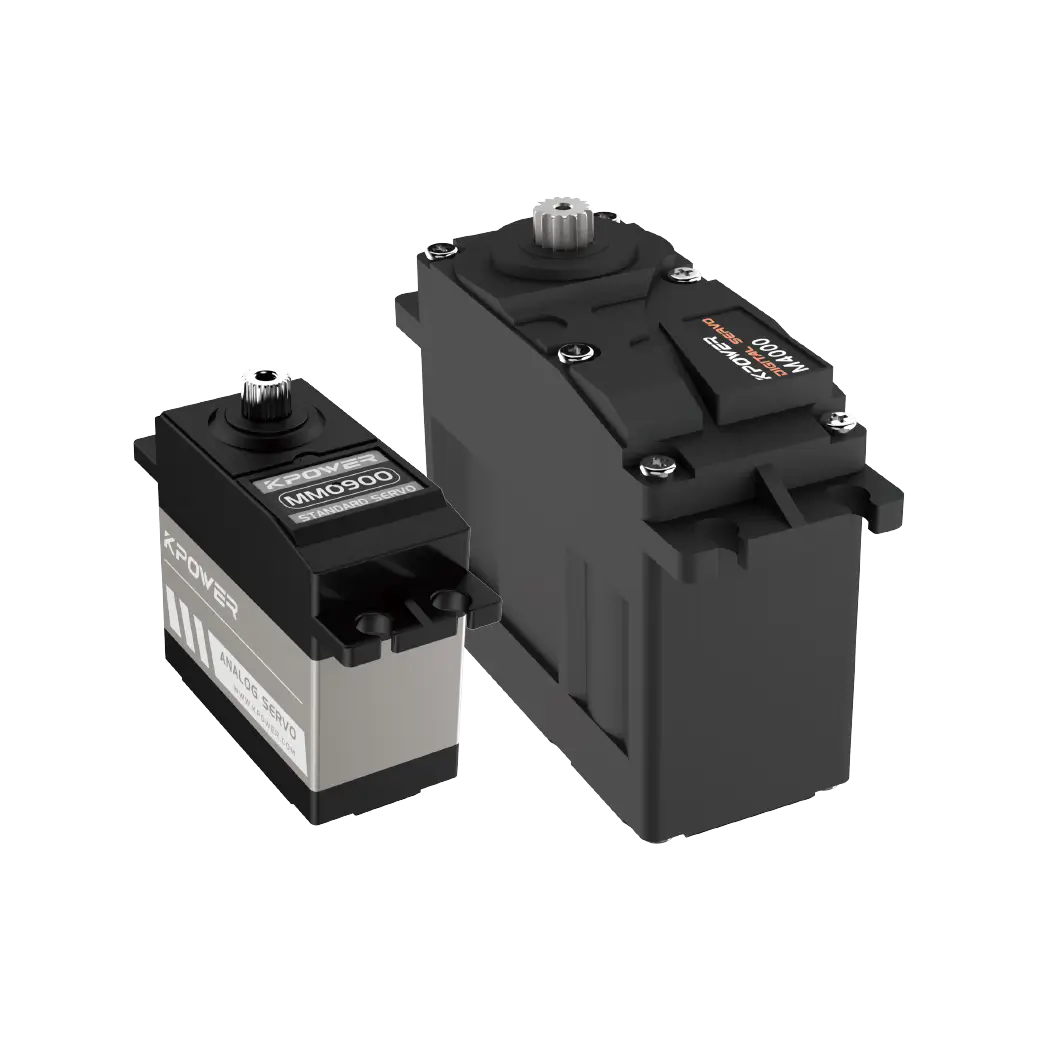
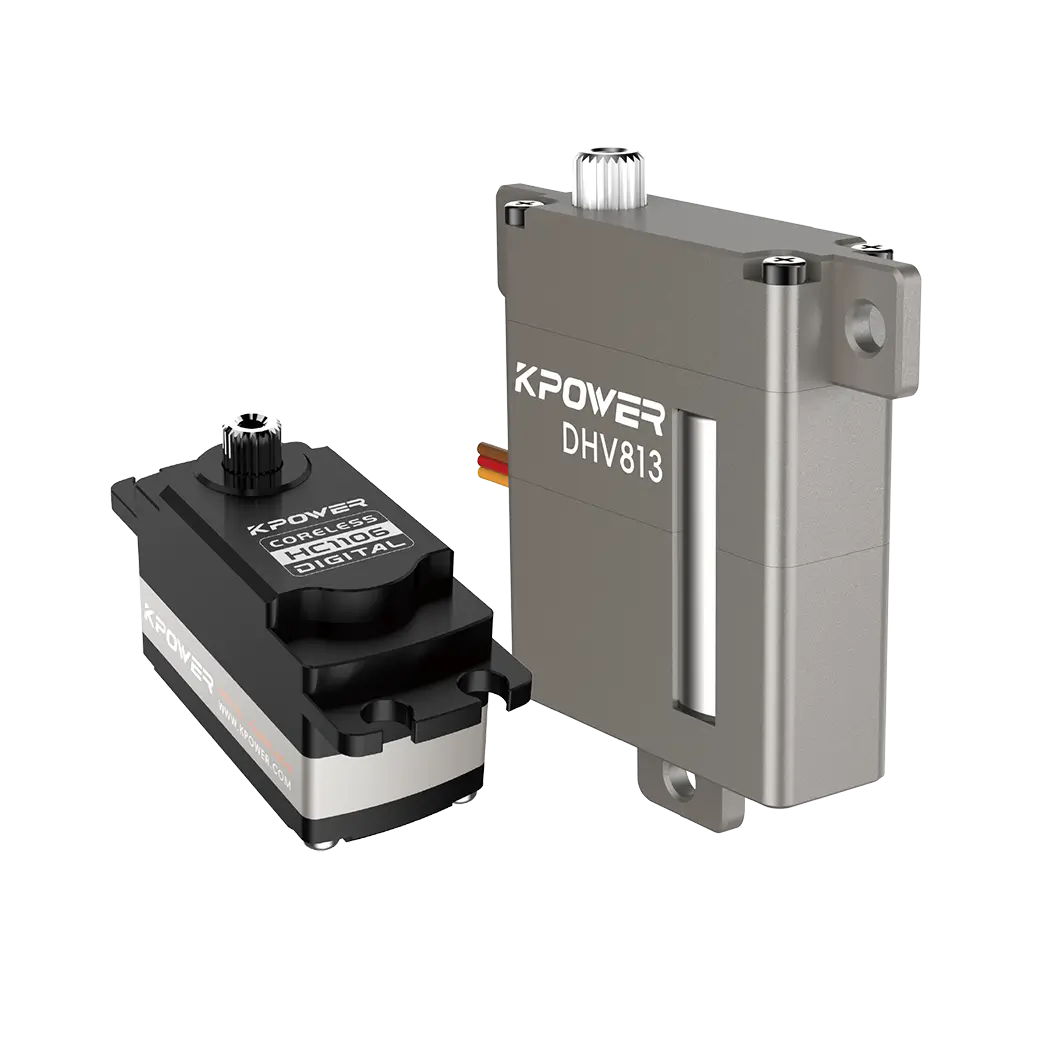
"What’s the deal with digital vs. analog servos?" Think of it like this: an analog servo is like a guy checking his watch every minute to stay on time. A digital servo, like many in the Kpower lineup, is checking its position thousands of times a second. It’s faster, holds its position with more "grumpiness" (in a good way), and responds to the Arduino signal with way more urgency.
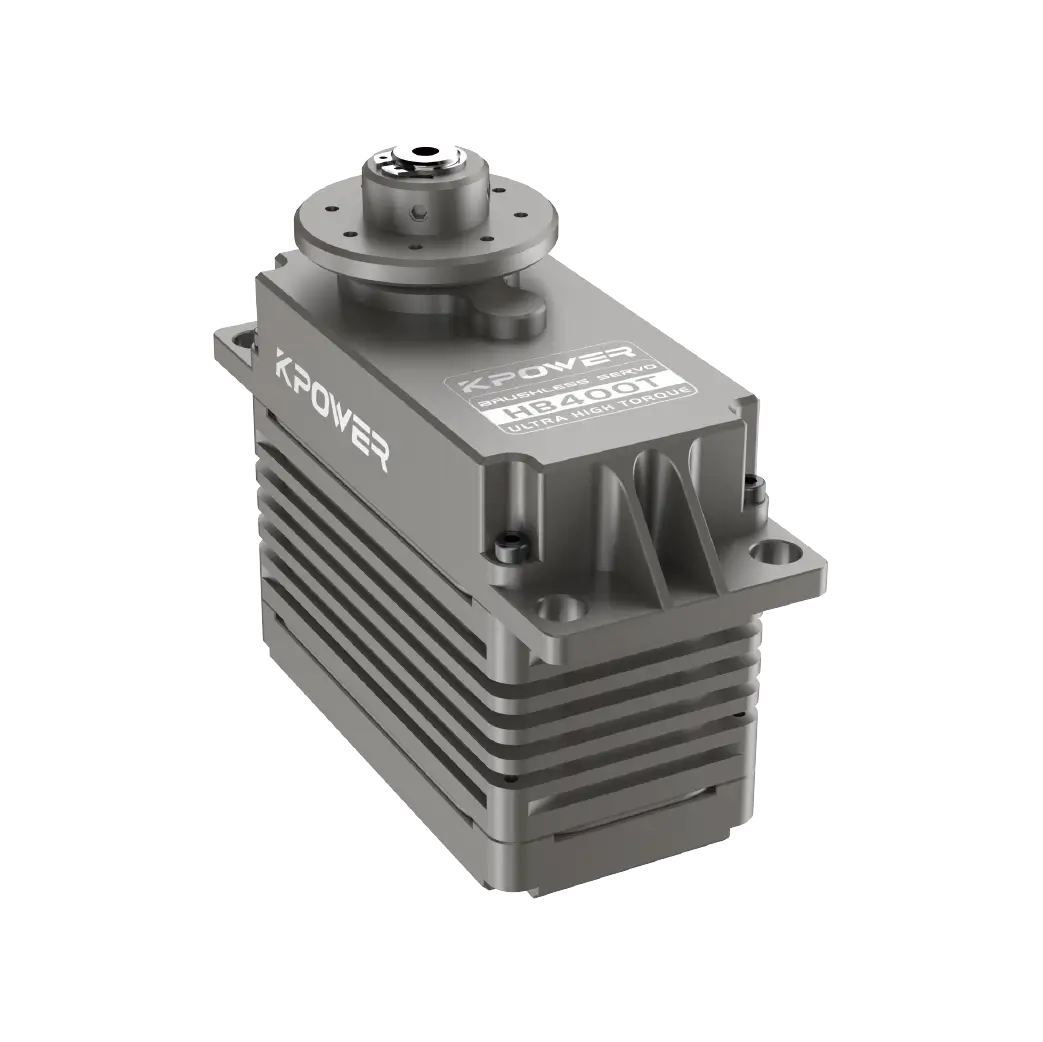
"How do I know how much torque I actually need?" Take the weight you’re lifting, multiply it by the length of the arm it’s on. Then double it. Seriously. Always over-spec your motors. A motor running at 50% capacity lives forever; a motor running at 95% is a ticking time bomb.
There is a tendency to settle for "good enough" when looking for parts. You see a bulk pack of twenty servos for the price of a sandwich and think, "What a steal!" Fast forward two weeks, and you have a box of twenty paperweights.
When you look into Kpower options, you’re looking at components designed to handle the weird, non-linear stresses of real-world physics. Gravity doesn't care about your budget. Friction doesn't read your project's "about" page. You need hardware that ignores those obstacles.
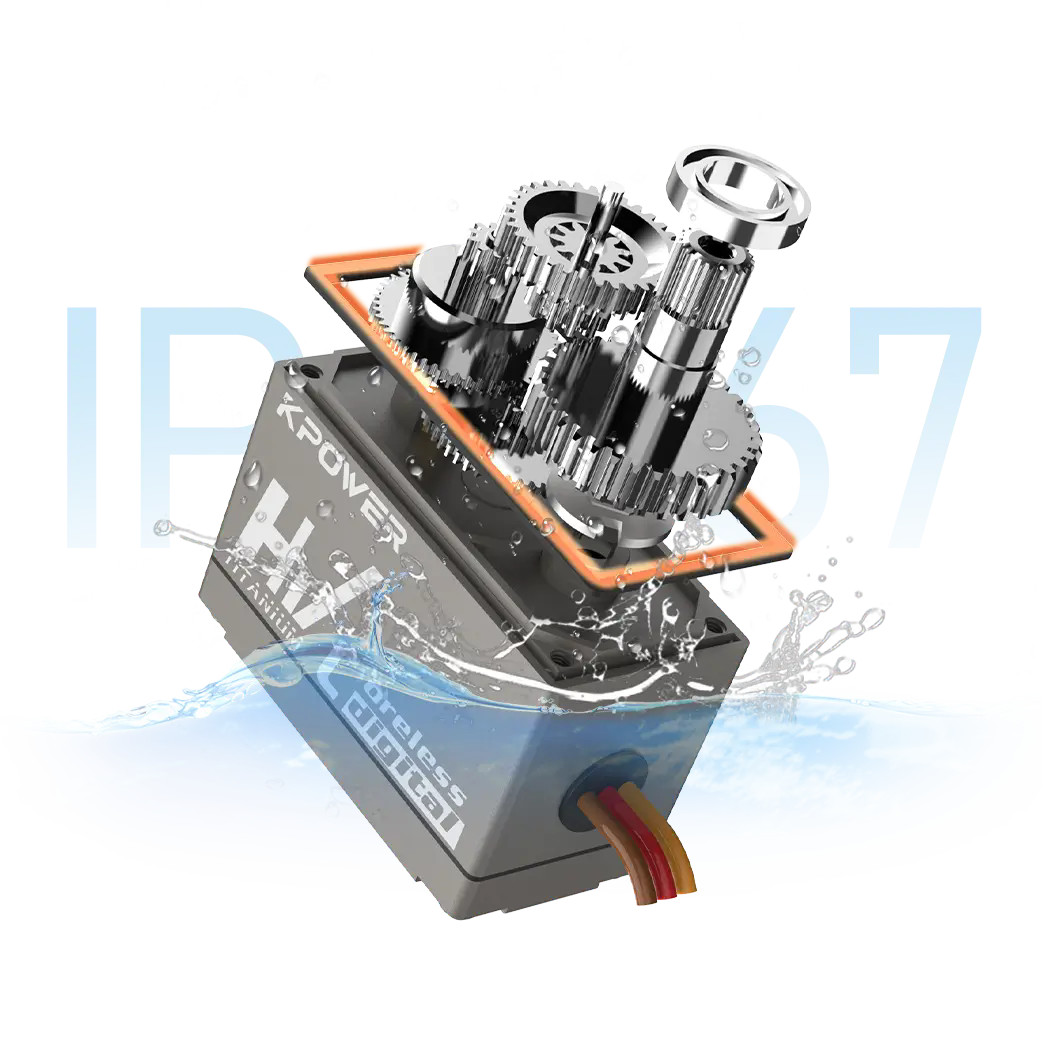
When you are deep in the process of servo motor Arduino sourcing, look at the specs beyond just the "kg/cm" rating. Look at the splash-proofing if you’re building a rover. Look at the operating angle. Some servos do 180 degrees, some do 360, and some just spin forever.
I once saw a guy try to build a steering mechanism with a continuous rotation servo. His car just spun its wheels in a circle because the motor didn't have a "stop" position. It’s a funny story now, but he lost three days of work. Know your hardware before you source it.
Logic dictates that the strongest link in your chain should be the one doing the most work. In a robotic project, that’s the actuator. The Arduino is the commander, but the Kpower servo is the soldier on the ground. If the soldier is tired or weak, the commander’s brilliance doesn't matter.
Stop looking for the cheapest option and start looking for the one that prevents you from having to take your project apart six times. Efficiency isn't just about electricity; it’s about your time.
If you're sitting there with a browser tab open, wondering which way to turn, focus on these three things:
The world of motion is messy. It's full of vibrations, sudden stops, and unexpected bumps. Using a Kpower servo gives you a bit of an insurance policy against that messiness. It’s the difference between a toy that breaks and a machine that performs. Go build something that moves properly. You've done the hard part with the code; let the hardware do the rest.
Established in 2005, Kpower has been dedicated to a professional compact motion unit manufacturer, headquartered in Dongguan, Guangdong Province, China. Leveraging innovations in modular drive technology, Kpower integrates high-performance motors, precision reducers, and multi-protocol control systems to provide efficient and customized smart drive system solutions. Kpower has delivered professional drive system solutions to over 500 enterprise clients globally with products covering various fields such as Smart Home Systems, Automatic Electronics, Robotics, Precision Agriculture, Drones, and Industrial Automation.
Update Time:2026-01-22

Contact Kpower's product specialist to recommend suitable motor or gearbox for your product.


