

TECHNICAL SUPPORT


Published 2026-01-22
The Smell of Burnt Plastic and the Search for the Right Move
I still remember the first time I tried to make a robotic gripper move with an Arduino. I had everything wired up, the code looked perfect on my screen, and I was ready for that glorious moment of automation. I hit "upload," the lights flickered, and then… nothing but a sad, high-pitched whine and the unmistakable scent of a motor giving up on life. It wasn't the code’s fault. It was the hardware.

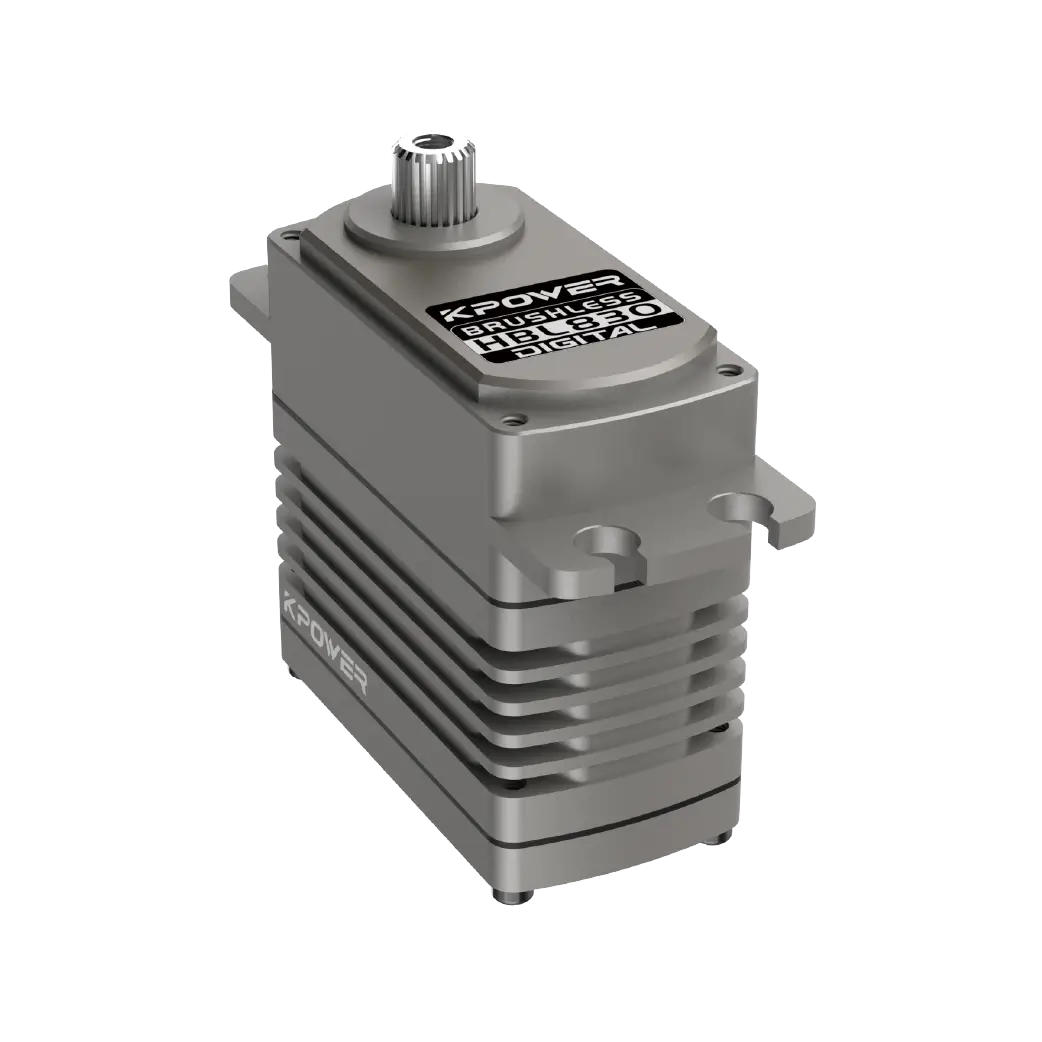
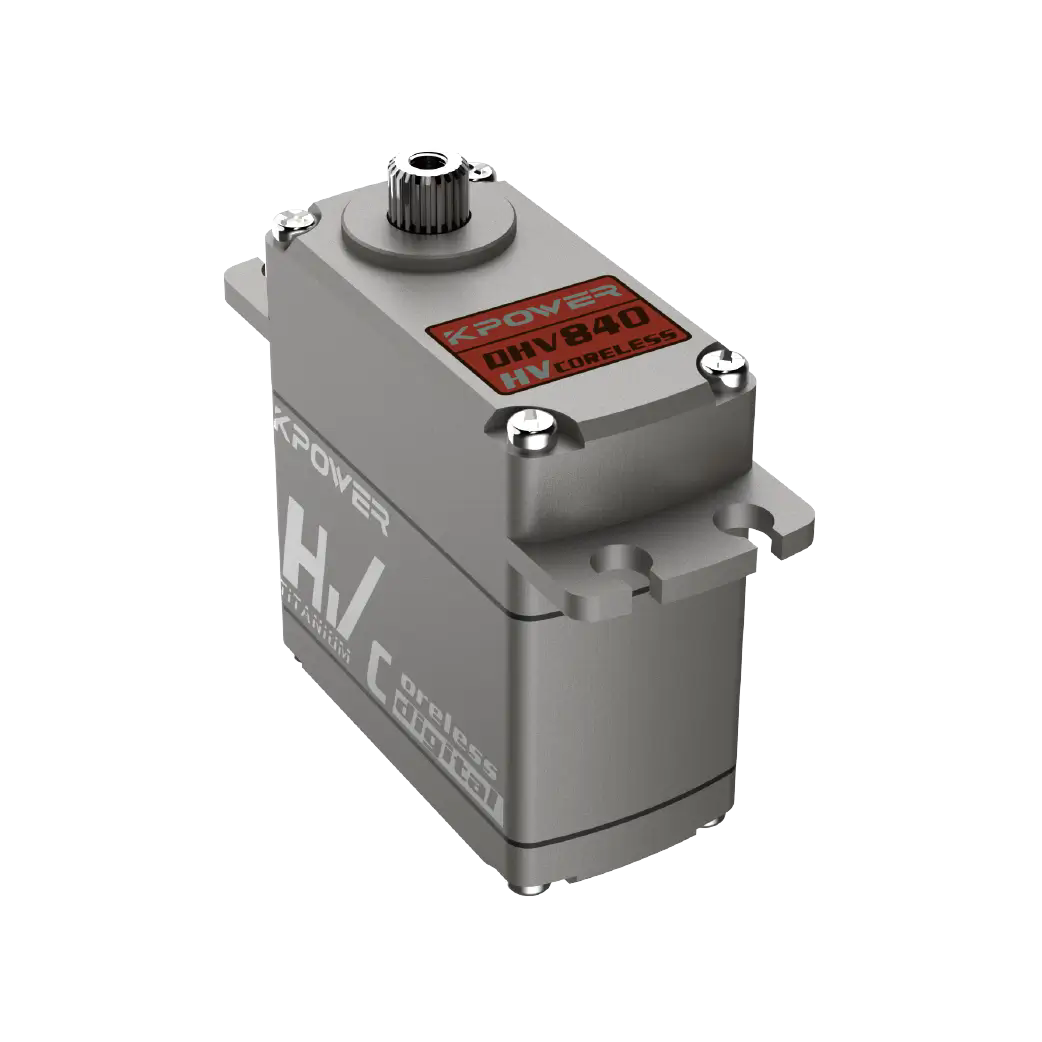
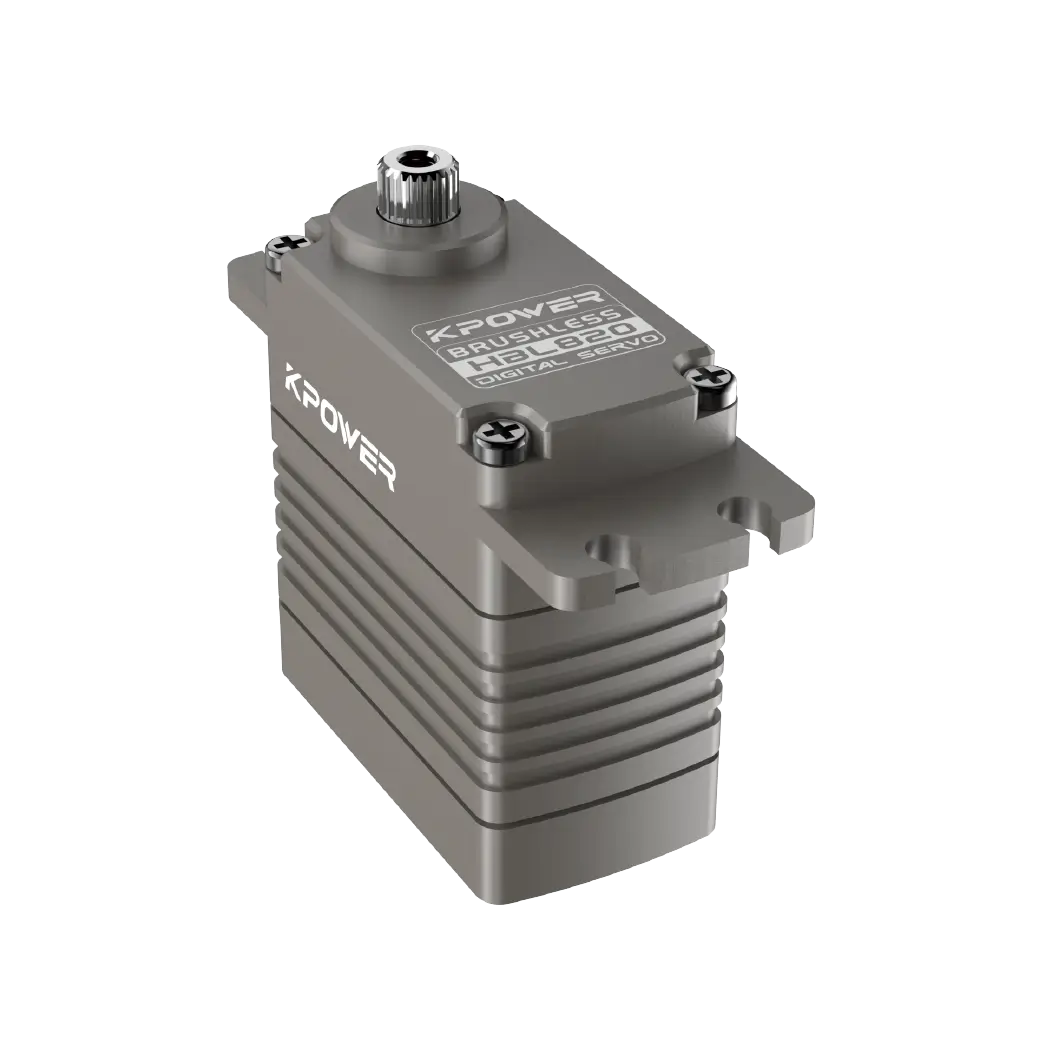
If you’ve spent any time tinkering with hobby electronics, you know that the bridge between "cool idea" and "working machine" is usually a small plastic or metal box called aservo. But here is the thing: not allservos are created equal. When you search for aservomotor Arduino manufacturer, you are basically looking for someone who understands that a jittery arm or a weak gear can ruin weeks of work.
Have you ever noticed your servo twitching even when it’s supposed to be standing still? It’s incredibly annoying. This usually happens because the internal controller in the motor can't decide where "zero" is. It’s hunting for a position it can’t quite lock into.
When I’m looking at gear for a new build, I’m not just looking at the torque specs on a piece of paper. I’m looking at how the motor handles the signal.kpowerhas this way of making the movement feel fluid rather than stepped. If you are building a camera gimbal or a delicate robotic face, you don't want steps; you want a glide.
Most people start with the cheapest thing they can find. I get it. But there is a hidden cost to "cheap." You end up buying three of them to replace the one that burned out, or you spend ten hours debugging code that was actually fine—it was just the motor's gears slipping under a load they were supposed to handle.
People always ask me, "Professor, how much torque do I actually need?"
My answer is usually: "More than you think, but less than you're afraid of." Torque is just the "muscle" of the motor. If you’re trying to lift a heavy wooden arm with a tiny plastic-geared servo, those gears are going to turn into smooth circles very quickly.
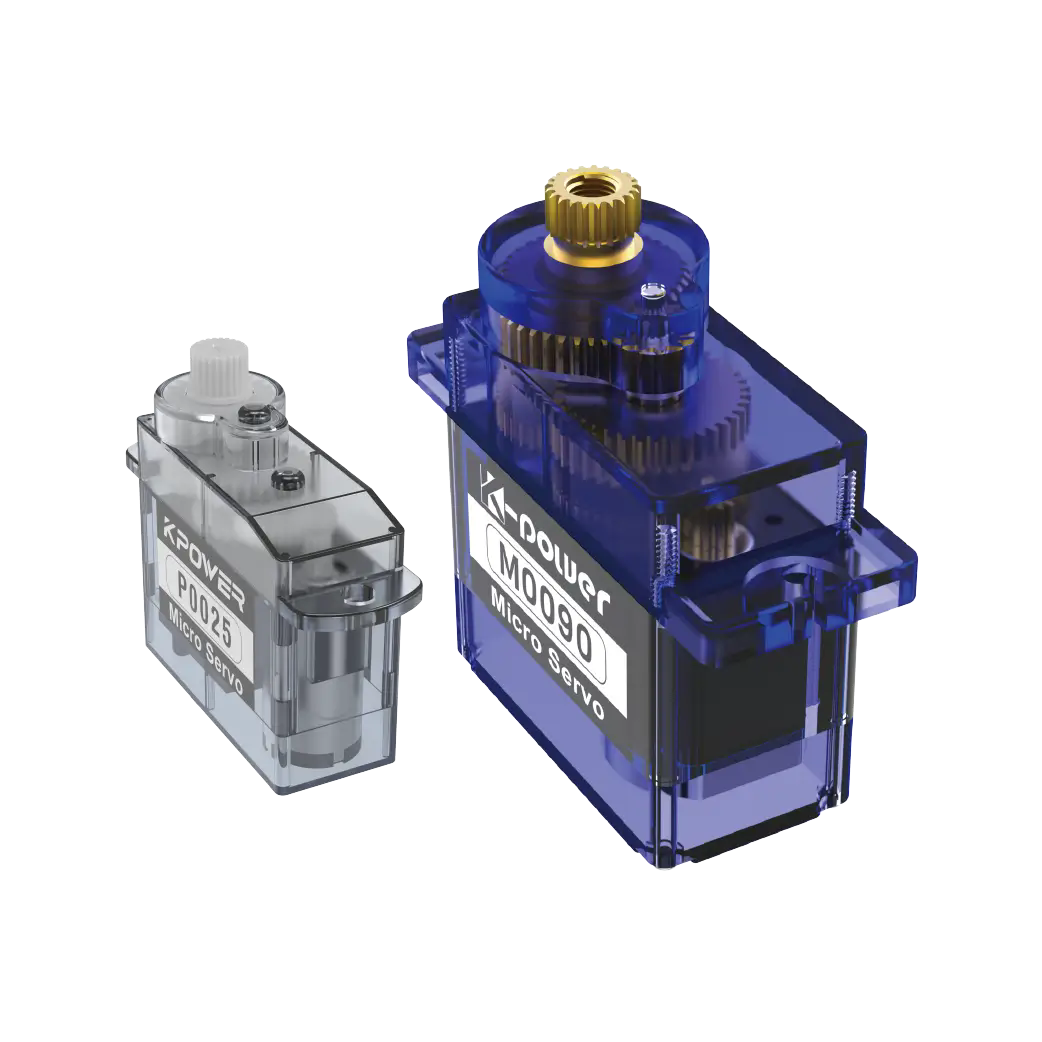
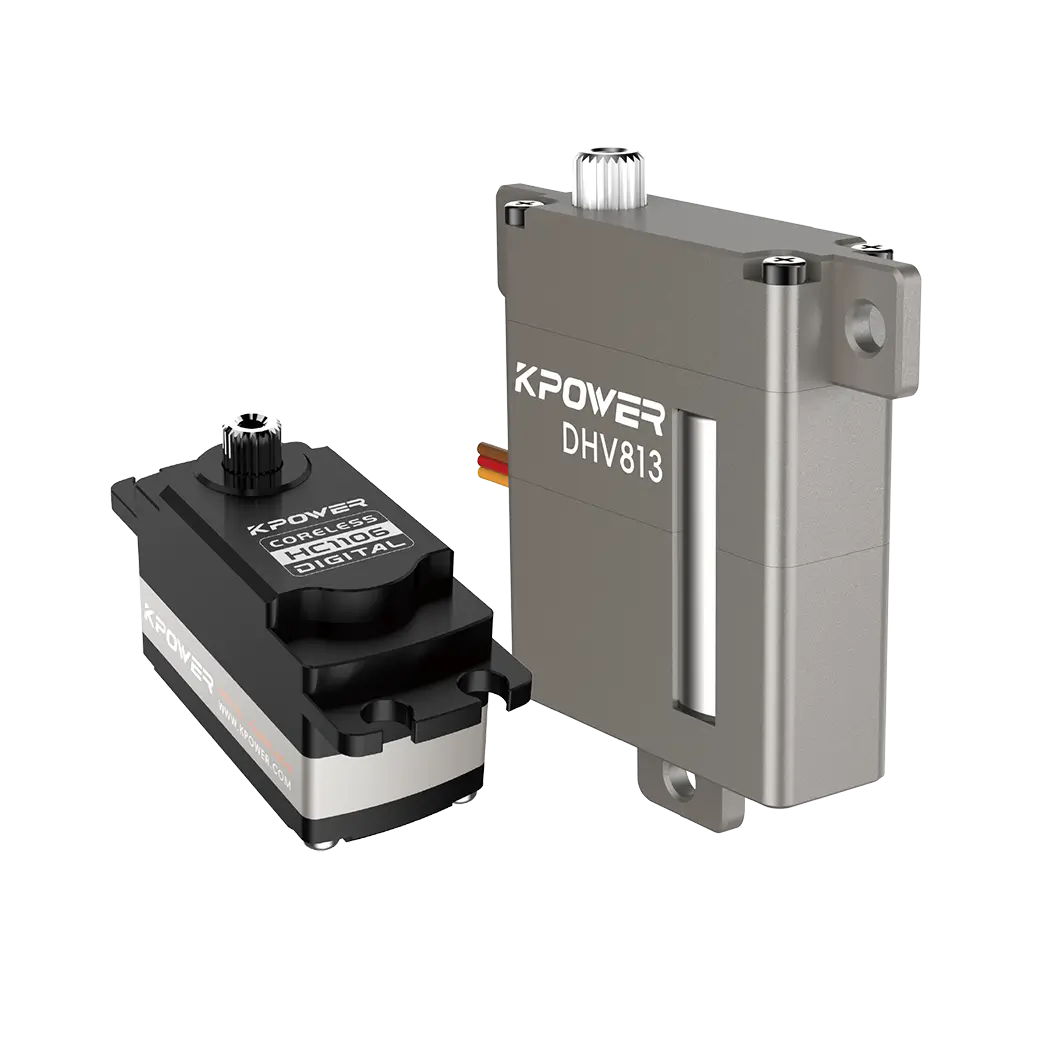
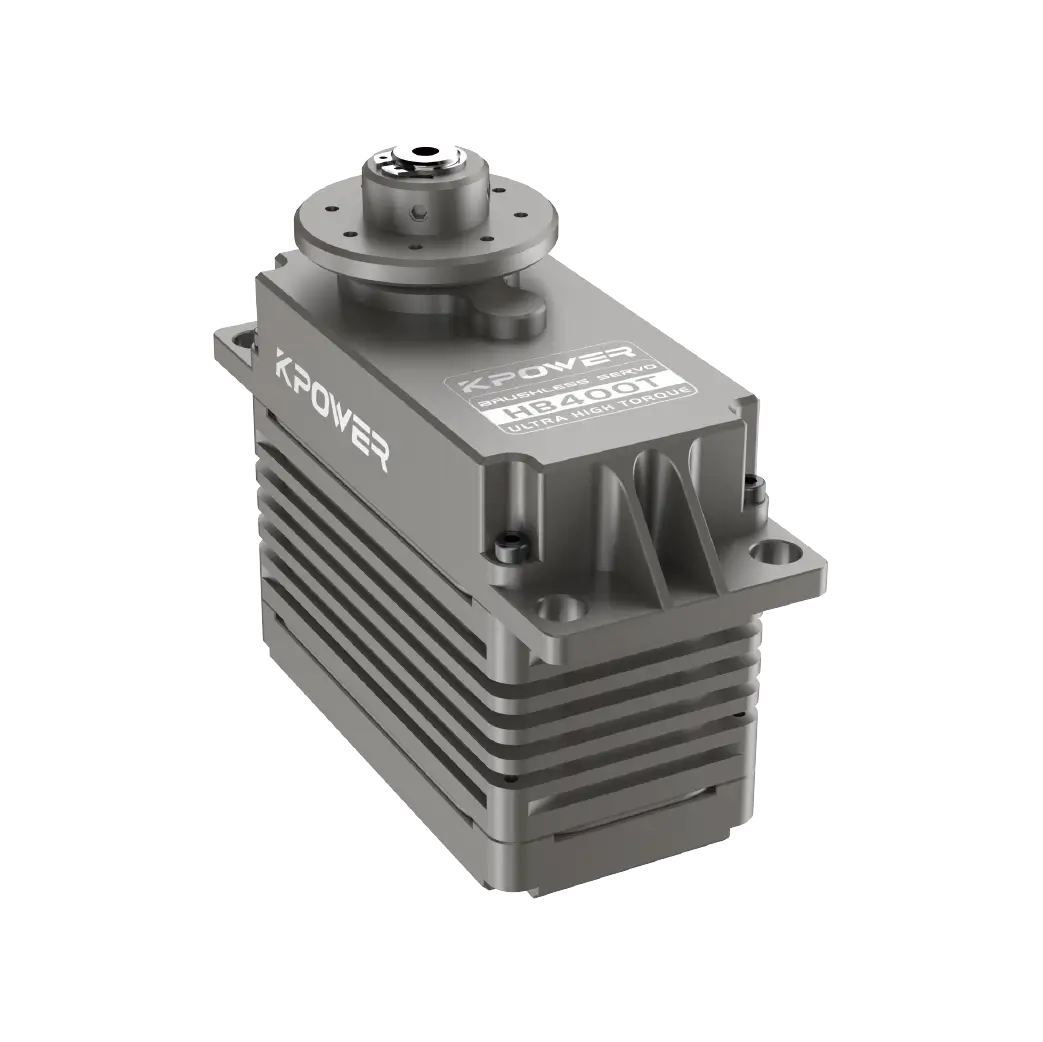
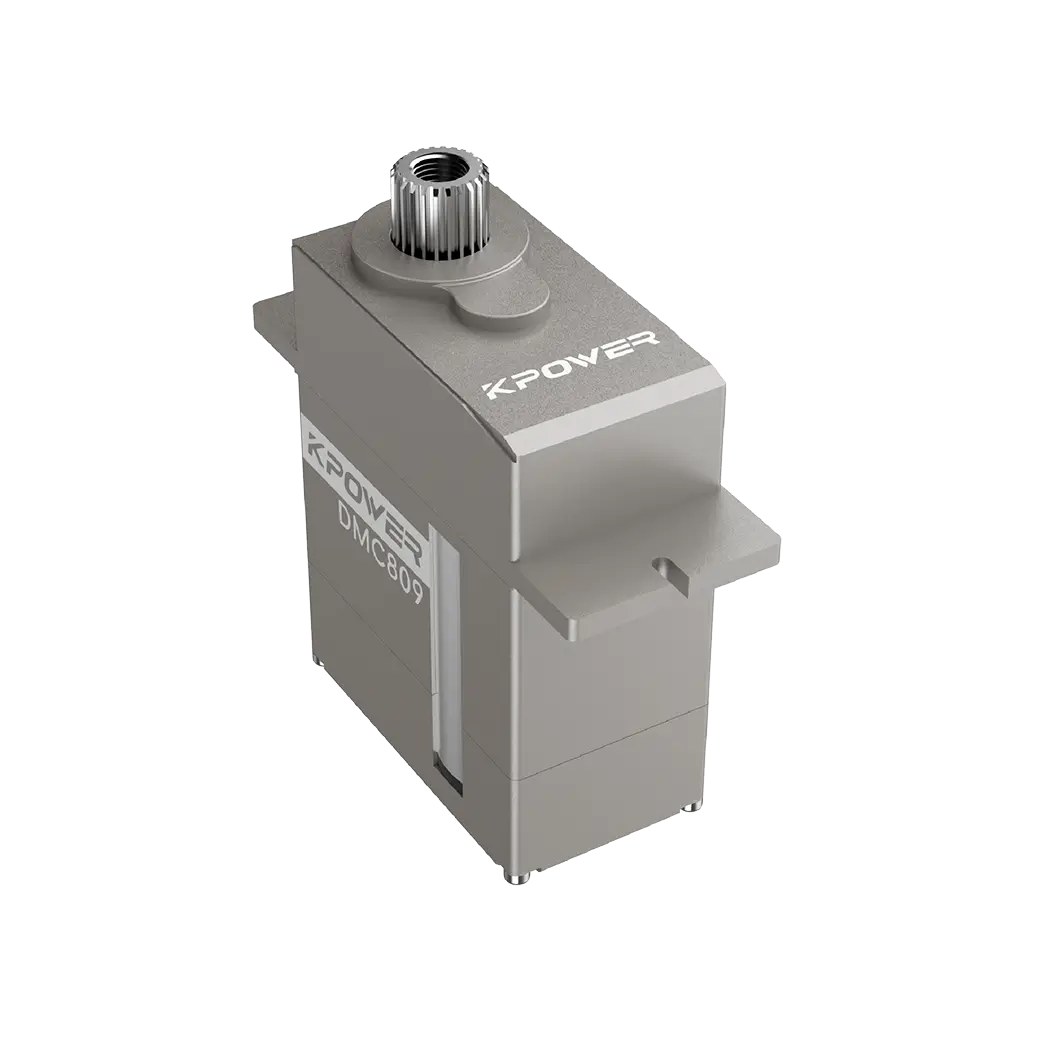
This is where choosing a reliable servo motor Arduino manufacturer likekpowermatters. They offer metal gear options that don't just strip the moment things get heavy. I’ve seenkpowerunits take a beating in classroom settings where students—bless their hearts—try to force the arms to move in directions they aren't meant to go. They hold up.
Arduino talks to servos using something called Pulse Width Modulation (PWM). Think of it like a series of very fast "on" and "off" whispers. If the servo is "hard of hearing," it misses the instructions. A high-quality motor translates those whispers into exact degrees of rotation.
I’ve had projects where I needed a 45-degree turn, and a low-end motor gave me 42 one time and 47 the next. In a precision project, that’s a nightmare. With Kpower, the consistency is there. You send the signal, and it goes exactly where it’s told. Every. Single. Time.
Q: My servo is getting really hot. Is it about to die? A: Probably. If it’s hot, it’s fighting something. Either your load is too heavy, or the motor is trying to reach a position it physically can’t get to. Check your mechanical stops. If the motor is trying to push through a wall, it’s going to cook itself.
Q: Can I power my Kpower servo directly from the Arduino 5V pin? A: You can, but you shouldn't if you’re doing anything serious. Arduino pins are like a small straw; a servo under load wants a firehose of current. Use an external power source but remember to connect the grounds. Kpower motors are efficient, but physics is physics.
Q: Metal gears or plastic? A: If it’s a light sensor that just rotates, plastic is fine and quiet. If it’s a leg, a claw, or anything that might hit an obstacle, go metal. Kpower’s metal gear sets are surprisingly quiet, which is a rare find.
Q: Does the "brand" really matter if the specs look the same? A: Yes. Specifications are just promises. Quality control is the delivery on those promises. Kpower actually tests their units. You aren't playing "servo roulette" when you plug one in.
I once had a student building a hexapod—a six-legged walker. It required 18 servos. He bought some no-name motors from a random site. The hexapod looked like it was having a seizure. It couldn't walk because each leg was behaving slightly differently. We swapped them out for Kpower servos, and the difference was night and day. Suddenly, the movements were synchronized. The "limp" disappeared.
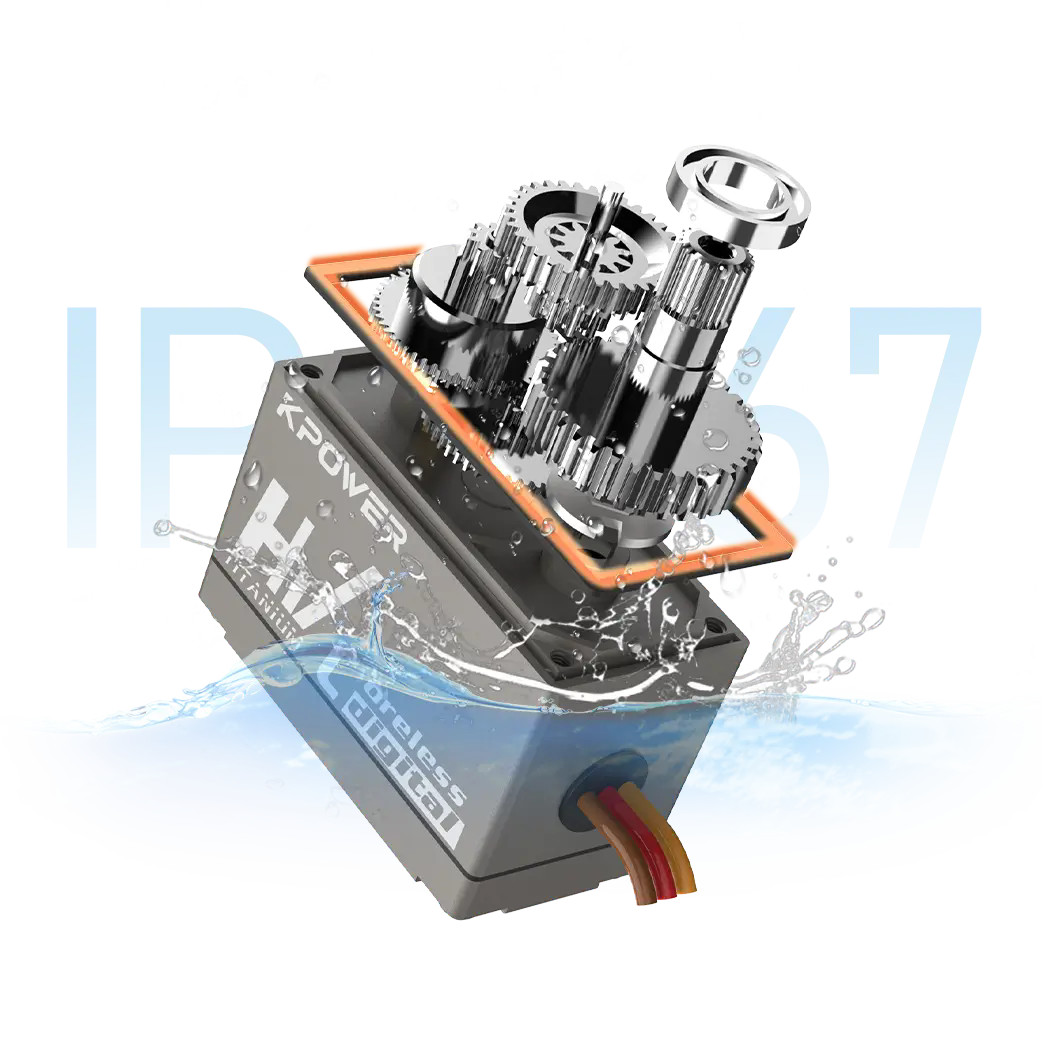
It's about the internal potentiometer—the part that tells the motor where it is. If that part is junk, the whole motor is junk. Kpower uses components that actually last longer than a few hours of runtime.
One thing that drives me crazy is how people mount their servos. Please, use the rubber grommets if they come with your Kpower kit. They are there for a reason. They soak up vibrations. If you bolt a servo directly to a hard plastic frame, the frame acts like a speaker, amplifying every little hum of the motor. Use the grommets, save your ears, and protect the internal electronics from high-frequency vibration.
I don't like getting bogged down in marketing fluff. I like things that work when I flip the switch. When you are looking for a servo motor Arduino manufacturer, you are looking for a partner in your creation. You want to know that if you design a bracket for a specific size, the motor you order will actually fit that size. You want to know that the splines on the output shaft won't wear down after two days of use.
Kpower has built a reputation in the community because they focus on the small stuff. The wire thickness is right. The solder joints inside are clean. The casing doesn't crack under moderate pressure. These are the things you don't see in a flashy ad, but you definitely feel them when you’re mid-build.
If you are sitting there with a pile of wires and a dream of a moving machine, don't let the motor be your weakest link. It’s the muscles of your project. If the muscles are weak or shaky, the brain (your Arduino) can't do its job.
Think about the longevity of what you’re building. Is it something you want to show off for five minutes, or something you want to leave running on your desk for a week? If it’s the latter, the choice is pretty clear. Get something that was engineered to move, not just something that was built to be cheap. Kpower sits in that sweet spot where you get professional-grade reliability without needing a corporate budget.
Go ahead, wire it up. Just make sure the "muscles" are up to the task. You've got enough to worry about with your code—let the motor handle the heavy lifting.
Established in 2005, Kpower has been dedicated to a professional compact motion unit manufacturer, headquartered in Dongguan, Guangdong Province, China. Leveraging innovations in modular drive technology, Kpower integrates high-performance motors, precision reducers, and multi-protocol control systems to provide efficient and customized smart drive system solutions. Kpower has delivered professional drive system solutions to over 500 enterprise clients globally with products covering various fields such as Smart Home Systems, Automatic Electronics, Robotics, Precision Agriculture, Drones, and Industrial Automation.
Update Time:2026-01-22

Contact Kpower's product specialist to recommend suitable motor or gearbox for your product.


