

TECHNICAL SUPPORT


Published 2026-01-22
The jittery movement of a tiny robotic arm is enough to keep anyone up at night. You’ve spent hours designing the perfect frame, 3D printing the joints, and wiring the controller, only to find that the "heart" of your machine—the microservo—is acting like it’s had ten cups of espresso. It twitches, it gets hot, and it lacks the strength to even lift a plastic spoon. This is a common wall that creators hit, and it’s usually because they treated theservoas an afterthought rather than the core of the mechanical soul.
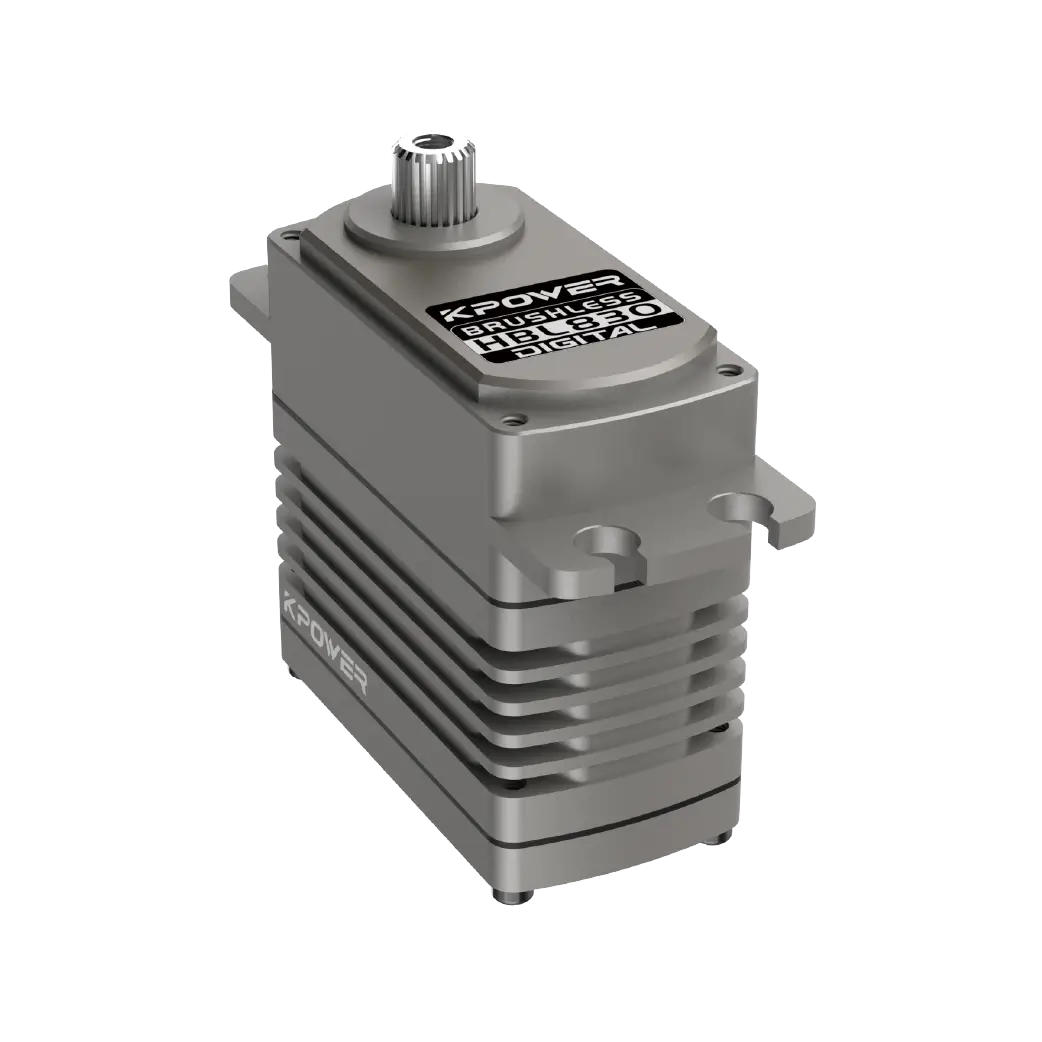
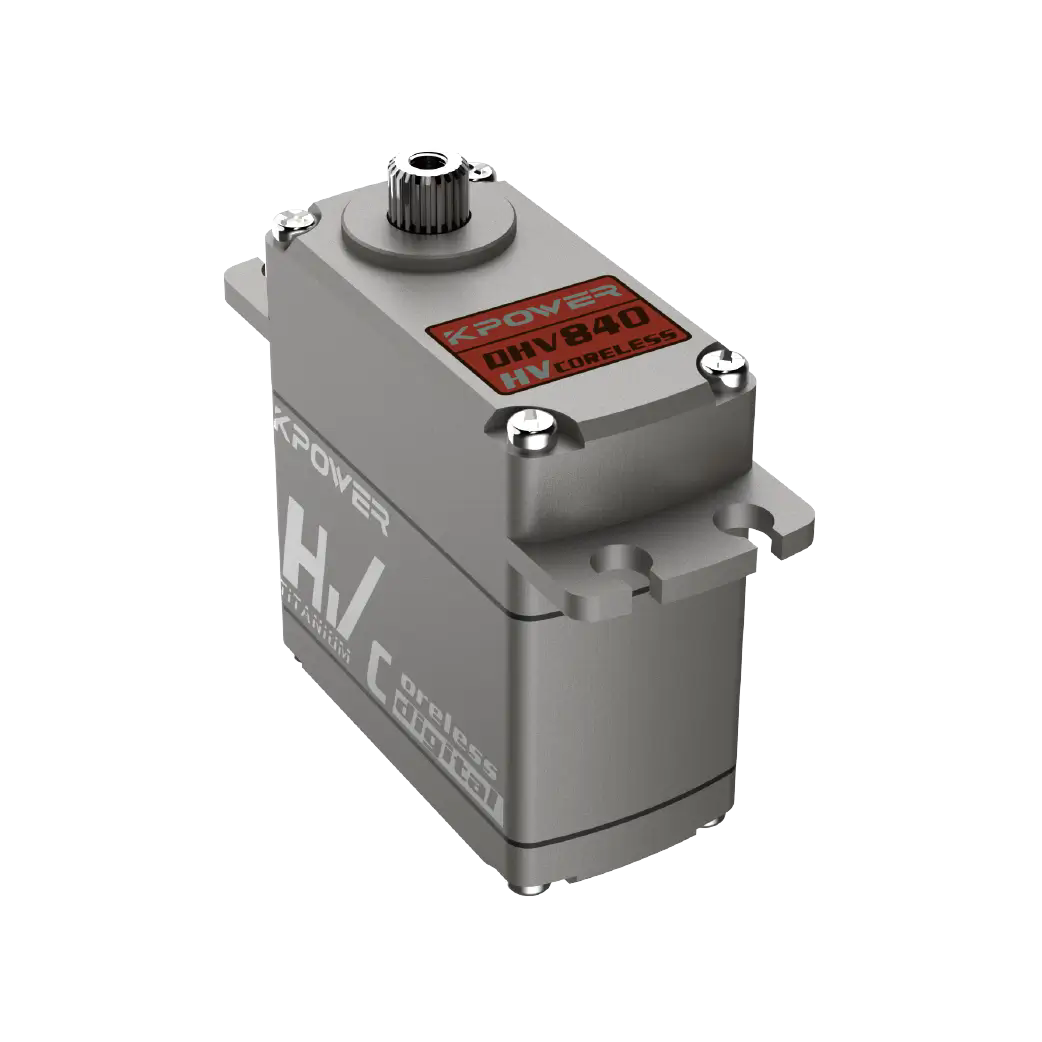
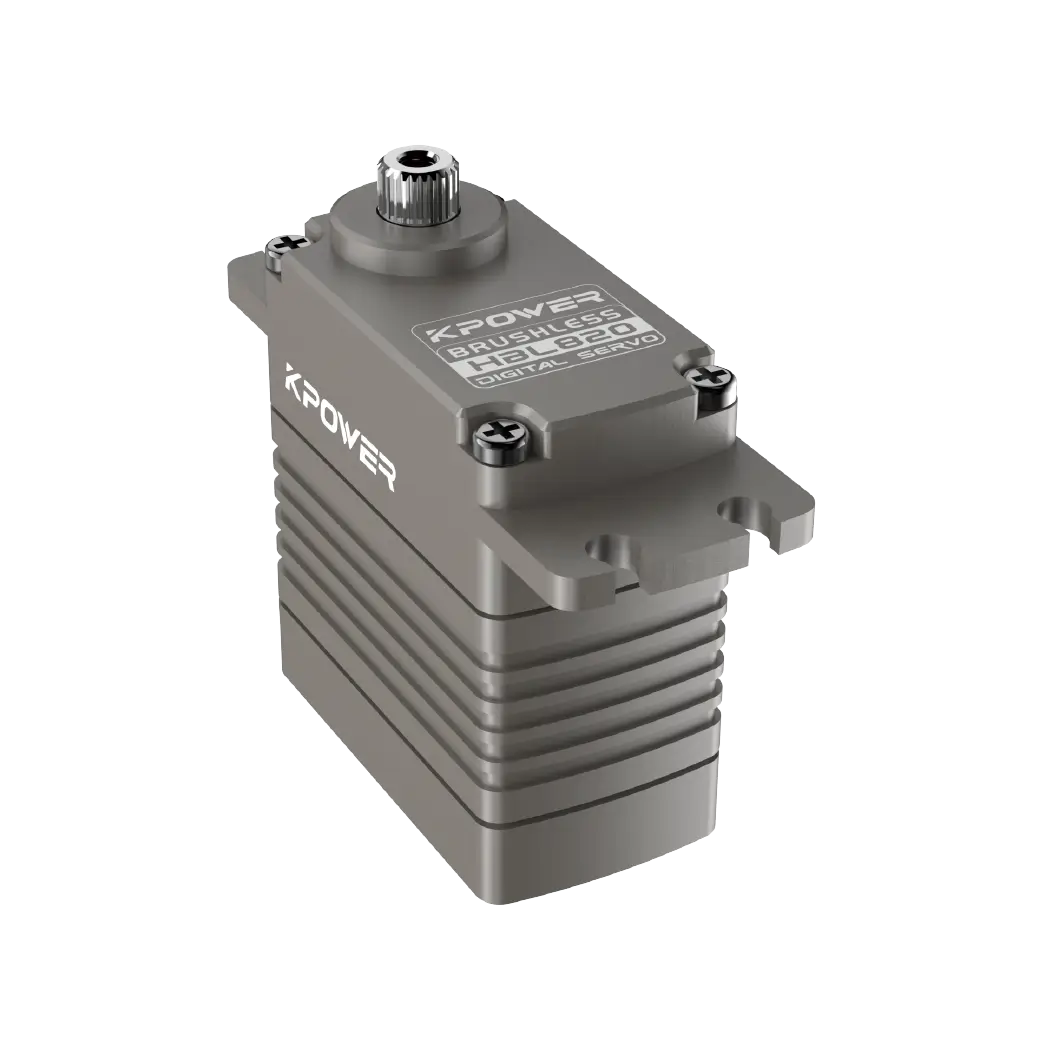
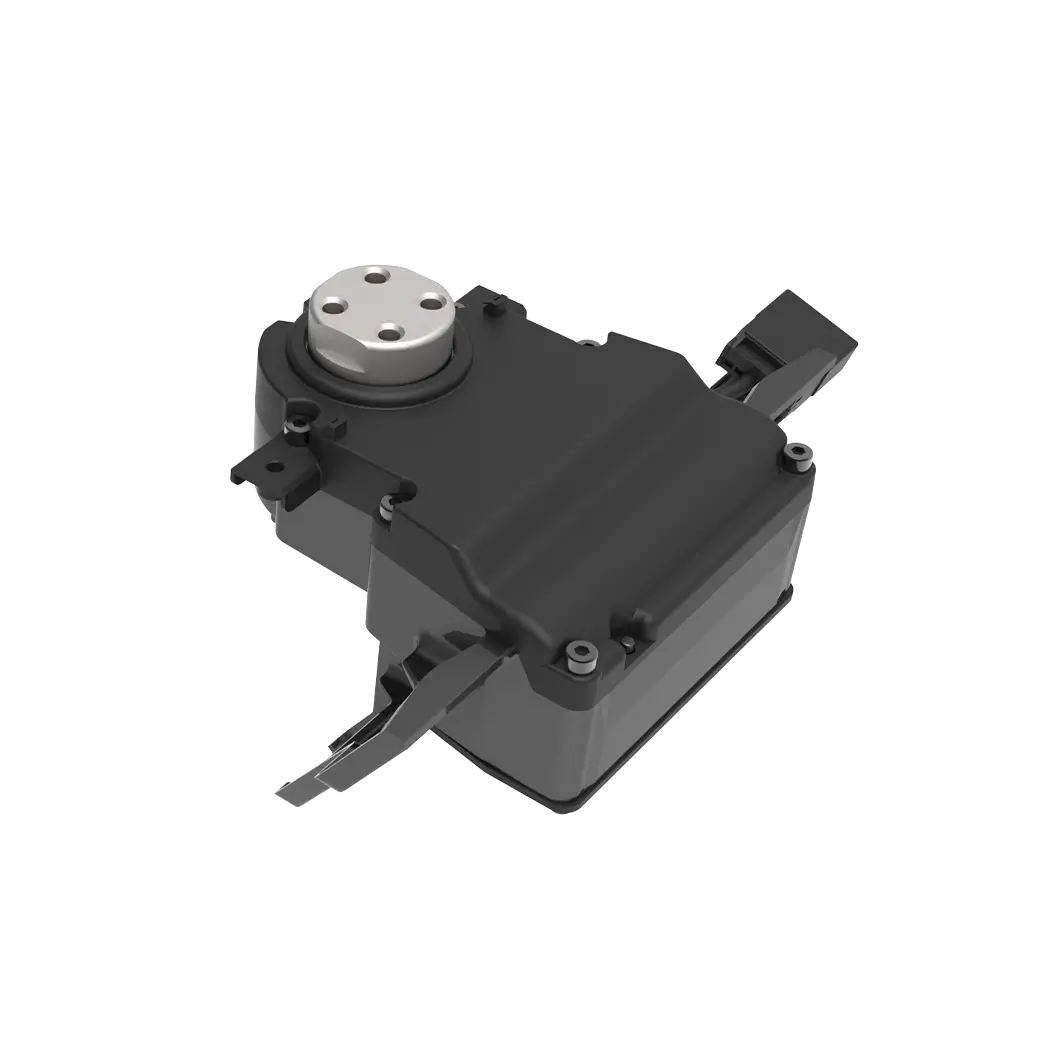
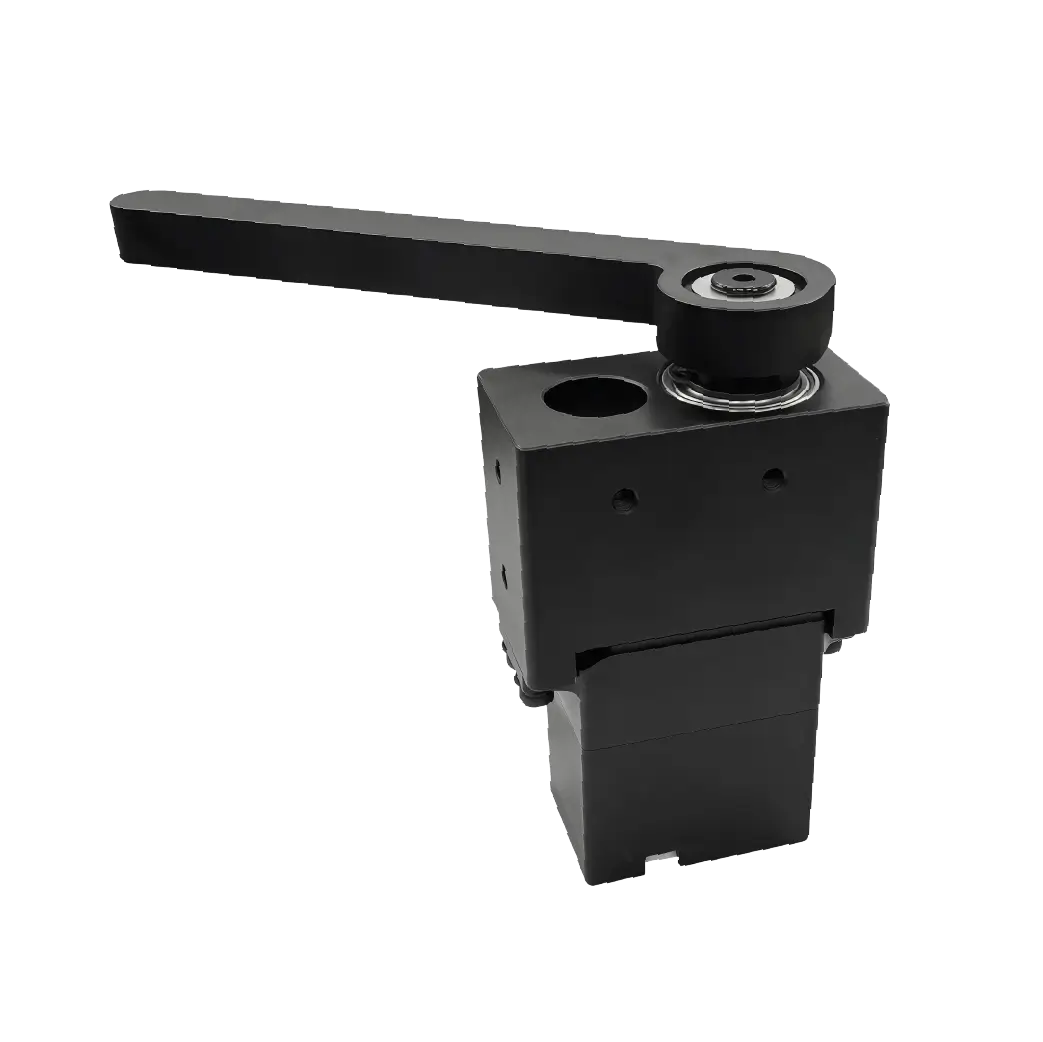
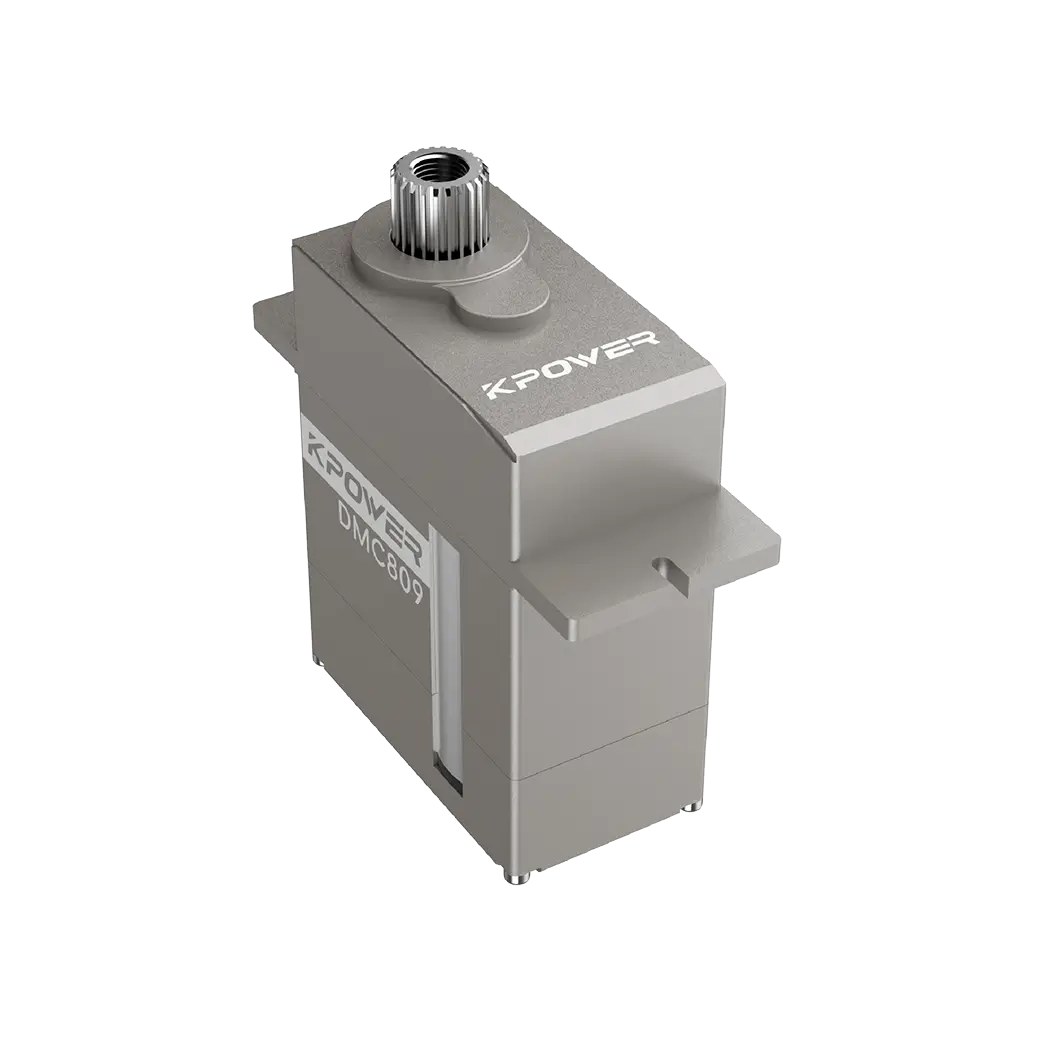
When we talk about the "MicroservoInc" philosophy, we aren't just talking about a small motor. We are talking about precision in a thumb-sized package. I’ve seen countless projects fall apart because the gears inside a generic servo stripped during the first run. That’s why the focus always shifts back to howkpowerbuilds these things. They don’t just shrink a big motor; they rethink what a small one can do.
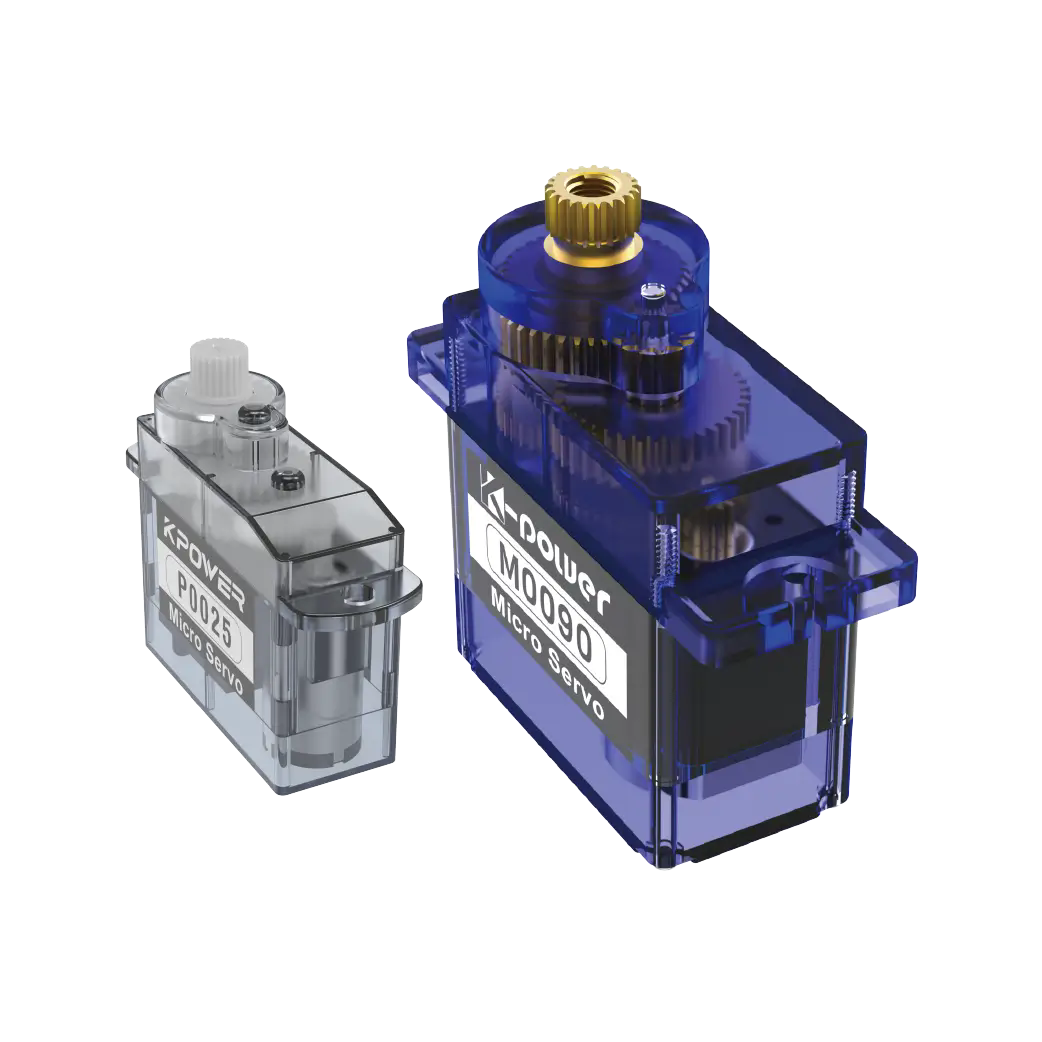
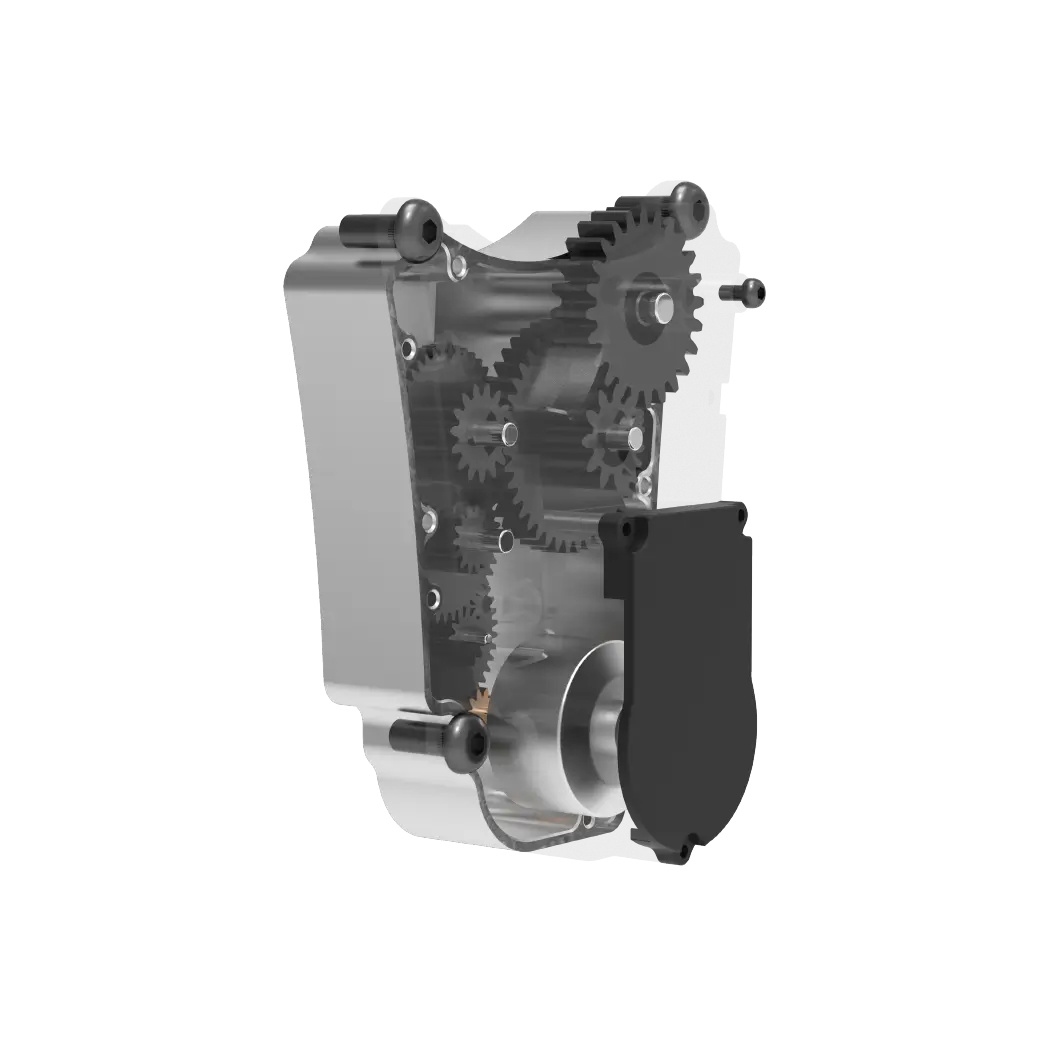
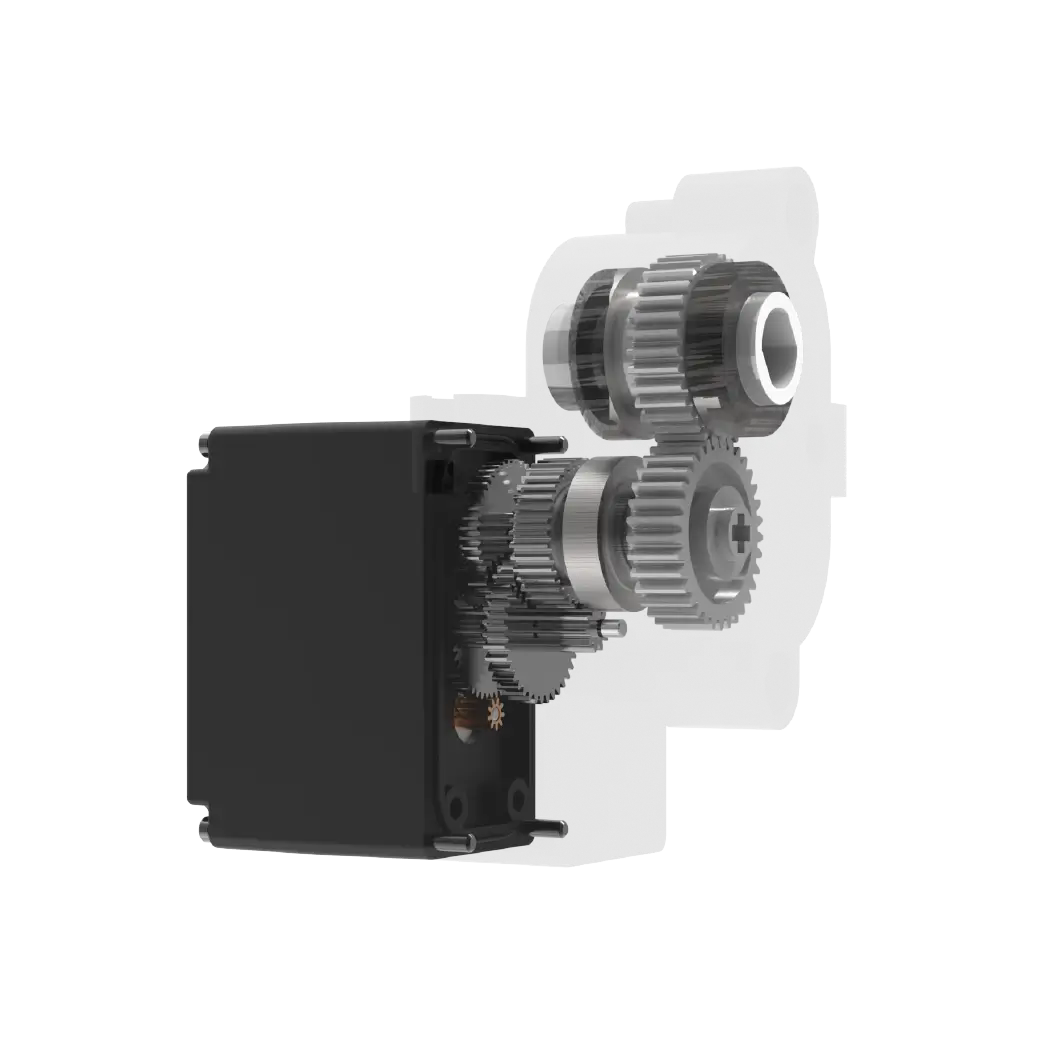
How can something so small move something so much heavier? It’s a bit like an ant carrying a leaf ten times its weight. In the world of mechanics, we call this the torque-to-weight ratio. AMicro Servofromkpowermanages this by using optimized gear trains. Instead of just stuffing thin plastic wheels inside, they look at the physics of engagement. If the teeth don't mesh perfectly, you lose energy as heat. If they do mesh, you get smooth, silent power.
Have you ever wondered why some servos make that high-pitched whining sound even when they aren't moving? That’s the motor fighting itself to find its "zero" point. It’s inefficient. A well-designed micro unit stays quiet because its internal controller knows exactly where it is. It doesn't guess.
Let’s look at the most frequent headaches people face:
kpowertackles these by focusing on the feedback loop. Think of it like a professional dancer. The brain (the controller) sends a signal, and the muscles (the motor and gears) execute it with zero hesitation. If the feedback is muddy, the dance is clumsy. When you use a KpowerMicro Servo, that feedback loop is crisp. It moves, it stops, it holds. No drama.
Q: "I’m worried that aMicro Servowon't have enough 'holding power' for my lid-opening mechanism. Should I go bigger?" A: Not necessarily. Going bigger adds weight, which might require an even stronger motor. It’s a vicious cycle. Kpower designs their micro series to have high stall torque. This means once it reaches a position, it stays there. It’s about the quality of the motor windings. More copper, better magnets—that equals more hold without the bulk.
Q: "Metal gears or plastic? I can’t decide." A: It depends on your "crash" factor. Plastic is light and quiet, great for gliders or light movements. But if there’s a chance your mechanism will hit an obstacle, metal gears are your insurance policy. Kpower offers hybrid options that give you the best of both worlds: the silence of high-grade POM plastics and the ruggedness of metal where it counts.
Q: "Will it burn out if I keep it under load for a long time?" A: Any motor generates heat, but the trick is how it dissipates. Cheap servos are like little ovens; they trap the heat until the solder melts. Kpower uses materials that help pull that heat away from the core, allowing for longer duty cycles without the "magic smoke" appearing.
I remember a project involving a small-scale automated fruit sorter. The goal was to pick up delicate berries without bruising them. The first few attempts with off-the-shelf servos were a disaster. One servo would be too slow, and the next would be too aggressive, basically turning the berries into jam.
The switch to Kpower changed the narrative. Because the response time was predictable and the resolution was high, the "fingers" of the machine could sense the resistance and stop at exactly the right millisecond. It wasn't just a motor anymore; it was a tactile tool. That’s the difference between "just moving" and "acting with intent."
Often, we think we can save a few dollars by buying the cheapest micro servos in bulk. But if you're building a stabilizer for a camera or a complex joint for a bipedal robot, those few dollars saved turn into hours of wasted troubleshooting.
Why do some machines feel "cheap" while others feel "premium"? It’s the play in the joints. If you can wiggle the horn of your servo with your finger while it’s powered on, that’s "backlash." Kpower works hard to minimize this. When you set a position, that’s the position. It feels solid. It feels like a tool, not a toy.
Imagine your project is a small clockwork bird. Each wing beat needs to be identical to the last to stay balanced. If one servo reacts slightly differently because of a voltage drop or a gear slip, the bird tilts. Reliability in small-scale mechanics is about consistency. You want the hundredth movement to be exactly like the first.
This is where the "Micro Servo Inc" concept thrives. It’s about standardizing excellence in a small footprint. Kpower understands that just because a component is small doesn't mean the job it's doing is minor. Sometimes, the smallest part is the most critical point of failure.
When you’re looking at your next build, don't just look at the speed or the torque numbers on a spreadsheet. Think about the "feel" of the motion.
Kpower provides a range within the micro category that covers these bases. You don't need a degree in robotics to see the difference; you just need to plug it in and watch it move. The smoothness speaks for itself.
There’s a certain satisfaction in seeing a mechanism work perfectly on the first try. No jitter, no weird noises, just the clean hum of a well-engineered actuator. That’s what happens when you stop seeing the servo as a commodity and start seeing it as the foundation of your mechanical project. It’s time to stop settling for "good enough" and start building with components that actually want to work as hard as you do. Kpower is that partner in the shadows, making sure your tiny machines do big things.
Established in 2005, Kpower has been dedicated to a professional compact motion unit manufacturer, headquartered in Dongguan, Guangdong Province, China. Leveraging innovations in modular drive technology, Kpower integrates high-performance motors, precision reducers, and multi-protocol control systems to provide efficient and customized smart drive system solutions. Kpower has delivered professional drive system solutions to over 500 enterprise clients globally with products covering various fields such as Smart Home Systems, Automatic Electronics, Robotics, Precision Agriculture, Drones, and Industrial Automation.
Update Time:2026-01-22

Contact Kpower's product specialist to recommend suitable motor or gearbox for your product.


