

TECHNICAL SUPPORT


Published 2026-01-22
You are staring at a workspace covered in tiny parts. The project is almost done—maybe it’s a sub-micro drone, a delicate medical gripper, or a robotic eyelid. But there is a problem. The joint won’t move smoothly. It stutters. Or worse, the motor you bought just doesn't fit the tight space you carved out.
The world of small-scale mechanics is unforgiving. When you shrink things down, physics starts acting like a bully. Friction becomes a giant. Heat doesn’t want to leave. This is where microservofabrication moves from being a simple assembly line task to something closer to watchmaking.
Think about a gear the size of a grain of rice. If that gear is off by even a few microns, your whole project is dead on arrival. Most people think "small" just means "less material." That's a mistake. Small means higher stakes.
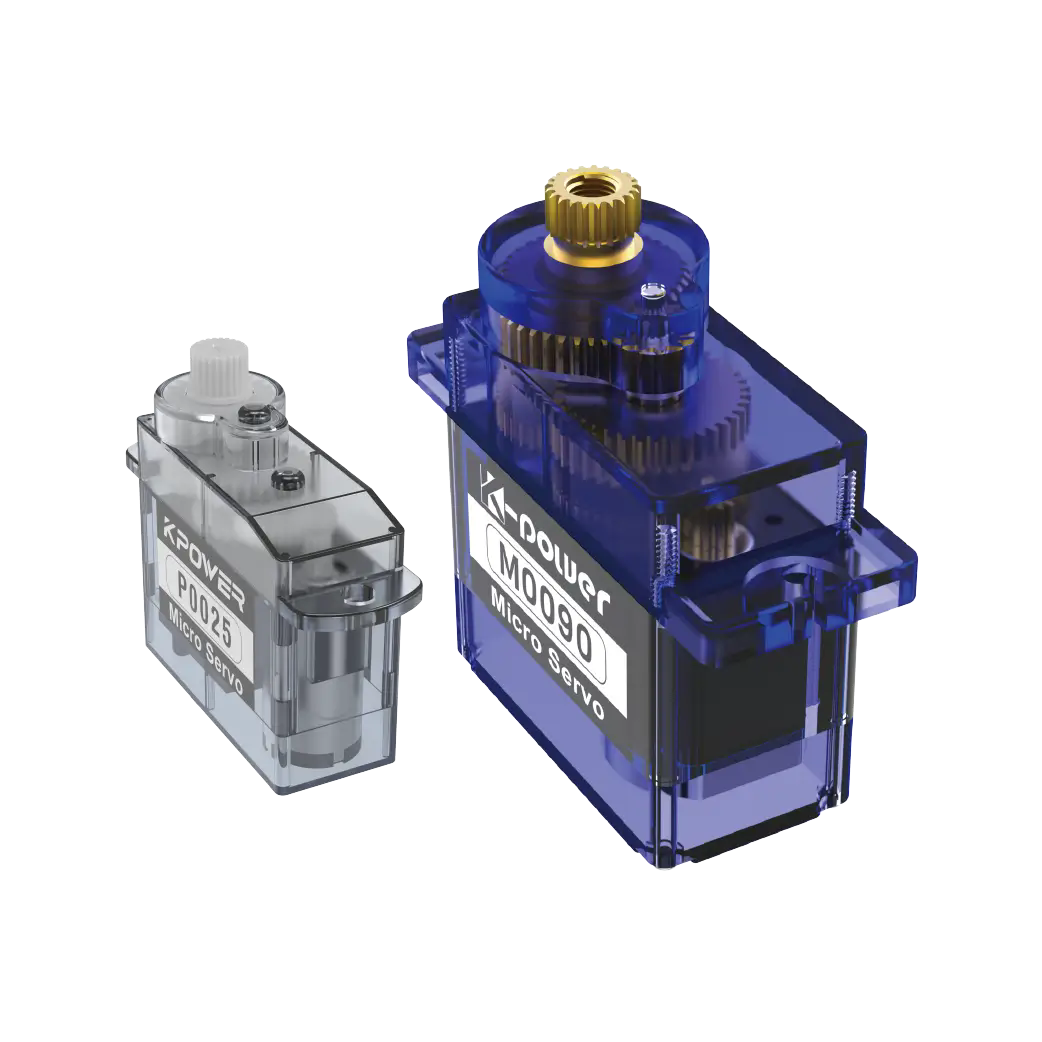
In the workshop, I’ve seen countless setups fail because the internal components of theservocouldn't handle the torque. You want something that weighs less than a few grams but can still push through resistance. Most off-the-shelf options feel like toys. They use plastic gears that strip the moment they hit a snag. That is why the way a microservois built—the actual fabrication—determines if your creation lives or dies in the first five minutes.
kpowerapproaches this differently. Instead of just shrinking a big motor, they look at the metallurgy and the precision of the mold. It’s about making sure that the tiny motor inside can breathe and spin without grinding itself into dust.
Imagine you are building a gimbal for a pocket camera. If the micro servo has even a tiny bit of "slop" or "dead band," your footage looks like it was filmed during an earthquake.
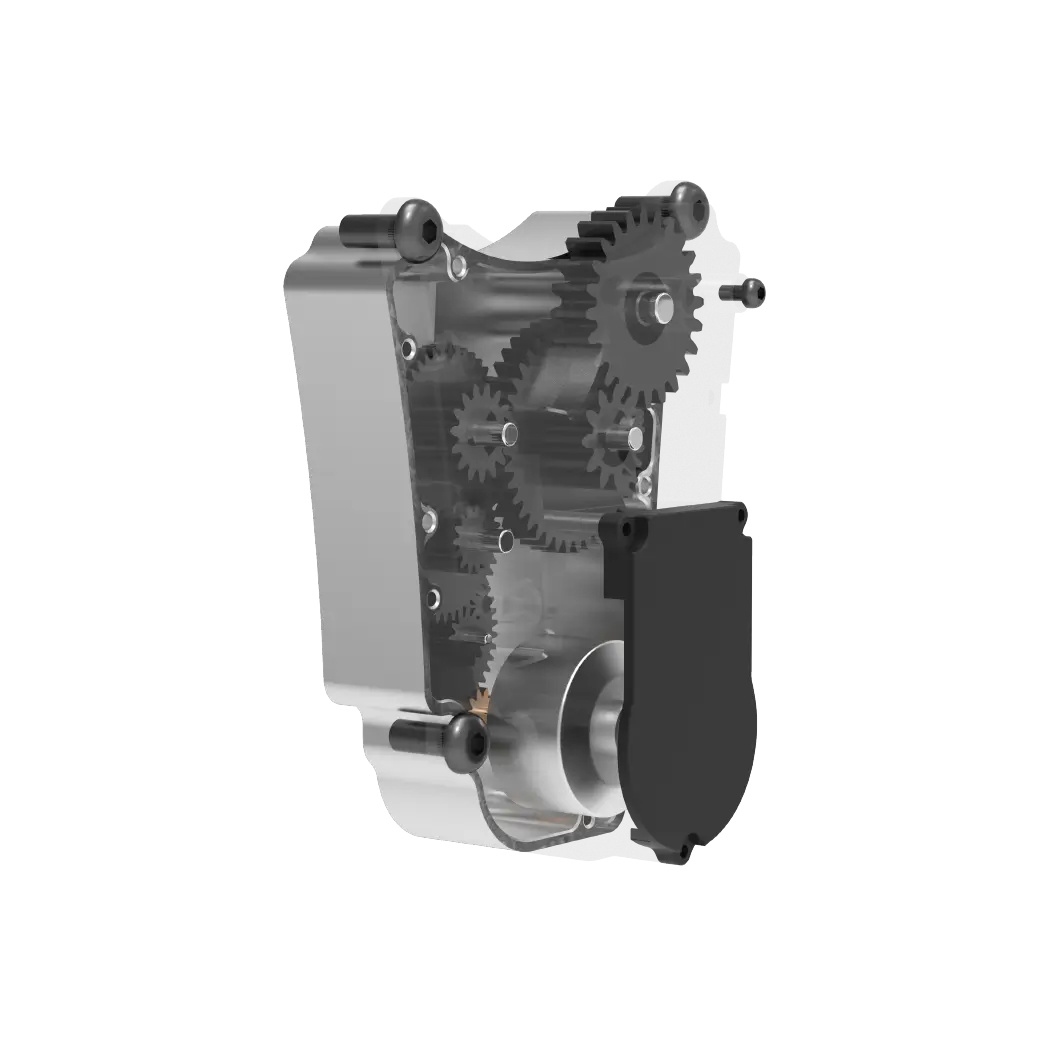
Precision in micro servo fabrication isn't just a buzzword. It's the difference between a smooth sweep and a jittery mess. Whenkpowerdesigns these units, they focus on the tight integration between the potentiometer and the gear train.
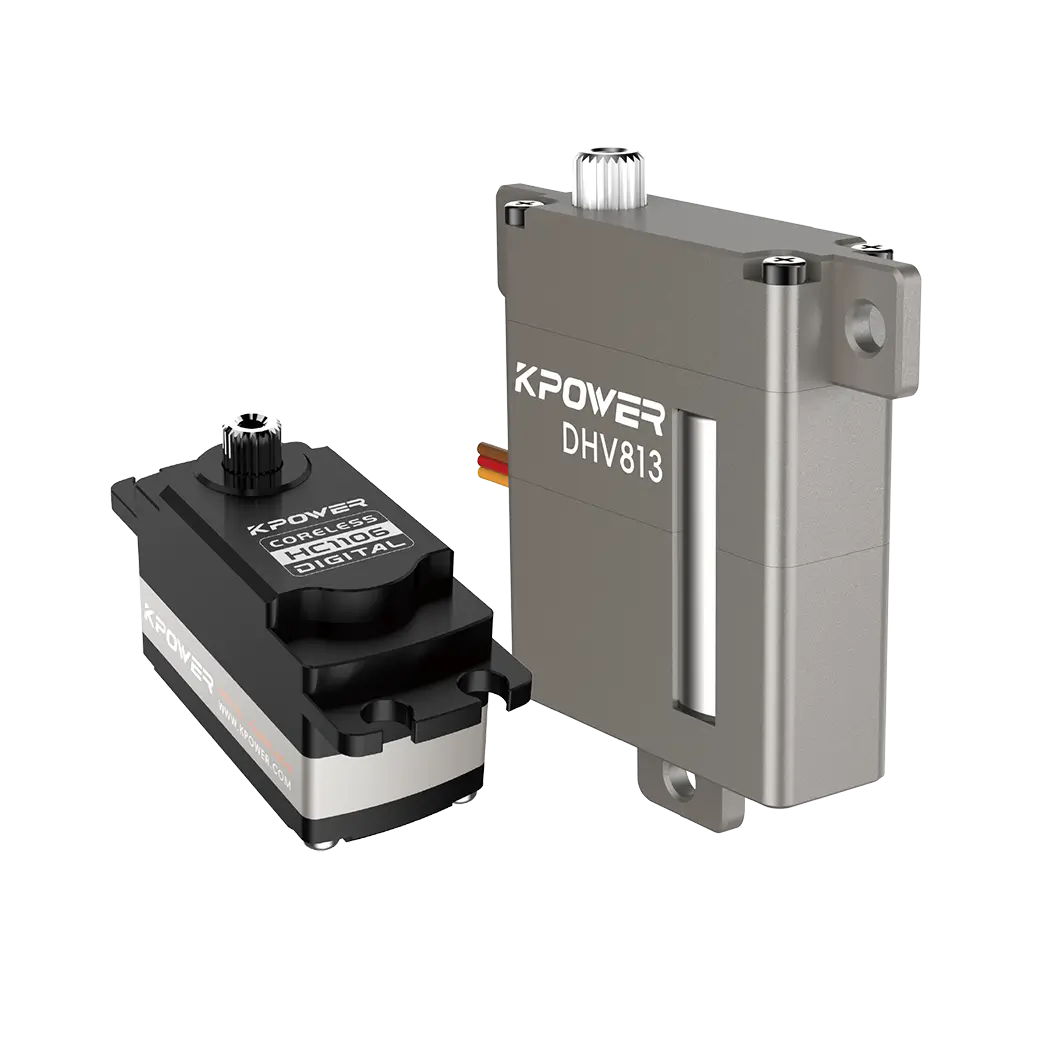
Let’s talk about the casing. In a micro setup, the case isn't just a box; it’s a heatsink and a structural frame. If the plastic is too soft, the gear axles will tilt under load. If it’s too brittle, it cracks.kpoweruses materials that stay rigid even when the sun is beating down on your hardware or the motor is working overtime.
Ever wonder why some small servos hum constantly? They are hunting for their position. They can’t find it because the internal feedback loop is sloppy.
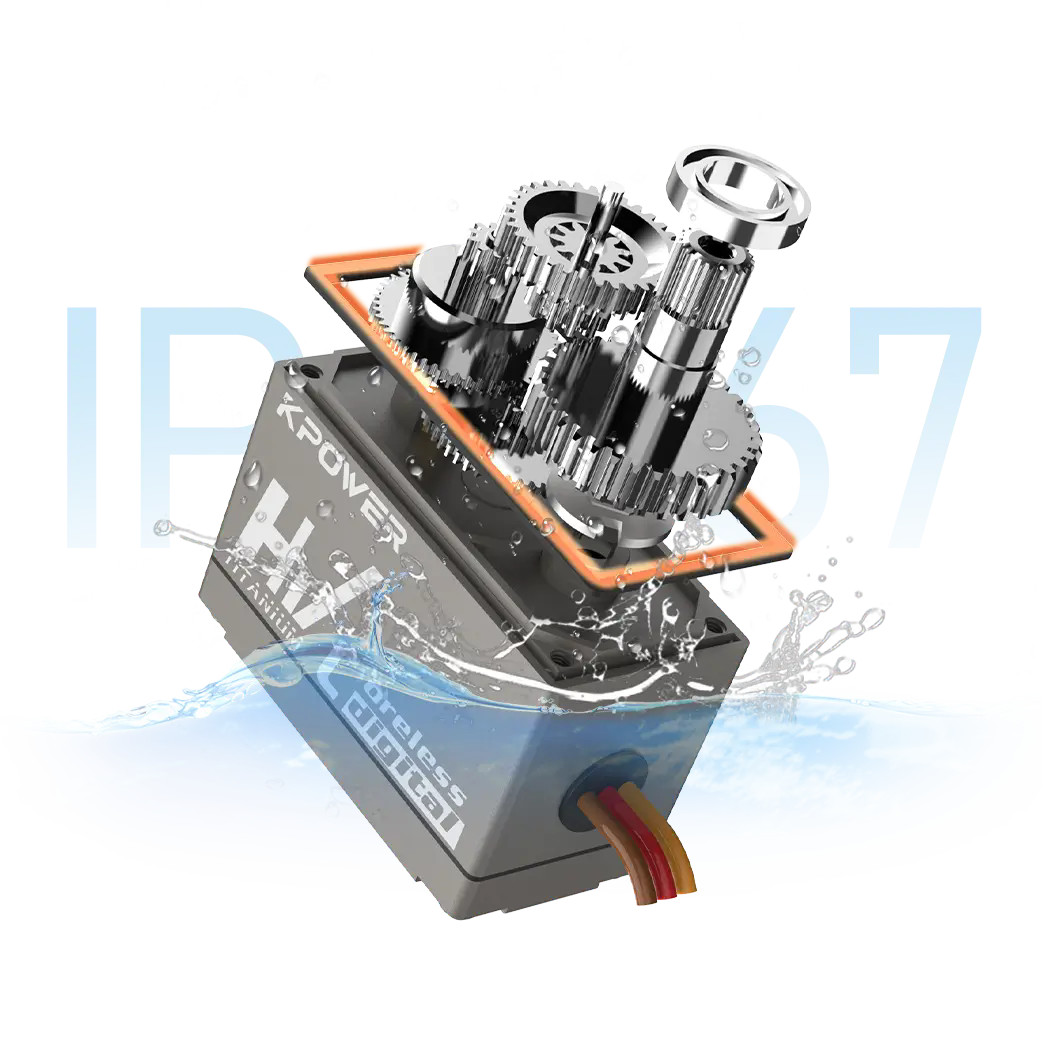
You don’t want to spend forty hours on a build just to have a wire break inside a sealed housing. It’s frustrating. It’s the kind of thing that makes you want to throw your hex drivers across the room.
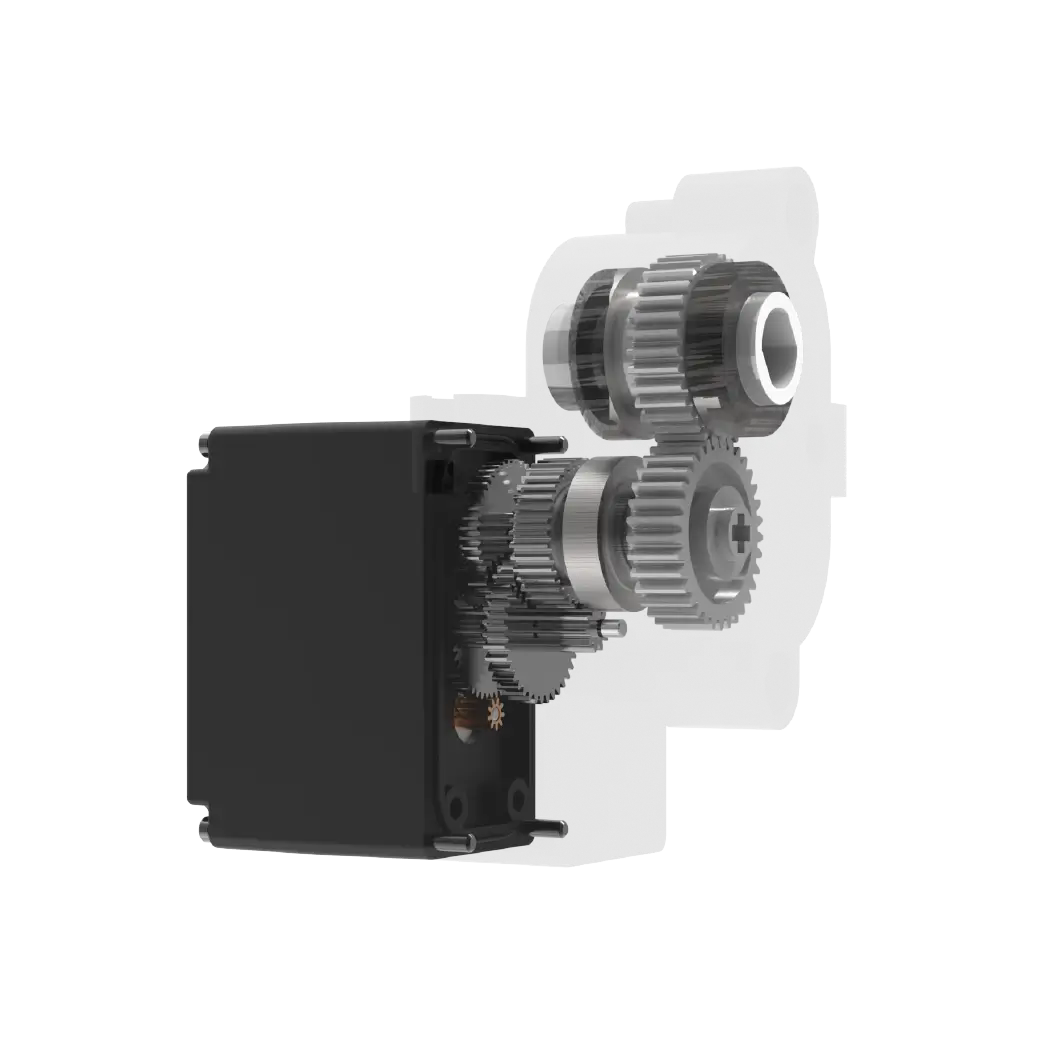
Q: Can I just use a cheap plastic servo if my project is light? A: You can, but you shouldn't. Light doesn’t mean "no stress." Even a paper-thin wing creates air resistance. Plastic gears in micro sizes wear out faster because there is less surface area to spread the load. Kpower's gear sets are designed to survive the repetitive grind that usually kills "budget" options.
Q: Why is the weight of the servo so specific? A: In micro servo fabrication, every 0.1 gram is a battle. If you're building something that flies, extra weight means more battery drain. Kpower trims the fat without sacrificing the skeleton. It’s about efficient density.
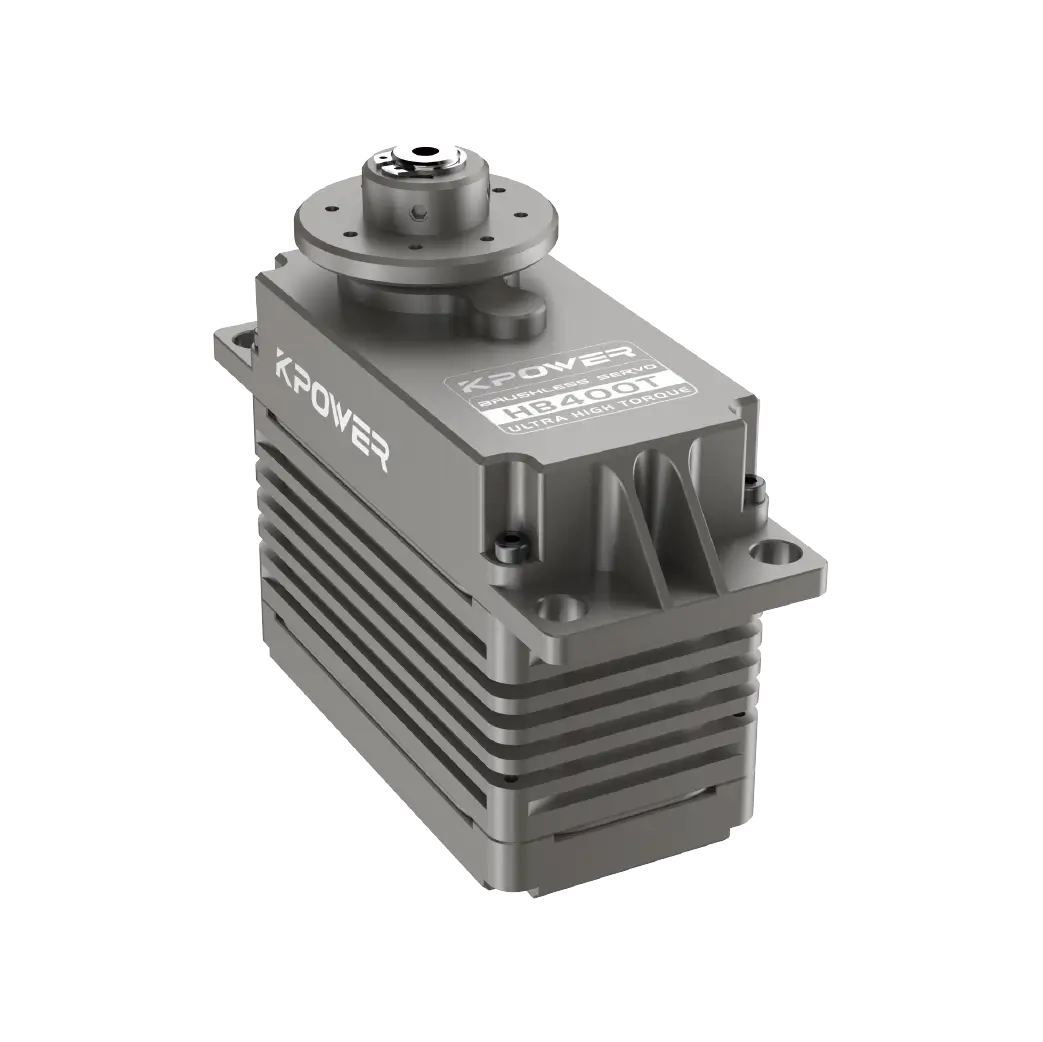
Q: Does the "micro" label mean it’s weaker? A: Not necessarily. It’s about torque density. A well-fabricated Kpower micro servo can often punch way above its weight class because the motor efficiency is tuned for that specific size, rather than being a "shrunken" version of something else.
Q: How do I know if the servo will last? A: Look at the specs for the gears and the motor type. Coreless motors in micro servos are a game changer for speed and response. If the fabrication process includes high-quality coreless tech, like what Kpower uses, you’re looking at a much longer lifespan.
I remember working on a custom animatronic head. Space was so tight I could barely fit a toothpick between the servos. I tried four different brands. Two of them burned out because they couldn't handle the heat of being packed so closely together. One had a lead that was so stiff it restricted the movement of the eye.
Then I switched to a Kpower micro solution. The difference wasn't just in the speed; it was in the silence. When a servo is built well, it doesn't scream. It whispers. The gears mesh so perfectly that the vibration is minimal.
When you’re choosing parts for your next project, think about the long game. Do you want to be taking the whole thing apart in two weeks to replace a $5 part? Or do you want to build it once and watch it work?
There’s a certain satisfaction in seeing a tiny mechanical limb move exactly how you programmed it. No jitter, no lag, just clean motion. That feeling is only possible when the hardware under the hood is solid.
Micro servo fabrication is a game of millimeters. Kpower knows this game better than anyone. They aren't just making parts; they are making the "muscles" for your ideas. Whether you are working on a specialized valve, a tiny robot, or a custom camera rig, the guts of the machine matter.
Stop settling for parts that are "good enough" for a toy. If you’re putting in the hours to design something unique, give it the hardware it deserves. Go for the precision that keeps your project moving long after the "cheap" alternatives have turned into a pile of melted plastic and stripped gears.
The workbench is waiting. Your project needs to move. Make sure it moves right. Kpower has the micro solutions that actually hold up when the pressure is on. No fluff, just performance. Go get it done.
Established in 2005, Kpower has been dedicated to a professional compact motion unit manufacturer, headquartered in Dongguan, Guangdong Province, China. Leveraging innovations in modular drive technology, Kpower integrates high-performance motors, precision reducers, and multi-protocol control systems to provide efficient and customized smart drive system solutions. Kpower has delivered professional drive system solutions to over 500 enterprise clients globally with products covering various fields such as Smart Home Systems, Automatic Electronics, Robotics, Precision Agriculture, Drones, and Industrial Automation.
Update Time:2026-01-22

Contact Kpower's product specialist to recommend suitable motor or gearbox for your product.


