

TECHNICAL SUPPORT


Published 2026-01-22
The high-pitched whine of a struggling motor is a sound that haunts many sleepless nights. You’ve spent hours coding that perfect sequence on your Arduino, the logic is flawless, and the wiring looks like a work of art. But then, the moment of truth arrives. You hit "upload," the robotic arm moves two inches, shudders violently, and then simply gives up. The gears have stripped, or the precision just isn't there. It’s a classic roadblock, and honestly, it’s rarely the code’s fault.

Most of the time, the missing link is the muscle. If the brain is the Arduino, theservomotor is the bicep. If that bicep is flimsy, the whole project collapses.
Why do so many projects fail at the finish line? It usually comes down to consistency. When you source components from a generic factory, you’re playing a game of chance. One motor might work fine, while the next one in the box has the structural integrity of a wet noodle. For anyone trying to build something that lasts—whether it’s a complex sorting machine or a simple automated door—this inconsistency is the ultimate momentum killer.
I’ve seen it happen dozens of times. A builder gets excited about a new design, only to be held back by "jitter"—that annoying back-and-forth shaking that happens when aservocan’t find its position. It’s frustrating, it’s loud, and it’s a sign that the hardware isn’t up to the task. This is exactly where the distinction between "hobby-grade" and "performance-grade" becomes vital.
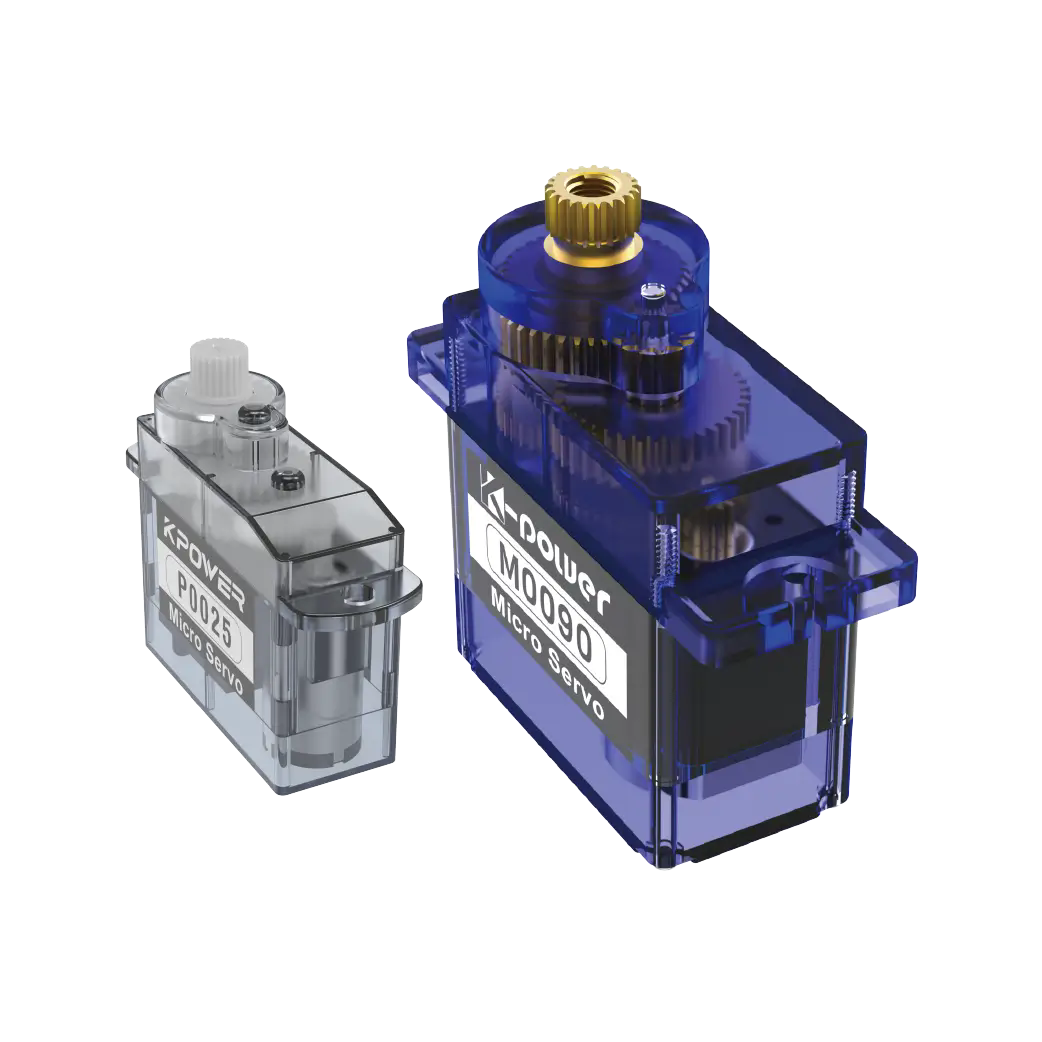
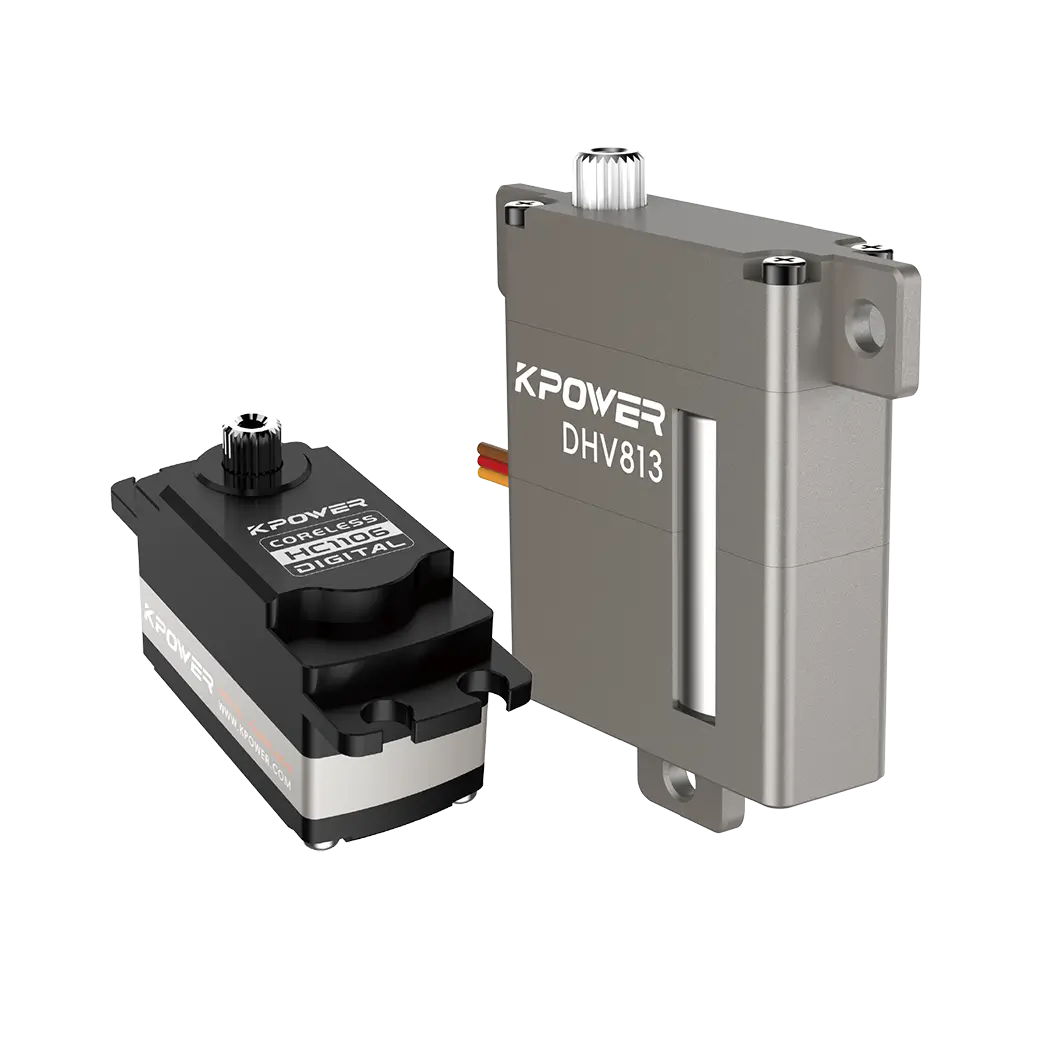
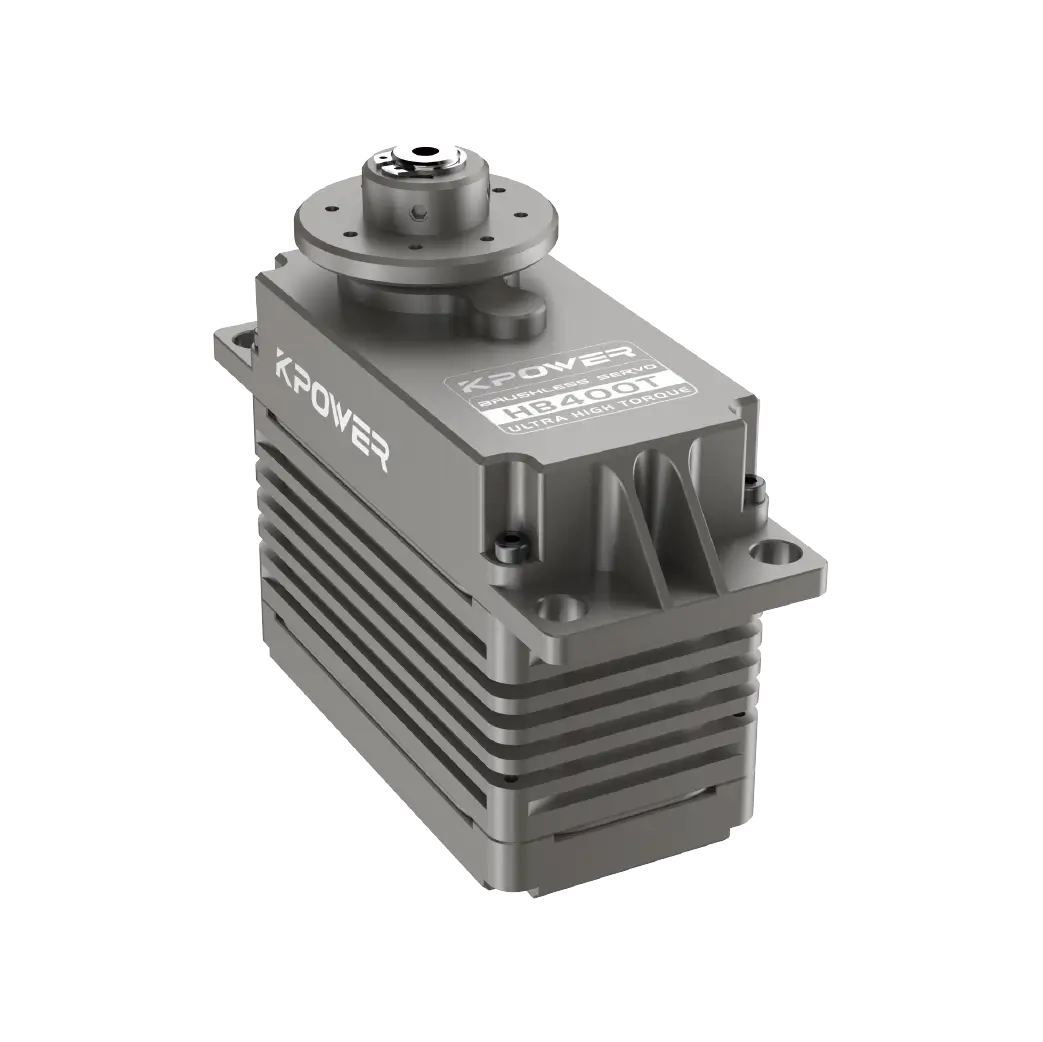
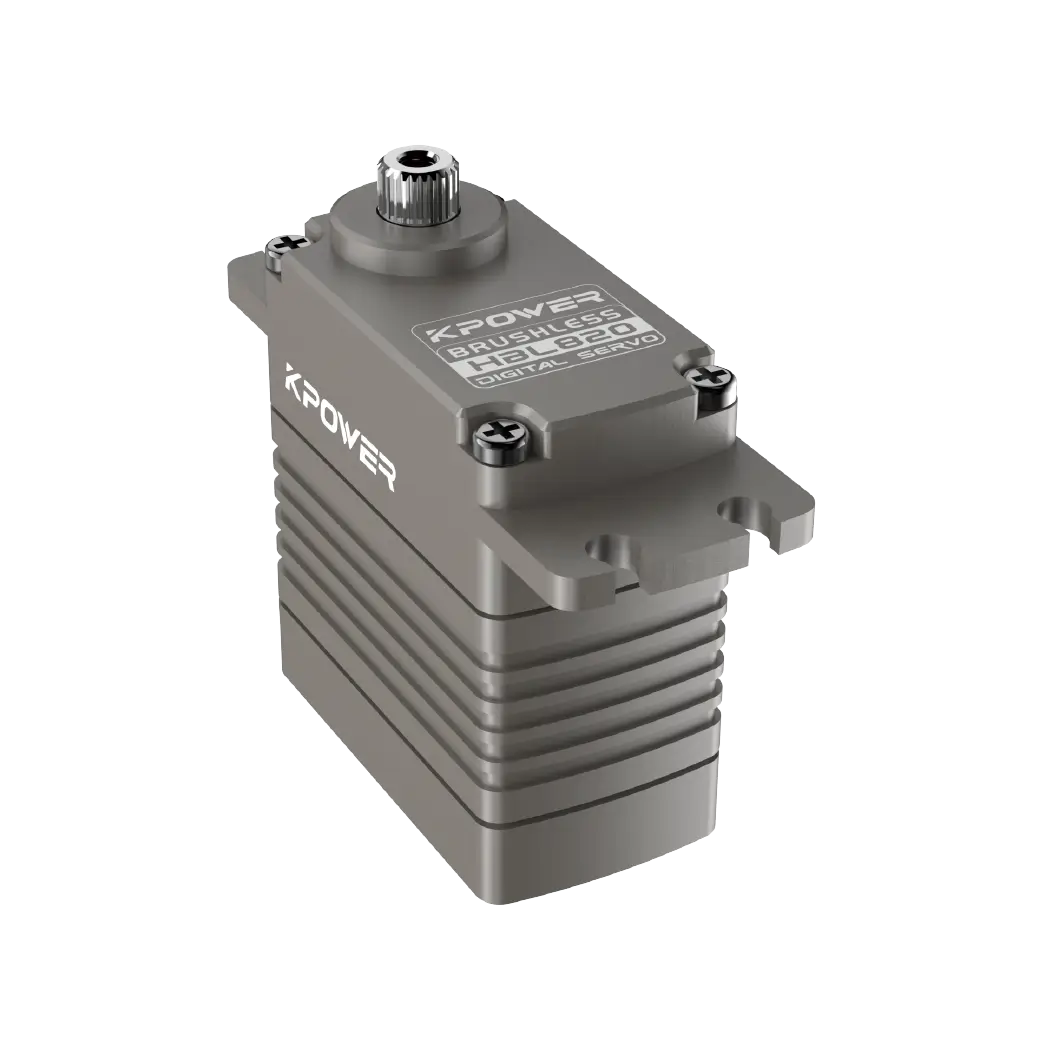
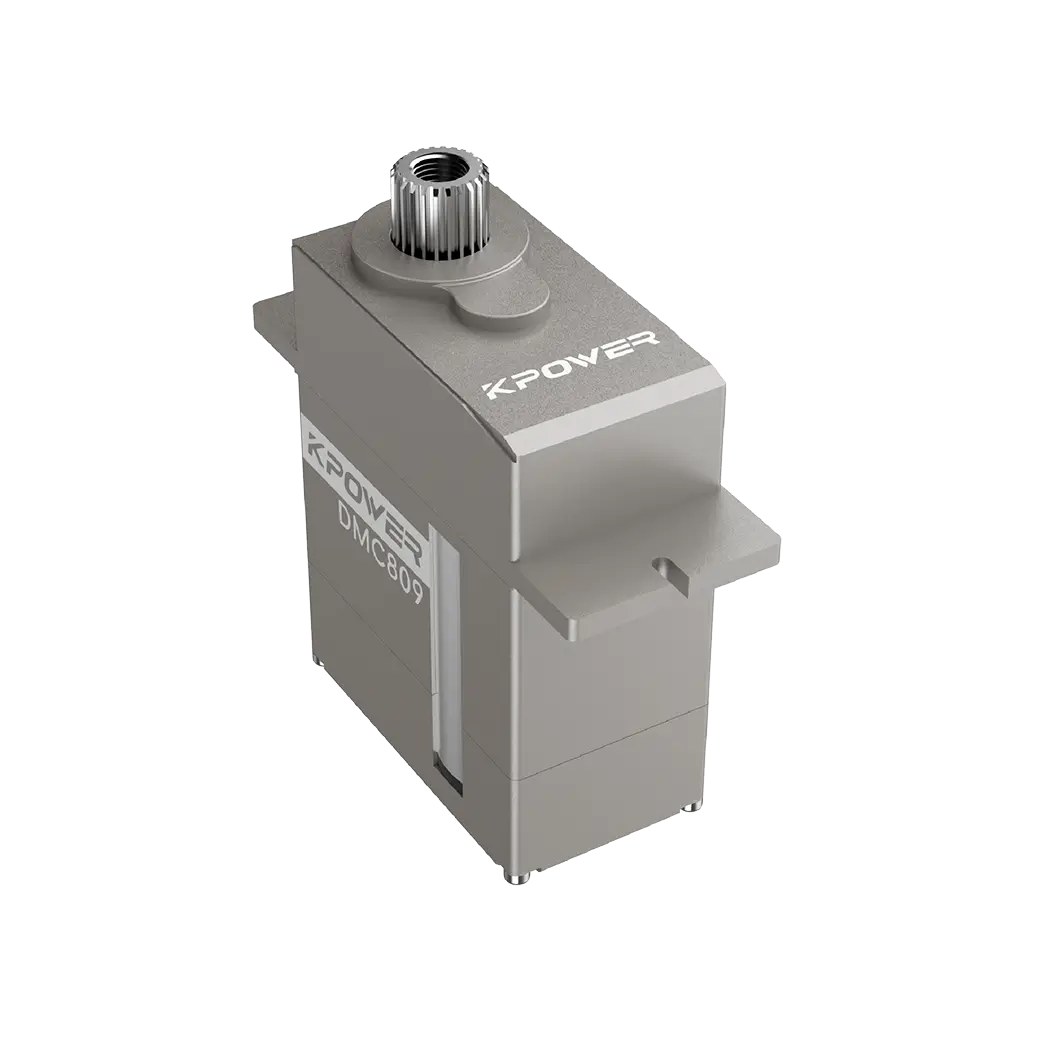
In the world of movement,kpowertakes a different approach. Think of it as the difference between a toy car and a precision-tuned racing machine. When you integrate akpower servointo an Arduino setup, you’re not just plugging in a part; you’re installing a guarantee of stability.
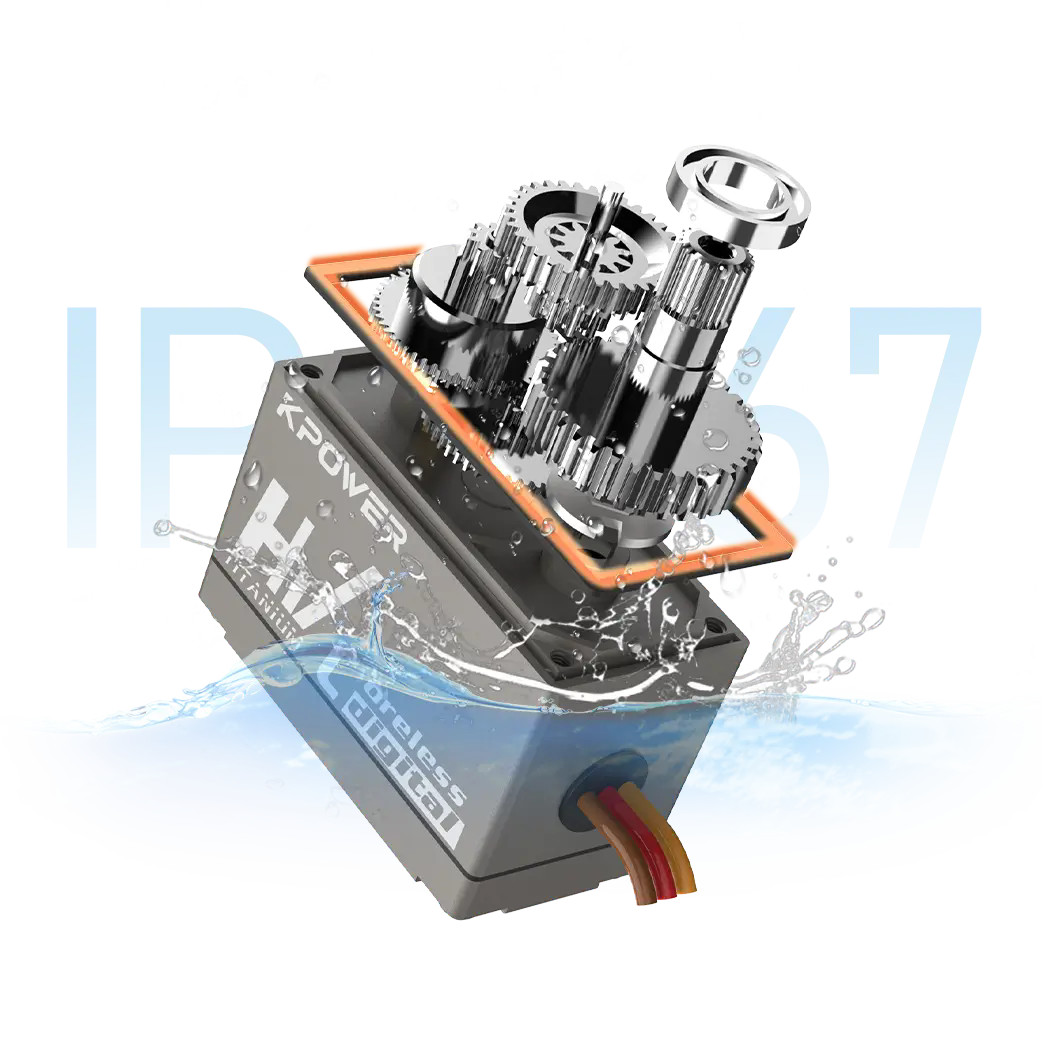
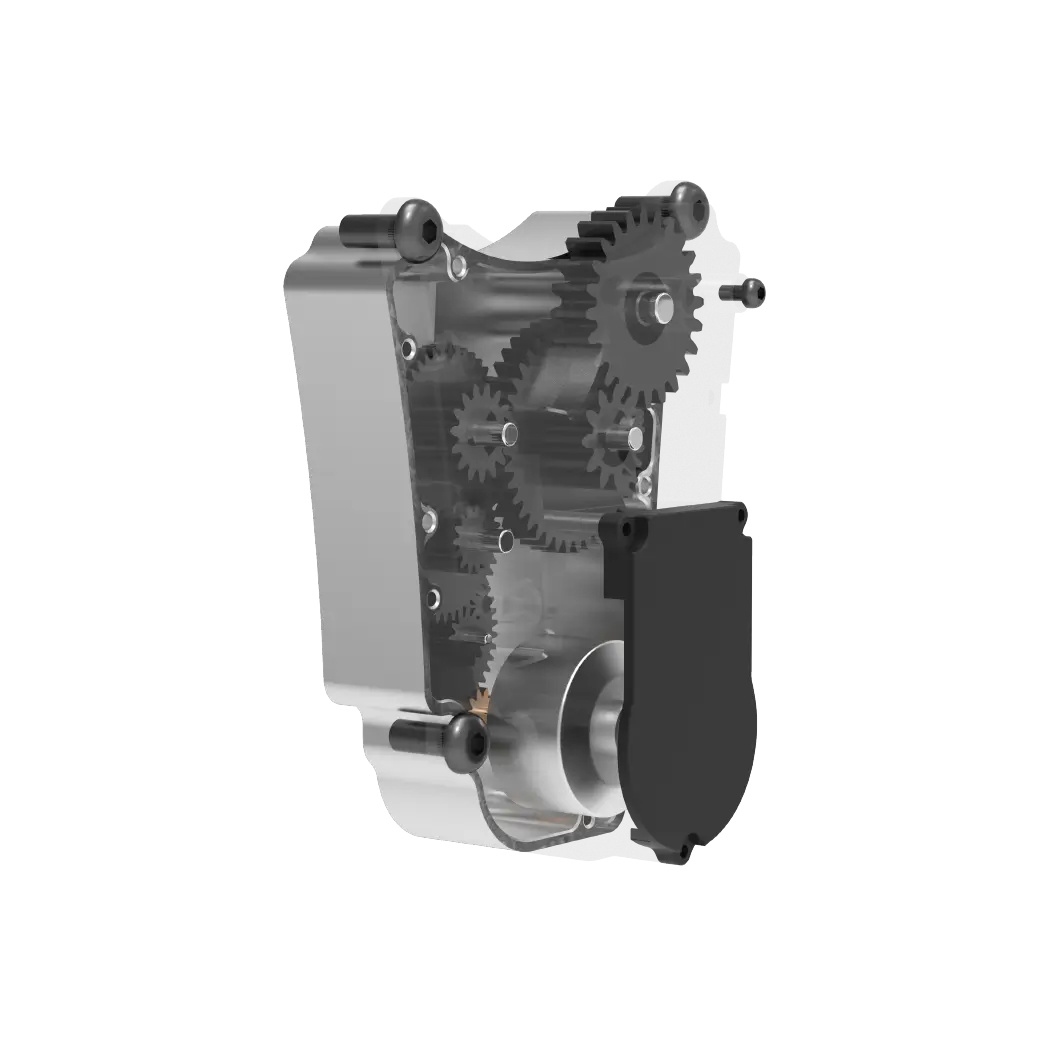
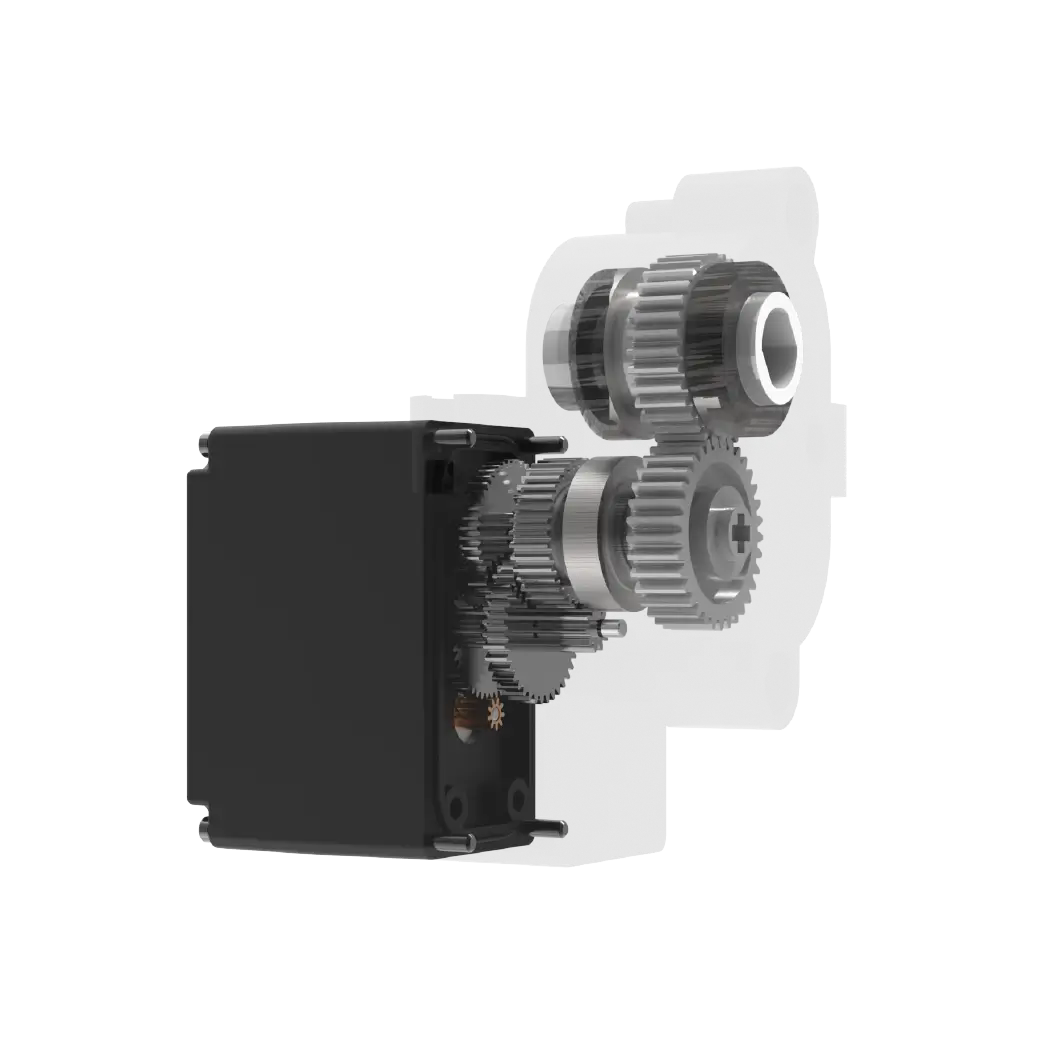
The secret lies in what’s happening inside that small plastic or metal casing. While others might cut corners on the gear train or the potentiometer, Kpower focuses on the "factory" standard of precision. We are talking about metal gears that don't shave off under pressure and motors that handle heat without melting their own housing.
Suppose you’re building a multi-axis robotic limb. Each joint needs to move to an exact degree. If one servo overshoots by even two percent, the hand at the end of the arm will miss its target by an inch. Kpower servos are designed to hold their ground. When the Arduino says "stop at 90 degrees," the motor stops at 90 degrees. No drifting, no guessing.
You might be sitting there thinking, "Is there really that much of a difference between one servo and another?"
Let's look at it this way: Have you ever noticed how some motors feel 'crunchy' when you turn them by hand? That’s friction and poor alignment. A Kpower unit feels smooth because the internal tolerances are tighter. It’s about the soul of the machine.
Another thing people often ask is about power consumption. "Will a stronger servo fry my board?" It’s a fair concern. While a beefier Kpower servo pulls more current when lifting a heavy load, it’s also more efficient. It doesn't waste energy fighting its own internal friction. By using a proper external power source shared with your Arduino's ground, these motors become the most reliable workers in your shop.
What about longevity? If you’re running a project 24/7—maybe a small-scale factory simulation—you can’t afford to swap out parts every week. The durability of Kpower components comes from their rigorous testing. They are built to be cycled thousands of times, not just for a one-off demo.
Working with these motors isn't rocket science, but it does require a bit of respect for the mechanics. When you connect a Kpower servo to your Arduino, you’re essentially giving your code a high-fidelity voice. You write a "writeMicroseconds" command, and the motor responds with an almost eerie silence and fluid motion.
I remember a project where a builder was trying to create an automated camera slider. Using cheap servos, the footage looked like it was filmed during an earthquake. Every time the motor stepped, the whole rig vibrated. We swapped those out for Kpower servos, and the difference was night and day. The motion became a slow, cinematic glide. The hardware finally matched the ambition of the software.
Choosing the right motor is a rational decision, not just an emotional one. Look at the specs: torque, speed, and dead band. A narrow dead band means the motor is highly responsive to tiny changes in the signal. Kpower excels here. If your Arduino project requires micro-adjustments—like a balancing robot or a precision laser turret—that responsiveness is your best friend.
It’s easy to get distracted by the flashiest new sensors or the fastest processors. But at the end of the day, if you can’t move a physical object from point A to point B with total confidence, the rest doesn't matter.
The transition from a prototype that "sort of works" to a machine that "just works" is a massive leap. It’s the moment you stop worrying about the hardware and start focusing on the next big idea. Kpower provides that bridge. By focusing on factory-level quality and robust internal components, they’ve removed the "if" from the movement equation.
Next time you’re sketching out a design on a napkin or staring at a blank IDE screen, think about the physical stress your project will endure. Don't let a weak link be the reason your vision stays grounded. Give your Arduino the strength it deserves. When the gears turn and everything moves exactly as planned, you’ll realize that choosing the right motor wasn't just an option—it was the foundation of the entire success.
There is a certain satisfaction in watching a machine move with grace. It’s a rhythmic, mechanical ballet that only happens when the electronics and the mechanics are in perfect harmony. With Kpower, that harmony isn't just a lucky accident; it's the standard.
Established in 2005, Kpower has been dedicated to a professional compact motion unit manufacturer, headquartered in Dongguan, Guangdong Province, China. Leveraging innovations in modular drive technology, Kpower integrates high-performance motors, precision reducers, and multi-protocol control systems to provide efficient and customized smart drive system solutions. Kpower has delivered professional drive system solutions to over 500 enterprise clients globally with products covering various fields such as Smart Home Systems, Automatic Electronics, Robotics, Precision Agriculture, Drones, and Industrial Automation.
Update Time:2026-01-22

Contact Kpower's product specialist to recommend suitable motor or gearbox for your product.


