

TECHNICAL SUPPORT


Published 2026-01-22
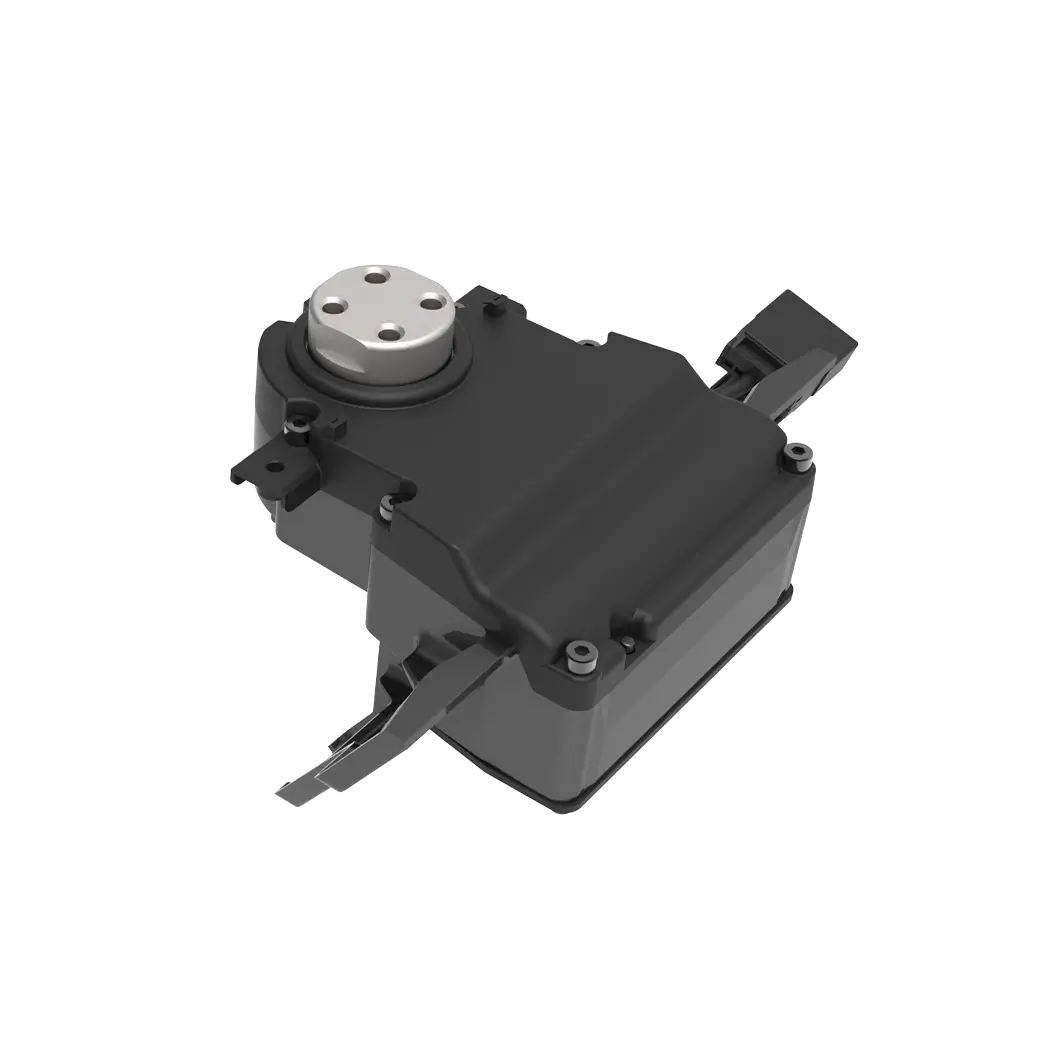
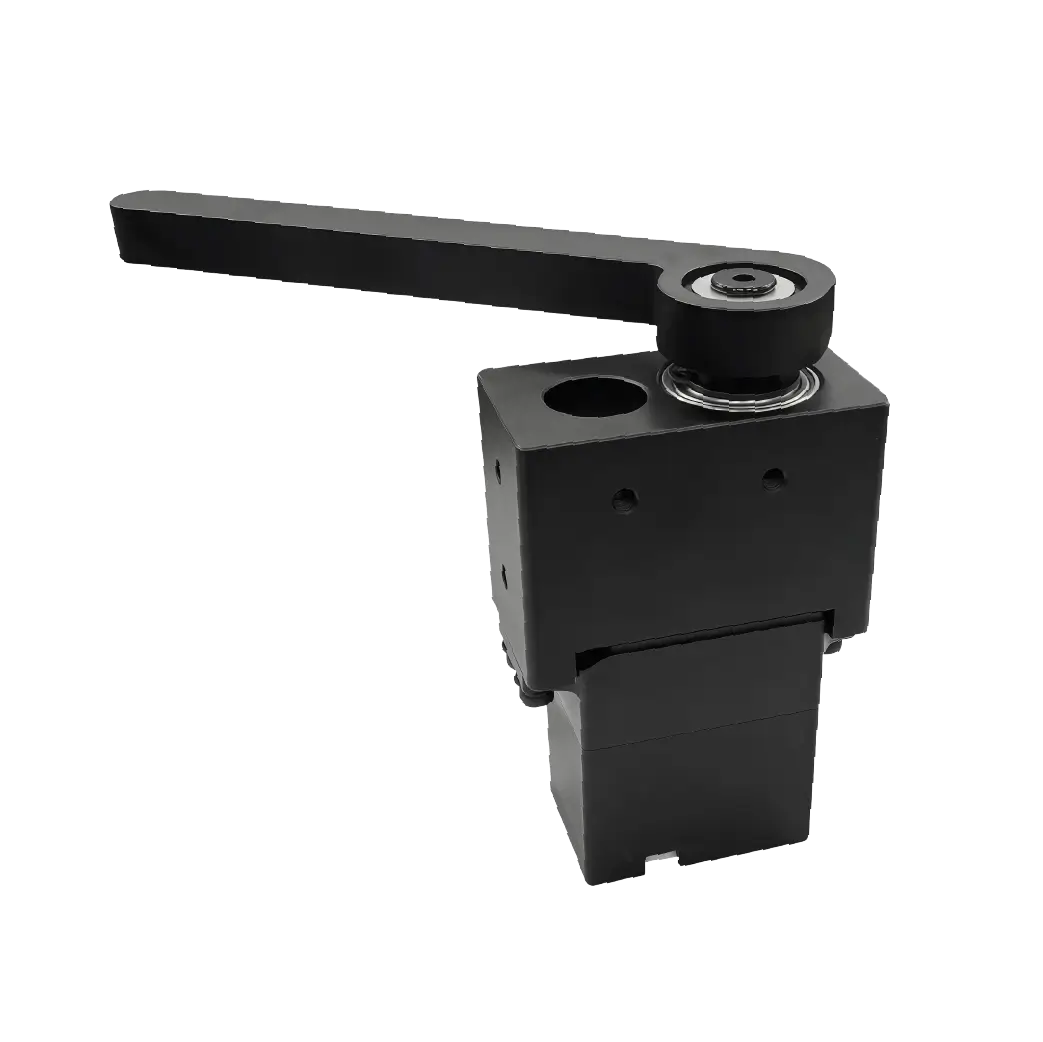
The machine sat there, silent and stubborn. It was a sleek piece of hardware, the kind of project someone spends months dreaming about, yet it wouldn't move the way it was supposed to. The arm twitched, a pathetic little shudder, and then went limp. Why? Because the motor inside was a standard, off-the-shelf part. It was built for everyone, which meant it wasn't built for this specific task.
This is the quiet tragedy of modern hardware design. We try to force our big ideas into the tiny, rigid boxes of mass-produced components. We settle for "good enough" torque or "close enough" dimensions. But in a world where precision is everything, "close enough" is just another way of saying "failed."
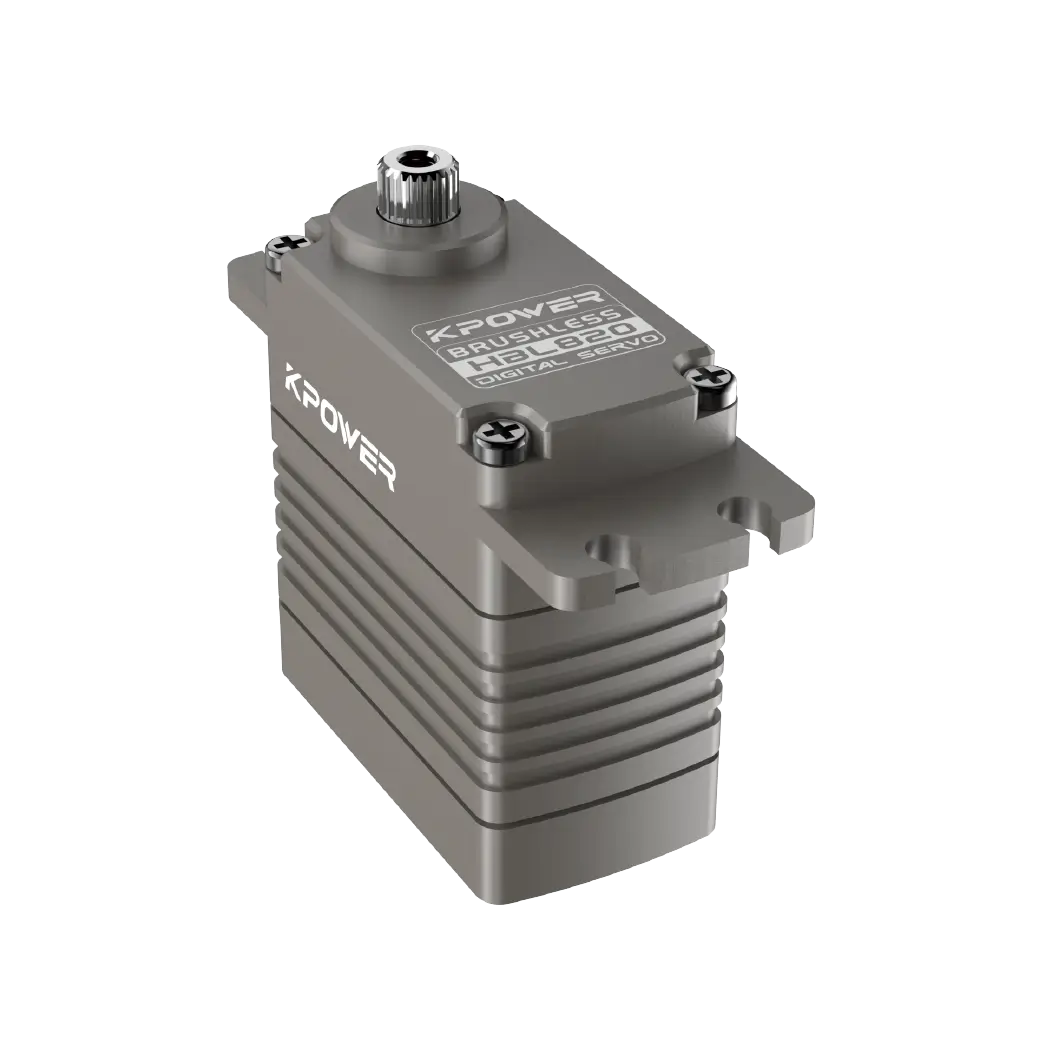
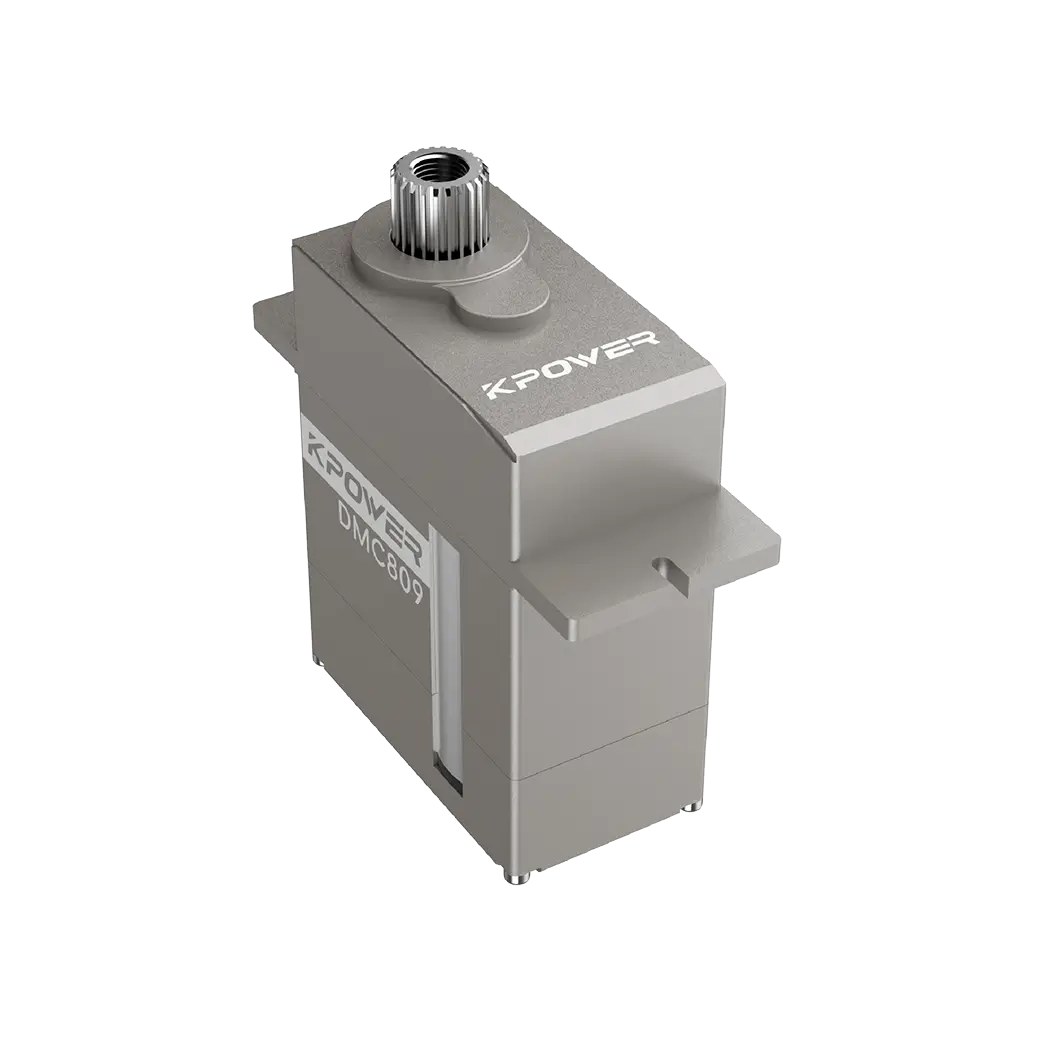
Most people think aservomotor is just aservomotor. You pick one from a catalog, look at the torque rating, and hope for the best. But have you ever tried to fit a square peg in a round hole? That’s what using a generic motor feels like when your project has unique constraints. Maybe the space is cramped, or the environment is humid, or you need a specific communication protocol that the standard models just don't support.
When you look at the landscape of motion control, you realize that the most successful projects don't use what’s available; they use what’s necessary. This is where the concept of "servo motor bespoke" comes into play. It isn’t just about changing a wire color or slapping a logo on a plastic casing. It’s about the soul of the machine.
Think of it like a suit. You can buy one off the rack, and it might stay on your shoulders. But a bespoke suit? It moves with you. It breathes. It feels like a second skin.kpowerapproaches motion control with that same philosophy. If the standard gear ratio isn't giving you the smoothness you need at low speeds, why settle? If the heat buildup is killing your electronics, why not change the housing material?
There’s a common fear that going bespoke means entering a labyrinth of complexity and infinite costs. It feels like you’re asking for the moon. But let’s get rational for a moment. What actually costs more: a motor designed to work perfectly the first time, or three "standard" motors that burn out because they weren't rated for your specific load?
The math usually favors the custom route. Whenkpowerlooks at a bespoke request, the focus isn't on making it complicated. It's about stripping away what you don't need and reinforcing what you do. Sometimes, the solution is a different winding in the motor to handle a weird voltage. Other times, it’s a custom-machined horn that fits a proprietary linkage.
It’s about those tiny, non-linear details. A standard servo might have a plastic gear train that screams under pressure. A bespokekpowersolution might swap that for titanium or hardened steel, specifically where the stress is highest. It’s the difference between a toy and a tool.
People often have the same few questions when they realize their project is stuck. Let’s tackle a few of them.
"Can't I just use a bigger motor to solve my power problem?" Not always. Bigger motors mean more weight and more draw on your power source. It's like trying to put a truck engine in a golf cart. You might get the power, but the whole frame will fall apart. A bespoke approach allows for high power density—getting that "truck" strength into a "golf cart" sized package.
"Isn't the lead time for custom parts a project killer?" It can be, if the company doesn't know what they're doing. But Kpower has a rhythm to it. By keeping the core technology flexible, the jump from "concept" to "prototype" isn't a leap across a canyon; it's a step across a crack in the sidewalk.
"What if my project changes halfway through?" That’s the beauty of working with a team that actually builds things. Because the process is iterative, adjustments can be made. It’s a conversation, not a rigid contract carved in stone.
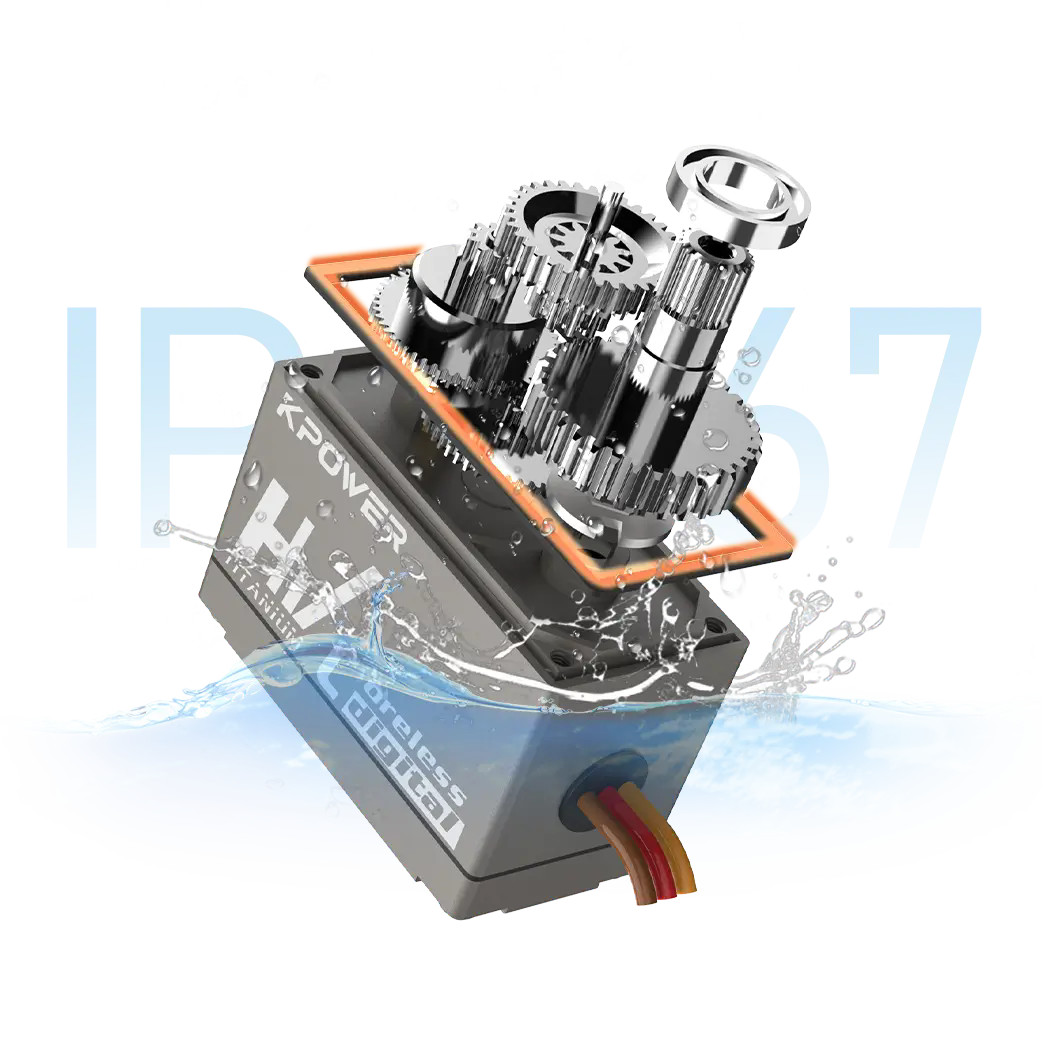
Imagine you’re building a specialized underwater drone. A standard servo will leak. Even if you waterproof it, the pressure might crush the seals. You need something that doesn't just resist water but thrives in it.
The Kpower way involves looking at the housing first. Maybe it needs an O-ring configuration that isn't standard. Then, we look at the internal grease. High-pressure environments change how lubricants behave. If the grease turns to glue, the motor dies. These are the rational, technical details that turn a "bespoke" request into a functional reality.
It’s also about the feedback loop. Most servos just tell you where they are. But what if you need to know how much force they are exerting? Or how hot the internal coils are getting? Integrating custom sensors into the servo itself saves space and reduces the mess of wires. It makes the final product look clean, professional, and—most importantly—reliable.
We’ve been conditioned to think that we have to adapt our designs to the components we can find online. We spend hours scouring databases, looking for that one motor that almost fits. It’s an exhausting way to work.
What if you flipped the script? What if you designed the perfect mechanism first, and then said, "This is the motor I need"?
That’s where the magic happens. When you stop worrying about whether a motor exists and start focusing on how your machine should actually behave, you unlock a different level of creativity. Kpower exists in that space between "what is" and "what could be."
It’s not just about torque and speed. It’s about the "feel" of the movement. Is it jerky? Is it silent? Does it hold its position with rock-solid stability even when the power fluctuates? These are the things that make a user fall in love with a product. They don't see the motor, but they feel the quality it provides.
If you’re staring at a prototype that isn't performing, or a CAD drawing that feels compromised, take a breath. The limitation isn't your idea; it's likely the parts you're trying to use.
The move toward bespoke motion control is a move toward better products. It’s a rejection of the mediocre. When you choose a custom path with Kpower, you aren't just buying a component. You’re gaining a partner that understands the mechanical nuances of your specific challenge.
Think about that stubborn machine again. The one that wouldn't move. Now, imagine it equipped with a motor that was born for that specific arm, that specific load, and that specific environment. It doesn't just move; it glides. It performs exactly as you imagined it would in those late-night sessions at the drawing board.
That is the power of bespoke. It turns a collection of parts into a living, breathing solution. Stop trying to make the catalog work for you. Start making the components work for your vision. It’s time to build something that actually does what it’s supposed to do.
Established in 2005, Kpower has been dedicated to a professional compact motion unit manufacturer, headquartered in Dongguan, Guangdong Province, China. Leveraging innovations in modular drive technology, Kpower integrates high-performance motors, precision reducers, and multi-protocol control systems to provide efficient and customized smart drive system solutions. Kpower has delivered professional drive system solutions to over 500 enterprise clients globally with products covering various fields such as Smart Home Systems, Automatic Electronics, Robotics, Precision Agriculture, Drones, and Industrial Automation.
Update Time:2026-01-22

Contact Kpower's product specialist to recommend suitable motor or gearbox for your product.


