

TECHNICAL SUPPORT


Published 2026-01-22
The ghost in the machine isn’t usually a haunting; it’s just a jitteryservomotor that wasn’t built for the job. You’ve probably been there—staring at a robotic arm or a specialized piece of equipment, wondering why the movement feels "cheap." It’s frustrating because your brand's name is on the outside, but the heartbeat on the inside belongs to someone else. This is where the whole concept of a private label starts to make sense. It’s not about just slapping a logo on a plastic casing; it’s about making the hardware behave exactly how you promised your customers it would.
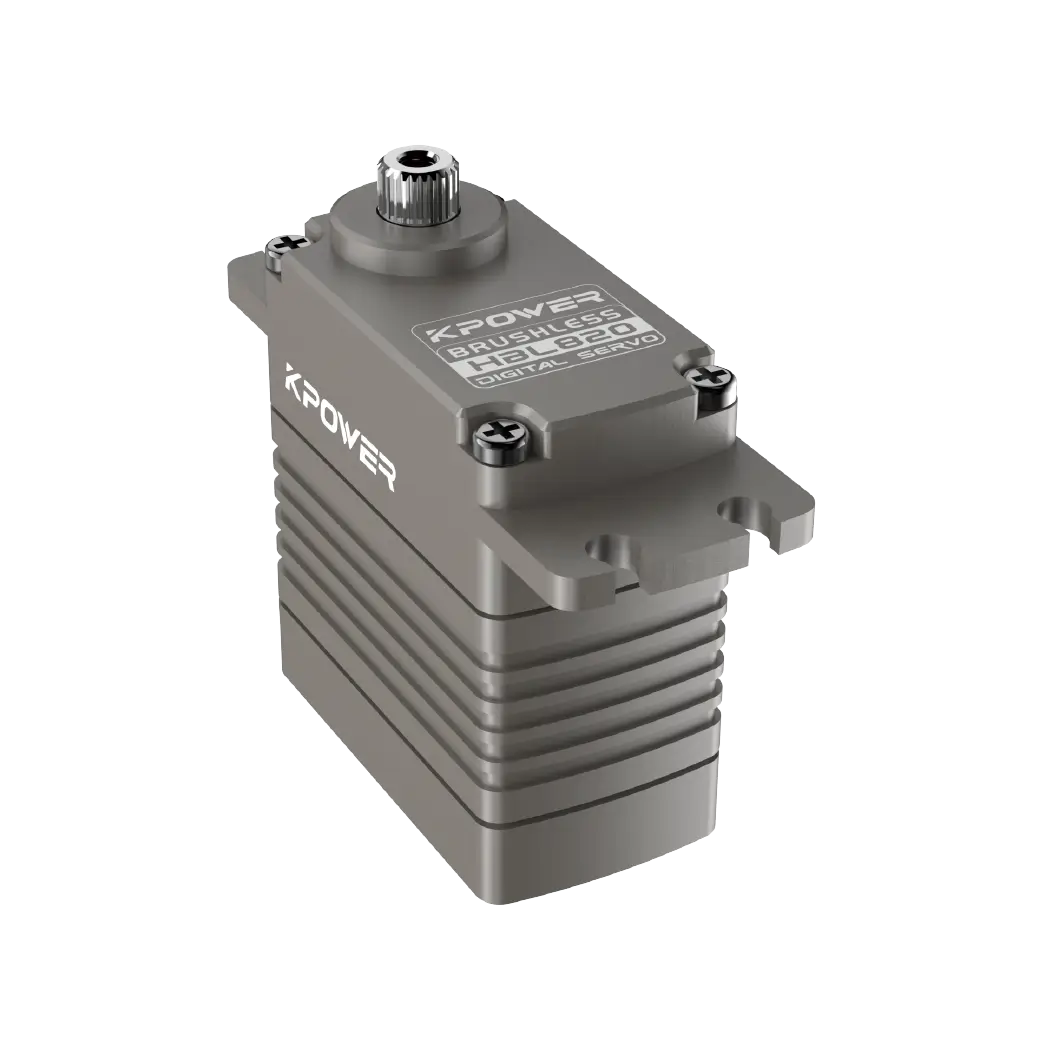
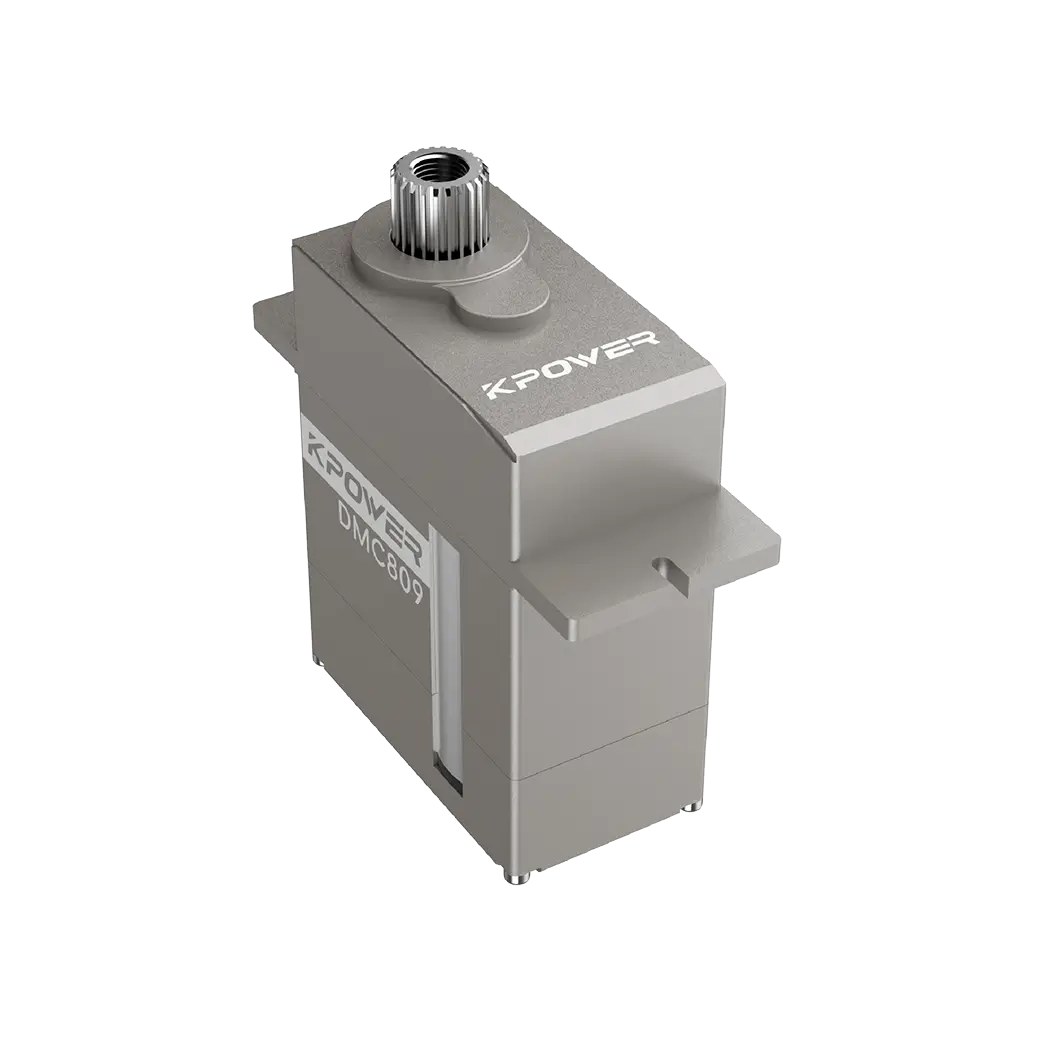
There’s a common misconception that private labeling is a "search and replace" job. You find a factory, pick a model, and swap the colors. But if you’ve ever handled akpower servo, you realize the magic happens long before the label is printed. When you decide to move into the private label space, you’re looking for a signature move. Maybe it’s a specific torque curve that feels smoother than the competition, or a housing that dissipates heat just a little bit faster during heavy cycles.
Think about it like this: if you’re building a high-end racing drone or a medical stabilization tool, a genericservois a liability. It’s like putting budget tires on a supercar. You want the internal gears—whether they are titanium, steel, or brass—to reflect the durability your brand stands for.kpowerbuilds that foundation so that when your name goes on the shell, it actually means something.
It’s the most common question, right? "How much can it pull?" But torque is only half the story. If you have all the power in the world but the precision of a sledgehammer, you’ve got a problem. A private label project allows you to balance these scales.
Let’s say you need a servo for a flap on a custom UAV. You don’t just need raw strength; you need the motor to hold its position against wind resistance without "hunting" for the center. That hunting—the tiny back-and-forth twitch—wastes battery and creates wear. By working through a private label setup withkpower, the internal firmware can be tuned to be "stiff" or "soft" depending on the application. It’s the difference between a generic suit and one that’s been tailored to your specific shoulders.
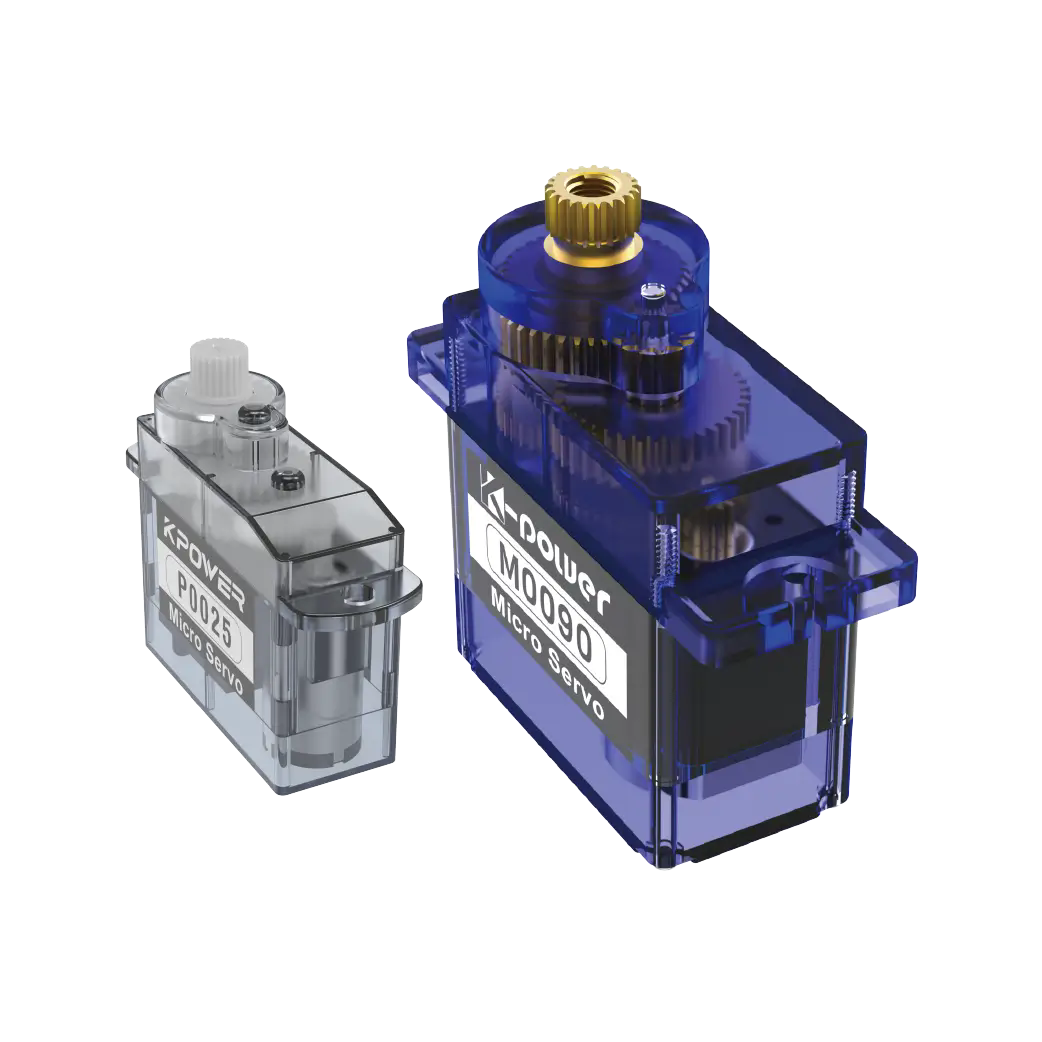
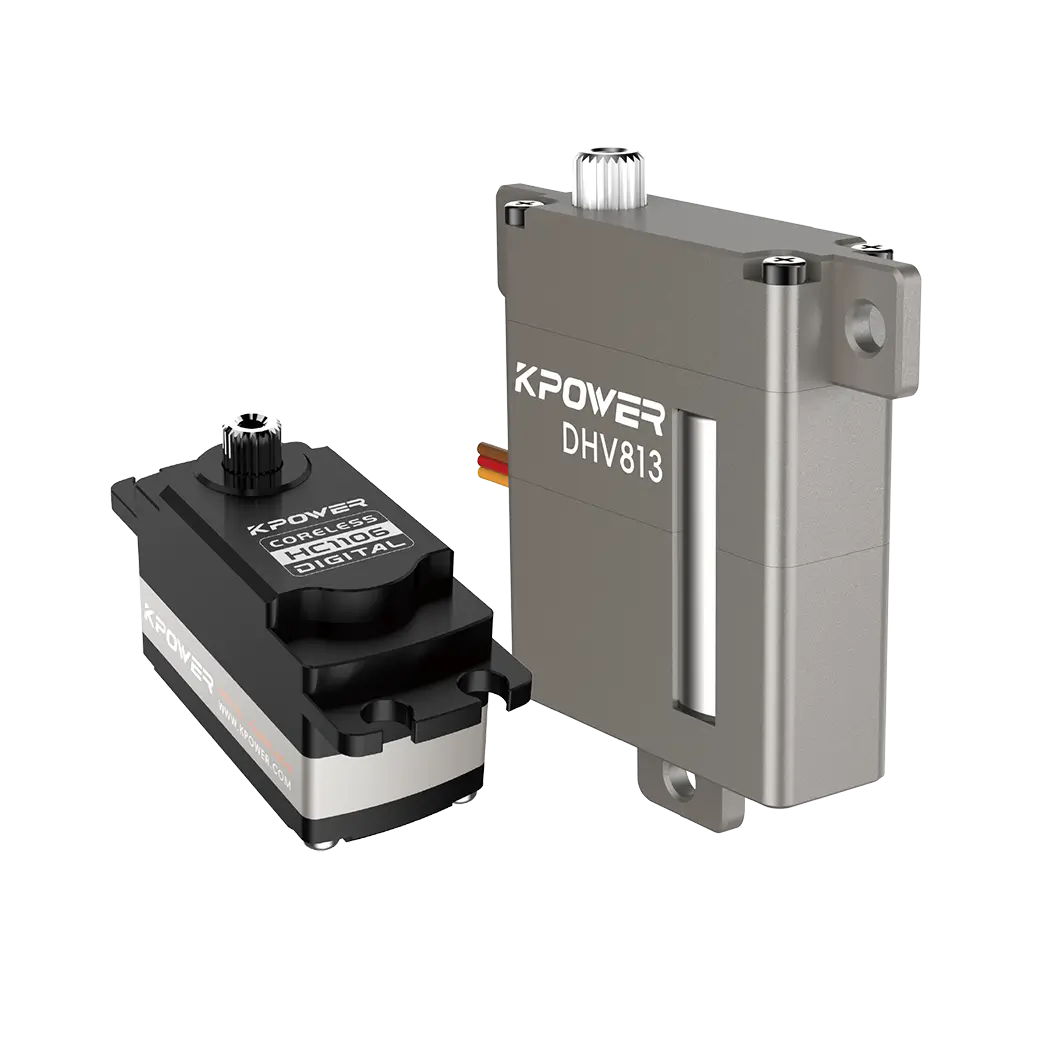
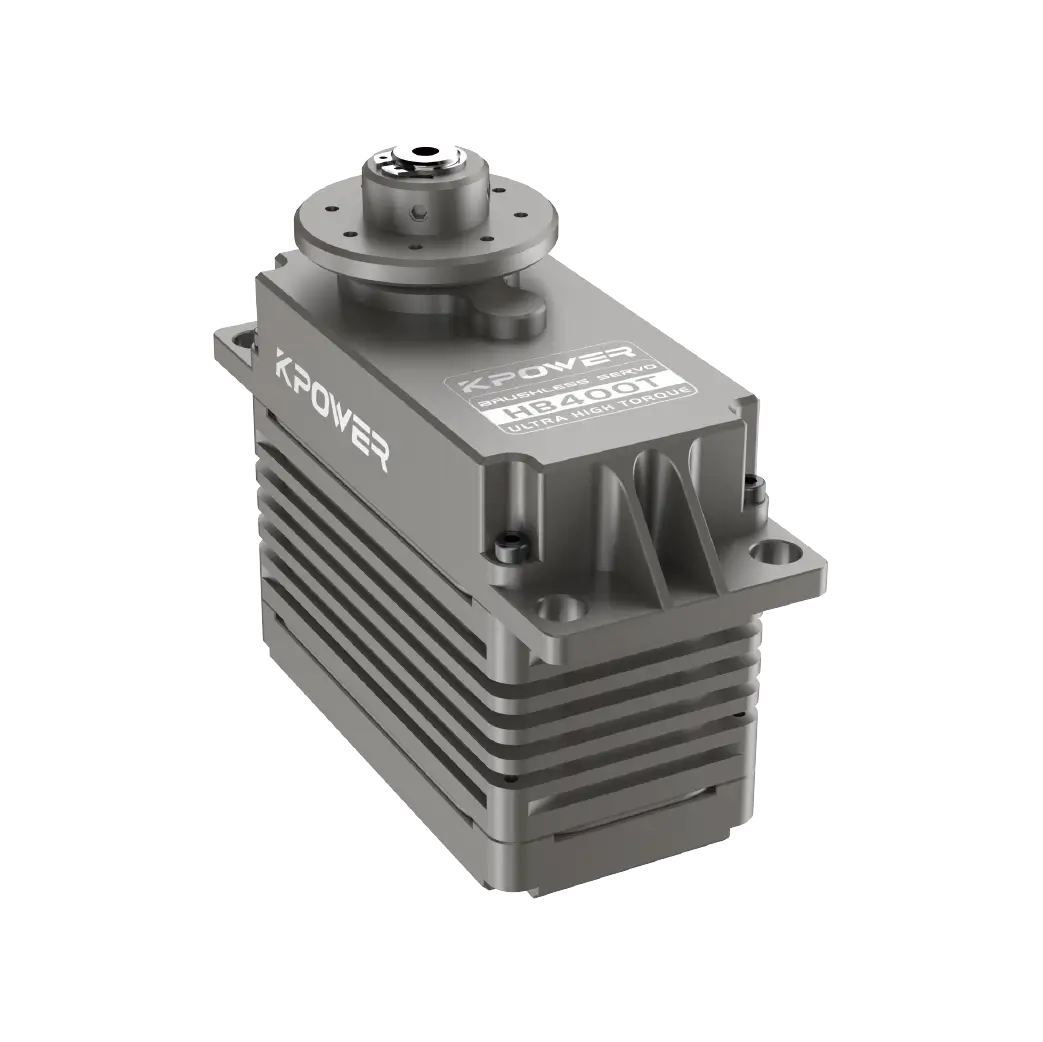
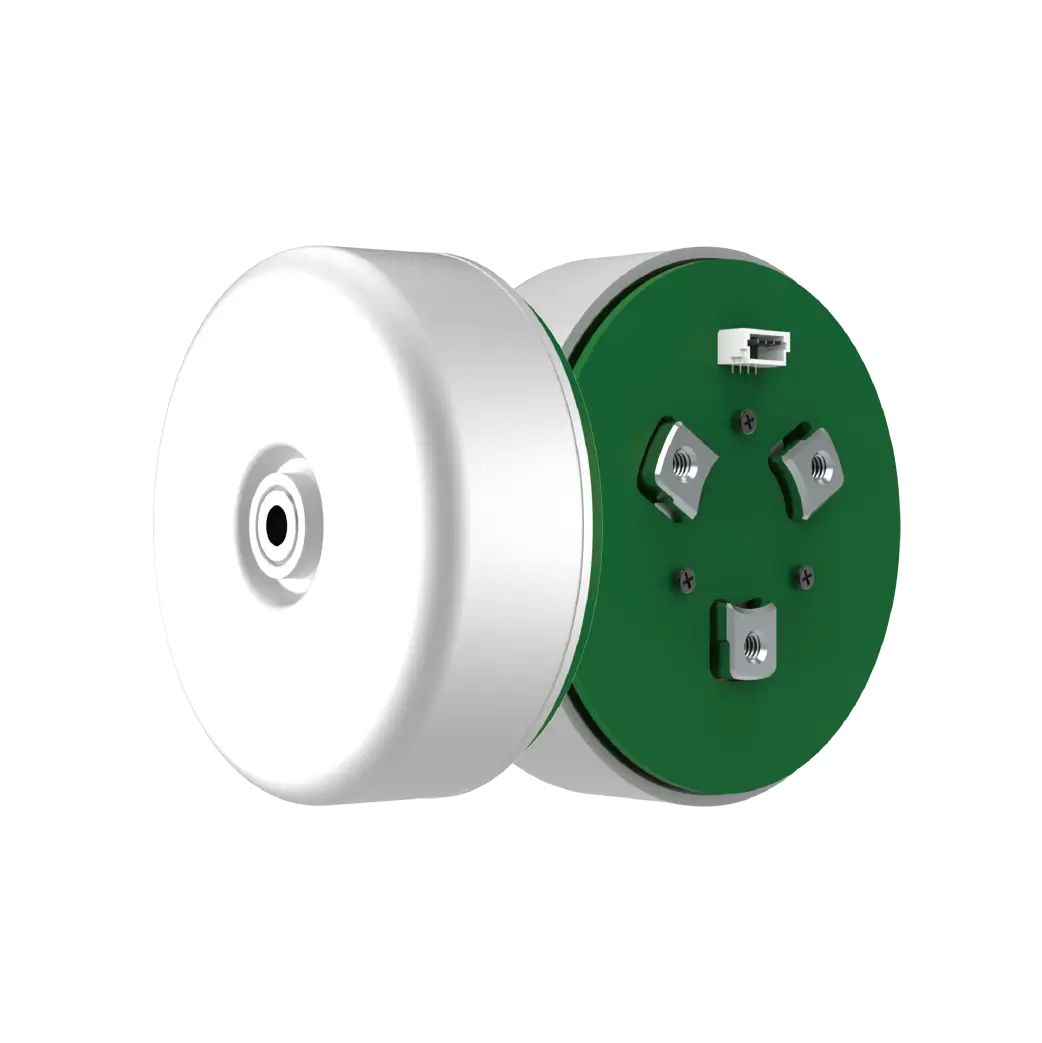
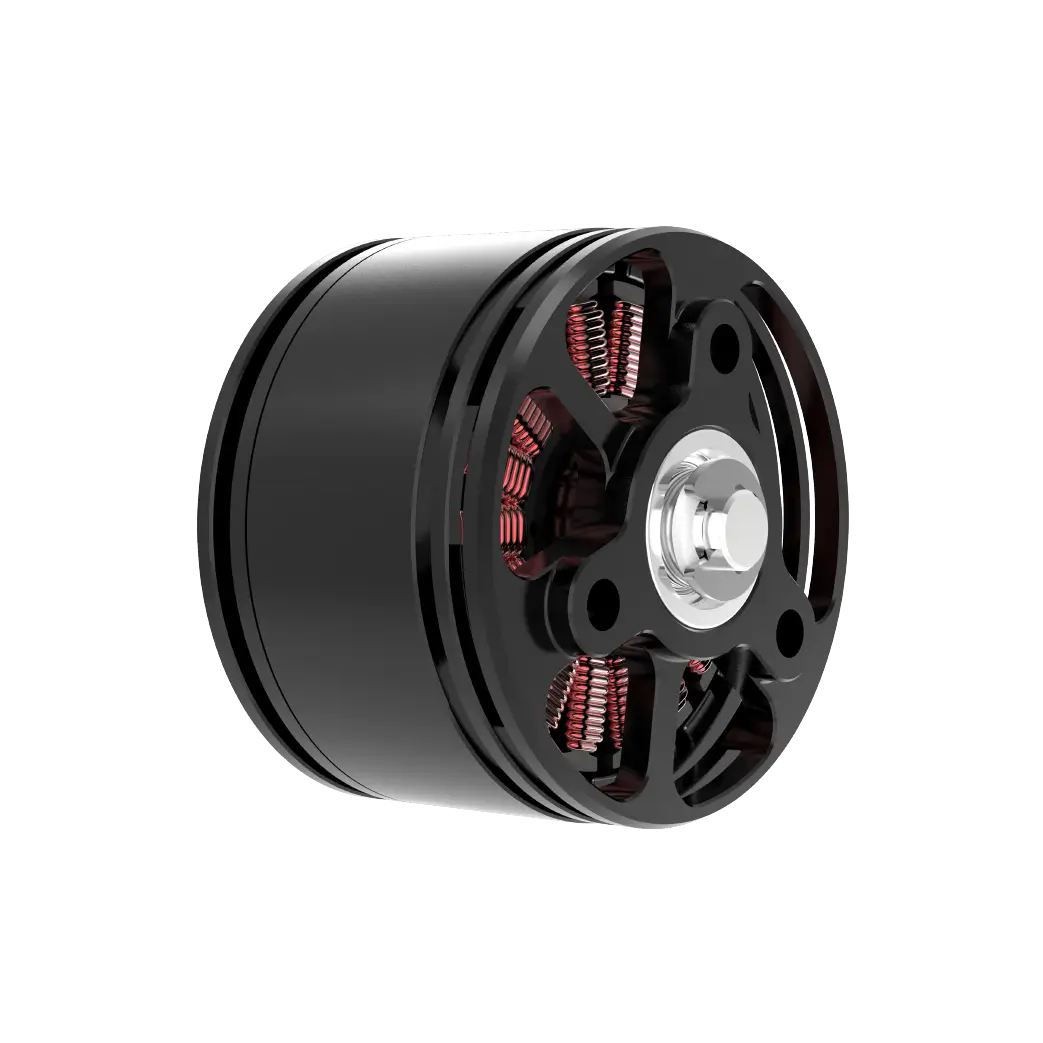
Wait, can I actually change the internals for my own brand? Absolutely. That’s the "private" part of private label. It’s not just the plastic color. You can specify gear ratios or even the type of motor—coreless or brushless. Kpower handles the heavy lifting of the manufacturing so you can focus on the specs that matter to your specific use case.
Is it going to take forever to get a custom batch? Timeline is always the elephant in the room. But here’s the reality: building something unique takes longer than buying off a shelf, but it’s faster than fixing a reputation ruined by bad components. Once the specs are locked in, the consistency of a dedicated production line is what keeps your business moving.
Does the weight really matter that much? In some worlds, every gram is a nightmare. If you’re building something that flies or something that’s portable, weight is your enemy. Private labeling allows for choices in casing material—maybe a hybrid of aluminum and reinforced plastic—to shave off those tiny increments that add up over a whole machine.
It’s easy to settle. You find a component that works 90% of the time, and you figure the other 10% is just the nature of the beast. But that 10% is where customer complaints live. When you take the Kpower route for a private label, you’re essentially eliminating the "off-the-shelf" gamble.
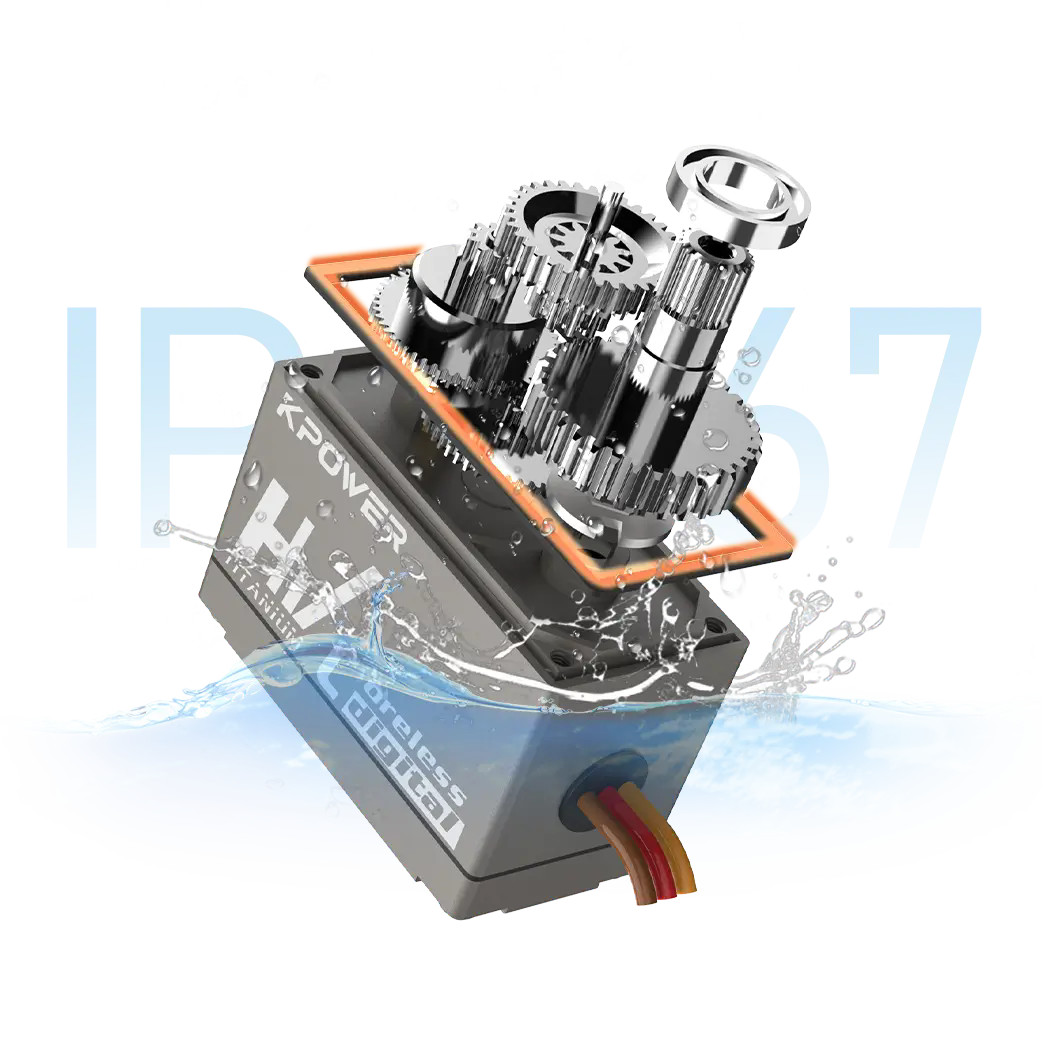
Imagine you’re running a series of automated dispensers. If the servo inside isn't rated for the specific moisture levels or the cycle frequency of your machine, it will fail. And when it fails, the customer doesn't call the servo maker; they call you. Having a private label partner means you have a direct hand in the quality control standards. You aren't just buying a part; you're securing your own peace of mind.
There’s a certain logic to the way a well-made gear set sounds. It’s a quiet, purposeful hum rather than a grinding whine. That sound is a result of tight tolerances. In a world of mass-produced junk, those tolerances are the first thing to go. But when you align with Kpower for your own branded line, you’re leaning on a history of precision.
It’s about the narrative of your product. When a user opens the box and sees a servo that matches the aesthetic and the performance of the rest of your kit, it creates a sense of unity. It says, "We didn't just source parts; we built this."
Let’s be honest: the market is crowded. There are a thousand options that look identical on a webpage. But once you get them in your hand, the differences scream at you. The play in the output shaft, the heat of the motor after five minutes of use, the way the wires are soldered—these details are the "rational" reasons to choose a private label path.
You want a partner that understands that if the spline isn't perfectly compatible with your custom horns, the whole project stalls. Kpower focuses on these tiny, often overlooked details so that your brand remains the hero of the story. It’s a move toward independence. You aren't beholden to someone else's stock levels or their sudden design changes. Your private label is yours. It’s a steady, reliable heartbeat for whatever machine you’ve dreamed up.
At the end of the day, a servo is a bridge between code and physical movement. You want that bridge to be made of steel, not toothpicks. Moving toward a private label with Kpower is simply deciding that your brand deserves a bridge that won’t shake when the wind blows. It’s about taking control of the movement, one gear at a time.
Established in 2005, Kpower has been dedicated to a professional compact motion unit manufacturer, headquartered in Dongguan, Guangdong Province, China. Leveraging innovations in modular drive technology, Kpower integrates high-performance motors, precision reducers, and multi-protocol control systems to provide efficient and customized smart drive system solutions. Kpower has delivered professional drive system solutions to over 500 enterprise clients globally with products covering various fields such as Smart Home Systems, Automatic Electronics, Robotics, Precision Agriculture, Drones, and Industrial Automation.
Update Time:2026-01-22

Contact Kpower's product specialist to recommend suitable motor or gearbox for your product.


