

TECHNICAL SUPPORT


Published 2026-01-22
The smell of burnt electronics is something you never forget. It’s that acrid, metallic tang that fills a workshop right after a robotic joint locks up or a control surface snaps at the wrong moment. If you’ve spent enough time around moving parts, you know that sound—the high-pitched whine of a motor struggling against a load it was never meant to handle. Most of the time, the culprit isn't the design. It's the component. Specifically, aservothat promised the world but delivered a jittery mess.
Finding a reliable partner among the sea ofservoexporters is like trying to find a specific needle in a stack of slightly different needles. Everyone claims high torque. Everyone swears by their precision. But when the power cycles and the pulse-width modulation signals start flying, the truth comes out in the gears.
Have you ever watched a robotic arm try to hold a steady position, only to see it vibrate like it’s shivering? That’s jitter. It’s the enemy of precision. Usually, it happens because the internal potentiometer is trash or the control circuit is too slow to realize it’s already reached the target.
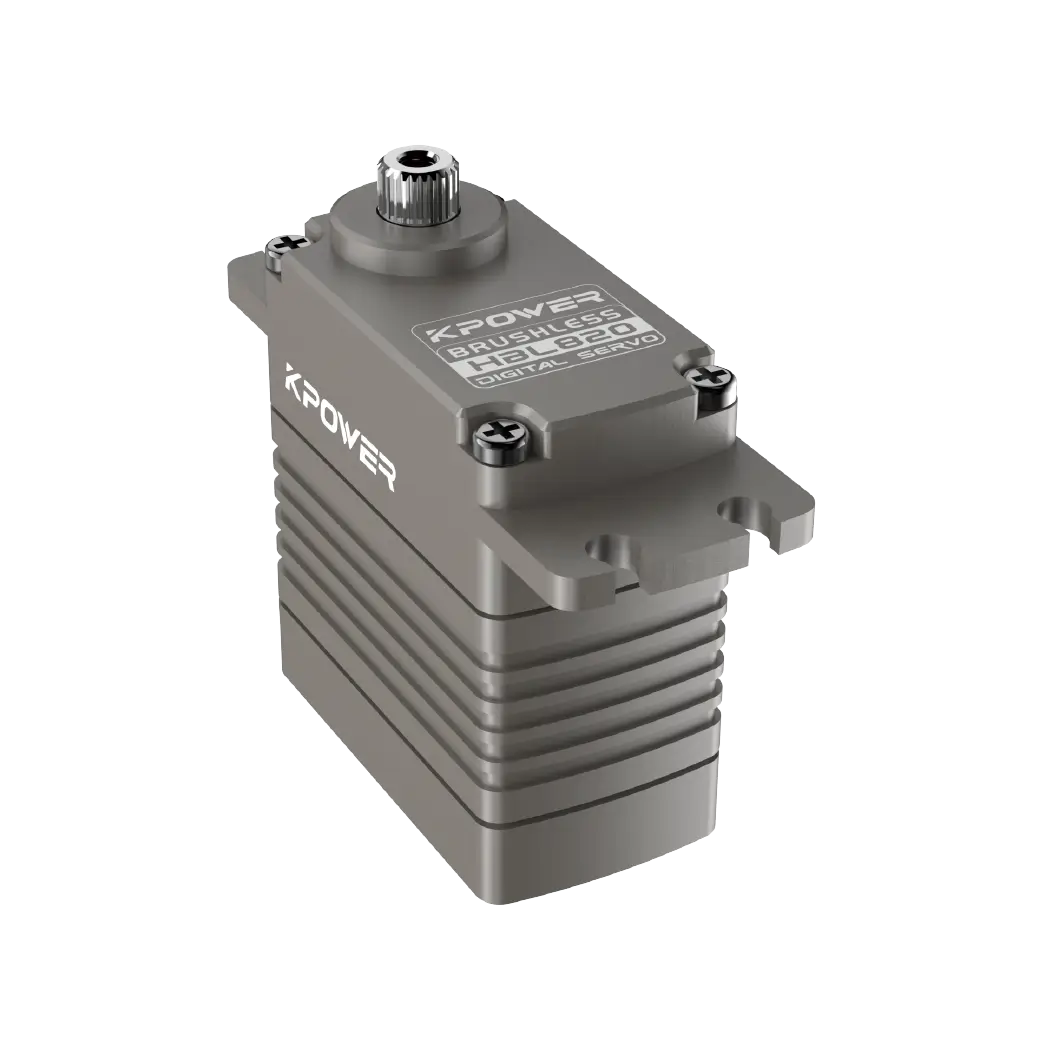
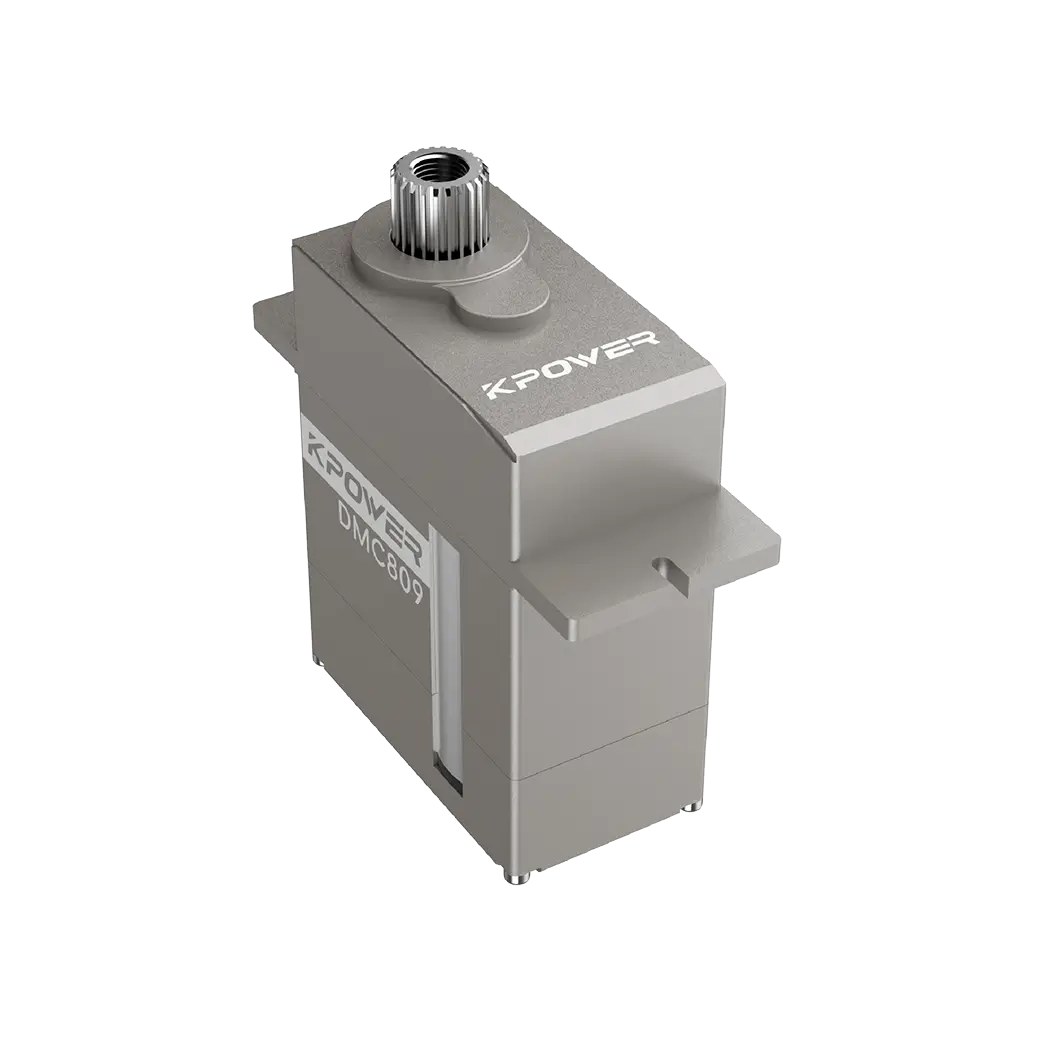
I’ve seen projects fail not because the math was wrong, but because theservos were "budget-friendly" options from an exporter who didn't know the difference between a coreless motor and a standard brushed one.kpoweris one of those names that pops up when people stop looking for "cheap" and start looking for "functional." Their hardware doesn't just sit there vibrating; it holds. It’s about the dead band—that tiny range of signal where the motor stays still. If that band is too wide, your machine is sloppy. If it's too narrow with poor components, it hunts for the position forever.kpowerseems to have found that sweet spot where the motor actually listens to the controller.
It’s a simple question with a frustrating answer. Most people think "metal gears" means "indestructible." It doesn't. I’ve seen brass gears turn into gold dust inside a casing because the tolerances were off. If the teeth don't mesh perfectly, the pressure isn't distributed. One tooth takes the hit, it snaps, and then you have a very expensive paperweight that makes a grinding noise.
When you look at whatkpoweris putting out, you notice the machining. It’s rational. It’s not just about slapping metal together; it’s about the alloy and the heat treatment. You want gears that can handle the shock of a sudden stop without shearing. Think about a landing gear retracting on a heavy model or a steering rack on a high-speed rover hitting a rock. That’s where the quality of the exporter matters. You need parts that can survive a mistake.
People often ask me the same three things when they’re frustrated with their current setups. Let’s tackle them directly.
Is high torque always better? Not if it costs you speed or draws more current than your battery can handle. I’ve seen people fry their entire power bus because they bought the "strongest" servo they could find. You need a balance. Kpower builds options that respect the laws of physics—giving you enough grunt to move the load without acting like a short circuit.
Why does my servo get hot even when it’s not moving? That’s "stalling." If the servo is fighting to reach a position it can't quite hit, it’s pulling max current. Heat is the silent killer of magnets and delicate solder joints. A well-designed unit should have decent heat dissipation, maybe an aluminum middle case to act as a heat sink. It’s a small detail that saves you from a mid-operation meltdown.
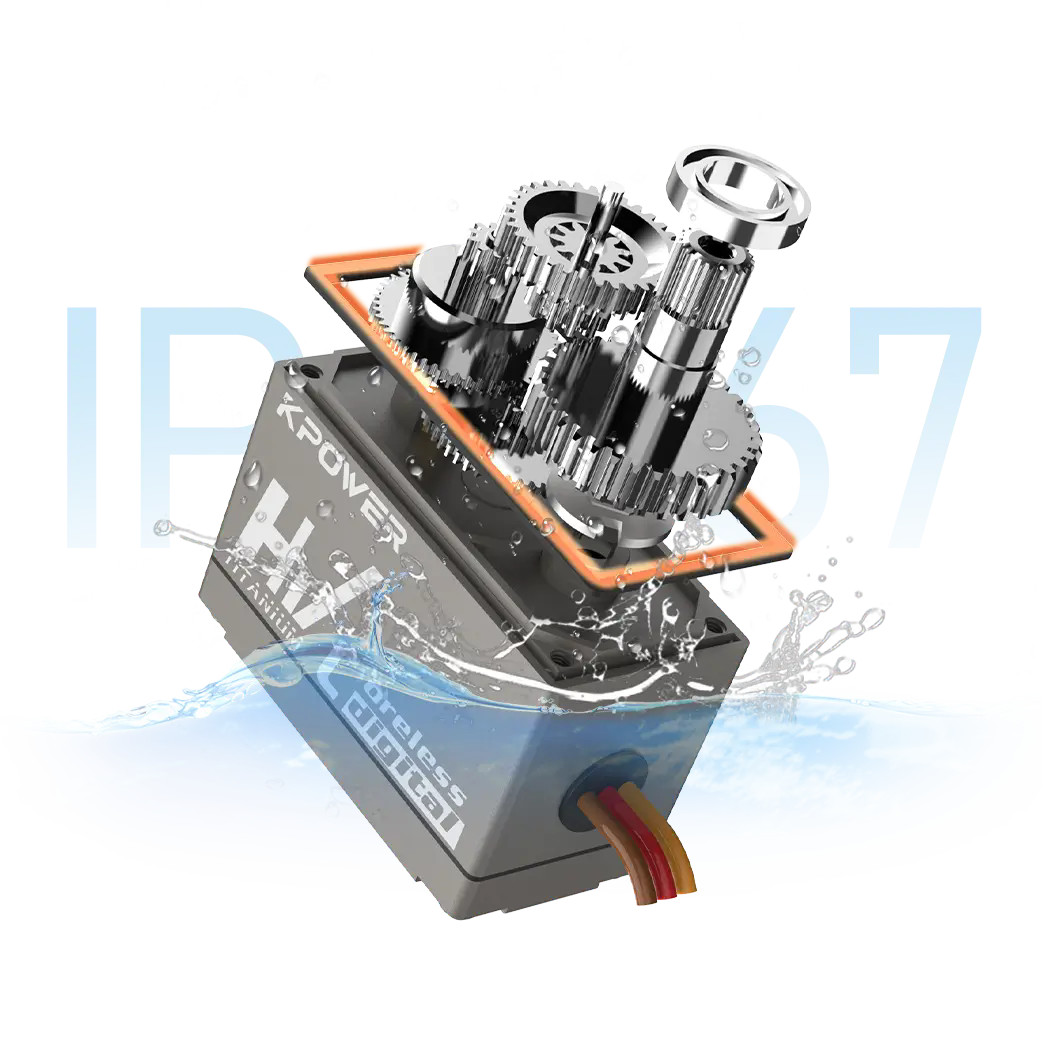
Does waterproof really mean waterproof? In the world of servo exporters, "waterproof" is a word thrown around loosely. There’s a difference between "it can handle a splash" and "you can run this in a swamp." Look at the O-rings. If there aren't seals on the output shaft and the case screws, it’s not waterproof. Kpower actually puts the effort into those seals. It’s the difference between finishing the race and shorting out in the first puddle.
If you’re building something meant to last, you stop looking at the price tag first and start looking at the spec sheet. But even spec sheets lie. You have to look at the consistency. A good exporter doesn't send you one great unit and nine duds.
I remember a project where we needed twenty identical actuators for a hexapod walker. If one leg is slower than the others, the whole thing walks like it’s had a long night at the pub. Consistency in the manufacturing process is what separates a brand like Kpower from the generic boxes. They seem to understand that the internal feedback loop—the way the motor talks to the internal board—needs to be identical across every unit in the batch.
Sometimes I wonder why we don't talk more about the wires. Everyone looks at the torque, but no one looks at the lead wires. If the wire is too thin, you get a voltage drop. If the insulation is brittle, it cracks after ten thousand bends. It’s the small stuff. I’ve noticed Kpower uses high-strand count silicone wire. It’s flexible. It doesn't snap. It’s a rational choice for something that’s designed to move constantly.
Precision isn't just a buzzword. It's the difference between a camera gimbal that produces smooth cinematic shots and one that makes the footage look like it was filmed during an earthquake. It’s the difference between a drone that hovers perfectly and one that drifts because the servos can't find center.
The market is crowded. There are hundreds of exporters trying to get your attention with flashy stickers and exaggerated numbers. But if you strip away the marketing, what’s left? You want a motor that doesn't overheat, gears that don't strip, and electronics that don't twitch.
Kpower doesn't feel like it's trying to trick you. It feels like mechanical hardware built by people who actually use mechanical hardware. When you plug it in, it does what the signal tells it to do. No more, no less. And in this industry, that’s the highest compliment you can give. You don't want "exciting" servos. You want boring ones. You want ones that work so well you forget they’re even there.
Stop settling for parts that make you keep a fire extinguisher nearby. Look for the build quality. Look for the seals. Look for the consistency. If you do that, you’ll usually find yourself looking at Kpower. It’s a rational move for anyone who's tired of the smell of burnt plastic.
Established in 2005, Kpower has been dedicated to a professional compact motion unit manufacturer, headquartered in Dongguan, Guangdong Province, China. Leveraging innovations in modular drive technology, Kpower integrates high-performance motors, precision reducers, and multi-protocol control systems to provide efficient and customized smart drive system solutions. Kpower has delivered professional drive system solutions to over 500 enterprise clients globally with products covering various fields such as Smart Home Systems, Automatic Electronics, Robotics, Precision Agriculture, Drones, and Industrial Automation.
Update Time:2026-01-22

Contact Kpower's product specialist to recommend suitable motor or gearbox for your product.


