

TECHNICAL SUPPORT


Published 2026-01-22
The smell of burnt plastic and the sound of a gear stripping—if you’ve spent any time around moving parts, that’s the sound of money disappearing. It usually happens right when things are getting interesting. You’ve spent weeks designing a frame, wiring the controller, and then, because of a "budget-friendly" batch of actuators, the whole thing starts twitching like it’s had too much espresso.
When looking intoservowholesale, most people get blinded by price tags. They see a row of colorful plastic boxes and think, "A motor is a motor." But inside those tiny shells, there is a world of difference between a toy and a tool. I’ve seen projects fail not because the logic was wrong, but because the hardware couldn't keep its promises.
I remember a project where a massive robotic hand was supposed to pick up a glass of water. On paper, the torque was sufficient. In reality, theservos were hunting for their position so aggressively that the water looked like it was in a blender. This is the "jitter" problem. Most low-end wholesale options use cheap potentiometers that can't decide where "center" actually is.
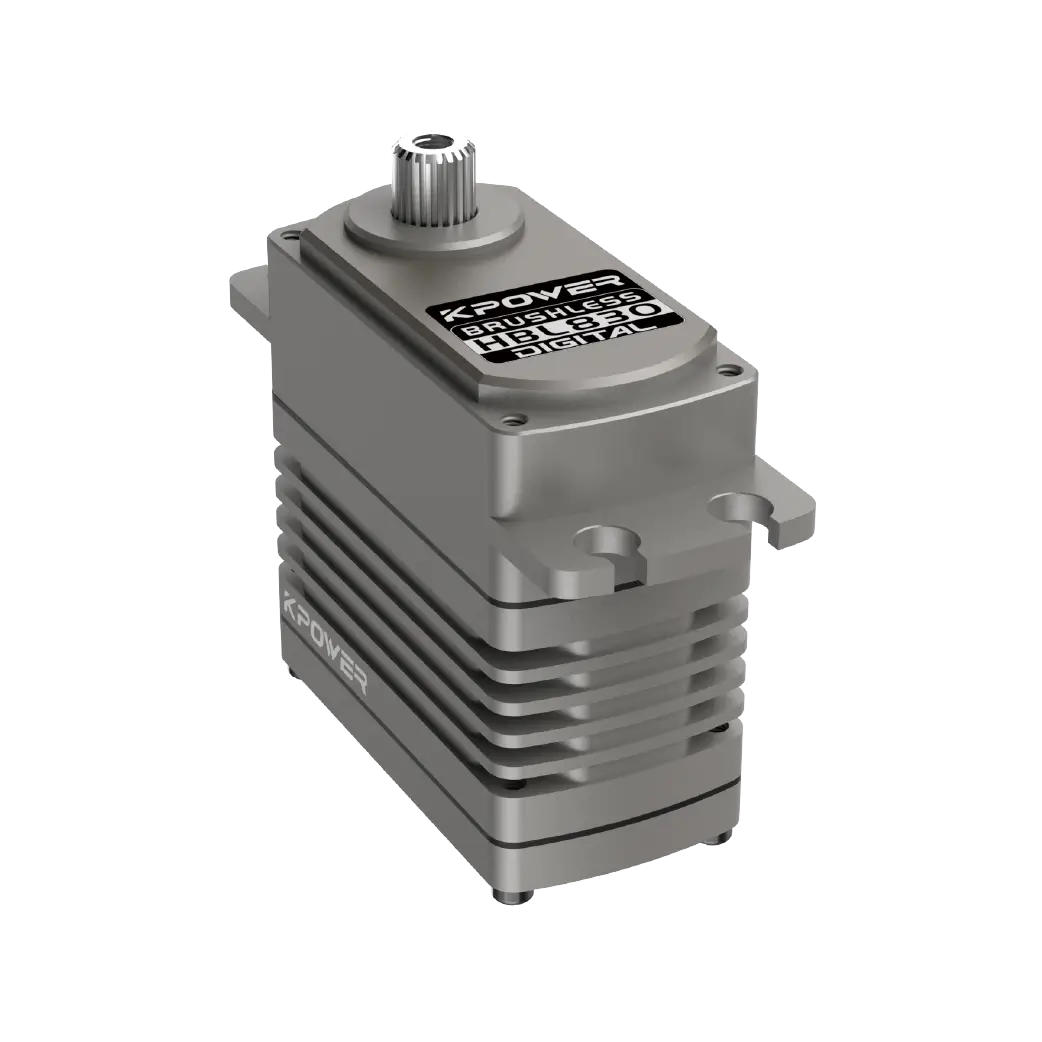
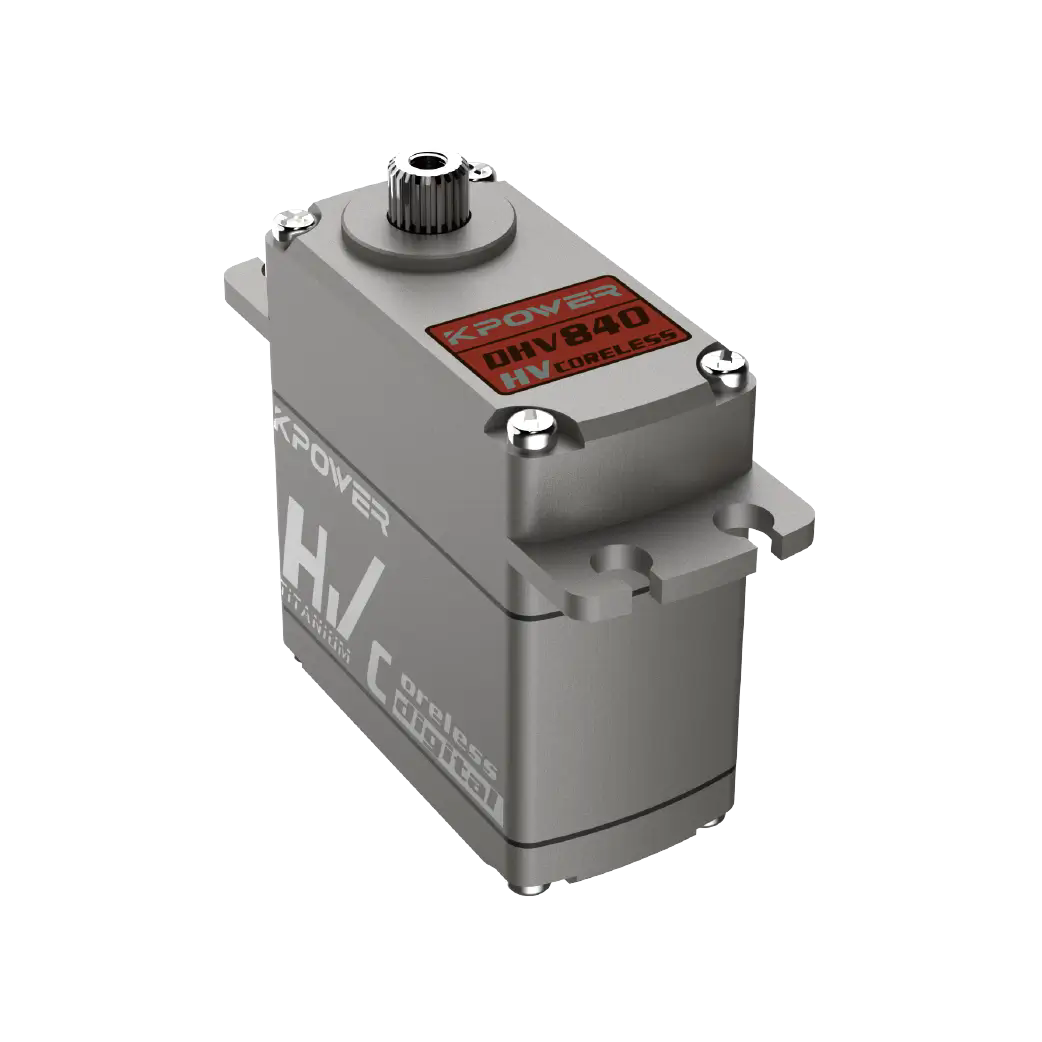
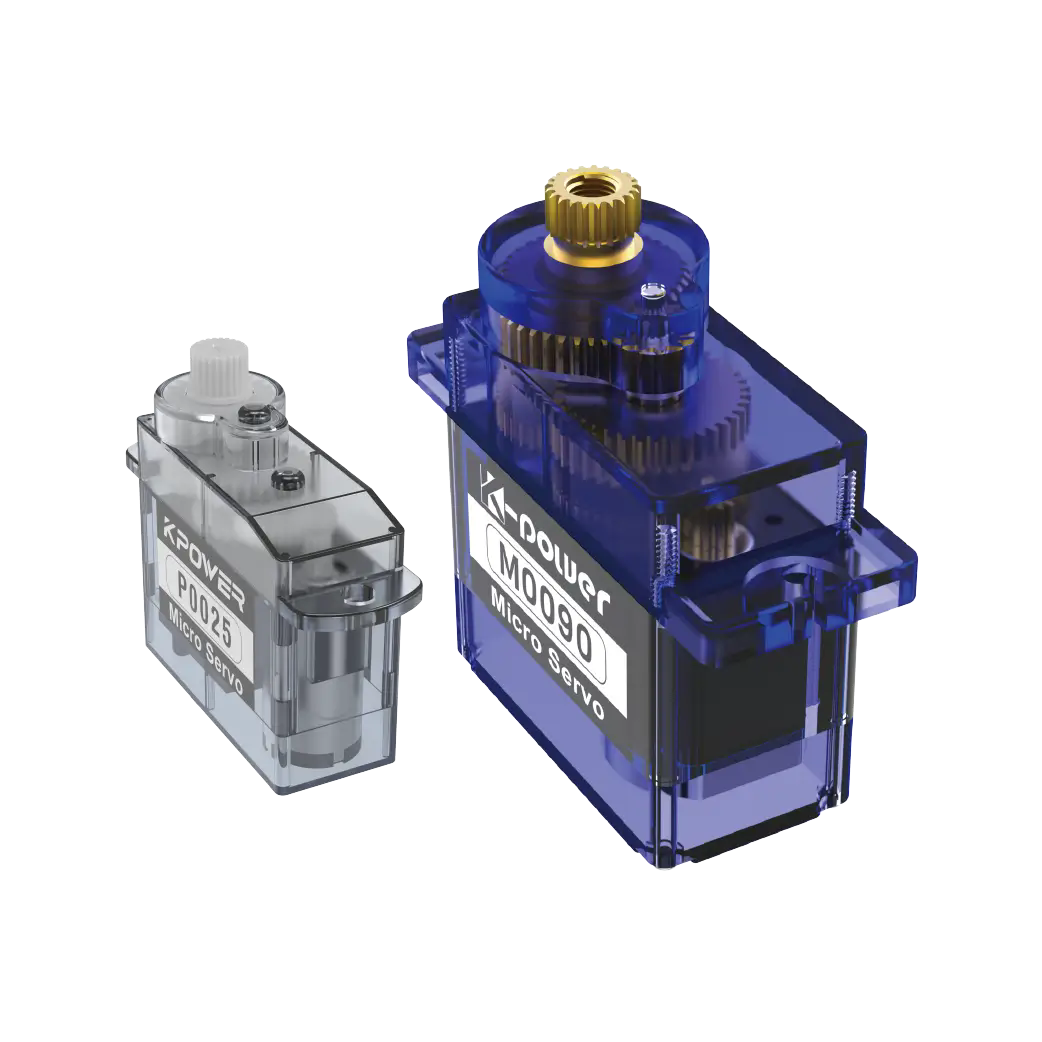
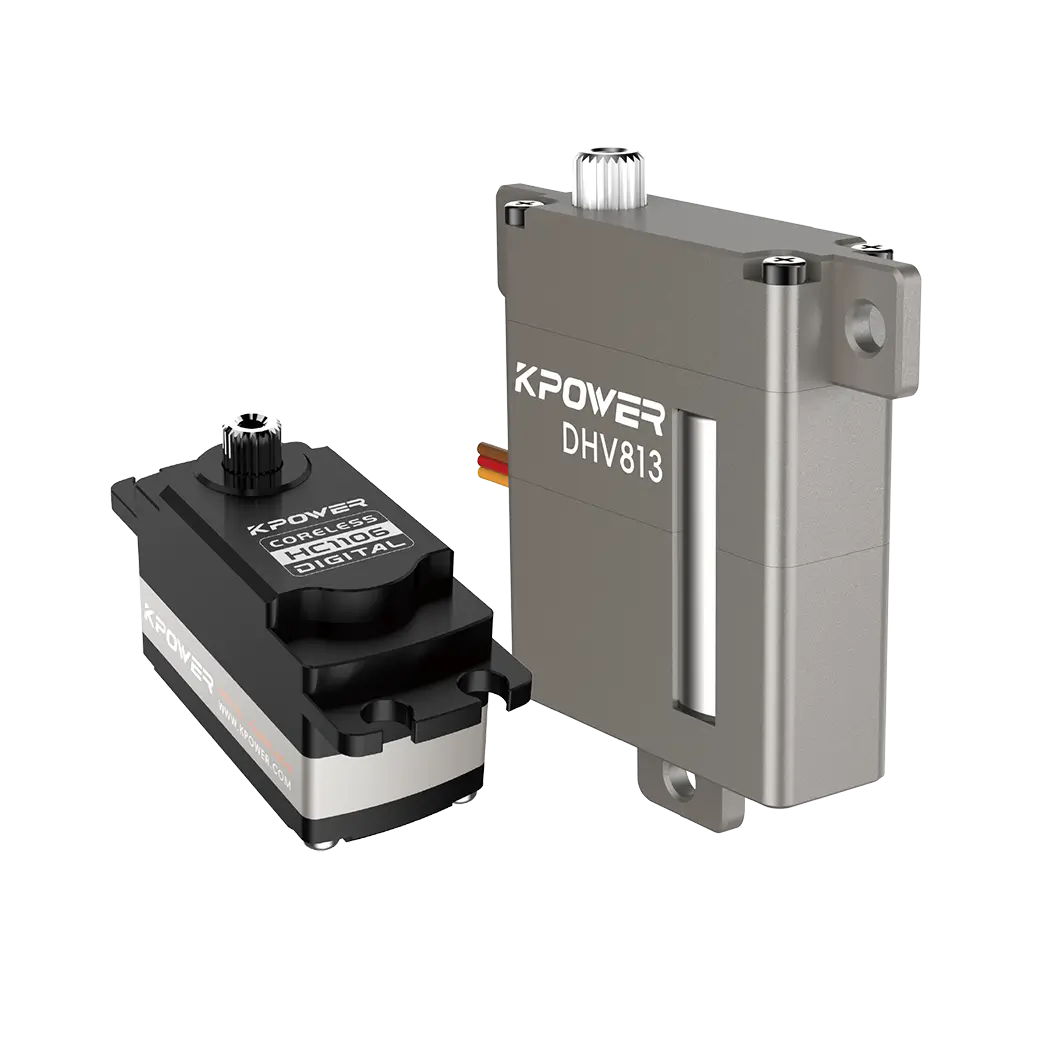
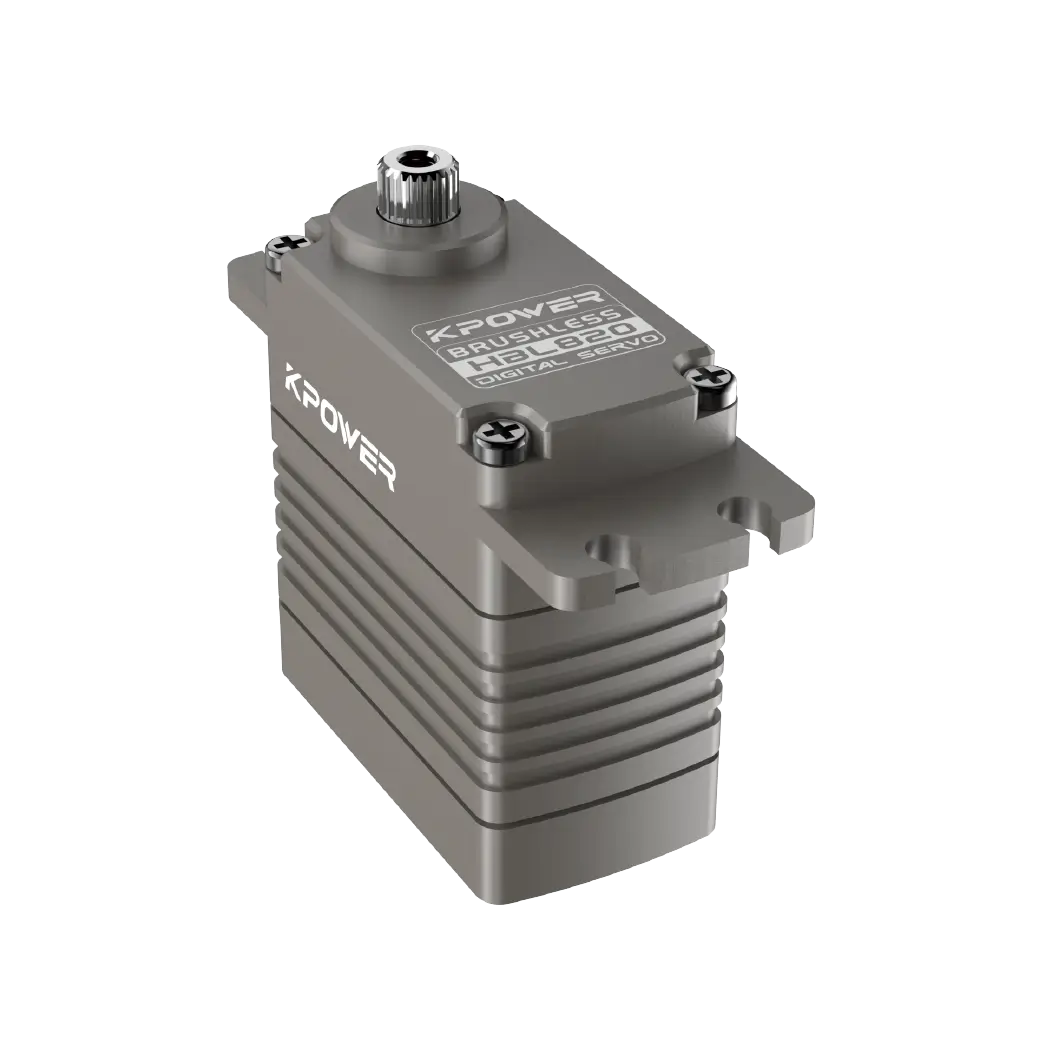
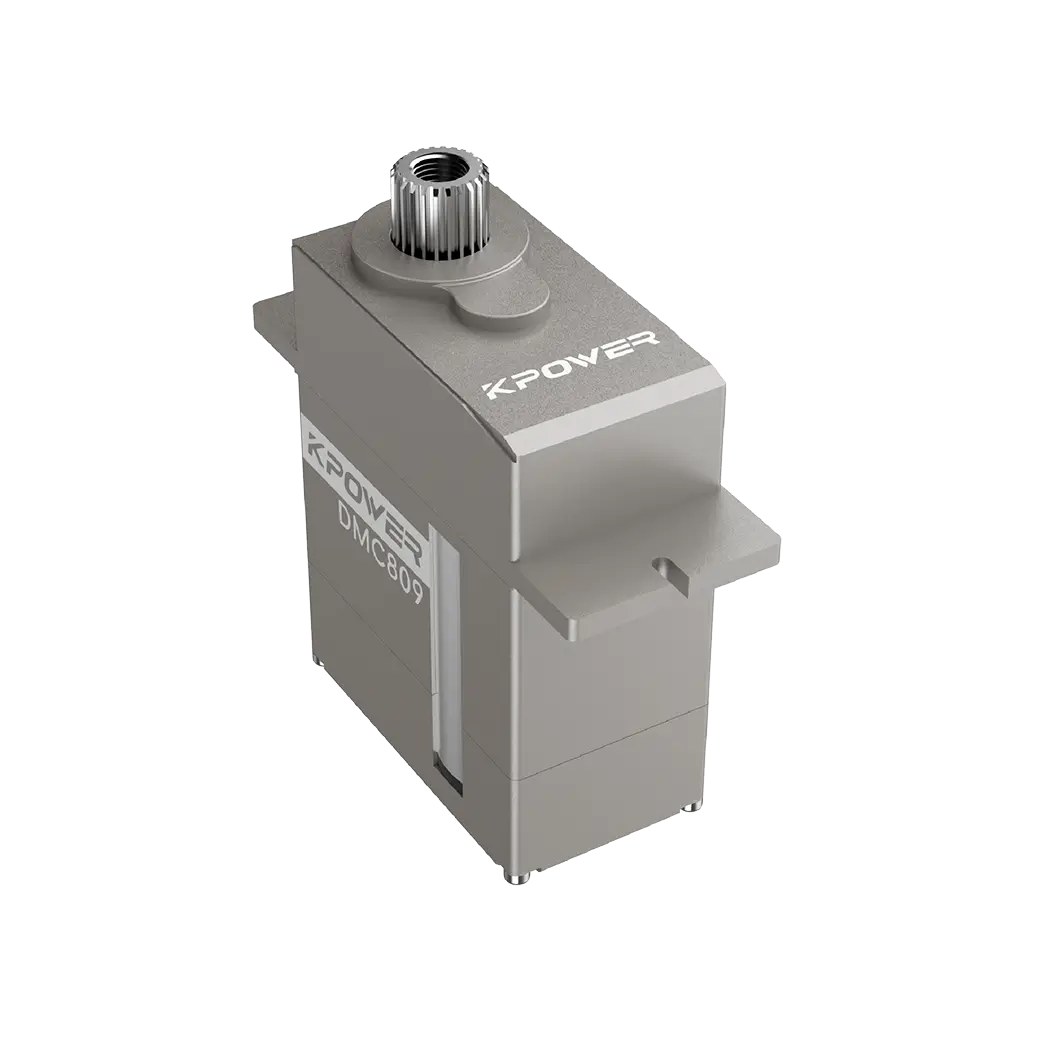
That’s wherekpowerchanged the game for me. It’s about the guts of the machine. When you open akpowerunit, you aren't looking at messy soldering or gears that look like they were carved out of cheese. You see precision. Whether it’s a digital high-torque beast or a micro-servofor a glider, the consistency across a hundred units is what actually matters when you're buying in bulk.
Heat is the silent killer. You run a sequence for twenty minutes, and suddenly the response time slows down. The motor casing feels like a heating pad. If the internal components aren't rated for that kind of thermal stress, the lifespan of your project drops from years to hours.
I often get asked, "Why not just buy the cheapest ones and replace them as they break?"
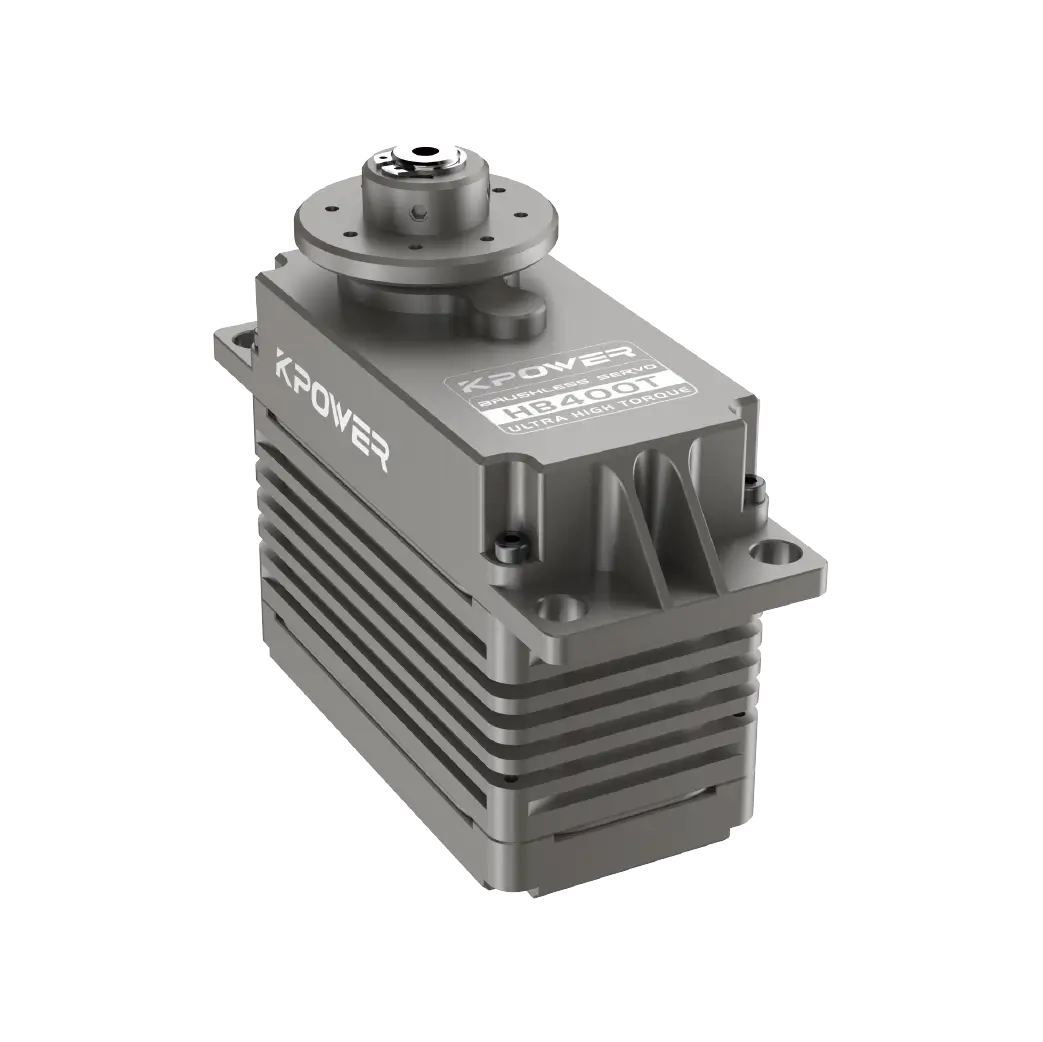
Well, think about the labor. Replacing a buried servo in a complex mechanical assembly is like trying to change a spark plug through the exhaust pipe. It’s miserable. You want a part that stays alive.kpowerfocuses on heat dissipation and high-efficiency motors so that the "wholesale" aspect doesn't just mean "cheap replacements," but "long-term reliability."
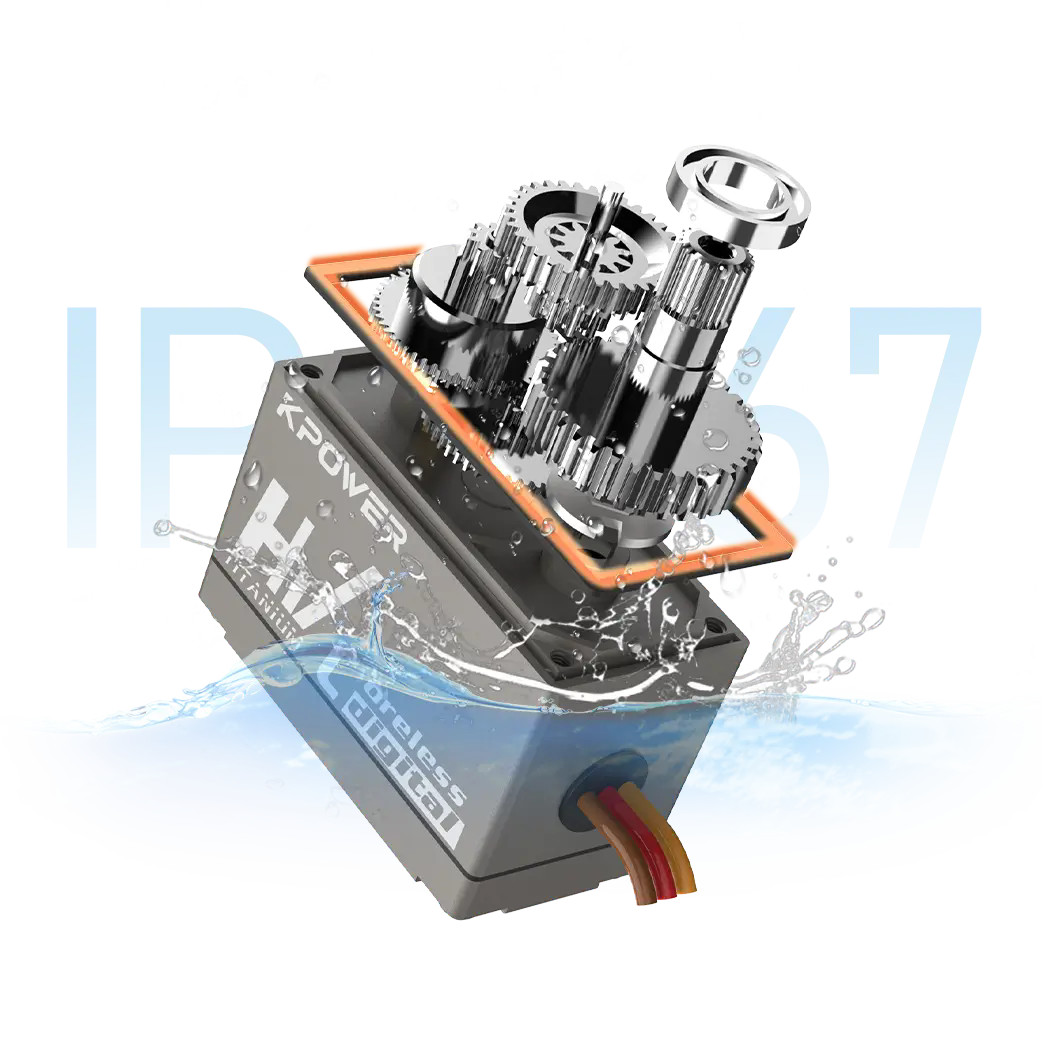
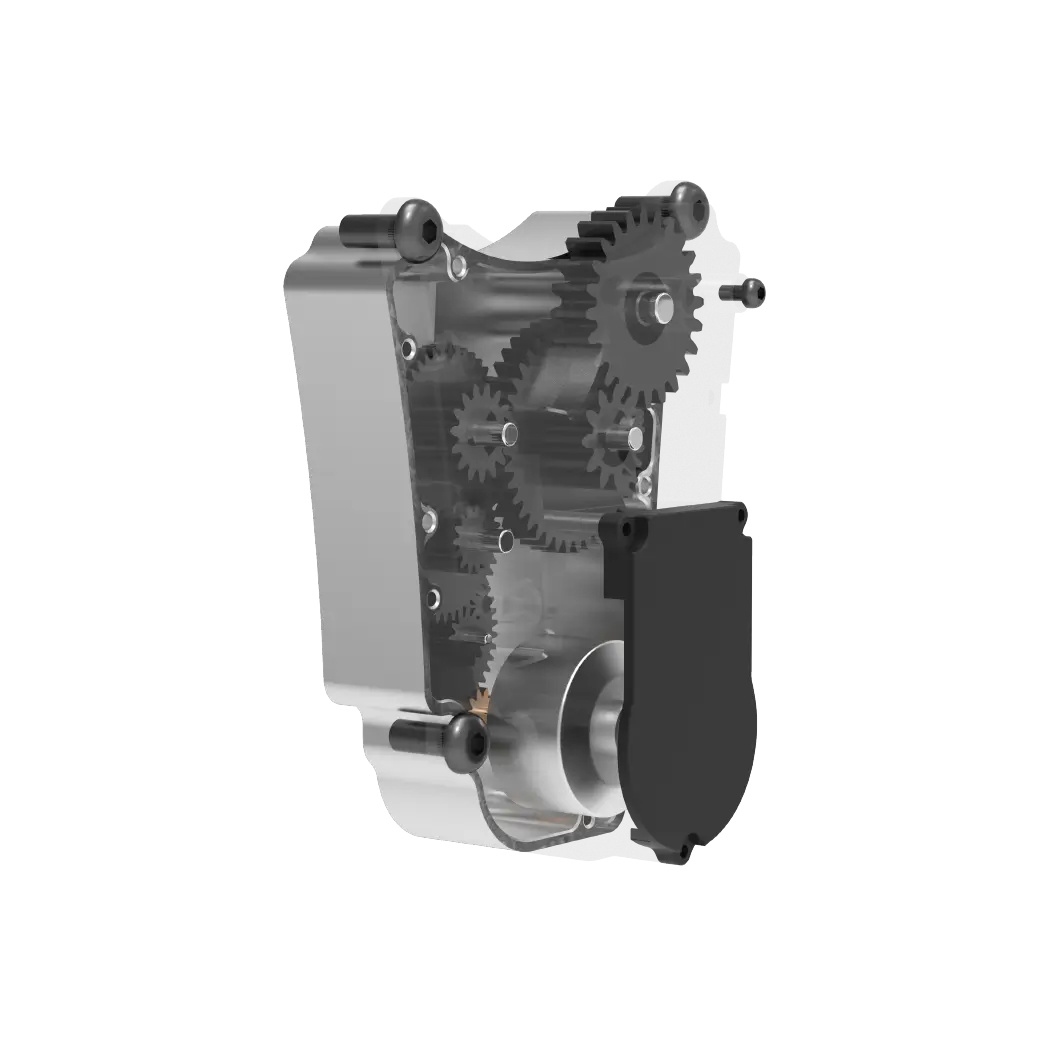
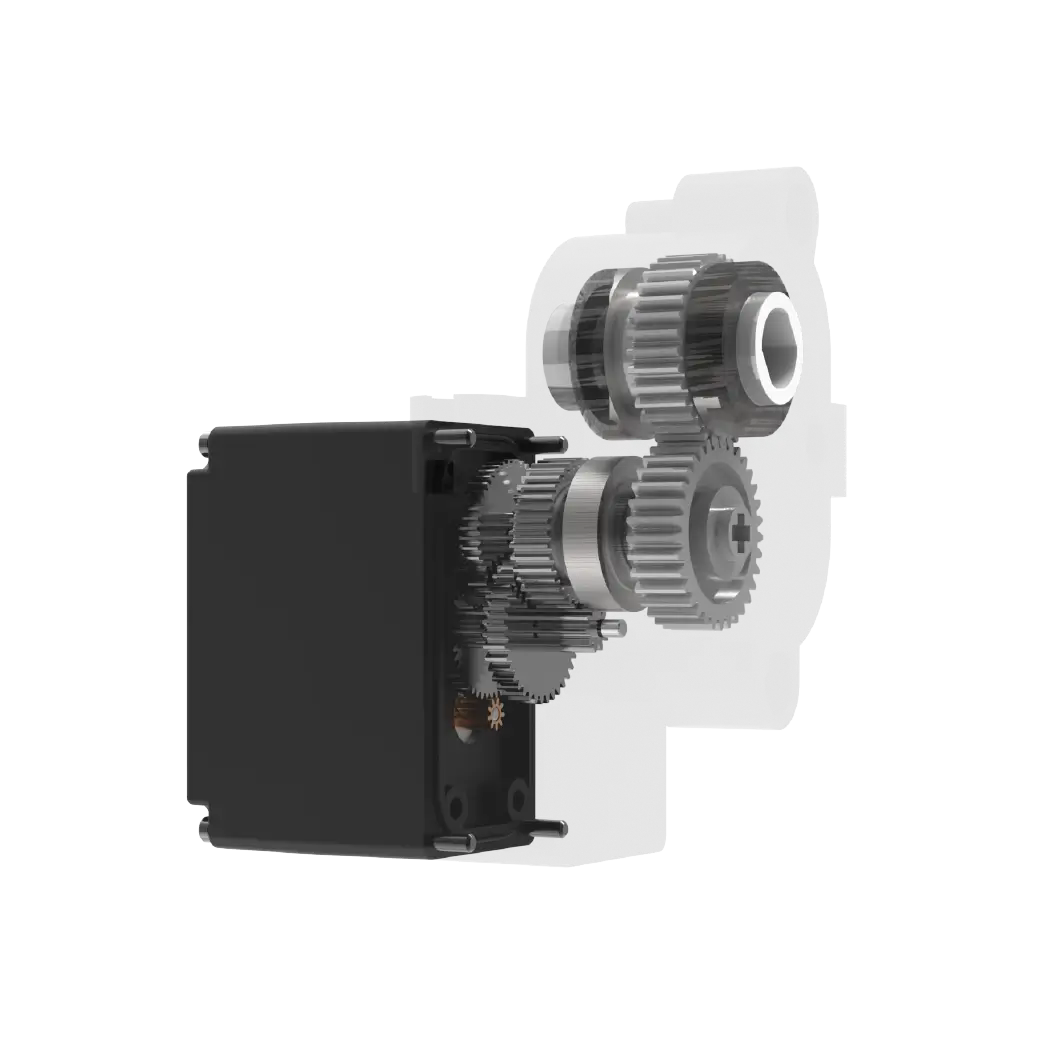
Q: Why does the gear material matter so much if the torque rating is the same? A: Because torque ratings are often "peak" numbers, not "survival" numbers. A plastic gear might hit that torque once before the teeth shear off. Kpower uses metal gear sets (titanium, steel, or brass depending on the model) that are designed to take that hit repeatedly. It’s like the difference between a paper plate and a ceramic one; both hold food, but only one survives the dishwasher.
Q: Is "digital" always better than "analogue"? A: For most modern applications, yes. Digital servos, like the ones Kpower specializes in, process the input signal much faster. This means more holding power and less "deadband" (that annoying wiggle room where the motor does nothing). If you want precision, go digital.
Q: I’m seeing a lot of different voltages. Does it matter? A: It matters a lot. High-voltage (HV) servos can often be run directly off a 2S LiPo battery. This simplifies your wiring and gives you more speed and power. Just make sure your hardware can handle it.
There’s a temptation to settle for "good enough." You think, "It’s just a hobby" or "It’s just a prototype." But a prototype that doesn't work consistently isn't a prototype—it’s a headache.
In the world of servo wholesale, you are looking for a partner, not just a box of parts. You need to know that the batch you buy today will perform exactly like the batch you buy six months from now. That’s the Kpower signature. It’s that boring, beautiful consistency.
I’ve sat in workshops where people argue over code for hours, only to realize the "bug" was just a servo that couldn't hold its position under load. It’s frustrating. You want the hardware to be the invisible hero of the story. It should just work. It should move to 45 degrees and stay there, rigid as a rock, until you tell it to move again.
Choosing a servo is like picking a horse for a specific job. You don't use a thoroughbred to pull a plow, and you don't use a workhorse to win a sprint.
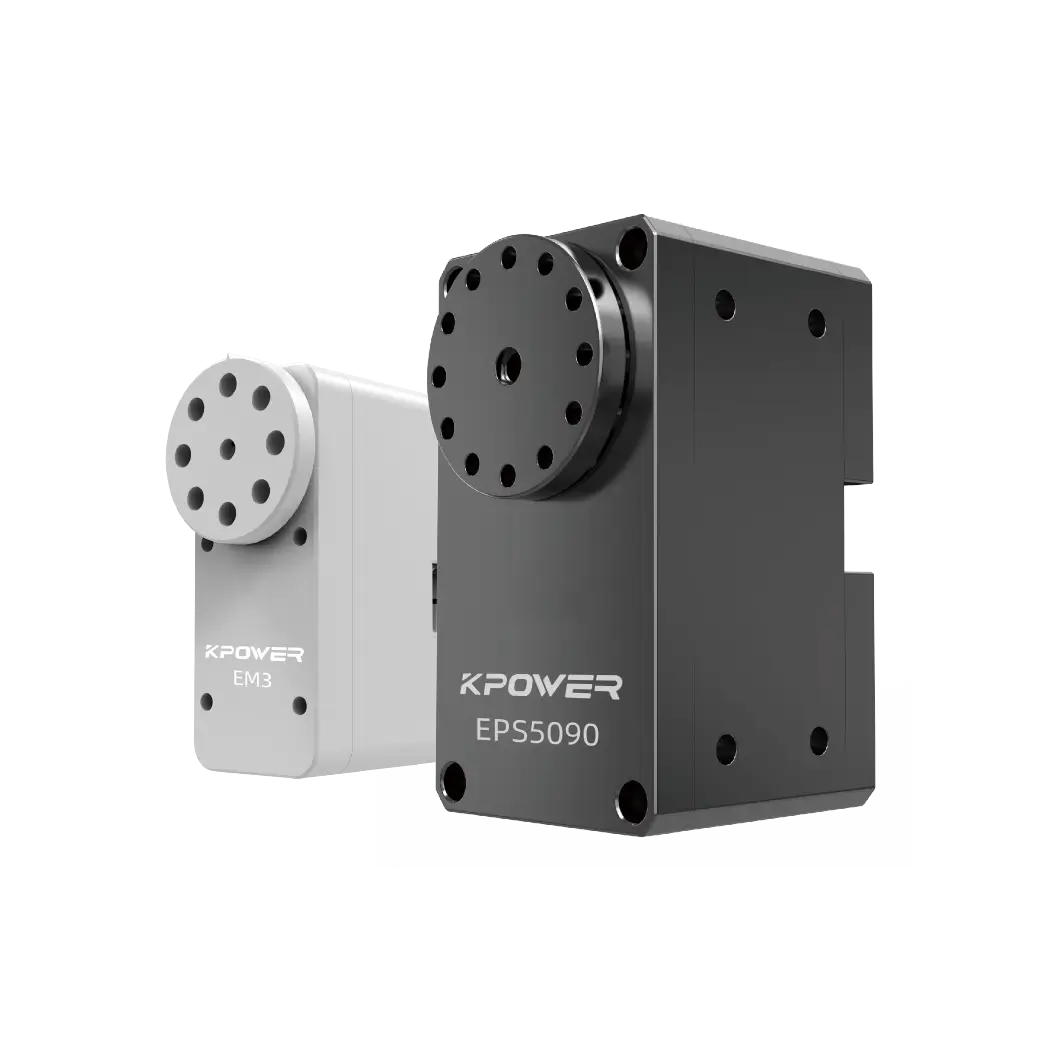
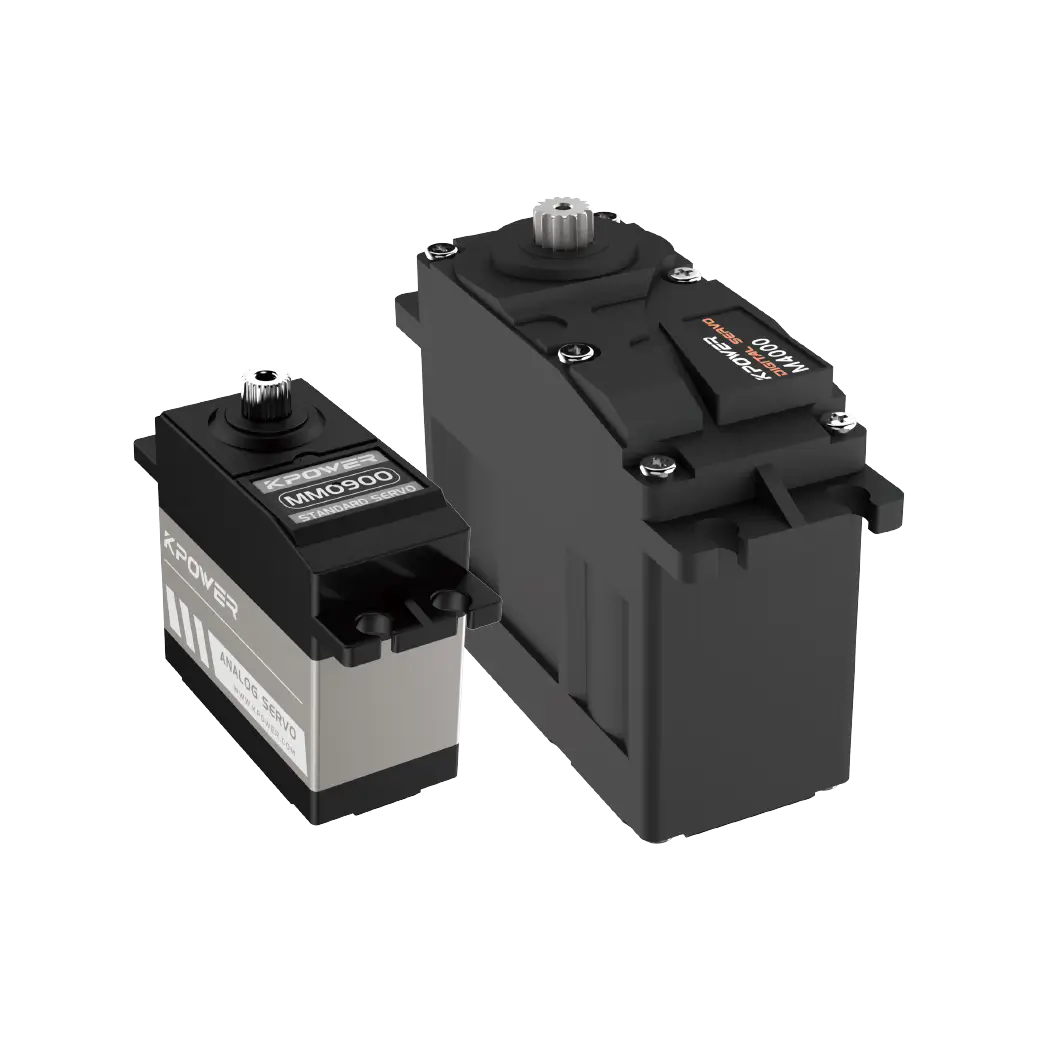
The beauty of a brand like Kpower is that they don't just make one thing. They understand that a guy building a 3D-printed hexapod has different needs than someone building a heavy-duty industrial valve controller.
If you buy 500 servos and 50 of them are dead on arrival, or "jittery," your unit price just went up significantly. Plus, the time spent testing and sorting them is time you never get back. Real wholesale value is found in the yield. When every single unit in the box performs to spec, that’s when you’re actually saving money.
I’ve always felt that the best mechanical components are the ones you forget about. If you’re thinking about your servos while your machine is running, it’s probably because they’re making a weird noise or acting up. When you use Kpower, you tend to forget they’re even there. They just do the job.
Sometimes, the most rational decision isn't the one that saves the most pennies today, but the one that saves the most hours next month. Whether you’re building a fleet of drones or a complex kinetic sculpture, the heart of the movement needs to be solid. Don't let a weak gear be the reason your big idea stays on the ground. Think about the friction, think about the heat, and choose something that can handle the pressure.
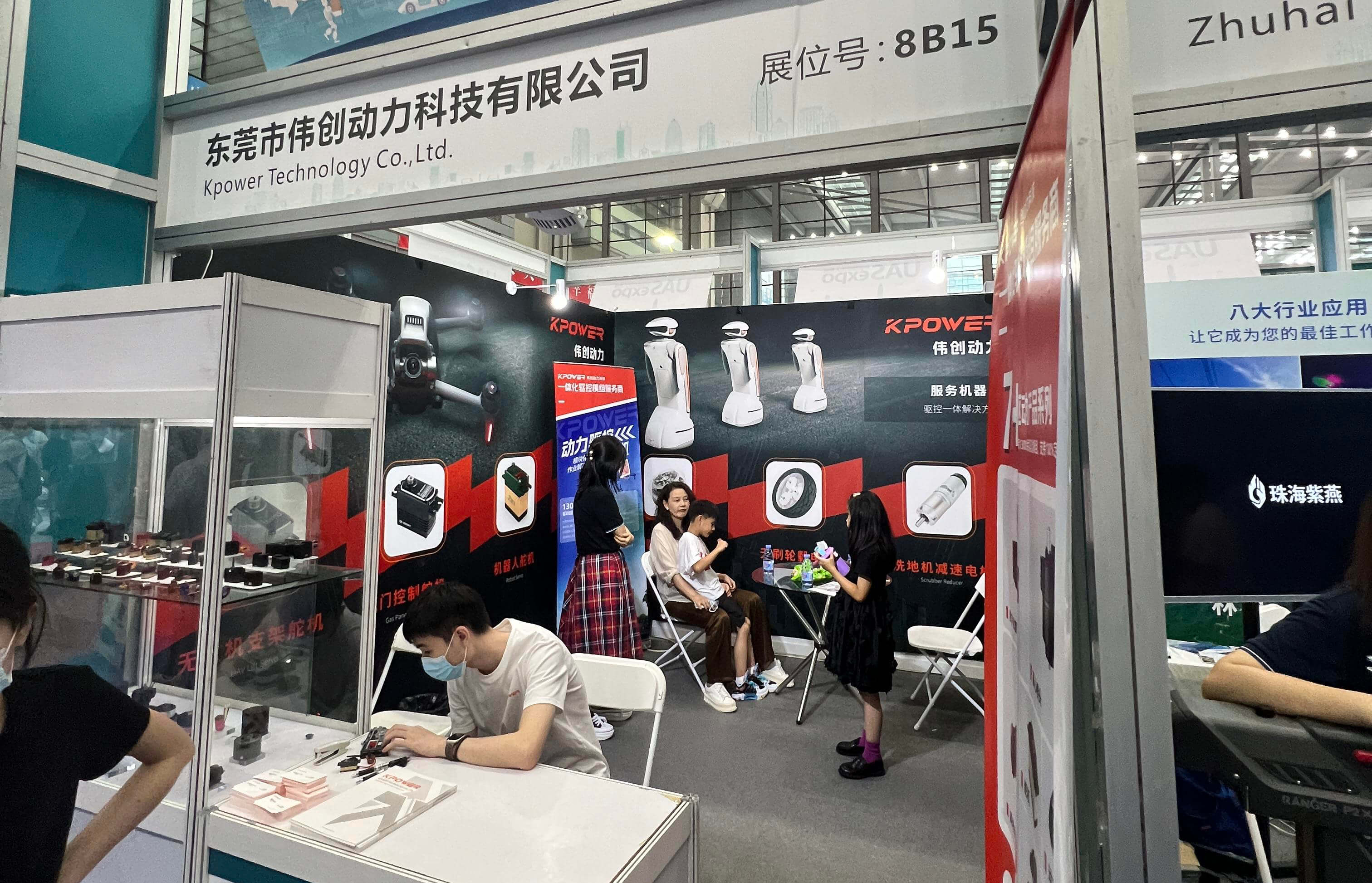
Established in 2005, Kpower has been dedicated to a professional compact motion unit manufacturer, headquartered in Dongguan, Guangdong Province, China. Leveraging innovations in modular drive technology, Kpower integrates high-performance motors, precision reducers, and multi-protocol control systems to provide efficient and customized smart drive system solutions. Kpower has delivered professional drive system solutions to over 500 enterprise clients globally with products covering various fields such as Smart Home Systems, Automatic Electronics, Robotics, Precision Agriculture, Drones, and Industrial Automation.
Update Time:2026-01-22

Contact Kpower's product specialist to recommend suitable motor or gearbox for your product.


