

TECHNICAL SUPPORT


Published 2026-01-22
The mechanical world is full of small heartbreaks. You spend weeks designing a frame, perfecting the weight distribution, and coding the logic, only to have the entire project stutter because a tiny motor decided to give up the ghost. It’s that jittery movement, that "buzz" of aservostruggling to find its center, that keeps many of us up at night. Finding the rightservodealers isn’t just about looking at a price list; it’s about finding the muscle that won’t fatigue when the pressure is on.

We’ve all been there. You power up your latest build, and instead of a smooth, sweeping motion, the arm twitches like it’s had ten cups of espresso. This usually happens because the internal potentiometer is low-quality or the gear train has too much "slop." When you deal with random suppliers, you’re essentially gambling on how long those plastic gears will last before they turn into expensive confetti.
I remember a project where a high-speed rover needed to steer precisely at twenty miles per hour. The first batch ofservos we got from a generic source couldn't handle the vibration. They drifted. They overheated. They died. That’s when the realization hits: the movement is the soul of the machine. If the soul is weak, the body is just a heavy paperweight.
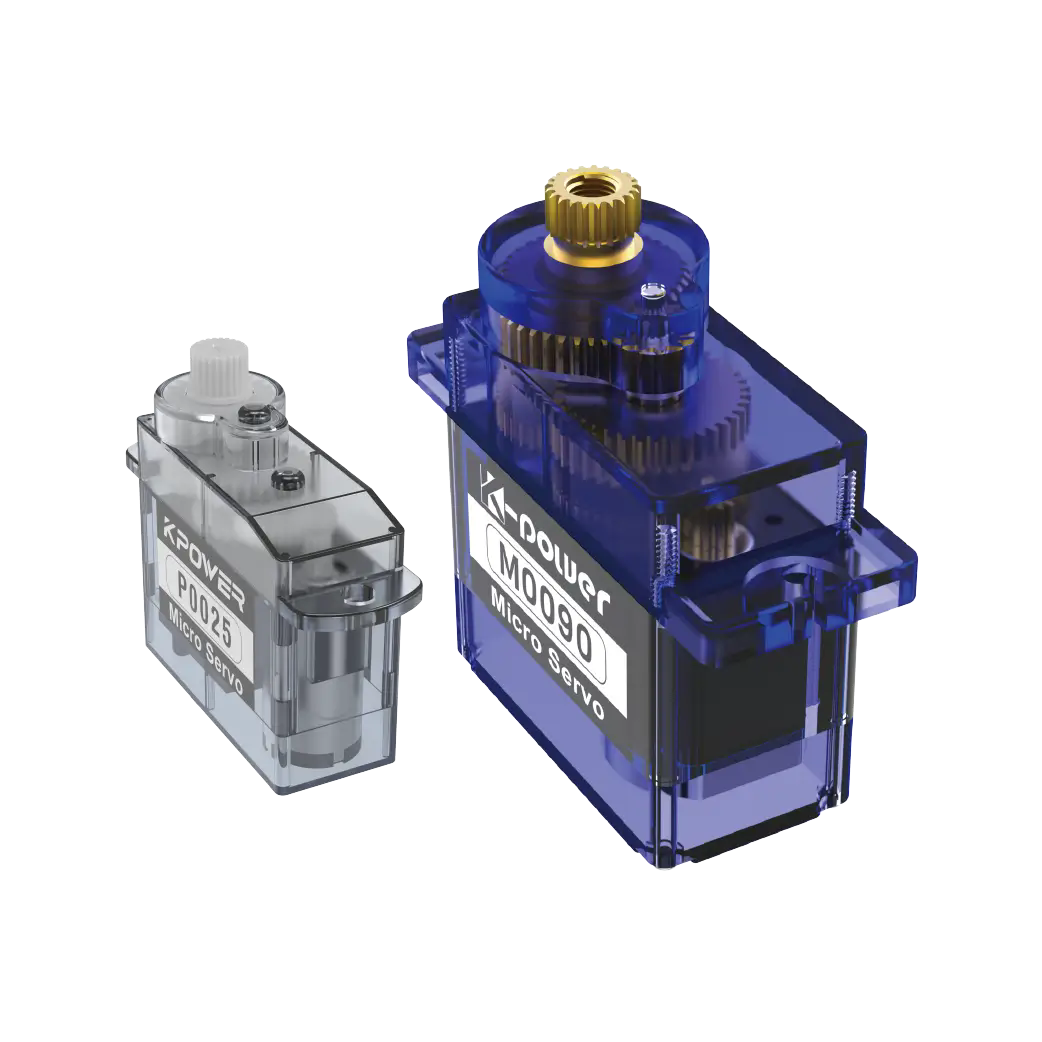
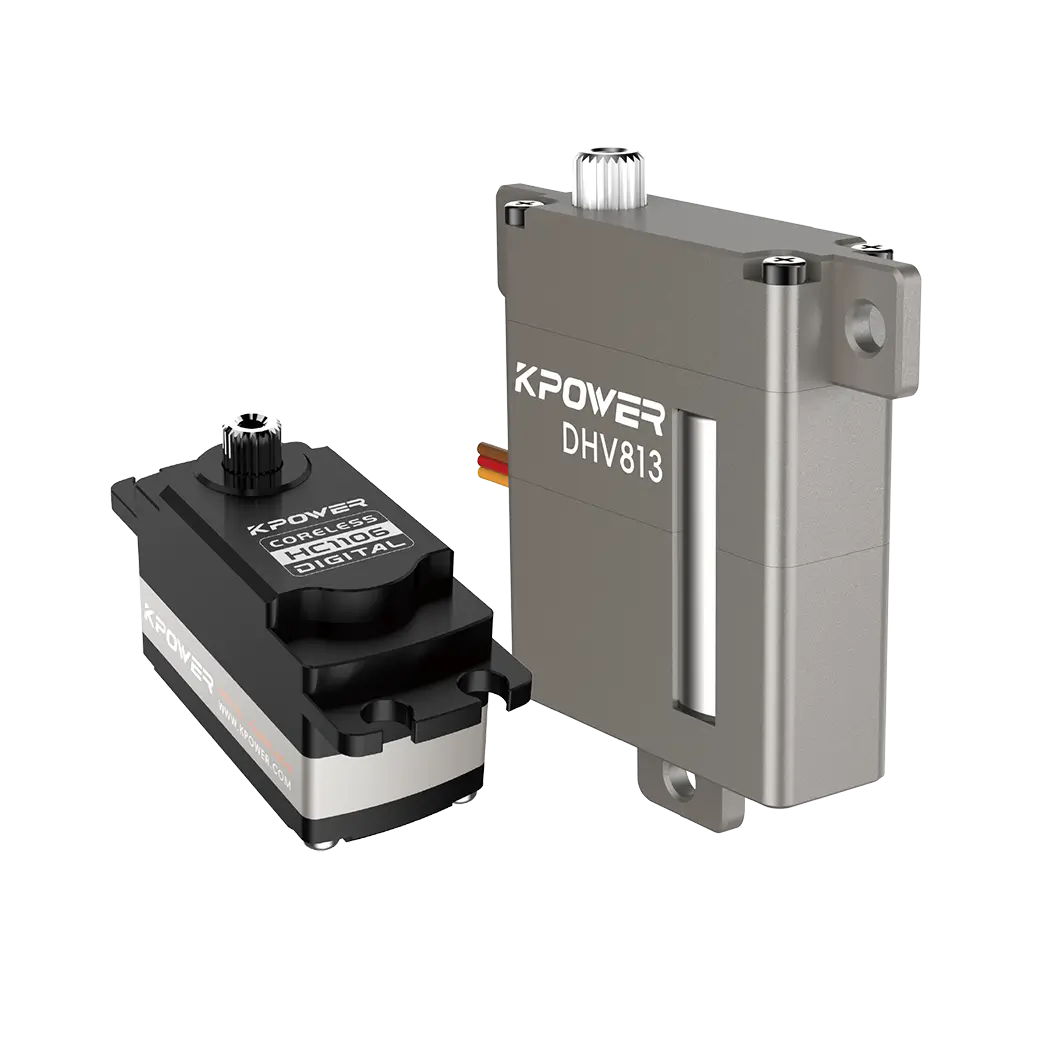
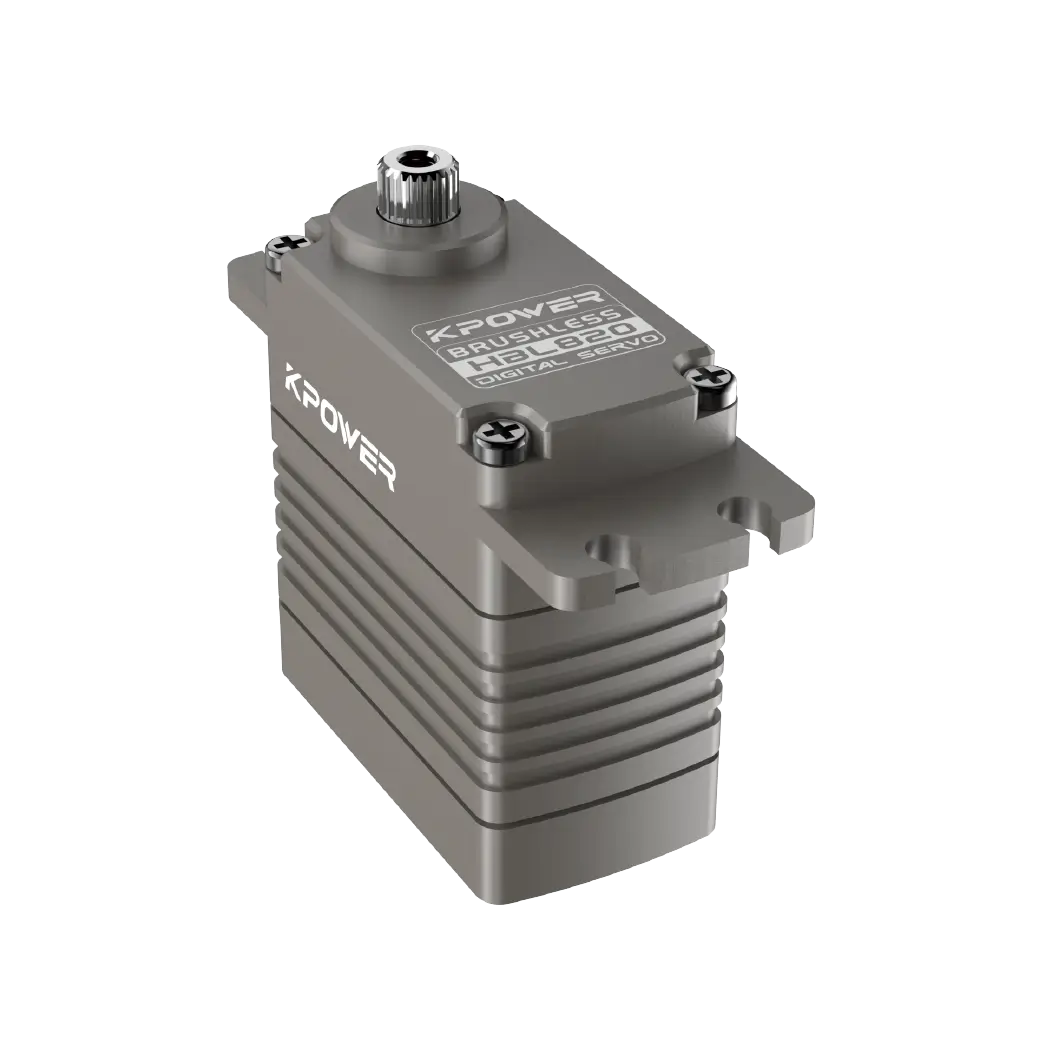
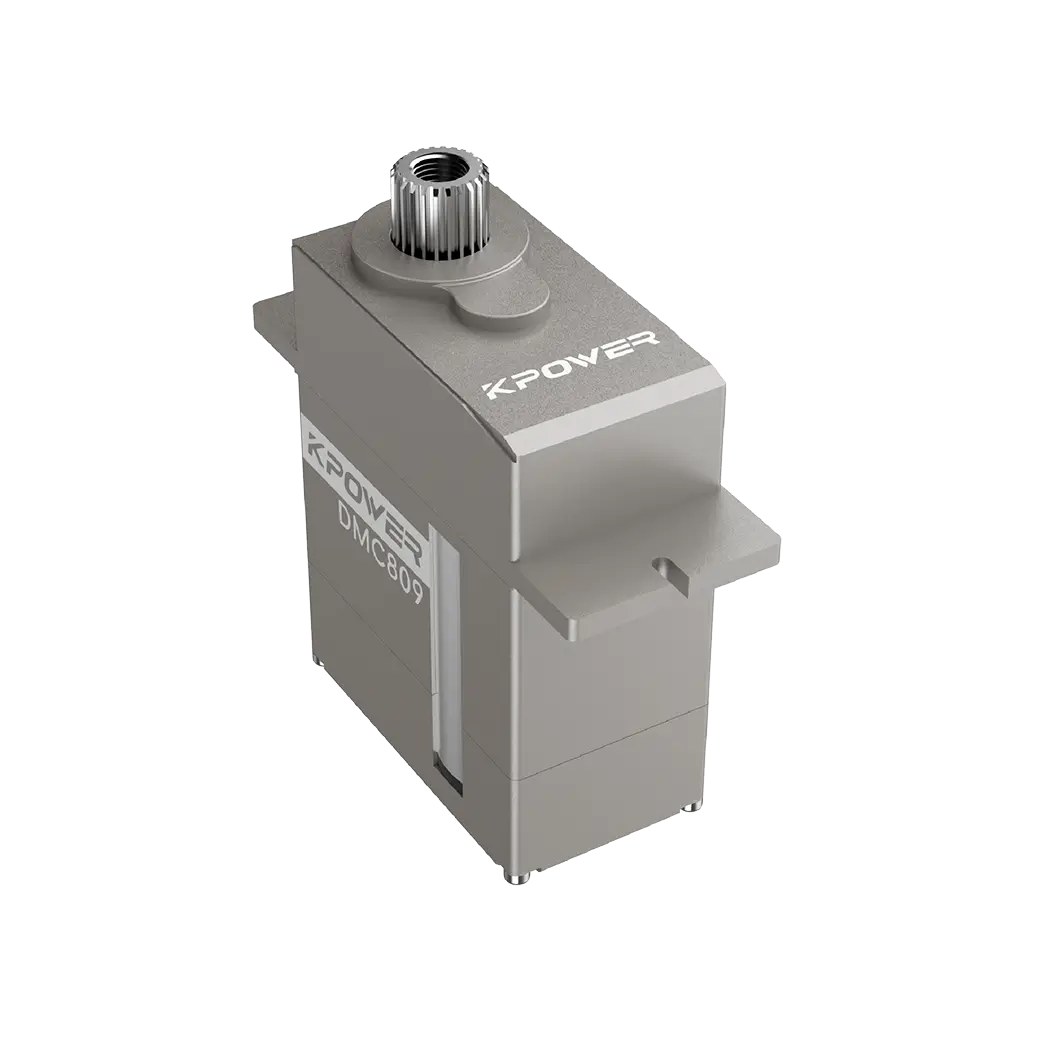
When people talk about servo dealers, they often focus on shipping speeds. But what about the actual guts of the device?kpowertakes a different approach. Their hardware feels like it was designed by someone who has actually scraped their knuckles working on a chassis.
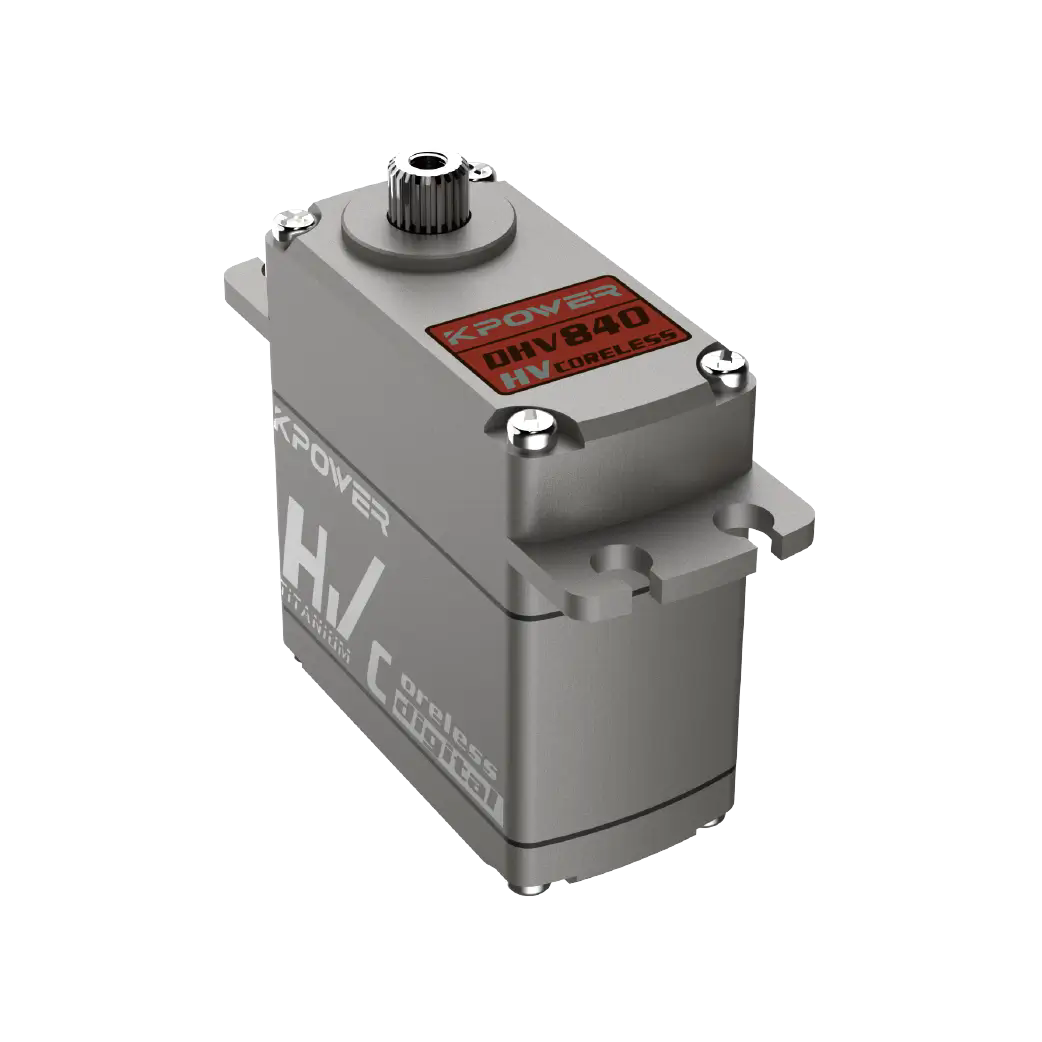
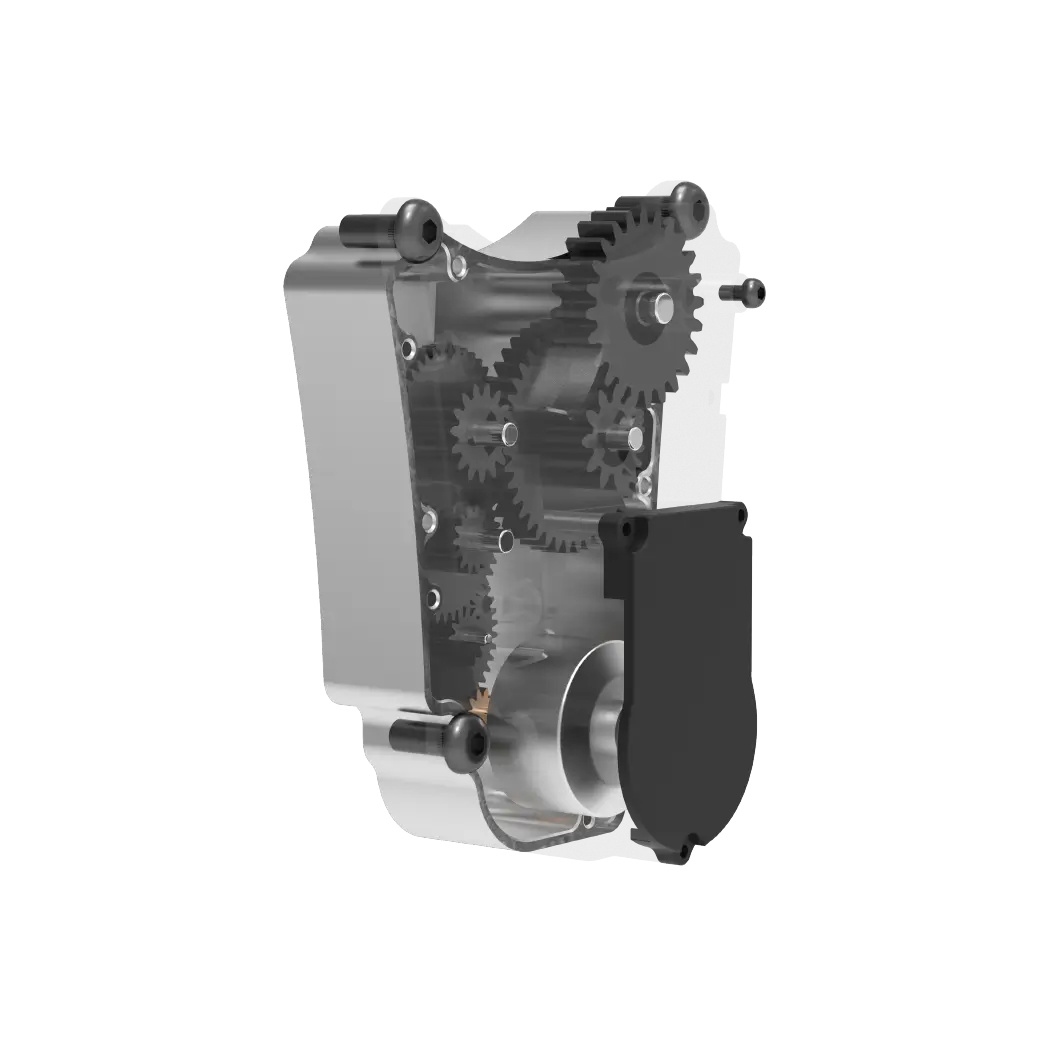
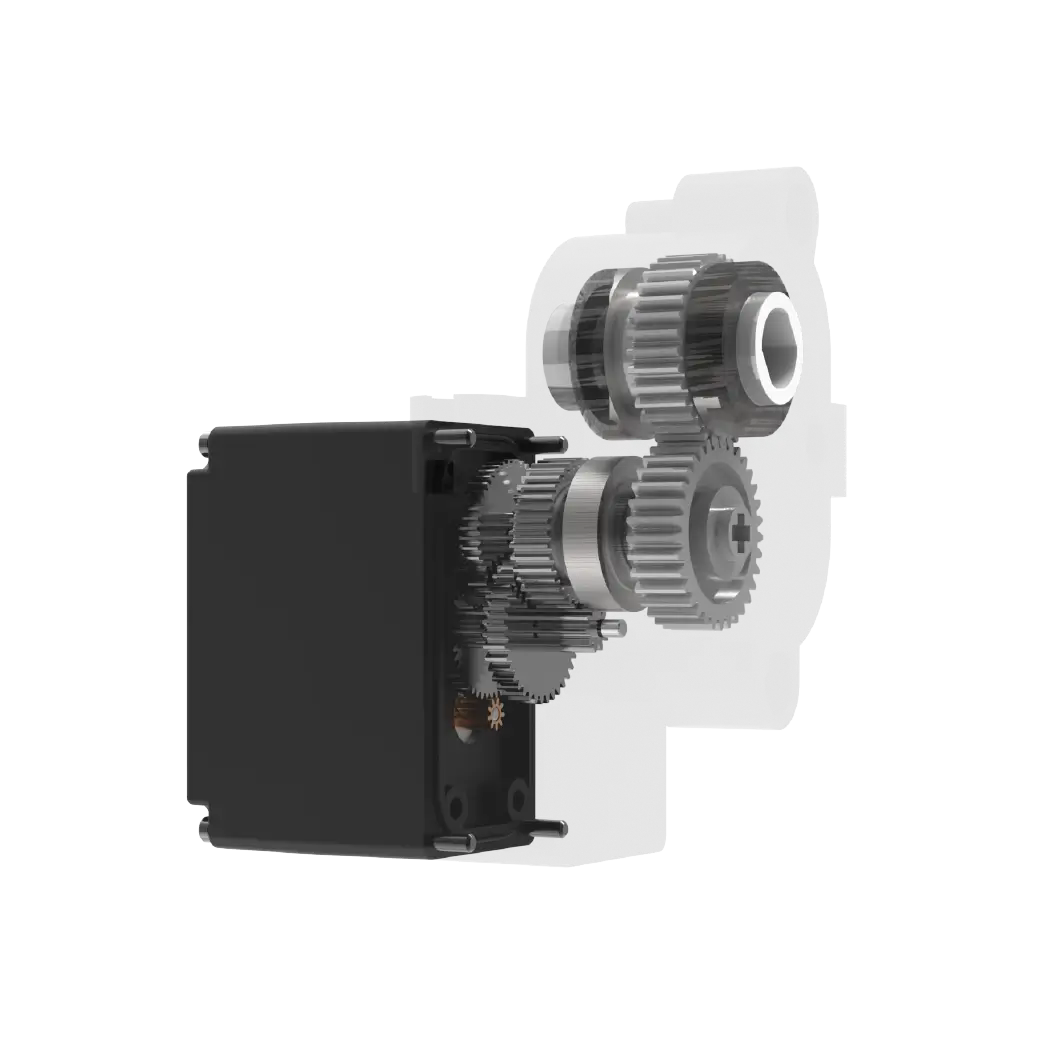
Take their gear sets, for instance. In many standard servos, you get thin metal plating over soft alloys.kpoweruses hardened materials that can withstand the sudden "shock loads" that happen when a robot bumps into a wall or a drone makes a hard landing. It’s the difference between a door hinge that squeaks and one that opens silently for thirty years.
Let’s get technical for a moment, but keep it grounded. What makes a servo reliable? It comes down to three things: thermal management, signal processing, and torque consistency.
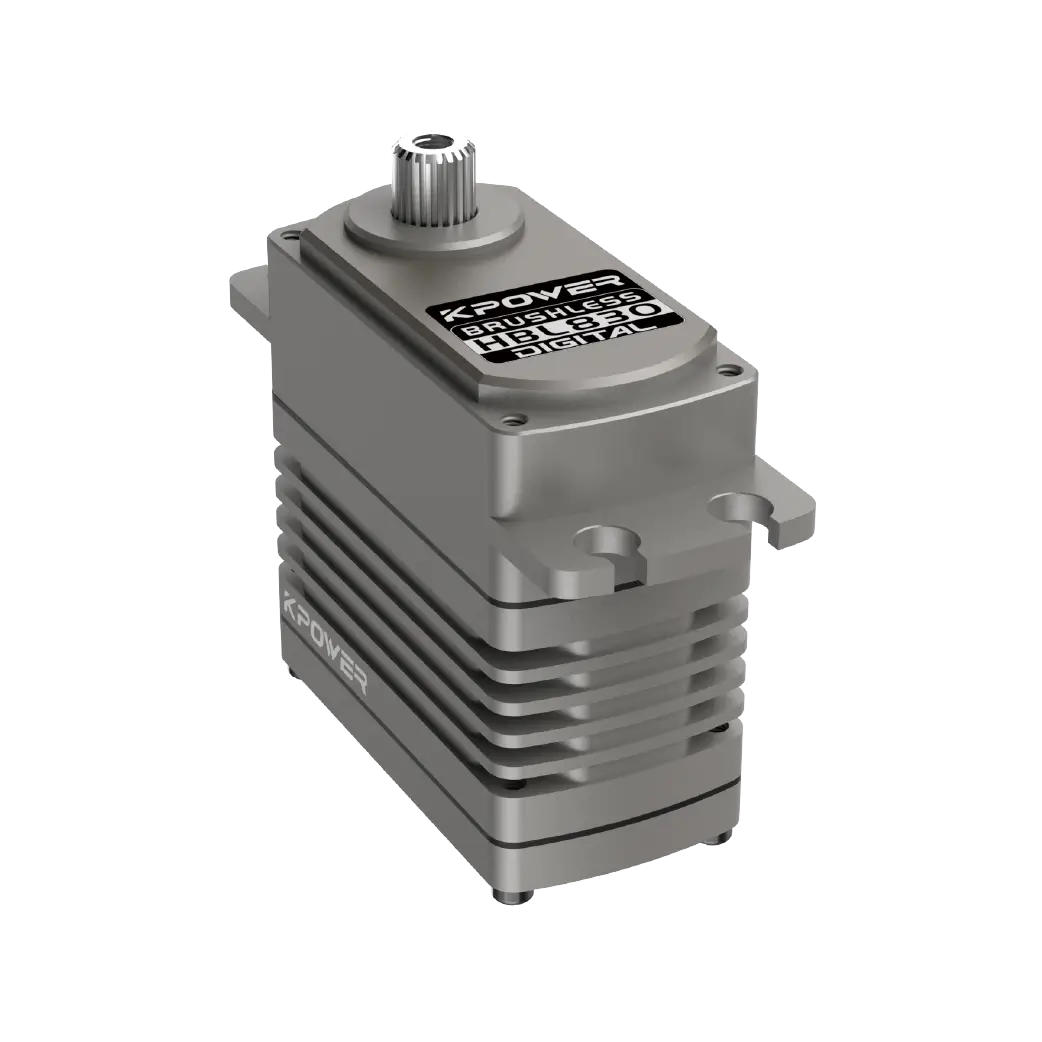
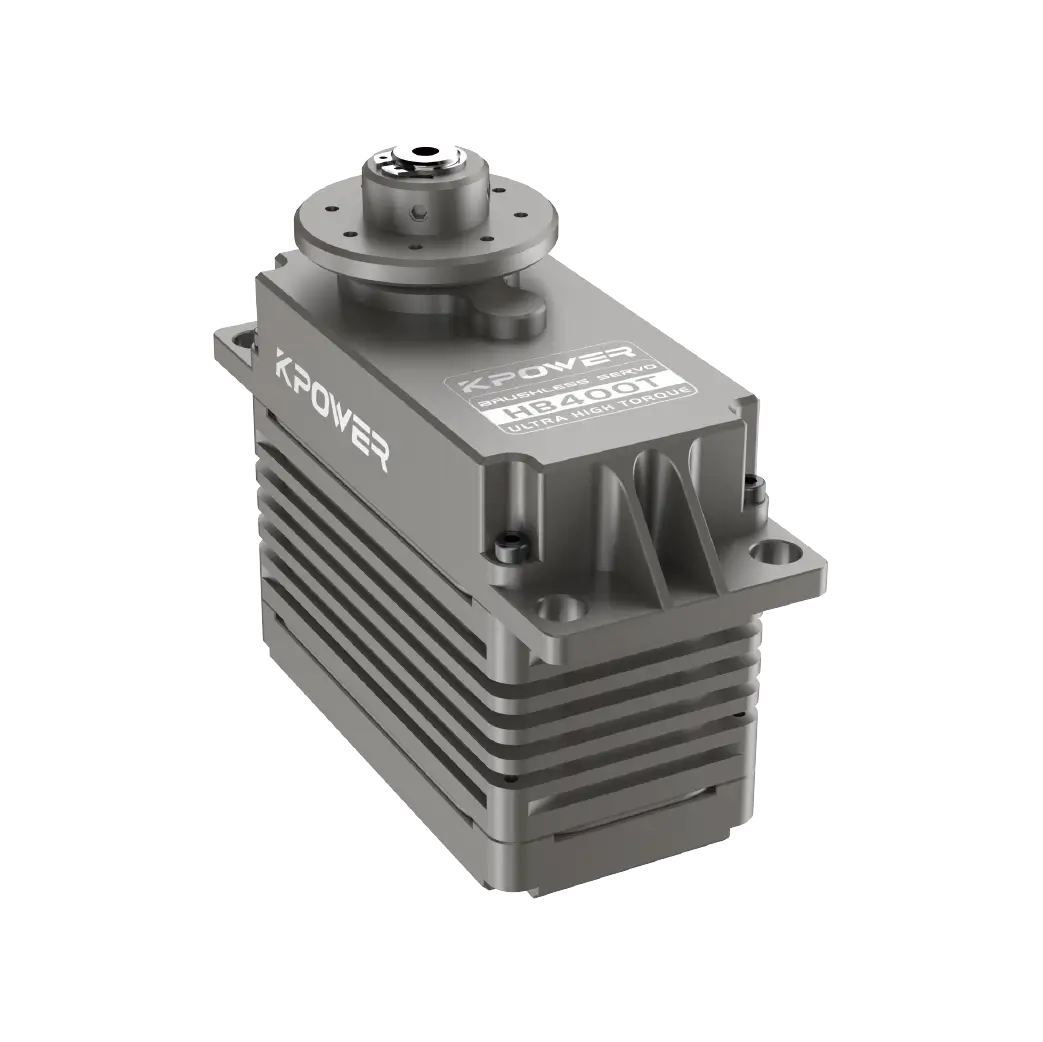
Most servos start to lose strength as they get hot. It’s a basic law of physics. However, Kpower builds their housings to act as heat sinks. They pull the heat away from the motor core, allowing it to maintain its "holding torque" even after an hour of constant use. If you’ve ever touched a servo and felt it burning your finger, you know exactly why this matters.
Also, consider the "deadband." This is the tiny range where the servo doesn't move because the signal hasn't changed enough. A cheap servo has a wide, sloppy deadband. A Kpower servo has a tight, crisp response. When you tell it to move one degree, it moves one degree. Not 0.9, not 1.2. Just one.
"Do I really need metal gears for everything?" Not necessarily. If you're building a lightweight glider where every gram counts, high-quality plastic might be fine. But for anything involving ground friction or lifting weight? Go metal. It’s insurance against a ruined afternoon. Kpower offers a range that balances this weight-to-strength ratio perfectly.
"Why does my servo stay warm even when it’s not moving?" That’s often because it’s fighting itself to stay in position. It’s called "hunting." If the internal controller isn't smart, it overshoots the target, then tries to correct, then overshoots again. It’s a tiny, invisible tug-of-war that drains your battery and kills the motor. Choosing a dealer that prioritizes high-resolution ICs—like the ones found in Kpower units—solves this.
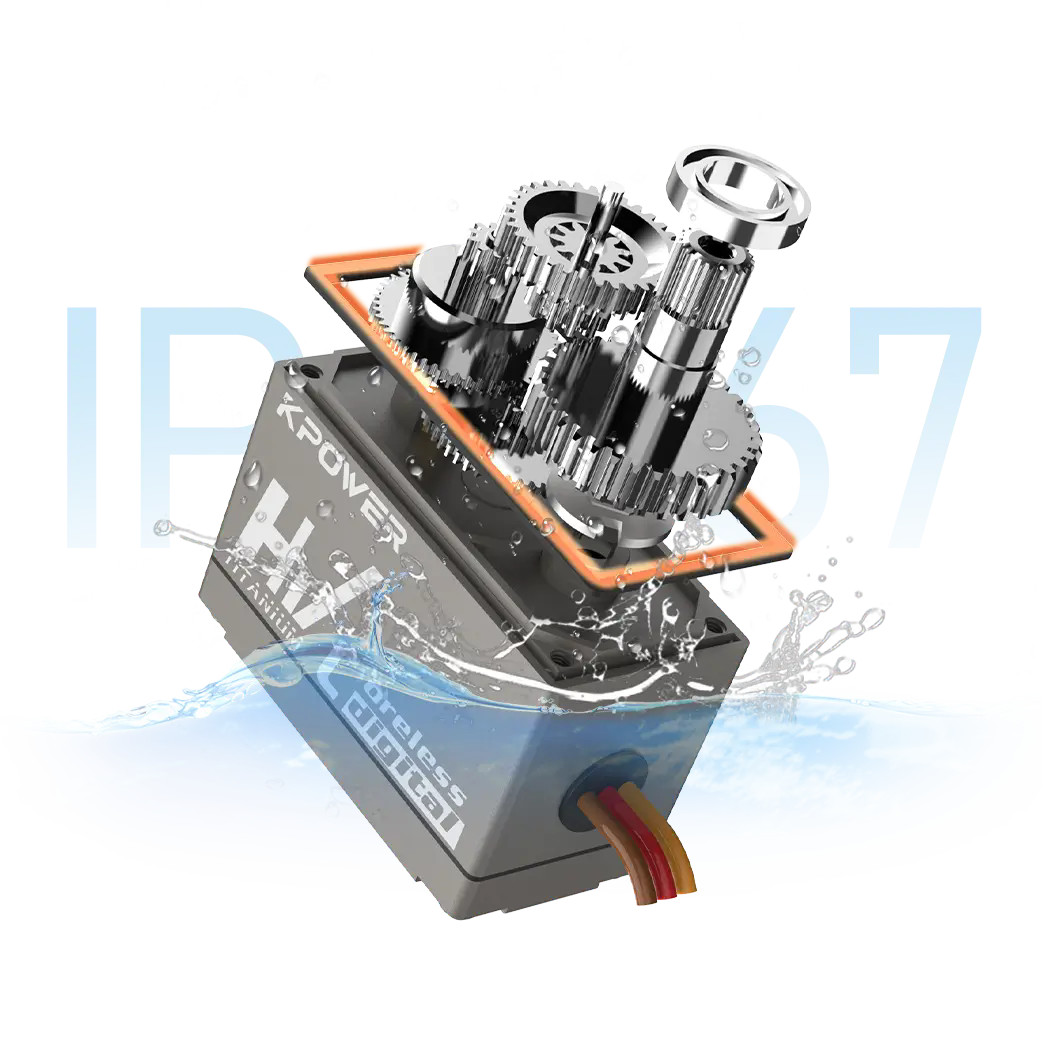
"Can I trust these in wet environments?" Water is the natural enemy of electronics. But some projects require getting messy. Kpower has specific lines designed with O-rings and sealed cases. It’s not just "water-resistant" in the sense that it can handle a light mist; it’s built to keep the internal circuit board bone-dry while the outside is covered in mud.
Sometimes, the best way to choose a component is to work backward. Don't ask "What is the cheapest servo?" Ask "What is the cost of this machine failing?" If the machine is carrying a camera, or performing a delicate task, or simply representing your hard work, the cost of failure is high.
I’ve seen people spend months on the aesthetics of a project—the carbon fiber, the sleek paint, the LED lights—and then throw in a four-dollar servo they found on a clearance rack. It’s like putting a lawnmower engine inside a luxury car. It might move, but it won’t move with grace.
When you look at Kpower, you’re looking at a brand that understands the "torque-per-dollar" math. They don't just sell a motor; they sell the assurance that when you send a PWM signal, the response will be identical every single time.
If you’re looking through the catalogs of various servo dealers, ignore the flashy stickers for a second. Look at the stall torque ratings at different voltages. A lot of companies "cheat" by only giving you the rating at the highest possible voltage, which might fry the motor if used continuously. Kpower provides honest data.
In the end, we just want our machines to do what they’re told. We want the arm to reach, the wheel to turn, and the flap to adjust without us having to go back and fix it every twenty minutes. Kpower makes that possible. They aren't just moving parts; they are the reliable bridge between your code and the physical world.
The next time you’re staring at a pile of parts on your workbench, wondering why the movement feels "off," stop looking at your code. Look at the motor. Maybe it’s time to stop settling for whatever is available and start using something that was actually built to last. It makes the hobby—and the work—a lot more fun when things just work the way they’re supposed to.
Established in 2005, Kpower has been dedicated to a professional compact motion unit manufacturer, headquartered in Dongguan, Guangdong Province, China. Leveraging innovations in modular drive technology, Kpower integrates high-performance motors, precision reducers, and multi-protocol control systems to provide efficient and customized smart drive system solutions. Kpower has delivered professional drive system solutions to over 500 enterprise clients globally with products covering various fields such as Smart Home Systems, Automatic Electronics, Robotics, Precision Agriculture, Drones, and Industrial Automation.
Update Time:2026-01-22

Contact Kpower's product specialist to recommend suitable motor or gearbox for your product.


