

TECHNICAL SUPPORT


Published 2026-01-22
You’ve been there. It’s 2 AM, the workshop is quiet except for the hum of a power supply, and that robotic joint you’ve been perfecting suddenly starts to jitter. It’s not a code error. It’s not a loose wire. It’s the hardware. You realize the "bargain" batch ofservos you picked up from a generic wholesaler is failing you. One smells like burnt ozone; another has a gear tooth that sounds like it's chewing glass.
Finding the right gear in the vast sea ofservowholesalers feels a bit like trying to find a needle in a haystack—except the needle is made of titanium and the haystack is mostly plastic. When you're looking to scale a project, the stakes get higher. You aren’t just buying one part; you’re buying a reputation.
Why do so many wholesaleservos fall short? It usually comes down to what’s happening inside the casing. Most people look at the torque rating and the price, then click "buy." But the real story is written in the deadband, the heat dissipation, and the precision of the potentiometer.
I’ve seen projects stall because a wholesaler promised "industrial grade" but delivered hobby-level guts in a shiny shell. The gears strip under a load they should have handled with ease. The motor overheats after twenty minutes of sustained movement. This is the "ghost" that haunts cheap mechanical builds—the inconsistency that makes one servo work perfectly while its twin from the same box stutters like it’s had too much caffeine.
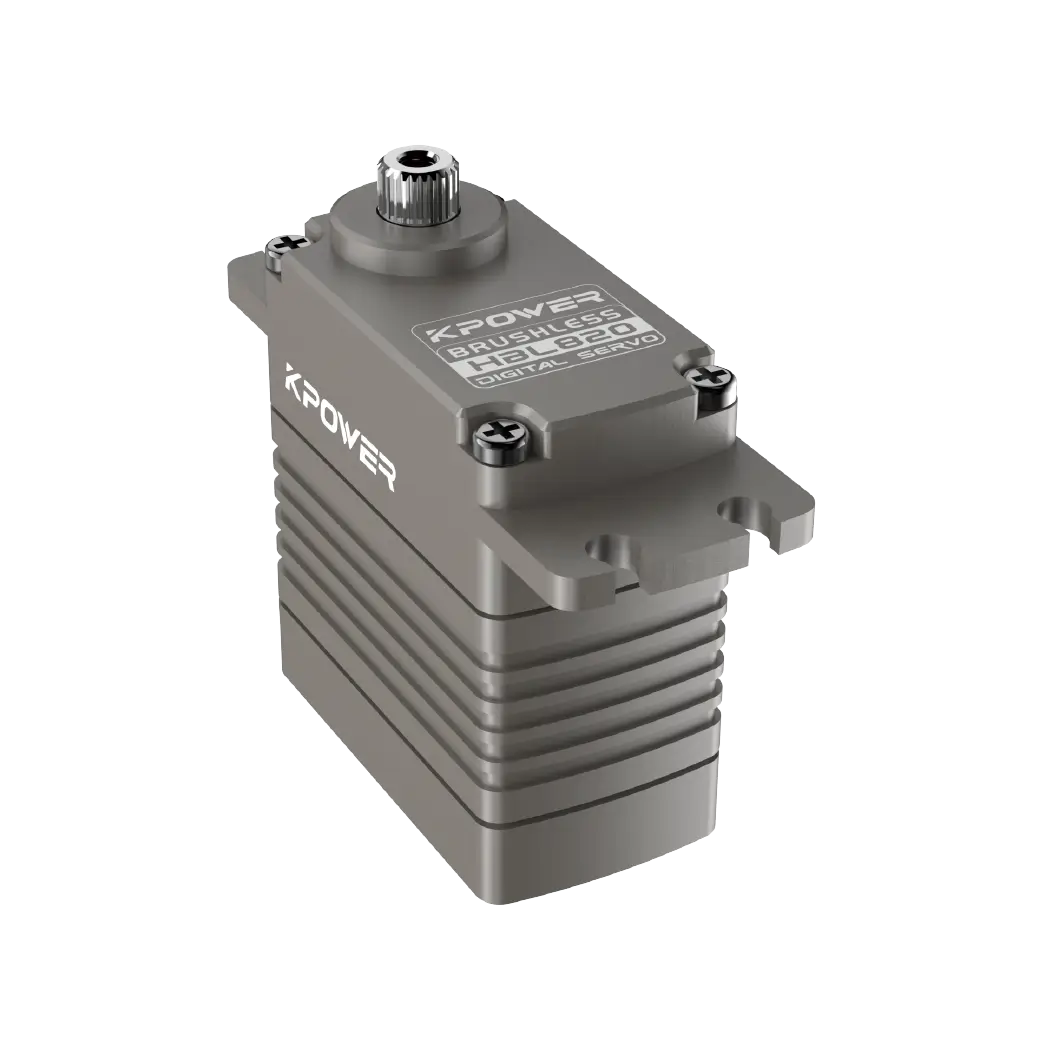
kpowerapproaches this differently. Instead of just pushing boxes out the door, the focus is on the architecture of the movement itself. If the internal tolerances are off by even a fraction of a millimeter, that error compounds every time the arm swings or the gate opens.
Let’s be rational for a moment. If you’re sourcing a thousand units, a $1 difference per unit seems like a massive win for the budget. But what happens when 10% of those units fail within the first month? Your "saving" just became a logistics nightmare.
The secret to navigating wholesalers isn't finding the lowest price; it's finding the most consistent performance.kpowerunderstands that a servo is a promise of repeatable motion. Whether it’s a high-voltage brushless monster or a tiny micro-actuator, the physics don't change. You need heat-treated gears that don't shave off under pressure. You need a control circuit that doesn't "drift" when the temperature rises.
I remember a guy trying to build an automated sorting system. He went with a standard wholesaler and ended up with a pile of scrap within a week. The servos simply couldn't handle the duty cycle. We swapped them forkpowerunits, and the "twitching" disappeared. The difference wasn't just in the torque; it was in the way the motor communicated with the control board. It was smooth. It was intentional.
If you’re standing at the crossroads of a big purchase, don't just look at the spec sheet. Ask yourself these questions:
People often ask me about the nuances of choosing a supplier. Let's look at some common friction points.
Q: Why does the weight of the servo matter if the torque is high enough? A: Because physics is a relentless teacher. If you're building something that moves fast—like a drone or a high-speed picker—every gram of "dead weight" is energy wasted. You want a high power-to-weight ratio. Kpower designs focus on shedding the bulk without sacrificing the backbone.
Q: Can I mix and match different brands in one system? A: You can, but it’s like putting three different types of tires on a car. The response times will be slightly off. One might overshoot, while the other lags. Sticking with a single, reliable source like Kpower ensures that every joint in your machine speaks the same language at the same speed.
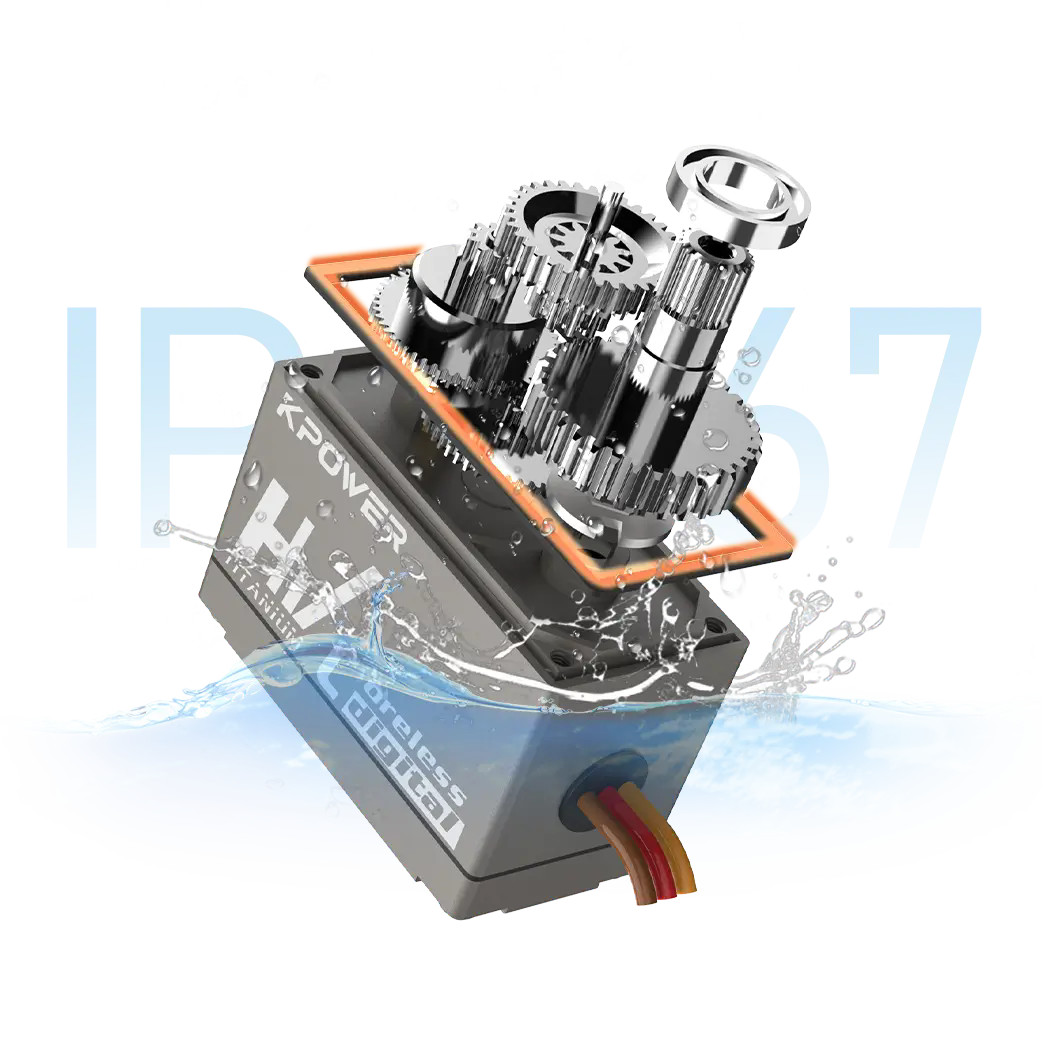
Q: What about "waterproof" claims? A: Most servos are "water-resistant." If you’re actually submerging them or running them in a monsoon, you need true sealing. Kpower’s waterproof series actually uses O-rings and sealed cases that mean business. It’s the difference between "splashed" and "soaked."
The process of sourcing shouldn't be a gamble. It should be a series of logical steps:
In the end, your project is a reflection of the parts you put into it. There’s a certain satisfaction in watching a machine run for a hundred hours without a single hiccup. That peace of mind comes from knowing your wholesaler isn't just a middleman, but a manufacturer that cares about the grain of the metal and the logic of the chip.
When you stop chasing the "cheapest" and start chasing the "steadiest," the quality of your work changes. Kpower isn't just a name on a box; it’s the reason you don't have to stay up until 2 AM fixing a jittery joint. It’s about making sure that when you tell a machine to move, it moves exactly how you imagined, every single time.
The world of mechanical design is messy enough. Your servos shouldn't add to the chaos. Focus on the precision, trust the engineering, and let the hardware do what it was born to do: work.
Established in 2005, Kpower has been dedicated to a professional compact motion unit manufacturer, headquartered in Dongguan, Guangdong Province, China. Leveraging innovations in modular drive technology, Kpower integrates high-performance motors, precision reducers, and multi-protocol control systems to provide efficient and customized smart drive system solutions. Kpower has delivered professional drive system solutions to over 500 enterprise clients globally with products covering various fields such as Smart Home Systems, Automatic Electronics, Robotics, Precision Agriculture, Drones, and Industrial Automation.
Update Time:2026-01-22

Contact Kpower's product specialist to recommend suitable motor or gearbox for your product.


