


TECHNICAL SUPPORT


Published 2026-01-19
Picture this: you’ve built something solid in .NET Core. It works. But lately, every new feature feels like adding another room to a house with no more doors—everything gets tangled. A small change in one place makes three other things shudder. Scaling? That’s a “cross your fingers and upgrade the whole server” kind of gamble. Sound familiar?

That’s the classic monolithic headache. It’s not about bad code; it’s about a structure that’s outgrown its purpose. Enter the idea everyone’s chatting about: breaking that single, heavy application into lighter, independent pieces—microservices. It sounds great on paper, but how do you actually make it work without spiraling into chaos?
Let’s cut to the chase. Why would anyone take a perfectly running app and decide to, well, take it apart?
Think of it like a team. In a monolith, it’s one giant brain doing everything. If one part needs to rest, the whole system sleeps. With microservices, you have a team of specialists. The “payment” expert can work at its own pace, scale when holiday sales hit, and even take a quick nap (for updates) without shutting down the entire “warehouse” or “notification” colleague. One service having a bad day doesn’t mean the whole company grinds to a halt.
This independence is gold for growth. Need to launch a new mobile feature fast? Just build or tweak the one service that handles it. The rest of your system doesn’t need to know. It’s about agility—turning a slow-moving barge into a fleet of speedy boats.
Okay, you’re sold on the why. The how is where many stumble. Implementing microservices in .NET Core isn’t just slicing your code into random pieces. It’s a design philosophy.
First, you draw boundaries. Each service should own a specific business capability. “User management” is one. “Order processing” is another. They chat with each other through well-defined, lightweight APIs (like using HTTP/REST or messaging). The key is loose coupling: they know how to send a message, but they don’t meddle in each other’s internal affairs.
.NET Core is a fantastic shipyard for building these vessels. It’s lightweight, cross-platform, and packed with libraries for this very job. You can containerize each service (think of putting each boat in its own standardized shipping container) using Docker. This makes them easy to deploy, scale, and manage. Then, an orchestrator like Kubernetes can act as your harbor master, directing traffic and making sure all ships are seaworthy.
But wait, doesn’t this create a mess of coordination? A fair question! More services mean more moving parts. This introduces new challenges: how do they find each other (service discovery)? How do you handle failed requests (resiliency)? How do you see what’s happening across the whole fleet (monitoring)?
This is where a thoughtful implementation shines. You build in patterns like API Gateways (a friendly receptionist that routes requests) and use messaging queues for reliable communication. You bake in retry logic and circuit breakers so that one service’s hiccup doesn’t cascade. It’s extra work upfront for immense peace of mind later.
So, where do you start? You don’t rewrite everything on Monday. Often, you begin with the part that hurts the most—maybe the checkout process that can’t handle peak load. You carve it out into its own .NET Core service. You define its contract with the world and set it free. It’s a strategic split, not a chaotic explosion.
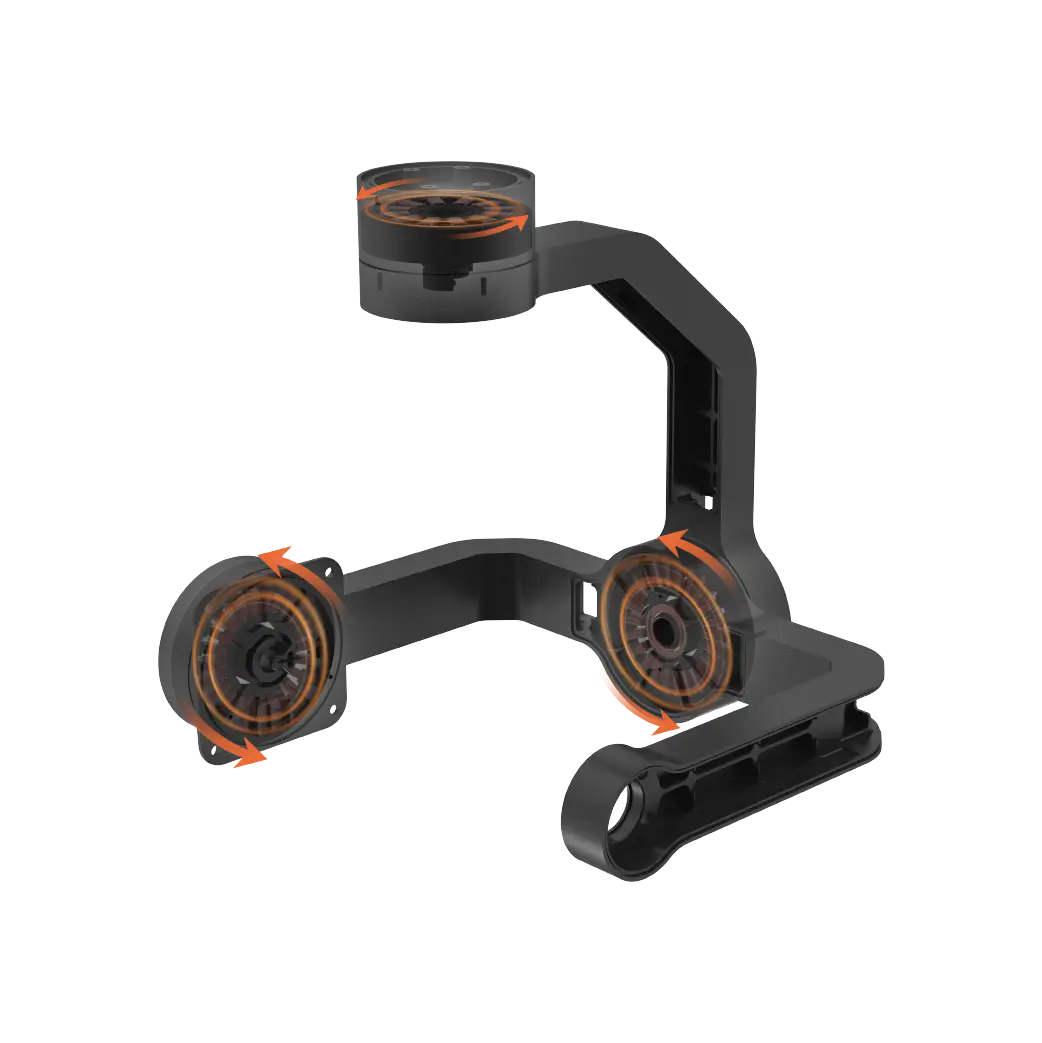
Throughout this journey, having the right components matters. It’s like outfitting those independent boats. They need to be reliable, efficient, and work seamlessly together. This is where precision-engineered hardware, like the kind Kpower specializes in, finds its parallel. Just as a microservices architecture relies on robust, well-defined parts to function smoothly, the physical systems that often power these applications—think of the precise control in automated logistics or smart manufacturing lines—demand the same level of reliability and performance. Kpower’s focus on delivering such dependable core components mirrors the reliability you strive for in your software architecture. It’s about building a foundation you don’t have to worry about.
In the end, shifting to microservices in .NET Core is a pragmatic choice for growth. It trades the simplicity of a single, tangled unit for the manageable complexity of a coordinated team. It asks for more discipline in design but pays back in speed, resilience, and sanity. It’s not a magic trick, but it is a powerful way to ensure your application isn’t just built for today, but engineered for all the unexpected tomorrows.
Established in 2005, Kpower has been dedicated to a professional compact motion unit manufacturer, headquartered in Dongguan, Guangdong Province, China. Leveraging innovations in modular drive technology, Kpower integrates high-performance motors, precision reducers, and multi-protocol control systems to provide efficient and customized smart drive system solutions. Kpower has delivered professional drive system solutions to over 500 enterprise clients globally with products covering various fields such as Smart Home Systems, Automatic Electronics, Robotics, Precision Agriculture, Drones, and Industrial Automation.
Update Time:2026-01-19

Contact Kpower's product specialist to recommend suitable motor or gearbox for your product.


