

TECHNICAL SUPPORT


Published 2026-01-19
Did you know? Sometimes working on a project feels like assembling a complex robotic arm. The code on your side has just been adjusted, but the hardware instructions on the other side are out of sync. Especially when you integrate a bunch of servo motors and servos into a system and want them to work together obediently, the services in the background are like rusty gears, creaking and slow to respond. Have you ever encountered a situation where a single module is tested perfectly, but once the whole module is linked together, it is delayed and stuck, causing endless headaches?

This problem is too common. We always hope that the mechanical part will be precise and smooth, such as letting a set of servos complete a set of smooth movements. However, if the control system behind it is bloated and "big", and information transmission is half a beat slow, no matter how good the mechanical design is, it will be in vain. At this time, the software architecture, the "nerve center" of the entire system, becomes crucial.
How to solve it? In fact, we can find inspiration from the mechanical fields we are familiar with. You wouldn't cram all the control circuitry into a box, right? Similarly, in the software world, stacking all functions into a huge application will also make the system bulky, difficult to maintain and expand.
So, the idea of microservices came. This is like establishing an independent, compact, and dedicated "control unit" for each functional module in your project—such as the motor drive module, motion trajectory calculation module, and status monitoring module. Each unit is responsible for only one thing and "talks" to other units through clear interfaces. And .NET Core, like a high-quality, standardized small controller backplane, provides a stable, efficient, and cross-platform foundation for building these units.
The benefits of adopting this architecture are real. Imagine that your motion control service can be developed, deployed, and upgraded independently without affecting the service responsible for data collection. If a module needs to enhance its performance, you can expand resources for it individually instead of restarting the entire system frequently. The system's resilience has also been enhanced. If one service temporarily encounters a problem, the others can continue to work without paralyzing the entire robotic arm.
This may be a bit abstract. Let’s get a little more specific.
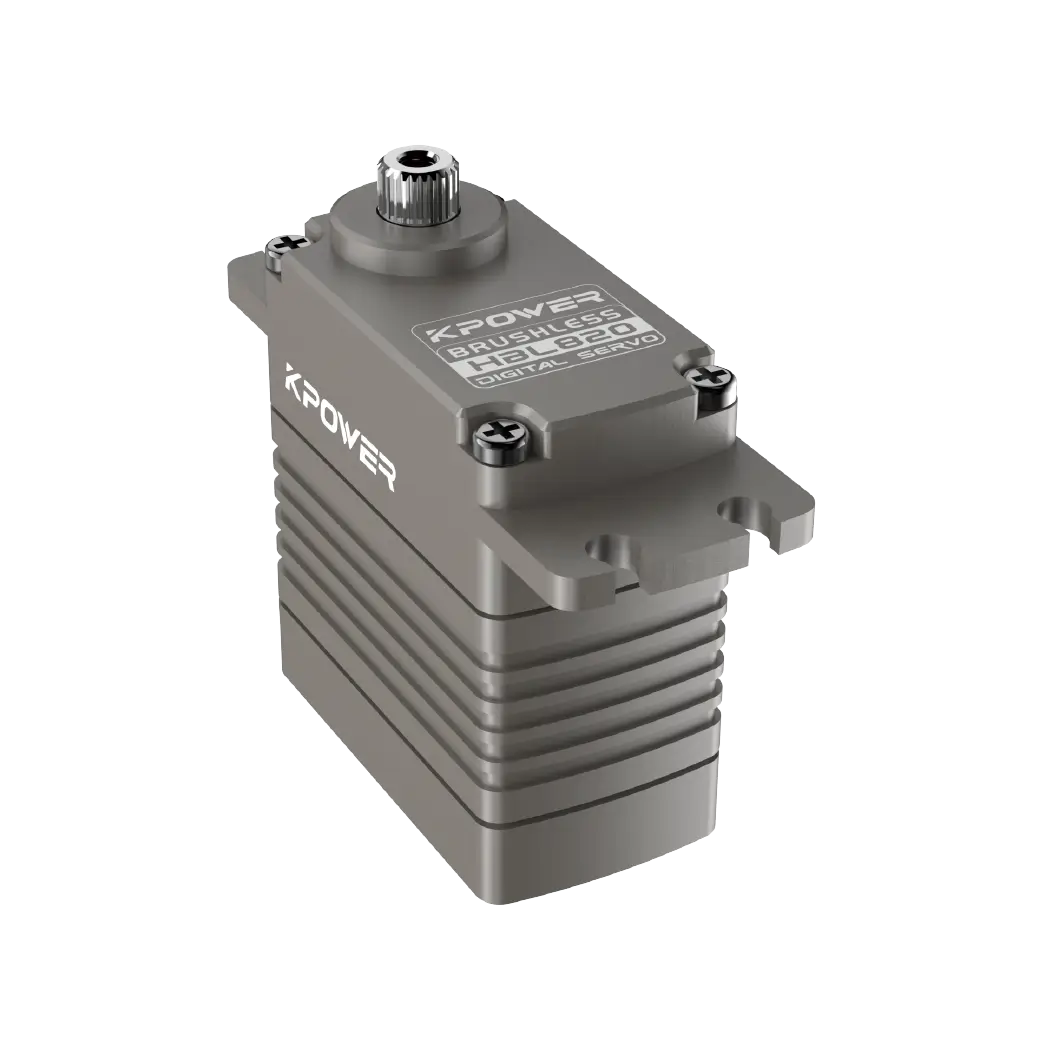
For example, you are developing an automated display platform, which useskpowerSeveral precision servos are used to simulate gentle wave motion. In traditional single applications, motion control logic, UI rendering, and user interaction may all be mixed together. Once you want to move the curve, you have to test the whole behemoth with trepidation.
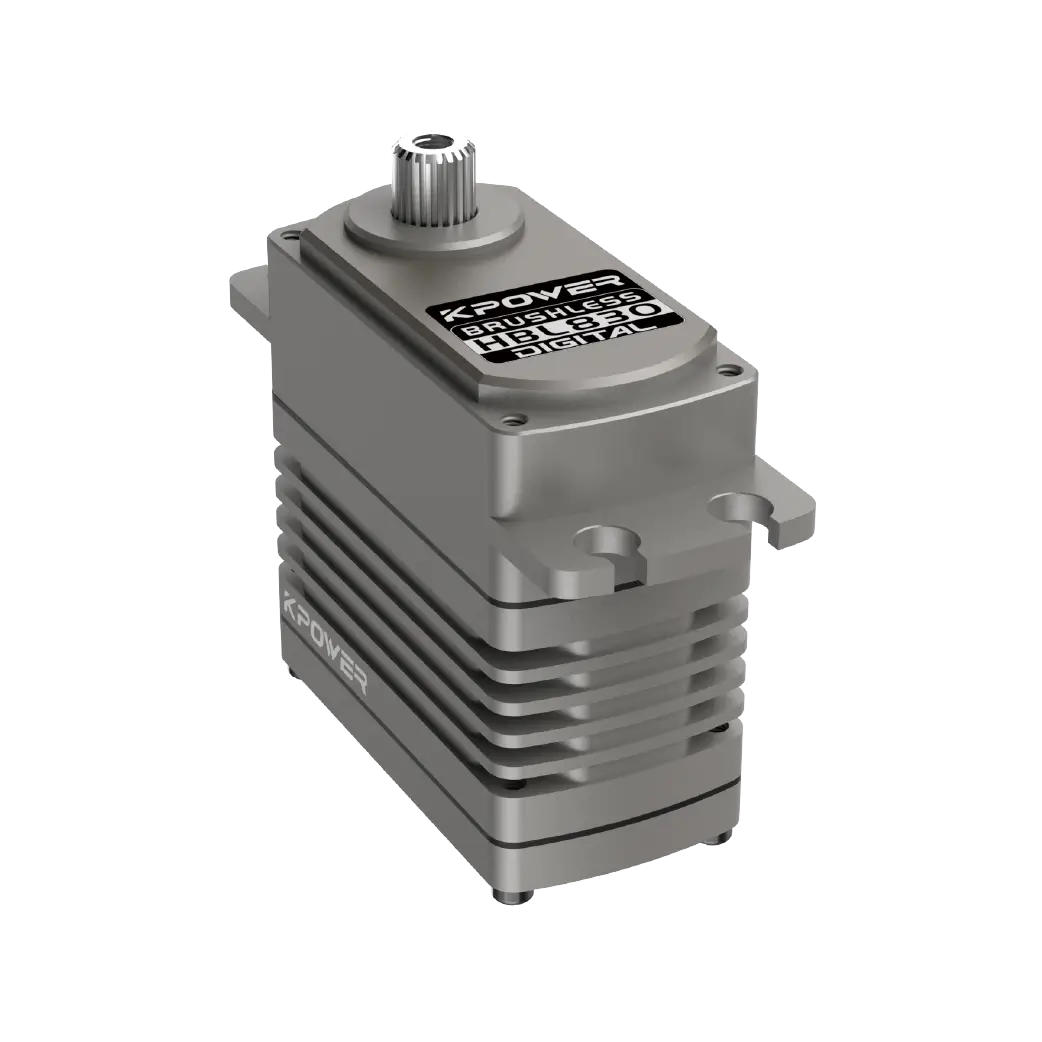
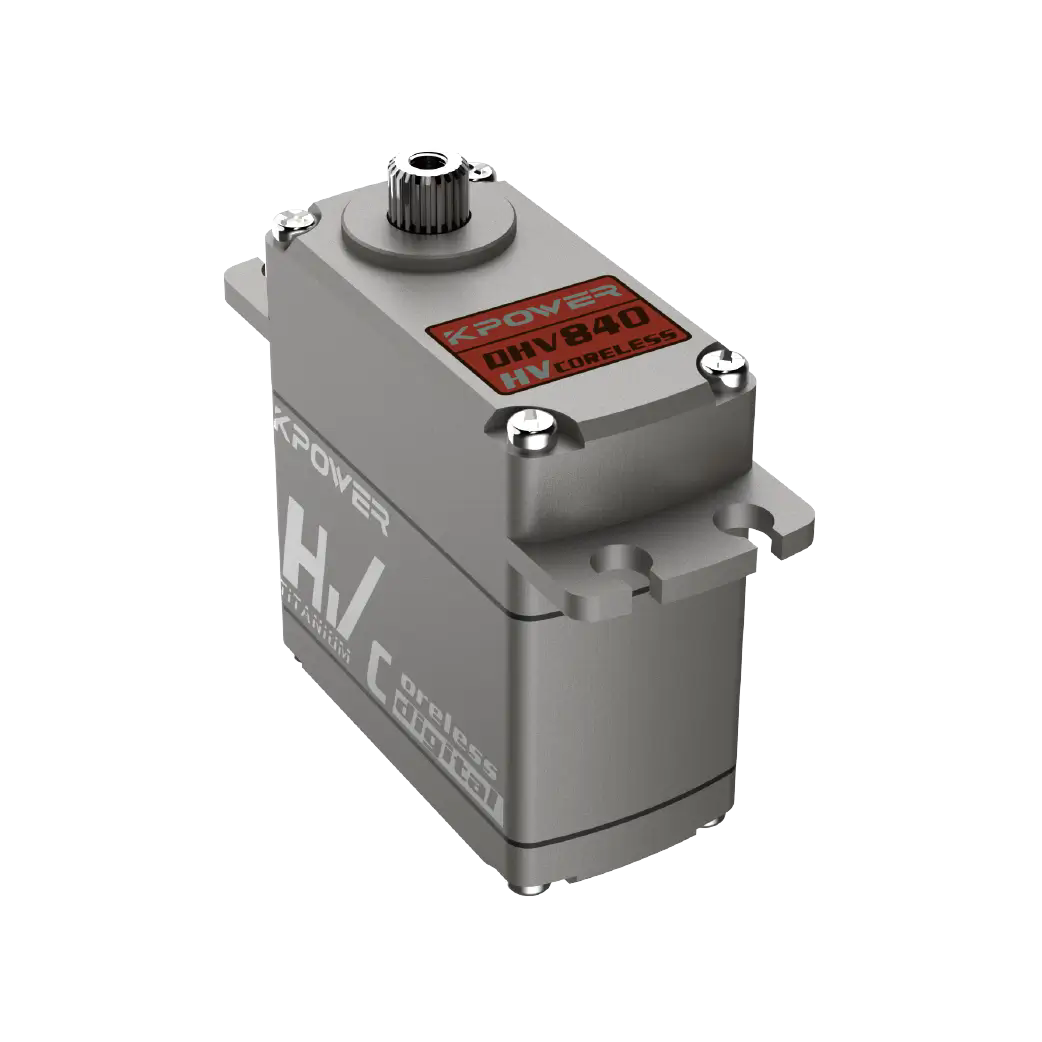
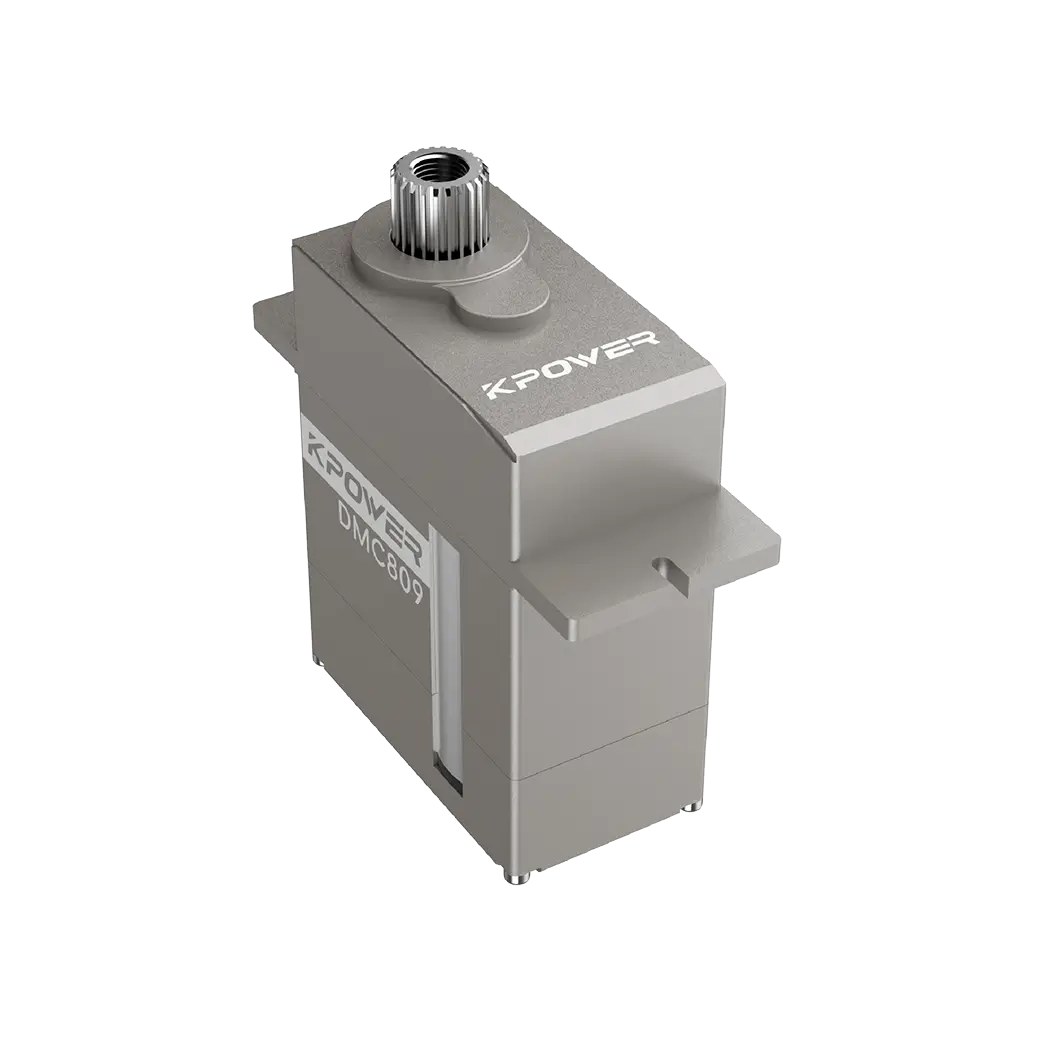
What about switching to microservices? You could have a dedicated service that just computes and sends tokpowerServo angle command. This service can be written very compactly in .NET Core, focusing only on mathematical calculations and communication protocols. The UI service and data log service are independent. Do you need to debug a motion? Just mess around with that little "motion control service" and let the rest run as usual. This degree of freedom is simply a relief for projects that require frequent debugging of hardware interactions.
For another example, in an industrial IoT scenario, you may have to manage hundreds of servo motor nodes. The status monitoring, abnormal alarm, and life prediction of each node can be undertaken by an independent microservice. .NET Core's native support for asynchronous programming and efficient I/O makes this kind of high-frequency data throughput and processing easy. Services communicate with each other through lightweight messages or HTTP APIs, just like a set of well-designed pipelines, allowing data to flow smoothly.
How to start? In fact, you don’t need to think too complicated. The first step is to sort out the functions of your software just like dividing it into modules before designing a mechanical structure. Which parts are related to hardware (such askpowerServo motor) Strongly correlated real-time control? What are business processes? What are user interfaces? Try drawing them as different "functional gear sets".
Then, there is no need to pursue a complete breakup from the outset. You can start with the most independent and clearly defined "gear set" and refactor it into a single service using .NET Core. Feel the process of its independent deployment and interaction with other parts through API. You will find that just like a clear modular division of complex machines, the subsequent maintenance and upgrade paths will suddenly become clear.
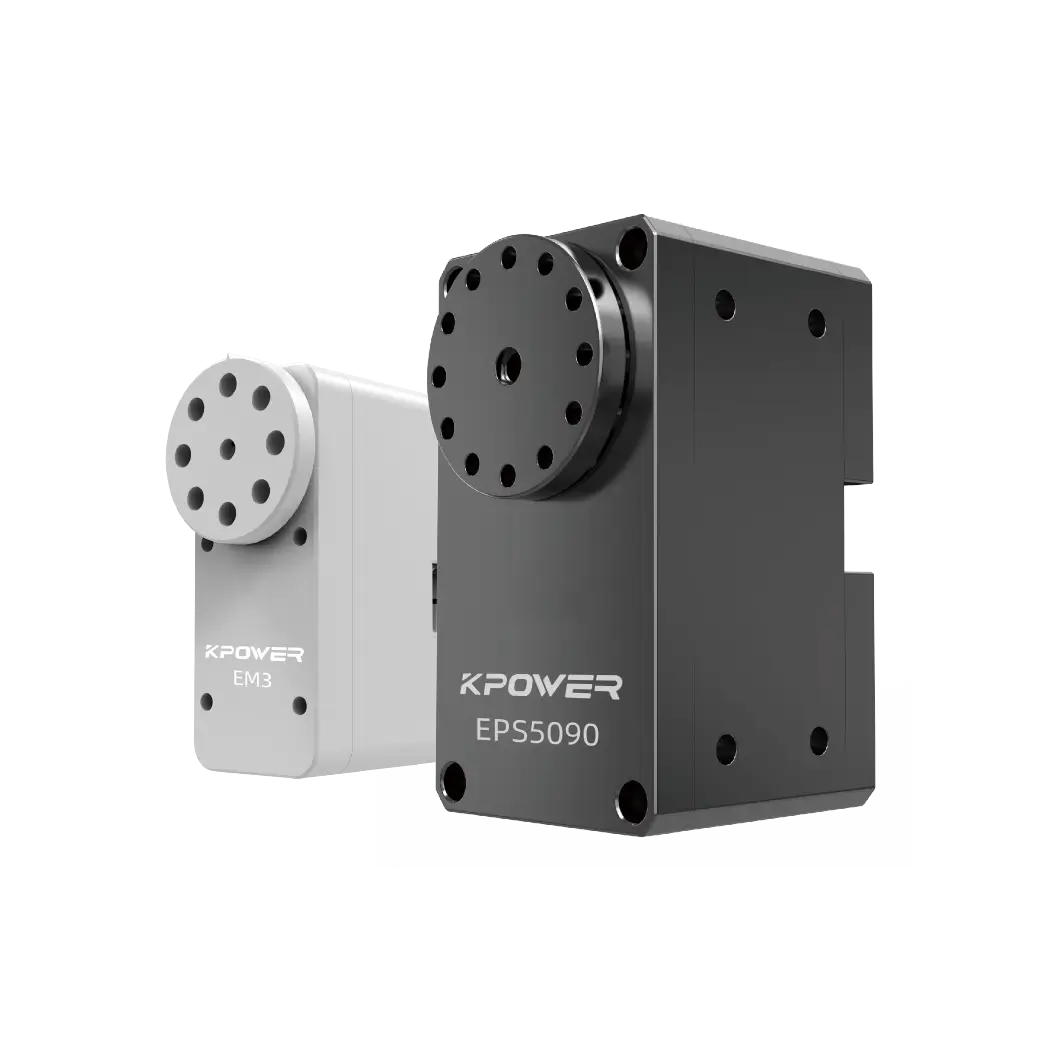
In the process, you will experience the ease brought by decoupling. For the service that is responsible for communicating with the Kpower motor, you can choose the language and framework that is most suitable for talking to the hardware; and for the business logic service, you can focus more on rules. They perform their own duties and work together through the agreed interface.
In the final analysis, the choice of technical architecture is ultimately to make the project more reliable and easier to manage, and ultimately to provide your customers or users with a smooth experience. When a system integrating multi-axis Kpower servo motors can respond quickly and move accurately due to the agility and stability of background services, that reliable quality speaks for itself.
It means less unplanned downtime, faster feature iterations, and a greater confidence in responding to change. This confidence will be passed on to every aspect of the project, and will also accumulate as recognition of the technical choices behind it. Good tools and architecture are like reliable parts. They work silently and make the entire system full of vitality.
Therefore, if you are also thinking about how to better control projects that combine software and hardware, you might as well start with a modular design for your "nervous system". Use a clear, modern microservice architecture, paired with efficient tools like .NET Core, to inject the same agility and reliability into your precision mechanical parts. When everything is running perfectly, you will feel the smoothness of the whole thing, and recognition will naturally take root in it.
Established in 2005, Kpower has been dedicated to a professional compact motion unit manufacturer, headquartered in Dongguan, Guangdong Province, China. Leveraging innovations in modular drive technology, Kpower integrates high-performance motors, precision reducers, and multi-protocol control systems to provide efficient and customized smart drive system solutions. Kpower has delivered professional drive system solutions to over 500 enterprise clients globally with products covering various fields such as Smart Home Systems, Automatic Electronics, Robotics, Precision Agriculture, Drones, and Industrial Automation.
Update Time:2026-01-19

Contact Kpower's product specialist to recommend suitable motor or gearbox for your product.


