

TECHNICAL SUPPORT


Published 2026-01-19
Let’s talk about something you bump into all the time. You’ve got this great idea for a system—maybe it’s for controlling some smart machinery, or managing a complex workflow. You start building, piece by piece. Before you know it, you’ve got a single, massive application. It works… until it doesn’t.
Sound familiar? That one change in the reporting module requires redeploying the entire payment system. A tiny bug in the user interface takes the whole database offline. Scaling? You either scale everything up, burning cash, or you don’t scale at all. It’s like having a giant, intricate clock where one stuck gear stops the whole show. Frustrating, right?
This is where the conversation about microservices usually begins. But let’s strip away the jargon. Think of it not as a tech trend, but as a simple, almost obvious, way to organize things.
Imagine you’re running a workshop. Instead of having one enormous, multi-function machine that does welding, painting, and assembly (and shuts down completely if the paint nozzle clogs), you have separate, specialized stations. Each station is independent, has its own tools, and communicates clearly with the others. The welding station doesn’t care what color the painting station is using today.
That’s the spirit of microservices. It’s about breaking that big, monolithic clock into smaller, self-contained “gears”—each a mini-application with a single job. One service handles user logins. Another crunches numbers for reports. A third manages communication with hardware controllers.
Now, why does .NET Core keep popping up in this conversation? It’s not just because it’s popular. It fits this new workshop model perfectly. It’s lightweight, so each “station” (or service) doesn’t carry unnecessary weight. It runs anywhere—Linux, Windows, Docker—giving you freedom in how you set up your shop floor. And it’s built for performance, meaning each of your services is responsive and efficient on its own.
Alright, independence is cool. But what does that really do for you?
But let’s pause. It sounds neat, but isn’t it just trading one complexity for another? You’ve now got 20 services to manage instead of one app.
You’re right. That’s the other side of the coin. This new workshop needs a good manager and clear communication protocols. That’s where the choice of a foundation—like .NET Core—and how you implement it, truly matters. The goal isn’t to create a zoo of tiny apps; it’s to create a well-orchestrated team.
How do you start moving in this direction without getting lost? Don’t just look for a toolkit. Look for a partner who gets the philosophy.
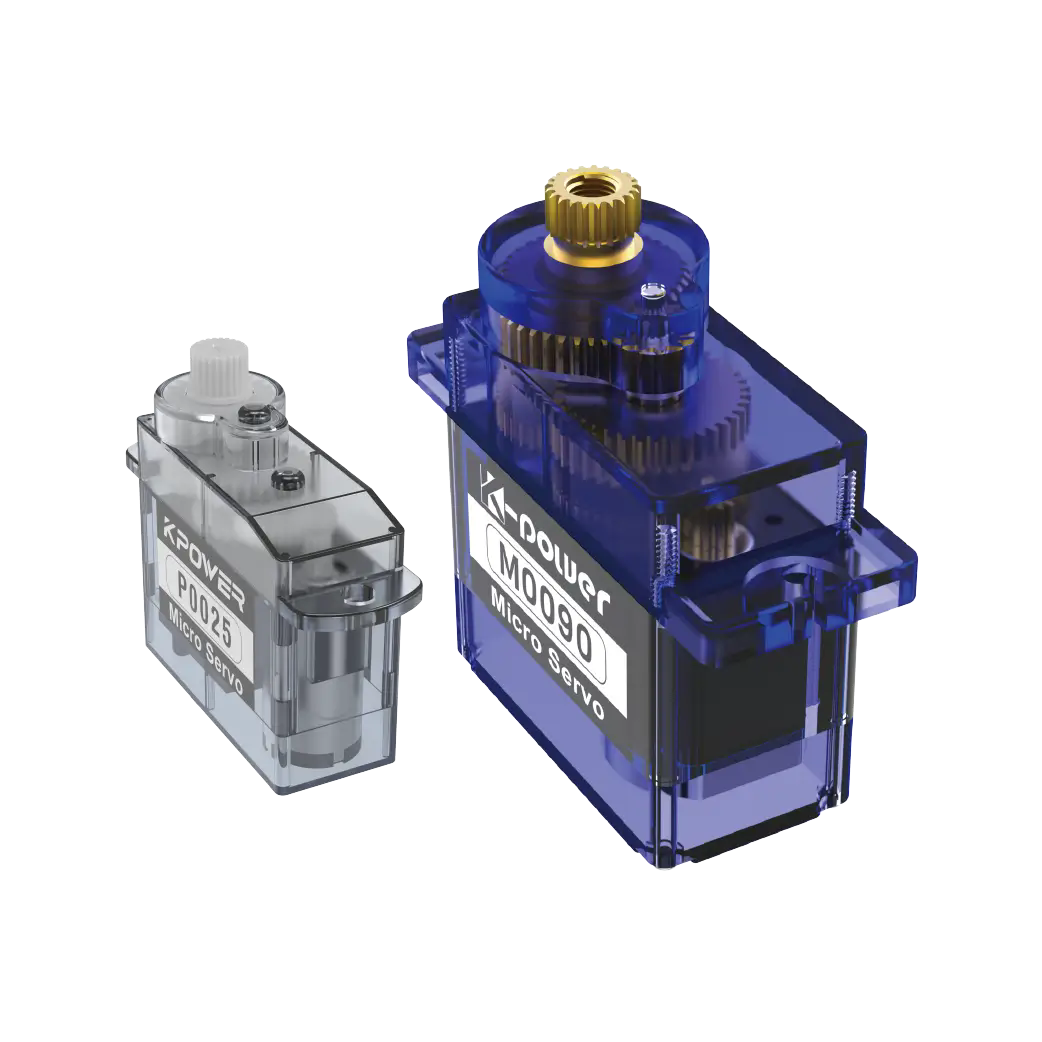
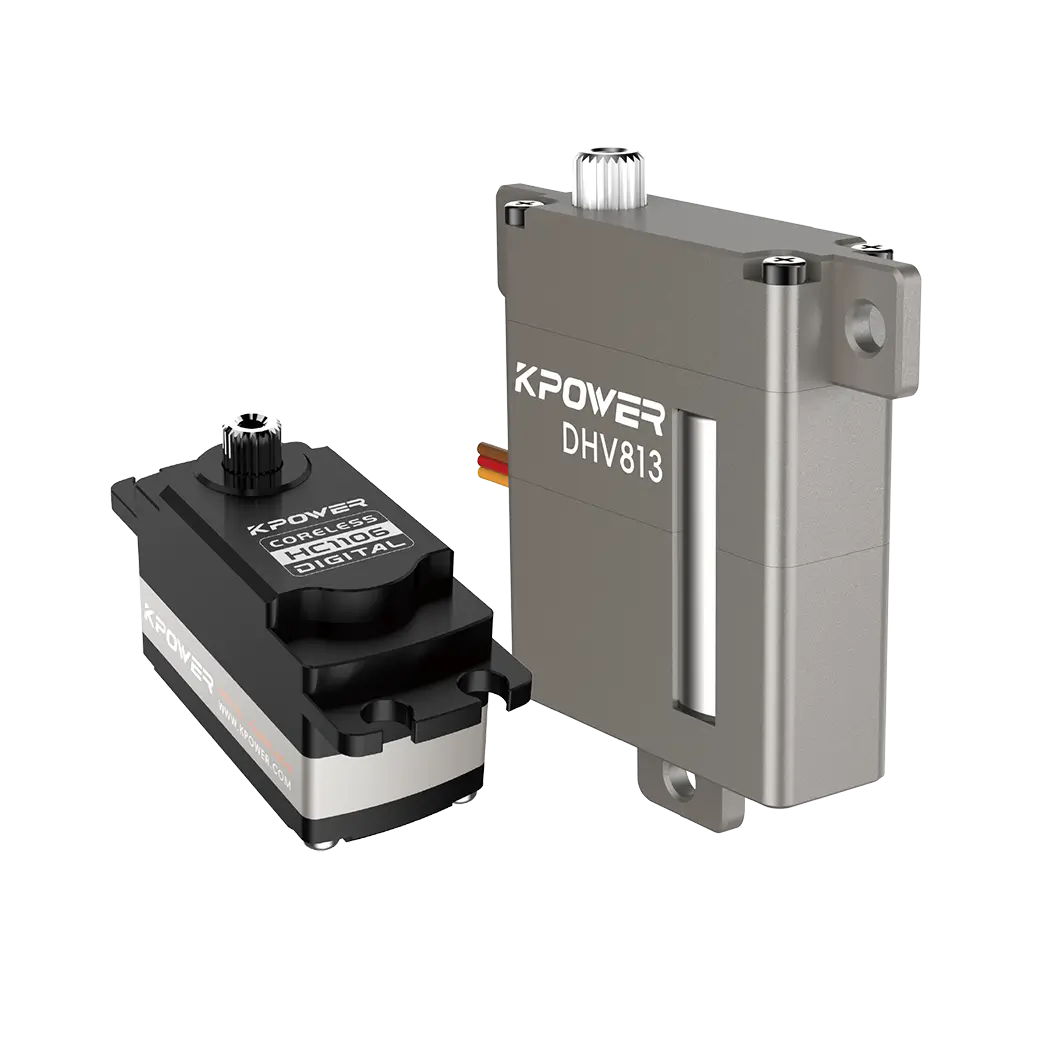
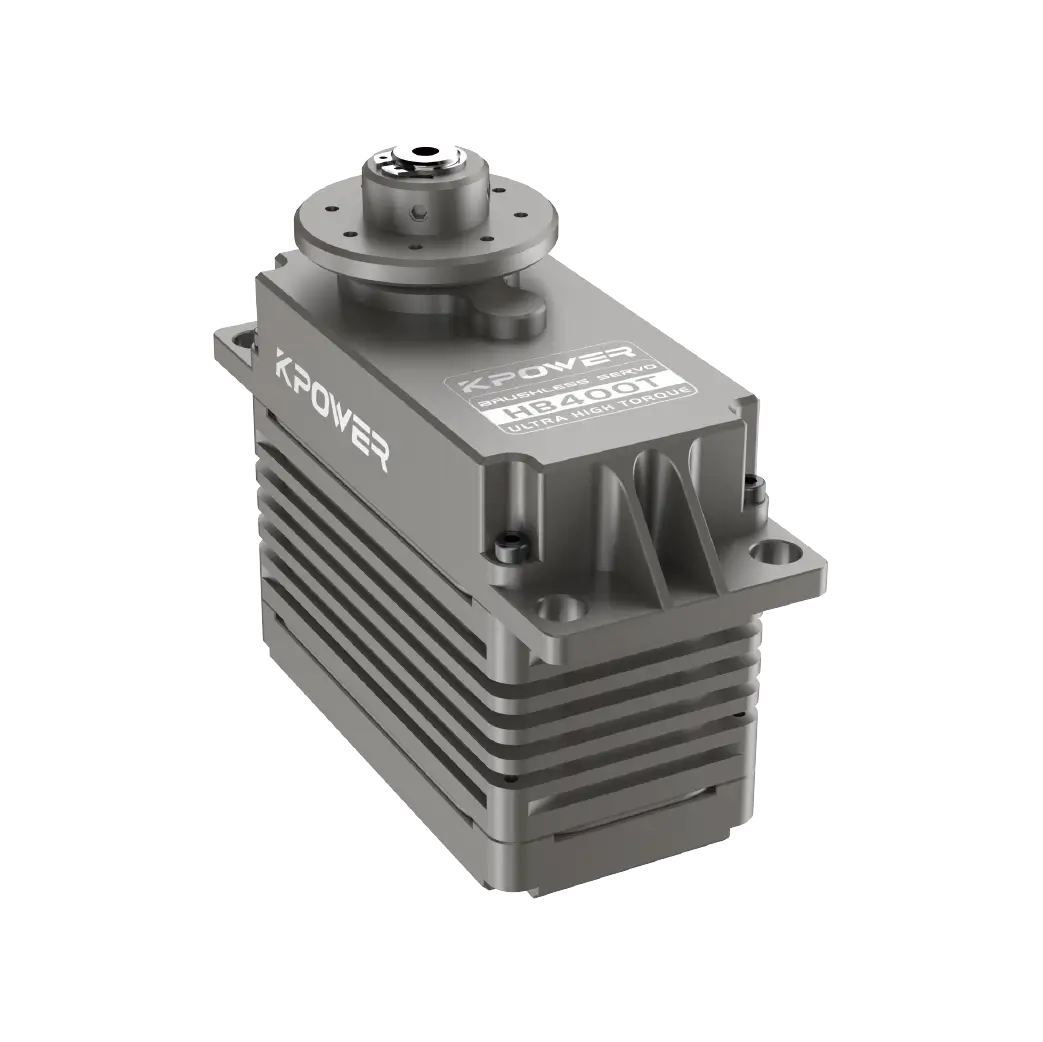
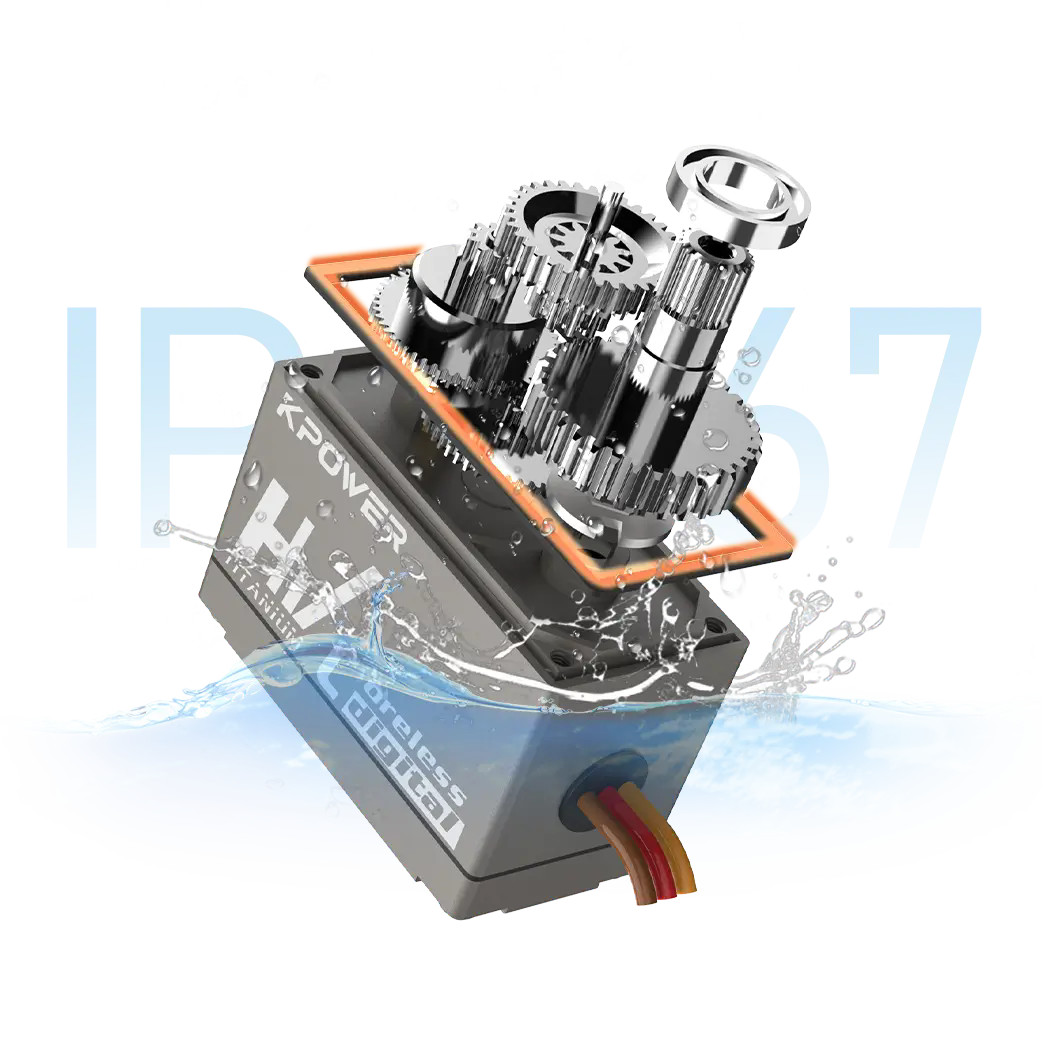
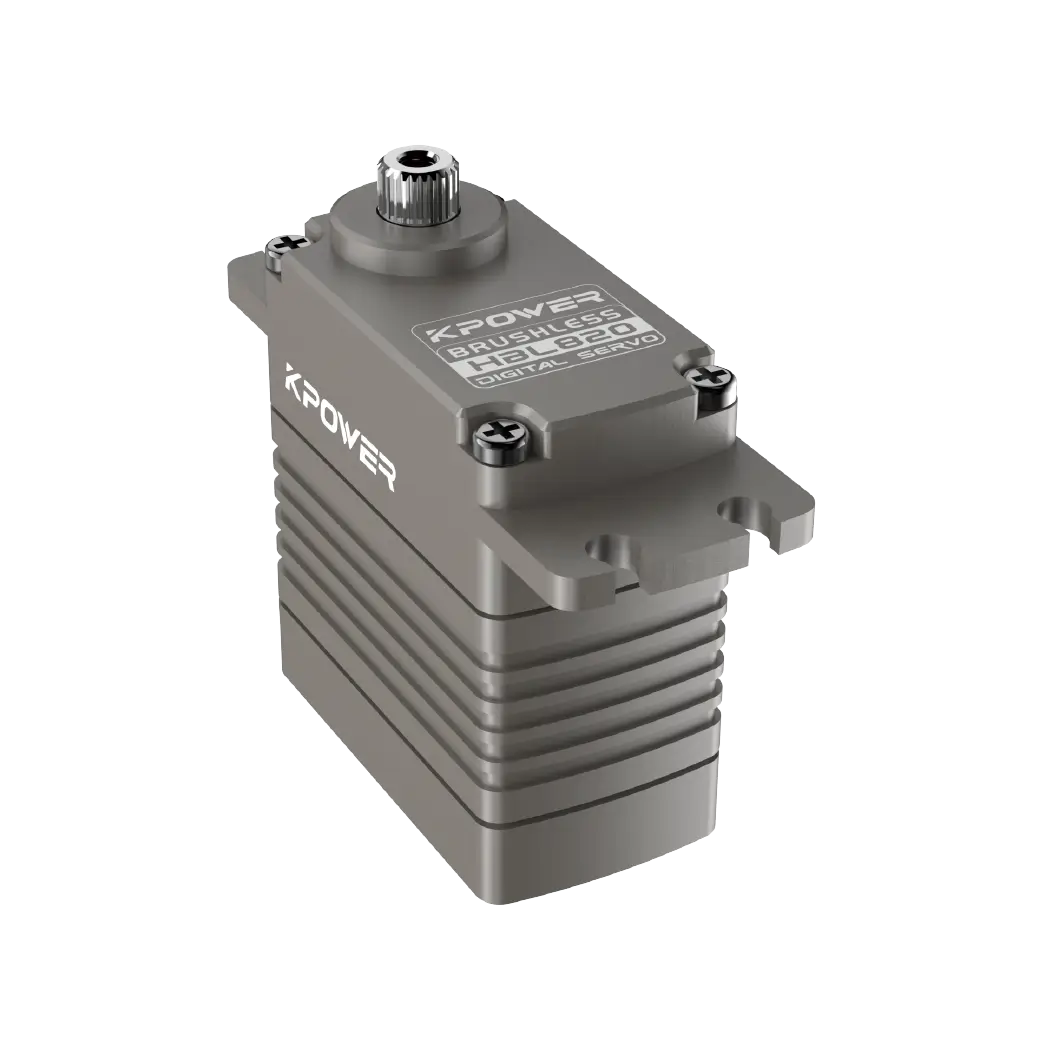
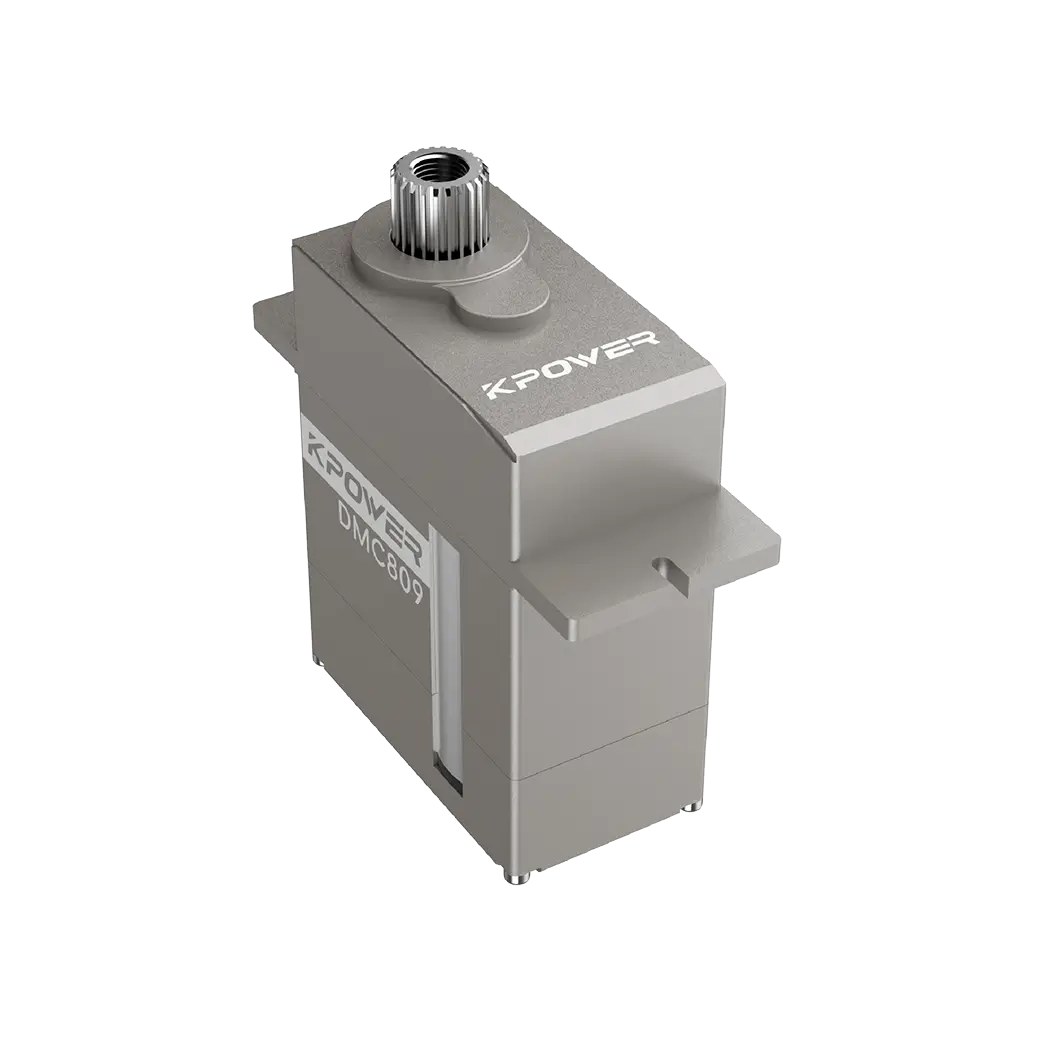
Think about the components in a high-precision mechanical system, like theservomotors and controllerskpowerprovides. Their value isn’t just in the metal and circuits. It’s in the reliability, the precise documentation, and the predictability they bring to your design. You know how they’ll behave, how they’ll connect, and that they’ll hold up.
Adopting a microservices architecture with .NET Core needs a similar mindset. You need things that feel solid and straightforward:
This isn’t a magic wand. It’s a different way of thinking—from a single, rigid machine to a flexible, collaborative workshop. It asks a bit more of you upfront in planning and discipline, but it pays back in agility and control.
The real shift happens when you stop seeing your application as a fortress to be maintained and start seeing it as an ecosystem of specialized, cooperative parts. That’s when you stop fighting your own architecture and start building with confidence. The tools, like a thoughtful .NET Core framework, are there to support that vision, to make the journey from a tangled monolith to a clear, humming system not just possible, but practical.
Established in 2005,kpowerhas been dedicated to a professional compact motion unit manufacturer, headquartered in Dongguan, Guangdong Province, China. Leveraging innovations in modular drive technology,kpowerintegrates high-performance motors, precision reducers, and multi-protocol control systems to provide efficient and customized smart drive system solutions. Kpower has delivered professional drive system solutions to over 500 enterprise clients globally with products covering various fields such as Smart Home Systems, Automatic Electronics, Robotics, Precision Agriculture, Drones, and Industrial Automation.
Update Time:2026-01-19

Contact Kpower's product specialist to recommend suitable motor or gearbox for your product.


