

TECHNICAL SUPPORT


Published 2026-01-19
Imagine your online store is like a precision machine. In the beginning, it might just be a simple device - a page, a shopping cart, a payment button. Business is good and everything is going smoothly. But as orders come in like snow flakes, new products continue to be put on the shelves, and promotions come one after another... you find that the machine starts to make a "creep" sound. Page loading is as slow as crawling, a small change in a function makes the entire system shaky, and it even "breaks down" during peak periods.
Does this feel familiar? Many e-commerce companies on the road to growth will hit this wall. The problem isn’t your business, it’s the “structure” that supports your business. The monolithic system you built in the early years to tie everything together can no longer support your ambitions.
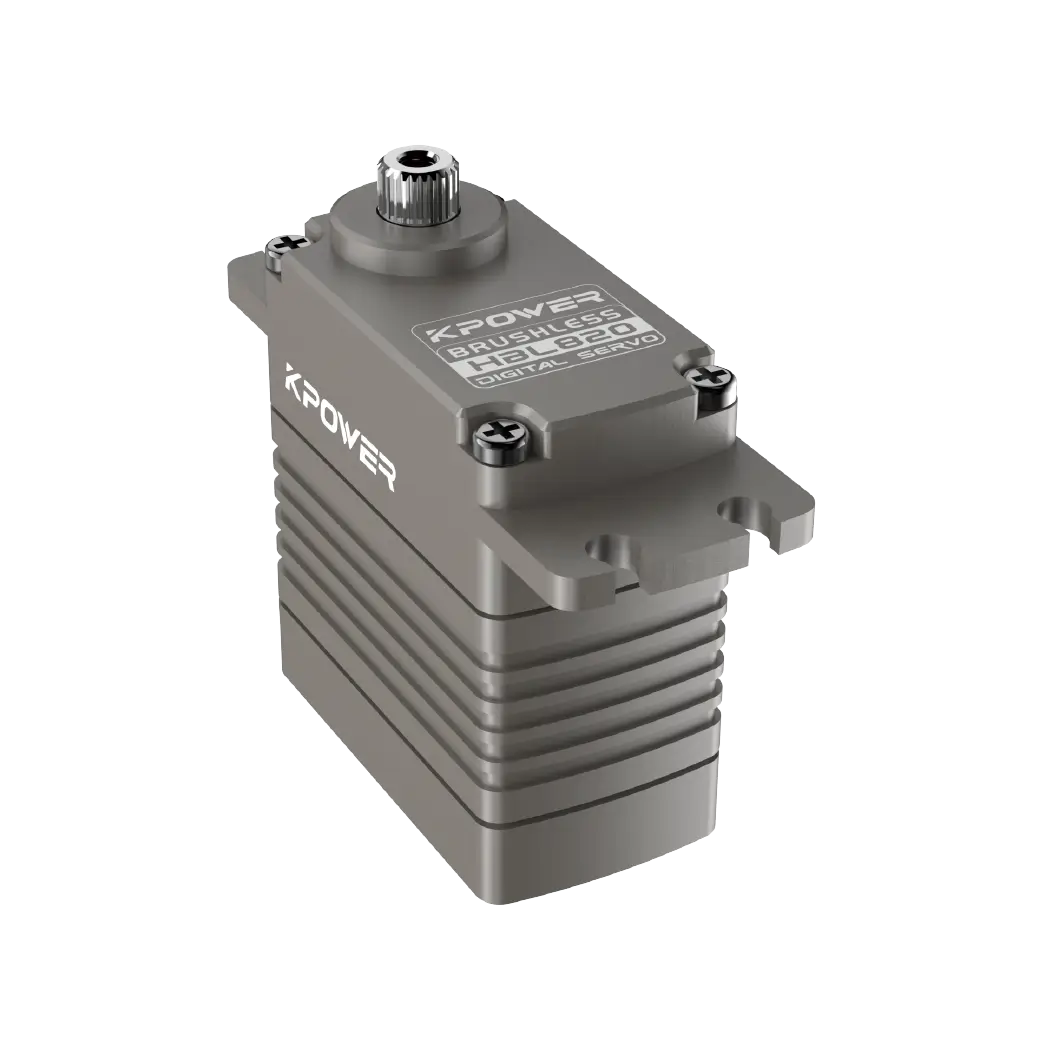
At this time you may hear a word: "microservices". It sounds technical, but the idea behind it is actually very simple: stop treating your e-commerce system as a lump of iron. Take it apart and turn it into a cooperating set of small servo units. User management is like an independent steering wheel, focusing on processing login and information; the order system is another sophisticated module, only concerned with the birth and flow of transactions; inventory, payment, recommendation engine... each performs its own duties, but is tightly connected through a clear interface.
But isn’t that like taking a complete engine and dismantling it into countless parts? Wouldn't it be more messy?
Good question. Demolition is not the purpose. How to make them work in unison after dismantling them is the essence. This is what "architecture" means. A bad split can cause information to get lost between these modules, making maintenance a nightmare. A good architecture diagram is the blueprint for all "servo motors" to work together. It tells you which services (inventory deductions, order generation, message notifications) are required for each core business (such as "flash sale activities") to respond quickly, and how they can communicate with each other in the most elegant and stable way.
Let’s get practical. When you have such a microservice architecture diagram tailored for your business, the changes are visible.
It’s resilience and flexibility. Imagine your "product recommendation" servo unit needs an upgrade. In the past single system, this may be a "major surgery" that requires downtime. Now, you only need to update this small, autonomous service independently, like replacing a robot arm with a more flexible joint, and the other parts will continue to operate as usual. Your website can be online 24/7.
It's speed and parallelism. Development teams can work in parallel around different service modules, like multiple craftsmen working on different gears of a complex clock at the same time. The marketing department needs a new promotional feature urgently? The team responsible for the Promotion Engine module can move forward quickly without having to wait for the entire behemoth to be redeployed.
Again, it’s clear vision. A good architecture diagram is not a "heavenly book" for engineers to read. It allows you, the business leader, to see at a glance where new functions are added, how the data flow is connected, and where system bottlenecks may be hidden. It translates technical complexity into business logic language you can understand.
This is probably the most confusing step. Do you form a top technical team yourself and invest a long time in designing from scratch and trial and error? Or looking for external professional partners?
Building it yourself means that you have to be deeply involved in every detail of technology selection, continuous maintenance and iteration. This requires huge, long-term technical investment. When you choose a partner, you're buying a proven experience and a ready-to-use set. The key is whether this partner really understands "e-commerce" and not just "technology", and whether he can transform those boring theories about concurrency, fault tolerance, and data consistency into smart designs that solve your specific business pain points.
existkpower, we are accustomed to starting with an in-depth conversation. We are not in a hurry to show complex symbols and lines, but first ask: "What is the link that most often wakes you up in the middle of the night, worrying about system problems?" "Which promotional event has given you mixed joy and sorrow?" "What technical challenges do you ideally encounter in the next step of business expansion?"
These answers are the starting point for all lines we draw. We believe that the best architecture diagram is not a cold technical document, but a reflection of your business logic and a technical narrative of your growth story. It should be like a carefully conceived novel outline. Each service module is a character with personality. The interaction between them promotes the steady development of the plot (business flow), and can be calm even in the face of sudden climaxes (traffic peaks).
So, when you are hesitating about "whether to dismantle or not to dismantle" and "how to dismantle", maybe you can change your mind. What you need is not a risky technological transformation, but an organic system that can grow naturally with your business. It's like equipping your business dream with a set of sophisticated mechanical skeletons that can move at will. All that's left is to focus on running forward.
Established in 2005,kpowerhas been dedicated to a professional compact motion unit manufacturer, headquartered in Dongguan, Guangdong Province, China. Leveraging innovations in modular drive technology,kpowerintegrates high-performance motors, precision reducers, and multi-protocol control systems to provide efficient and customized smart drive system solutions. Kpower has delivered professional drive system solutions to over 500 enterprise clients globally with products covering various fields such as Smart Home Systems, Automatic Electronics, Robotics, Precision Agriculture, Drones, and Industrial Automation.
Update Time:2026-01-19

Contact Kpower's product specialist to recommend suitable motor or gearbox for your product.


