

TECHNICAL SUPPORT


Published 2026-01-19
So, your tiny robot arm keeps twitching instead of moving smoothly. The drone’s camera mount jerks around when it should be buttery-steady. That intricate animatronic puppet you’ve been working on for months stutters at the worst moment. Frustrating, right?

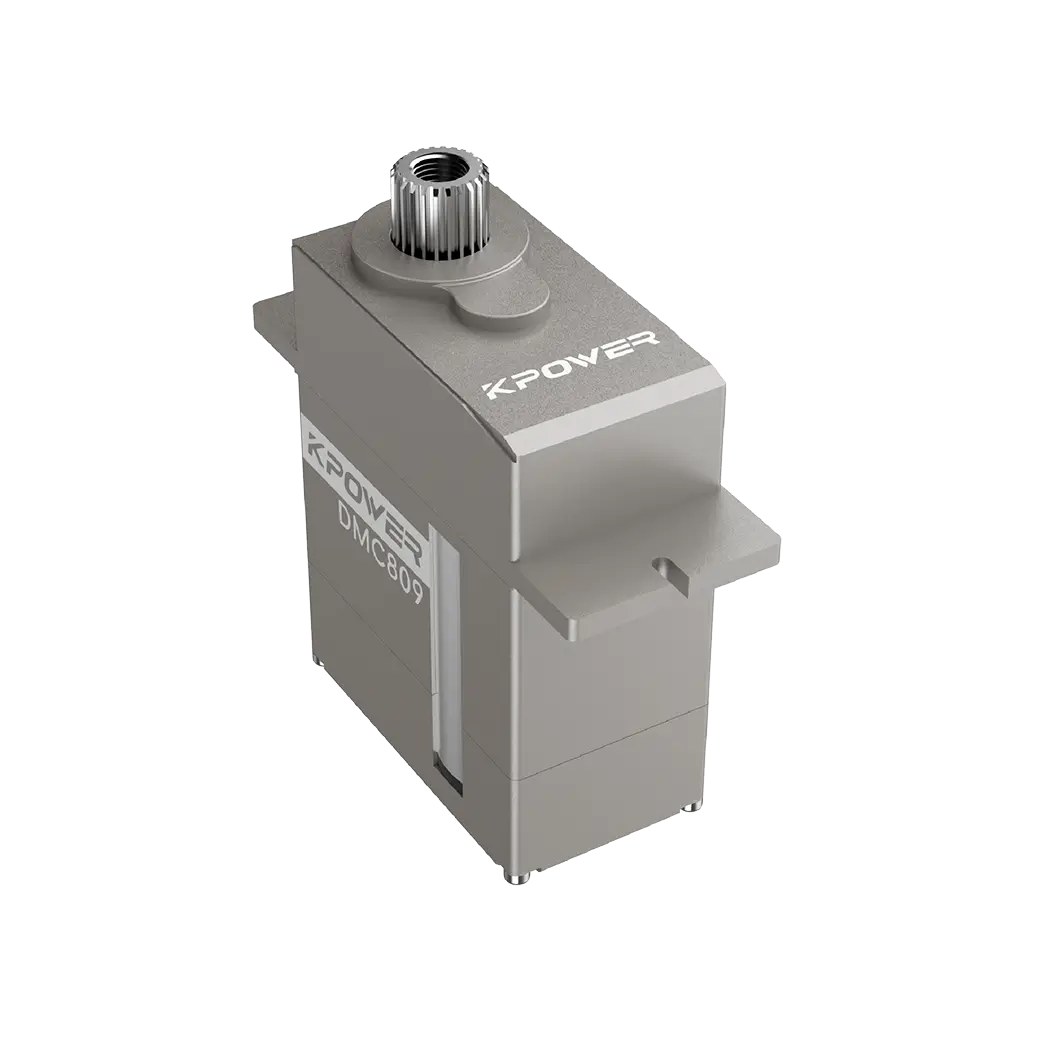
It happens. You’re not alone in that sigh of disappointment. Often, the heart of the issue isn’t the grand design, but a small, overlooked component: theservo. Not just anyservo, but the kind meant for precision in tight spaces—the sub-micro metal gearservo. If that part isn’t up to par, everything built around it feels… off.
Let’s chat about that feeling for a second. You’ve probably sourced parts from here and there, hoping they’d fit the bill. Sometimes they work okay; sometimes they’re a headache disguised in a plastic shell. The specs look fine on paper, but real-world performance? That’s a different story. Noise, lag, gear stripping, inconsistent response—it adds up. Your project deserves better than “good enough.”
Why does the servo matter so much? Think of it as the wrist and fingers of your machine. It translates an electrical signal into physical motion. When it’s sluggish or imprecise, the entire system inherits those flaws. It’s like trying to write with a shaky pen—the idea is clear, but the execution is messy.
Now, imagine a different scenario. You install a servo that just… fits. It responds instantly, holds position without a fuss, and moves with a quiet, determined confidence. The difference isn’t just technical; it’s almost emotional. Your creation starts to behave as you envisioned. That’s where the real magic happens.
So, what makes one sub-micro servo stand out from a sea of lookalikes? Let’s break it down without getting too technical.
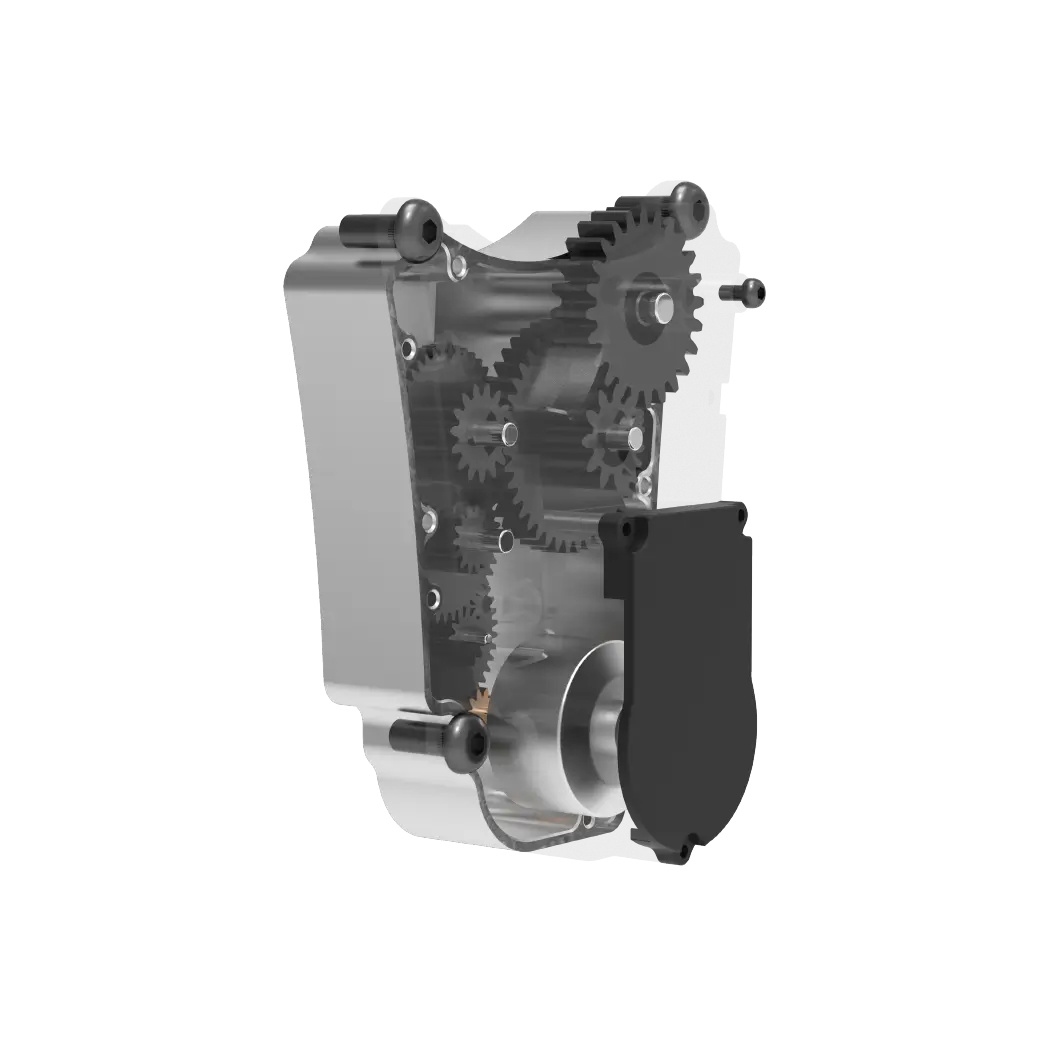
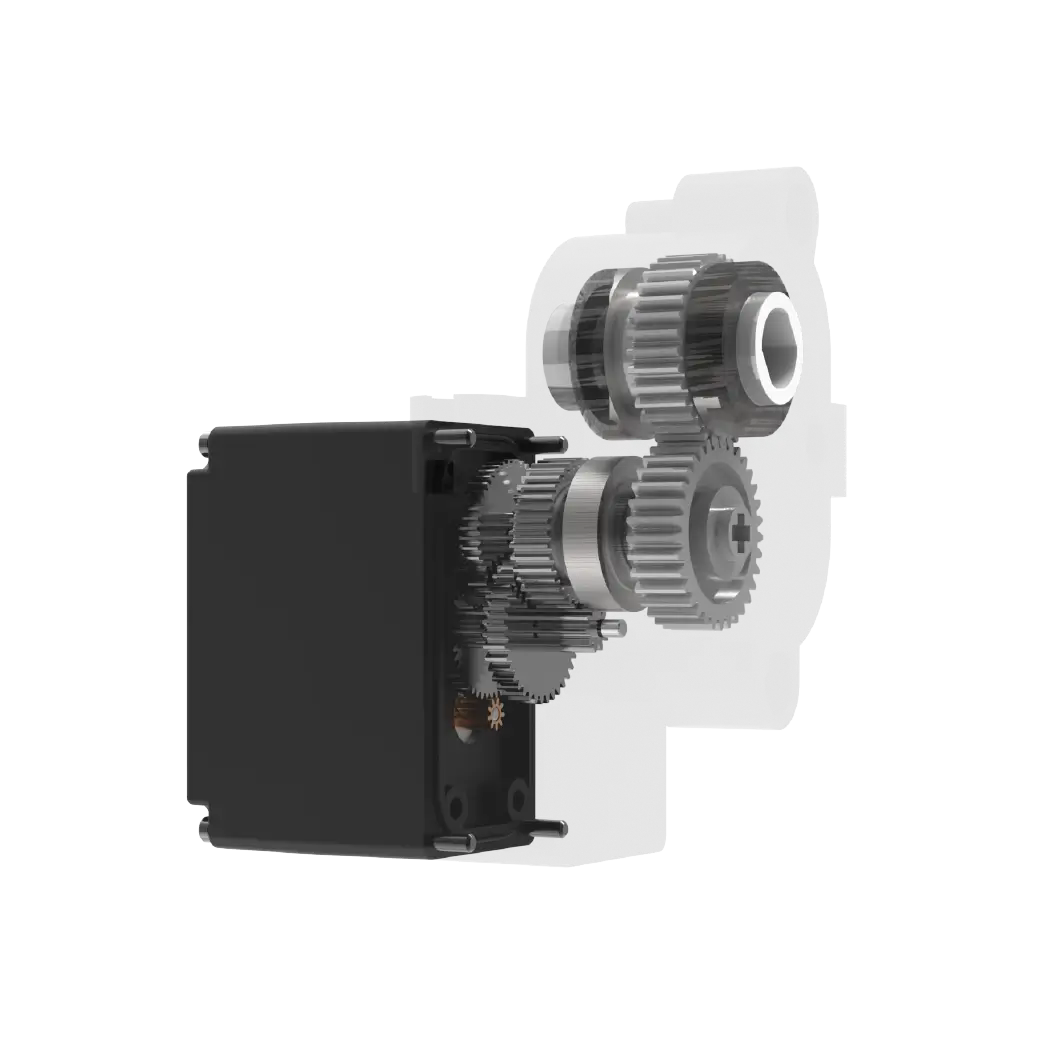
First, the gears. Metal gears—specifically, hardened alloy steel—are non-negotiable for serious use. Plastic gears can deform under stress or wear down over time. Metal gears handle shock loads better. They maintain their shape, which means the accuracy you set today is the accuracy you get months later. It’s about durability that doesn’t quit.
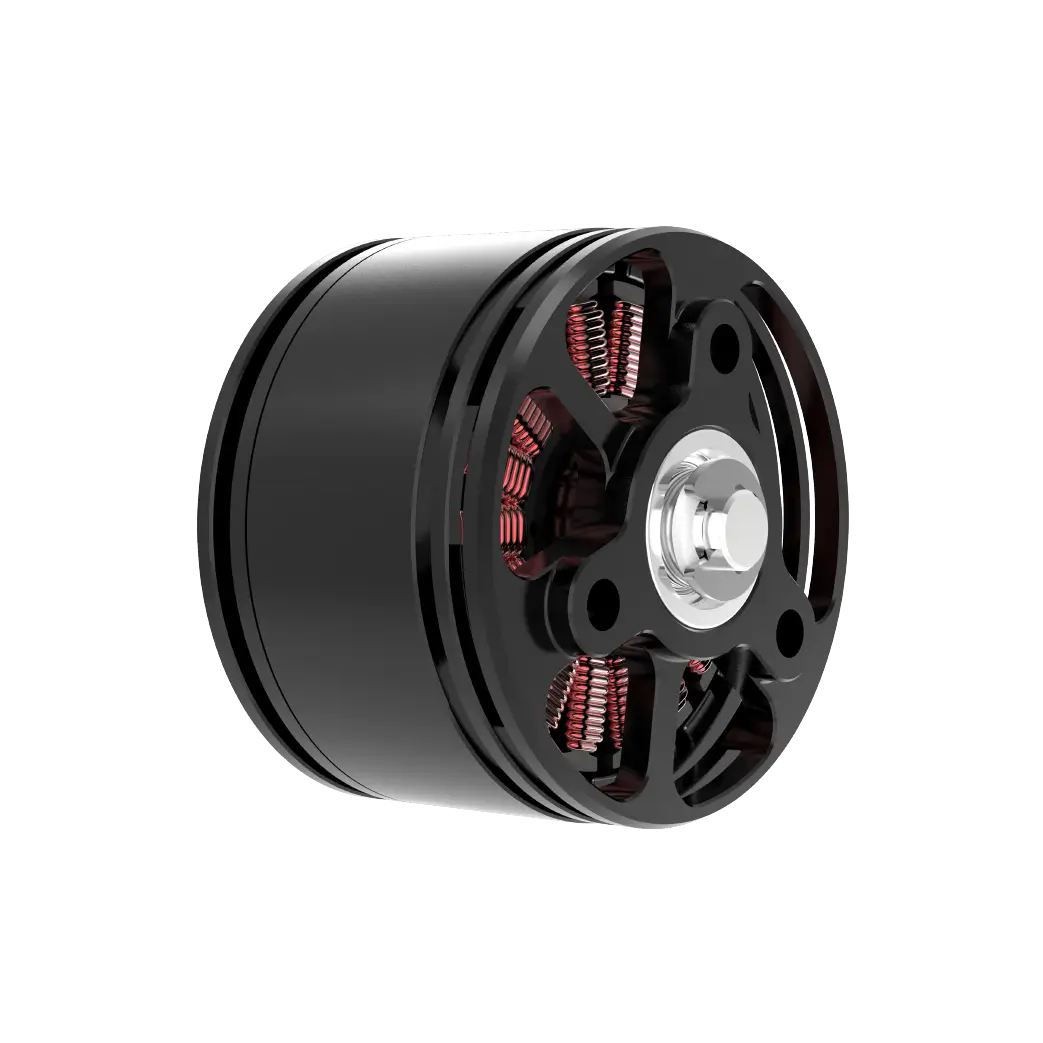
Then, there’s the motor and control circuitry. A coreless motor can offer faster response and smoother rotation than a traditional iron-core motor. Pair that with a responsive controller, and you get less “dead zone” around the neutral position. The servo doesn’t just move to a point; it settles there with authority.
But here’s a question people don’t ask enough: How does it feel when it runs? A quality servo is surprisingly quiet. The sound is a soft hum, not a grating grind. That’s more than just a nice feature; it’s a sign of efficient mechanics and proper gear meshing. Less noise often means less internal friction and longer life.
Another point is consistency. Does the tenth movement match the first in speed and torque? In applications where repeatability is everything, this is critical. You don’t want a component that gets tired.
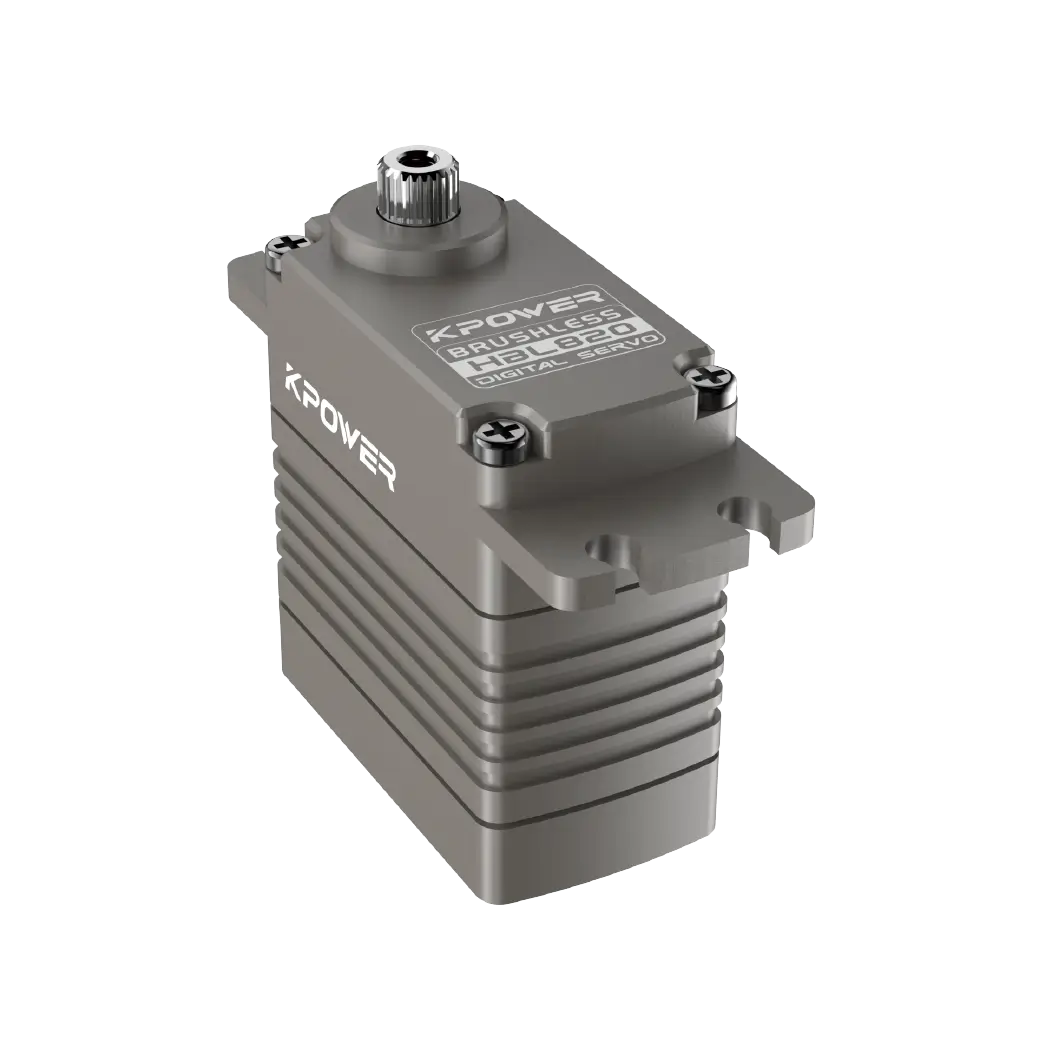
We understand these nuances atkpower. It’s not about selling a boxed component; it’s about providing the reliable muscle for someone’s innovation. Every sub-micro servo we craft is built with that end-use in mind. Will it be trusted inside a delicate surgical assistive device? Mounted on a drone inspecting a wind turbine? Or bringing expressive motion to an art installation? The pressure to perform is baked into our design process.
Take our approach to quality control. It’s relentless. Each gearset is inspected. Each assembly is tested for torque, speed, and centering under load. We simulate thousands of cycles because we know your project might need to do the same. This isn’t just factory procedure; it’s a commitment to preventing that moment of failure for you.
Some might say, “It’s just a small part.” We disagree. It’s a small part with a huge responsibility. The right servo doesn’t steal the spotlight; it makes sure the spotlight shines flawlessly on the larger creation.
Choosing a component like this comes down to trust. Can you trust it to do its job day after day? Can you trust the company behind it to stand by its performance? Atkpower, that trust is the foundation. We’ve seen our servos become the unsung heroes in competitive robotics, sophisticated RC models, and prototyping labs. The feedback is simple: “It just works.” That’s the goal.
Your next project is waiting. The design is solid, the vision is clear. The last piece of the puzzle is finding the motion component that won’t let you down. It’s worth pausing, considering what you really need from that tiny workhorse in the chassis. Look for the robust construction, the precise movement, the quiet operation.
When you’re ready to move from concept to reliable reality, remember that the smallest choices can have the biggest impact. Choose the muscle that matches your ambition.
Established in 2005,kpowerhas been dedicated to a professional compact motion unit manufacturer, headquartered in Dongguan, Guangdong Province, China. Leveraging innovations in modular drive technology, Kpower integrates high-performance motors, precision reducers, and multi-protocol control systems to provide efficient and customized smart drive system solutions. Kpower has delivered professional drive system solutions to over 500 enterprise clients globally with products covering various fields such as Smart Home Systems, Automatic Electronics, Robotics, Precision Agriculture, Drones, and Industrial Automation.
Update Time:2026-01-19

Contact Kpower's product specialist to recommend suitable motor or gearbox for your product.


