

TECHNICAL SUPPORT


Published 2026-01-19
Ever been there? You’ve spent weeks, maybe months, sketching, prototyping, dreaming up that perfect custom build. The vision is crystal clear in your mind. But when it comes to bringing it to life, there’s this nagging little doubt in the back of your head. You need a component that’s not just a part, but a reliable partner. Something for that critical joint, that precise actuator, or the mechanism that simply cannot afford to flinch. You think aboutservos, and then you think about the ones that have let you down before—the jitter, the slop, the burnt-out board when things got a little too real.

That’s the silent wall many hit. It’s not about finding aservo; it’s about finding the right one. The one that translates your electrical signal into motion you can trust, motion that feels deliberate and strong. This is where the conversation shifts from “will it move?” to “how well will it move, and for how long?”
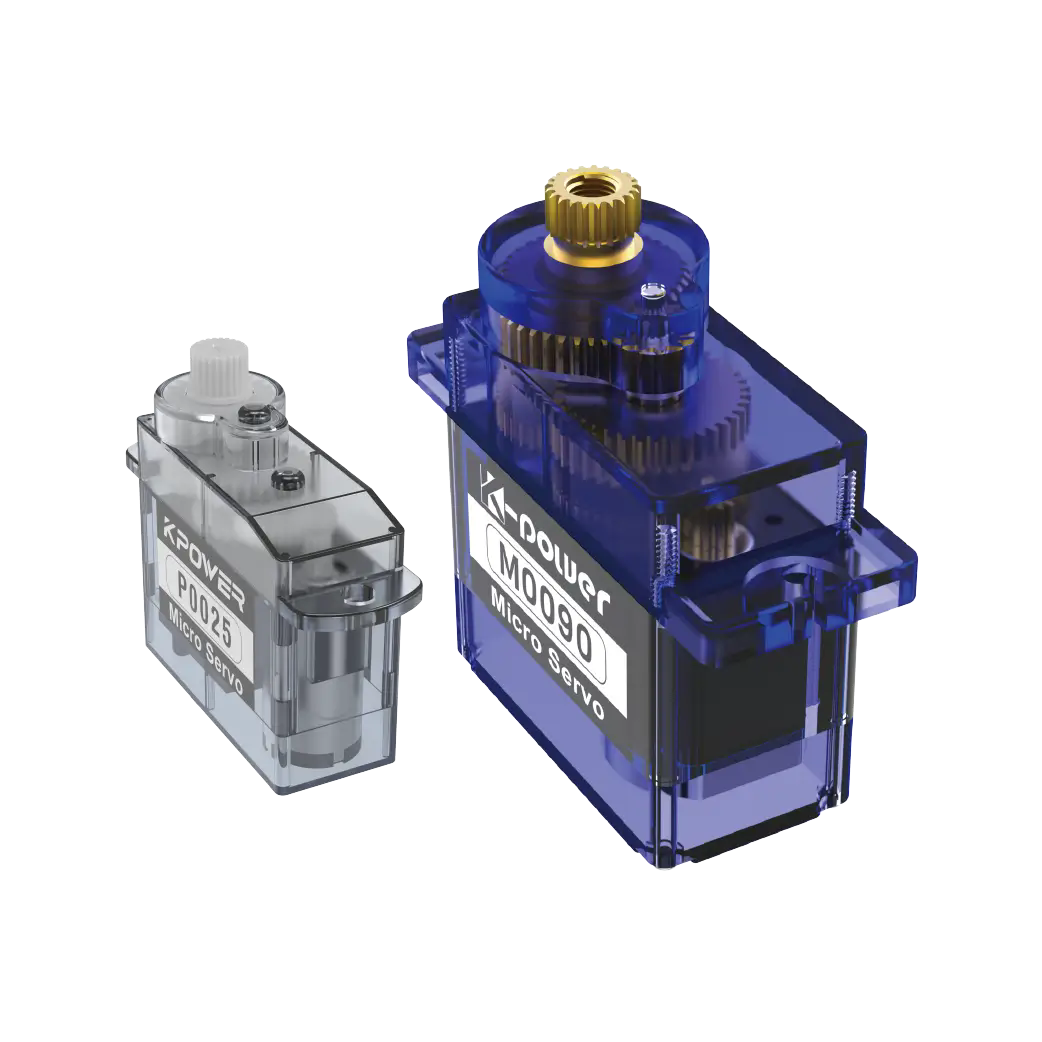
Let’s talk about a common scenario. Imagine a compact robotic arm for a desktop automation task, or a rugged control surface on a custom RC model. The space is tight—really tight. But the job requires authority. A standard plastic-geared microservomight fit physically, but under load, you hear that faint grumbling, a slight giveaway in its hold. It works, but it doesn’t inspire confidence. You’re left wondering not if it will fail, but when.
So, what’s the answer? How do you solve for strength, precision, and size all at once?
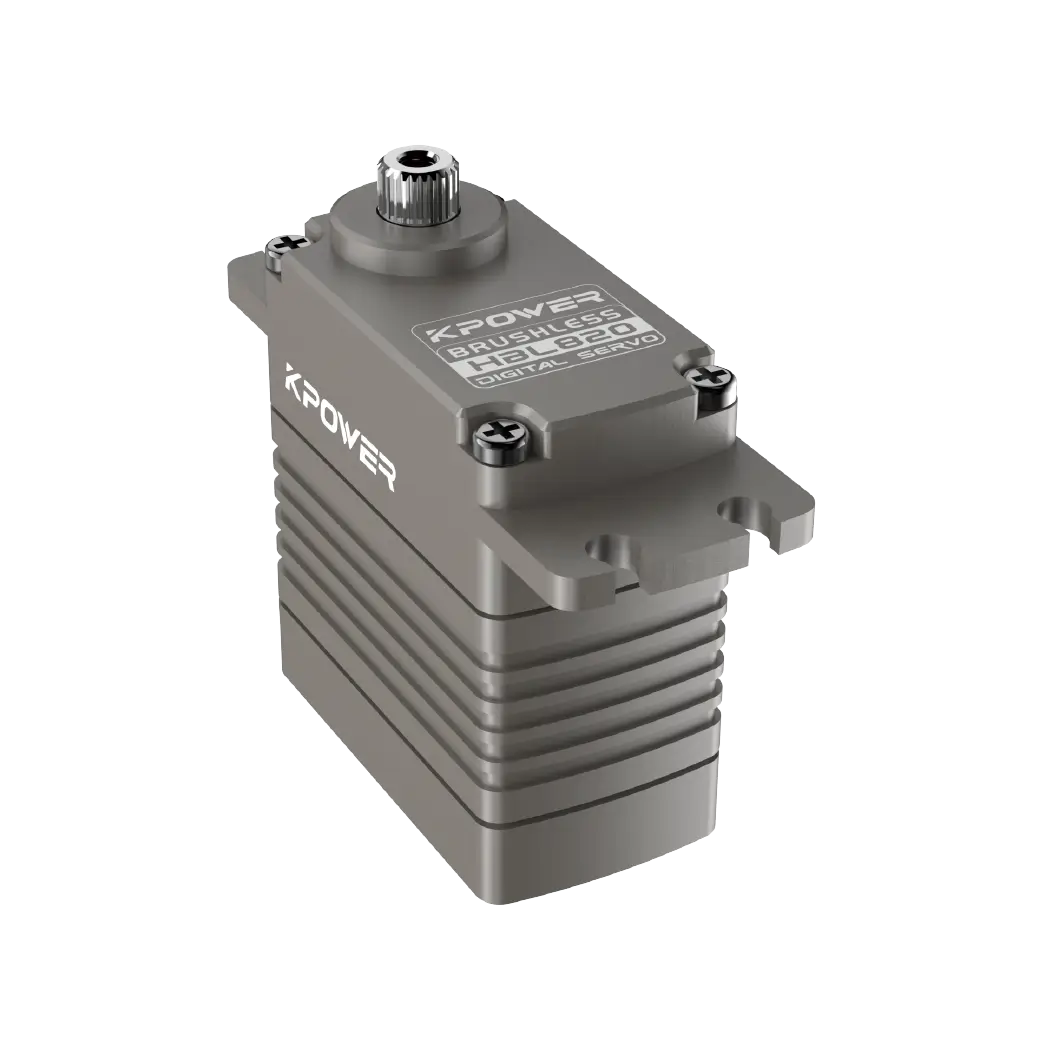
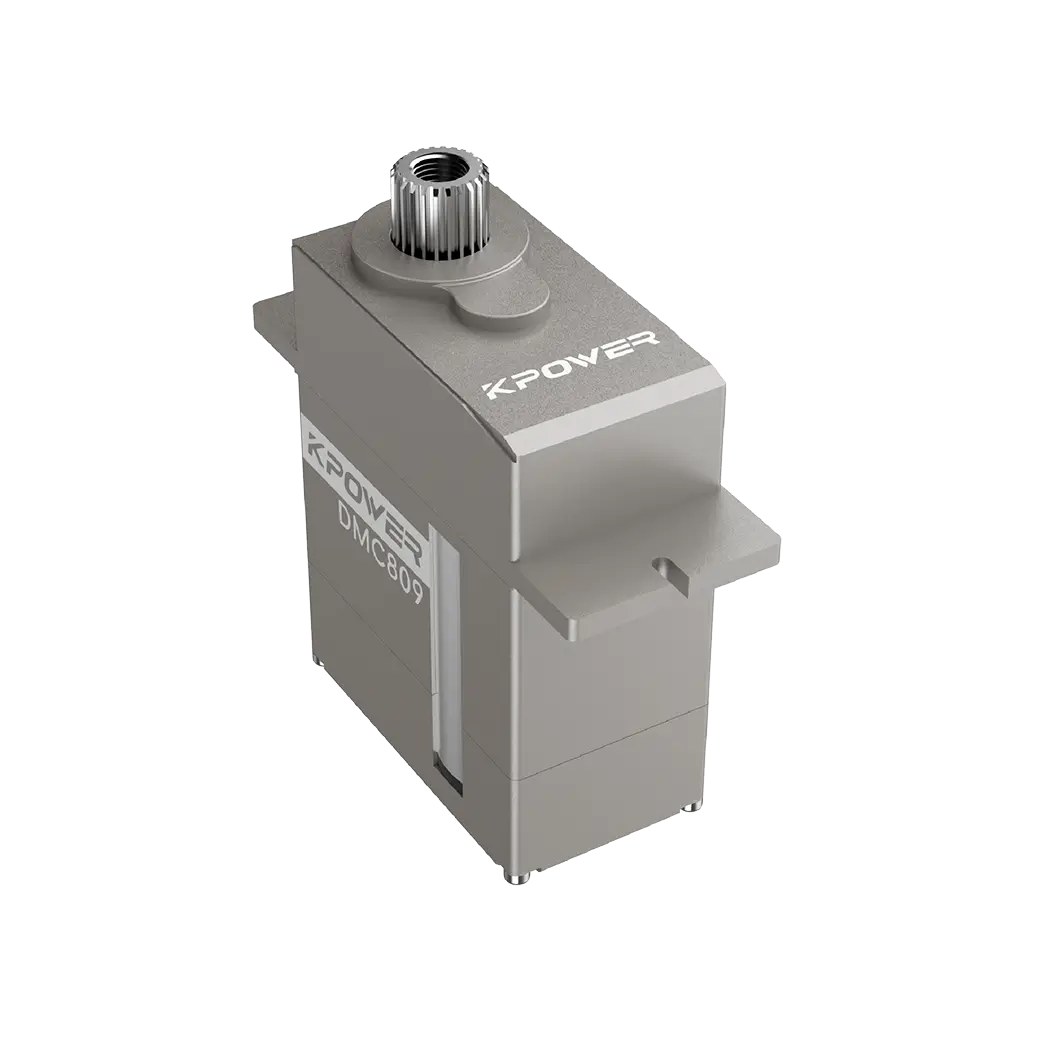
Often, the solution lies in looking at the specifics of the component itself. Take the Hitec D85MG, for instance. It’s a name that pops up when discussions get serious about micro servos that punch above their weight. Why? Let’s break it down without getting lost in a datasheet.
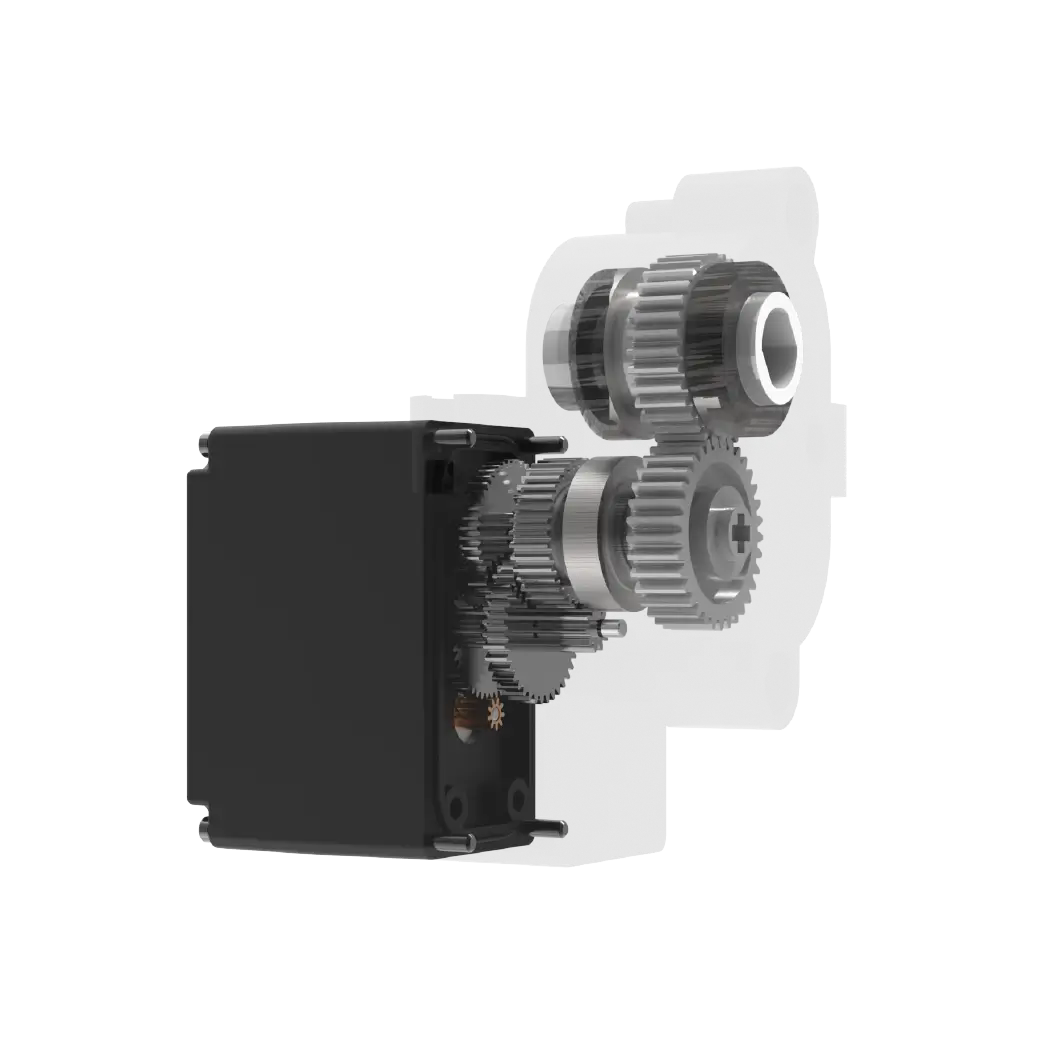
First, there’s the obvious: metal gears. It’s not just about being “harder.” Plastic gears can wear down or deform under repeated stress or sudden impacts. Metal gears, especially in a quality set, change the entire personality of the servo. They handle surprise loads better, they maintain their mesh over time, and the motion they deliver feels more solid. It’s the difference between a faint click and a decisive, solid movement.
Then there’s the brain: the 32-bit control. Think of it this way—older, analog-style control can sometimes feel like having a conversation with a slight delay or through a fuzzy line. The 32-bit microcontroller is like a clearer, faster connection. It interprets the signal from your receiver or controller more accurately and quickly. This often translates to less deadband (that annoying tiny zone where you move the stick but nothing happens), smoother movement across its range, and just a more responsive, connected feel when you’re operating it. It’s about fidelity.
But specs on paper are one thing. The real test is in the hands and in the project. What does this actually do for you?
You get a component that disappears into its job. You stop worrying about the servo and start focusing on the rest of your build. That arm moves crisply to its position and holds it, even with a slight off-balance load. The control surface on your model deflects precisely and returns to center without a buzz. The reliability factor goes way up. It’s about removing a point of failure, which in any complex project, is priceless. You’re not just buying a servo; you’re investing in peace of mind for that part of your machine.
Of course, no single component is magic. It has to be part of a considered system. Proper voltage supply, adequate mechanical mounting, and sensible load management are still your responsibility. But starting with a robust core like this means you’ve built your foundation on rock, not sand. It allows the rest of your design to shine.
Choosing parts like this isn’t about showing off; it’s a practical decision. It’s for the moments when “good enough” actually isn’t. When the success of a function—and by extension, your entire project—hinges on a motion being repeatable, strong, and utterly dependable. It’s the choice you make when you value the end result more than cutting a corner.
In the end, the goal is to create something that works, and works well, long after the excitement of the build is over. Finding those core components that you can forget about because they perform so consistently is a huge part of that victory. It turns a potential headache into a silent, powerful ally inside your creation. And that’s a feeling that never gets old.
Established in 2005,kpowerhas been dedicated to a professional compact motion unit manufacturer, headquartered in Dongguan, Guangdong Province, China. Leveraging innovations in modular drive technology,kpowerintegrates high-performance motors, precision reducers, and multi-protocol control systems to provide efficient and customized smart drive system solutions.kpowerhas delivered professional drive system solutions to over 500 enterprise clients globally with products covering various fields such as Smart Home Systems, Automatic Electronics, Robotics, Precision Agriculture, Drones, and Industrial Automation.
Update Time:2026-01-19

Contact Kpower's product specialist to recommend suitable motor or gearbox for your product.


