

TECHNICAL SUPPORT


Published 2026-01-19
When Your Project Needs Muscle: The Lowdown on Finding a Real Workhorse
Ever had that moment? You've spent weeks perfecting a design – maybe it's a custom robotic arm, an automated camera rig, or a clever little animatronic figure. Everything looks great on screen. Then you go to build it, and you hit theservowall. The little motor that's supposed to bring your creation to life just… buzzes. It strains, it jitters, it lacks the oomph to move things smoothly. Your brilliant, precise movement becomes a shaky, unreliable mess. It’s frustrating, right? Like having a detailed blueprint for a bridge, only to find out your building materials are balsa wood.
That's the gap between idea and reality for so many makers and builders. You're not just looking for a component; you're looking for a dependable partner. Something that translates your electronic commands into solid, physical action without drama. This is where the conversation turns to metal gears, torque ratings, and the quest for something that simply won’t quit.
So, What Makes aservo"High Torque" and Why Should You Care?
Let’s break it away from the spec sheet for a second. Torque is basically twisting force. Imagine trying to open a stubborn jar lid. A kid might strain and fail—low torque. You give it a good twist and it pops open—that’s higher torque. In aservo, higher torque means it can push, pull, and hold positions against more resistance. It’s the difference between a servo that can lift a small lightweight arm and one that can manipulate that arm while it’s holding something, or fighting gravity, or dealing with a little unexpected friction.
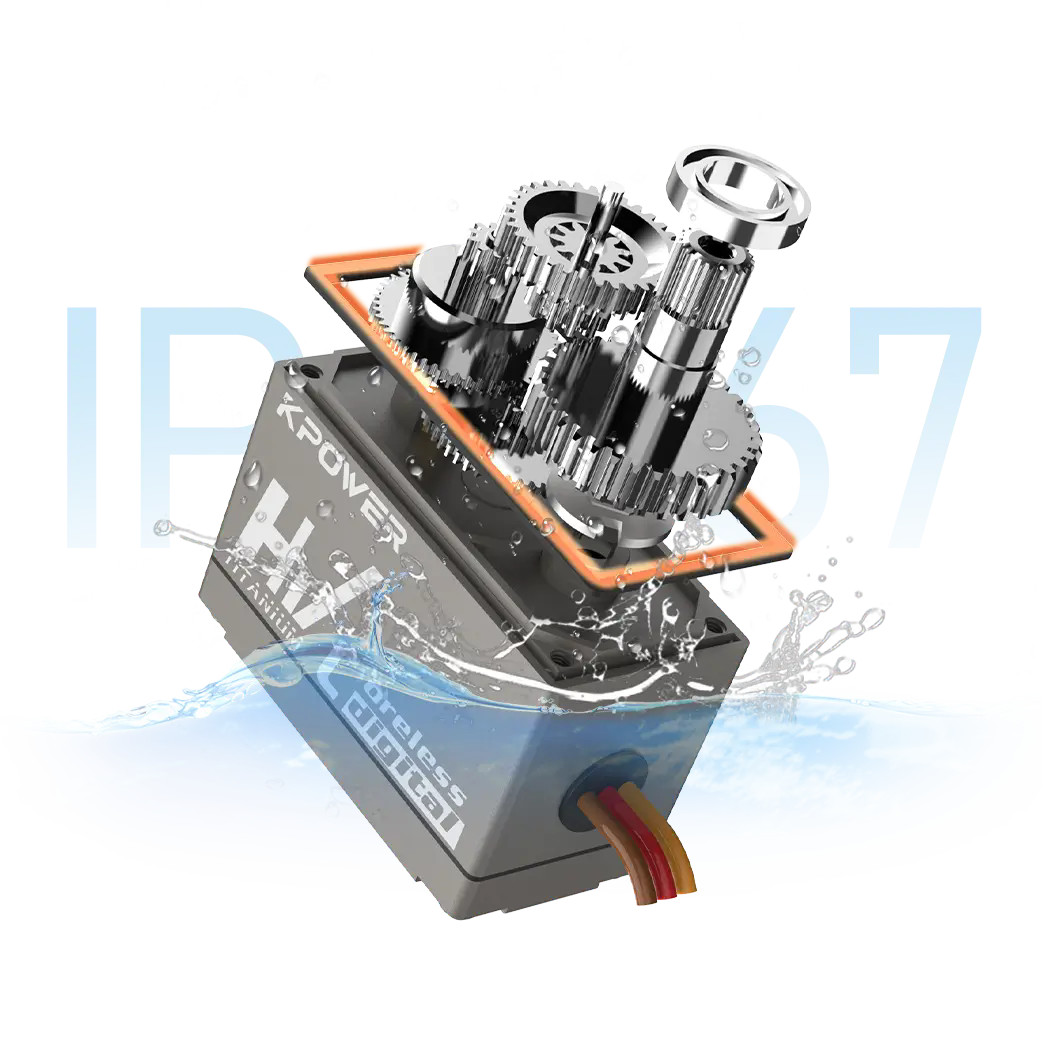
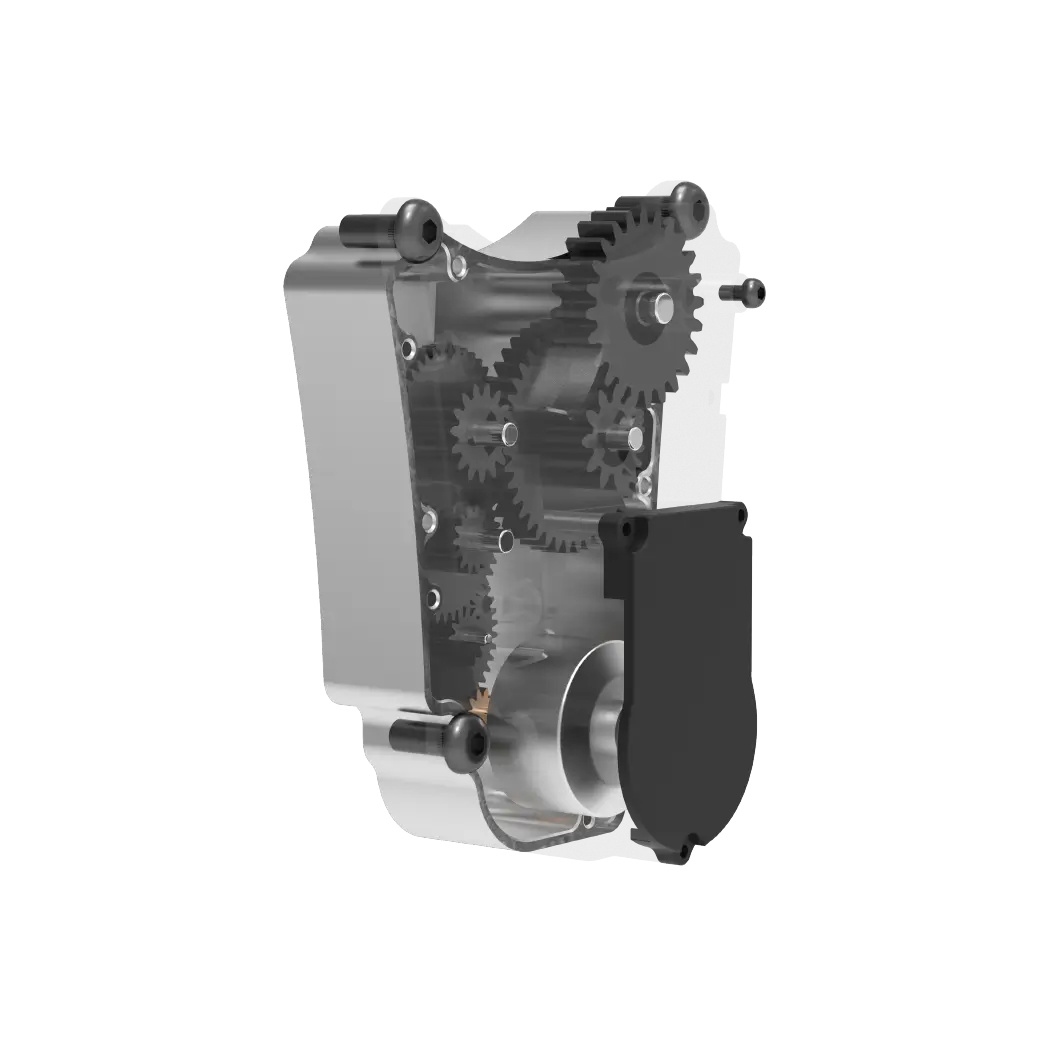
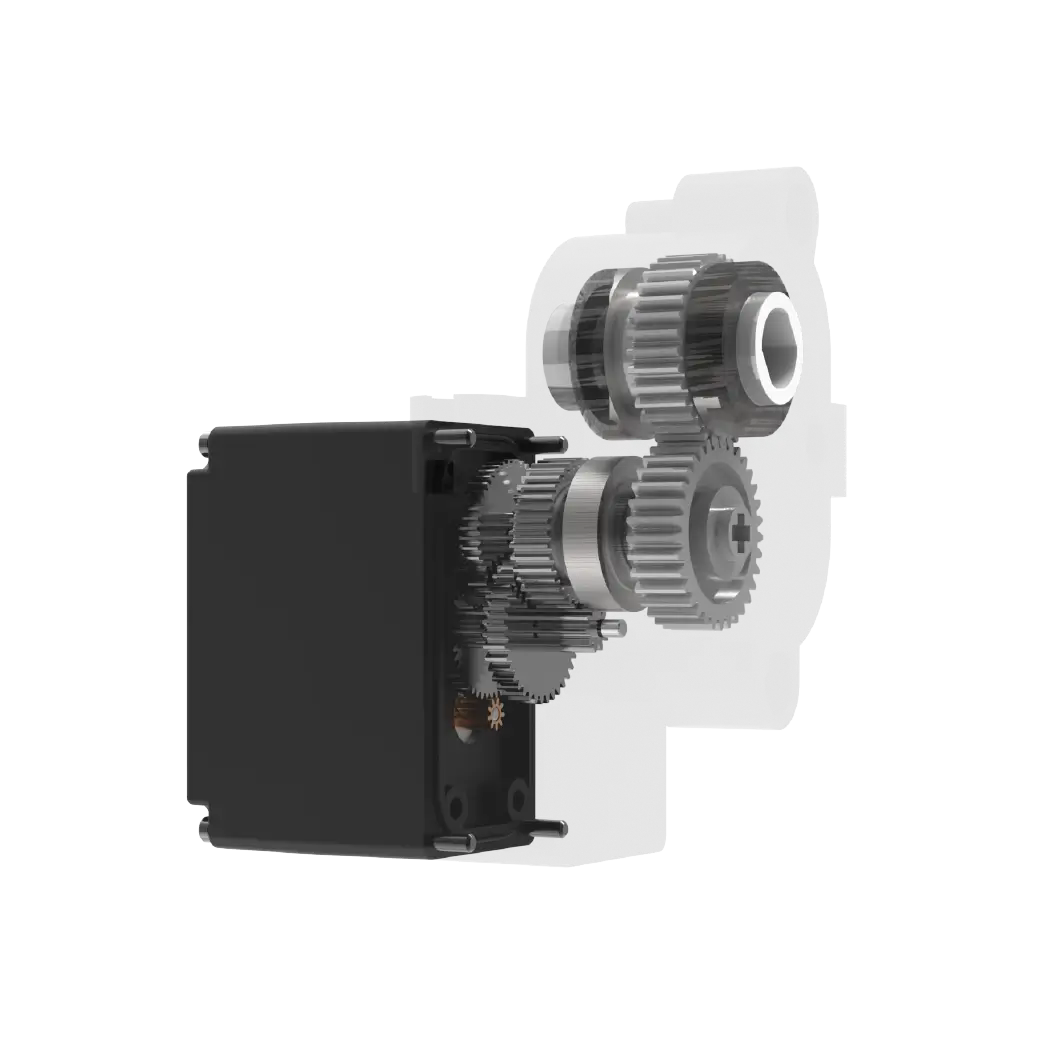
Now, add "metal gears" to that. The standard alternative is plastic. Plastic gears are fine for very light-duty, low-impact tasks. But under stress, they can wear down, deform, or even strip their teeth. It’s the weak link. Metal gears, on the other hand, are like swapping out a plastic toy shovel for a steel spade. They transmit that motor’s power more directly, withstand shock loads (those sudden jolts when something moves or stops), and vastly extend the servo’s life when the going gets tough. They turn the servo from a potential point of failure into a cornerstone of your build.
The MG90D Territory: More Than Just a Part Number
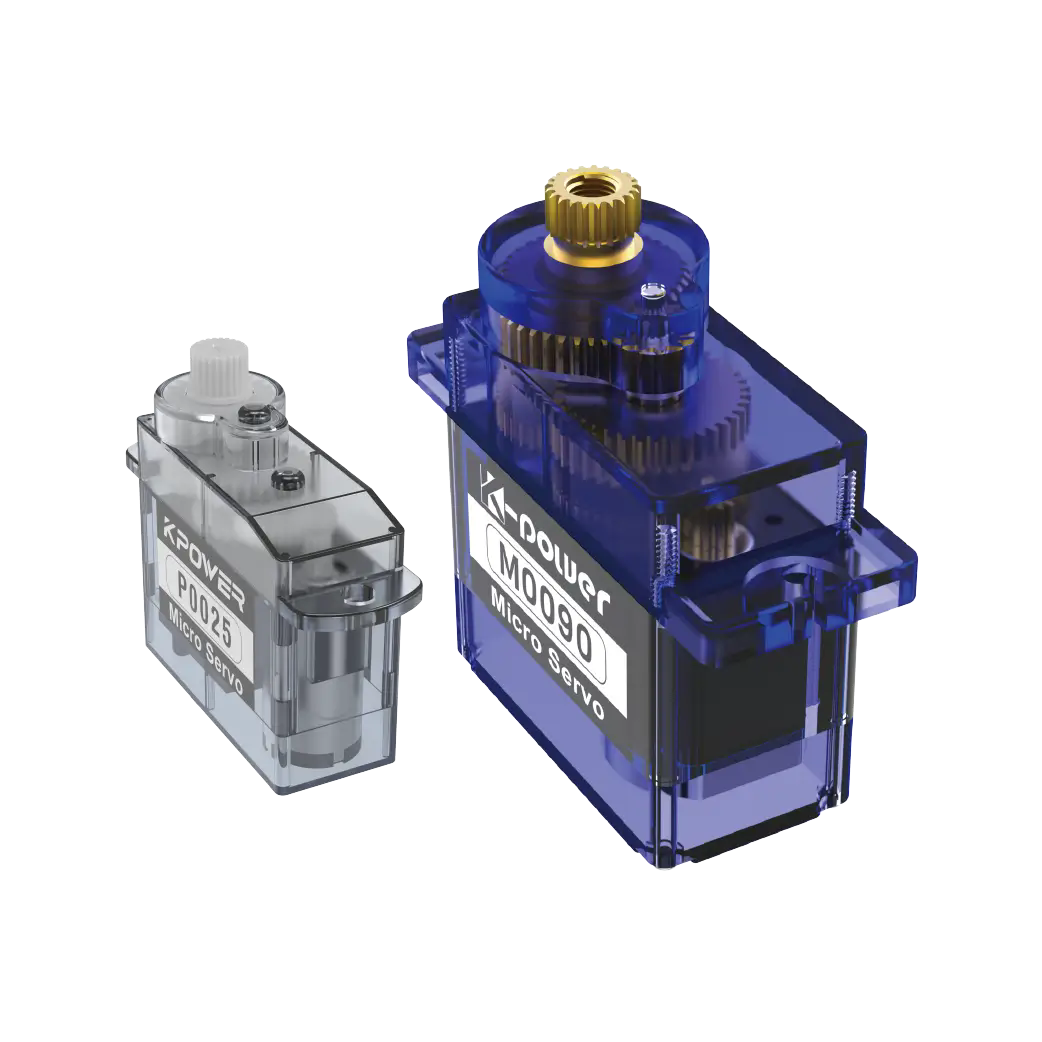
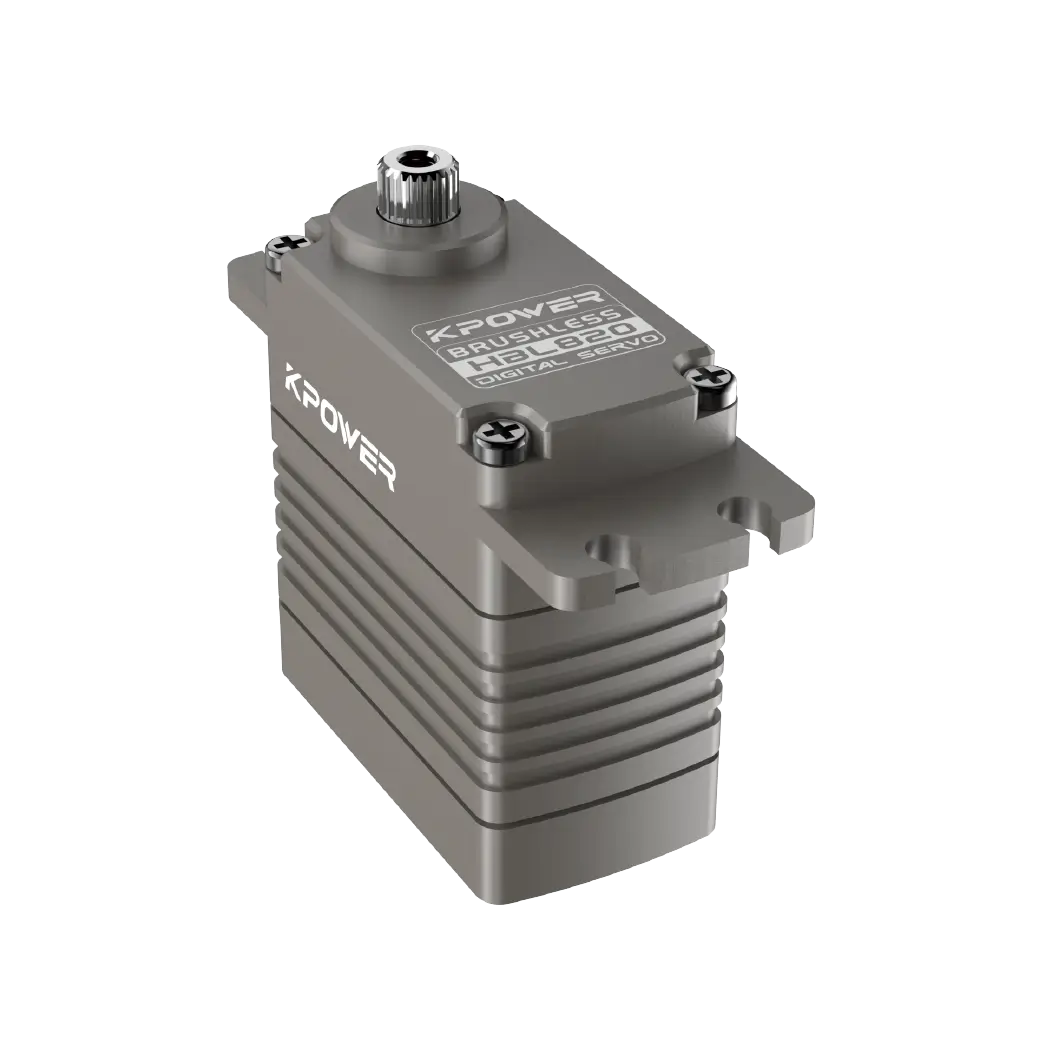
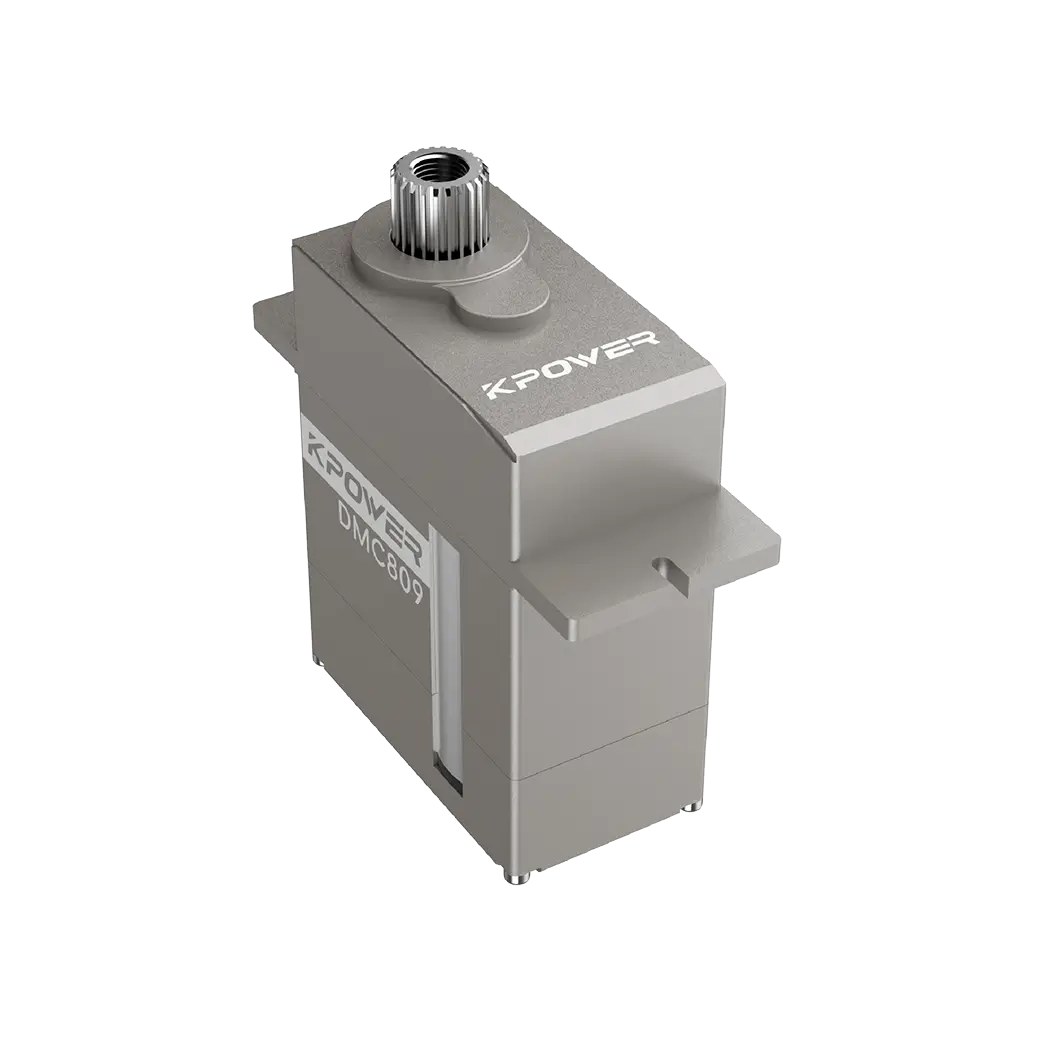
When you see “micro servo - MG90D high torque metal gear,” you’re looking at a specific answer to that initial frustration. It’s a compact form factor that packs a serious punch. The “micro” size means it fits into tight spaces—drones, RC vehicles, intricate models—where every millimeter counts. But inside, it’s not using miniature, delicate parts; it’s built with the reinforced internals to back up its “high torque” claim.
Think about a robotic gripper picking up objects of uneven weight. Or a pan-and-tilt mechanism for a sensor that has to hold steady in a breeze. These aren’t theoretical needs; they’re daily hurdles. A servo here acts as the joint and the muscle. If it’s not consistent, your entire system’s accuracy falters.
Choosing Your Cornerstone: It’s Not Just About the Highest Number
Sure, comparing torque numbers (kg-cm) is a start. But it’s like buying a tool based only on its power rating without holding it. How does it feel? Does it center accurately? How’s the speed? A high-torque servo that moves too slowly might not be right for a fast-steering application. The real-world performance is a blend of factors.
Reliability is the silent spec. It’s about whether the servo will perform the same way on the thousandth cycle as it did on the tenth. This comes down to build quality: the precision of the gears, the stability of the feedback potentiometer, the quality of the bearings. Metal gears are a huge indicator, but how they’re machined and fitted matters just as much.
Why Trust Gets Built One Gear at a Time
For anyone deep into building things, components become more than inventory. They’re the trusted pieces you reach for when you want a project to just work. You start to recognize which ones give you peace of mind. This trust isn’t born from a flashy ad; it’s forged when a servo handles an unexpected load without a fuss, when it survives a prototype’s clumsy testing phase, or when it runs quietly and reliably in a finished creation for months on end.
That’s the ethos behind the engineering atkpower. The focus isn't on creating the most servo for the sake of it, but on creating a profoundly reliable one. The MG90D metal gear variant is a product of that focus—addressing the core need for durable power in a small package, without unnecessary complexity. It’s built to be the workhorse you don’t have to worry about, so you can focus on the bigger challenges of your project.
Wrapping the Wrench Around It
At the end of the day, your build is a story. Each component adds a sentence, a paragraph. Choosing the moving parts, especially the ones that provide motion, is like choosing the verbs of that story. Do you want them to be weak and uncertain, or strong and definitive? When the motion needs to be crisp, powerful, and repeatable—when failure is more than an inconvenience, it’s a setback—the details of your servo choice become paramount.
It’s about moving past the buzz and finding the genuine strength. It’s about ensuring that the physical world responds to your commands with the same fidelity as your design software. That transition from concept to solid, working reality—that’s where the right micro servo, built with metal at its heart, truly earns its keep. And that’s the space where thoughtful engineering, like that fromkpower, aims to stand, quietly powering the moves that make ideas tangible.
Established in 2005,kpowerhas been dedicated to a professional compact motion unit manufacturer, headquartered in Dongguan, Guangdong Province, China. Leveraging innovations in modular drive technology, Kpower integrates high-performance motors, precision reducers, and multi-protocol control systems to provide efficient and customized smart drive system solutions. Kpower has delivered professional drive system solutions to over 500 enterprise clients globally with products covering various fields such as Smart Home Systems, Automatic Electronics, Robotics, Precision Agriculture, Drones, and Industrial Automation.
Update Time:2026-01-19

Contact Kpower's product specialist to recommend suitable motor or gearbox for your product.


