

TECHNICAL SUPPORT


Published 2026-01-19
Have you also had such an experience? I started an Arduino project with great enthusiasm. The drawings were drawn and the code was almost written. However, when it came to making the thing actually move, I ran into trouble. The little servo either shook as if it was frightened, or simply stopped moving, or it was so weak that it couldn't even push the light pointer. It felt like a carefully planned trip but got stuck at home.

Why are these "little guys" so difficult to maintain? Many times, the problem isn't your code or circuitry, but the servo itself. Many micro servos on the market look beautiful in terms of parameters, but when used, they reveal their shortcomings: the gear set is loose and the hysteresis is so large that it makes you doubt your life; the core of the motor is weak and weak, and the promised torque cannot be achieved at all; the potentiometer is not precise enough, and position control becomes a metaphysics. These flaws in details are enough to stop a brilliant idea from becoming a prototype.
The answer is not complicated: stable, precise, powerful, and obedient. Think about it, you need it to turn 90 degrees, it will never just turn 89 degrees or shake to 91 degrees; you need it to hold a small camera steadily, so it won't "nod" and lose force midway. This is not just a parameter, it is a reliable commitment.
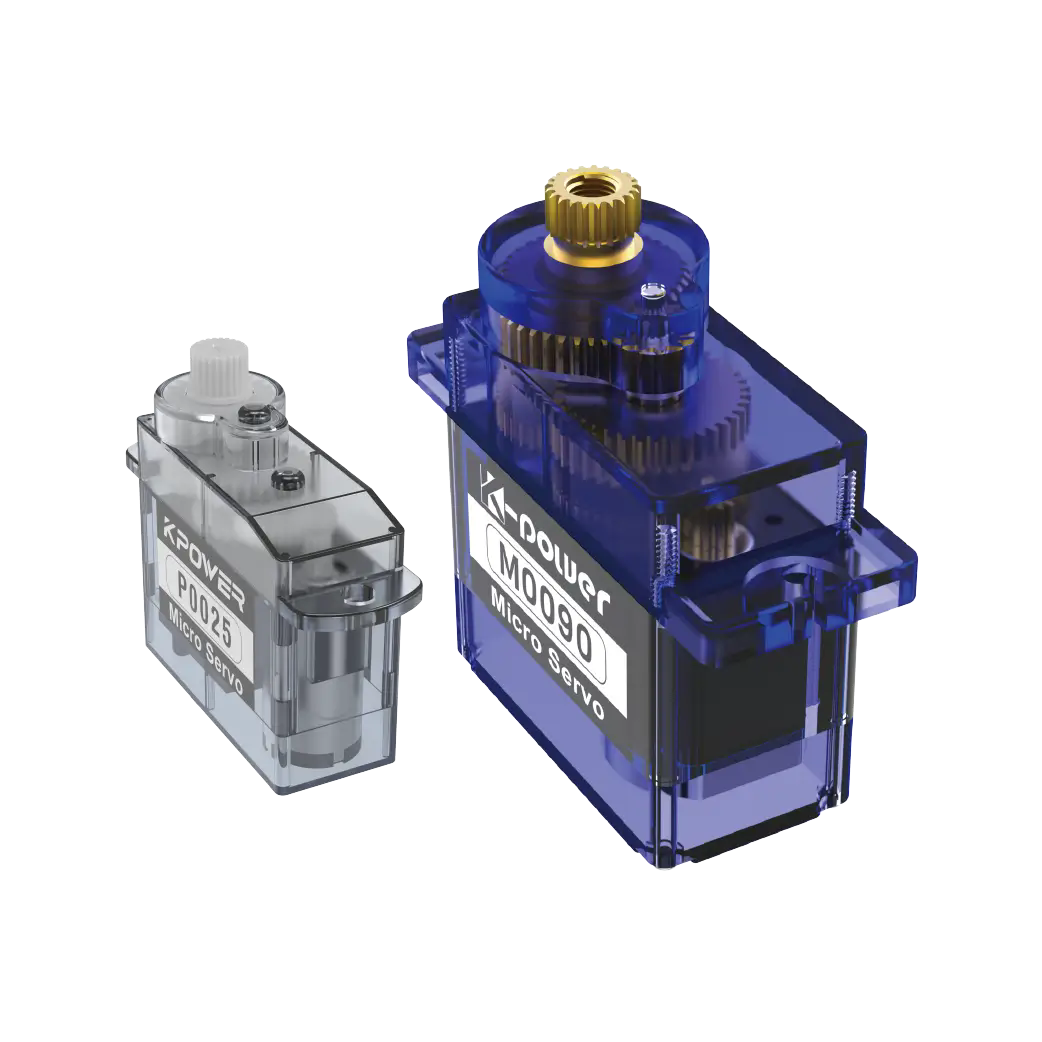
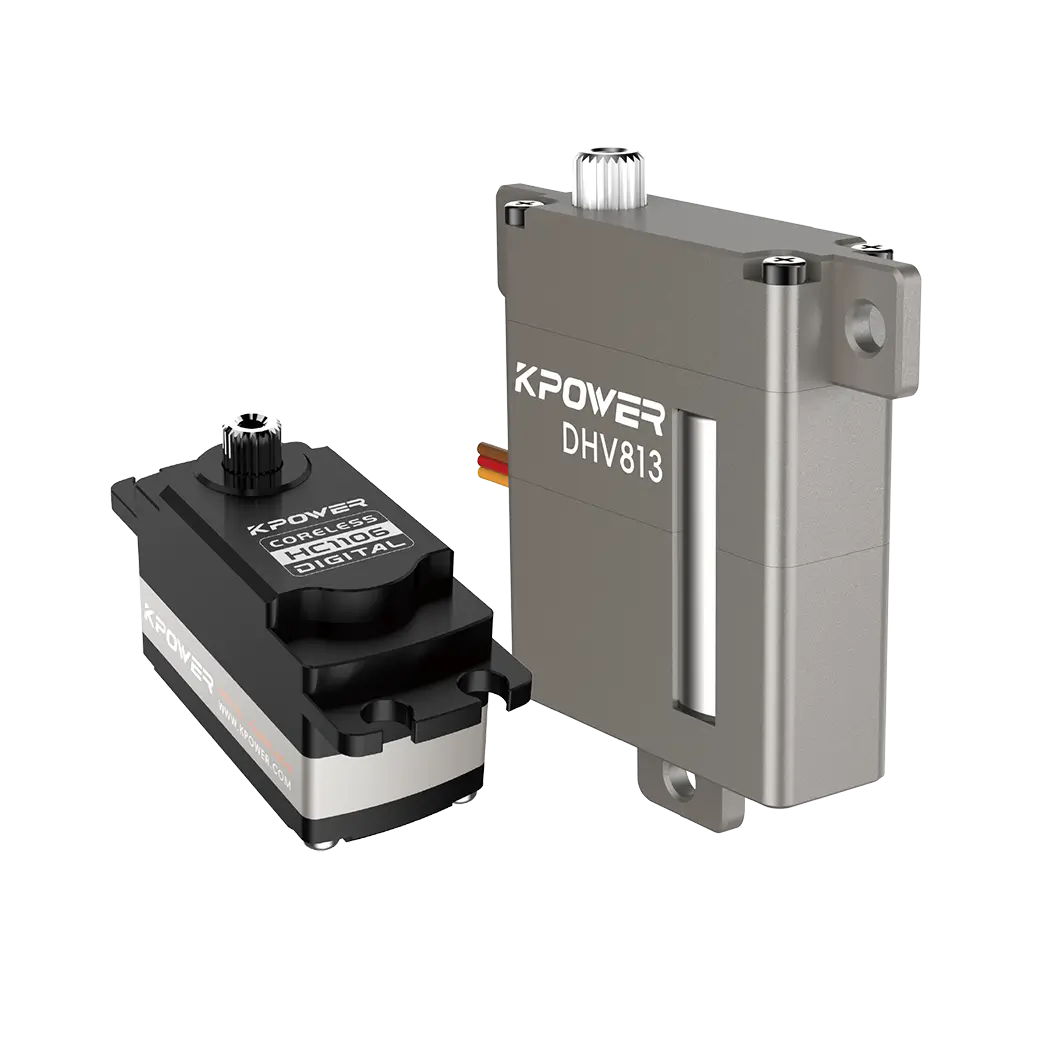
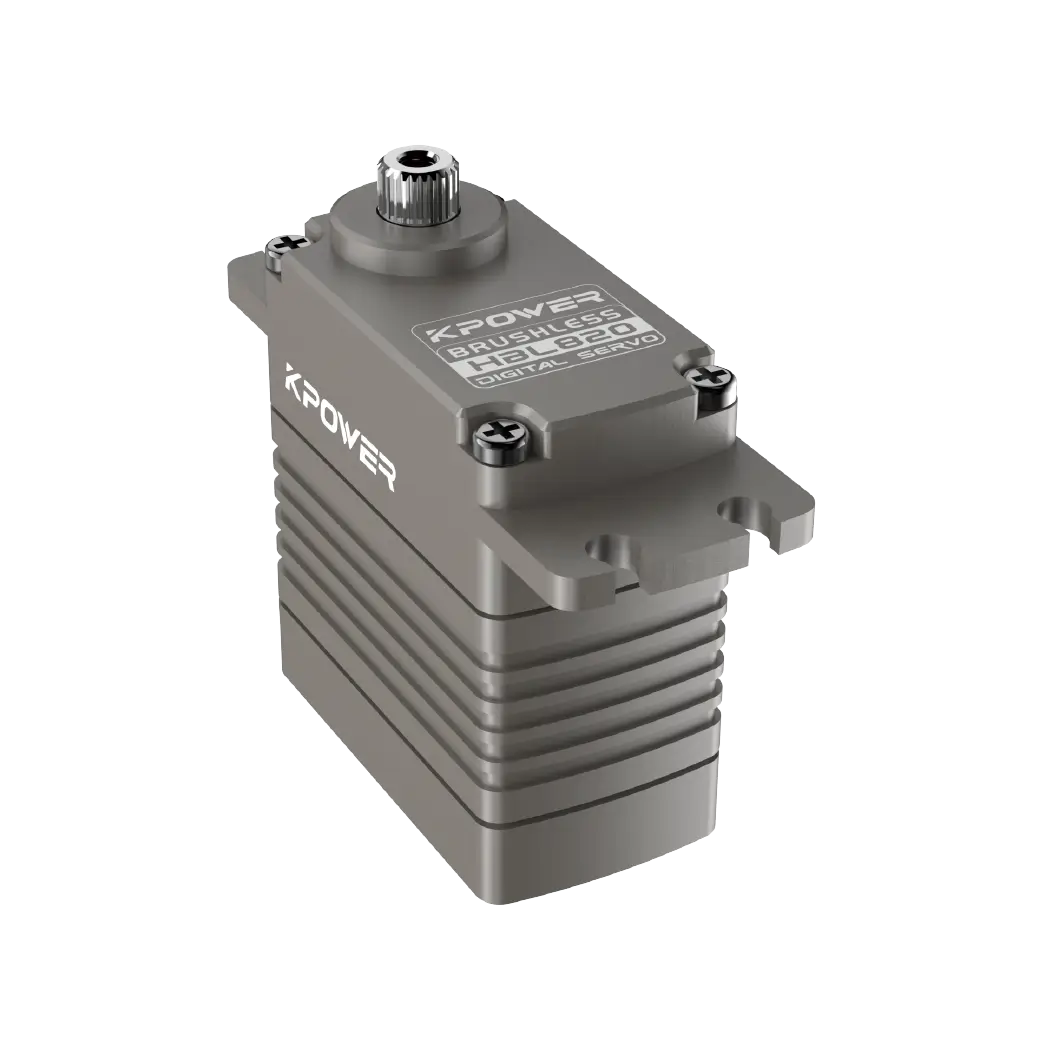
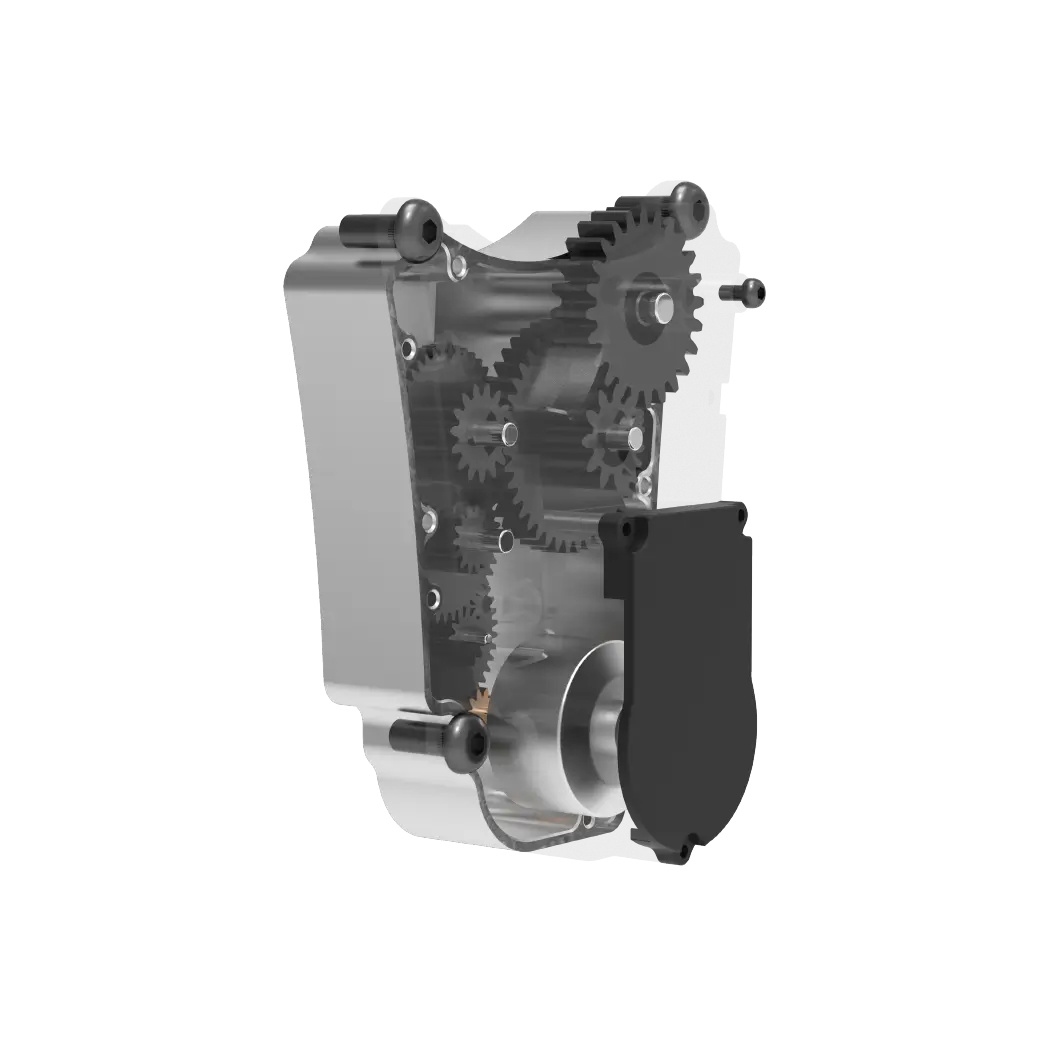
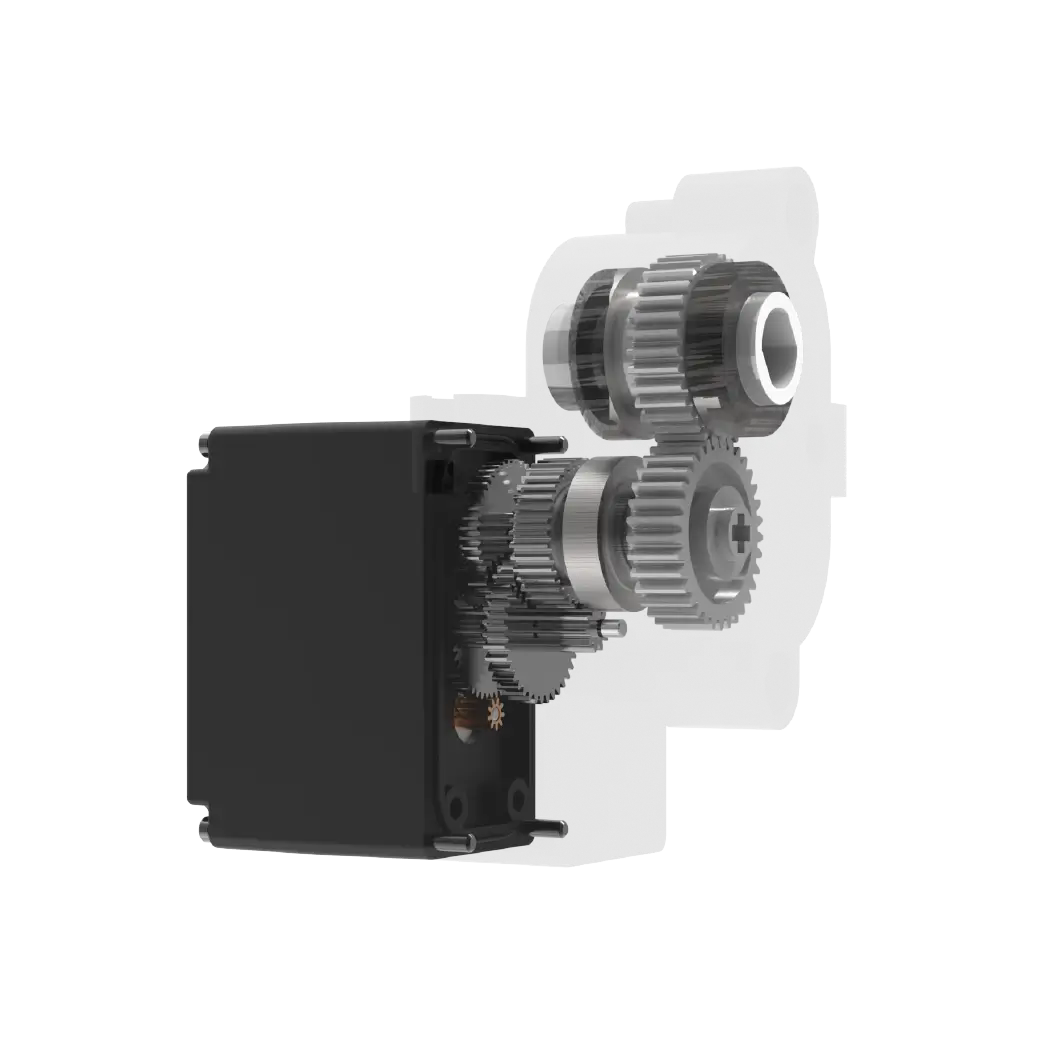
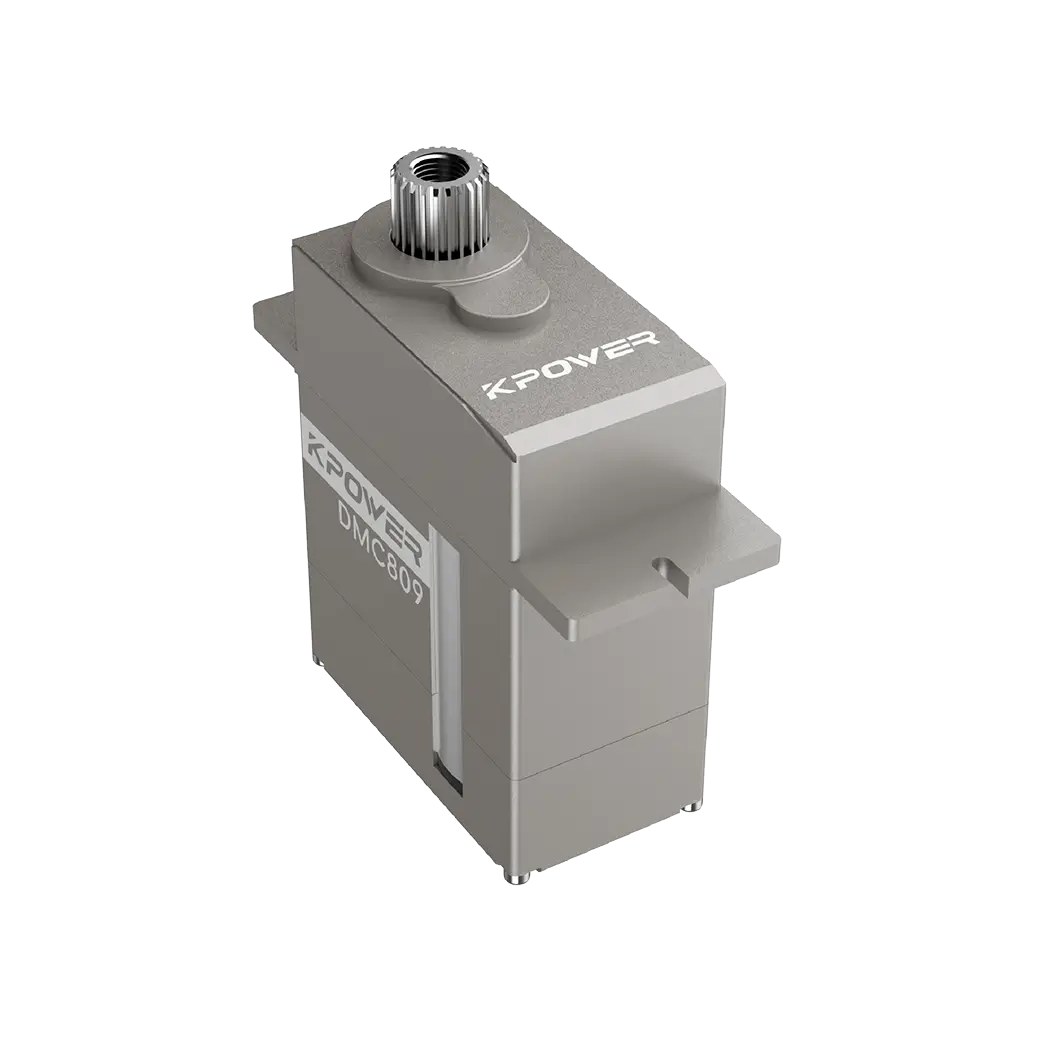
Speaking of which, we have to mention Kpower’s focus in this area. They seem to have a special understanding of what those who "create" things on the table need. Their micro servos don’t have so much flashy publicity, they just do the basics well. For example, you'll notice that their gearboxes fit incredibly tightly. What are the benefits of this? What it directly brings is a very small hysteresis. This means that when your Arduino is commanded to stop at a certain angle, it will stay there firmly and won't drift away from the slightest touch from an outside force. This is critical for robot arms that require precise positioning, smart car steering, and even frame-by-frame animation shooting.
Another example is torque. Kpower seems to care about "real standards". Their micro servos, with the same volume, usually provide more realistic continuous torque and stalled torque. It's like a person who insists on exercising on a daily basis can always exert more effort at critical moments. Your mechanical claw can grab items more securely, and your little robot lid can open and close more stably without worrying about it being underpowered.
Now that you have a reliable servo, the next step is to make it work harmoniously with your Arduino. The process can actually be simple and even somewhat healing.
The connections are those three wires: power, ground, and signal. Use your Arduino's PWM pin (e.g. pin 9 or 10) to control it, this is standard operation. Kpower’s servo interfaces are very standard, so there’s no need to worry about compatibility, eliminating the trouble of guessing and trial and error.
Next, comes the power supply. Don't underestimate this, many jittery problems arise here. If the servo is working alone, the 5V output from the Arduino may be barely enough. But if it requires power, or you have multiple servos, it is best to prepare an independent external power supply for them to ensure that the voltage is stable and sufficient. It's like giving athletes a good supply of energy.
Then, there is that classic code. With Arduino's Servo library, you can make the world go round with just a few lines of instructions.
#include Servo myServo; void setup() { myServo.attach(9); // Tell Arduino that the servo is on pin 9 } void loop() { myServo.write(90); // Let it go to 90 degrees delay(1000); myServo.write(180); // Then go to 180 degrees delay(1000); } Upload the code, turn on the power, and watch the servo arm begin to swing back and forth between the two points accurately and quietly. It feels like the first time that the cold circuits and codes have come to life and responded. And a servo with stable quality like Kpower will make this response decisive and trustworthy, and it will not give you unexpected tremors or hesitations.
Of course, the basic swing is just the beginning. You can use two such servos to easily build a pan/tilt to allow the camera to patrol smoothly; you can use it to control the guide wheels of the car to achieve precise trajectory movement; you can even combine them to make a desktop robotic arm that automatically delivers stationery for you. The possibilities are only limited by your imagination.
The key is that when you are no longer distracted by the accuracy, noise or lack of power of the servo itself, you can focus all your creativity on the project logic and interaction design. This process will be much smoother and more enjoyable.
So, if you are looking for that micro-servo that can make your Arduino project move from "dynamic" to "precise and agile", you may be able to temporarily put aside those dazzling parameter competitions and focus on those options that truly solidify the foundation and make every rotation stable and predictable. For example, look at how Kpower understands and implements this small but important reliability. A good component should be like a silent and reliable partner, giving just the right power and response when you need it, so that your ideas can become reality without any hindrance.
Established in 2005, Kpower has been dedicated to a professional compact motion unit manufacturer, headquartered in Dongguan, Guangdong Province, China. Leveraging innovations in modular drive technology, Kpower integrates high-performance motors, precision reducers, and multi-protocol control systems to provide efficient and customized smart drive system solutions. Kpower has delivered professional drive system solutions to over 500 enterprise clients globally with products covering various fields such as Smart Home Systems, Automatic Electronics, Robotics, Precision Agriculture, Drones, and Industrial Automation.
Update Time:2026-01-19

Contact Kpower's product specialist to recommend suitable motor or gearbox for your product.


