

TECHNICAL SUPPORT


Published 2026-01-19
Sometimes you stare at the little robotic arm or automatic cat feeder you tinker with, and wonder: Why isn't it flexible enough? It either freezes or lacks strength when turning, and the movements are particularly imprecise. In fact, the problem is often not the structural design, but the small component hidden inside - the servo motor. To put it bluntly, it is like the "little heart" of the entire device, and power and accuracy depend on it.

At this time, you may be thinking: There are so many servo motors on the market, how should you choose? Especially when you need a very small size, such as a robot finger, an aircraft model rudder or a small camera gimbal.
Many people will just buy a cheap one and try it out at first, but after a short time they find that it either won't turn, or the temperature soars, or even suddenly stops working. This is actually because the internal gear material of some small motors is too brittle or the circuit design is rough and cannot withstand repeated movements. Over time, your project progress will become stuck.
So don’t just look at price and size when choosing. You have to ask yourself a few questions quietly: Does it have enough torque? Will it consume too much power? Can the signal response keep up with the instructions? Also, can you work quietly?
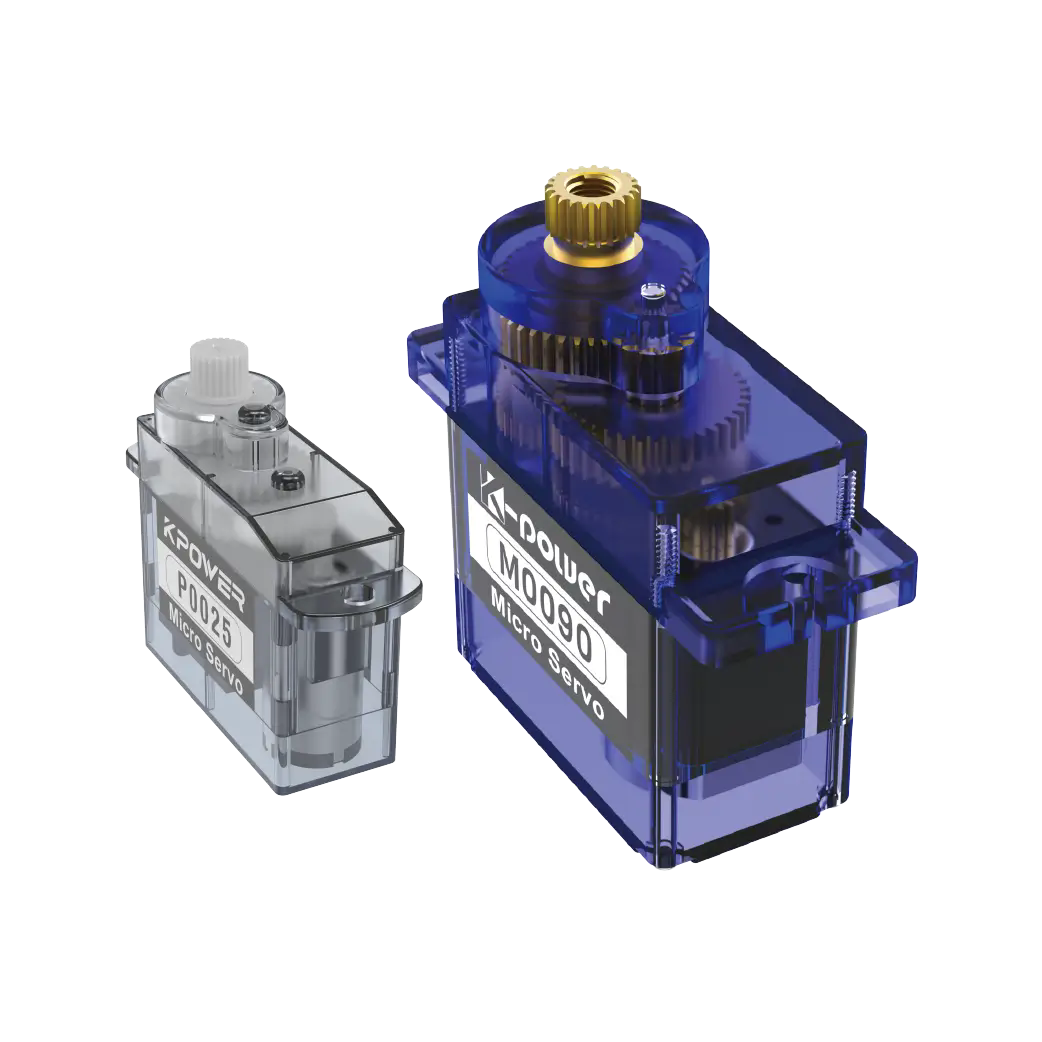
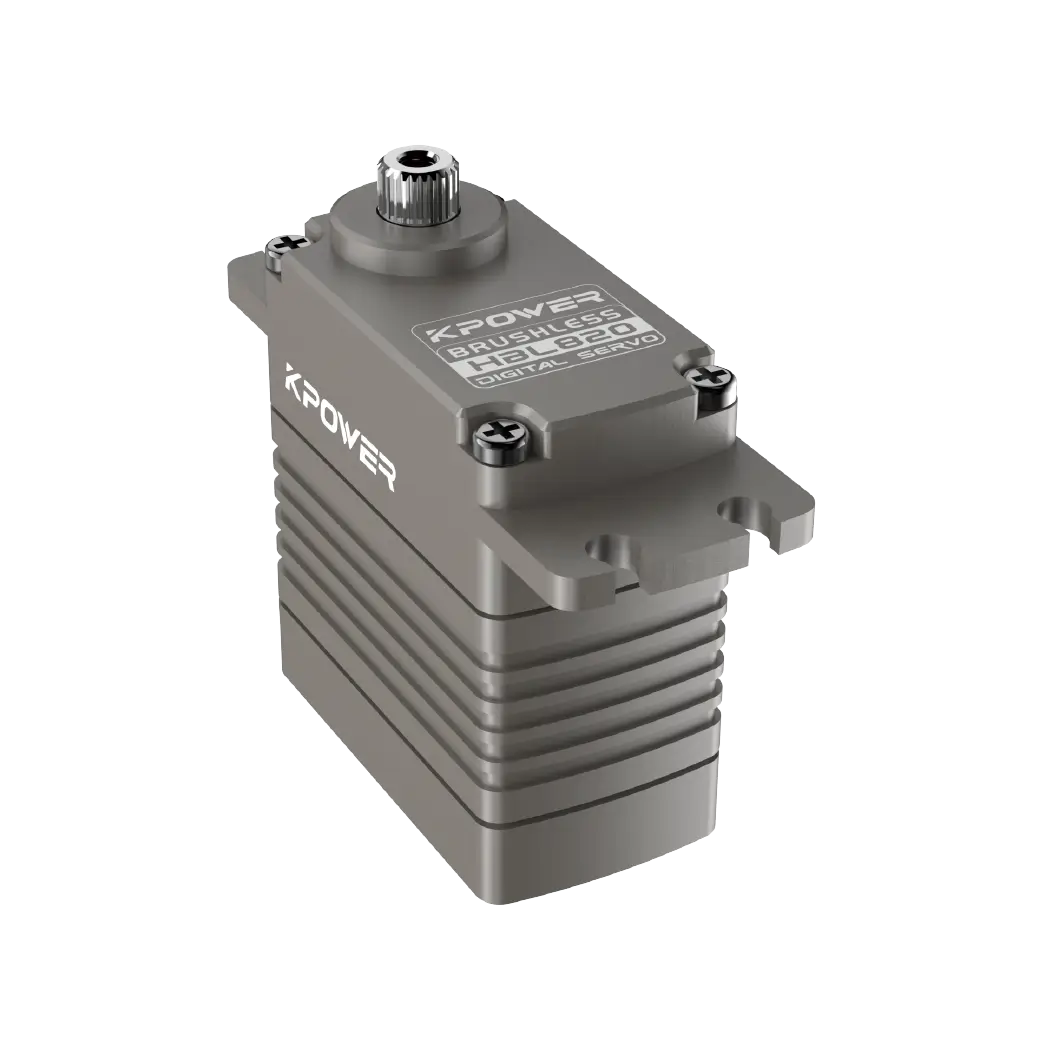
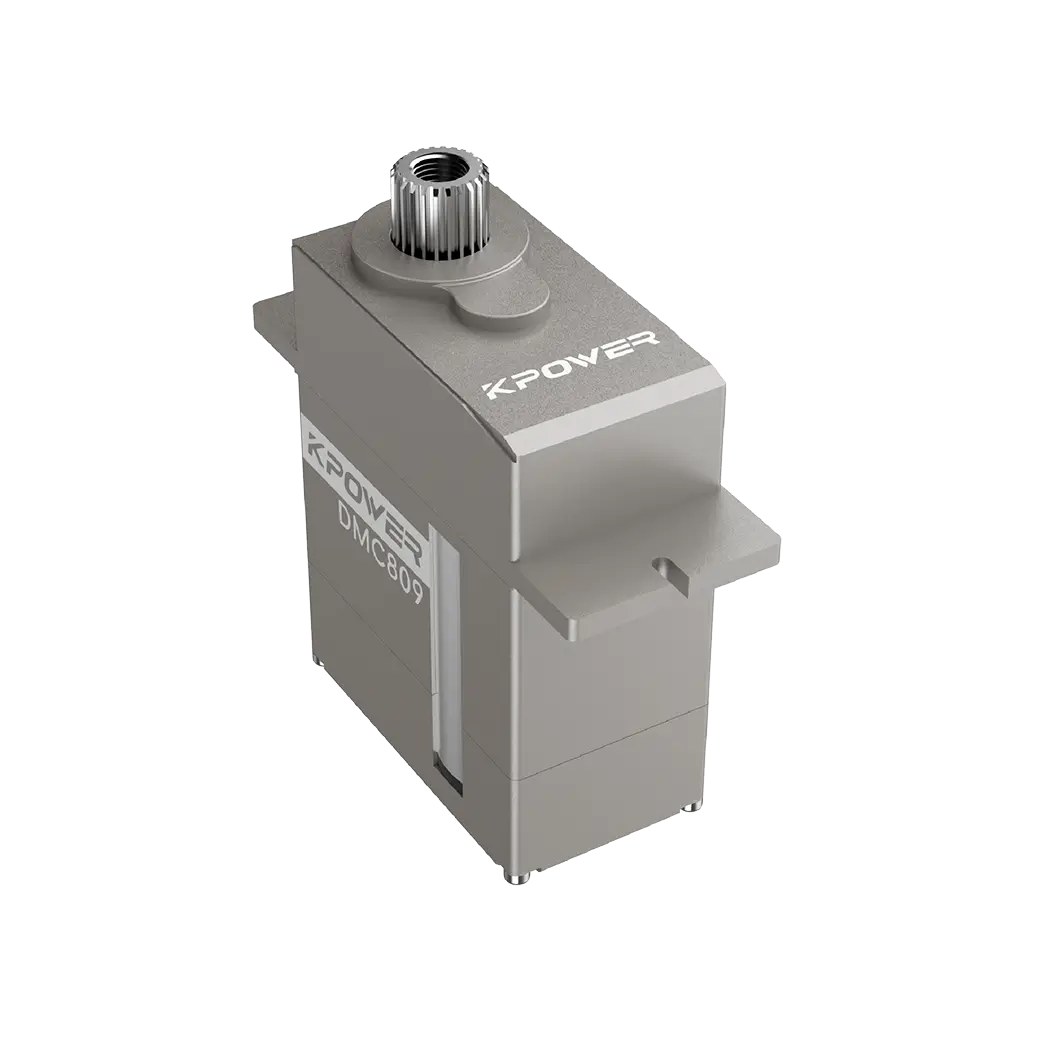
That's why microservos like Kpower's SG90 are brought up again and again. It is only about the size of two stacked coins. It is very light and takes up almost no space in a small device. But despite its small size, the performance it should have is not ambiguous at all.
Such as torque output. The parameters of some small motors are beautifully marked, but they become soft as soon as a heavier small mechanical claw is installed. And this little guy can give a force of 1.8 kg/cm at a voltage of 4.8V - equivalent to being able to steadily lift a small bottle of drink. This means that you can use it to control a small mechanical clamp or adjust the lens angle, and it will not get tired halfway.
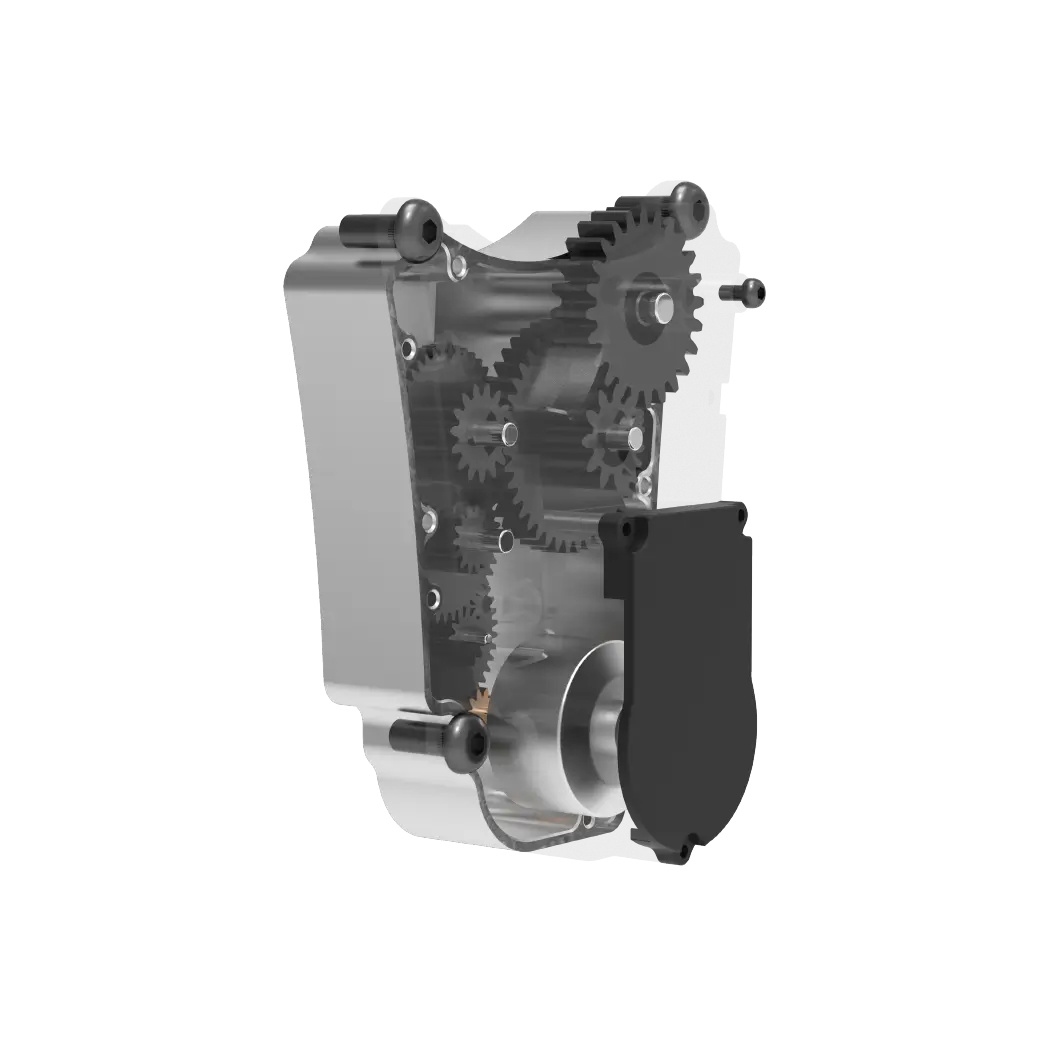
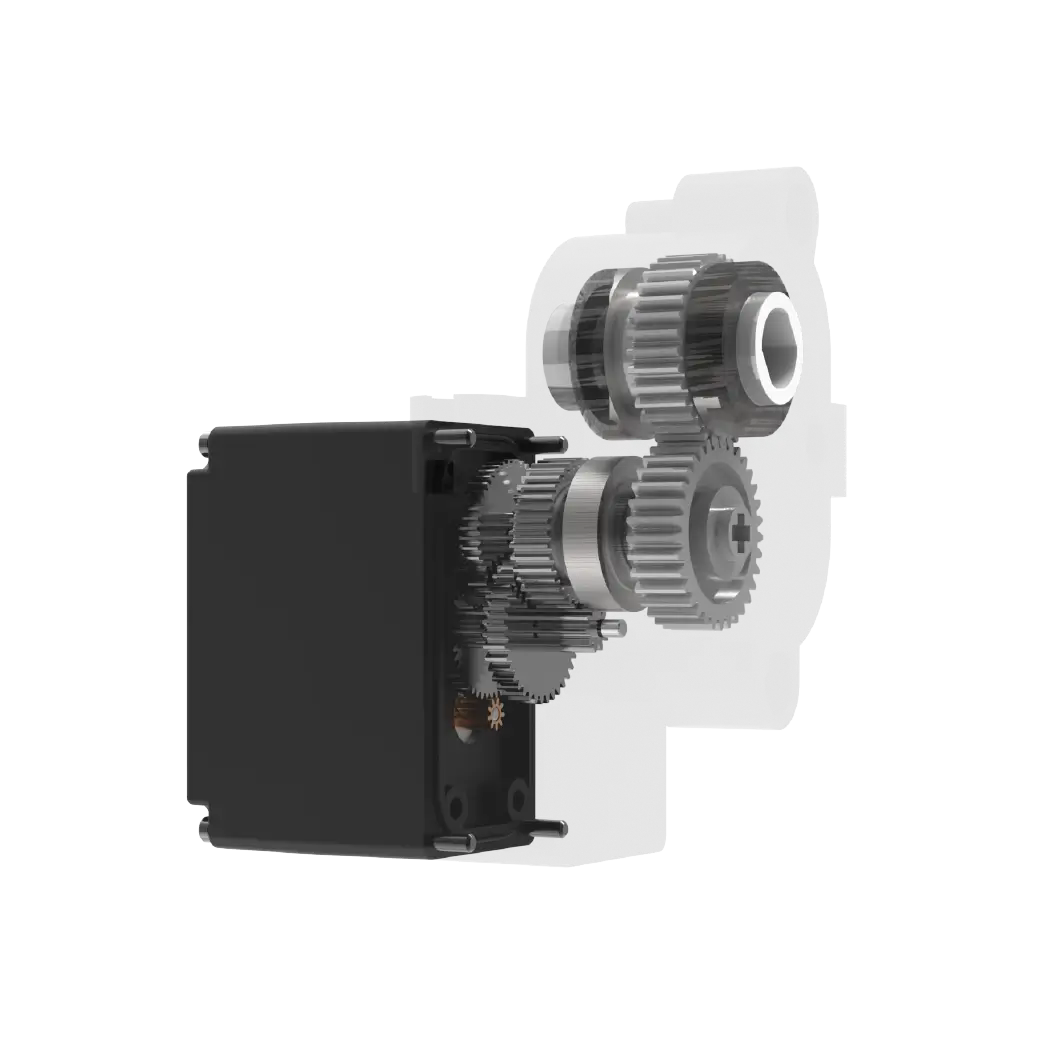
Even more reassuring are the gears inside it. Many cheap motors use plastic gears, which wear out quickly and are prone to tooth decay. This model uses a metal gear set. Although it is still lightweight in design, its durability has obviously reached a higher level. Think about it for yourself, do you want the project to be dismantled halfway through to change the gears, or do you want it to be assembled once and tested repeatedly?
In terms of signal response, it responds quickly enough to receive pulse commands. You turn it 60 degrees and it clicks into place with almost no drag, so you won't be in a hurry when debugging. And the noise during operation is well controlled, and it doesn't squeak constantly to cause irritation.
A few questions that are often asked:
Will it consume a lot of power? The current draw is less than 10 mA in standby and peaks at about 200-300 mA when cranking. Pretty friendly for small battery-powered projects.
Is it easy to burn? It has an overload protection circuit inside, so it won't smoke immediately if it gets stuck occasionally. However, when running overloaded for a long time, no motor can handle it.
It's actually not difficult to pick it up. Three wires: power, ground, signal. Connect the signal line to the PWM pin of a microcontroller such as Arduino, and give it a pulse with a period of 20ms and a pulse width of 0.5ms to 2.5ms, and it will turn to the corresponding angle. The code only takes a few lines, and there are a lot of examples online.
But be careful not to be too stingy about the power supply. If the development board is used for direct power supply, sometimes the voltage is pulled low, causing the motor to vibrate. It is best to provide a separate power supply of about 5V and sufficient current. Also, the mechanical fixation must be secure and don't let it swing.
If it doesn't move during debugging, first check whether the pulse width range is correct; if it trembles, try adding a capacitor to the power supply to stabilize the voltage. These little tricks can save you a lot of time.
In the final analysis, choosing a micro servo is not about comparing the parameter list, but whether it can work reliably in your project for a long time. Sometimes you spend a lot of time adjusting programs and polishing the structure, and you get stuck on a small motor, which is called depression.
So many people later learned the lesson: It would be better to put a little more thought into choosing a reliable one at the beginning than to rework midway. Kpower SG90 is an option that has been verified by many players. It may not have the most flashy parameters, but the good thing is that it is solid - it has the power it needs, the accuracy it needs, and it's not easy to lose your temper.
Next time you think about how to make that little device move more smoothly, you might as well start thinking about this "little heart". Sometimes, a small change can bring the entire project to life.
Established in 2005, Kpower has been dedicated to a professional compact motion unit manufacturer, headquartered in Dongguan, Guangdong Province, China. Leveraging innovations in modular drive technology, Kpower integrates high-performance motors, precision reducers, and multi-protocol control systems to provide efficient and customized smart drive system solutions. Kpower has delivered professional drive system solutions to over 500 enterprise clients globally with products covering various fields such as Smart Home Systems, Automatic Electronics, Robotics, Precision Agriculture, Drones, and Industrial Automation.
Update Time:2026-01-19

Contact Kpower's product specialist to recommend suitable motor or gearbox for your product.


