

TECHNICAL SUPPORT


Published 2026-01-19
Have you ever encountered such a situation? I wanted to make a certain mechanical part rotate continuously, but found that the servo in my hand could only rotate 180 degrees before getting stuck. It feels like suddenly encountering a roadblock while driving. The destination is clearly in front of you, but you can't get past it.
Traditional steering gear has such limitations in design. They have potentiometers inside to detect position, which means they can only work within a specific angle range. But in reality, many projects require 360-degree rotation without blind spots - whether it is an automated display platform, a transmission device that requires continuous rotation, or even those creative mechanical art installations.

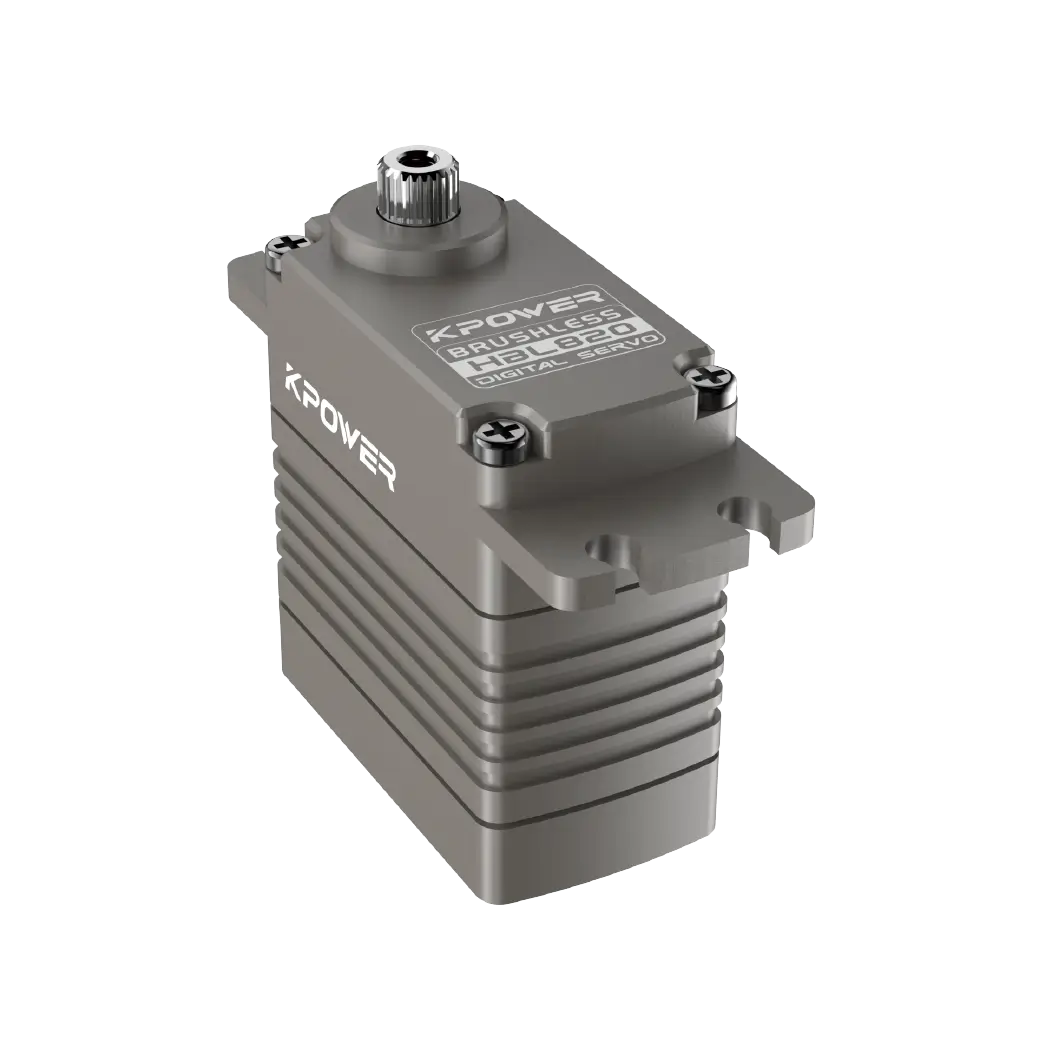
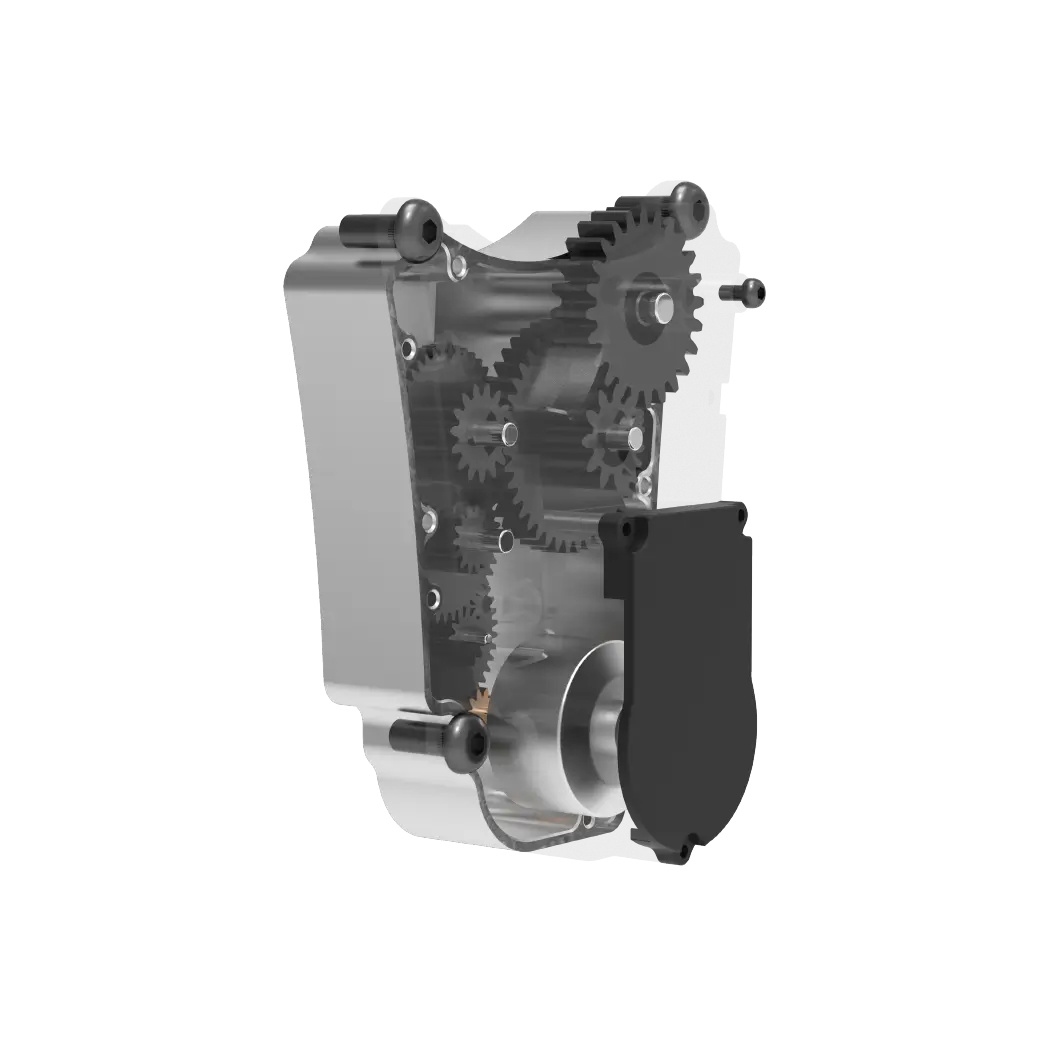
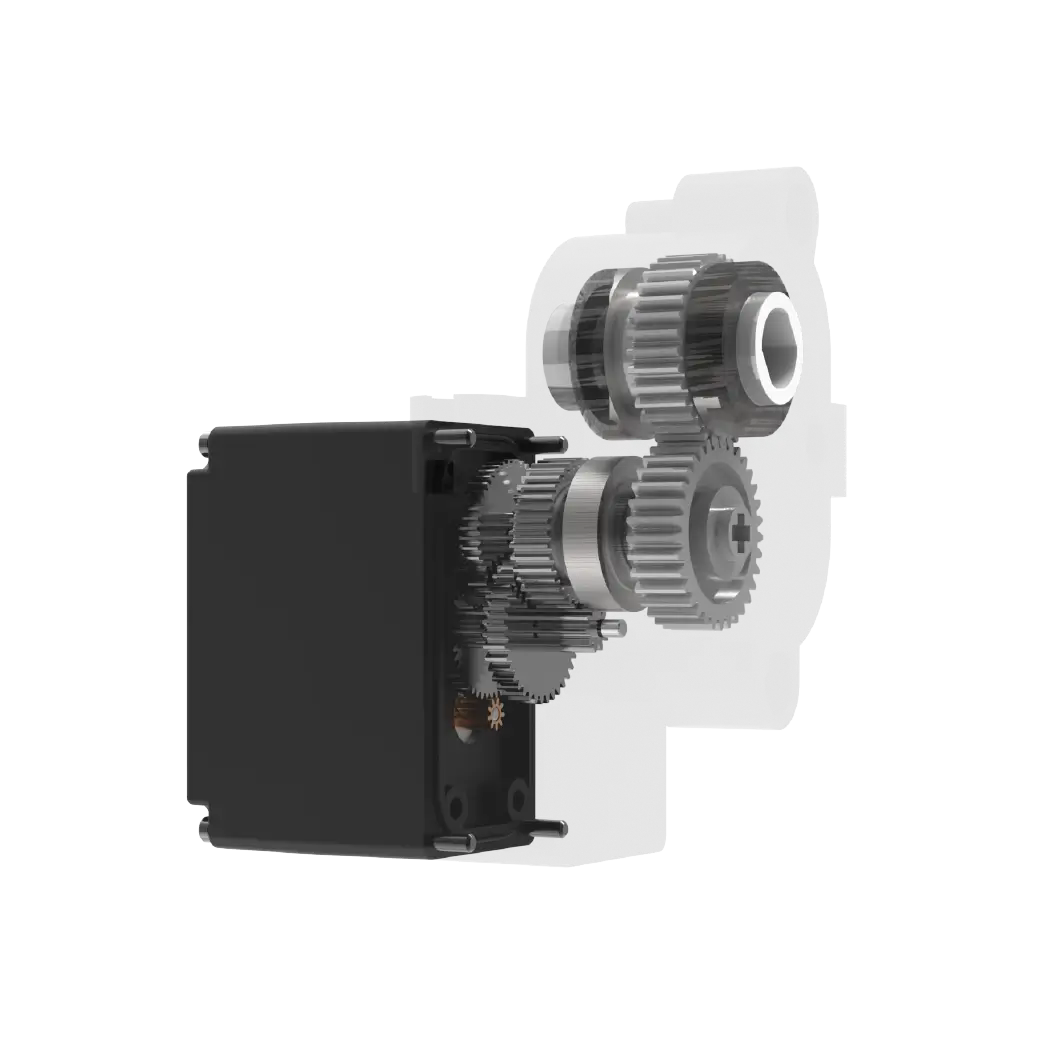
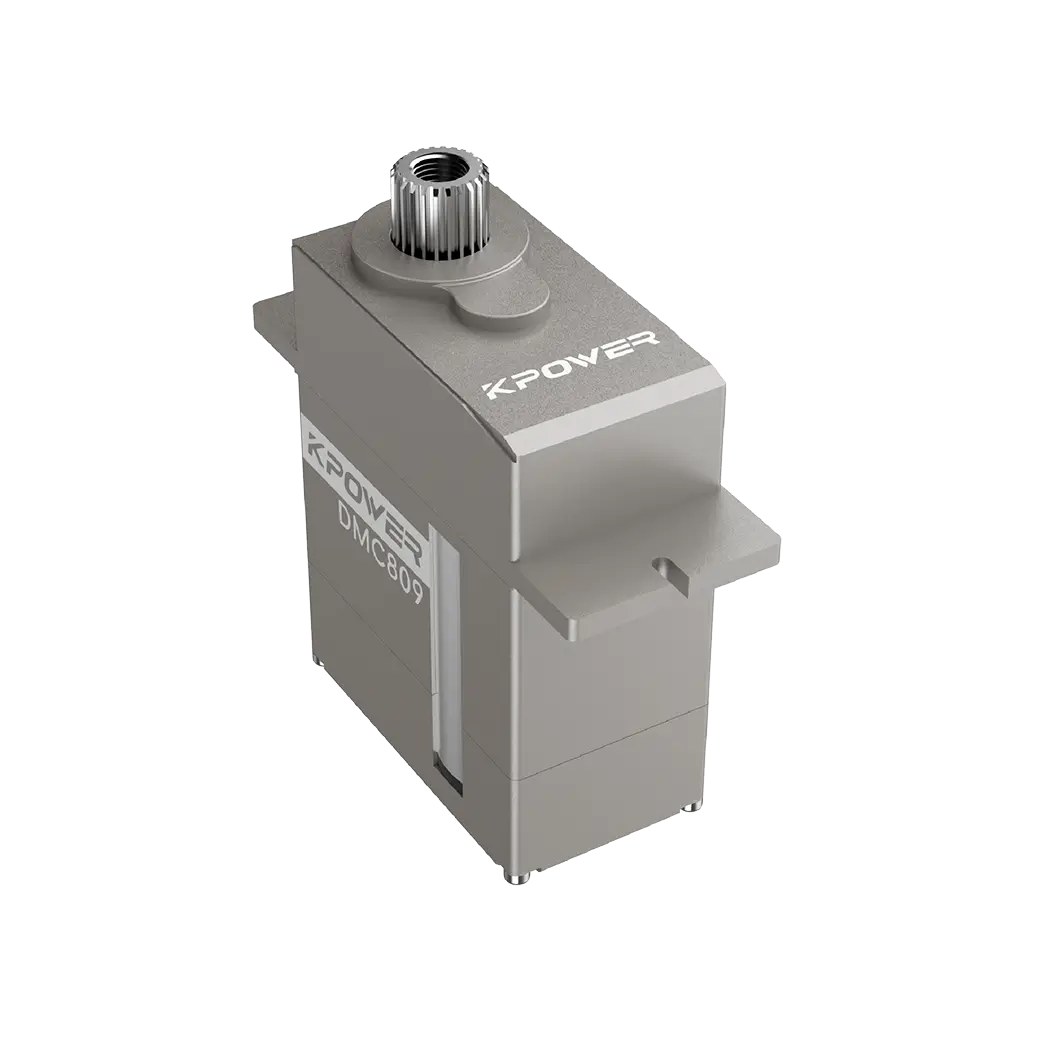
It looks very similar to an ordinary servo, but the core is completely different. Open the case and you will find that there is no potentiometer inside to limit the rotation. It is replaced by a more flexible design that allows it to continue rotating like an ordinary motor while retaining the precise control characteristics of the servo.
How does this thing work? It's actually quite clever. The control signal it receives is no longer "go to a certain position" but "rotate at a certain speed." The pulse width determines the direction and speed of rotation - short pulses make the motor rotate clockwise, long pulses make the motor counterclockwise, and the pulse width in between corresponds to a stop state.
There are many similar products on the market, but the differences are often hidden in the details. Some products will produce significant jitter when they continue to rotate, and some will have unstable speeds when the load changes. These problems may not be obvious during the prototyping stage, but they can become real troubles when your project requires batch deployment or long-running.
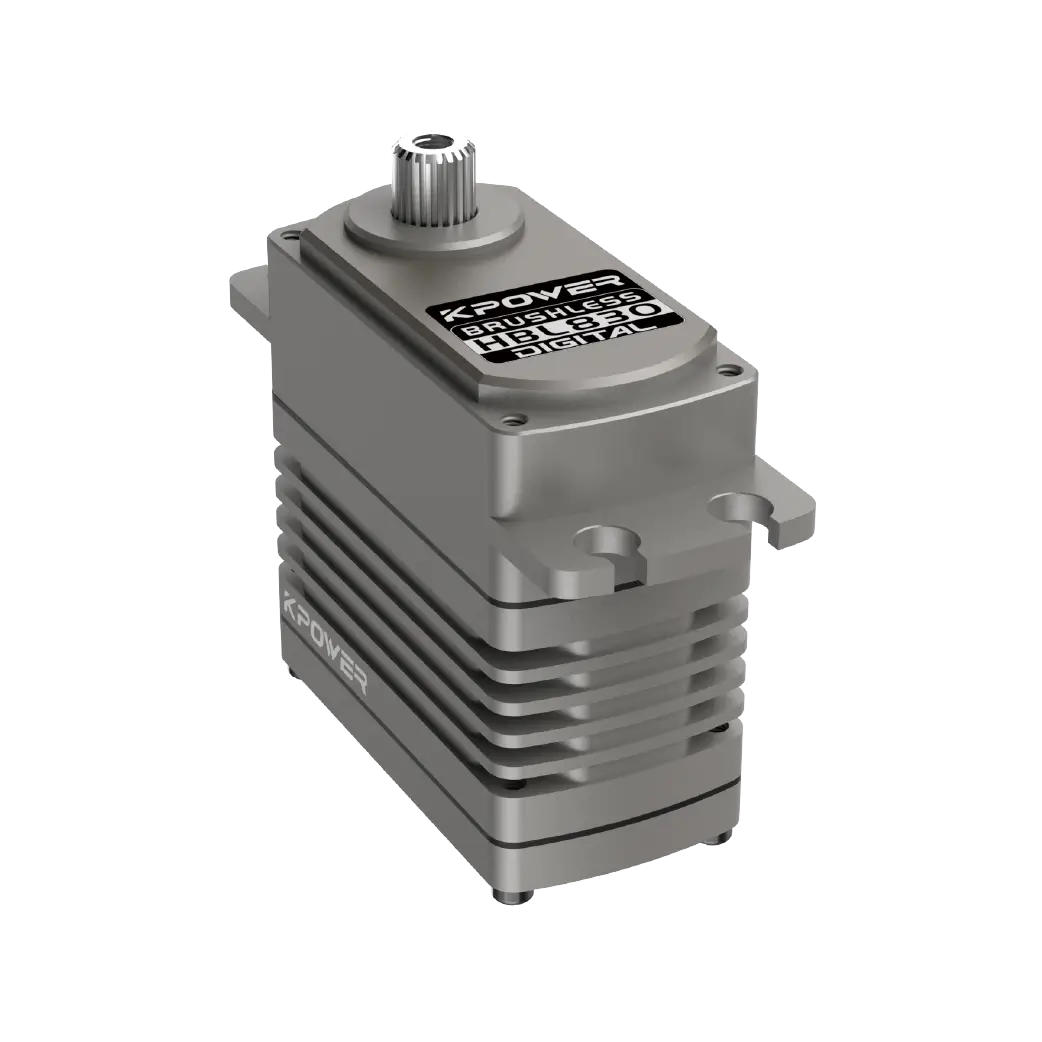
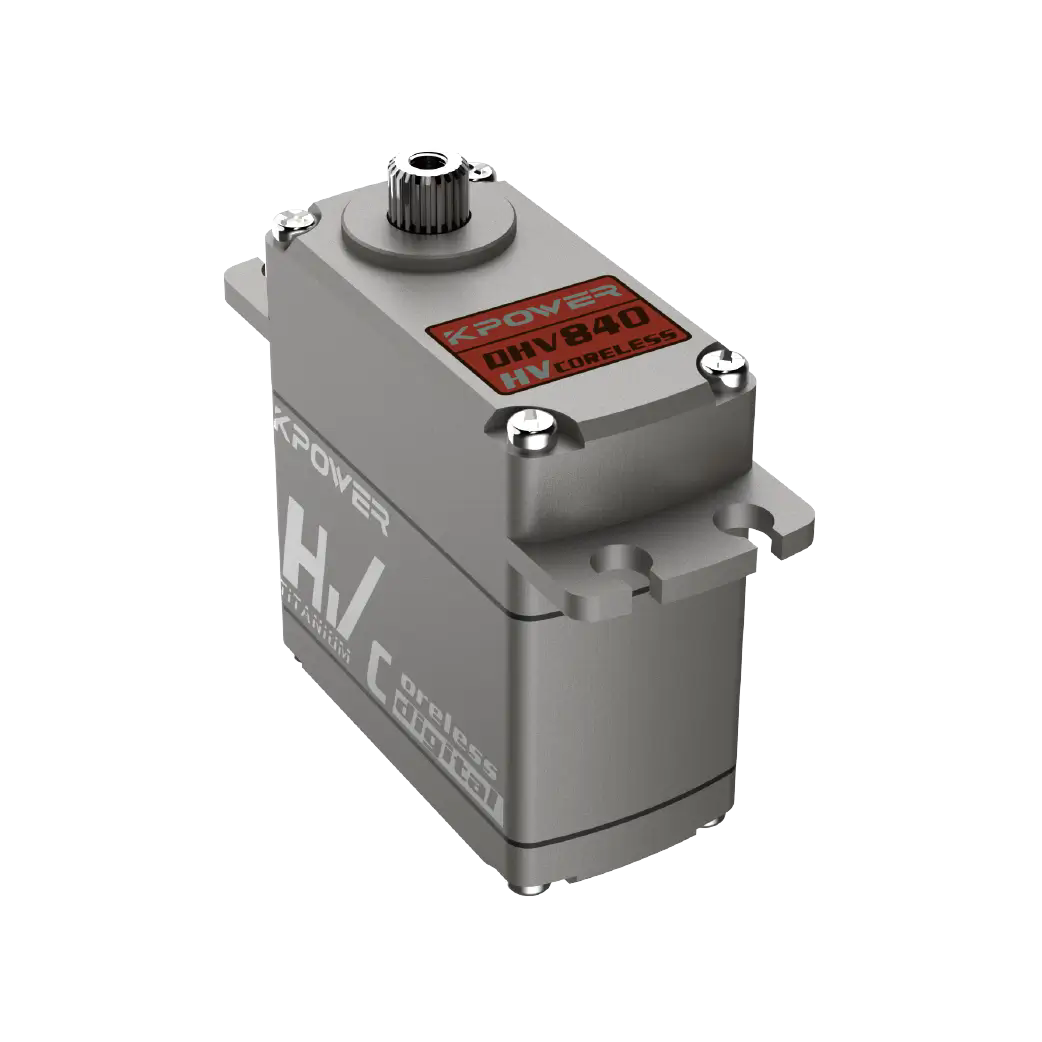
kpowerA lot of work has been done on these details. Their tiny servo motors remain surprisingly smooth in 360-degree rotation mode. This is due to precise gear design and excellent control. The gearbox uses special materials and processing techniques, resulting in minimal wear during long-term rotation; and the response curve of the motor itself is adjusted to be more linear, making speed control more intuitive.
Speaking of controls, this is the really fun part. You don't need to learn a whole new programming method - if you've used a regular servo before, you already know how to control it. The same three wires: power, ground and signal wires; the same control protocol. Only now, the signal you're sending no longer represents angle, but rather rotational speed. This seamless transition makes project upgrades particularly easy.
Someone may ask: "If it rotates like an ordinary motor, what is the difference between it and an ordinary DC motor?" This question is critical. The difference lies in control accuracy and ease of use. Ordinary DC motors usually require additional encoders and complex drive circuits if precise speed control is required. The Micro Servo Motor 360 has all these functions built-in. You only need to send a PWM signal like a servo, and it will take care of the rest.
In real projects, this convenience saves a lot of time. For example, when making an automatically rotating display stand, it may take several days to debug the motor drive and feedback system using traditional solutions. With this kind of servo motor, the system may be able to run smoothly in a few hours.
There is also the issue of durability. Continuous rotation means that mechanical components are subject to more cyclic stress.kpowerThe product is very thoughtful in this regard. They use higher specification bearings and reinforced gear structures, allowing the motors to run for hundreds of hours at rated load without significant performance degradation. This is a very practical advantage for projects that require long-term operation.
Getting started is actually easy. The hardware connections are exactly the same as ordinary servos - which lowers the learning threshold. On the software side, if you use a common development platform, there is usually already ready-made library support. Even if you need to write the control code yourself, the principle is very straightforward: according to the required rotation speed and direction, calculate the corresponding pulse width, and then send this signal regularly.
There is a little tip worth sharing: when you first start debugging, let the motor run under no load and observe whether its rotation is smooth. Then gradually increase the load and observe whether the speed changes significantly. A good 360-degree servo motor should maintain a relatively stable rotation speed when the load changes moderately.
Another common problem is power. A continuously rotating motor may produce a large current demand at startup or when the load suddenly increases. , it is important to provide it with sufficient and stable power. If the power supply capacity is insufficient, the motor may not reach the expected speed or stop completely under heavy load.
In addition to the obvious applications, such as rotating platforms or conveyor belts, this type of motor can also play a unique role in some creative projects. Imagine a constantly rotating sculpture that creates dynamic light and shadow effects through precise speed control; or an automated painting device that regulates the application of paint by controlling the speed of rotation.
In these applications, the smoothness and reliability of the motor become critical. Any irregular jitter or speed fluctuation will directly affect the final effect. And this is where the value of great products comes in – they not only provide basic functionality, but also maintain stable performance in demanding application scenarios.
When choosing this type of product, in addition to looking at basic parameters, actual experience is equally important. In Kpower's design philosophy, user experience is always at the core. Their products are tested under actual loads before leaving the factory to ensure that each motor can work reliably under nominal parameters. This attention to detail allows end users to focus more on the creativity of the project rather than constant debugging and repair.
In the world of mechanical control, sometimes a small change can open up new possibilities. When rotation is no longer limited by angle, when control becomes as simple as adjusting a speed knob, once complex mechanical design issues may suddenly become clear. And this is perhaps the most fascinating thing about technological progress - not to subvert everything, but to make just the right improvements at key nodes to make the creative process more smooth and natural.
Established in 2005, Kpower has been dedicated to a professional compact motion unit manufacturer, headquartered in Dongguan, Guangdong Province, China. Leveraging innovations in modular drive technology, Kpower integrates high-performance motors, precision reducers, and multi-protocol control systems to provide efficient and customized smart drive system solutions. Kpower has delivered professional drive system solutions to over 500 enterprise clients globally with products covering various fields such as Smart Home Systems, Automatic Electronics, Robotics, Precision Agriculture, Drones, and Industrial Automation.
Update Time:2026-01-19

Contact Kpower's product specialist to recommend suitable motor or gearbox for your product.


