

TECHNICAL SUPPORT


Published 2026-01-19
Have you ever had the experience of spending several days designing an exquisite machine, or assembling a small robot with great expectations, only to find that after installing the servo, the movement is stuck, weak, or even creaking? What was supposed to be the finishing touch turned out to be the "shortcoming" of the entire project. It felt like a well-prepared feast only to be served with a disappointing main course.

Many people think that micro servos are all the same, so just choose one that can turn. But reality often teaches you a lesson. Those servos with insufficient precision, insufficient strength or short lifespan will make your creativity fall directly from the "eureka moment" into the bottomless pit of "repeated debugging". Time is wasted and enthusiasm is wasted. Ultimately, the problem isn’t your design, it’s the core component that’s supposed to be a reliable partner—did you really choose the right one?
It shouldn't just be a rotating part. Think about it, what do you need it for? Should the robot's arms grab objects smoothly, or should the car's steering be precise? Is it to ensure that the photography gimbal follows the target smoothly and smoothly, or to give creative artworks a dynamic sense of life?
An excellent micro servo must be "understanding" - that is, control accuracy. You give a command, and it will move to the specified angle without delay and accuracy, without hesitation or deviation. Behind this is its fast and loyal response to signals. It also has to have "a handful of strength" - enough torque. Even if the load changes slightly, it can stabilize the output and push your mechanism instead of idling or shaking. It's a "long-distance runner" - reliability and longevity. You can’t always worry about it wearing out, getting hot, or even breaking down after just a few uses. It needs to withstand repeated testing and long hours of work, be quiet and tough.
Doesn’t this sound a bit idealistic? In fact, this is not the case. This is the baseline that professional-grade micro servos should reach.
With the dazzling array of choices on the market, don’t be attracted by low prices alone. Behind the price are differences in materials, workmanship and quality control. Some key points worth taking a closer look at:
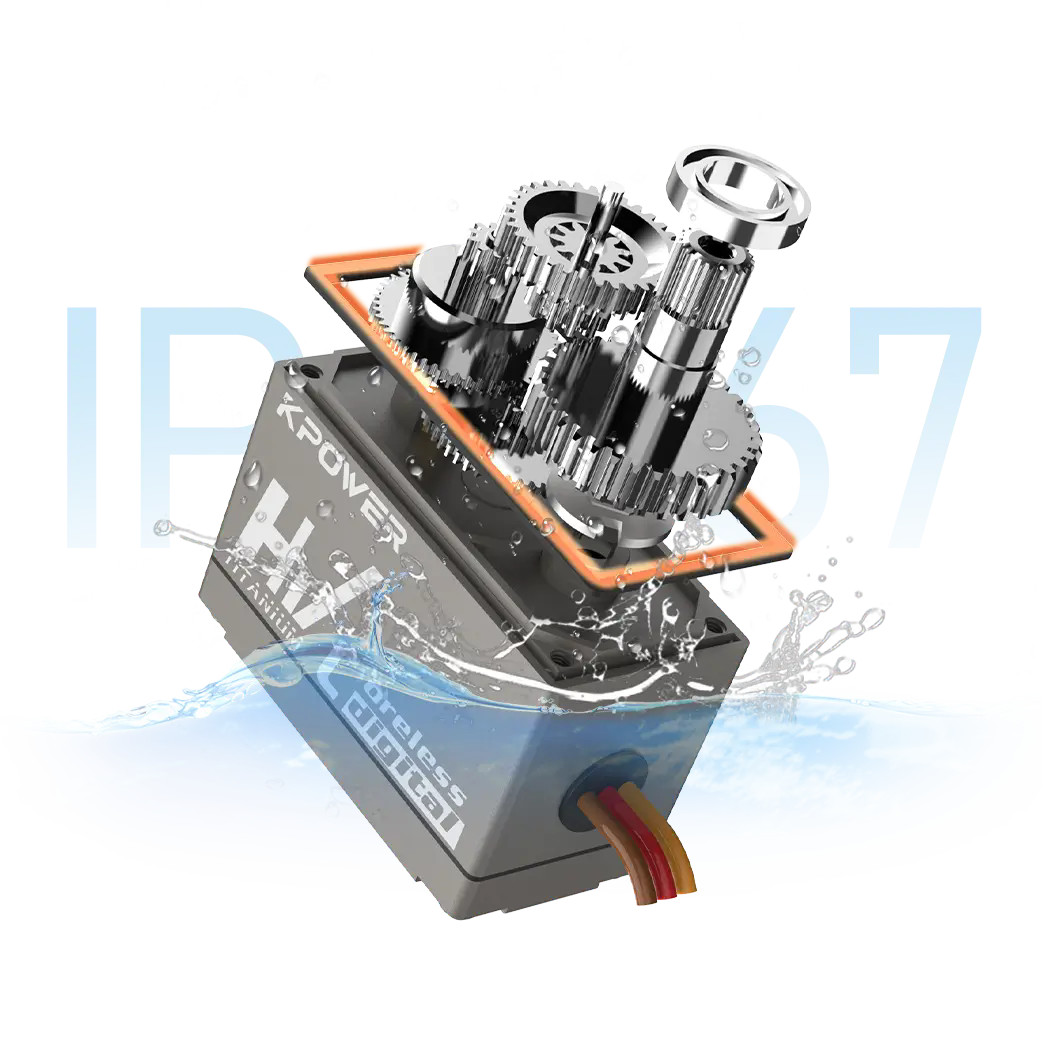
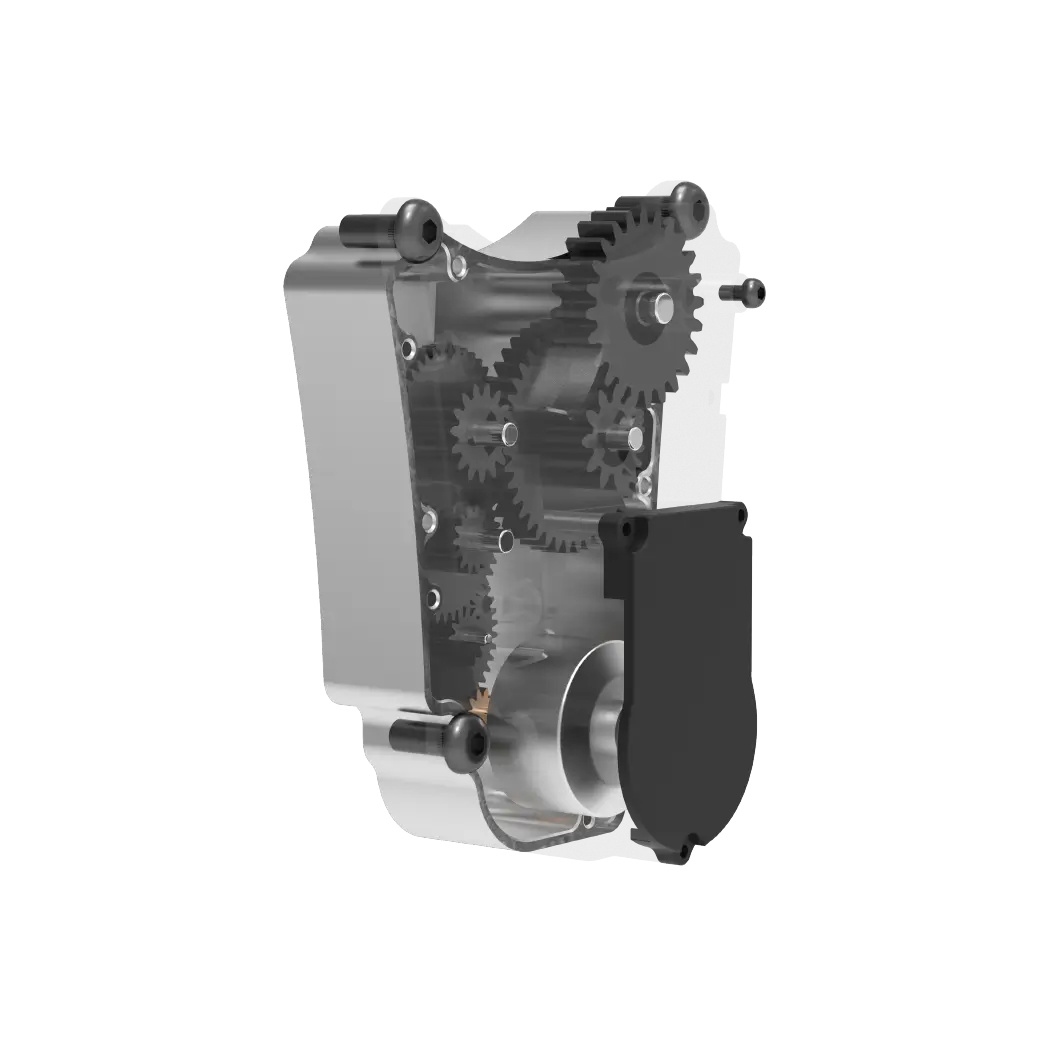
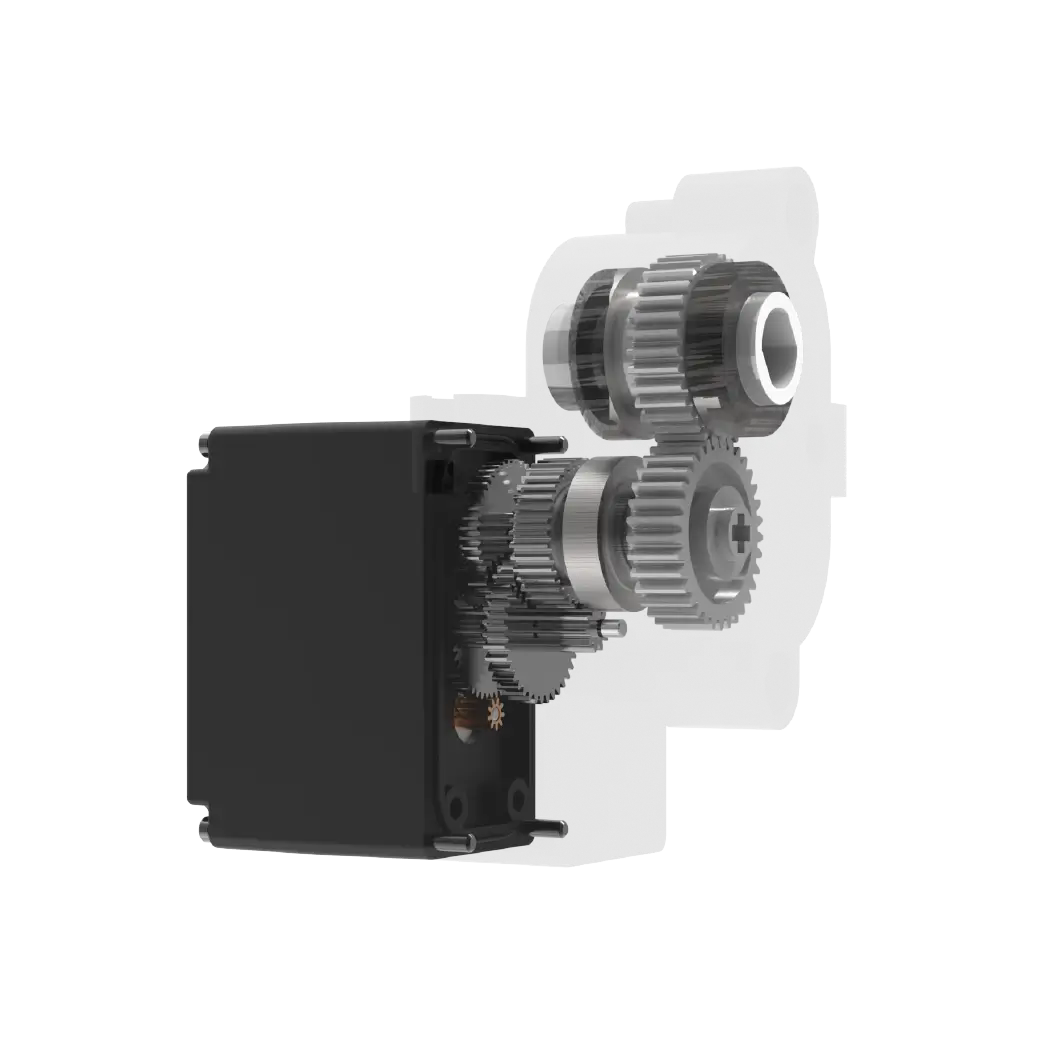
Quality of the core: The core motor and gear set determine the performance upper limit of the servo. Precision metal gears can withstand more force and last longer than regular plastic gears. Efficient motors mean faster response and lower heat generation.
Accuracy of feedback: The built-in potentiometer or encoder is like the "sense" of the steering gear. How accurate it senses its own position, the action will be accurate. This is directly related to whether the final control effect is delicate.
Control response: A good servo can understand subtle command differences, and the movements are smooth without abrupt starts or stops. This is crucial for projects that pursue fluid motion.
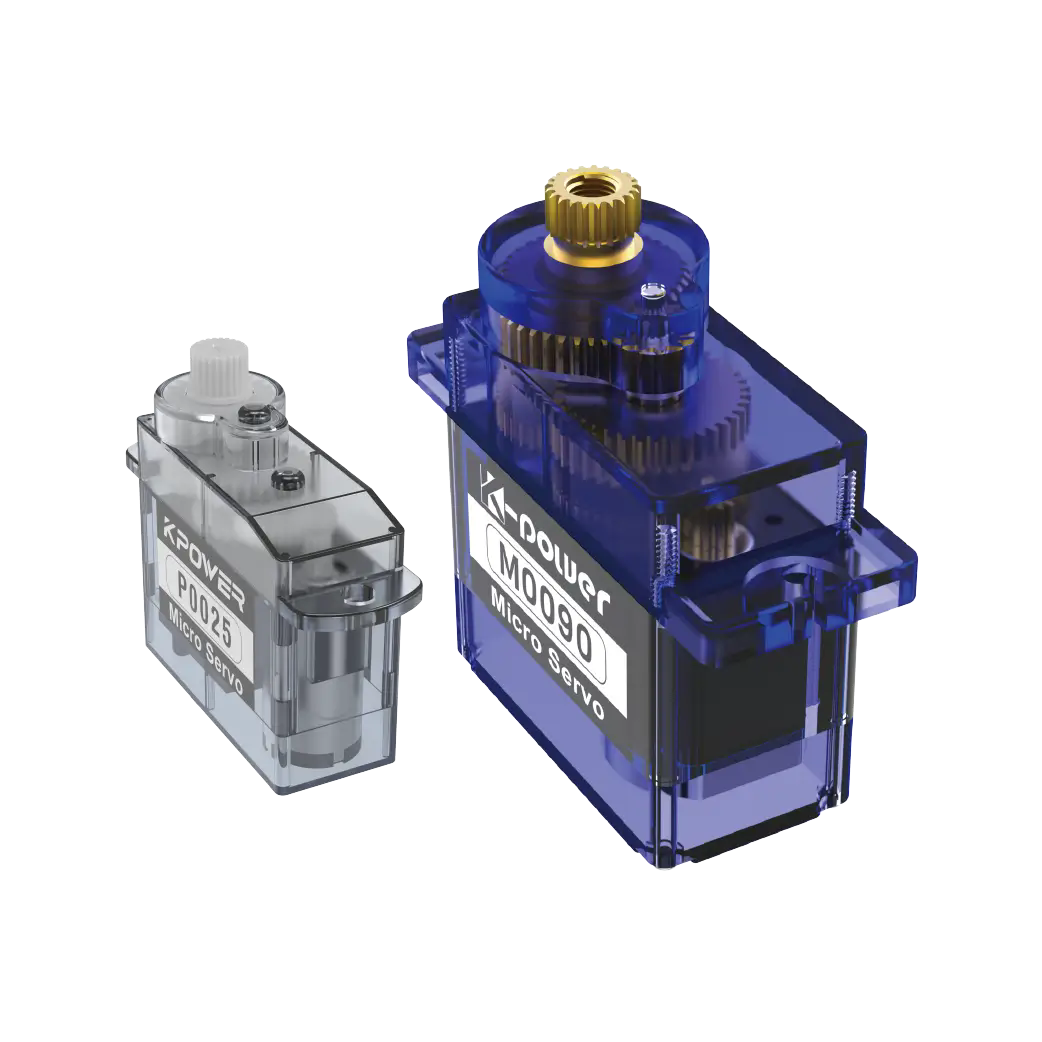
Of course, there's also size and weight: MicroservoThe essence lies in "micro". On the premise of satisfying performance and torque, being as small and lightweight as possible can bring more flexibility and advantages to your overall design.
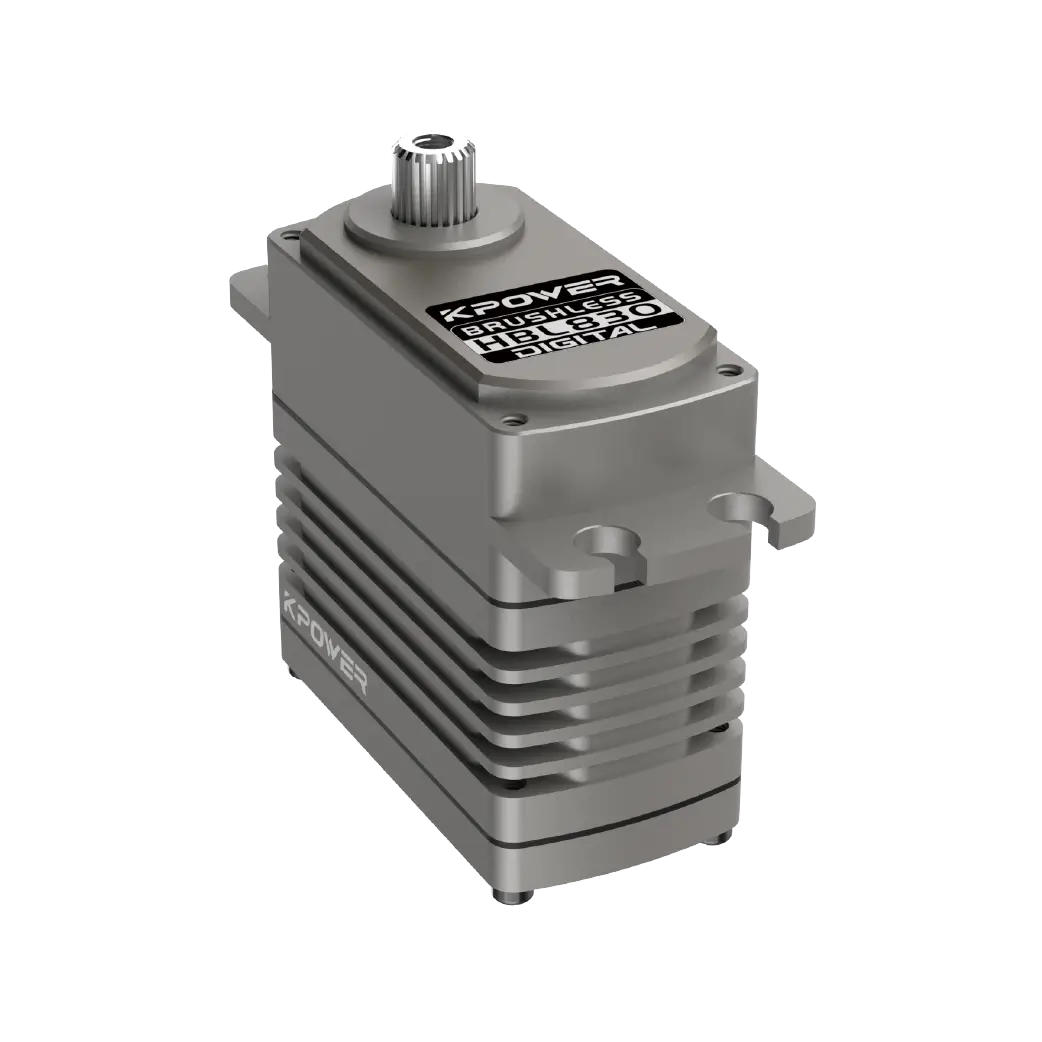
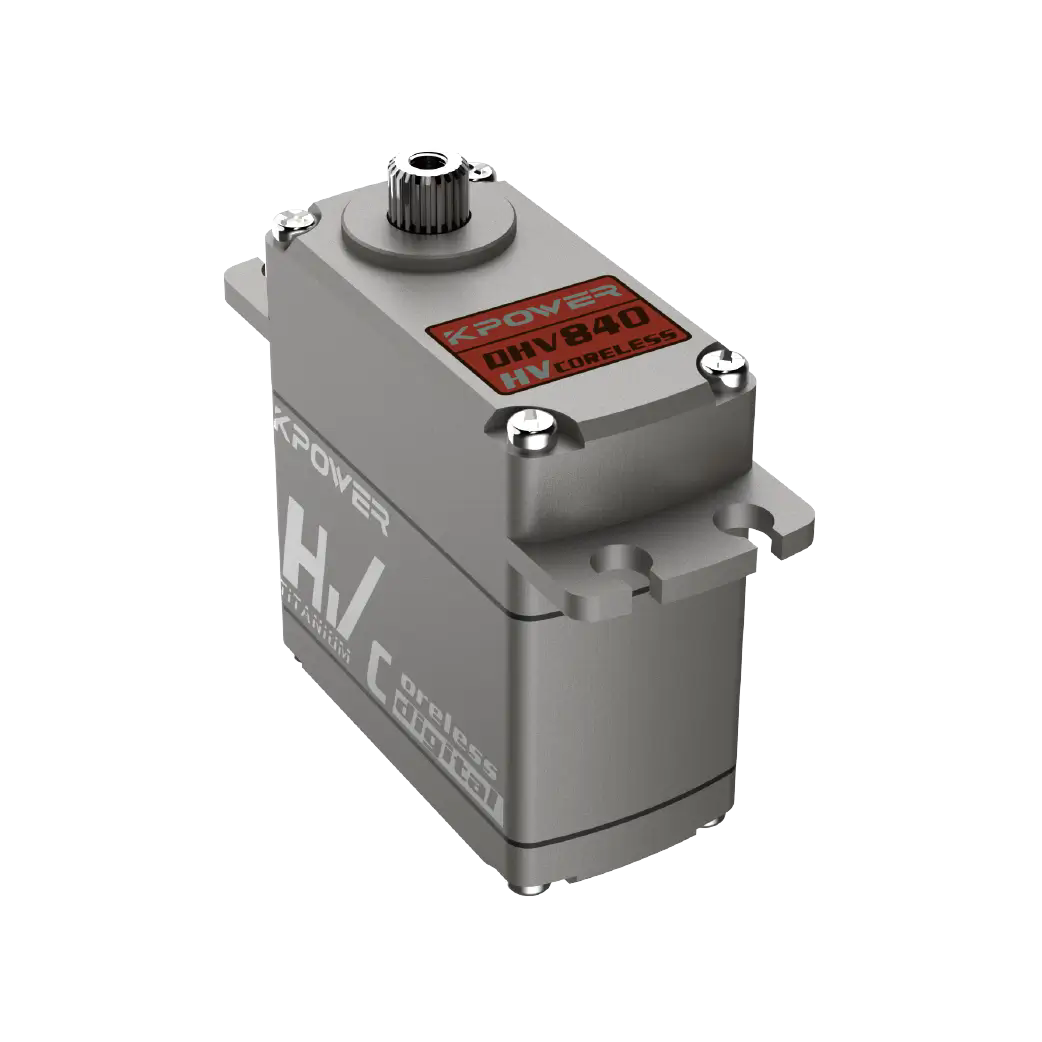
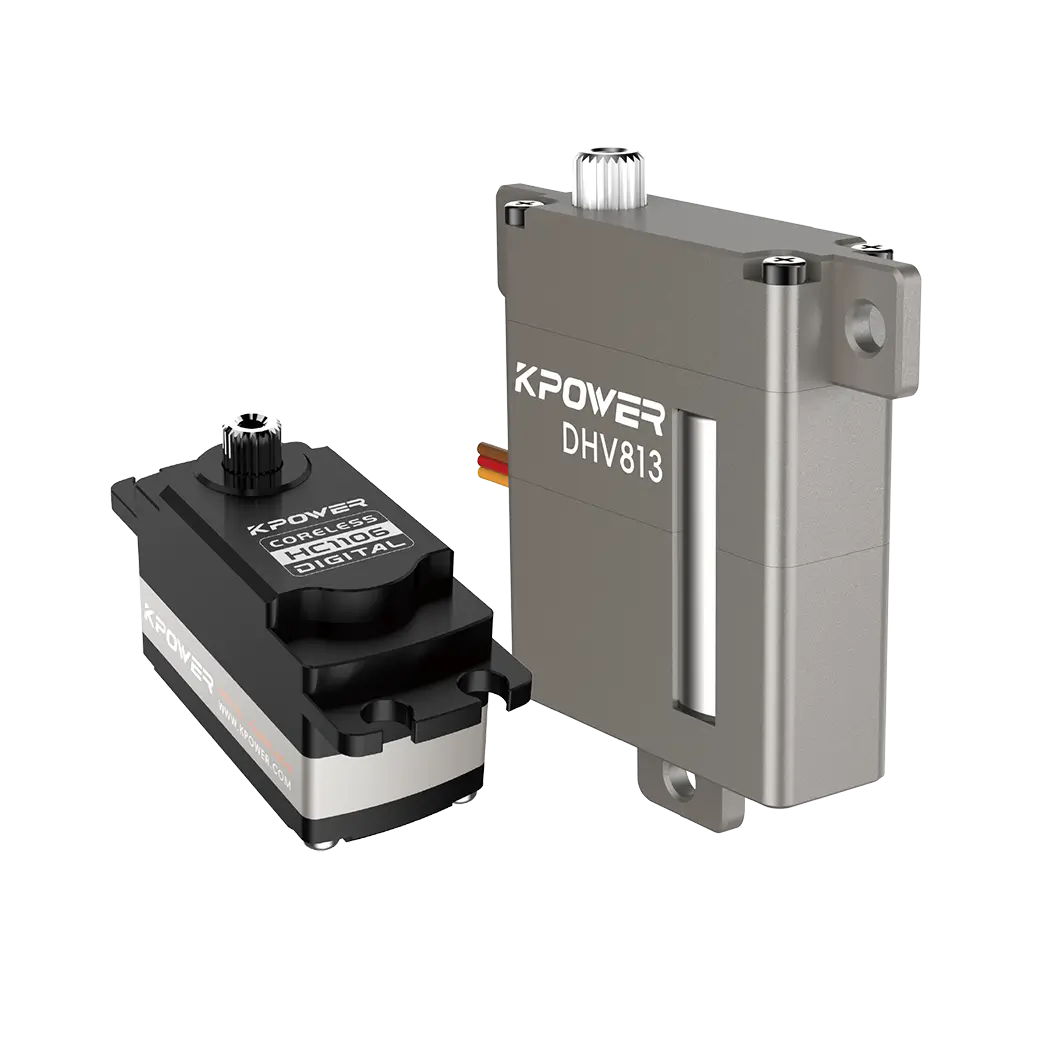
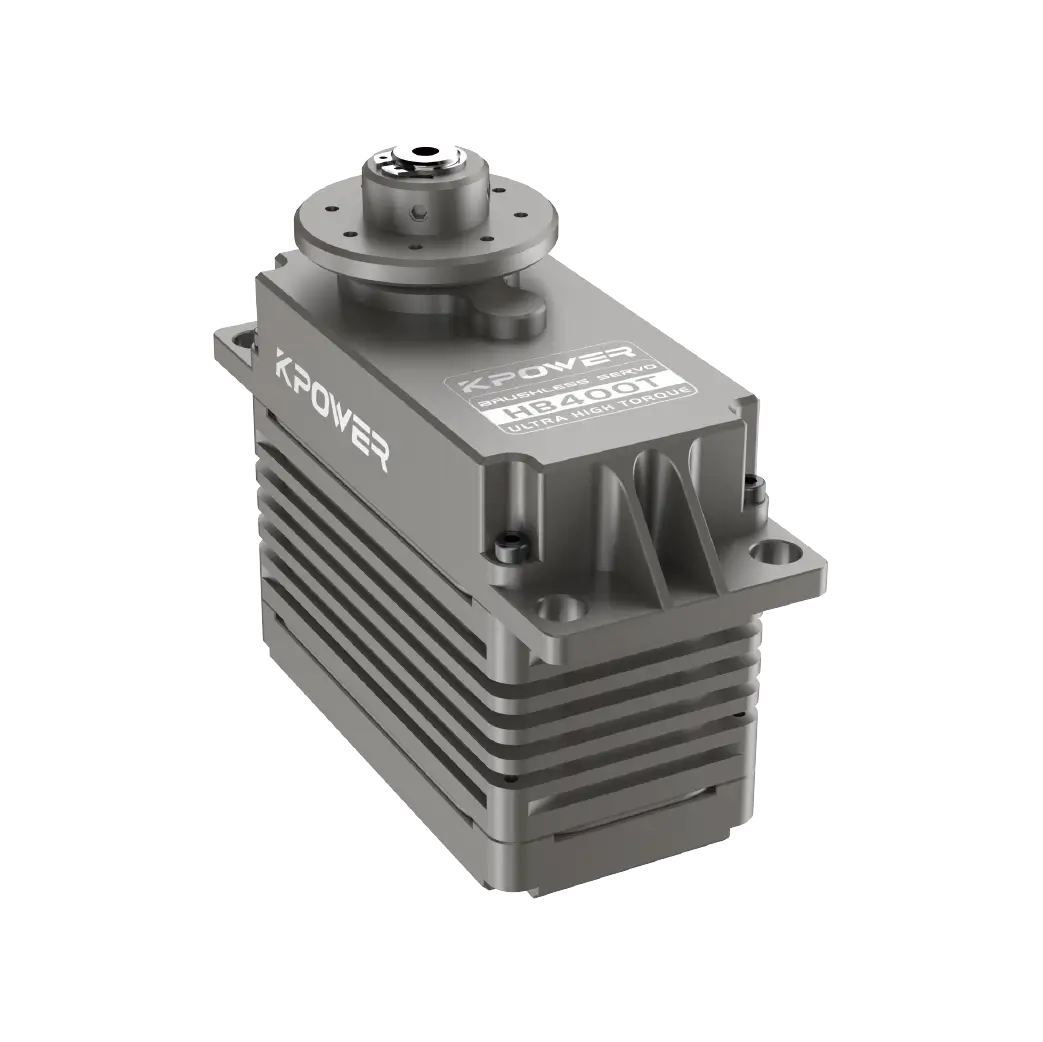
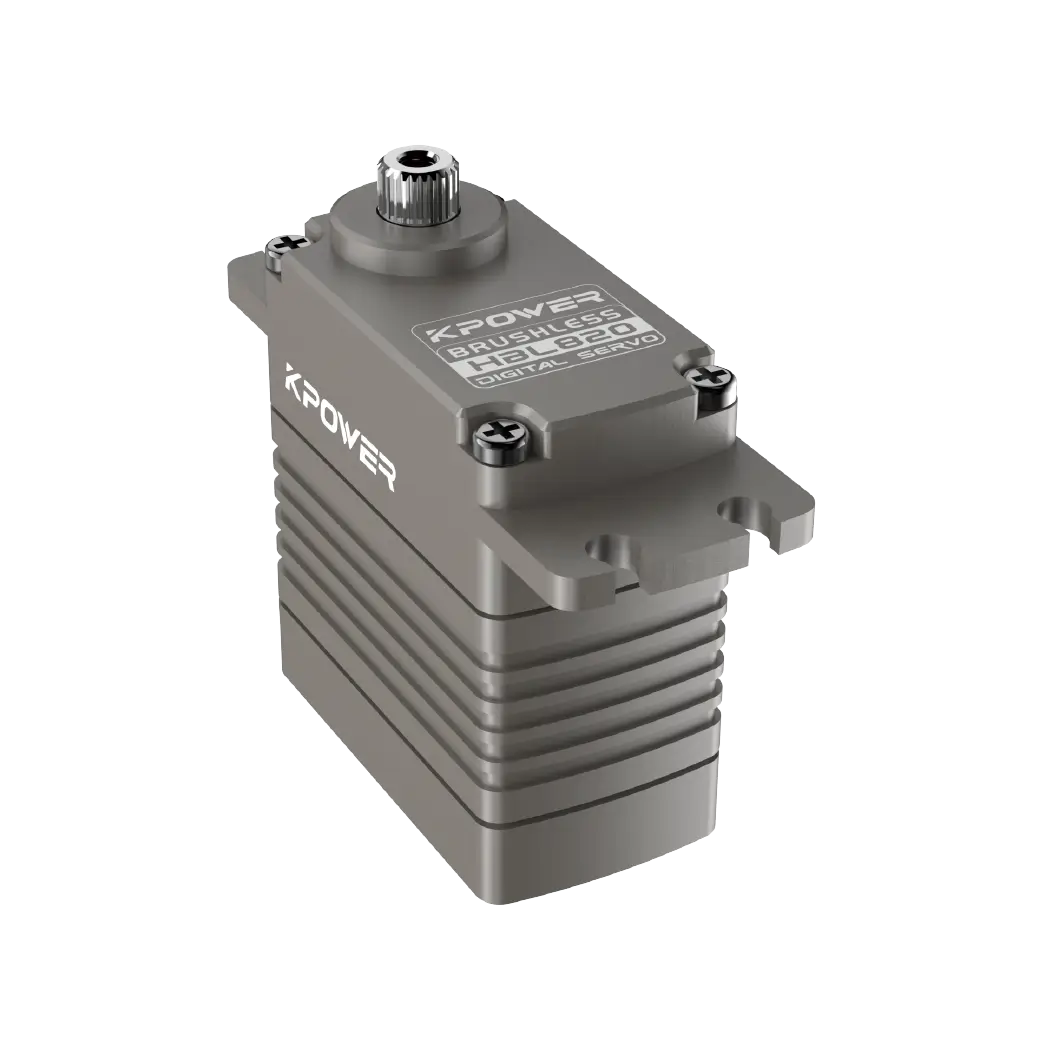
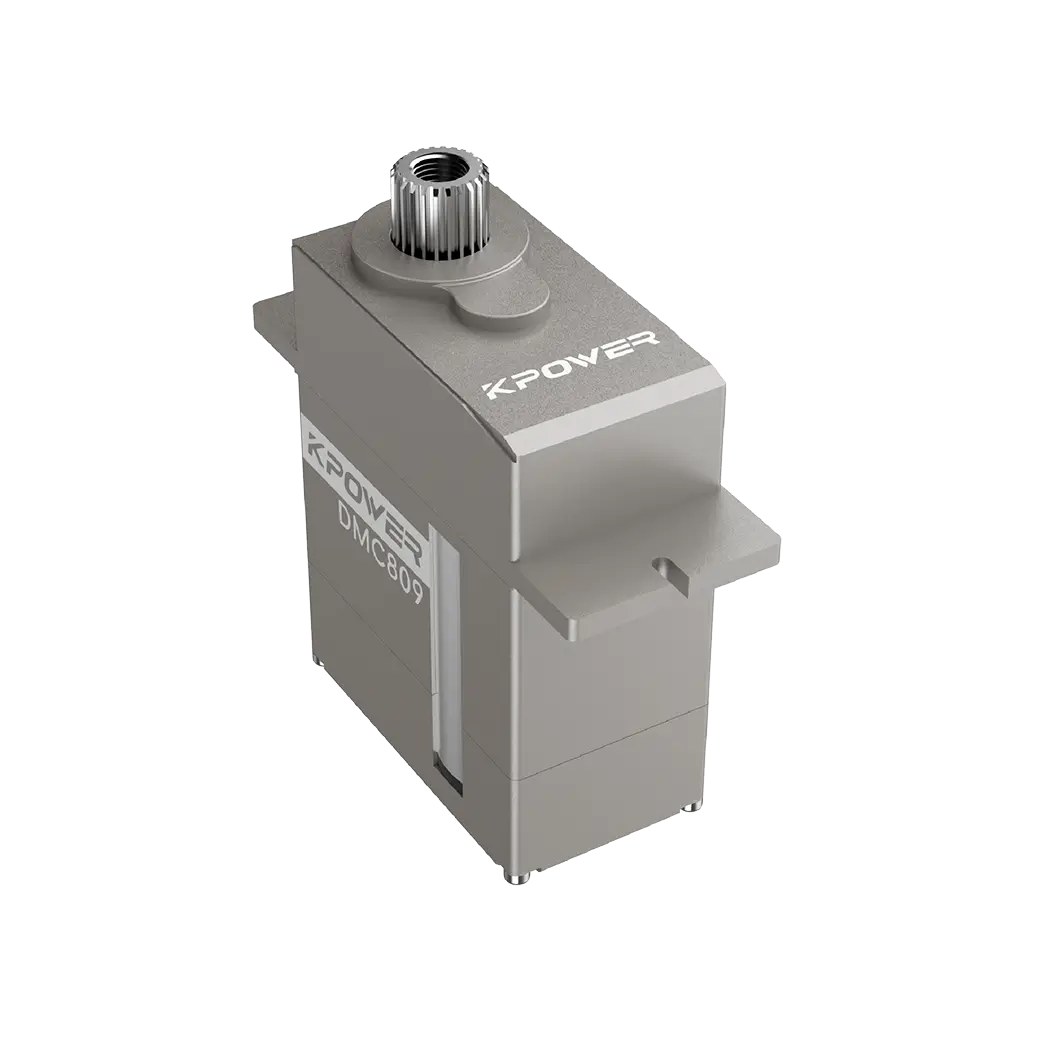
You may be thinking that it must be difficult to find a servo that meets all these requirements, right? In fact, brands that focus on professionalism have already regarded these as product standards. For example, Kpower, which has deep experience in the industry, designs and manufactures its micro servo series based on these core needs. They know that a reliable component is the cornerstone of a successful project.
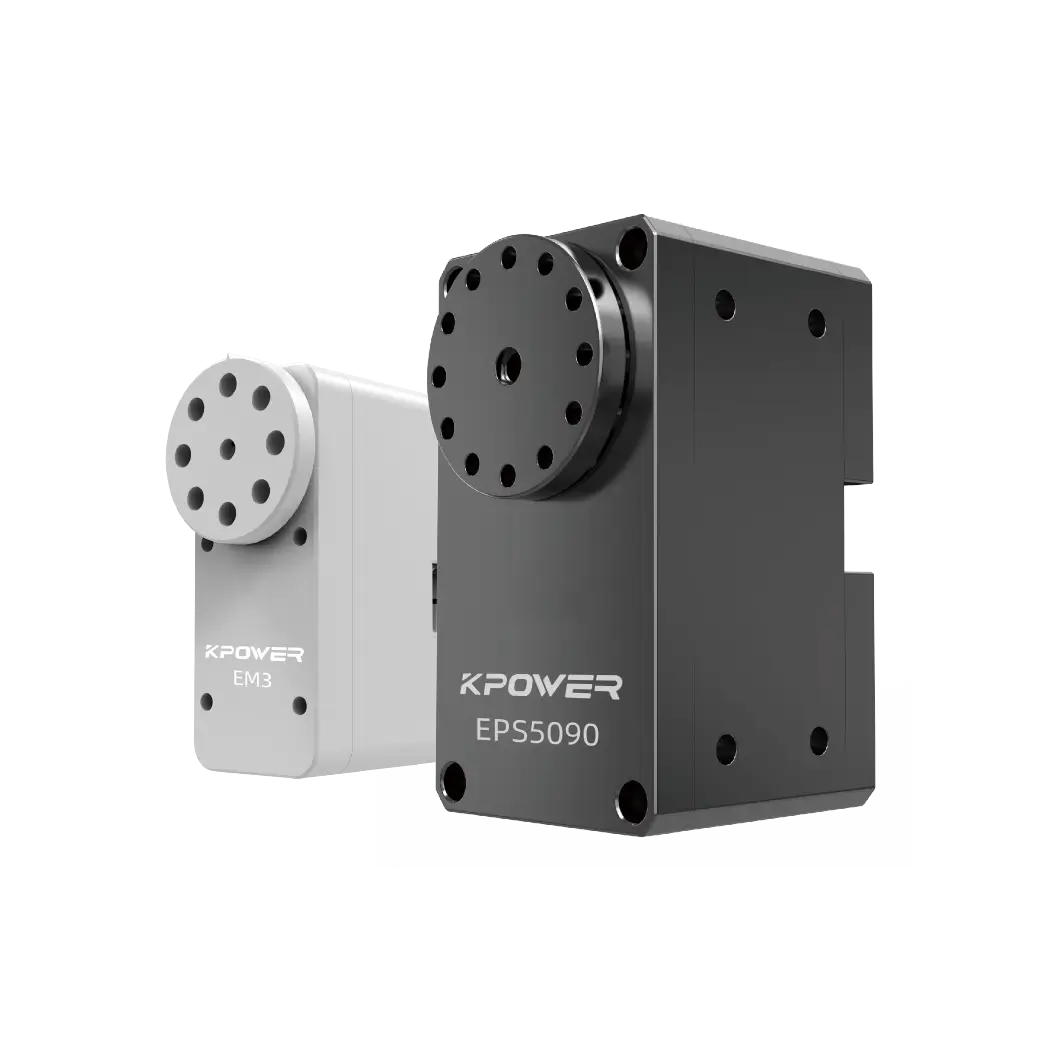
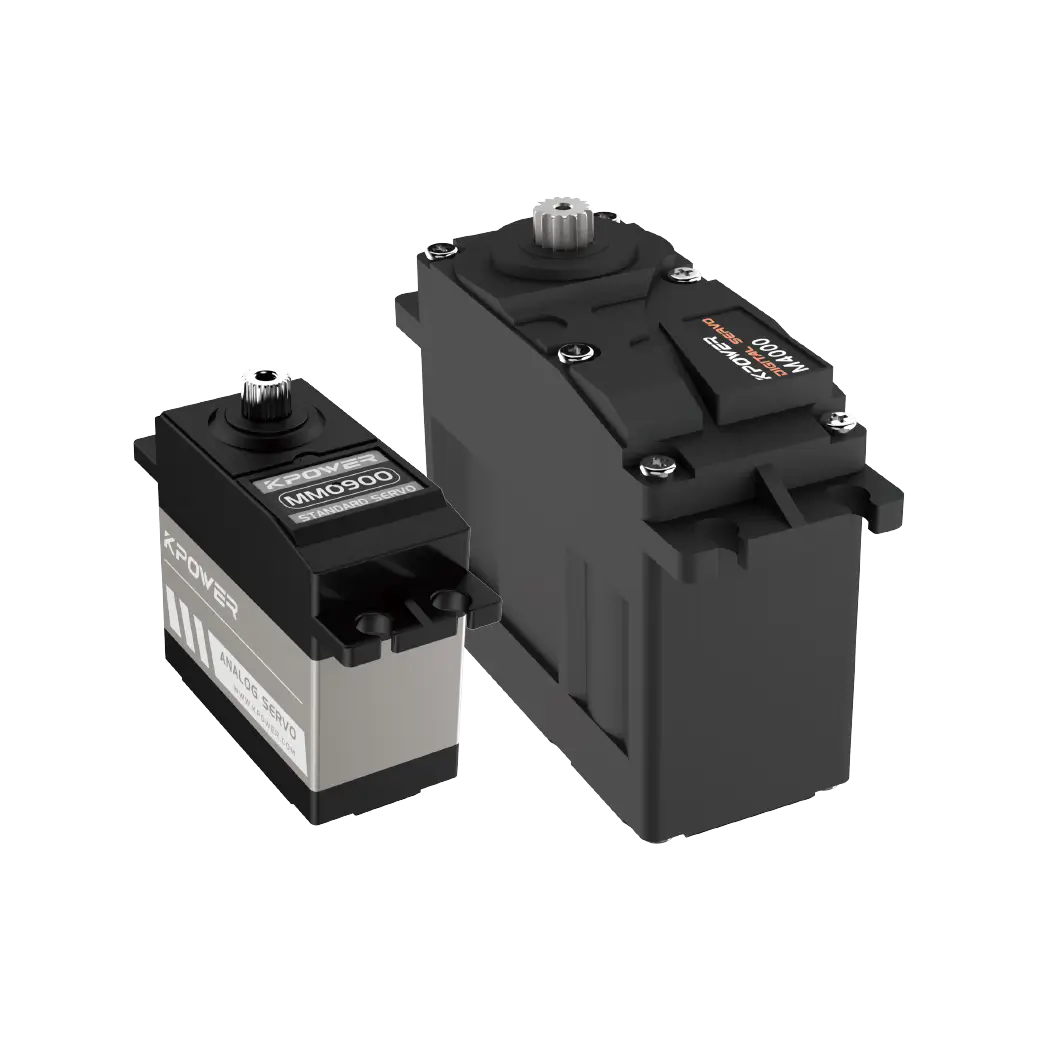
After recognizing the problem and clarifying the selection criteria, the next step is to take action. Instead of trying out numerous uncertain products, turn directly to proven sources known for quality and reliability. Brands that focus on providing stable and precise micro servos, such as Kpower, have product lines that can often cover a variety of needs from standard to high-performance models. This means you can quickly find one based on the specifics of your project—whether it requires extreme precision, more torque, or tight dimensions.
This choice brings more than just replacement of parts. It is a change in project attitude: from "probably usable" to "pursuing stability and reliability." When the servo in your hand moves precisely as expected every time, the feeling of smoothness and certainty will make you confident in the final result. Your energy can be fully focused on creativity and design itself, rather than constantly tinkering with basic execution issues.
After all, choosing a professional-grade micro servo like Kpower micro servo for your project is not an additional cost, but an efficient investment. It is an investment of your precious time, efforts, and the final quality of the project. Let professional components handle professional movements, while you only need to focus on command and creation. When everything fits perfectly and runs smoothly, you will feel that all the investment is worth it. Your project is as good as it should be.
Established in 2005, Kpower has been dedicated to a professional compact motion unit manufacturer, headquartered in Dongguan, Guangdong Province, China. Leveraging innovations in modular drive technology, Kpower integrates high-performance motors, precision reducers, and multi-protocol control systems to provide efficient and customized smart drive system solutions. Kpower has delivered professional drive system solutions to over 500 enterprise clients globally with products covering various fields such as Smart Home Systems, Automatic Electronics, Robotics, Precision Agriculture, Drones, and Industrial Automation.
Update Time:2026-01-19

Contact Kpower's product specialist to recommend suitable motor or gearbox for your product.


