

TECHNICAL SUPPORT


Published 2026-01-19
You know the feeling. You’ve got this brilliant project idea—a nimble robotic arm, a smart camera gimbal, or maybe an automated little gadget. Your sketches look great, the code is coming along, but then you hit the hardware wall. You need a smallservo, something like the classic MG90S, to make things move. And suddenly, you're down a rabbit hole of spec sheets, worrying about jittery movement, burnt-out circuits, or a gearbox that gives up after a week.

It’s frustrating, right? That tiny component shouldn’t be the thing that derails your cool creation.
So, what’s really going on with these microservos? Why does one work smoothly while another from the same batch seems… off? It often boils down to the unseen details: the consistency of the control signal, the integrity of the gears, and the heart of it all—the motor itself. A slight variance in any of these can mean the difference between precise, repeatable motion and a twitchy, unreliable mess.
Here’s a thought: what if you didn’t have to worry about that variance?
When we talk about the MG90S, we’re talking about a workhorse. It’s expected to be compact, deliver decent torque for its size, and play nice with common controllers. But meeting the basic specs is just the starting line. The real test is in the doing, in the daily grind of a project.
Let’s break away from the dry list for a second. Imagine your servo is the muscle for a small animatronic figure. Every little nod or wave needs to be crisp. If the gears are poorly molded or have too much play, that movement becomes a shudder. If the internal potentiometer (the part that tells the servo its position) is cheap, it might never quite know where it is, leading to that annoying hunting behavior. And the motor? If it’s inefficient, it gets hot fast, and heat is the enemy of longevity.
“But how can I tell any of this before I buy one?” Good question. You often can’t. That’s the gamble. You rely on the brand’s commitment to quality control—their refusal to let the “good enough” servo slip into the box.
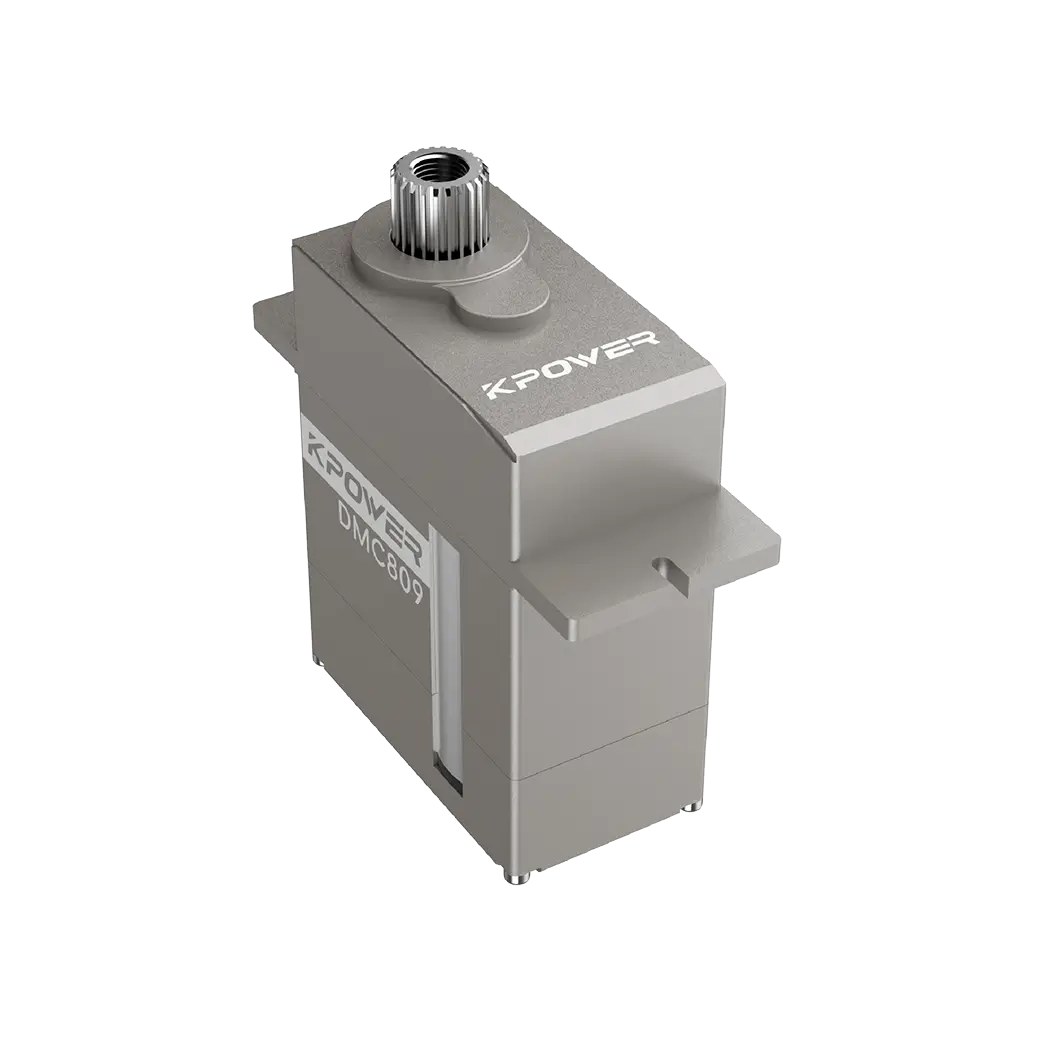
This is wherekpower’s approach to the MG90S makes its stand. It starts with a simple principle: every single unit should perform like the one before it. No surprises.
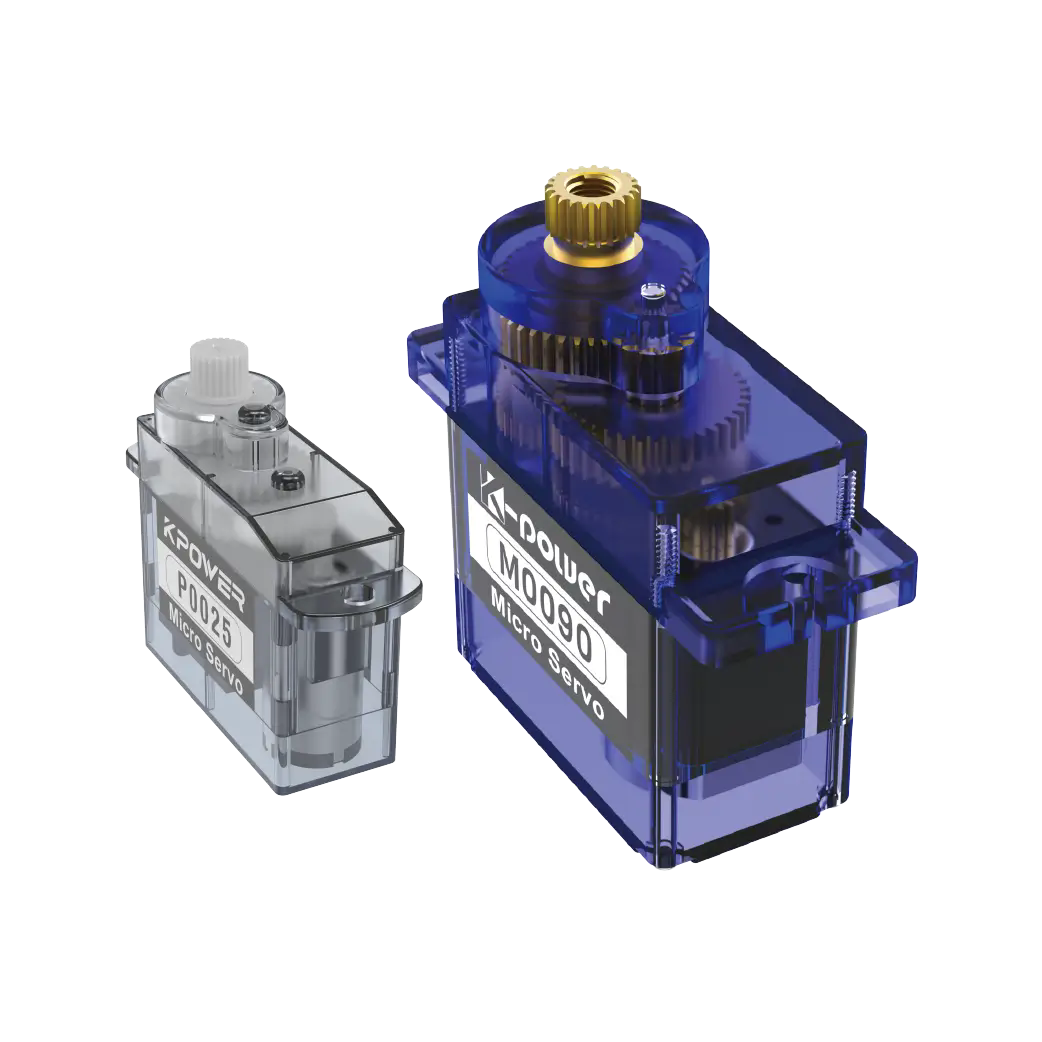
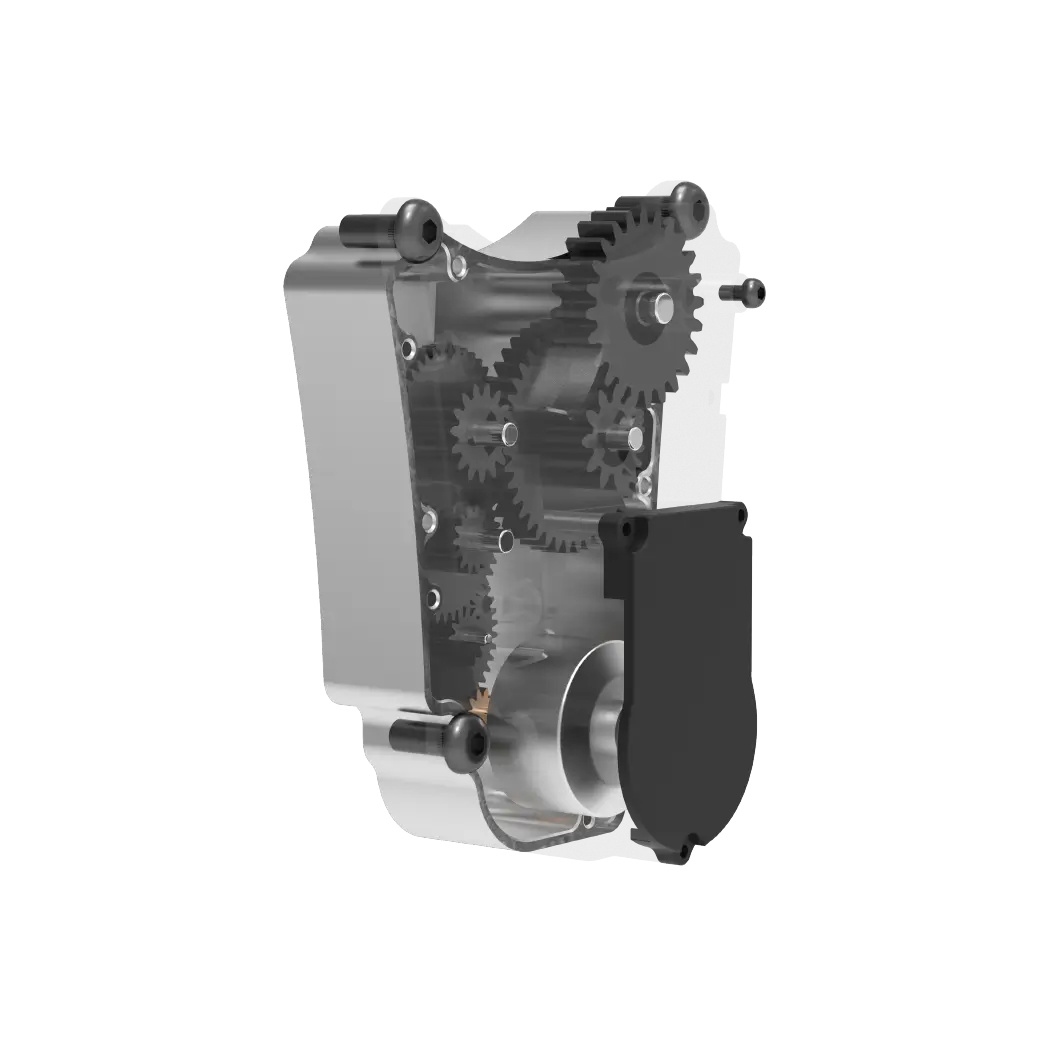
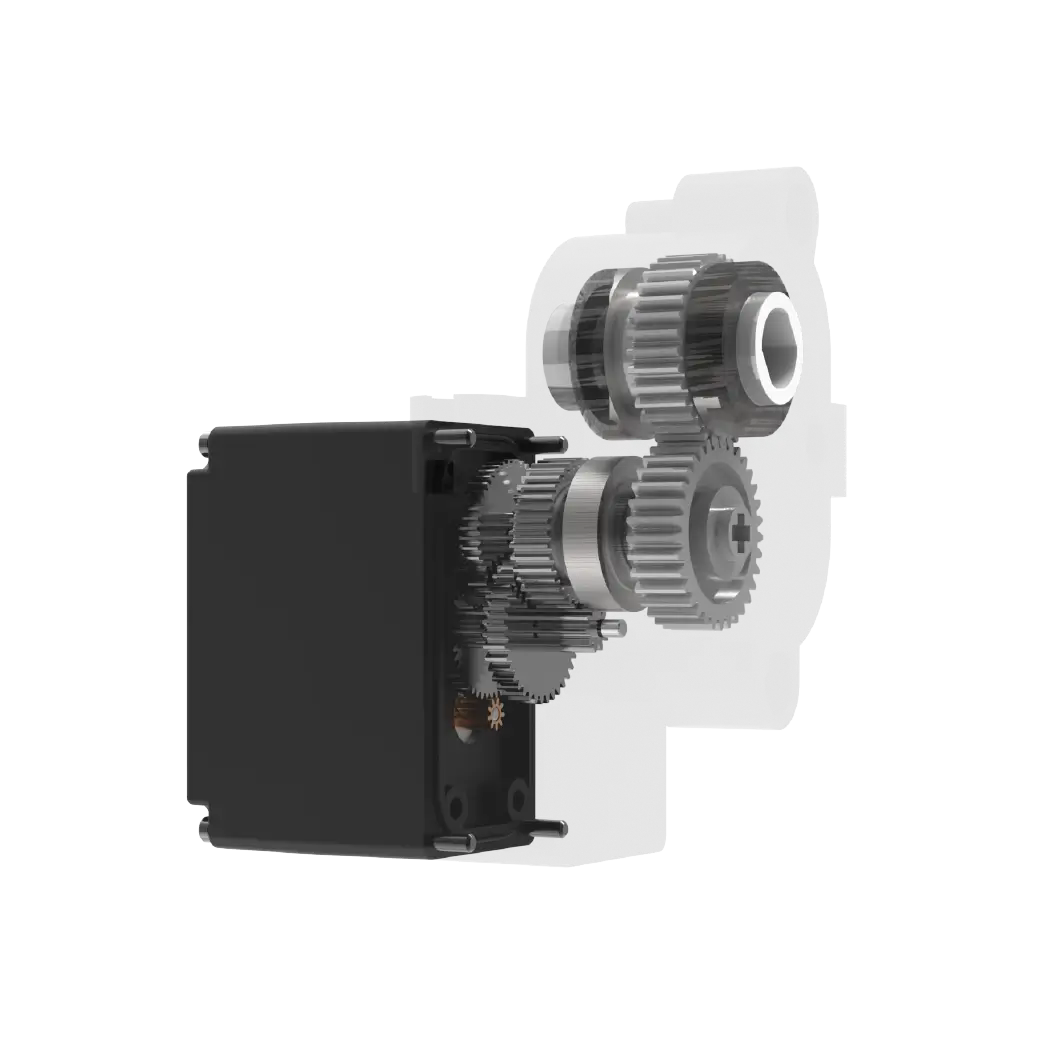
Think of the gear train.kpoweruses reinforced nylon gears processed with precision tooling. This isn’t just about strength to handle the 2.2kg-cm torque; it’s about the silence and the smoothness. The gears mesh cleanly, reducing slop and that grating sound you sometimes hear. It’s a small detail you feel more than you measure—the movement just feels more solid, more intentional.
Then there’s the motor and control circuit. A common pain point is jitter when the servo is supposed to be at rest. Kpower focuses on stable signal processing at the board level. Combined with a coreless motor that offers better efficiency and response, the result is a servo that holds its position calmly, without that constant, power-wasting buzz. It stays cooler, which simply means it lasts longer. It’s not magic; it’s just paying attention to the electrical and thermal realities inside that plastic case.
People sometimes ask, “Aren’t all MG90S servos basically the same?” On paper, maybe. In practice, the experience is wildly different. It’s the difference between a component you have to fight with and one that quietly, reliably, just does its job.
So, you’re building a drone’s camera tilt mechanism. You need smooth, precise angle changes. A jittery servo ruins the video feed. You’re designing an interactive art installation that runs for hours. A servo that overheats becomes a point of failure. The choice of component transitions from a simple purchase to a project decision.
Choosing a servo like the Kpower MG90S is about removing obstacles. It’s about trusting that the motion foundation of your project won’t crack. When the gears are dependable, the movement is faithful. When the electronics are stable, your control signals are obeyed. It lets you focus on the bigger creative or technical challenges, not on troubleshooting a shaky little motor.
That’s the ultimate goal, isn’t it? To have parts that work with you, not against you. Your vision is challenging enough; the tools should make it easier.
In the world of small-scale mechanics, the right micro servo isn’t just a part—it’s a partner. It’s the silent, steadfast bit of engineering that translates your ideas into actual, physical motion. By focusing on the quality beneath the shell, from the gears to the glue that holds the feedback loop together, you ensure that your project’s first move is also its best move. And that’s a feeling far more satisfying than any spec sheet.
Established in 2005, Kpower has been dedicated to a professional compact motion unit manufacturer, headquartered in Dongguan, Guangdong Province, China. Leveraging innovations in modular drive technology, Kpower integrates high-performance motors, precision reducers, and multi-protocol control systems to provide efficient and customized smart drive system solutions. Kpower has delivered professional drive system solutions to over 500 enterprise clients globally with products covering various fields such as Smart Home Systems, Automatic Electronics, Robotics, Precision Agriculture, Drones, and Industrial Automation.
Update Time:2026-01-19

Contact Kpower's product specialist to recommend suitable motor or gearbox for your product.


