

TECHNICAL SUPPORT


Published 2026-07-11
SEO Title: Why Upgrade Your Ultra Micro UMXservos? Performance That Lasts
Meta Description: Worn-out UMXservos cause tail wag, jitter, and poor control. Upgraded ultra microservos improve precision, durability, and flight confidence. What to check before buying.
Quick Answer
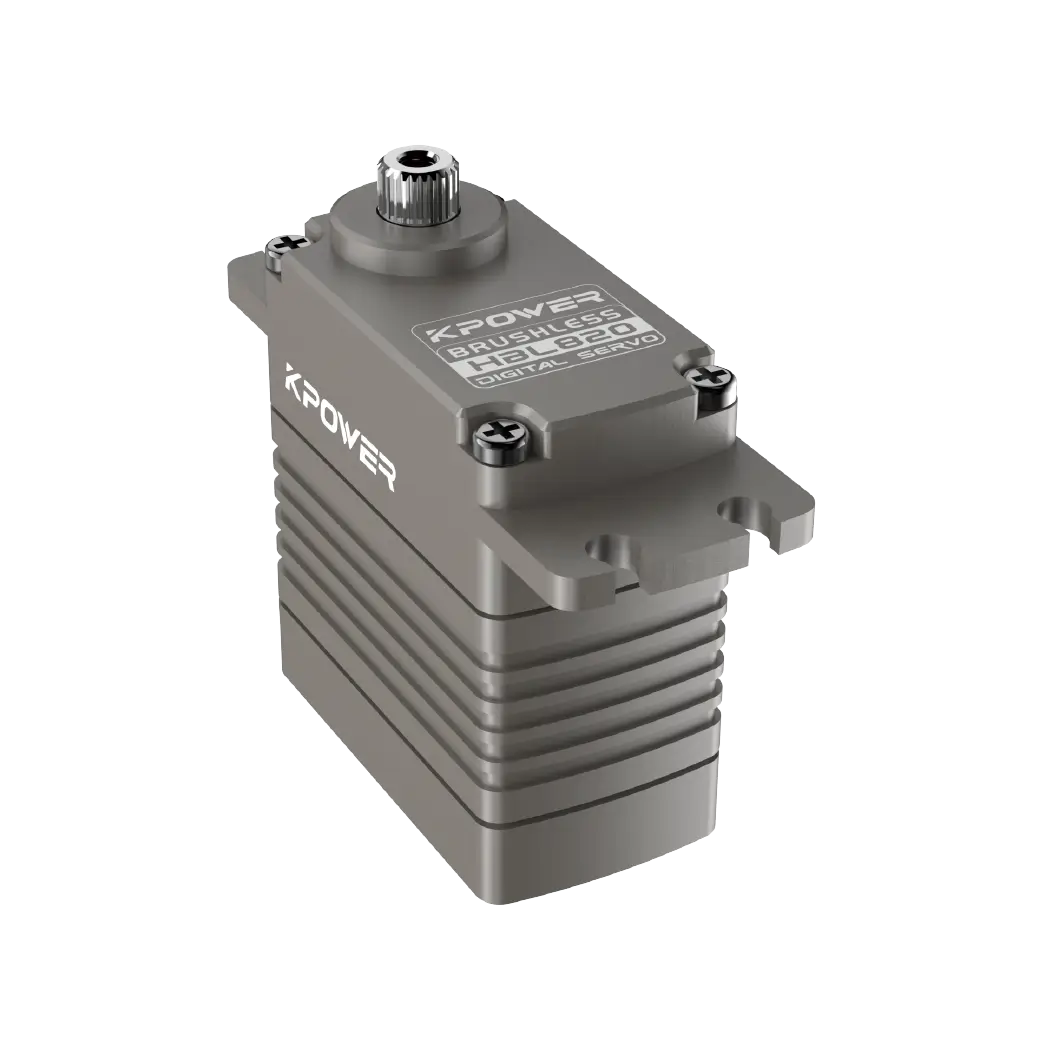
Upgraded ultra micro UMX servos are a reliable replacement when stock servos wear out, causing jitter, dead band, or tail wag. They typically use better motors, longer-lasting potentiometers, and tighter gear trains than original equipment. The main benefits are improved centering accuracy, reduced slop, and longer operational life. However, compatibility with your specific UMX board—connector type, voltage range, and mounting dimensions—must be verified before purchase. Choosing the wrong upgrade can lead to binding, glitching, or no response at all.
01Introduction
You are flying your favorite UMX aircraft. A few minutes in, the tail starts wagging. The aileron servo jitters at neutral. You notice a slight drift you have to correct constantly. That worn-out servo is no longer just an annoyance—it is affecting your control, your confidence, and your flight time.
Stock ultra micro servos are designed for the production cost target, not for long-term precision. After 50 to 100 flights, the internal potentiometer can develop dead spots. The motor brushes wear down. The gear train develops slop. The result is inconsistent response, reduced flight envelope, and in some cases, complete failure mid-flight.
An upgraded UMX servo addresses these failure points directly. The question is not whether you need one. The question is which upgrade actually works with your setup, and what trade-offs you are accepting.
02Table of Contents
What Makes a UMX Servo Fail Over Time
How an Upgraded Servo Differs from Stock
Key Specifications to Check Before You Upgrade
Compatibility Risks: Connectors, Voltage, and Mounting
When the Upgrade Is Worth It
Common Questions About Ultra Micro UMX Upgraded Servos
Choosing the Right Servo for Your Application
03What Makes a UMX Servo Fail Over Time
The root cause of failure inultra micro servosis mechanical wear combined with electrical degradation. The potentiometer, which tells the control board where the servo arm is, develops a worn track after repeated use. This causes jittering at center stick, erratic movement at endpoints, and a wider dead band.
The motor inside these servos is a pager-type coreless motor. Its brushes wear down, reducing torque and response speed. The plastic gears, while light, can develop play after hard landings or high-frequency oscillation. Even a small amount of gear slop translates into noticeable control surface flutter.

Heat is another factor. In a cramped UMX fuselage, airflow over the servo is minimal. Prolonged operation elevates internal temperature, accelerating potentiometer wear and reducing lubricant effectiveness.
The result is a servo that still moves, but no longer holds position accurately. This is the stage where most pilots notice degraded handling and start looking for replacements.
04How an Upgraded Servo Differs from Stock
An upgraded UMX servo is not simply a new replacement. It is designed with higher-grade components to address the failure modes above.
Potentiometer:Upgraded servos often use a conductive plastic element instead of a cermet track. This material resists wear much longer and maintains consistent resolution across the full rotation range.
Motor:Some upgrades use a longer-can coreless motor or a slightly higher voltage-rated motor. This provides more consistent torque and faster response, especially near the endpoints.
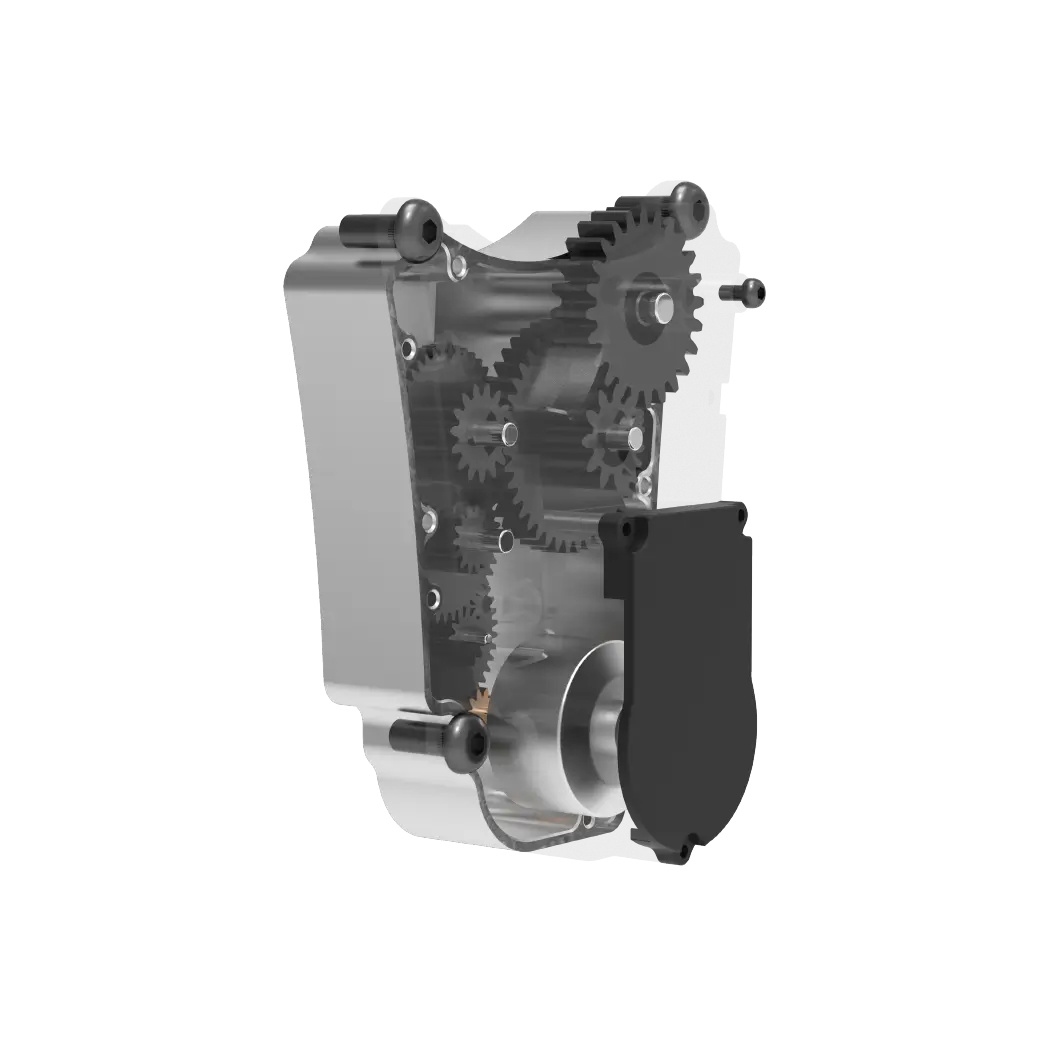
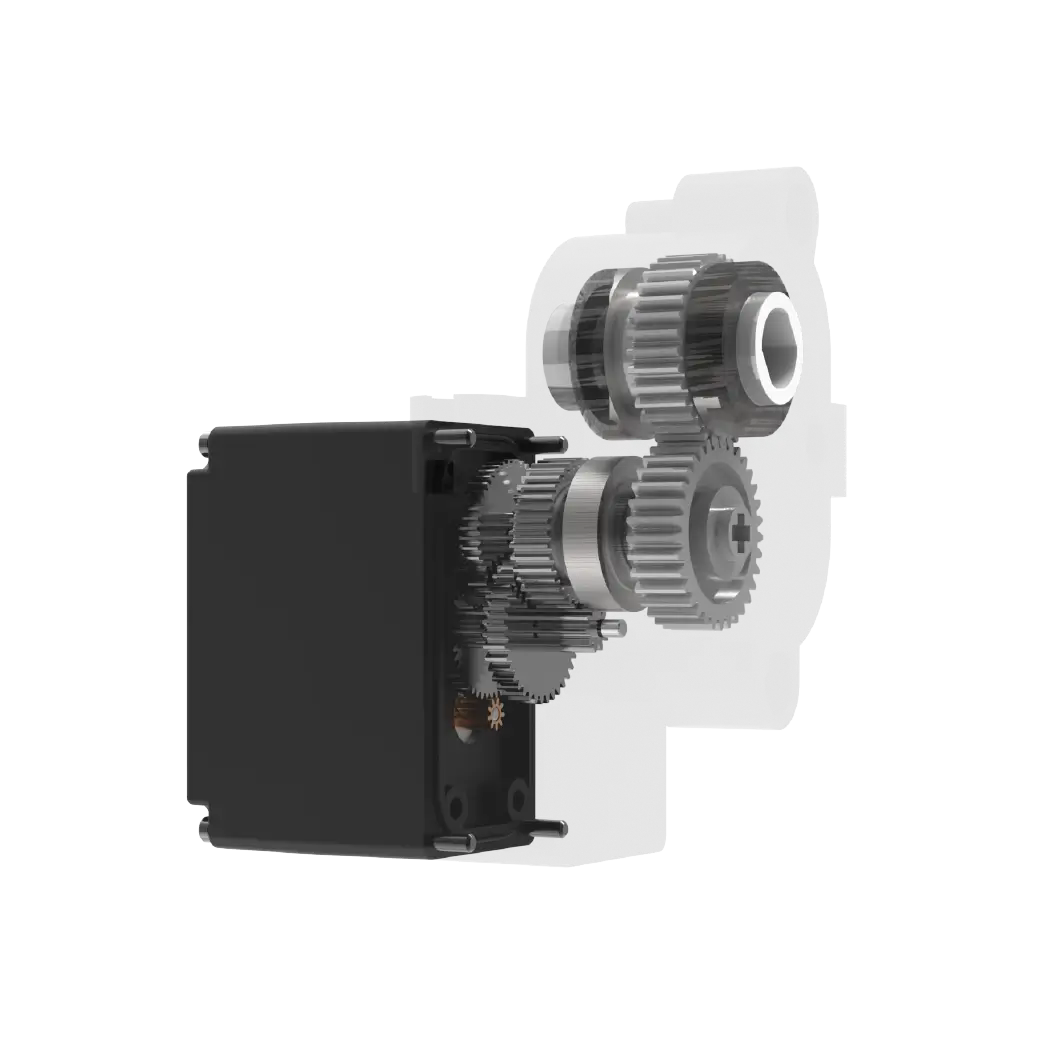
Gear train: Upgraded gears are often cut from harder plastic or metal. Metal gears eliminate slop but add weight and may transfer stress to the servo case or control board in a crash. Plastic upgrades focus on tighter tolerances rather than raw strength.
Control board: The internal driver IC in an upgraded servo may have a higher refresh rate or lower dead band. This translates to smoother tracking and better centering accuracy.
The practical difference is a servo that centers more consistently, holds position under load, and maintains performance for several hundred flights rather than fifty.
05Key Specifications to Check Before You Upgrade
Before purchasing an upgraded servo, verify these parameters. A mismatch in any one can render the servo unusable.
Ignoring any of these specifications can lead to a servo that does not fit, does not respond, or draws enough current to brown out your receiver.
06Compatibility Risks: Connectors, Voltage, and Mounting
The most common mistake when selecting an upgraded UMX servo is assuming all micro servos are interchangeable. They are not.
Connector mismatch: UMX boards use a 1.5 mm pitch JST-ZH connector. Standard micro servos use a 2.54 mm pitch Dupont or JR connector. An adapter cable may solve this, but adds weight and potential connection failure.
Voltage mismatch: A servo designed for 4.8V–6.0V will not perform correctly on a 3.7V 1S system. It may move slowly, lack torque, or fail to initialize. Always verify the voltage range matches your battery and ESC output.
Mounting hole alignment: Even within the same brand, different servo models use different mounting hole patterns. Foam pockets are not adjustable. You must confirm that the upgrade screw holes line up with the existing mounting points.
Wire length and routing: Upgraded servos may come with longer or shorter wires. Excess wire must be routed carefully to avoid interference with pushrods or battery placement.

If you are unsure about compatibility, compare the upgrade against the stock servo specifications published in the aircraft manual or a known reference from the manufacturer.
07When the Upgrade Is Worth It
Upgrading is justified in three scenarios:
Frequent replacement: If you are replacing stock servos every 30 to 50 flights due to jitter or dead band, an upgraded servo will pay for itself in reduced downtime and consistent performance.
High-performance flying: For 3D, pattern, or precision scale flying, accurate centering and slop-free control are not luxuries. An upgraded servo directly improves your control envelope.
Vintage or discontinued airframes: If your UMX model is no longer in production and stock servos are unavailable, an upgraded servo with verified compatibility is your only reliable path to keep flying.
Upgrading is not recommended when your aircraft is flown casually, rarely, or in low-stress conditions. In those cases, a standard replacement servo is sufficient and more cost-effective.
08Common Questions About Ultra Micro UMX Upgraded Servos
Q: Can I use a standard micro servo on a UMX board?
No. Standard micro servos use a different connector pitch and typically operate at 4.8V or higher. They will not connect properly to a UMX board, and the voltage mismatch may damage the servo or the receiver.
Q: Do upgraded servos draw more current?
In many cases, yes. A higher-torque motor requires more current under load. Check the stall current rating and confirm your ESC's BEC can supply that current without voltage sag. Brownouts are more common with higher-torque servos on marginal 1S power systems.
Q: Will metal gears improve durability?
Metal gears resist stripping but transfer impact forces to the servo case and mounting structure. In a crash, the gear may survive while the case cracks or the control board detaches. Consider the airframe's weight and crash behavior before choosing metal gears.
Q: How do I center the servo arm on an upgraded servo?
Most upgraded servos do not have a center detent in the potentiometer. Install the arm at the electrical center, which you can find by powering the servo, moving it to the commanded center position (1.5 ms pulse width), and then attaching the arm.
Q: Can I mix upgraded and stock servos on the same aircraft?
Mixing is possible if the servos share the same voltage rating, pulse width range, and response speed. However, differences in centering accuracy and dead band may cause uneven control surface behavior. For best results, replace all servos in the same control axis at the same time.
Q: Do upgraded servos require programming?
Some upgraded servos offer user-adjustable endpoints, reverse direction, or fail-safe position via a programming card. Most UMX-compatible upgrades are plug-and-play. Check the product description before purchase if programmable features are important.
Q: Will an upgraded servo improve flight time?
Not directly. An upgraded servo may draw slightly more current under load, which can reduce flight time marginally. The benefit is in control quality, not battery efficiency. If flight time is your priority, focus on battery capacity and weight reduction instead.
Q: What is the typical lifespan of an upgraded servo?
With proper handling and no crash damage, an upgraded servo using a conductive plastic potentiometer and better motor can last 300 to 500 flights before noticeable degradation. Actual lifespan depends on flight conditions, airframe vibration, and temperature.
09Choosing the Right Servo for Your Application
The right upgrade starts with a single verification: does this servo match your UMX board's connector, voltage, and mounting geometry? Without that, no other specification matters.
Once compatibility is confirmed, prioritize specifications based on your flying style.
For precision scale or pattern flying, prioritize centering accuracyanddead band width . A servo with a conductive plastic potentiometer and low dead band will track stick input more faithfully.
For aerobatics or 3D, prioritize torqueandresponse speed . A stronger motor and tighter gear train provide the hold and snap needed for aggressive maneuvers.
For casual sport flying, a standard upgraded servo with plastic gears and a decent potentiometer is sufficient. Focus on reliabilityandconsistent centering over raw performance.
If you are evaluating multiple options, request the specification sheet from the supplier. Compare torque at your operating voltage, not at the maximum rated voltage. Check the current draw at stall and under load. Confirm the wire length and spline type.
A properly upgraded servo will give you consistent control surface response, fewer trim adjustments mid-flight, and longer service life. A mismatched one will waste your time and money.
For procurement decisions , ask the supplier for a dimension drawing, connector pinout, and voltage curve test data. If they cannot provide these, the risk of incompatibility is higher.
Motor selection depends on the power system in your aircraft. A higher-torque servo may require a BEC upgrade or a higher-capacity battery. Evaluate the entire power chain, not just the servo.
Servo arm compatibility is often overlooked. Upgraded servos may use a different spline count or arm thickness. Confirm that your existing pushrod connectors and control horns fit the new arm before cutting or gluing.
Finally, consider the total cost of replacement. An upgraded servo that costs twice as much as a stock unit but lasts five times longer is a net savings in both money and downtime. The decision is not just about price—it is about total cost of ownership over the life of your airframe.
If you need help verifying specifications or comparing options, contact the supplier directly with your UMX model number and existing servo part number. Most reputable vendors can confirm compatibility within a few minutes.
Contactkpower servo for detailed specification sheets and compatibility verification.
Update Time:2026-07-11

Contact Kpower's product specialist to recommend suitable motor or gearbox for your product.


