

TECHNICAL SUPPORT


Published 2026-06-30
Quick Answer
Yes, aservomotor can be used to control a switch. In industrial automation, aservoactuator can rotate a mechanical switch, push a button, or trigger a relay precisely. This is not a standard "servoswitch" product, but a servo-driven mechanism that replaces manual or solenoid-based actuation. It is most useful in applications requiring precise timing, variable angles, or remote control of mechanical switching. However, it is not suitable for high-speed or high-cycle electrical switching. For most buyers, the key is understanding whether aservo motoror a dedicated actuator is the better fit for your specific switching task.
01Introduction
Every production line has a moment where something needs to be turned on, off, or redirected. A valve opens. A button is pressed. A shifts gate. Most of the time, a pneumatic cylinder or a solenoid handles this. But what happens when the movement needs to be precise? When the angle matters? When you need to control not justwhethersomething switches, buthow farandhow smoothly ?
That is where a servo-controlled switch becomes relevant. It is not a standard off-the-shelf product. It is a configuration: a servo motor driving a mechanical switching mechanism. And for many engineers and procurement managers, the question is not "does it exist?" but "should I use it?"
Let's break down what this setup actually means, where it works, and where it doesn't.
02Table of Contents
1. What is a Servo-Controlled Switch?
2. How Does a Servo Motor Actuate a Switch?
3. Key Specifications That Matter
4. When to Use a Servo for Switching
5. When a Servo Is the Wrong Choice
6. Common Questions About Servo-Controlled Switching
7. Making the Right Decision for Your Application
03What Is a Servo-Controlled Switch?
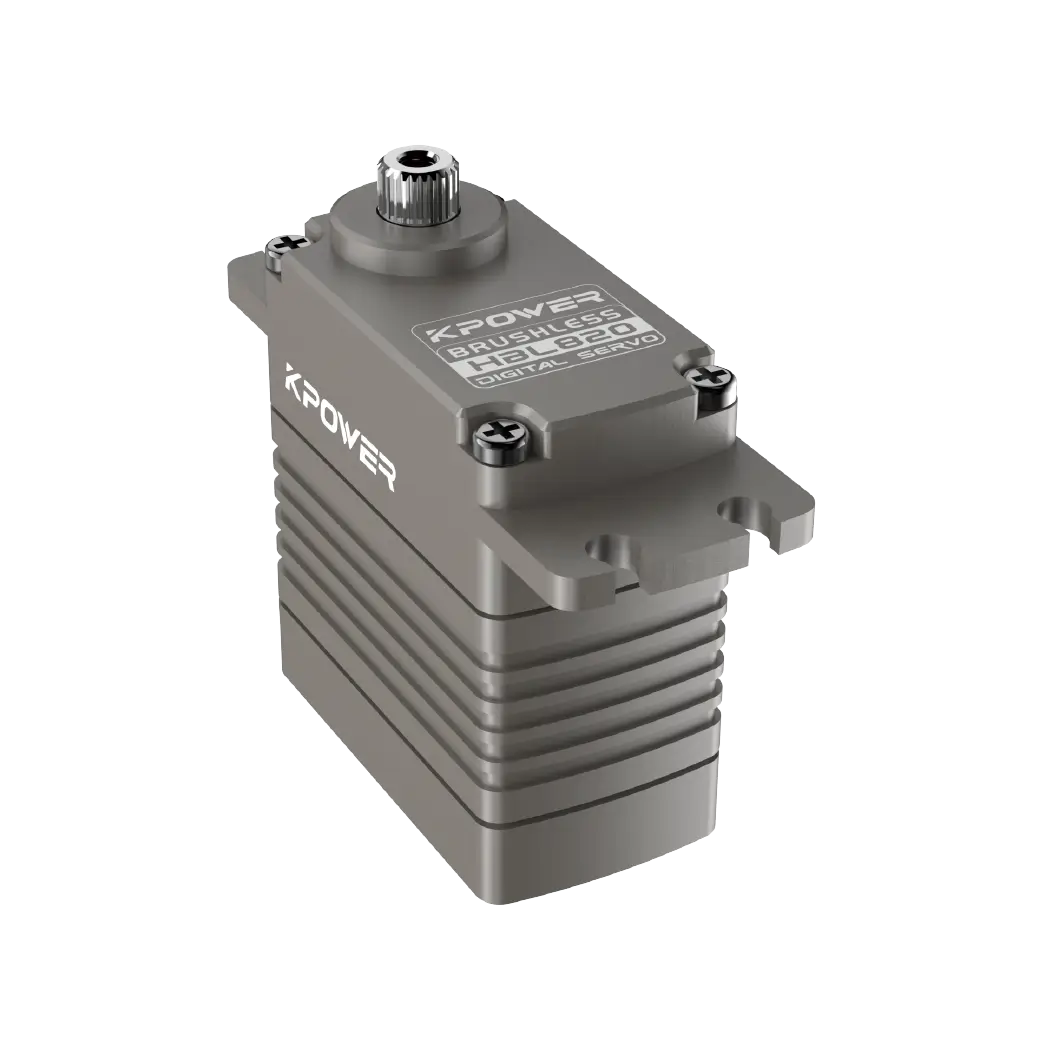
A servo-controlled switch is a mechanical switching system where aservo motorprovides the actuation force. Instead of pushing a button by hand or activating a relay with a coil, a servo arm rotates to press, pull, or rotate a switch element.
This is not a single product. It is a combination of three components:
A servo motor (rotary or linear)
A mechanical linkage (cam, lever, or push rod)
A switch mechanism (limit switch, rotary switch, push button, or valve)
The servo provides controlled motion. The linkage translates that motion into a switching action. The switch completes the circuit or changes the mechanical state.
In practice, this setup is used in robotics, test rigs, automated assembly stations, and custom machinery where standard actuators cannot provide the required angle control or soft motion profile.
04 How Does a Servo Motor Actuate a Switch?
The principle is straightforward. A controller sends a position command to the servo motor. The motor rotates to a specific angle. A mechanical arm attached to the output shaft presses against a switch.
For example:
At 0 degrees, the arm is clear. The switch is off.
At 90 degrees, the arm presses the switch. The switch is on.
At 45 degrees, the arm partially depresses the switch. This can be used for variable control, such as adjusting a potentiometer or a variable resistor.
The real advantage is not the switching itself. It is the programmability . You can change the angle, timing, speed, and force without changing hardware. This makes it useful in applications where switching conditions change frequently, or where a single actuator must handle multiple tasks.
However, there are limits. The servo's response time is slower than a relay or a solenoid. A typical servo takes 50 to 100 milliseconds to reach a commanded position. If you need high-frequency switching, a servo is not suitable.
05 Key Specifications That Matter
If you are evaluating a servo-controlled switch setup, these are the parameters to check:
Torque is often the most overlooked parameter. A switch mechanism may require a certain force to actuate. If the servo is undersized, it will stall or miss cycles. Always verify the required actuation force of your switch and match it to the servo's rated torque at the lever distance.
06 When to Use a Servo for Switching
A servo-controlled switch makes sense in specific situations:
1. Variable position switching
You need to switch at multiple positions, not just on/off. A servo can stop at any angle, allowing one actuator to control multiple switch points.
2. Remote or hard-to-access locations
A small servo can be mounted near the switch and controlled from a distance. This avoids running long mechanical linkages or pneumatic lines.
3. Gentle or soft actuation
Some switches or valves are sensitive to sudden force. A servo can be programmed to move slowly and smoothly, reducing mechanical shock.
4. Merging switching with motion control
If your system already uses servos for motion, adding a switching function to an existing servo axis can reduce component count and wiring.

5. Prototyping or low-volume custom machines
A servo-based switch is easy to reconfigure. You can change the switch type, position, or timing by modifying the program, not the hardware.
07 When a Servo Is the Wrong Choice
A servo-controlled switch is not a universal solution. Avoid it in these cases:
High-speed switching
If you need thousands of cycles per minute, a solid-state relay or a solenoid is faster and more reliable.
High-force switching
If the switch requires more than 50 kg·cm of torque, a linear actuator or a pneumatic cylinder is more practical.
Continuous duty
A servo running near its torque limit for extended periods may overheat. Check the duty cycle rating before specifying continuous operation.
Critical safety circuits
Servos can drift or lose position if the controller glitches. For safety-rated switching, use a dedicated safety relay or a positive-opening switch mechanism.
08 Common Questions About Servo-Controlled Switching
Q: Can I use any servo motor to control a switch?
Not directly. You need a servo with enough torque to actuate the switch, and a controller capable of sending the correct position command. Standard RC servos work for light switches; industrial servos are needed for heavier mechanisms.
Q: How do I mount a servo to a switch?
You need a custom bracket and a mechanical linkage. A 3D-printed arm or a metal lever connects the servo output shaft to the switch actuator. The linkage must be rigid and aligned to prevent binding.
Q: How fast can a servo switch on and off?
Typically 5 to 20 cycles per second, depending on the servo speed and travel angle. For faster switching, use a relay or a solenoid.
Q: Is a servo-controlled switch reliable?
Reliability depends on the servo quality, mechanical linkage design, and cycle count. For high-reliability applications, use an industrial servo with metal gears and a feedback encoder for position verification.
Q: Can a servo control a valve?
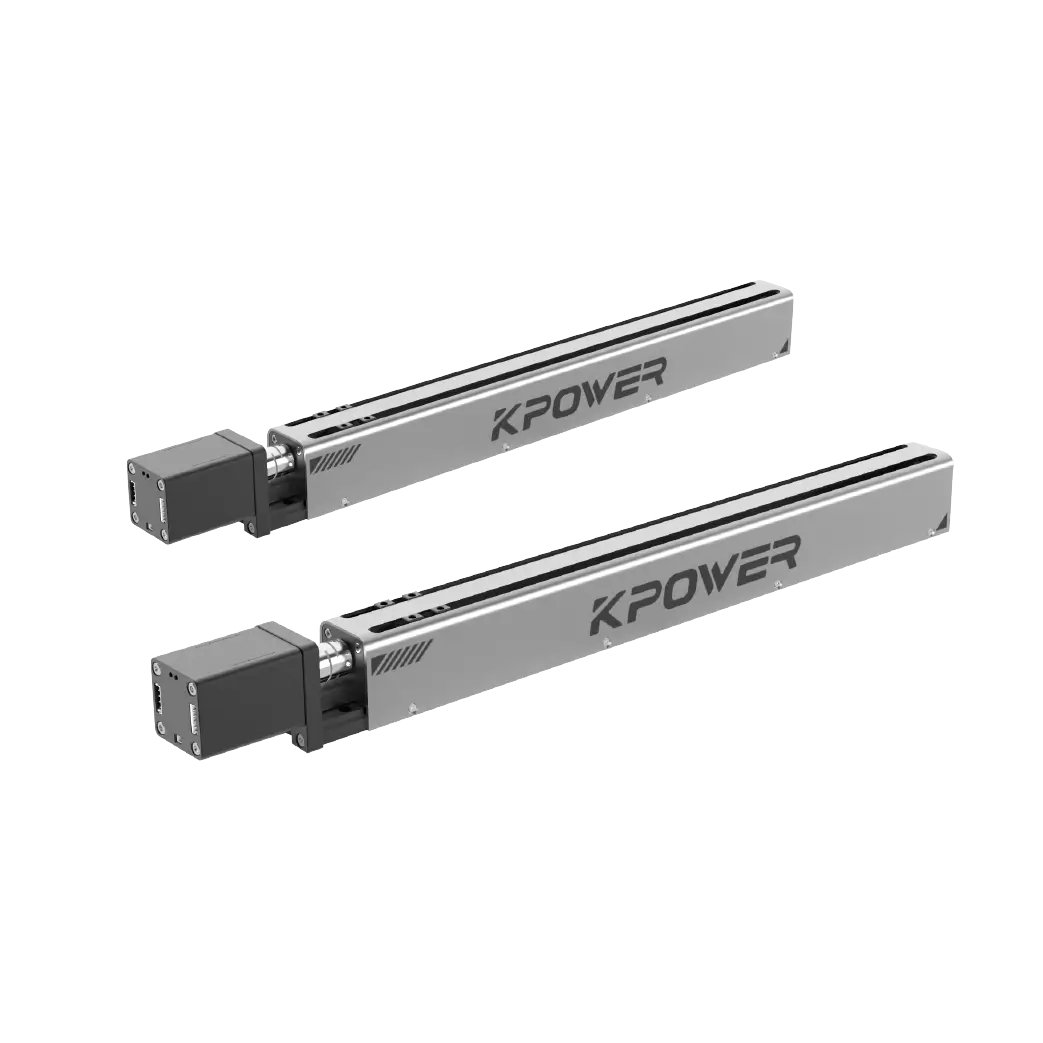
Yes, if the valve requires rotary motion. A servo can rotate a ball valve or a butterfly valve to a precise angle. For linear valves, use a linear servo or add a lead screw.
Q: What is the lifespan of a servo used for switching?
Typical lifespan is 100,000 to 500,000 cycles for standard servos. Industrial servos with brushless motors and sealed bearings can exceed 1 million cycles.
Q: Do I need a special controller for servo switching?
Most microcontrollers and PLCs can send PWM signals. Some industrial servos accept analog or digital commands. Check your controller's output type before selecting the servo.
Q: Can a servo replace a limit switch?
Not directly. A servo is an actuator, not a sensor. You can use a servo to press a limit switch, but the limit switch itself still provides the electrical signal.
Q: Is a servo-controlled switch expensive?
For a single unit, cost is higher than a solenoid or a relay. But if you need precise motion control and programmability, the total system cost may be lower than alternative solutions.
Q: Where can I buy a servo-controlled switch assembly?
Most industrial servo suppliers offer integration services. You can also build your own using a standard servo motor and a mechanical bracket. For high-volume applications, custom assemblies are available.
09 Making the Right Decision for Your Application
A servo-controlled switch is not a commodity product. It is a custom solution for a specific set of requirements: precise angle control, programmable timing, and gentle actuation in low-to-medium cycle applications.
If your switching task is simple—on/off, high speed, or high force—a standard relay, solenoid, or pneumatic cylinder will be more reliable and cost-effective.
But if you need variable positions, soft motion, or remote programmability, a servo-driven switch setup is worth evaluating.
Before you decide, verify these three things:
1. The actuation force required by your switch mechanism
2. The cycle rate and duty cycle of your application
3. The compatibility of your controller with the servo signal type
If you are unsure, send your switch specifications to a servo motor supplier and ask for an engineering review. Most suppliers can recommend a suitable servo and a mounting solution for your specific switch type.
Need help selecting the right actuation method for your machine? Compare your current switching setup with a servo-driven alternative. Request a specification review from the kpowerservo engineering team.
Update Time:2026-06-30

Contact Kpower's product specialist to recommend suitable motor or gearbox for your product.


