

TECHNICAL SUPPORT


Published 2026-01-22
The smell of burnt electronics is a smell you never forget. It’s that bitter, metallic tang that fills the air right after a project—one you spent weeks on—suddenly grinds to a halt because a gear stripped or a motor gave up the ghost. Most people start their journey into high-torque machinery with a bit of optimism and a lot of cheap plastic parts. Then, reality hits. The arm sags. The gate jitters. The steering locks up.
That’s usually the moment people realize that "torque" isn't just a number on a sticker. It’s the difference between a machine that works and a machine that smokes.
We’ve all been there. You find aservothat claims to have massive holding power, but the moment you put a real-world load on it, it starts to hunt for its position, vibrating like a caffeinated hummingbird. This jitter isn’t just annoying; it’s a sign of a weak link. Usually, it’s the internal gears or a controller that can't handle the current.
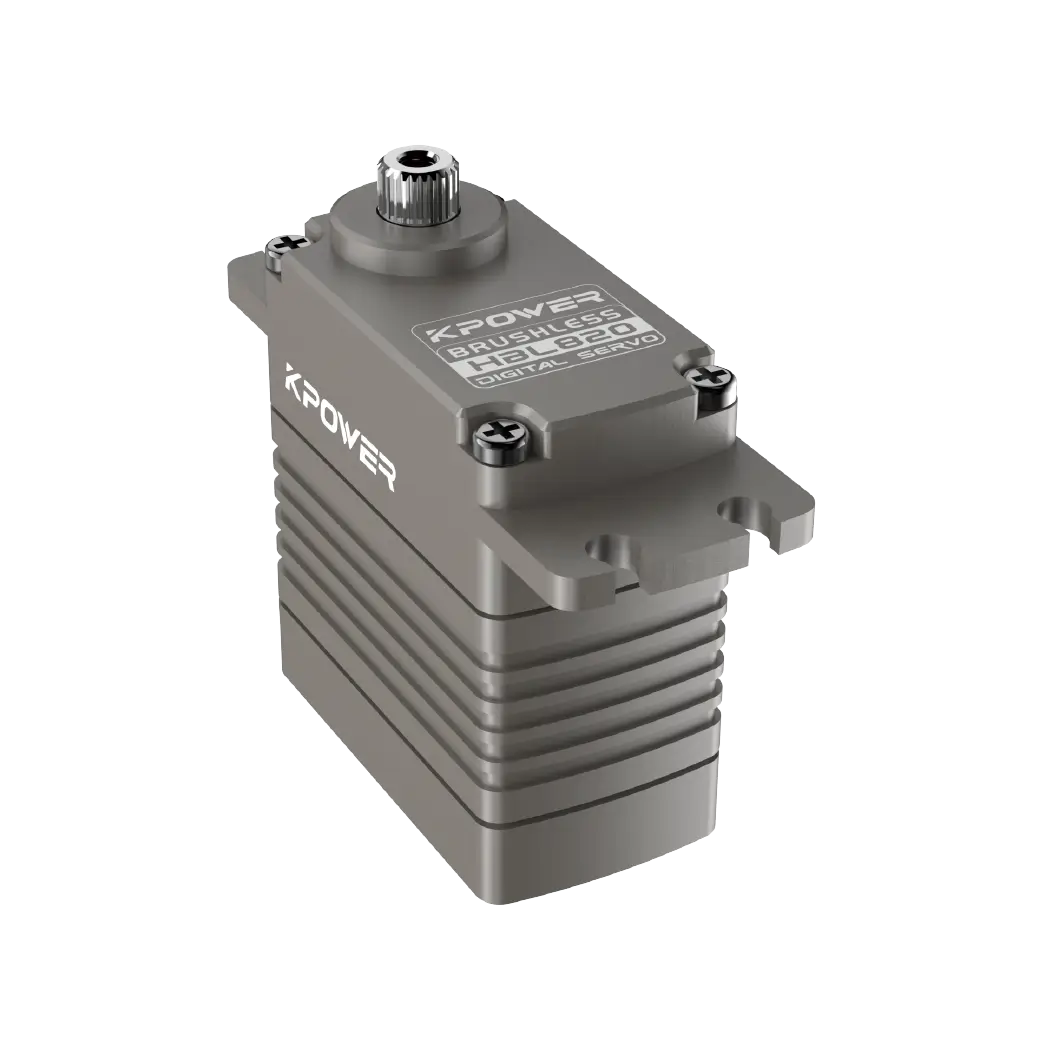
When you’re looking at a high torqueservomaker, you aren’t just looking for raw strength. You’re looking for stability. Think about a heavy-duty industrial lid or a large-scale model. These aren't just moving back and forth; they are fighting gravity, friction, and inertia all at once. If the internal components of thatservoaren't built to take the heat, they will fail. It’s not a matter of "if," but "when."
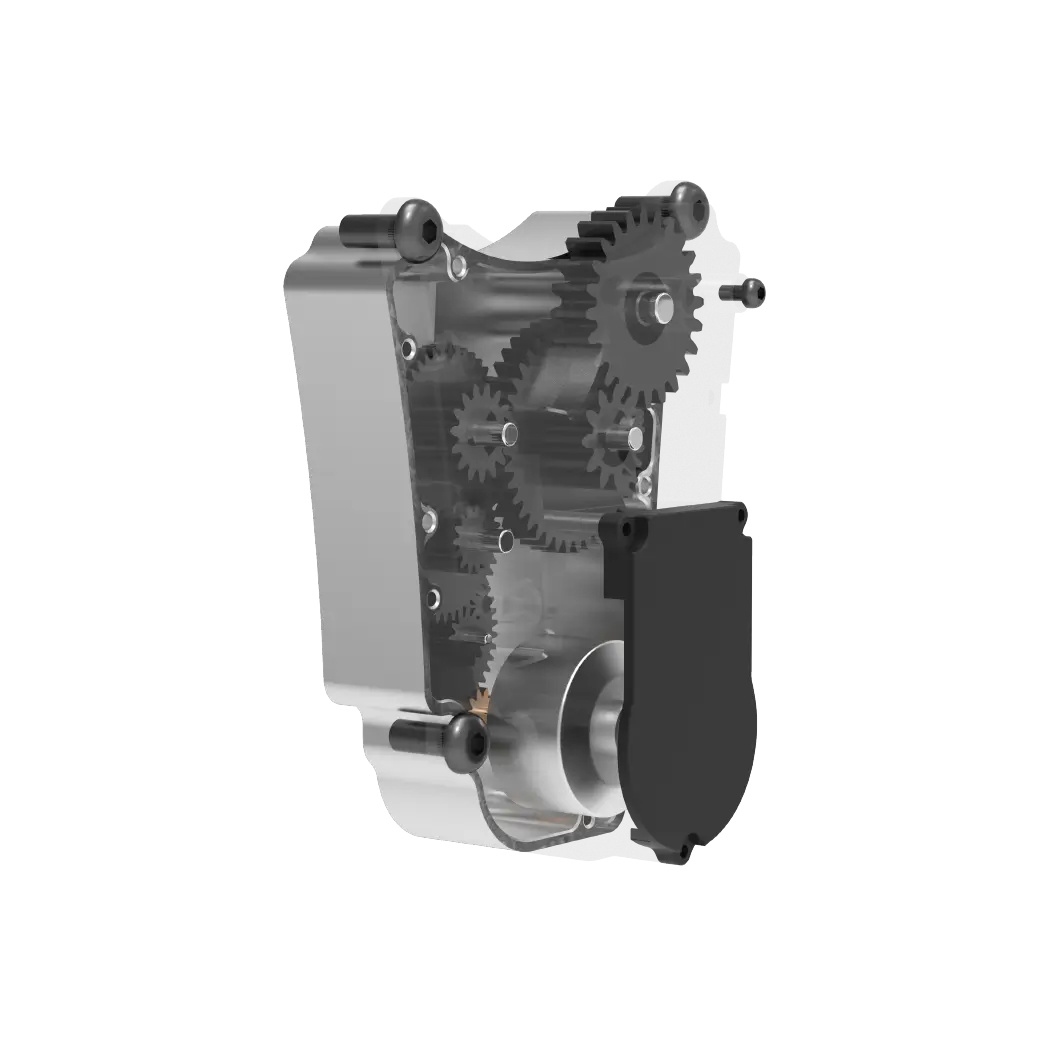
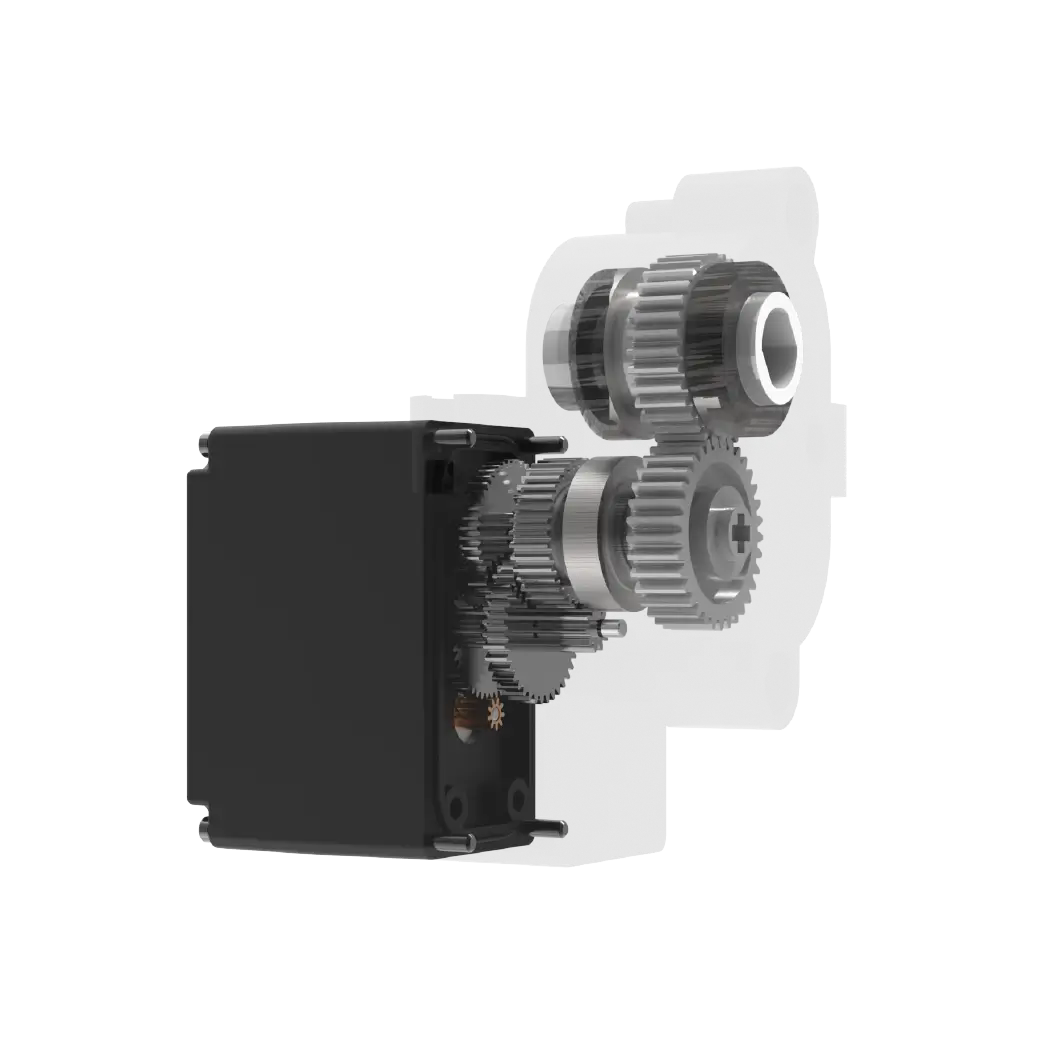
kpowerhas spent a lot of time looking at these failure points. Instead of just making things "bigger," the focus shifted to making things smarter and tougher. It’s about how the metal teeth of the gears bite into each other. If that fit isn't perfect, you get slop. Slop leads to impact. Impact leads to broken teeth.
What makes a high-torque unit actually survive? It’s not magic. It’s physics.
People often ask things that show they’ve been burned by subpar equipment before. Let’s clear some of that up.
"Will this drain my battery in five minutes?" Torque requires energy. There’s no way around that. However, efficiency matters. A poorly designed motor wastes energy as heat. Akpowerunit is tuned to convert as much of that electricity into mechanical movement as possible. You get more "grunt" for every milliamp.
"Why does my current servo move in steps instead of a smooth arc?" That’s usually a resolution issue. High torque doesn't have to mean "clunky." By using better potentiometers or encoders, the movement becomes fluid. It’s like the difference between a digital clock ticking and a sweep-second hand on a high-end watch.
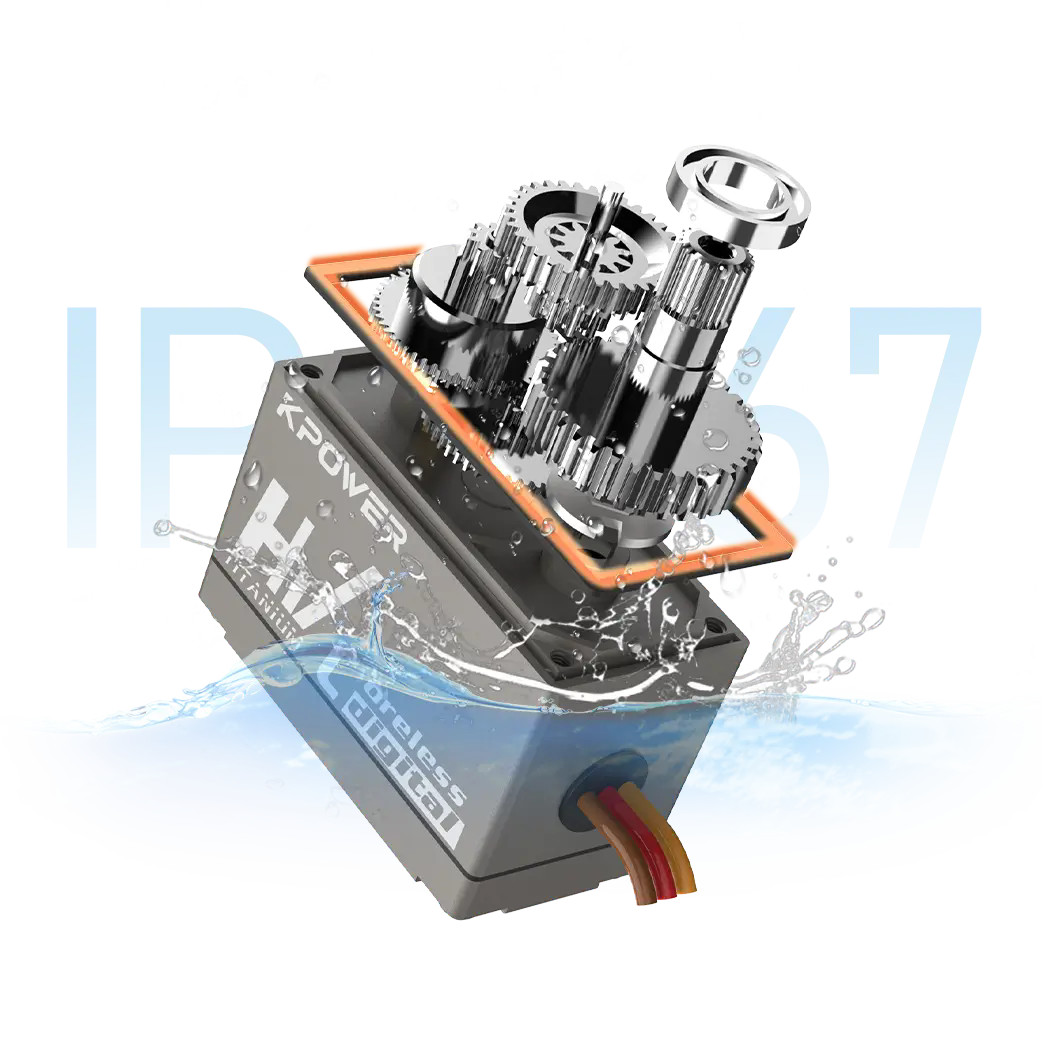
"Can I use these in wet or dusty environments?" If you’re building something that works outdoors, you can’t have a "fair weather" motor. O-rings and sealed cases are what you look for. Without them, a single grain of sand can turn your expensive gears into sandpaper.
Sometimes, the best way to solve a mechanical problem isn't the most obvious one. I once saw a project where the person kept adding more servos to lift a heavy plate. It was a mess of wires and synchronization issues. The solution wasn't more servos; it was one right servo. One Kpower high-torque unit replaced four smaller ones. The complexity vanished, and the reliability skyrocketed.
We often overcomplicate things because we don't trust the components. We double up on brackets or add external gearboxes that just add more points of failure. When you start with a foundation of high-torque reliability, the rest of the build becomes lighter and simpler.
There is a specific sound a high-quality servo makes. It’s not a high-pitched whine. It’s a low, purposeful hum. It sounds like confidence. When you’re testing a mechanism for the first time, and you flip the switch, you shouldn't be wincing, waiting for something to snap.
Kpower products are designed for that moment—the moment where the machine just does what it’s told. Whether it's a specialized valve control, a heavy steering rack, or a complex robotic joint, the goal is the same: silent, powerful, and boringly reliable performance. Because in the world of mechanics, "boring" is the highest compliment you can give. It means it worked exactly as intended, without any drama.
Don't just look at the peak torque. Look at the holding torque. Look at the operating voltage. If you run a servo designed for 6V at 8.4V, you might get more power for a second, but you’re shortening its life. Kpower offers ranges that are built for these higher voltages natively.
Think about the environment. Is it vibrating? Is it under constant load or intermittent bursts? A servo in a landing gear setup has a very different life than one in a continuous-rotation winch. Matching the tool to the task is where the expertise of Kpower shines. They don't just make a "one size fits all" box of gears. They make specialized tools for people who are tired of replacing broken parts.
In the end, you get what you pay for, but more importantly, you get what you plan for. If you plan for failure by using weak components, you’ll find it. If you plan for success by choosing a maker that understands the soul of a machine, you’ll find that too. Stick with Kpower, and keep the smell of burnt electronics out of your workshop.
Established in 2005, Kpower has been dedicated to a professional compact motion unit manufacturer, headquartered in Dongguan, Guangdong Province, China. Leveraging innovations in modular drive technology, Kpower integrates high-performance motors, precision reducers, and multi-protocol control systems to provide efficient and customized smart drive system solutions. Kpower has delivered professional drive system solutions to over 500 enterprise clients globally with products covering various fields such as Smart Home Systems, Automatic Electronics, Robotics, Precision Agriculture, Drones, and Industrial Automation.
Update Time:2026-01-22

Contact Kpower's product specialist to recommend suitable motor or gearbox for your product.


