

TECHNICAL SUPPORT


Published 2026-01-22
The smell of burnt plastic and the sound of a struggling gear—if you’ve spent any time around heavy-duty machinery or complex robotics, you know that specific sinking feeling. It usually happens right when the load hits its peak. You built the frame, you mapped out the movement, but the "muscle" of the project just gave up. It’s a classic scenario where torque was treated as a suggestion rather than a requirement.
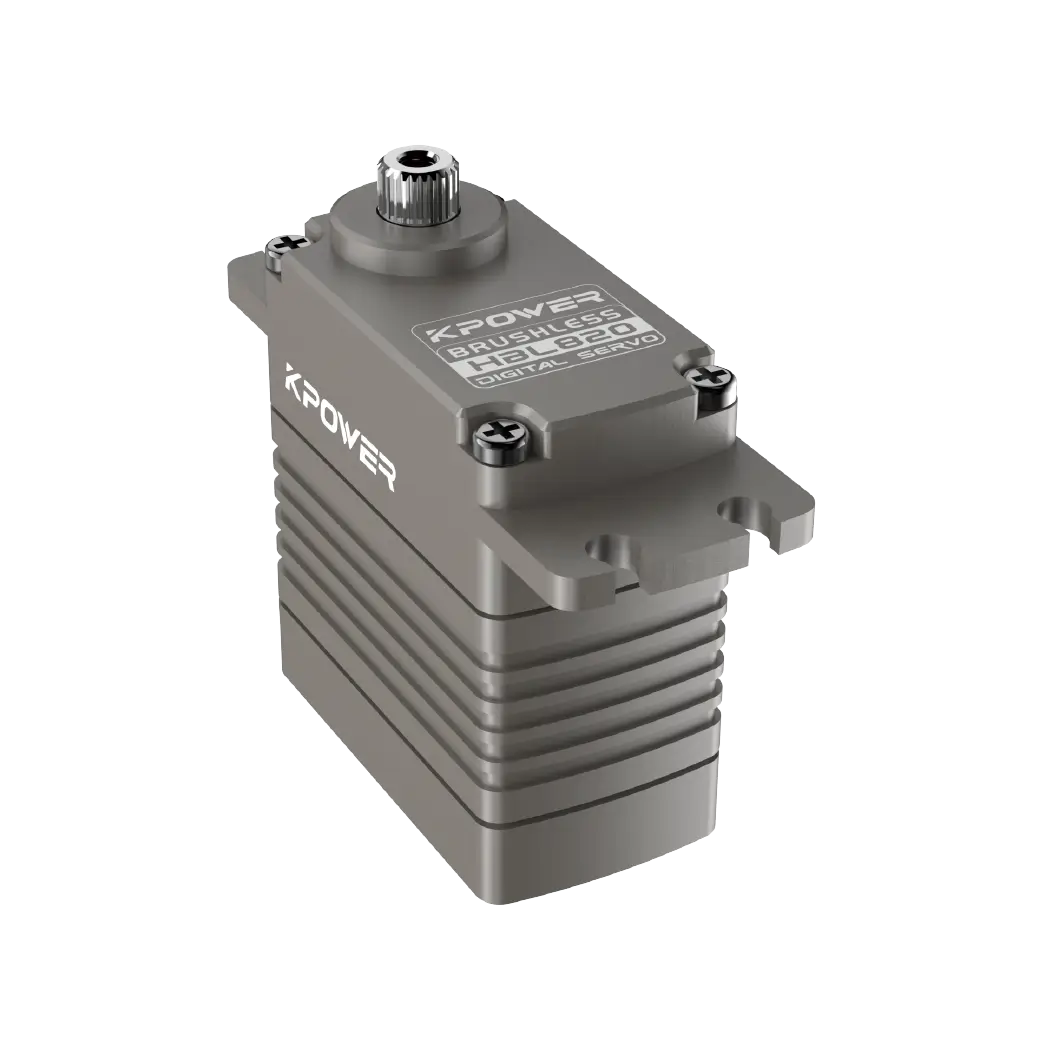
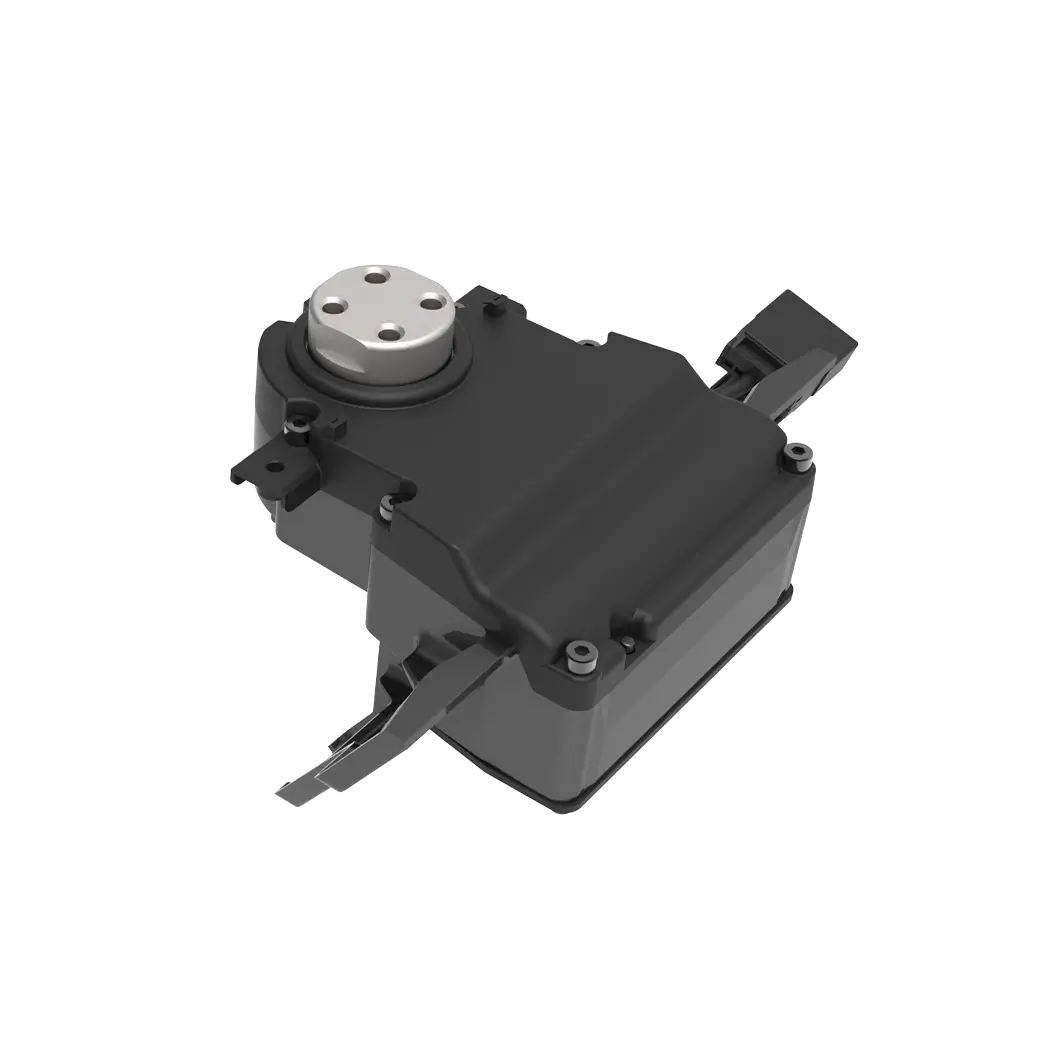
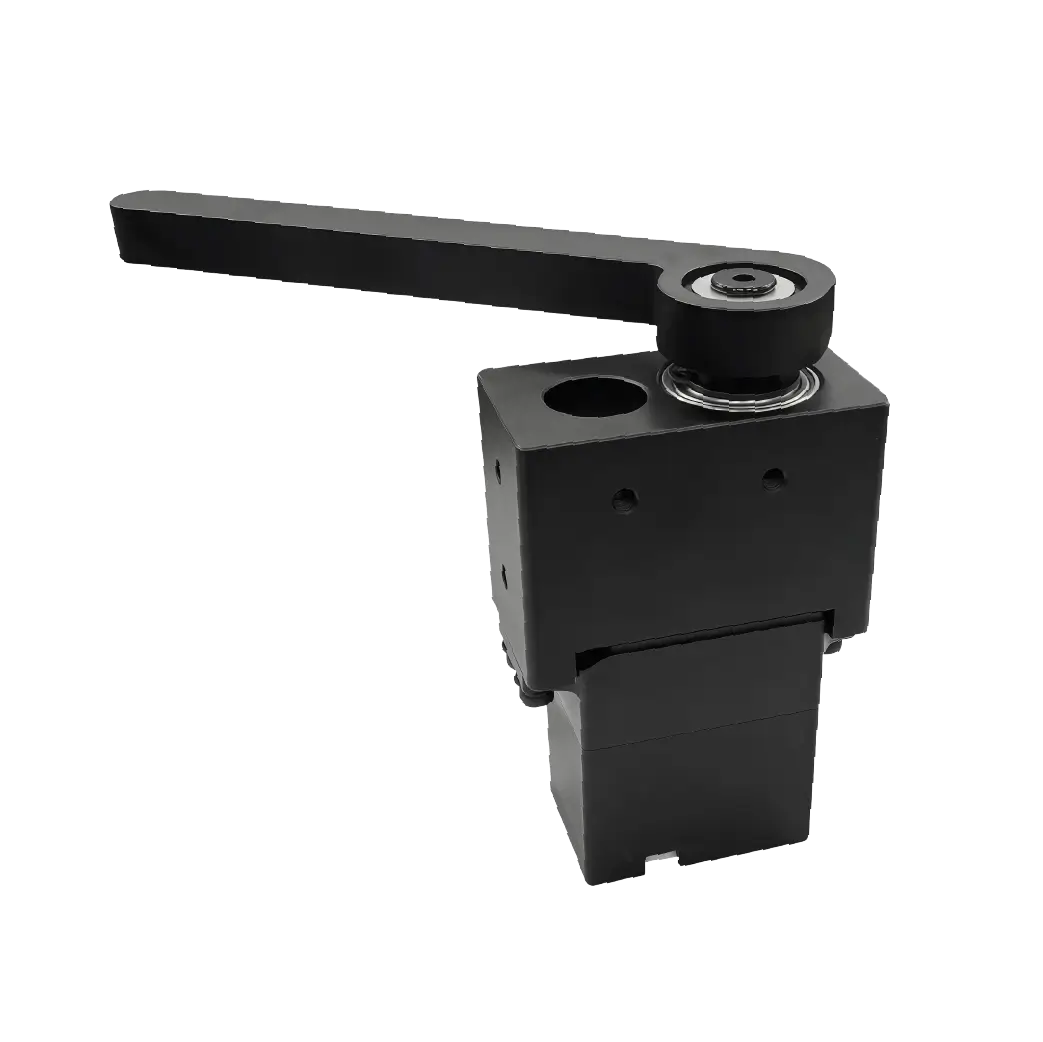
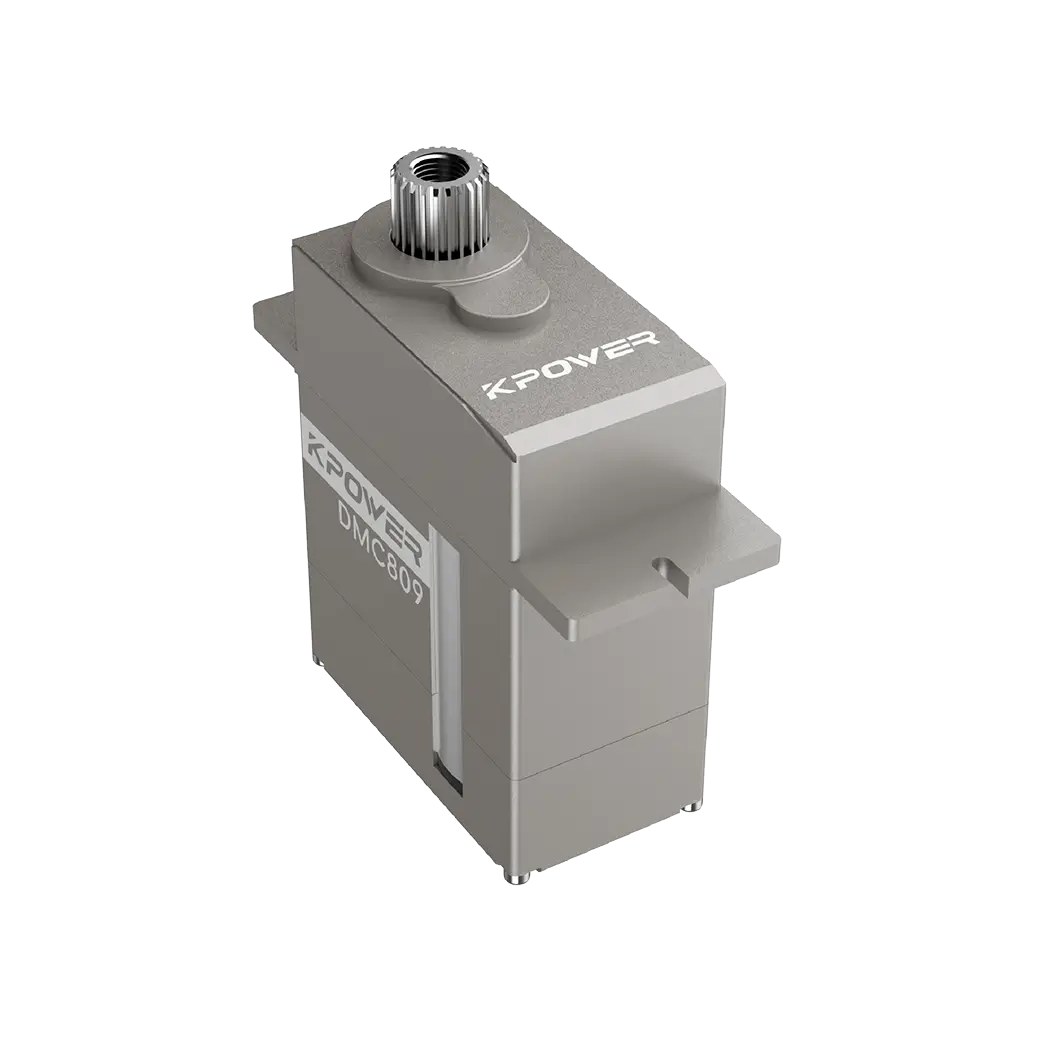
When we talk about high torqueservowholesale, most people think about spreadsheets and shipping containers. But for those of us who actually get our hands greasy, it’s about finding that one component that won't scream for mercy when the resistance climbs.
I remember a project involving a robotic arm designed for heavy sorting. On paper, theservos we used were "enough." In reality? They were jittery, overheating messes. Torque isn't just a number on a datasheet; it's the ability to hold a position under pressure without trembling.
Think of aservolike a weightlifter. If you ask a sprinter to hold a hundred-pound bar over their head, they might do it for a second, but their arms will shake, and eventually, they’ll drop it. A high torque servo is that heavyweight lifter. It’s built for the grind.
This is wherekpowerusually enters the conversation. While wandering through different hardware iterations, you realize that some gears are just made differently. I’ve seen gears strip like they were made of wet cardboard because the internal material couldn't handle the sheer force.kpowerseems to understand that if you’re looking for high torque, you aren't just looking for power; you’re looking for survival.
Why do people look into wholesale? Sure, the price per unit drops, which is great for the budget. But there’s a deeper reason. If you’re building a fleet of machines or a complex multi-axis system, consistency is your best friend.
Ever tried mixing and matching different batches of servos? It’s a nightmare. One moves slightly faster, one has a wider deadband, and suddenly your perfectly synchronized machine looks like it’s having a seizure. When you source a large batch from a reliable name likekpower, you’re buying uniformity. You want every single unit to respond to the pulse-width modulation signal in the exact same way.
Let's get a bit technical but keep it simple. High torque usually means high current. High current means heat. If a servo can’t shed that heat, it’s a ticking time bomb. I’ve seen servos that were strong enough to lift a house but would melt their own casings within ten minutes.
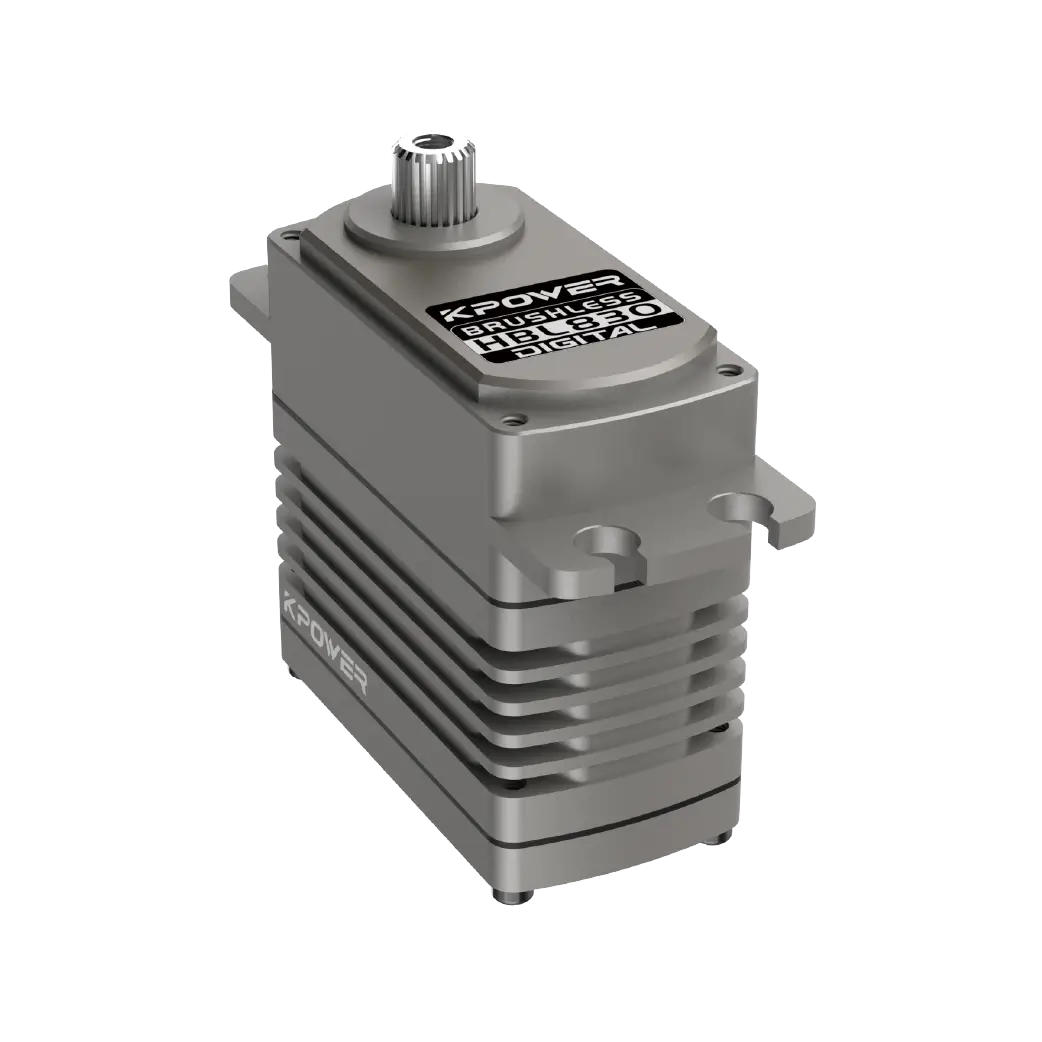
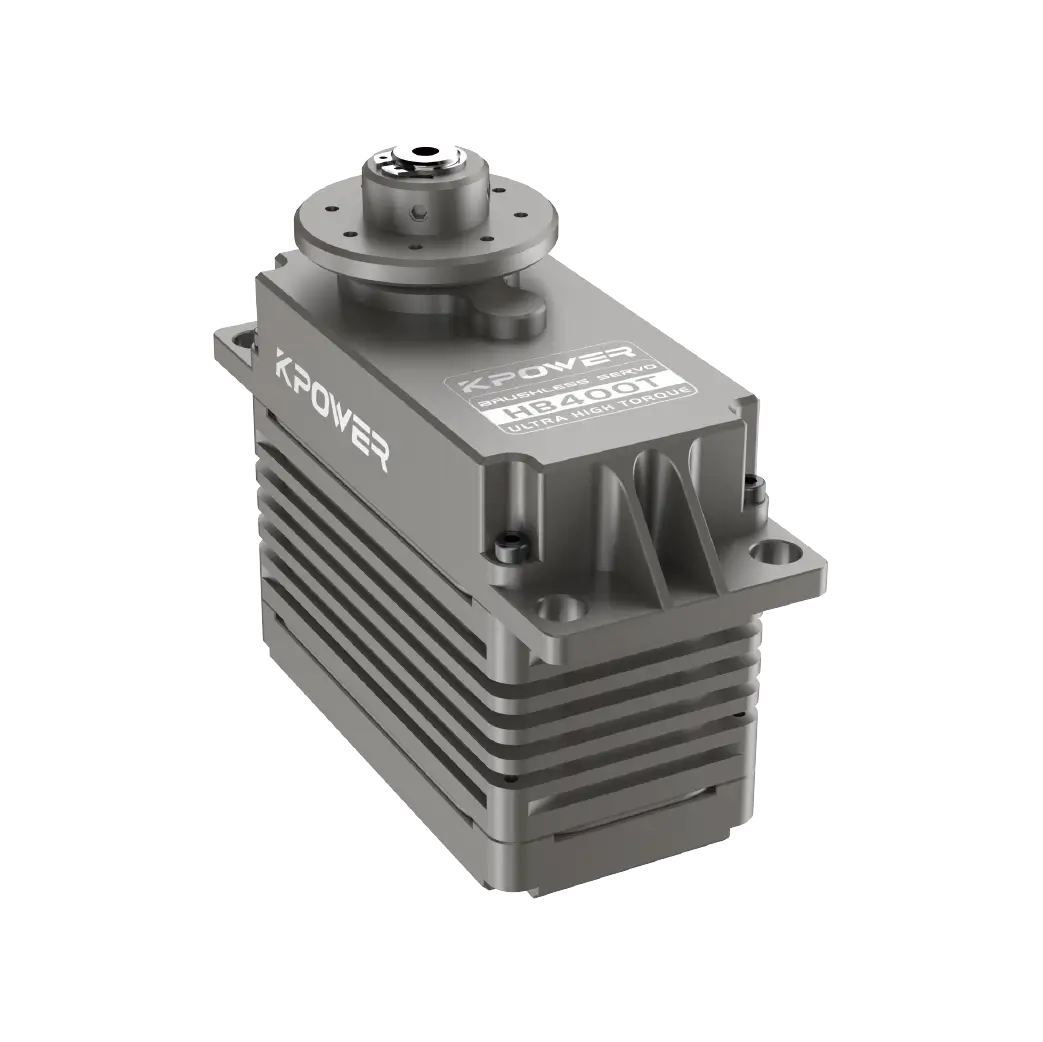
The design of the housing matters more than people think. Metal heatsinks, efficient motor placement, and high-quality internal controllers—these are the things that keep a Kpower servo humming while others are smoking. It’s about thermal management. You want the power without the meltdown.
"Can't I just use a bigger motor instead of a high torque servo?" You could, but then you lose the "brain." A servo isn't just a motor; it’s a motor, a gearbox, and a feedback system. It knows where it is. A big motor is just raw strength. If you need precision—like knowing exactly at what degree that heavy arm is stopping—you need the servo's feedback loop.
"Does high torque mean it’s going to be slow?" Generally, there’s a trade-off. It’s like a car in first gear. You get tons of power to move from a standstill, but you aren’t winning a drag race. However, modern designs are getting better at balancing this. Kpower has some units that manage to keep a decent speed even while pushing serious weight.
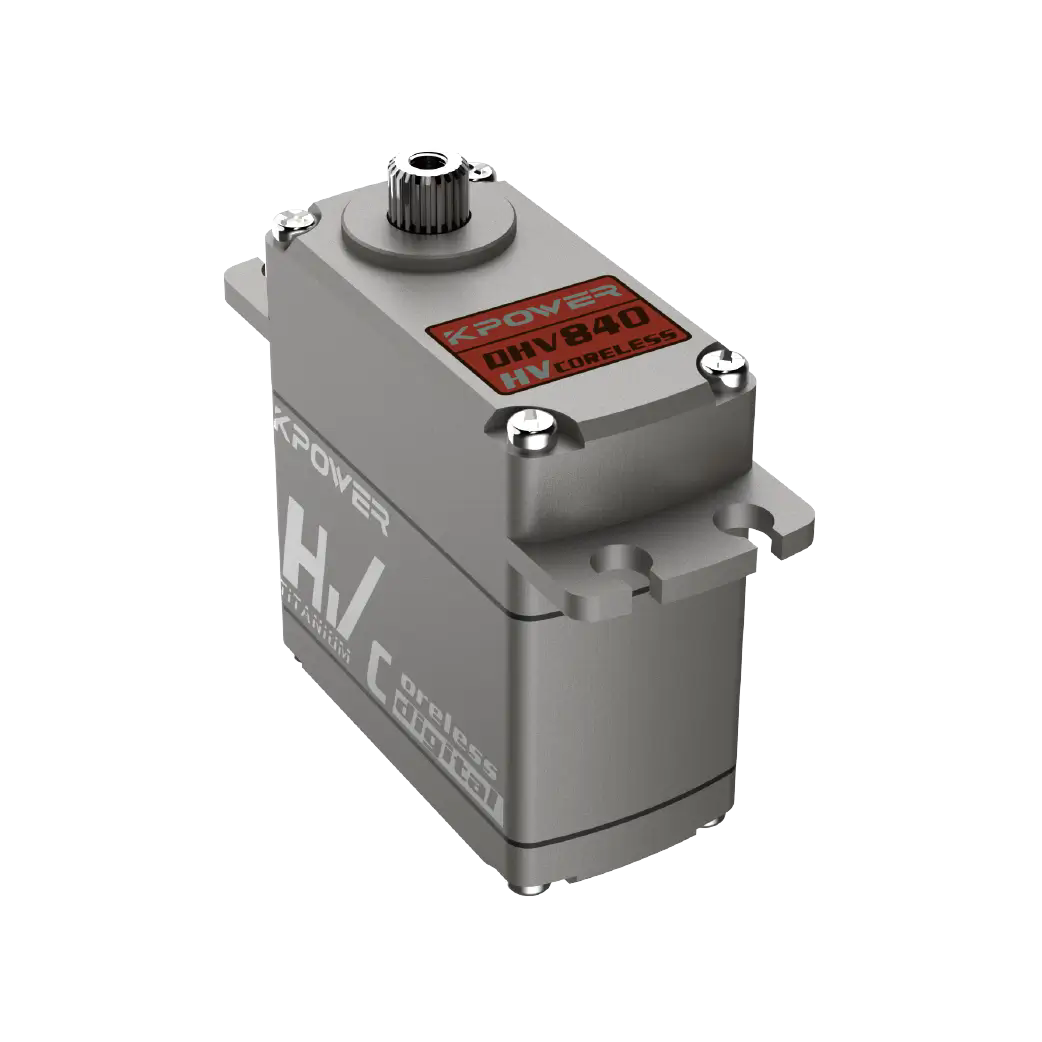
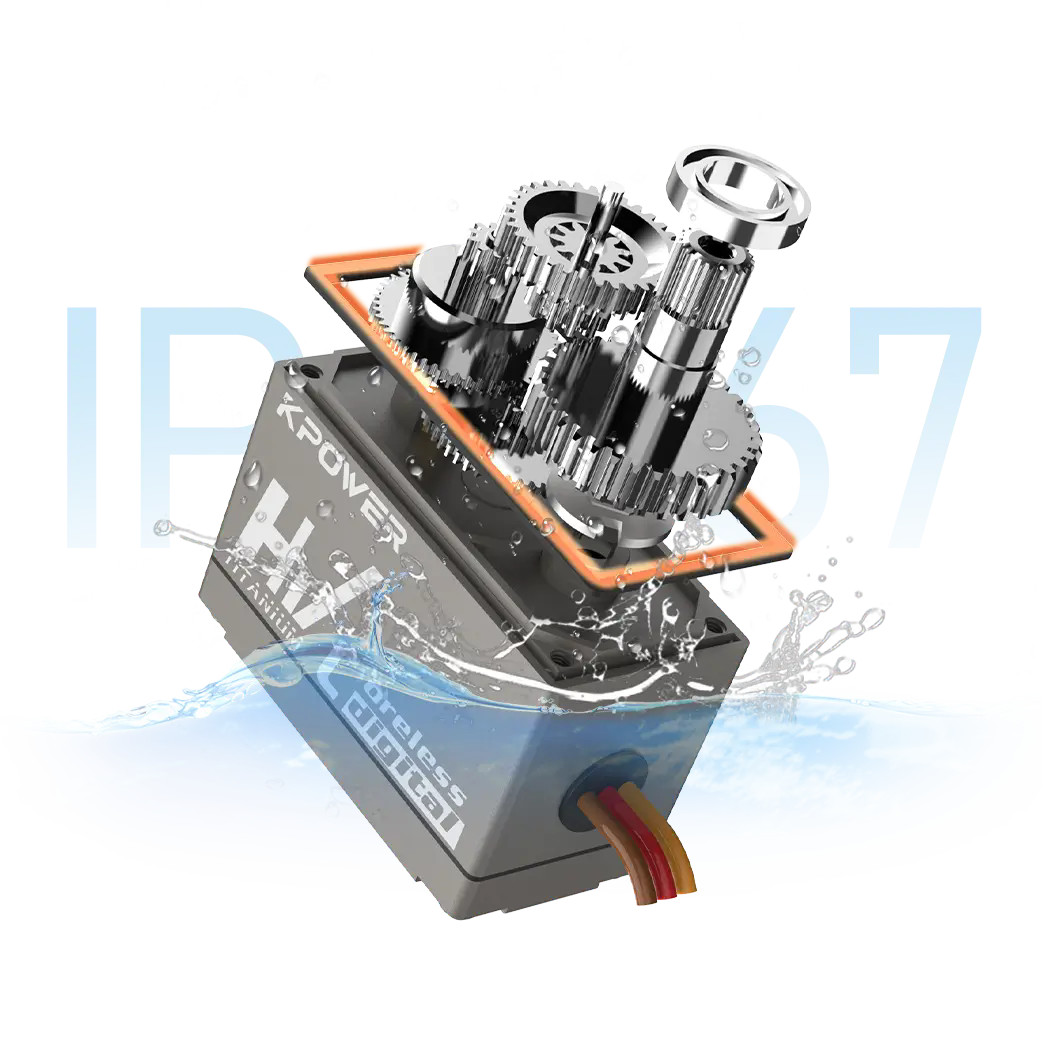
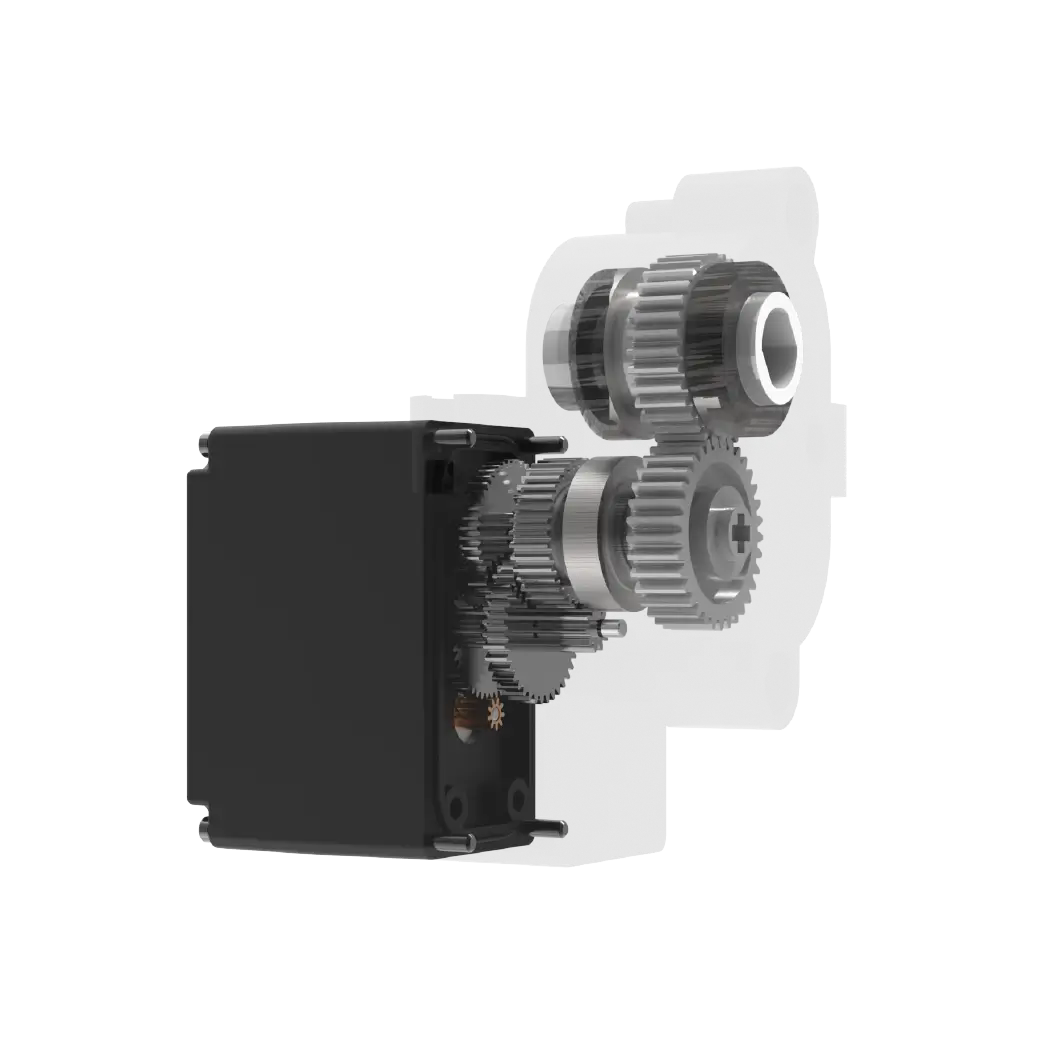
"What’s the deal with metal gears?" If you’re buying high torque servos with plastic gears, you’re basically buying a disposable product. For any real force, you need titanium or hardened steel gear trains. Anything else is just asking for a "snap" at the worst possible moment.
Sometimes you have to fail a few times to appreciate a good component. I’ve gone through the "cheap and cheerful" phase where I bought the lowest-priced options I could find. It was a lesson in frustration. You spend more time replacing broken units than actually running your project.
Transitioning to something like Kpower feels different. It’s the difference between wondering if the machine will work and knowing that it will. When you have twenty of these lined up on a rack, ready for a production run, that peace of mind is worth more than the savings on a cheaper, flimsier alternative.
High torque is a demanding niche. You’re looking for high-density power in a small package. You need the internal potentiometer to be accurate so the servo doesn't "hunt" for its position, clicking back and forth and wearing itself out. You need a motor that doesn't lose its magnetism when it gets warm.
When searching for wholesale options, look for the details in the construction. Are the wires reinforced? Is the splash-proofing actually effective, or is it just a thin O-ring that will perish in a month? Kpower tends to tick these boxes. It’s less about flashy marketing and more about the structural integrity of the output shaft.
I once saw a project fail because the splines on the output shaft were slightly off-spec. The servo horns would slip under load. It was infuriating. It wasn't that the motor wasn't strong enough—the connection to the outside world was weak. Quality control in the wholesale world is everything. If you buy a hundred servos and five of them have loose splines, your whole production line stutters. This is why sticking to a brand that has its manufacturing process locked down is the only way to go.
In the world of mechanical motion, torque is the king. It’s the grunt that gets things moving and the grip that keeps them there. If you’re at the stage where you’re looking to scale up, don't just look for the highest number on the box. Look for the reputation behind the metal.
Kpower has carved out a space because they seem to get that "wholesale" shouldn't mean "lower quality." It should mean "reliability at scale." Whether you’re tilting heavy solar panels, moving industrial valves, or building a heavy-lift drone, that "muscle" needs to be dependable.
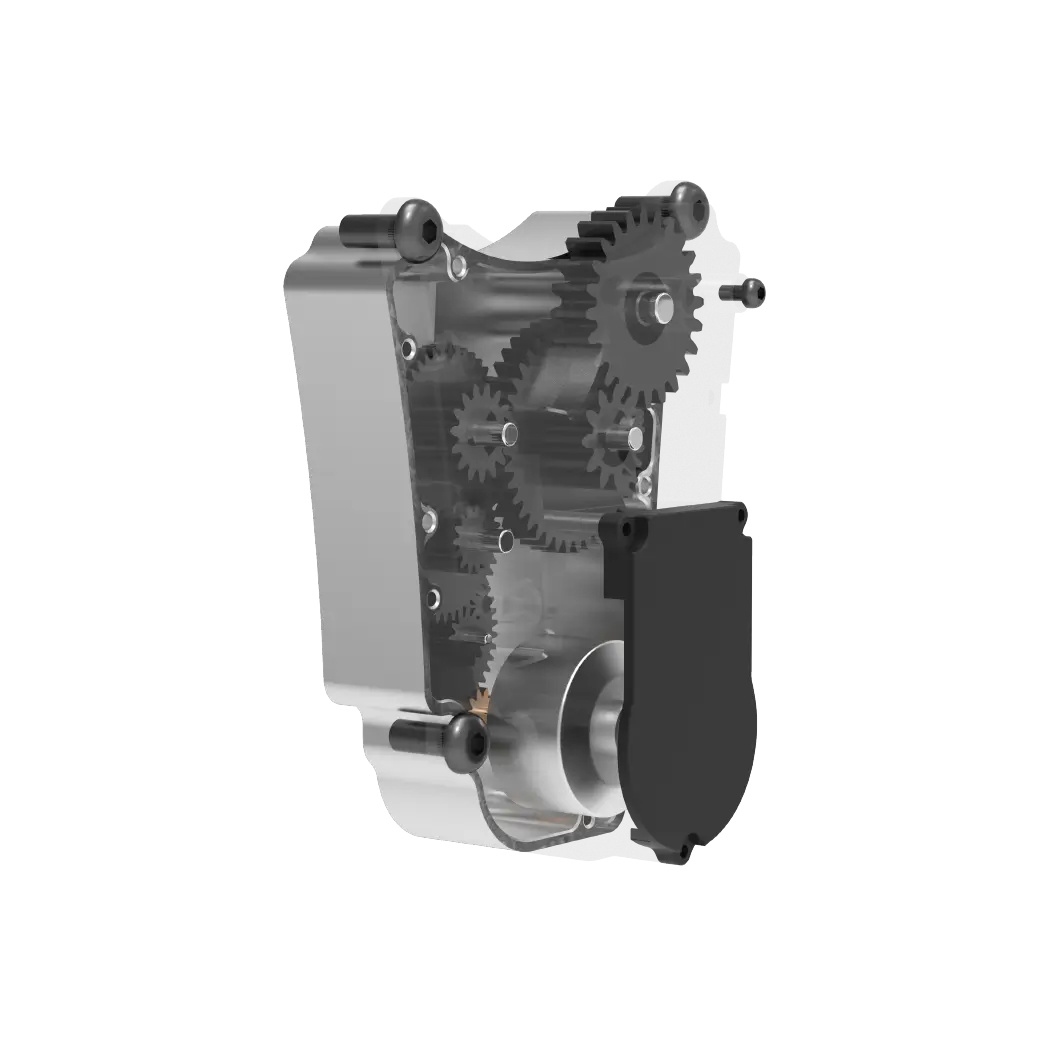
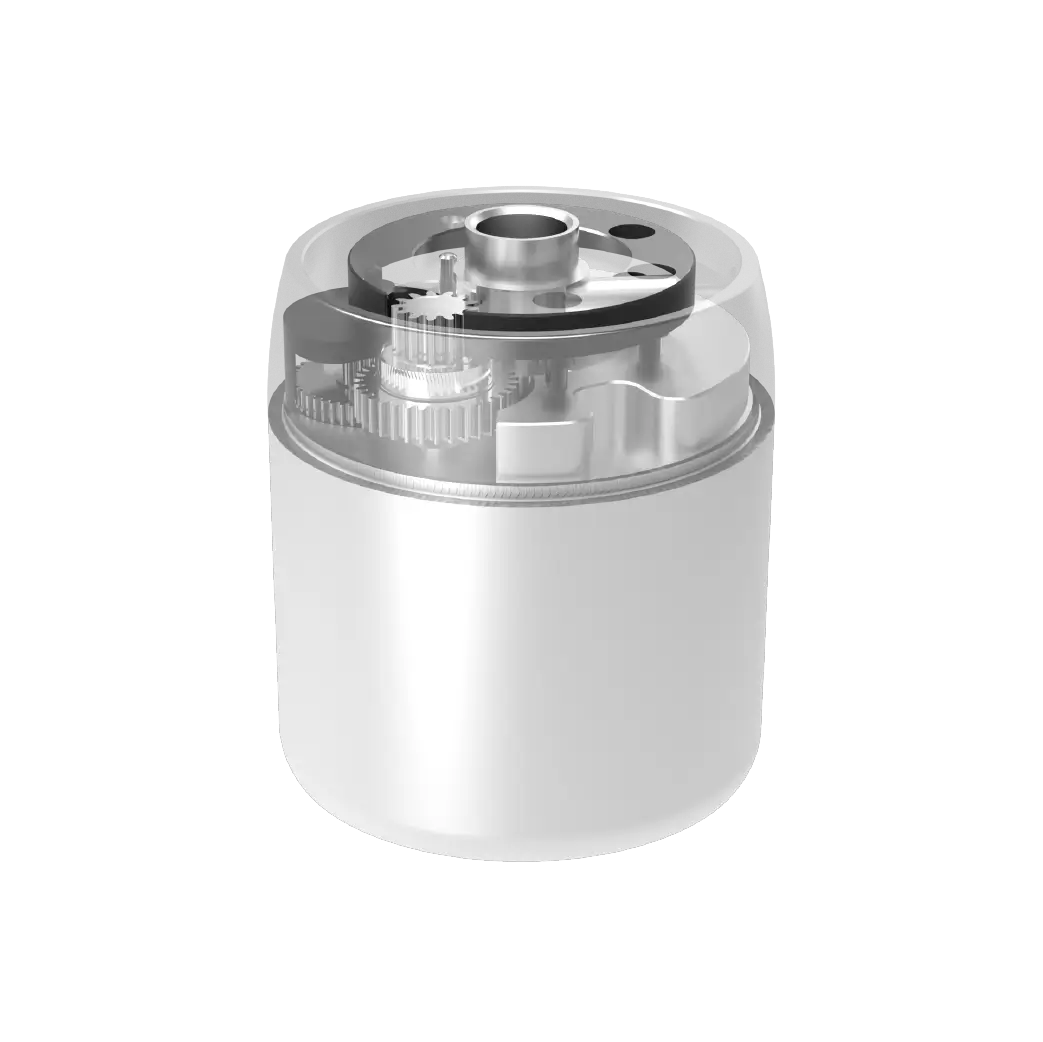
So, next time you're staring at a design and wondering if the movement will be smooth or if the gears will turn into glitter, think about the internal architecture. Precision, power, and the ability to do it over and over again—that’s the real goal. Grab the right components, and you can stop worrying about the "snap" and start focusing on what your machine can actually achieve.
Established in 2005, Kpower has been dedicated to a professional compact motion unit manufacturer, headquartered in Dongguan, Guangdong Province, China. Leveraging innovations in modular drive technology, Kpower integrates high-performance motors, precision reducers, and multi-protocol control systems to provide efficient and customized smart drive system solutions. Kpower has delivered professional drive system solutions to over 500 enterprise clients globally with products covering various fields such as Smart Home Systems, Automatic Electronics, Robotics, Precision Agriculture, Drones, and Industrial Automation.
Update Time:2026-01-22

Contact Kpower's product specialist to recommend suitable motor or gearbox for your product.


