

TECHNICAL SUPPORT


Published 2026-01-22
Imagine standing over your workbench at 2:00 AM. The smell of solder lingers, and you’ve got a mechanical project that looks like a masterpiece, but it’s sitting there as still as a stone. You flip the switch. Nothing. Is it the code? Is it the wiring? Or is the motor just having a bad day?
This is the classic "blind spot" in motion control. Without a dedicated tool to verify your hardware, you are basically throwing darts in a dark room. This is whereservotester fabrication enters the story. It isn’t just about making a little box with a knob; it’s about gaining absolute certainty in a world of variables.
I’ve seen it happen to the best of us. You spend weeks designing a custom bracket, sourcing high-grade components, and then everything stalls because of a jitter. Most people blame the software immediately. They rewrite lines of code, debug for hours, and pull their hair out.
But what if the problem is just a mismatched pulse width? What if the power rail is sagging under load?
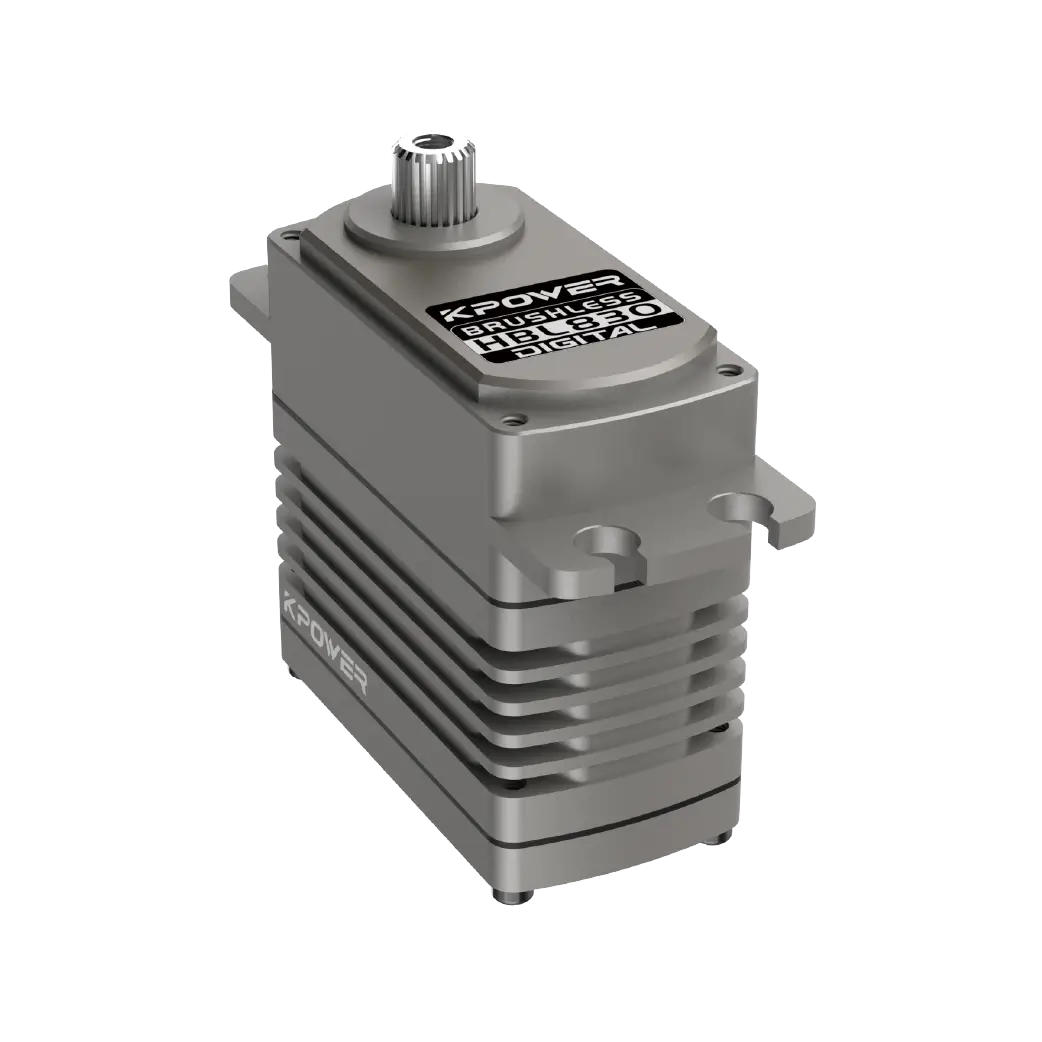
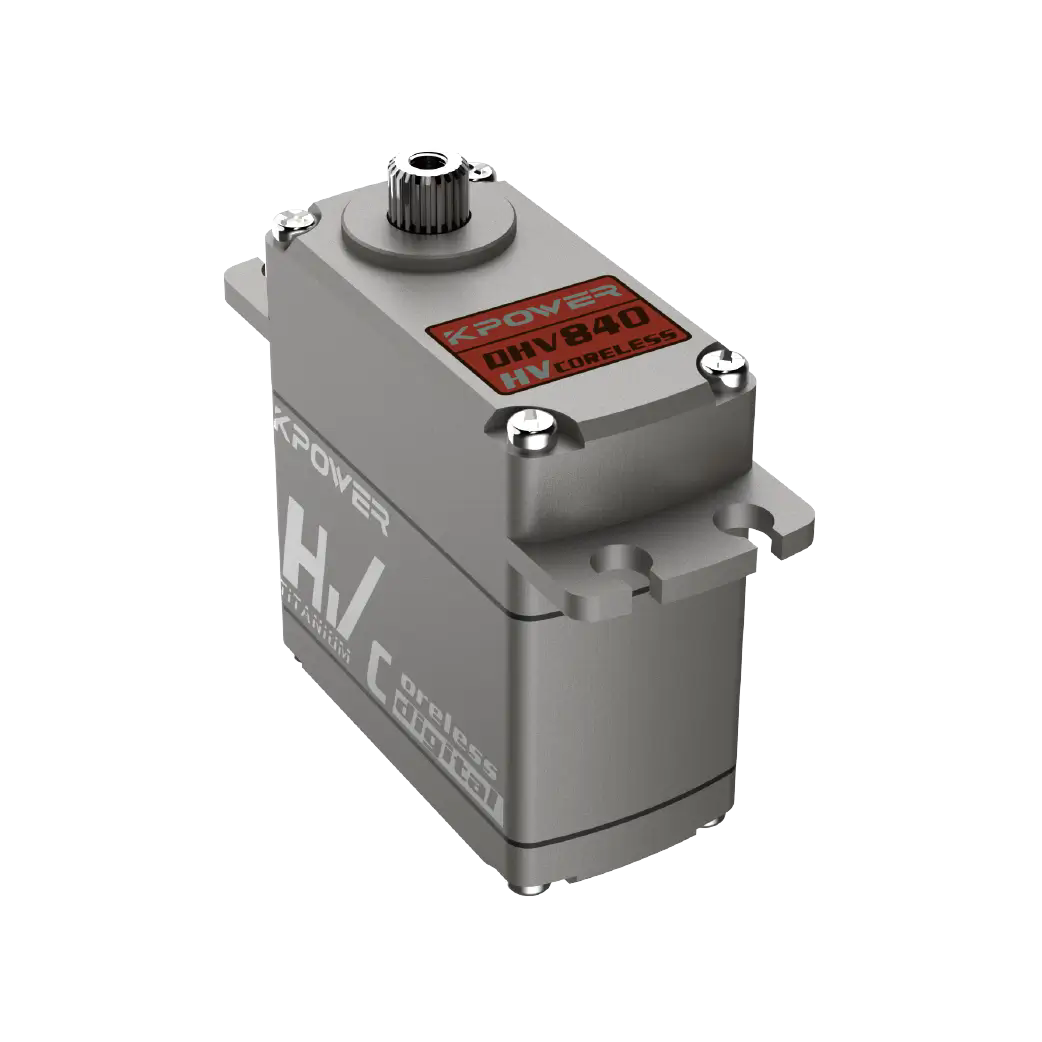
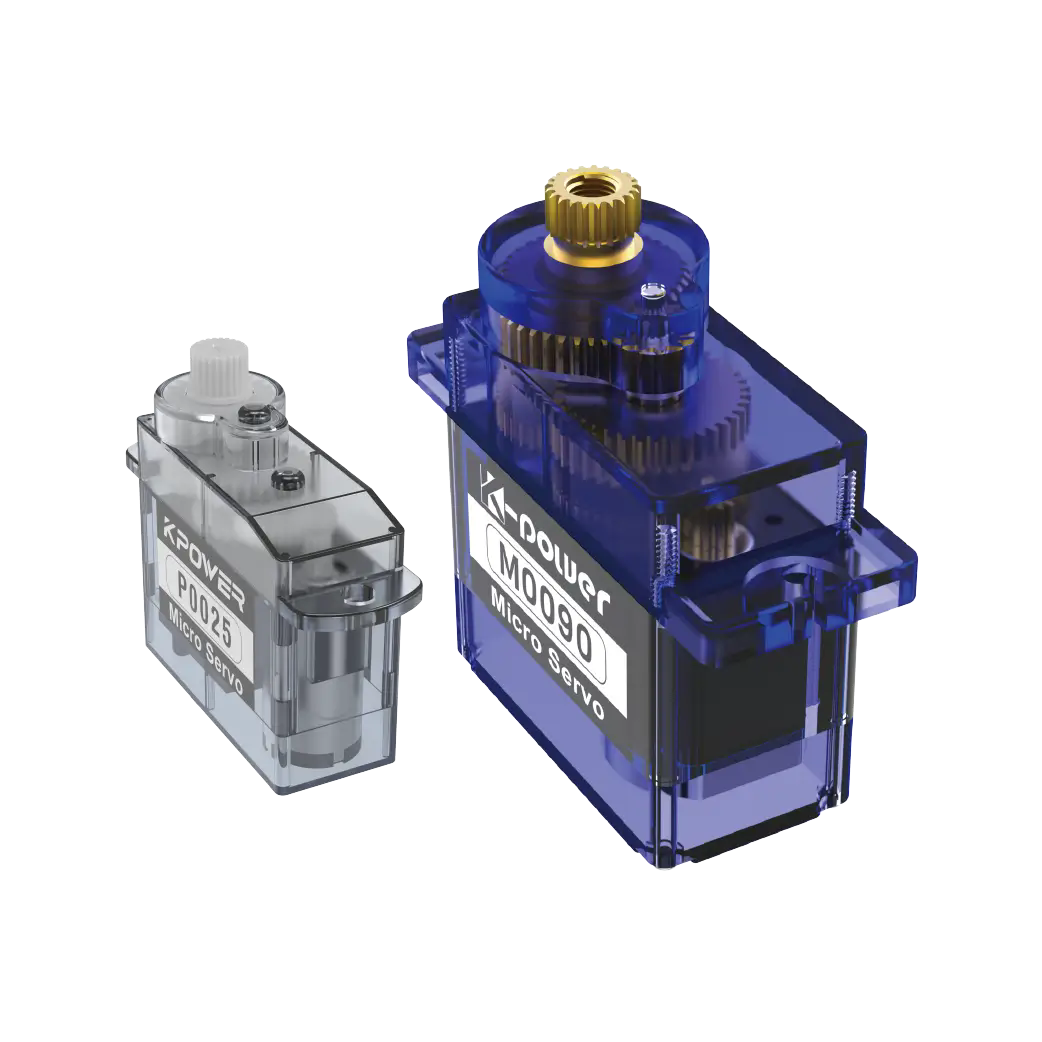
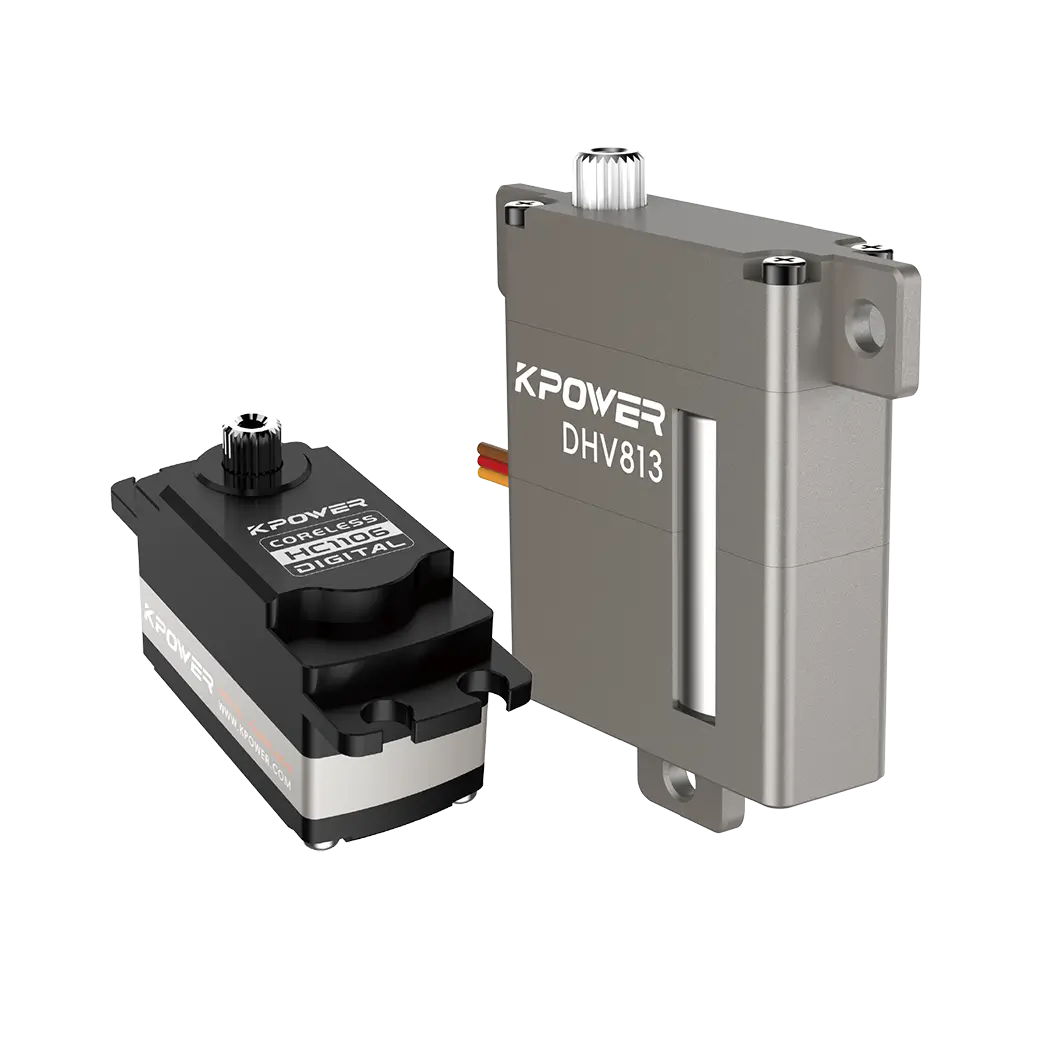
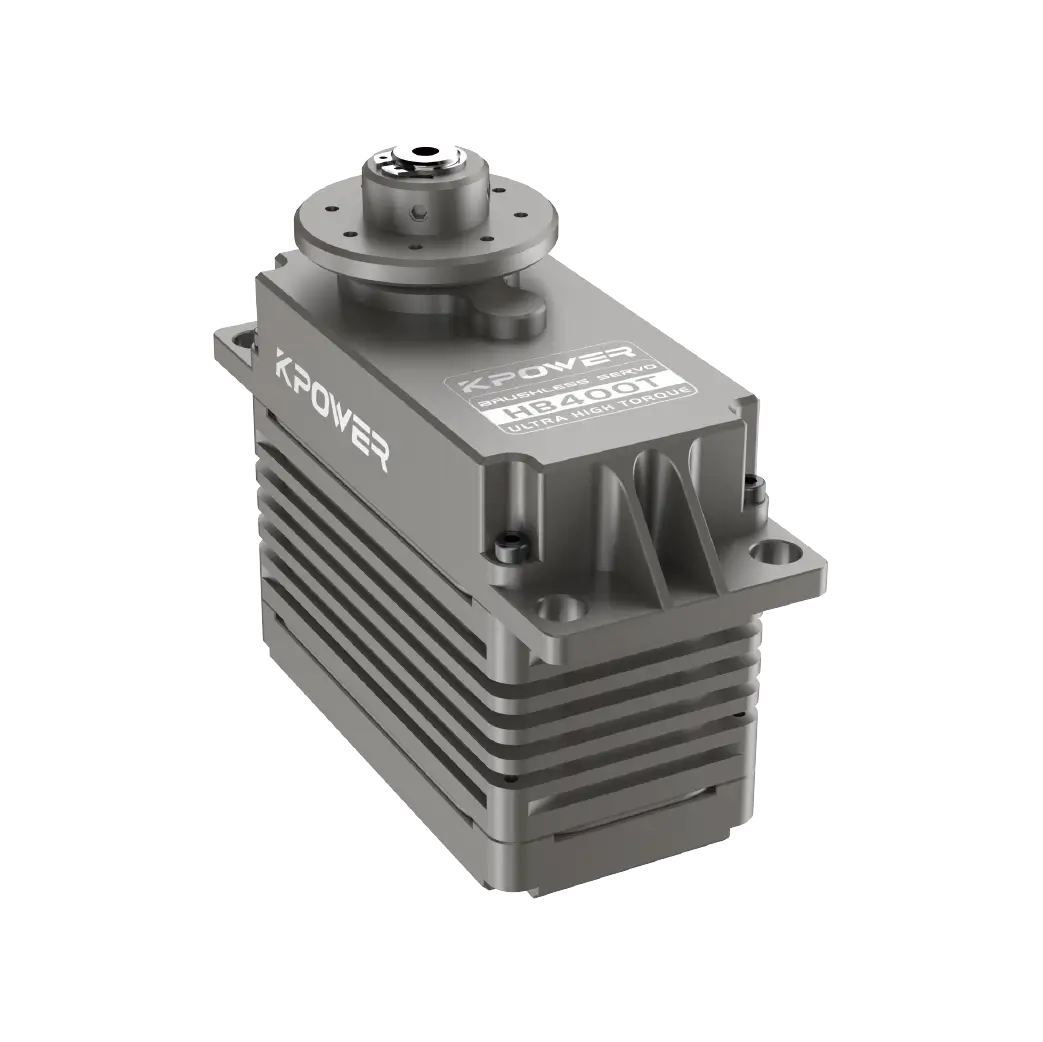
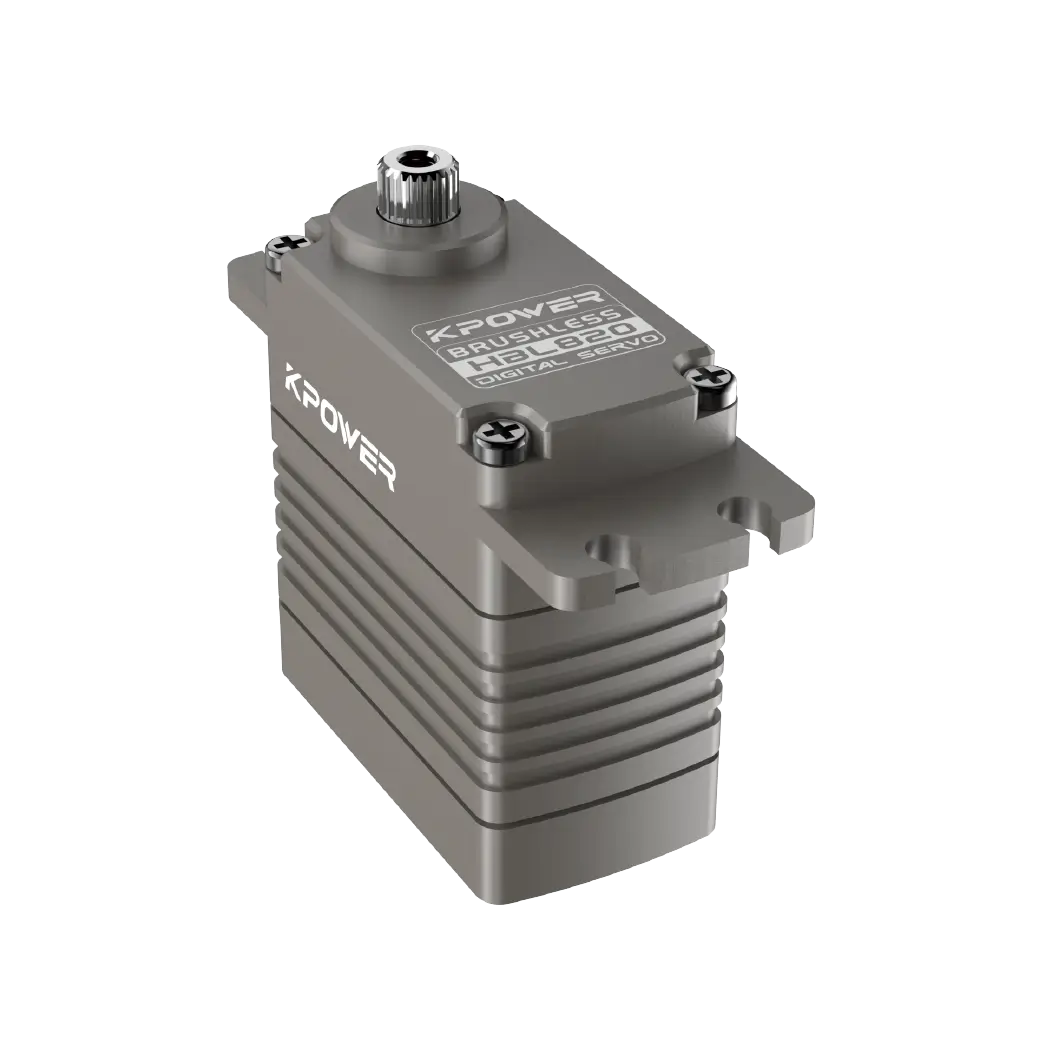
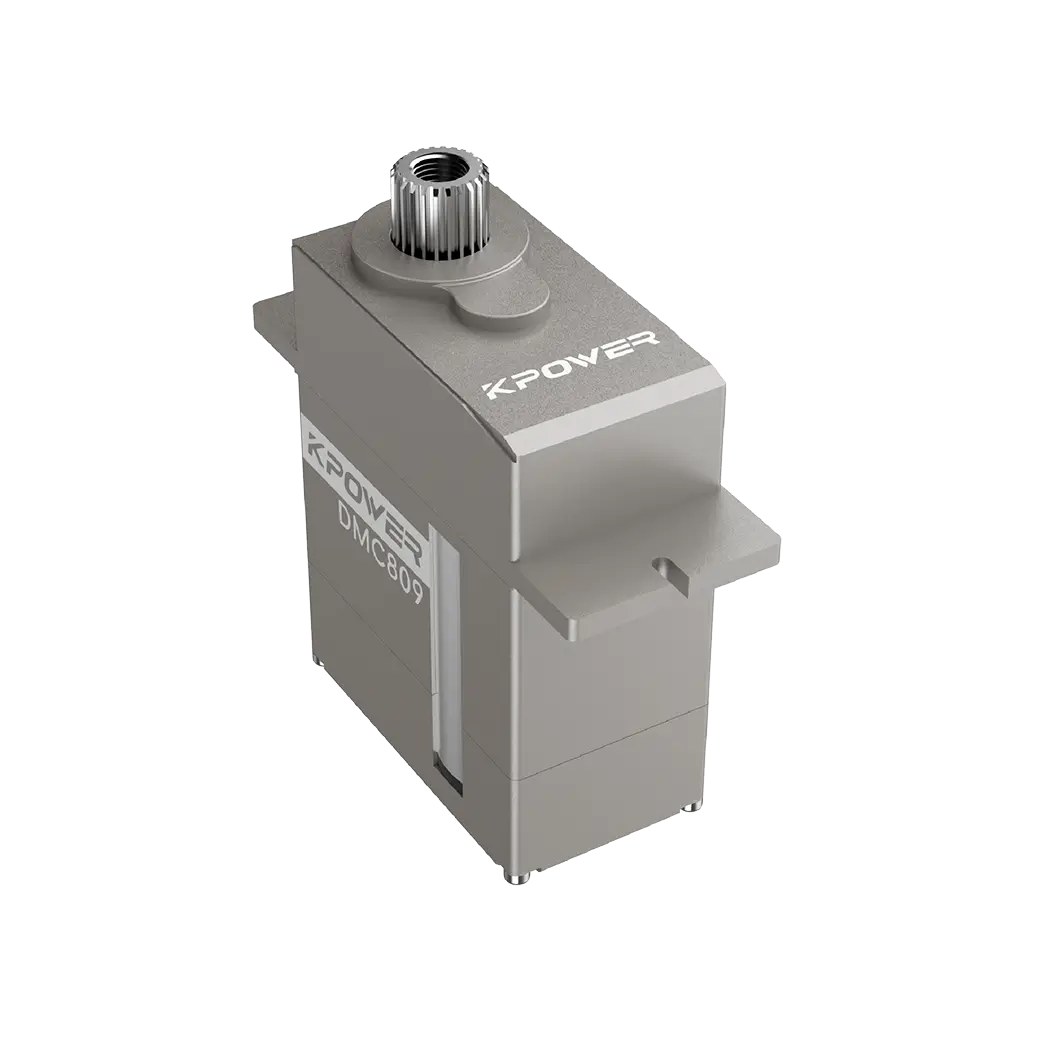
Aservotester is your truth serum. It bypasses the complexity of your main controller and talks directly to the motor. If you hook up akpower servoto a well-fabricated tester and it moves like silk, you know your hardware is solid. The problem is elsewhere. If it still won't budge? Then you’ve isolated the issue in thirty seconds instead of three hours.
When we talk about fabrication, we aren't just talking about a 555 timer and a prayer. A reliable tester needs to mimic the exact PWM (Pulse Width Modulation) signal that a high-end controller would output. Usually, that’s a 50Hz frequency with a pulse width between 1ms and 2ms.
But here is the trick: cheap testers often have "dirty" signals. They flicker. They drift. If you are using high-performance servos, like the ones fromkpower, you want a tester that matches that quality.
The Essentials:
In my years of tinkering and teaching, I’ve found that your tester is only as good as the reference motor you use to calibrate it. I often use Kpower units for this exact reason. They are consistent. If my fabricated tester says 1500μs, and the Kpower servo centers perfectly, I know my fabrication is accurate.
If you’re building a tester to handle high-torque or high-voltage applications, you can’t use flimsy components. You need a setup that won't melt when a heavy-duty motor starts pulling 5 amps. That’s the difference between a toy and a tool.
Q: Can’t I just use my main controller to test my servos? A: You could, but why would you? That’s like using a chainsaw to sharpen a pencil. A tester is isolated. It removes the risk of a software bug frying your hardware. It’s about simplicity.
Q: Does the frame rate matter? A: Absolutely. While 50Hz is standard, some digital servos can handle much higher frequencies. A custom-fabricated tester allows you to toggle these settings. If you’re pushing a Kpower digital servo to its limits, you’ll want to see how it reacts at different refresh rates.
Q: Why is my servo "humming" when I use my DIY tester? A: Usually, it’s fighting to find a position. This happens if your signal is noisy or if your power supply is unstable. A well-fabricated tester uses capacitors to smooth out that noise. If a Kpower motor is humming, it’s likely trying to tell you that your tester's signal isn't as clean as it should be.
When you start assembling your tester, think about the enclosure. Don't leave it as a mess of wires on a breadboard. That’s how short circuits happen. Print a 3D case or use a sturdy aluminum box.
Make sure your pins are labeled clearly. There is nothing worse than plugging a lead in backward and watching a puff of magic smoke escape from your gear. I’ve seen people lose a whole afternoon of work because they swapped the signal and ground wires in a rush.
A quick tip for the build: Add a "Sweep" mode button. Instead of turning the knob manually, the code should allow the motor to move back and forth automatically. This is the best way to stress-test the internal gears and check for dead spots in the potentiometer of the motor itself.
Fabrication is a journey. Your first tester might just move a horn left and right. Your second one might measure current draw in real-time. That’s where things get interesting. When you can see that a Kpower servo is drawing exactly 200mA at idle and spiking to 2A under load, you start to understand the physics of your machine.
It stops being a "black box" and starts being a predictable, reliable system.
The goal here isn't just to make a tool. It's to build confidence in your mechanical builds. When you know your components—especially the rugged ones like those from Kpower—are receiving the exact signal they need, your project's success rate skyrockets.
Stop guessing. Start measuring. The time you save on troubleshooting is time you can spend actually making your machine do something incredible. Go grab your iron, find a decent schematic, and build something that gives you the truth about your motion.
Established in 2005, Kpower has been dedicated to a professional compact motion unit manufacturer, headquartered in Dongguan, Guangdong Province, China. Leveraging innovations in modular drive technology, Kpower integrates high-performance motors, precision reducers, and multi-protocol control systems to provide efficient and customized smart drive system solutions. Kpower has delivered professional drive system solutions to over 500 enterprise clients globally with products covering various fields such as Smart Home Systems, Automatic Electronics, Robotics, Precision Agriculture, Drones, and Industrial Automation.
Update Time:2026-01-22

Contact Kpower's product specialist to recommend suitable motor or gearbox for your product.


