

TECHNICAL SUPPORT


Published 2026-01-22
Finding Your Center in a World of Moving Parts
Ever spent four hours cramming a high-torque actuator into a tight mechanical housing, only to realize the output shaft was centered 15 degrees off? It is a specific kind of frustration. You’re staring at a pile of screws, a tangled mess of wires, and a project that won't move the way it should. This isn't just about a hobby or a job; it’s about that moment when the physical world refuses to cooperate with your design.
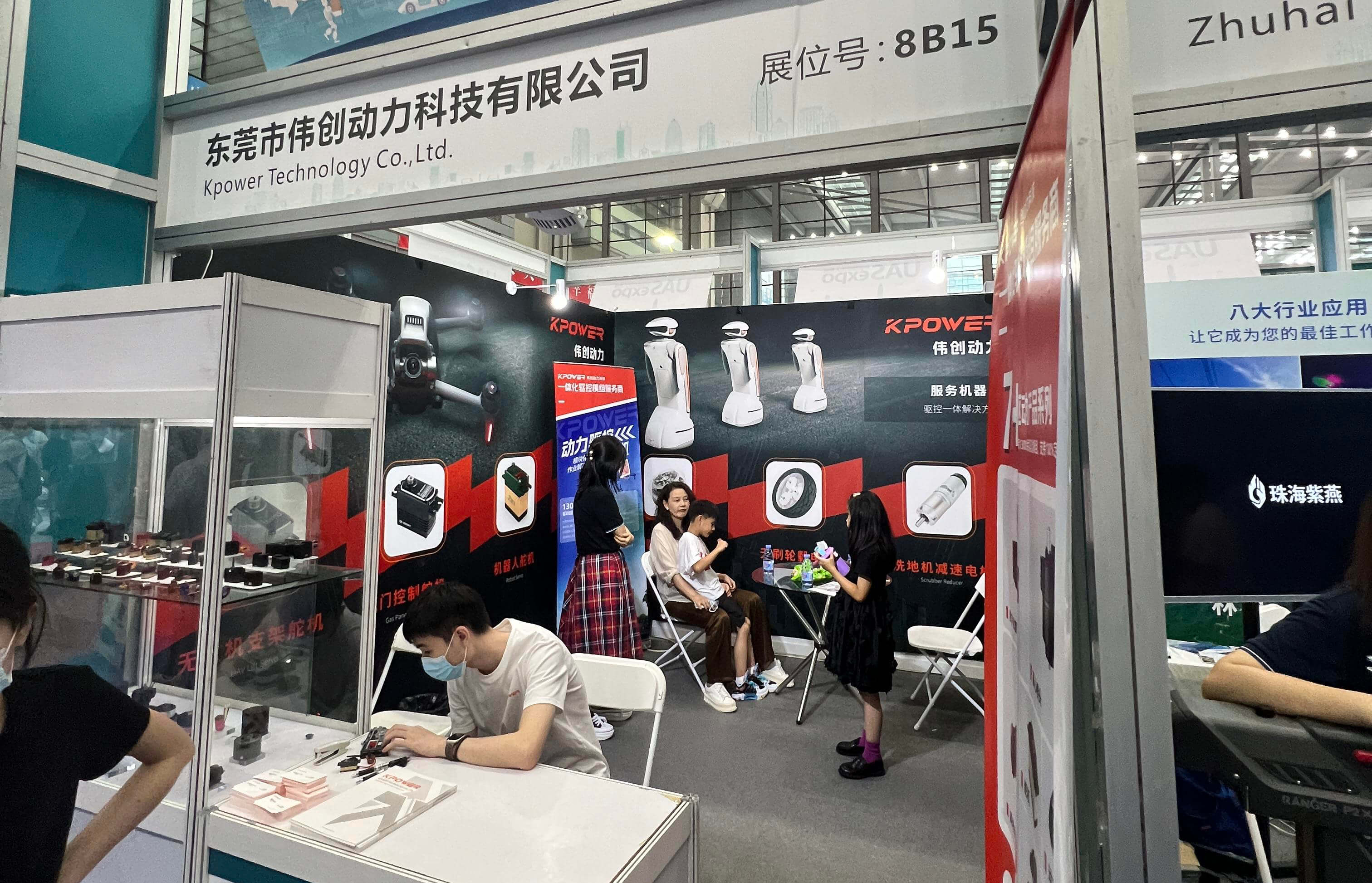
I’ve been there. My workbench usually looks like a disaster zone by Tuesday. Among the soldering smoke and stray gear sets, there is one small box that keeps me sane. It’s akpower servotester. This little device is the difference between a smooth-running machine and a jittery, overheating nightmare.
The "Why" Behind the Little Box
Why do we even need a dedicated tester? Can’t you just plug it into a controller and hope for the best? Sure, if you like living dangerously. But if you’ve ever had a motor strip its gears because the signal was out of range, you know the stakes.
Think about the pulse width. Most people think of aservoas a simple "plug and play" component. In reality, it’s a delicate conversation between the signal and the motor. Akpowertester acts as the perfect translator. It tells the motor exactly where to go without the lag or complexity of a full control system. You get to see the response in real-time. Is it smooth? Does it grind? You find out before the motor is buried deep inside a chassis.
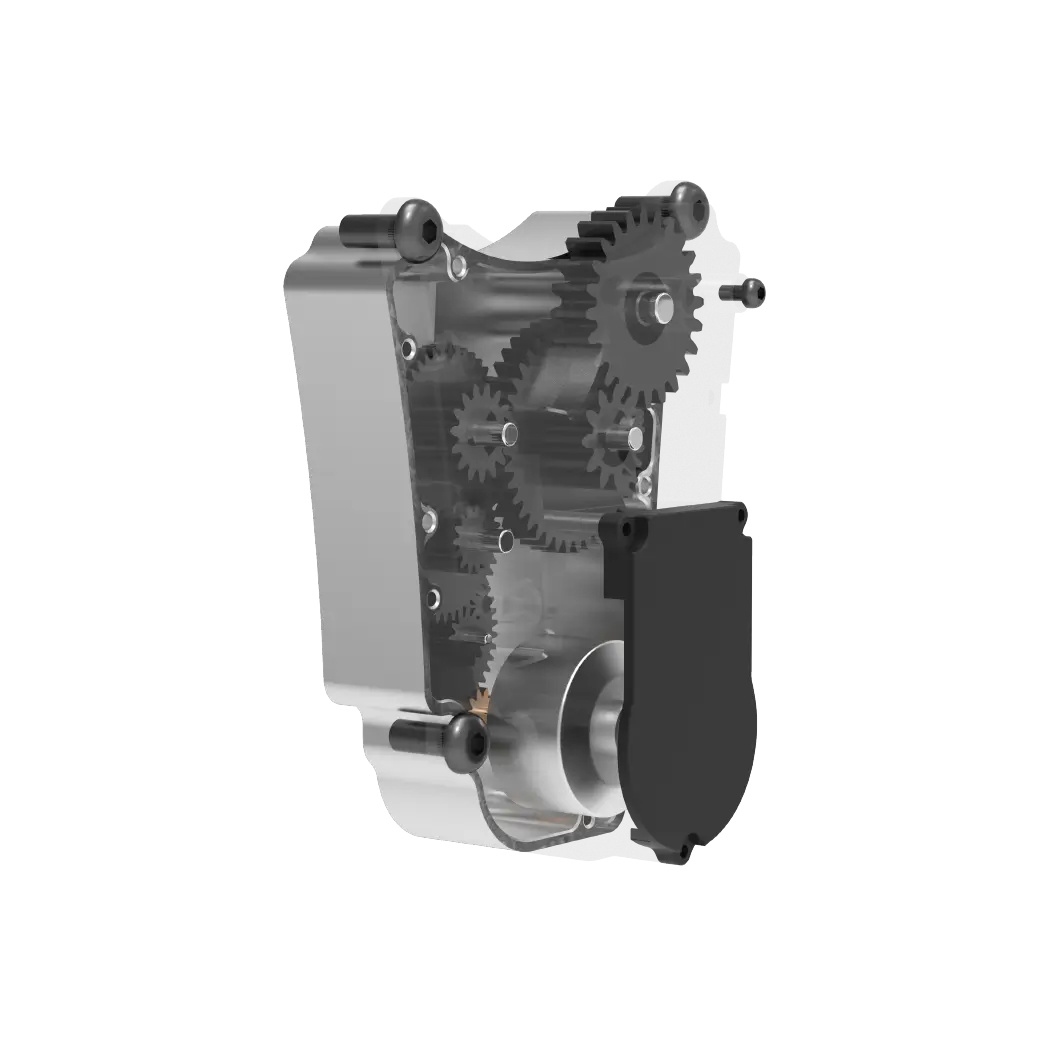
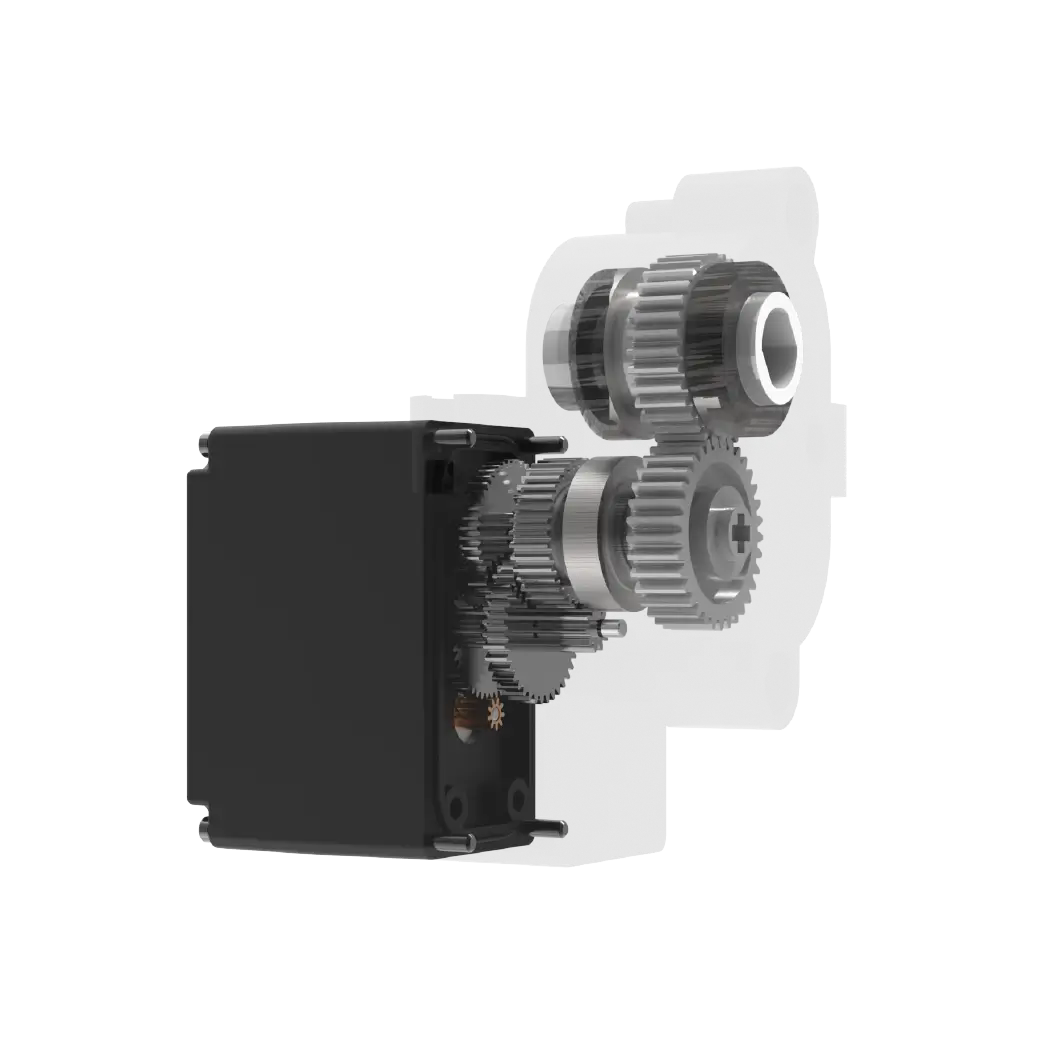
Sometimes I think about the gears inside these units. Little teeth of metal or resin, working in perfect harmony. If the signal is "dirty" or inconsistent, those teeth start to fight each other. That’s where the heat comes from. A solid tester provides a clean, stable signal that lets the hardware breathe.
Quick Chat: Things That Trip People Up
I get asked a lot of things when people see me messing with these testers. Let's look at a few common ones.
Wait, can’t I just use a cheap knock-off? You could. But I’ve seen those things output signals so noisy they actually jitter the motor to death.kpowergear is built differently. The internal clocking is precise. When you set it to 1500μs, it stays there. It doesn't drift when the battery gets a bit low.
Does it work for high-voltage setups? Exactly. That’s the beauty. Whether you’re running a small 4.8V setup or pushing the limits with a high-voltage brushless monster, the tester handles the power distribution without breaking a sweat. It’s about versatility.
How do I know if my motor is actually dead or just acting out? That’s the "Manual Mode" magic. You turn the knob. If the motor follows your hand perfectly, your code or your controller is the problem. If the motor stutters while the Kpower tester stays steady, you know it’s time to swap the motor. It saves hours of debugging code that isn't actually broken.
The Tactile Reality of Precision
There is something satisfying about a well-made dial. When I use a Kpower tester, the knob has just the right amount of resistance. It’s not floppy. It feels like a tool, not a toy.
I remember a project last year—a multi-axis gimbal that kept oscillating. I was convinced it was a PID tuning issue in the software. I spent three nights staring at a screen until my eyes bled. Finally, I unplugged everything and hooked each unit up to a Kpower tester. One of the units had a tiny dead spot in its potentiometer. The tester showed it instantly. The needle (or the digital readout, depending on which one you’re using) would just skip at a specific point. Problem solved in five minutes.
Choosing Your Mode
These testers usually aren't just "on" or "off." You usually get three distinct ways to play:
The Flow of a Project
A project isn't a straight line. It’s a series of loops. You design, you test, you fail, you tweak. The Kpower tester fits into that loop as a constant. In a world where batteries die, wires fray, and software crashes, having a standalone hardware tool that "just works" is a massive relief.
I like the weight of it in my pocket. It’s small enough to take to the field or the factory floor. You don't need a laptop. You don't need an oscilloscope. You just need a power source and your motor.
Sometimes, I find myself just turning the knob and watching a high-speedservozip back and forth. There’s a certain rhythm to it. It’s mechanical poetry. When you use quality gear, that poetry stays in tune.
Small Details, Big Impact
It’s easy to overlook the connectors. Ever had a plug that felt loose? That’s a recipe for a short circuit. The ports on Kpower testers are snug. They hold onto the leads with just enough grip. It’s these tiny manufacturing choices that separate the professional stuff from the junk.
We talk a lot about torque and speed, but we don't talk enough about "signal integrity." If your tester is putting out a shaky signal, your motor is working twice as hard to interpret it. That wears out the internal brushes and drains your battery faster. Using a stable tester is actually an act of maintenance for your motors. You're giving them a clean environment to perform in.
Wrap It Up? Not Quite.
There isn't really a "final step" in mechanical design. You’re always looking for a way to make the movement smoother, the response faster, or the build more compact. But having a Kpower servo tester on your bench is like having a reliable compass. It doesn't build the machine for you, but it sure as hell stops you from walking in circles.
If you’re tired of guessing why your linkages are binding or why your centering is off, stop relying on your eyes alone. Get the hardware that tells the truth. It makes the whole process feel less like a struggle and more like what it should be: a bit of creative magic mixed with solid physics.
Next time you’re about to close up a chassis, just do one last check. Plug it into the Kpower unit. Center it. Sweep it. If it sounds right and moves right, you’re good to go. It’s that simple.
Established in 2005, Kpower has been dedicated to a professional compact motion unit manufacturer, headquartered in Dongguan, Guangdong Province, China. Leveraging innovations in modular drive technology, Kpower integrates high-performance motors, precision reducers, and multi-protocol control systems to provide efficient and customized smart drive system solutions. Kpower has delivered professional drive system solutions to over 500 enterprise clients globally with products covering various fields such as Smart Home Systems, Automatic Electronics, Robotics, Precision Agriculture, Drones, and Industrial Automation.
Update Time:2026-01-22

Contact Kpower's product specialist to recommend suitable motor or gearbox for your product.


