

TECHNICAL SUPPORT


Published 2026-01-22
The Art of Moving in a Straight Line: When Your Machine Finally Listens
It happened again last Tuesday. A project sat on the workbench, looking perfect on paper but behaving like a stubborn mule in reality. The arm was supposed to slide precisely 42 millimeters, hold for a breath, and retract with the smoothness of silk. Instead, it jittered. It hummed a frustrated tune and eventually overshot the mark, crashing into the frame.
This is the silent headache many of us face. We often try to force standard, off-the-shelf parts into visions that are anything but standard. It’s like trying to run a marathon in someone else’s shoes—they might be great shoes, but they aren’t your feet. When it comes to motion, "almost right" is usually just a fancy way of saying "wrong."
Standard linear actuators are everywhere. They are easy to find, but they come with rigid rules. You get a set length, a fixed speed, and a torque profile that someone else decided was "good enough." But what if your space is cramped? What if you need a thrust that defies the typical size-to-power ratio?
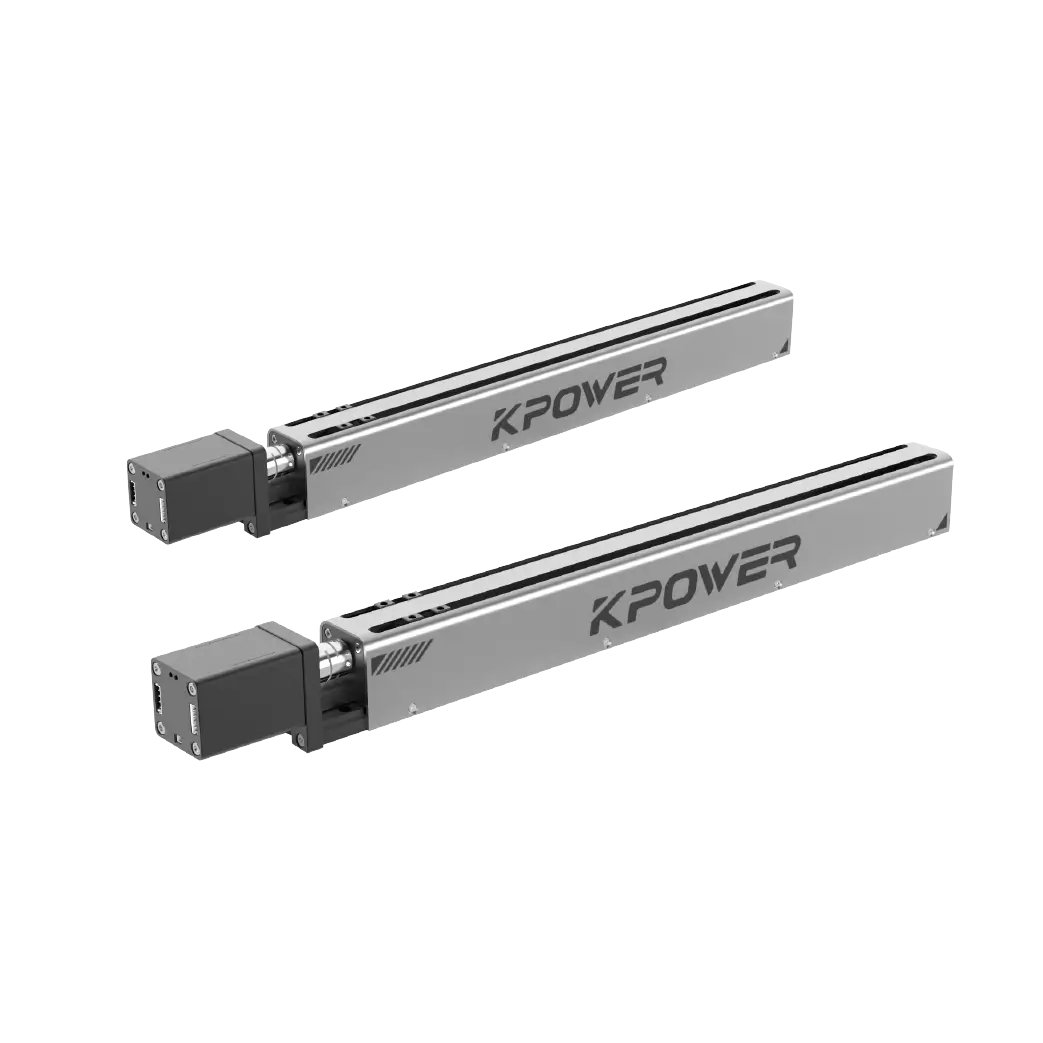
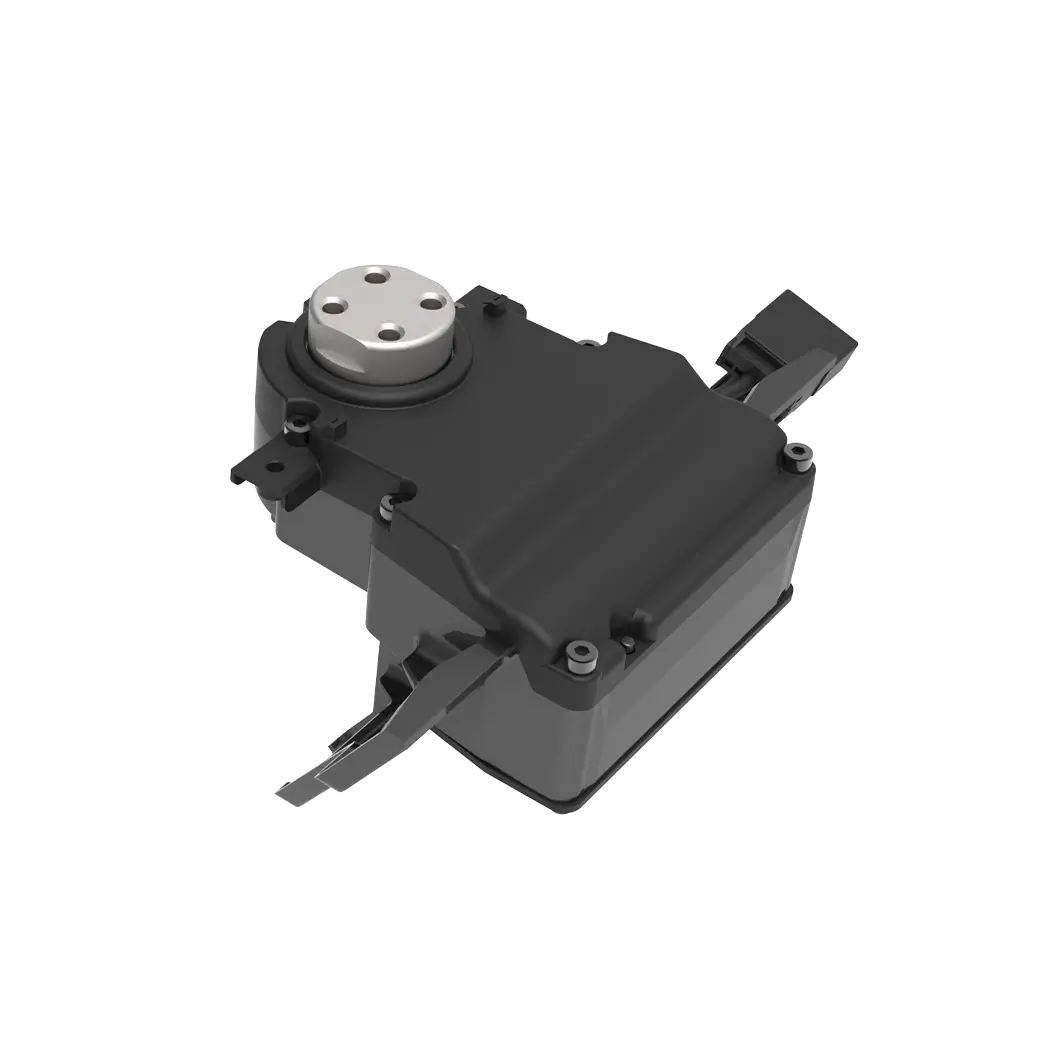
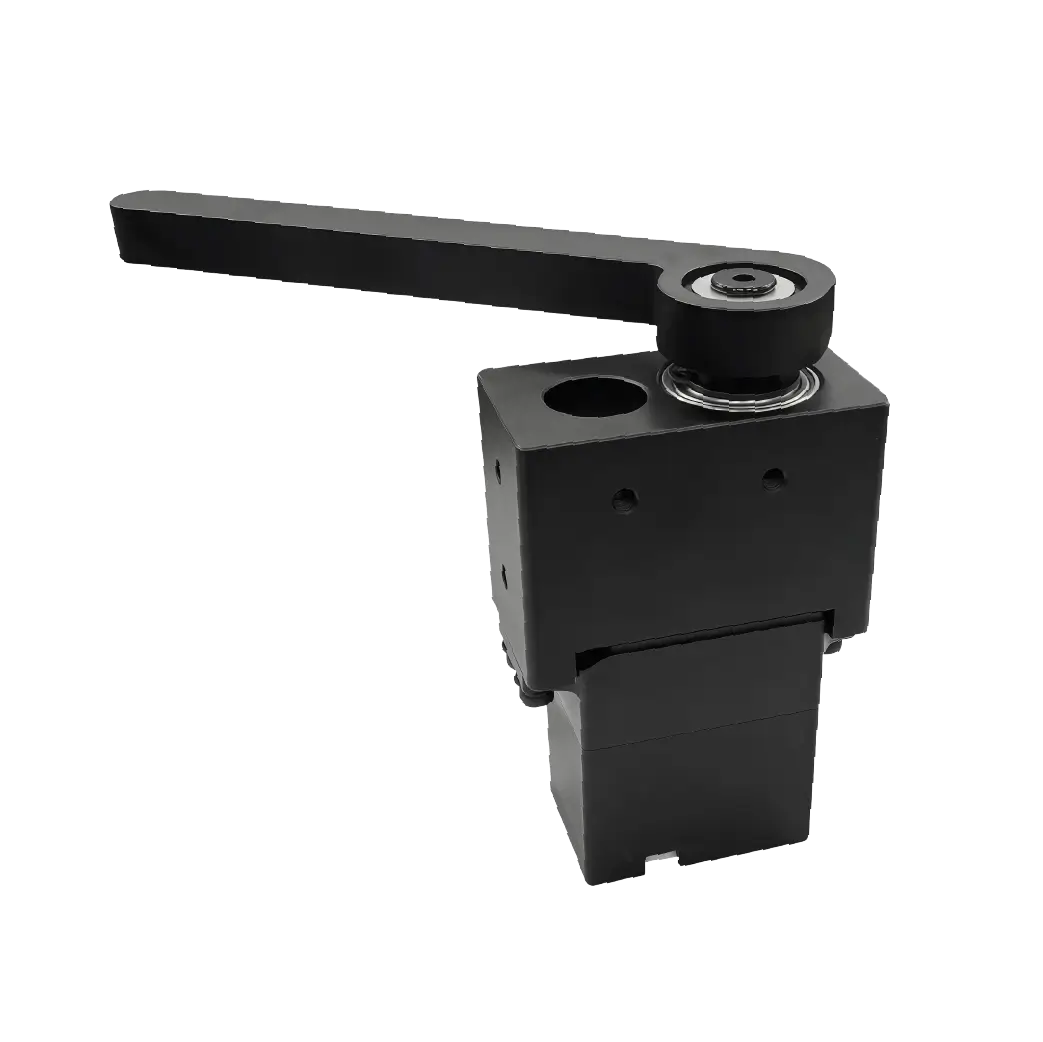
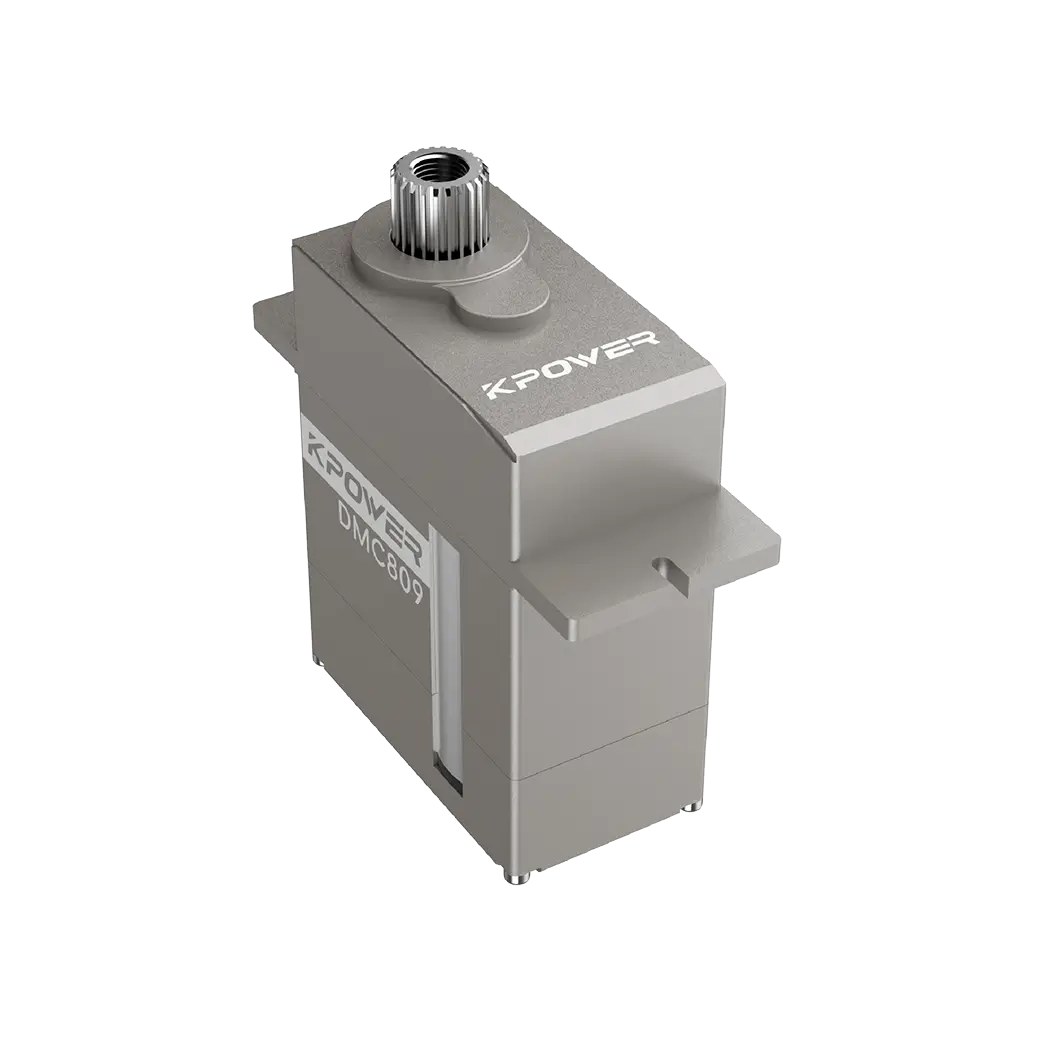
That’s where the concept of a linearservomotor bespoke solution changes the game. It isn't just about buying a component; it’s about designing the heartbeat of a machine.kpowerhas spent a lot of time thinking about these specific frustrations. When a movement needs to be linear, the margin for error is razor-thin. Friction is the enemy, and heat is the silent killer.
People often think "bespoke" means "unnecessarily expensive" or "too complicated." In reality, the cost of a failed project or a machine that requires constant maintenance is much higher. Think about a high-end camera gimbal or a delicate medical sorting tool. If the linear movement isn't precise, the whole system is junk.
I’ve seen setups where people try to use belts and pulleys to turn a rotary motor's spin into a straight line. It works, sure, but it’s bulky. It’s loud. It has "play" in the system. A bespoke linearservofromkpowercuts out the middleman. The motion is direct. You want it to move? It moves. You want it to stop? It stops exactly there, not a micron further.
Let’s look at the numbers for a second, because even in a narrative, logic must prevail. A linearservoisn’t just a motor with a rod attached. It’s an integrated system of magnets, coils, and feedback loops.
Sometimes I think these motors have a personality. One might be snappy and aggressive, while another is slow, steady, and incredibly strong. Atkpower, the goal is to make sure that personality matches your specific needs.
“Is it really worth the wait for a custom build?” Actually, the time saved in troubleshooting a "standard" part that doesn't fit usually covers the lead time for a bespoke one. When the part arrives and fits the mounting holes perfectly, and the software talks to it without a fight, you’ll realize the "wait" was actually an investment.
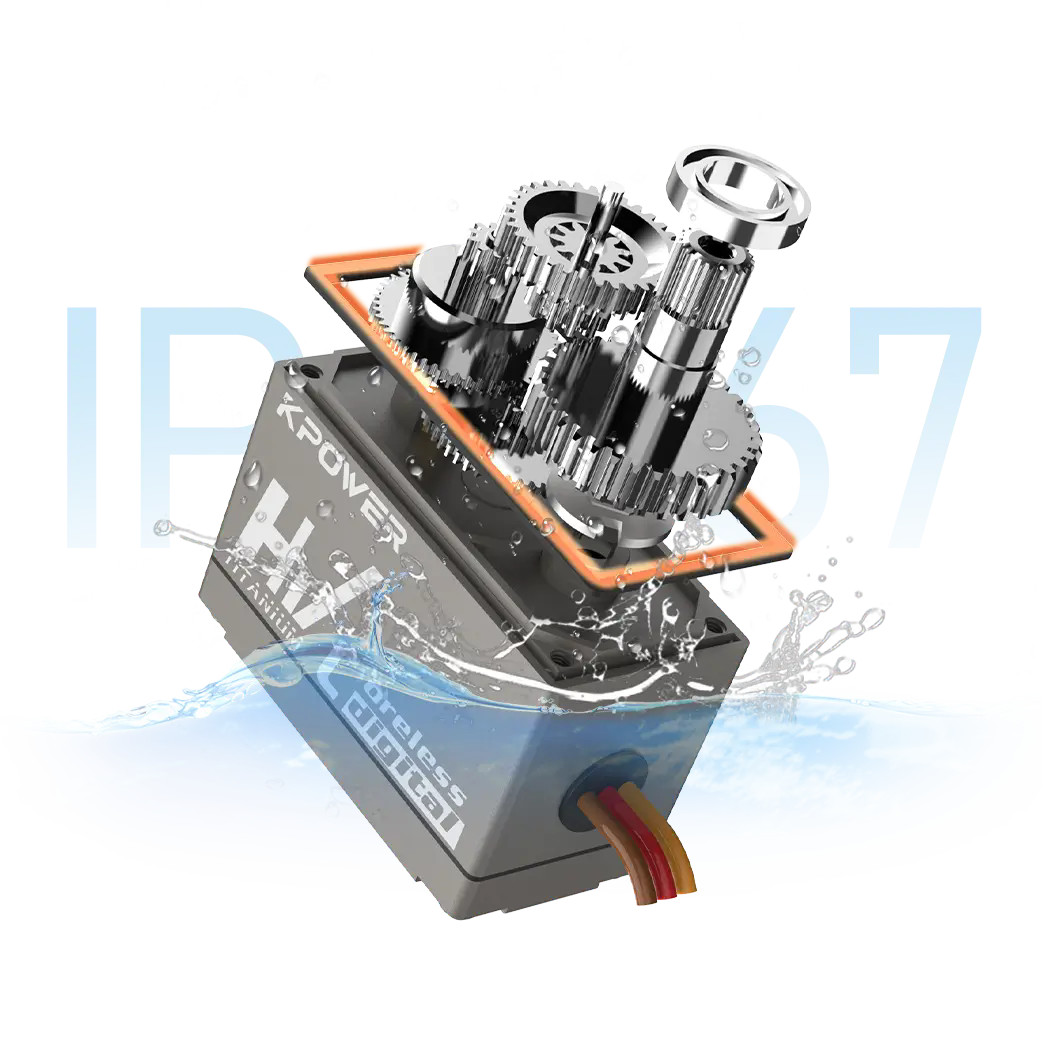
“Can these handle harsh environments?” Dust, moisture, and vibration are the enemies of precision. One of the best things about going the bespoke route with Kpower is that the sealing and housing materials can be chosen based on where the motor will live. If it’s going inside a hot engine bay or a sterilized lab, the build reflects that.
“What about the control side of things?” Most people worry that a custom motor will need a custom, impossible-to-program controller. Not really. The beauty of modern linear servos is that they play well with existing protocols. It’s about the physical and electrical "fit" being perfect, not making the communication more difficult.
There is a specific sound a well-tuned linear servo makes—or rather, a sound it doesn't make. It’s a faint, high-frequency "zip" and then silence. When you see a Kpower unit in action, moving a heavy load with the grace of a ballet dancer, you stop seeing it as a piece of hardware. It becomes a solution.
I remember working on a project where a lid had to close on a fragile container. A standard pneumatic cylinder was too violent; it kept breaking the glass. We switched to a bespoke linear servo. We could program the deceleration so it would slow down in the last two millimeters of travel, landing as softly as a feather. That’s the difference between "moving" and "controlling."
We live in a world of mass production, but your ideas shouldn't be limited by what’s sitting on a warehouse shelf. If your machine needs to reach further, push harder, or fit into a smaller gap, don't settle for the "off-the-shelf" compromise.
The path to a successful mechanical project isn't always a straight line—unless, of course, you’re using a linear servo. In that case, the path is exactly as long, as fast, and as strong as you need it to be. Kpower specializes in making sure that when you hit the "start" button, the only surprise you get is how well everything actually works.
Stop fighting against parts that weren't made for you. Let the motion be the easiest part of your build. After all, a machine is only as good as its weakest link, and with a bespoke approach, that link is usually the strongest one in the chain.
Established in 2005, Kpower has been dedicated to a professional compact motion unit manufacturer, headquartered in Dongguan, Guangdong Province, China. Leveraging innovations in modular drive technology, Kpower integrates high-performance motors, precision reducers, and multi-protocol control systems to provide efficient and customized smart drive system solutions. Kpower has delivered professional drive system solutions to over 500 enterprise clients globally with products covering various fields such as Smart Home Systems, Automatic Electronics, Robotics, Precision Agriculture, Drones, and Industrial Automation.
Update Time:2026-01-22

Contact Kpower's product specialist to recommend suitable motor or gearbox for your product.


