

TECHNICAL SUPPORT


Published 2026-01-22
The Shaking Hand and the Silicon Heart: Why Your Project Needs a Better Pulse
It usually starts with a twitch. You’ve spent weeks designing a mechanism, perhaps a robotic limb or a precise sorting gate, only to find that it moves with the grace of a caffeinated squirrel. It overshoots the mark, vibrates when it should be still, or—worse—simply doesn't have the torque to handle a real-world load. This "mechanical heartburn" is almost always a symptom of a motor that lacks a sense of self-awareness.
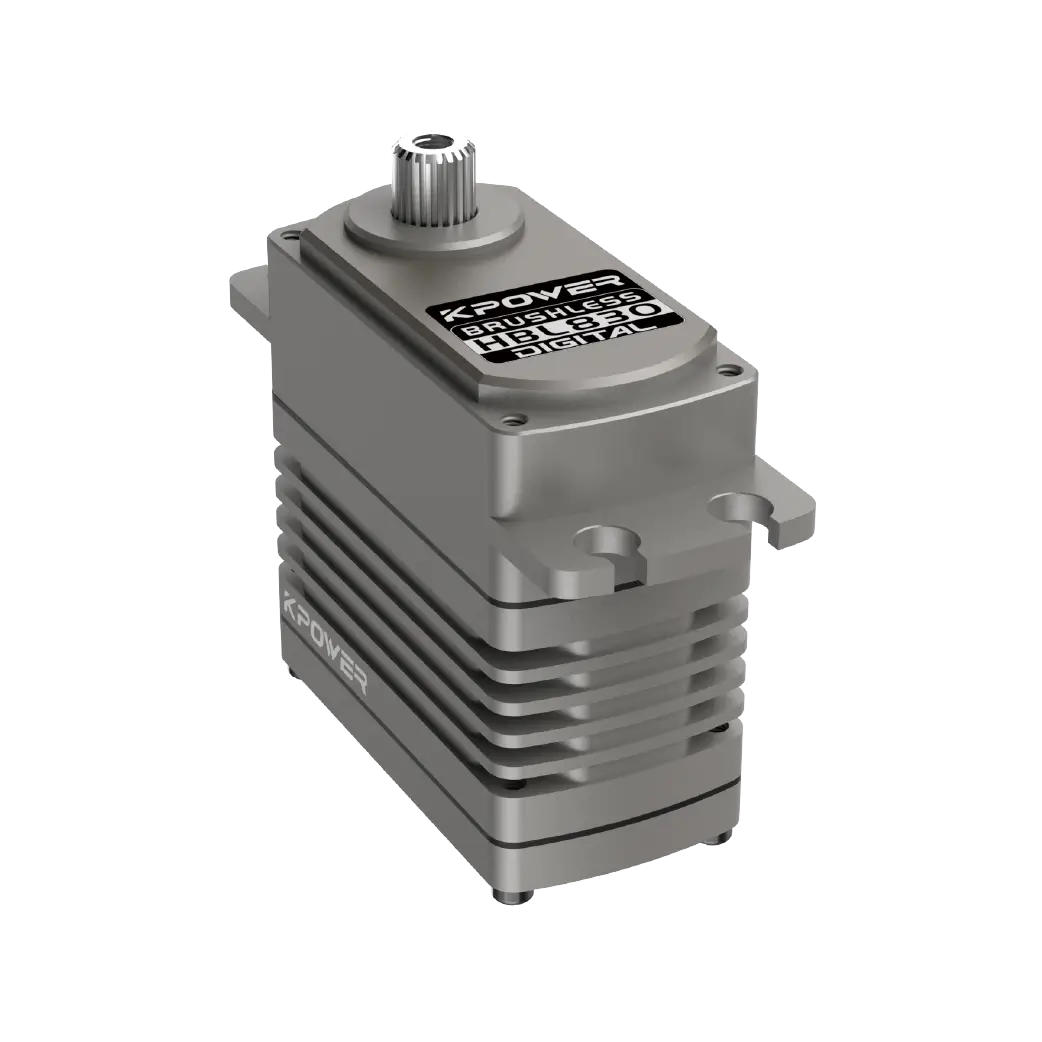
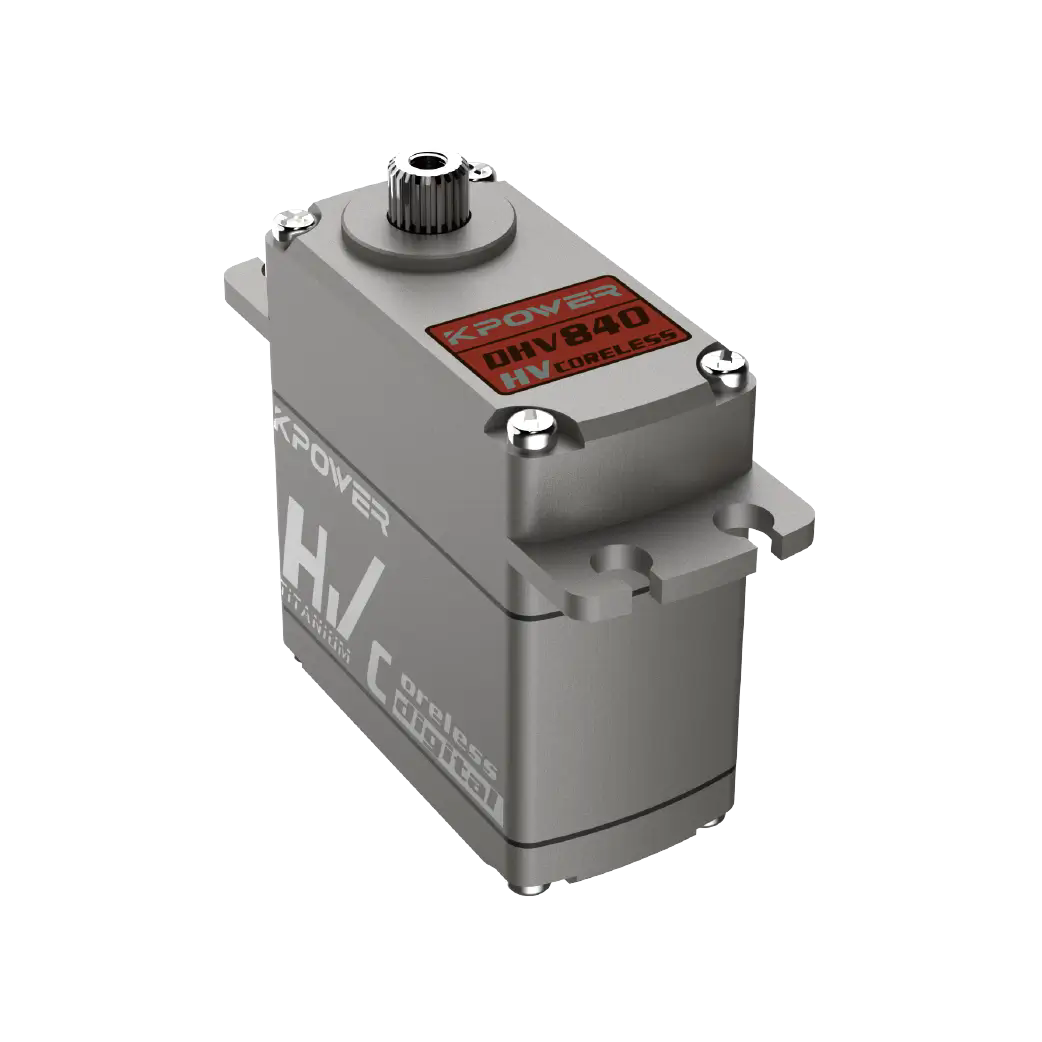
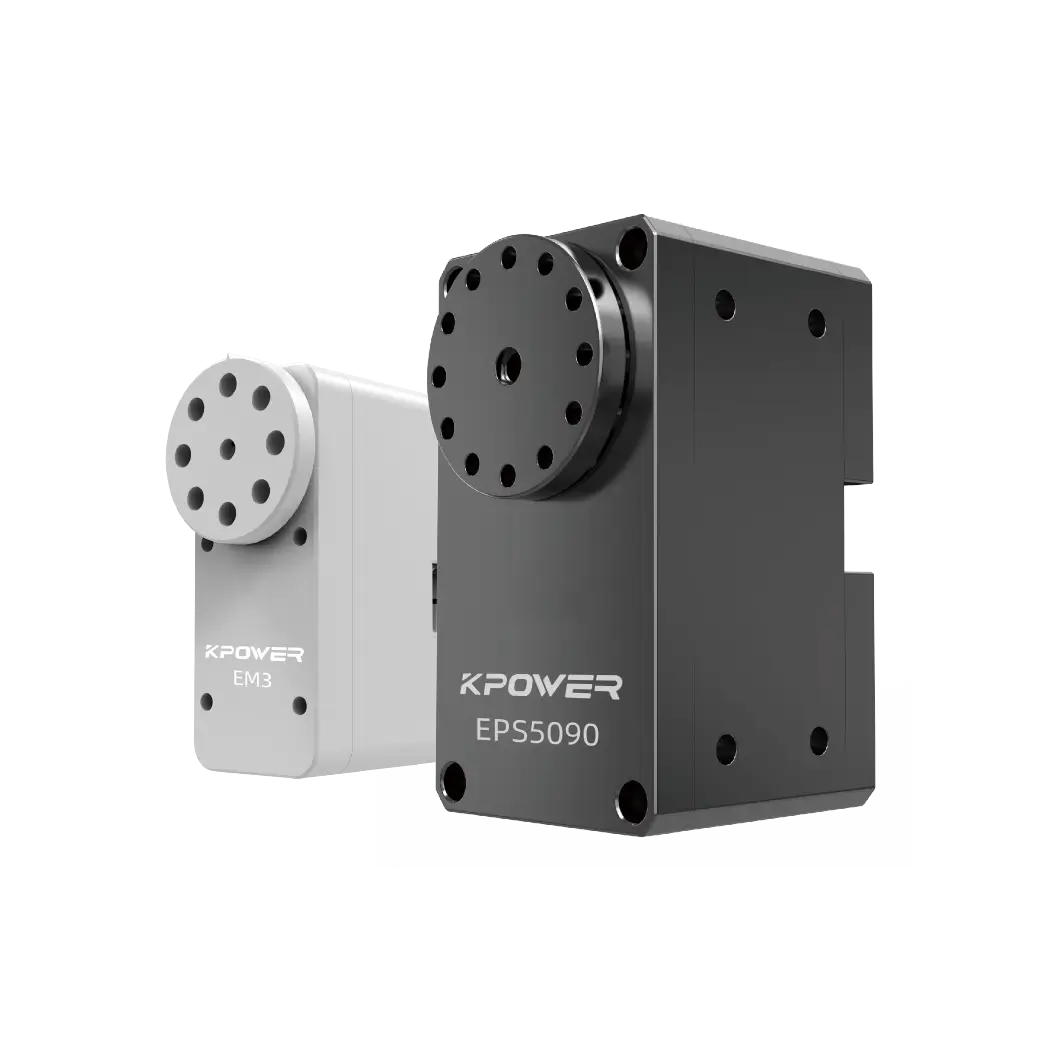
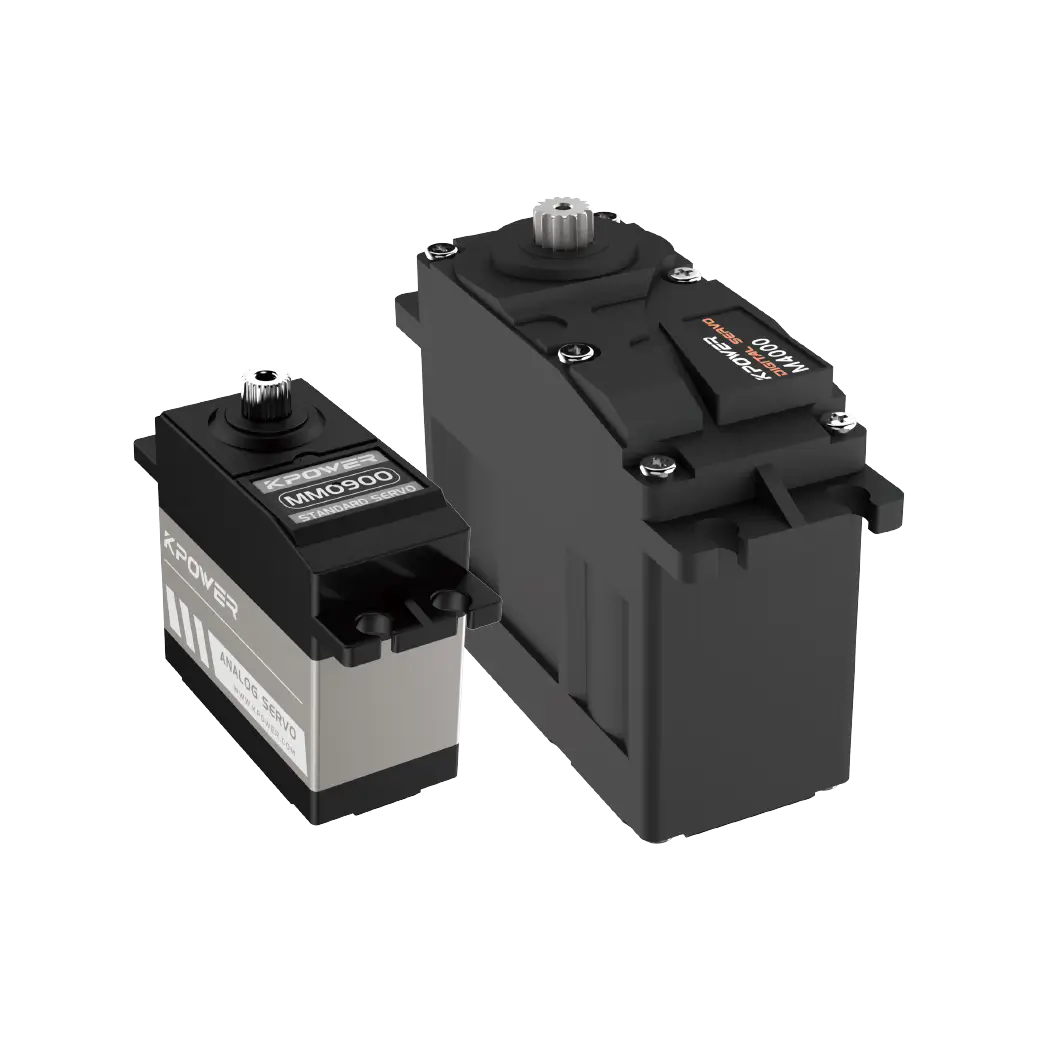
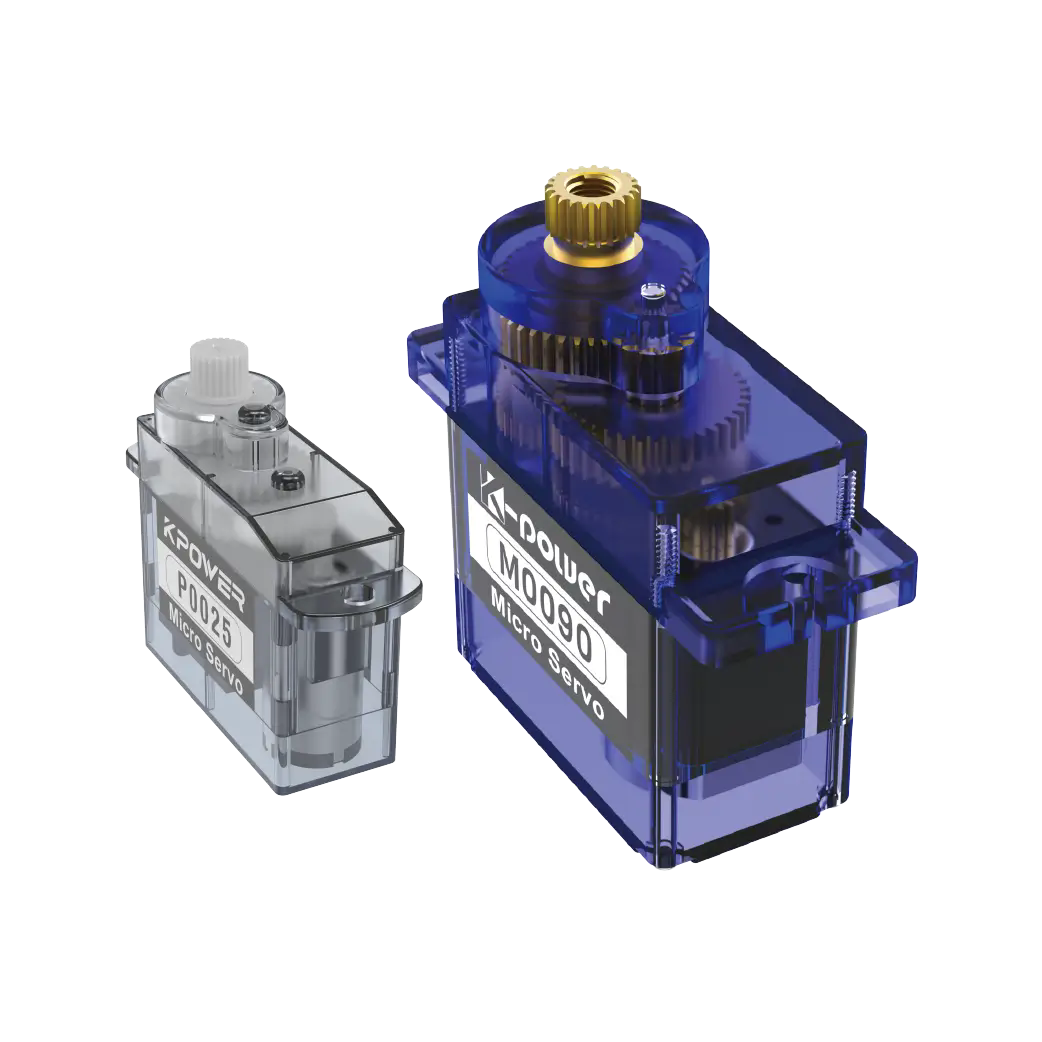
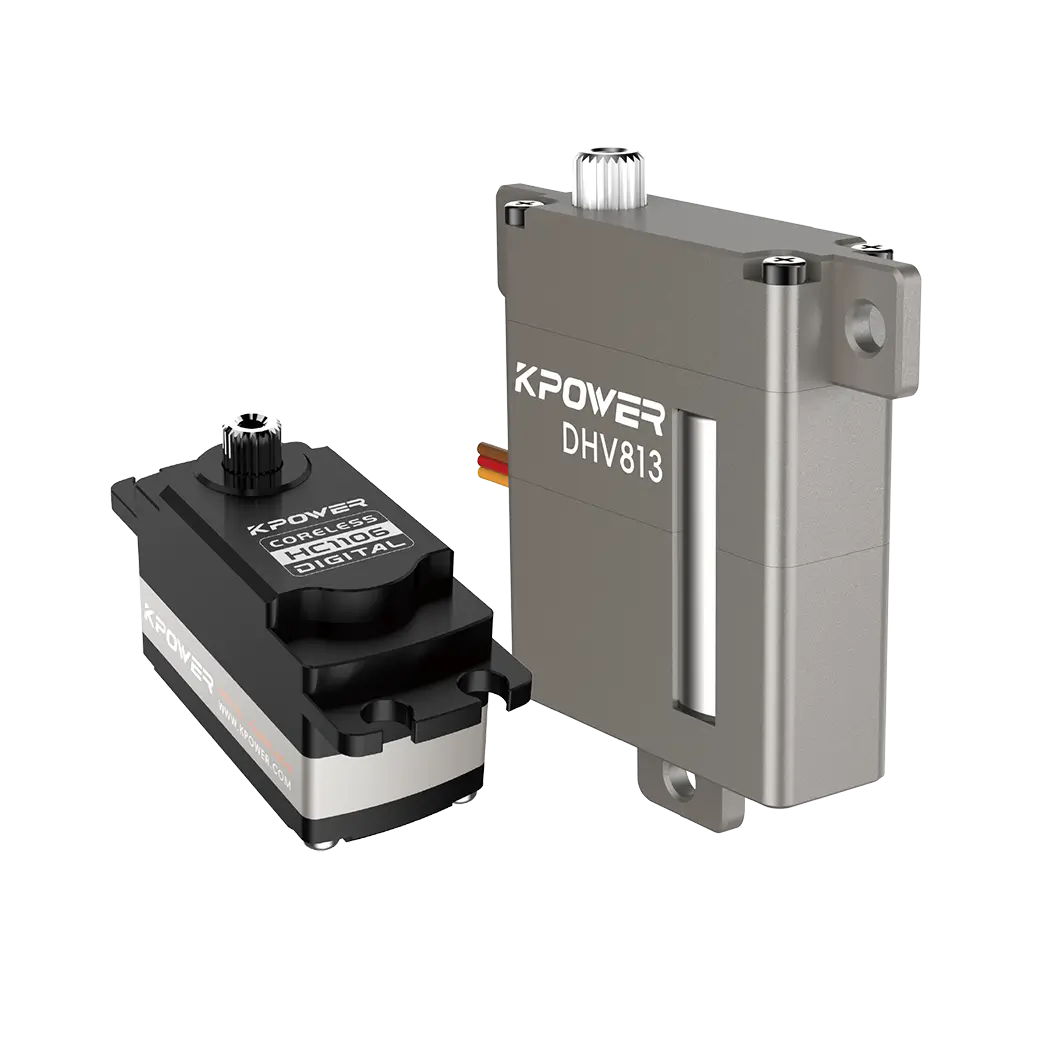
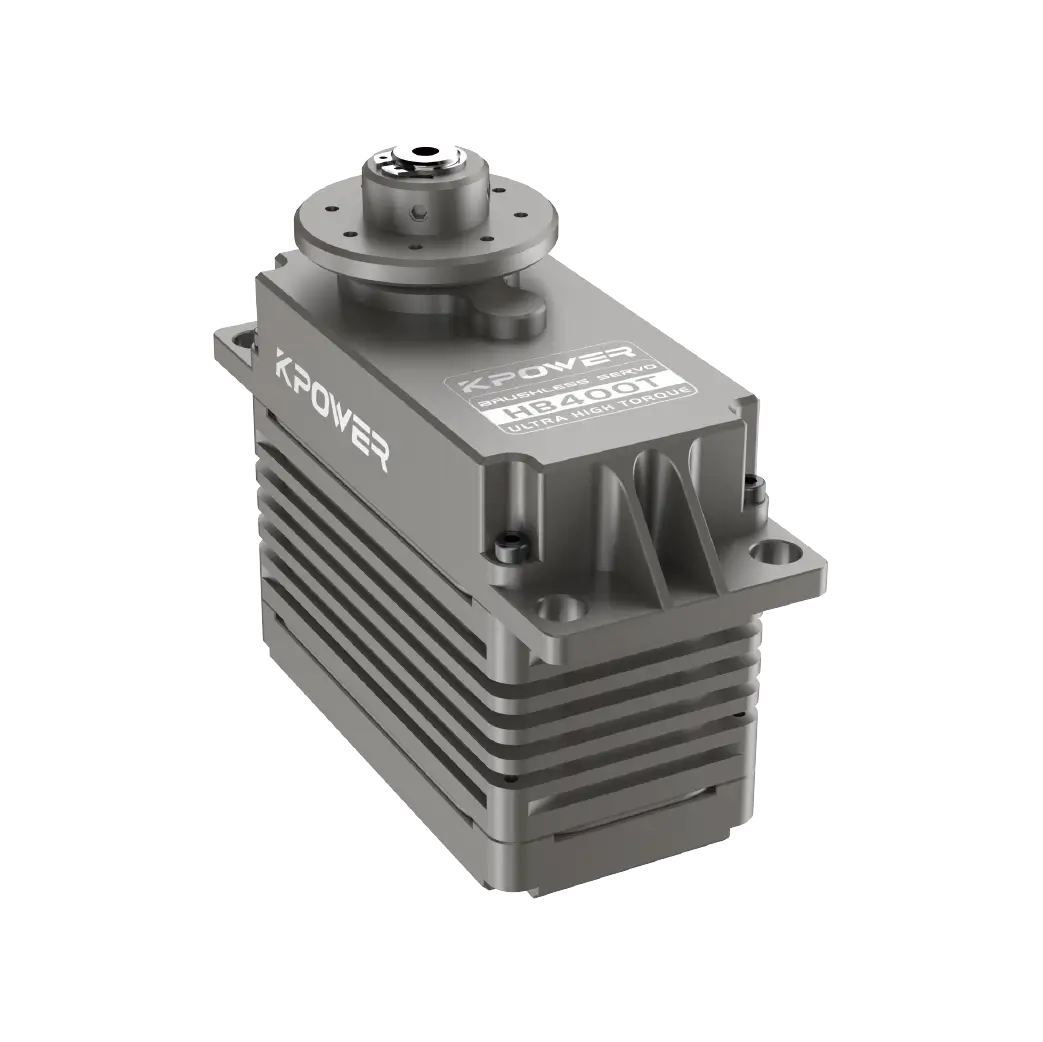
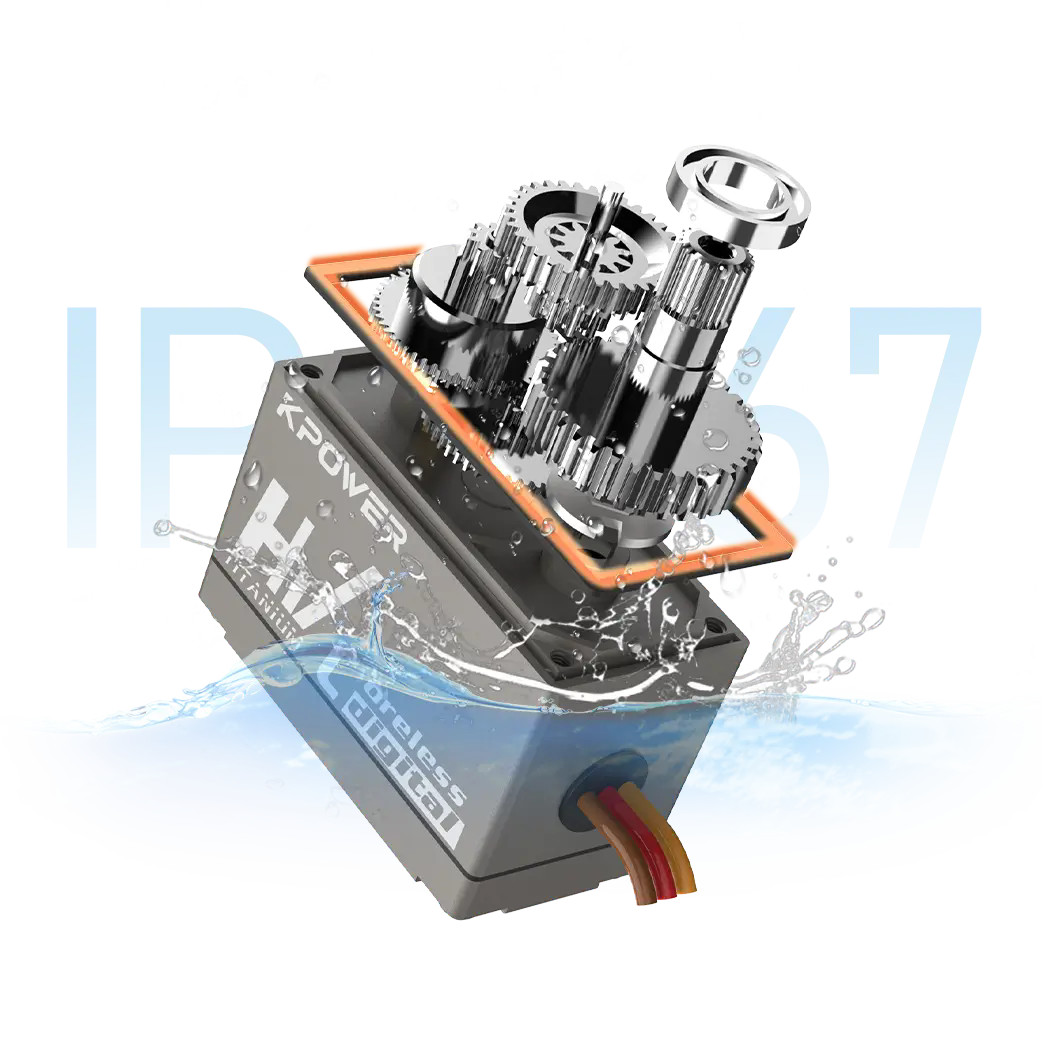
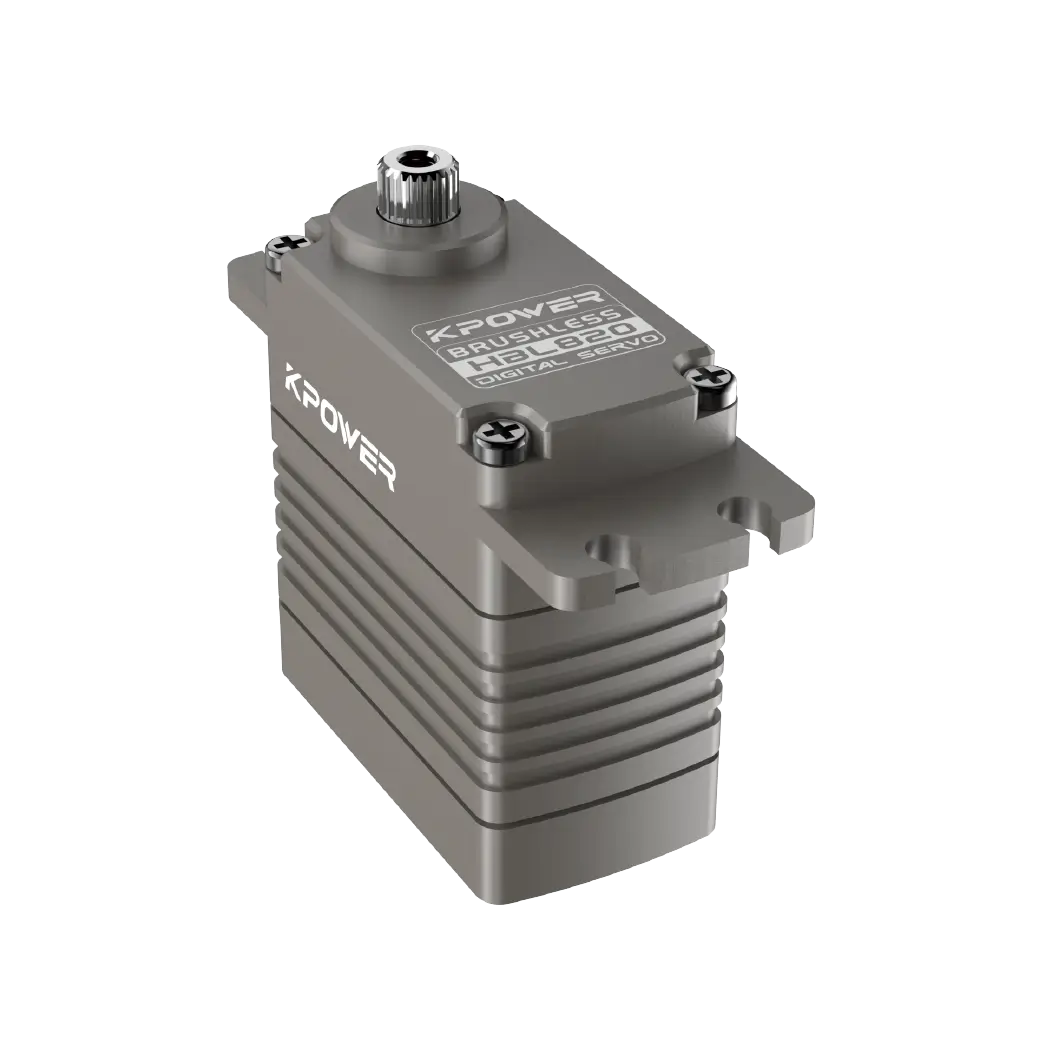
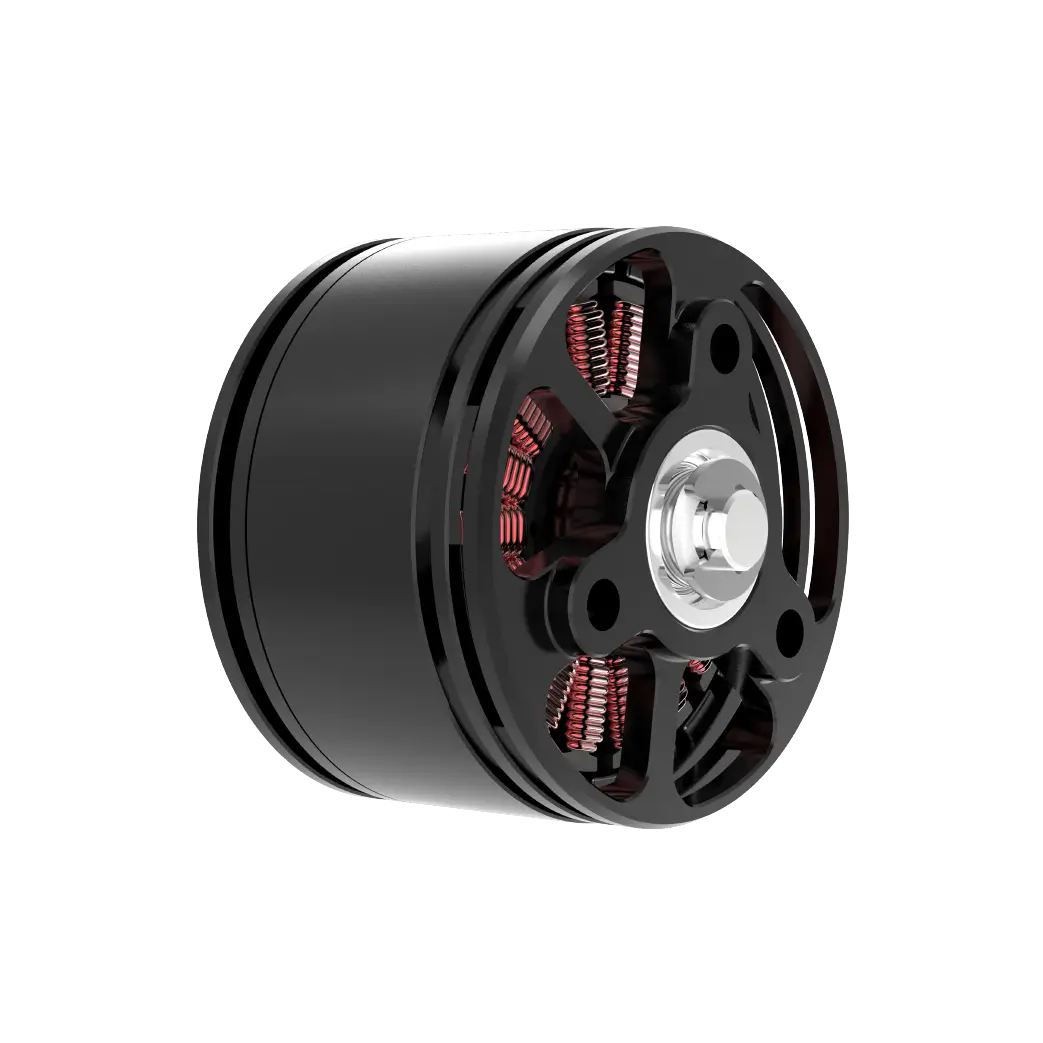
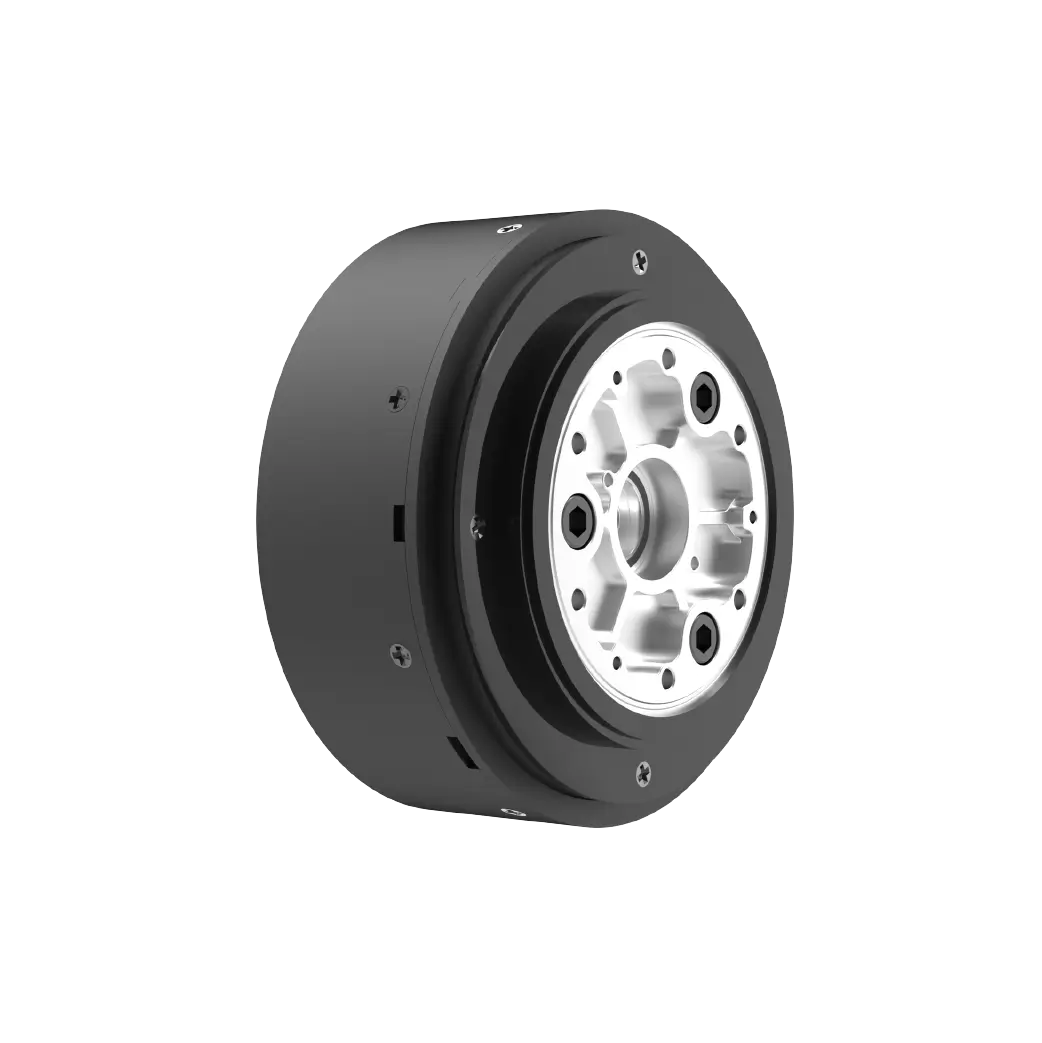
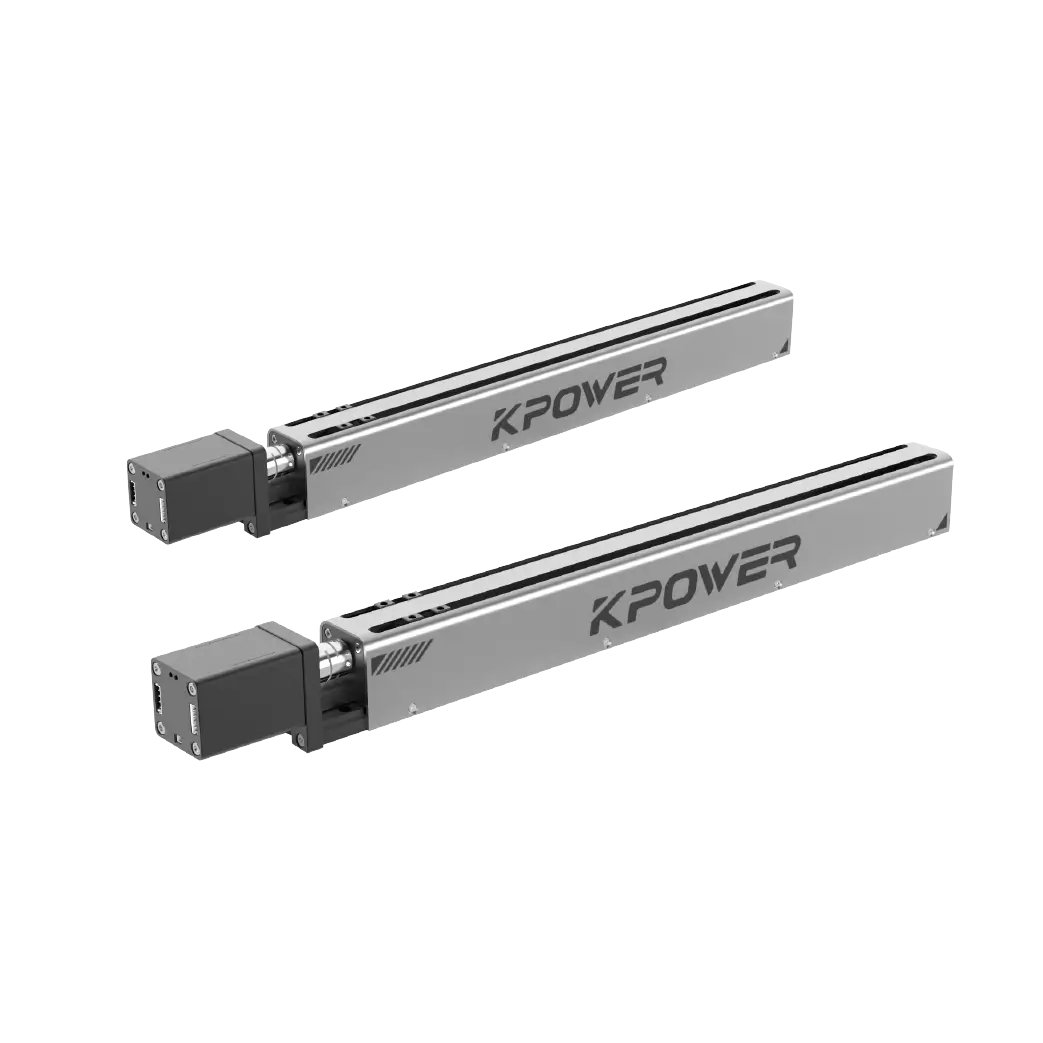
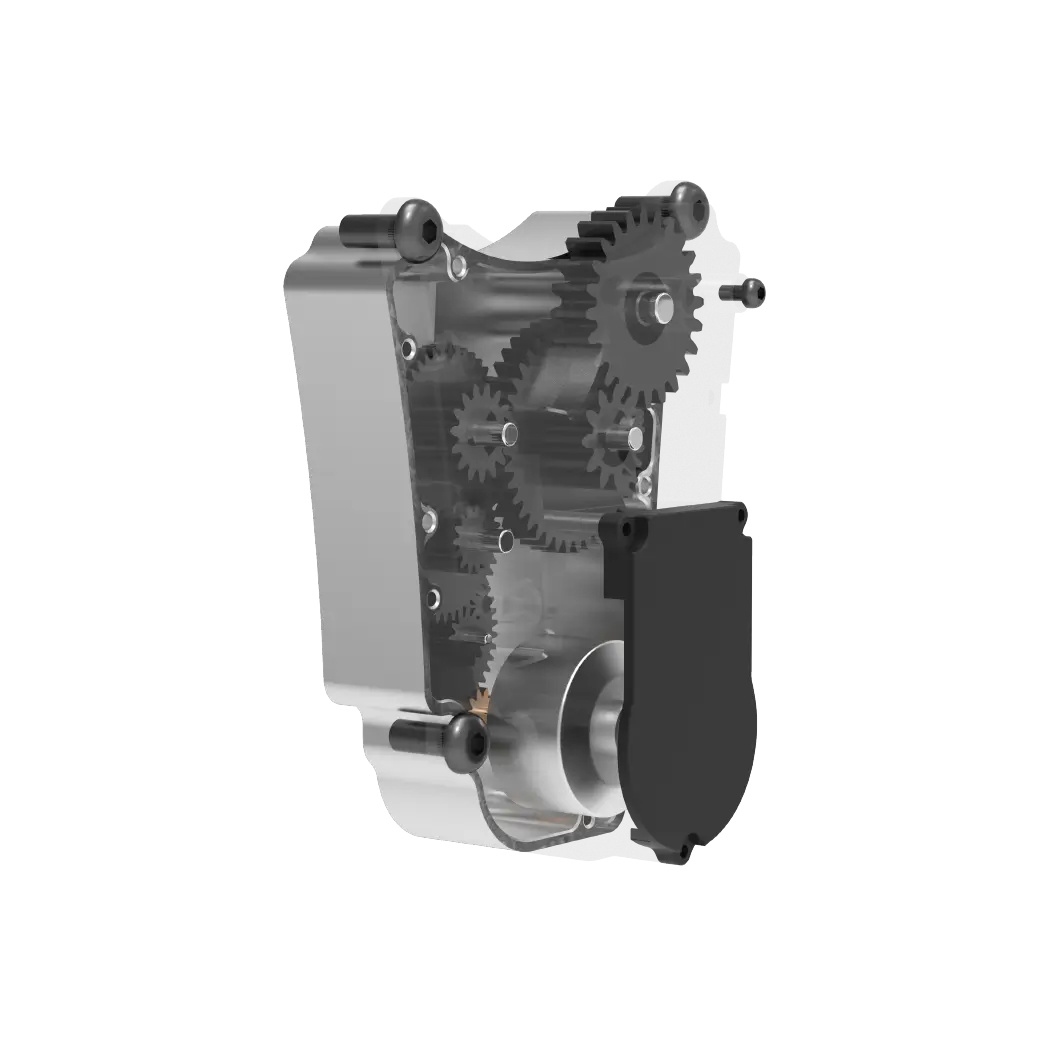
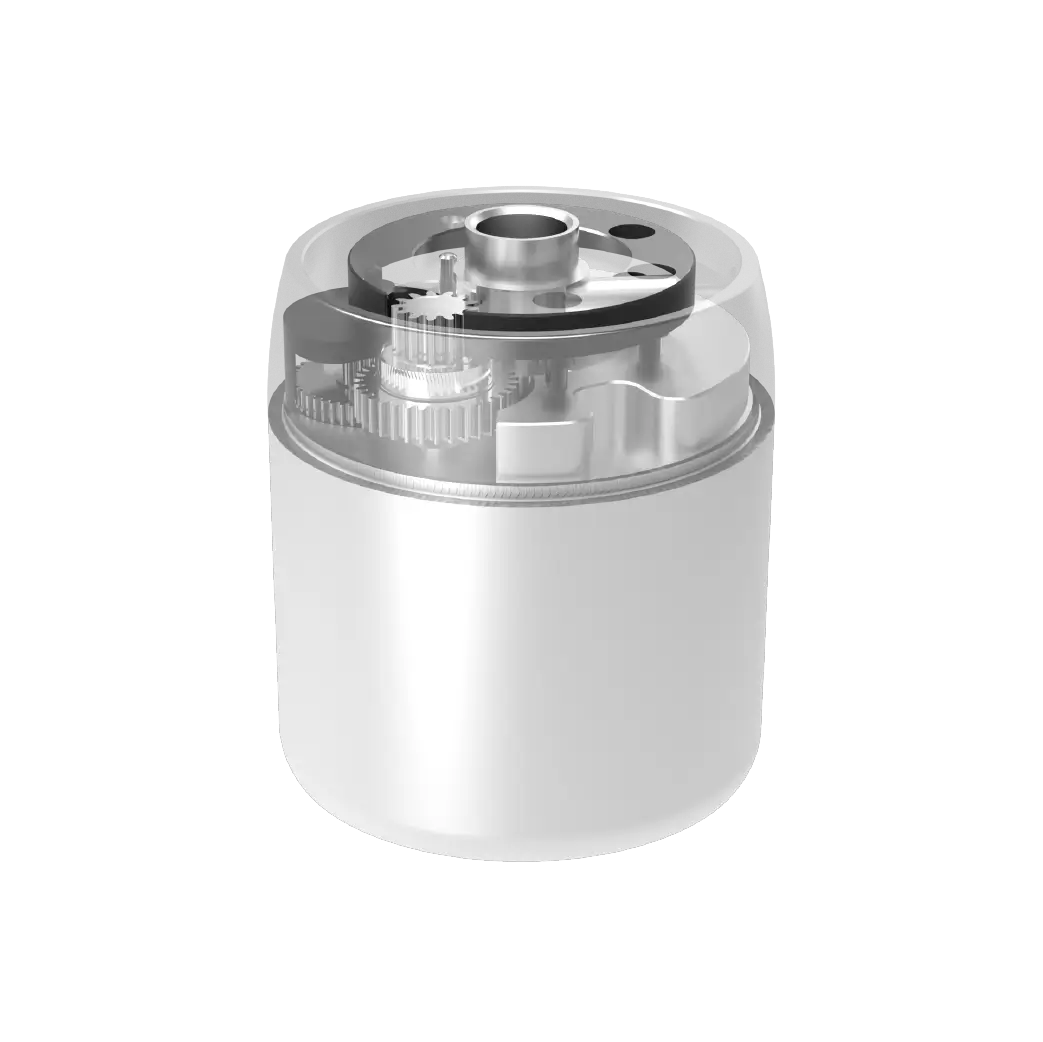
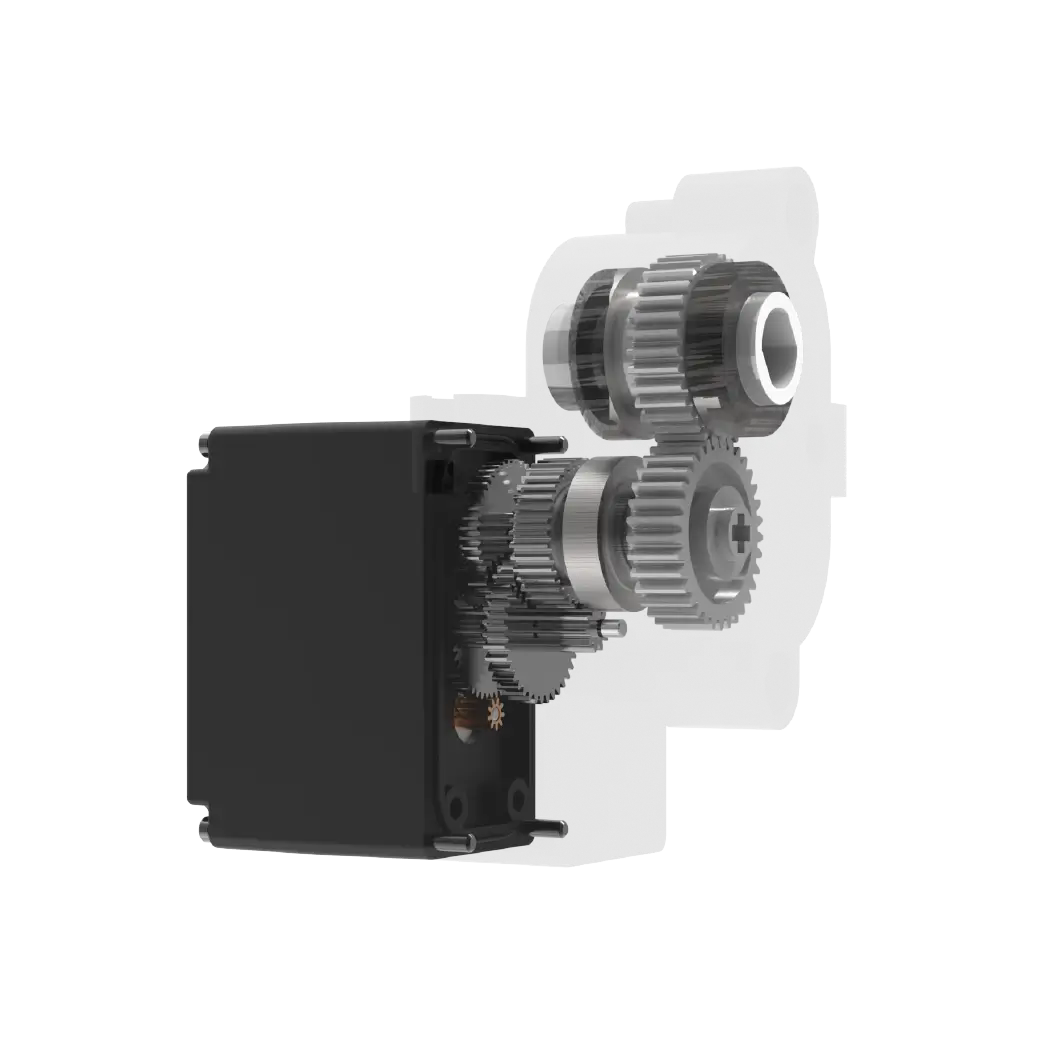
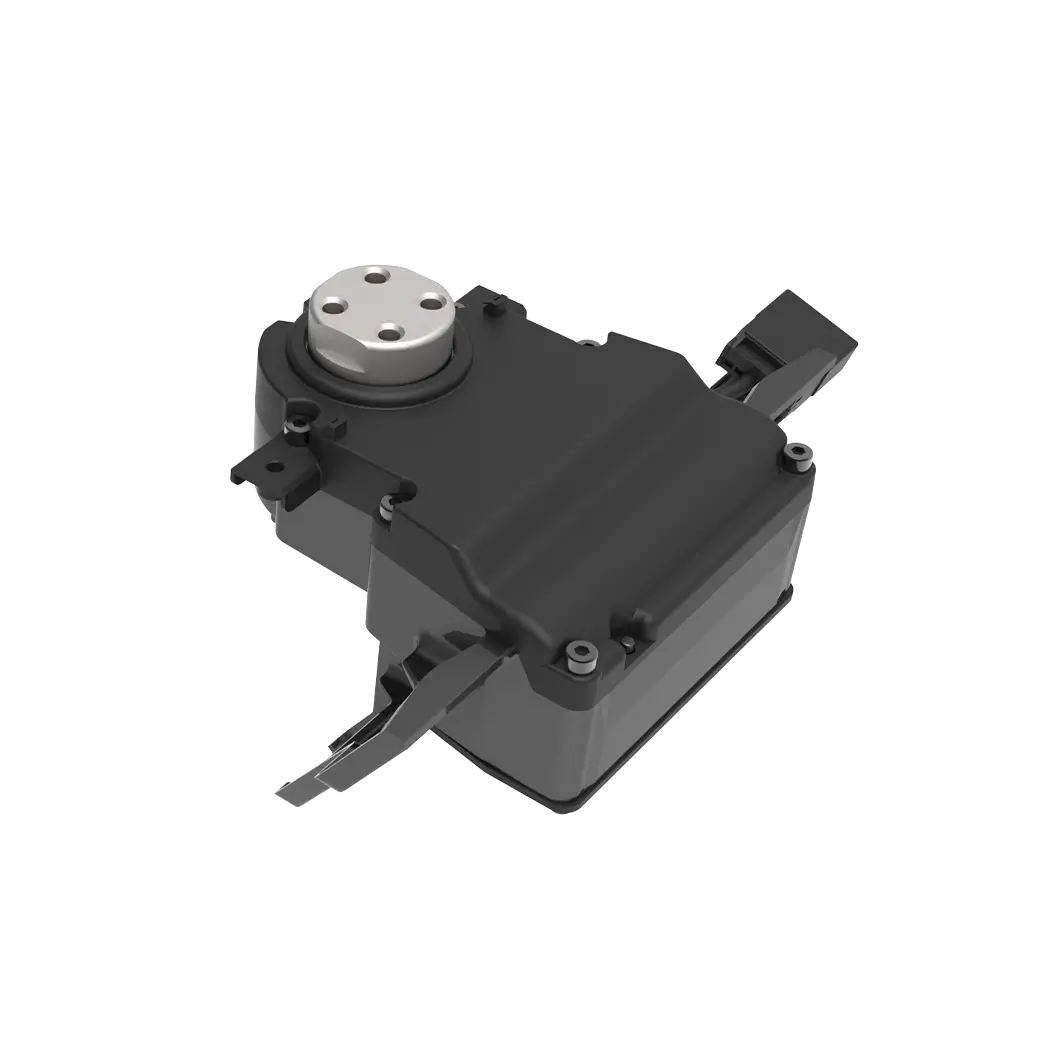
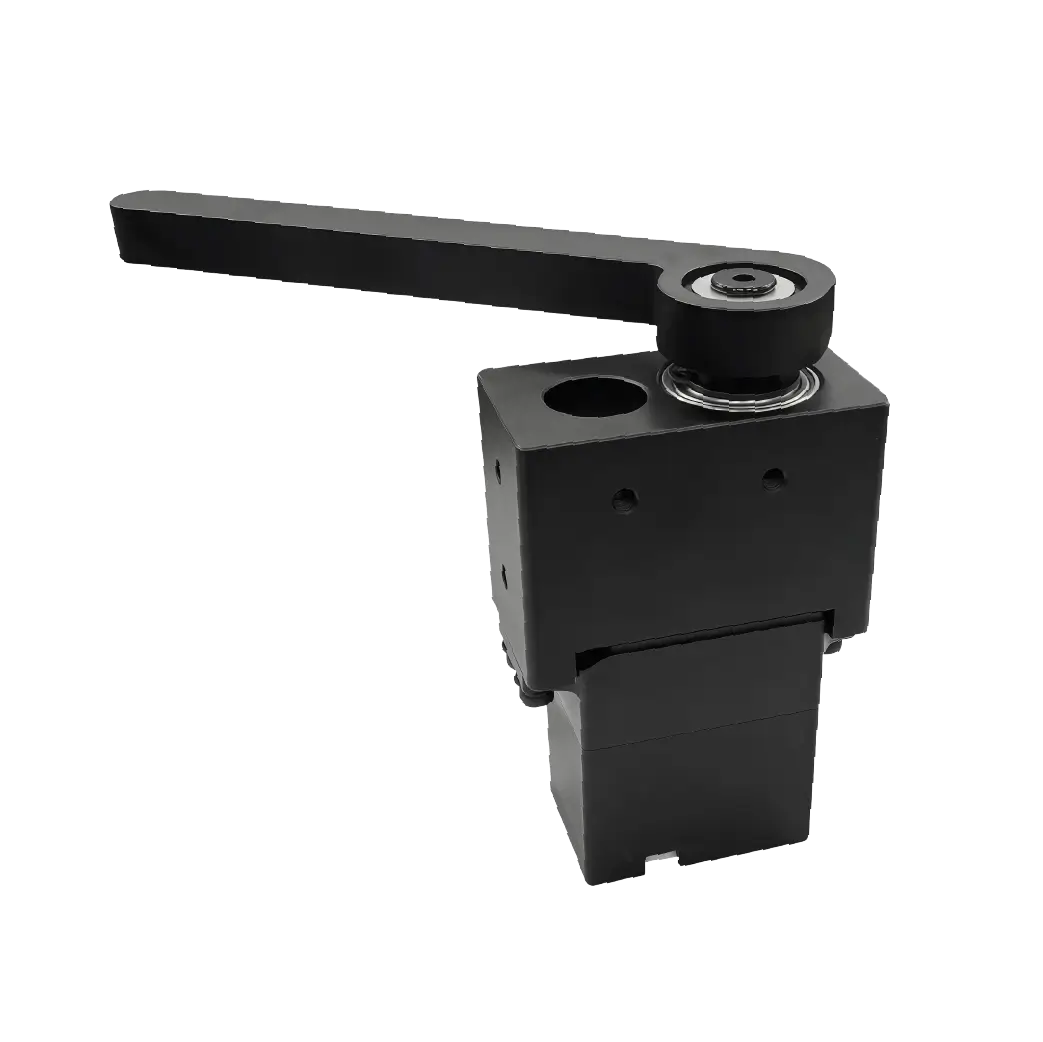
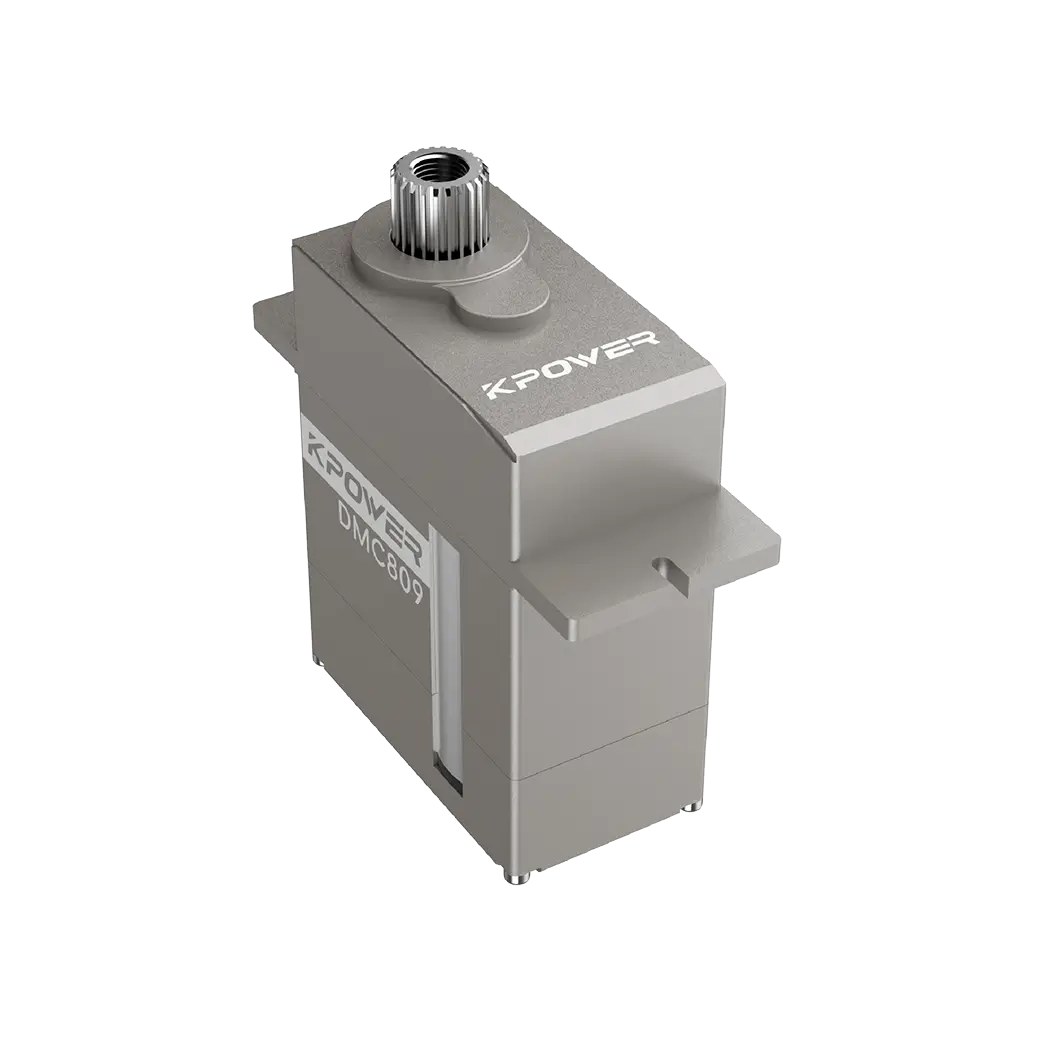
In the world of moving parts, a standard motor is a blunt instrument. You give it power, it spins. You take it away, it coasts to a stop. But when we talk about a DCservomotor, we are talking about a machine with a nervous system. Specifically, the "inc" or integrated versions—the kind of hardwarekpowerspecializes in—combine the muscle of the motor with the brain of a controller and the eyes of an encoder into one single housing.
Why does integration matter? Imagine trying to drive a car while blindfolded, with someone in the backseat shouting directions. There’s a delay. There’s confusion. A non-integrated system often feels like that. You have a motor here, a driver there, and sensors somewhere else.
A DCservomotor fromkpowerchanges the conversation. It uses a "closed-loop" system.
Wait, what is a closed loop exactly? Think of it as a constant internal dialogue. The controller asks, "Are we at 90 degrees yet?" The encoder looks at the shaft and says, "We’re at 88." The controller then nudges the motor just enough to hit exactly 90 and stay there. This happens thousands of times a second. The result isn't just movement; it’s discipline.
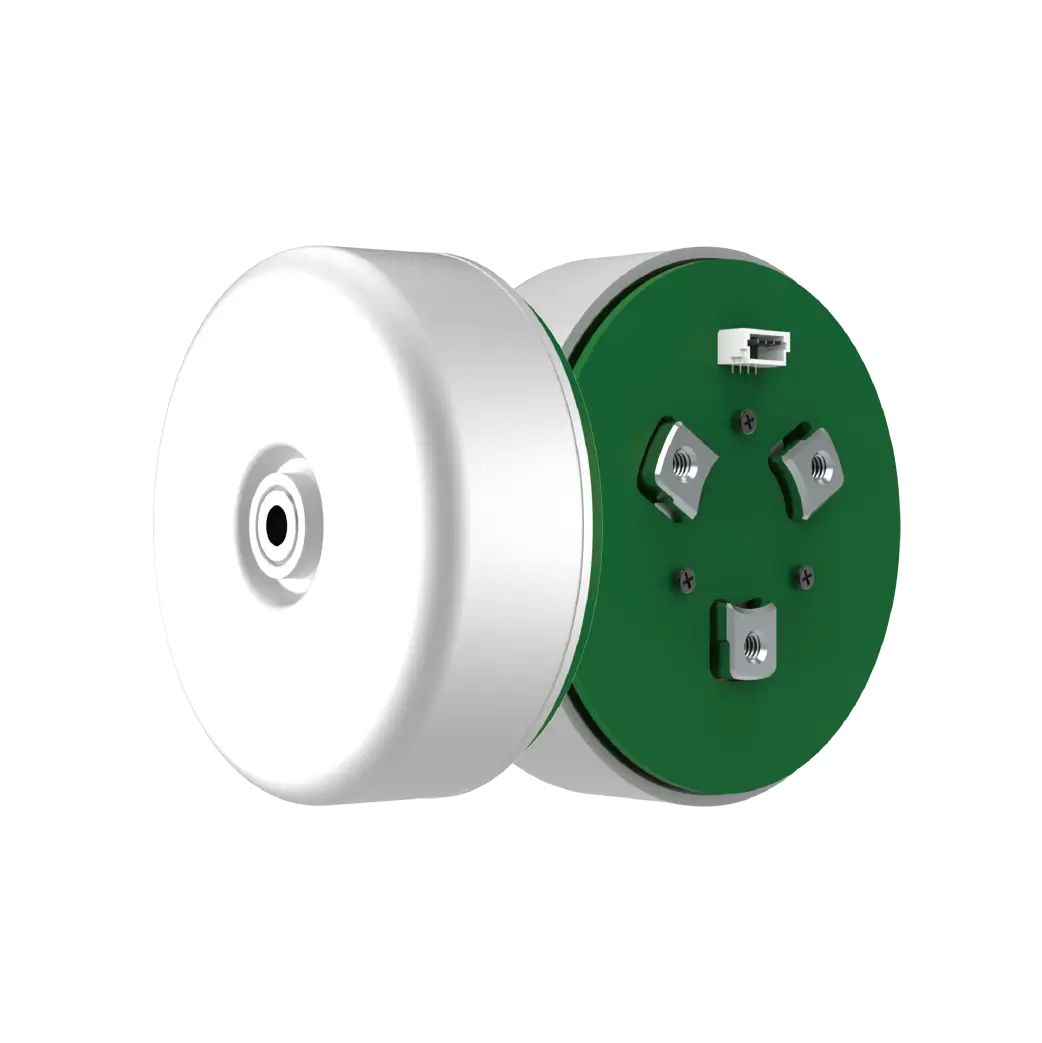
I’ve seen plenty of setups where the wiring looks like a plate of spaghetti. When you use separate components, you’re inviting interference and physical clutter. The integrated approach ofkpowerputs the drive electronics right on the back of the motor. This doesn't just save space; it eliminates the electrical noise that often plagues long cable runs.
But let’s get into the "why" of it. Why go DCservoover, say, a simple stepper?
A stepper motor is like walking up a flight of stairs; you take discrete steps. If you trip (or hit a heavy load), you lose your place and the whole system gets lost. A DC servo is like a smooth ramp. It doesn't lose its place. If something pushes against it, it pushes back harder to maintain its position. It’s the difference between a machine that guesses and a machine that knows.
Is it actually harder to set up since it’s "smarter"? Actually, it’s the opposite. Because the components are matched internally by kpower, you don't have to spend hours wondering if your driver is compatible with your motor’s windings. It’s a unified piece of hardware. You provide power and a signal, and it does the heavy lifting.
Does it get hot when it’s holding a position? Traditional motors often draw full current just to stand still. A well-tuned DC servo is much more efficient. It only uses the energy it needs to fight the external force. If there’s no force pushing against it, it stays cool, calm, and collected.
When you’re looking at these units, notice the "feel" of the motion. A high-quality DC servo doesn't have that gritty, Cogging sensation. It’s fluid. This is vital if you’re working on something like a camera gimbal or a medical dispensing tool where a single jerk could ruin the entire operation.
I remember a project involving a high-speed labeling machine. The old system used basic actuators that would snap the labels or miss the target by a millimeter because they couldn't decelerate fast enough. We swapped in kpower units. The change was immediate—not because the motor was "faster," but because it was more "aware." It knew exactly when to start slowing down so it could stop on a dime.
If you’re standing at the crossroads of a project, ask yourself these three things:
If the answer is yes, then the integrated DC servo is the logical evolution. It’s not just about spinning a shaft; it’s about controlling an outcome.
There’s a certain peace of mind that comes from using hardware that doesn't fight you. In my experience, the biggest headache in mechanical design isn't the physics—it's the reliability of the electronics. kpower tends to focus on that sweet spot where the torque is consistent and the feedback is lightning-fast.
When you pick up one of these motors, you’ll notice the build quality. It feels dense, purposeful. There are no loose parts or flimsy connectors. It’s built to be a permanent part of your solution, not a temporary fix.
Mechanics is often a game of trade-offs. You trade speed for torque, or cost for precision. However, moving toward integrated DC servos feels less like a trade-off and more like an upgrade. You’re removing the variables that cause failure—the extra wires, the mismatched drivers, the lack of position sensing.
Instead of fighting your hardware to make it behave, you start with a component that is already "behaved." It allows you to focus on the bigger picture of your project rather than troubleshooting why a motor decided to spin five degrees too far. If you want your creation to move with intent rather than by accident, kpower provides the pulse it needs.
Established in 2005, Kpower has been dedicated to a professional compact motion unit manufacturer, headquartered in Dongguan, Guangdong Province, China. Leveraging innovations in modular drive technology, Kpower integrates high-performance motors, precision reducers, and multi-protocol control systems to provide efficient and customized smart drive system solutions. Kpower has delivered professional drive system solutions to over 500 enterprise clients globally with products covering various fields such as Smart Home Systems, Automatic Electronics, Robotics, Precision Agriculture, Drones, and Industrial Automation.
Update Time:2026-01-22

Contact Kpower's product specialist to recommend suitable motor or gearbox for your product.


