

TECHNICAL SUPPORT


Published 2026-01-22
The smell of burnt electronics is a haunting memory for anyone who has ever pushed a project too hard. You’re sitting there, watching a robotic arm or a precision slider, and suddenly—click. It stops. Or worse, it starts to jitter like it’s had ten cups of espresso. That jitter isn’t just a ghost in the machine; it’s usually the result of poor DCservomotor fabrication.
Why does a motor that looks perfect on paper fail in the real world? Usually, it’s because the person who made it forgot that physics doesn't care about marketing brochures.
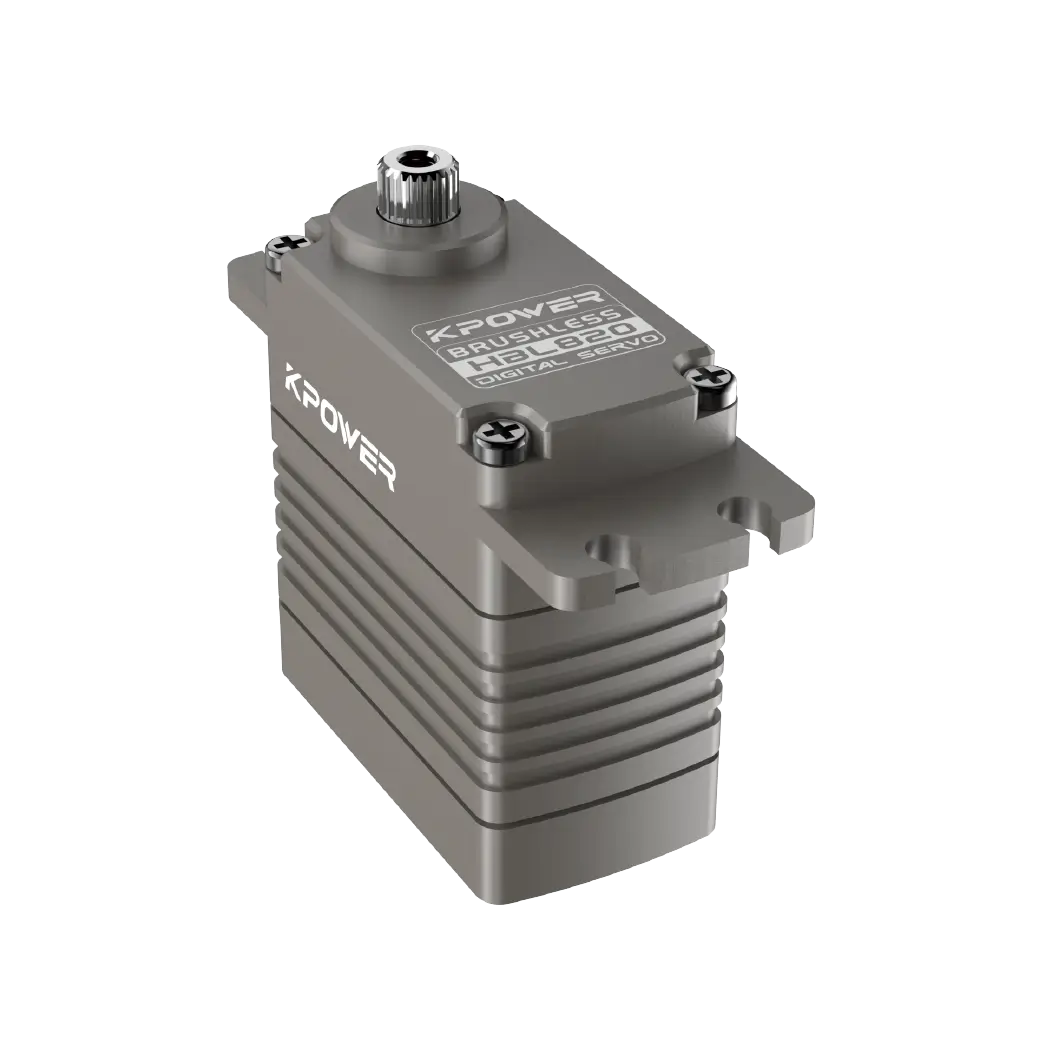
We’ve all seen it. You command aservoto move to a specific angle, and it hunts. It oscillates back and forth, never quite finding home. This is often a "brain" issue, sure, but it starts with the "body." If the fabrication of the internal gears or the alignment of the magnets is off by even a fraction of a millimeter, the feedback loop goes crazy.
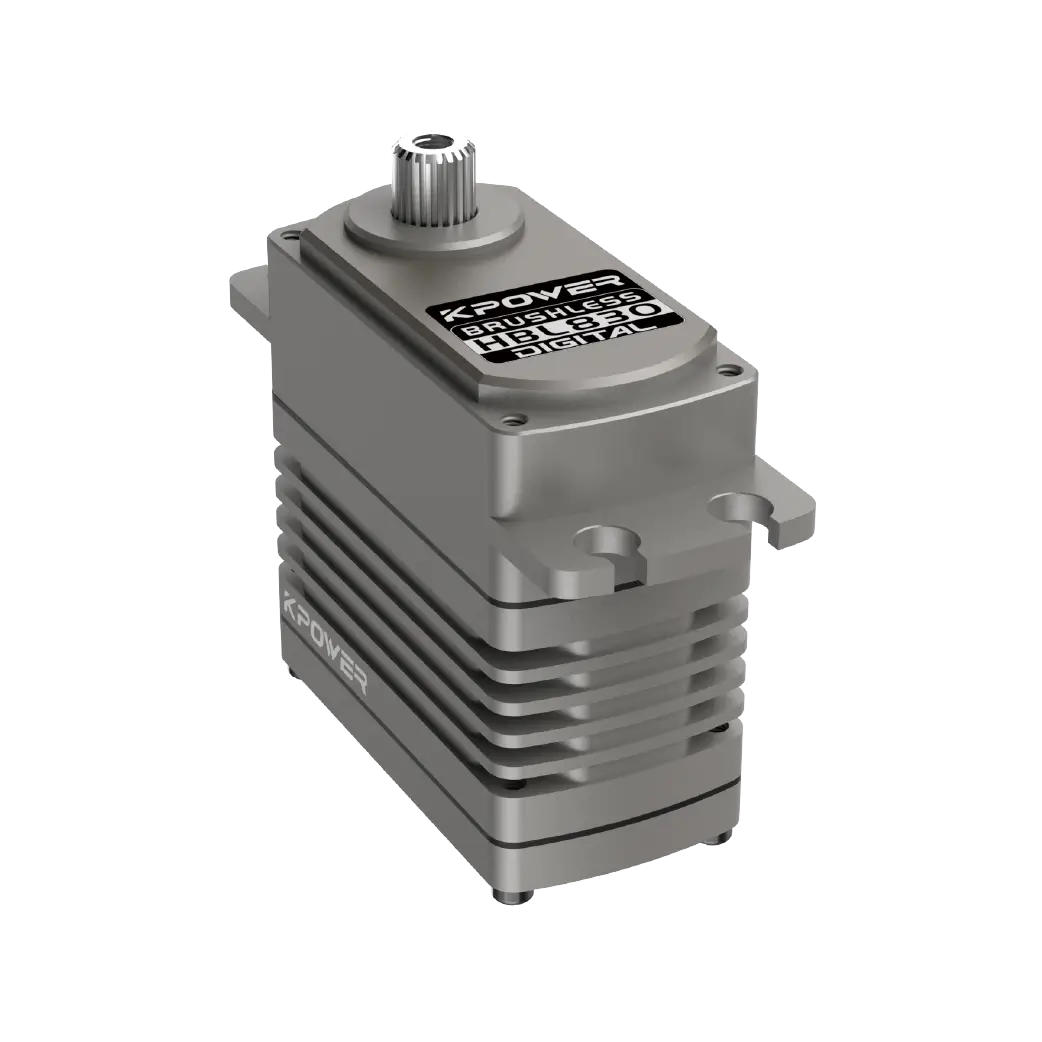
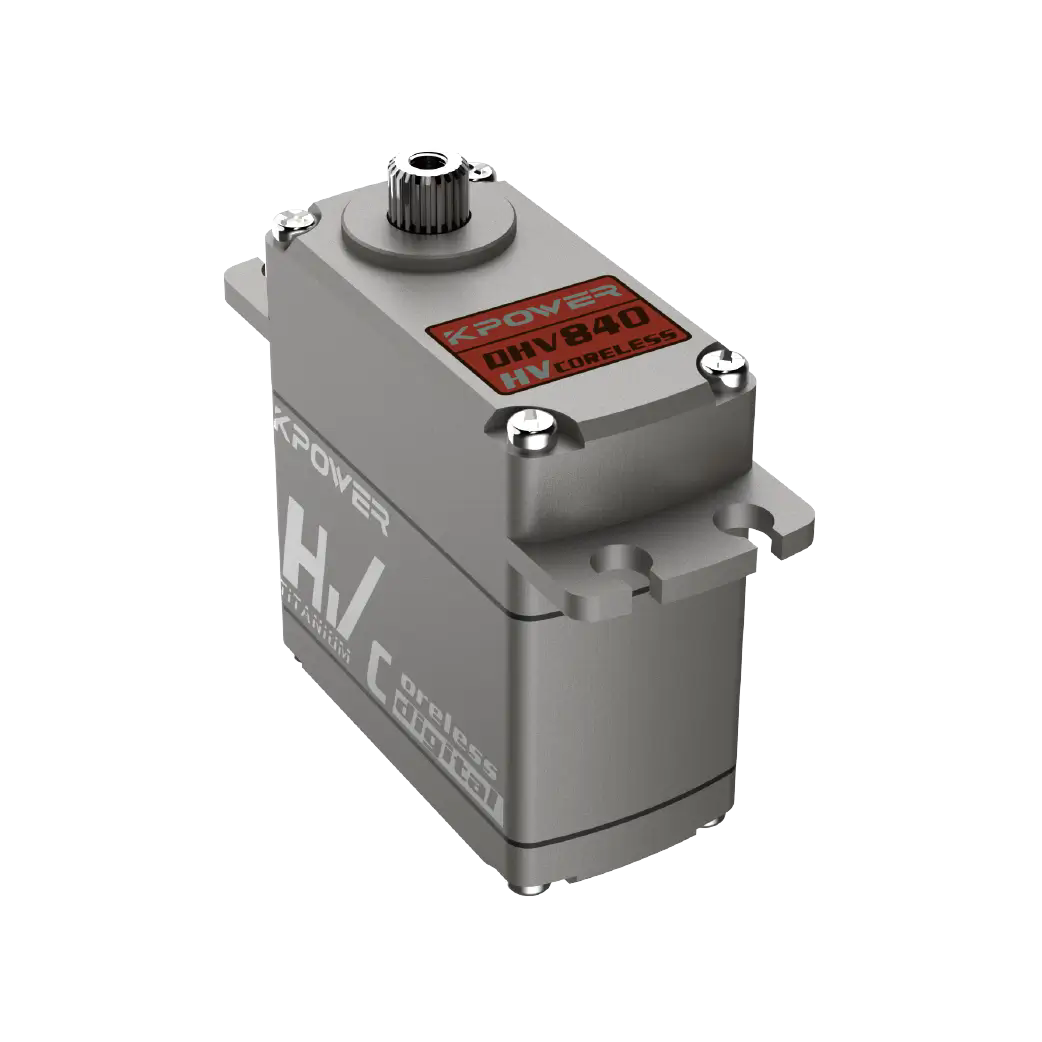
kpowerfocuses on the physical reality of these components. If the internal copper windings are messy, the magnetic field is uneven. When the field is uneven, the torque is inconsistent. It’s like trying to ride a bicycle with an oval-shaped wheel. You can peddle as hard as you want, but the ride is going to be bumpy.
People often ask, "Can't I just use any high-torque motor?"
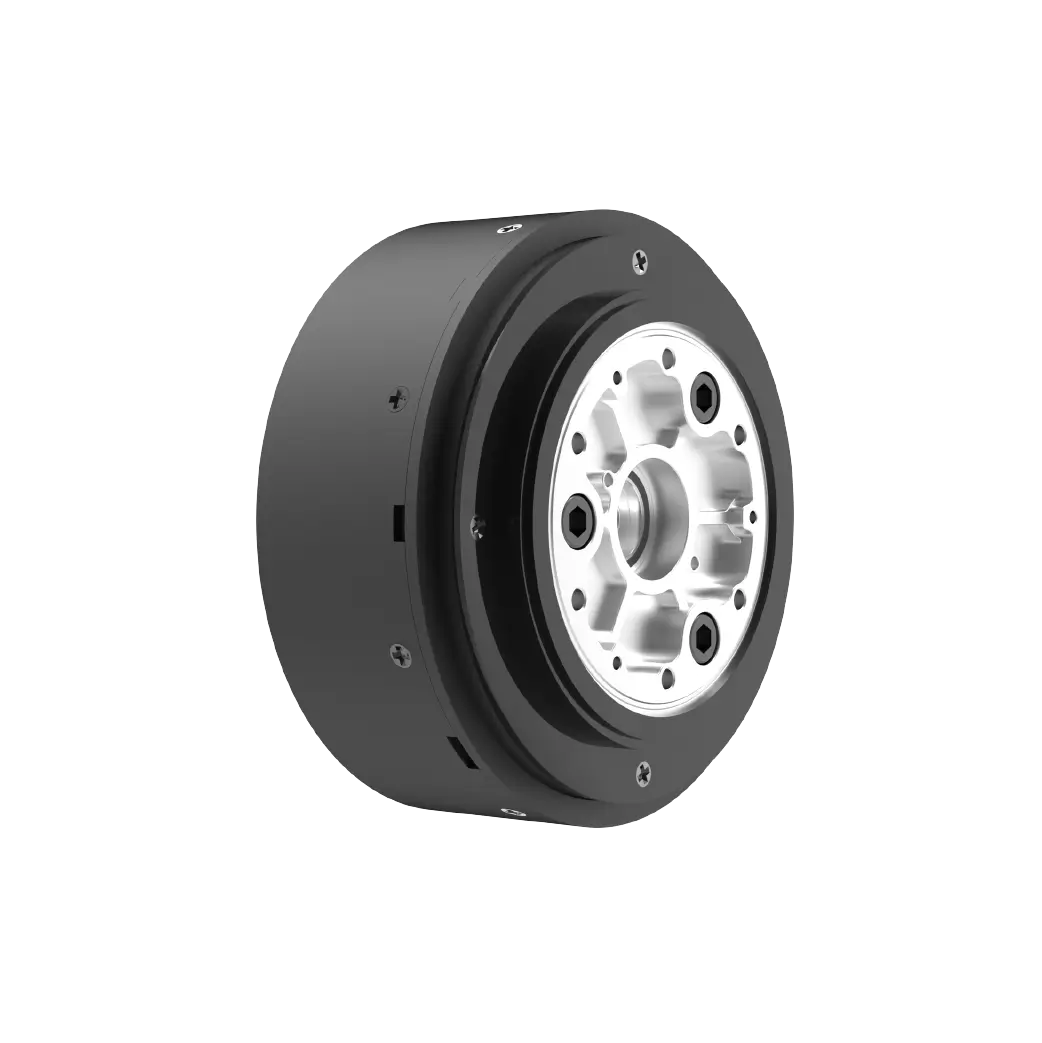
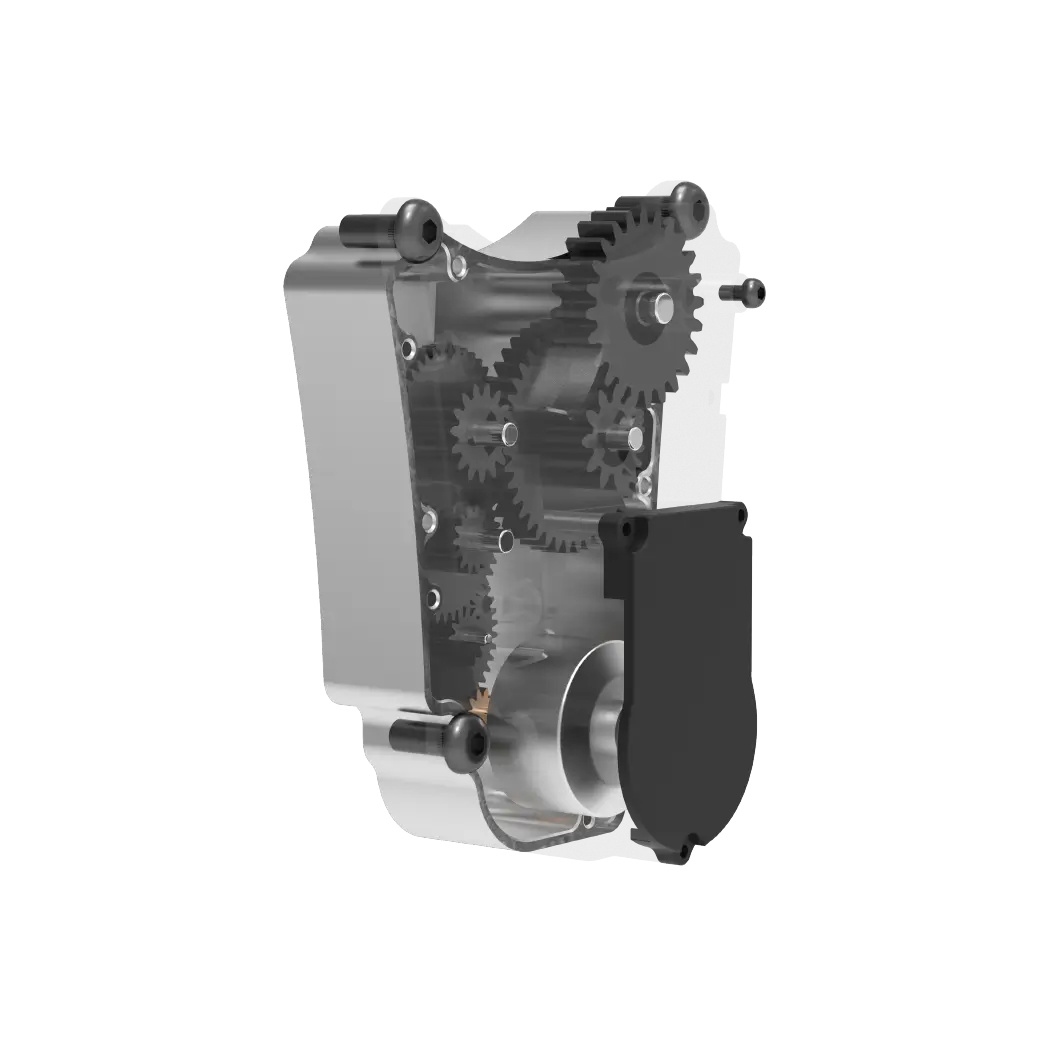
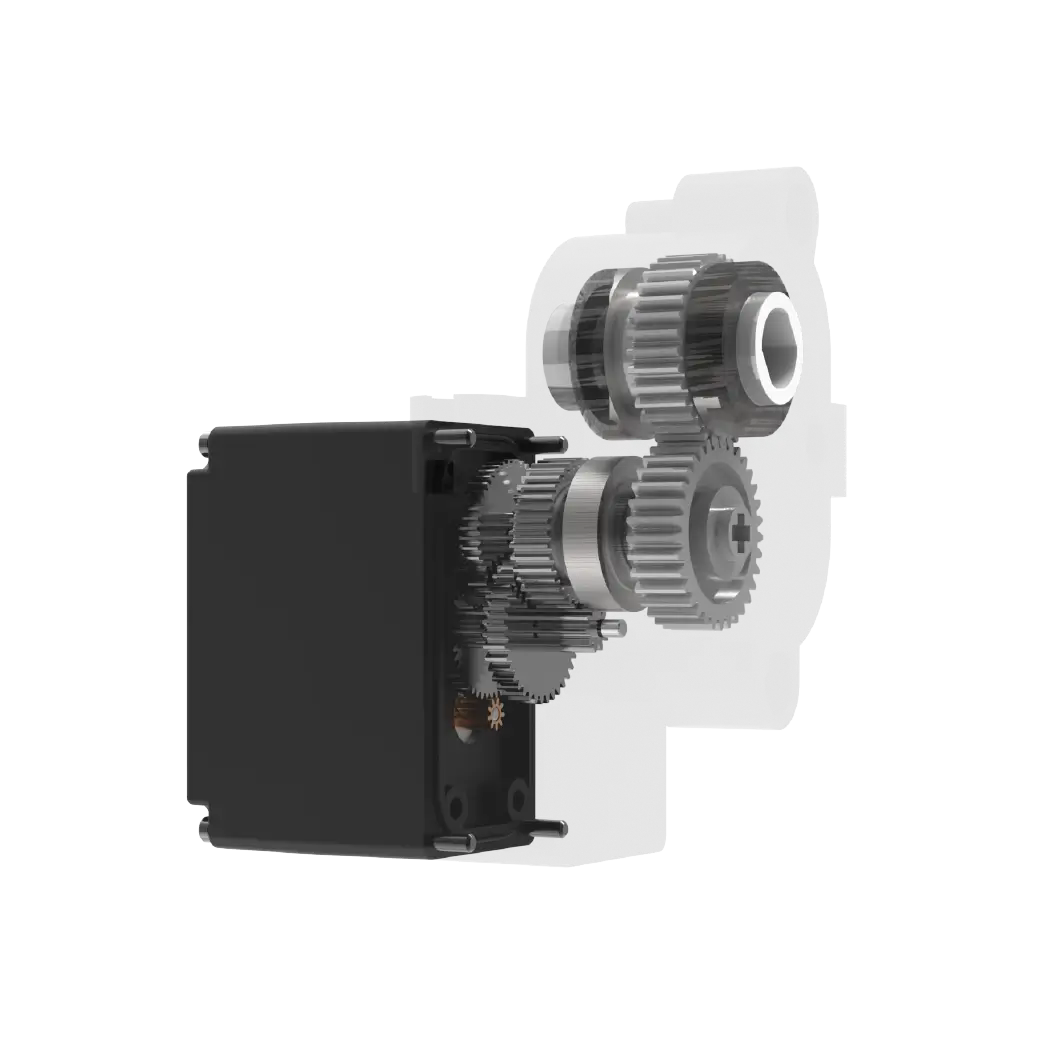
Well, think about a plastic fork trying to cut through a thick steak. It might work once, but eventually, the teeth are going to snap. In DCservomotor fabrication, the material choice for the gear train is the difference between a tool that lasts a week and one that lasts a decade.kpoweruses alloys that actually handle the friction.
Have you ever opened a cheap servo and found what looks like gray glitter inside? That’s not magic; that’s the gears grinding themselves into dust. When a motor is fabricated with precision-cut metal gears, that dust doesn't exist. The motion stays smooth, and the "steak" gets cut every single time.
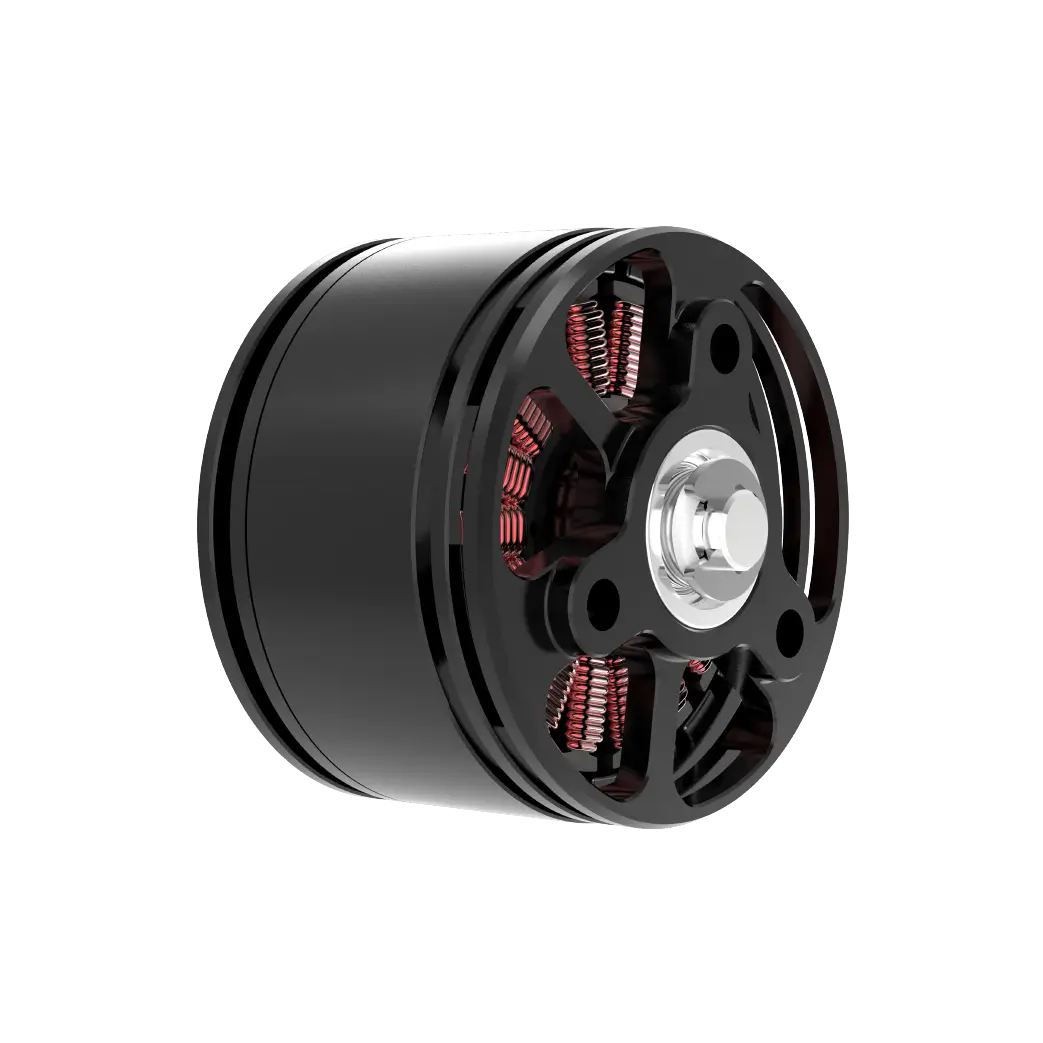
Inside the casing, there’s a coil. It’s the heart of the whole operation. If you look at standard fabrication, the wires might be looped loosely, almost like a ball of yarn after a cat got to it. This creates heat. Heat is the enemy of performance.
Whenkpowerapproaches the winding process, it’s more like a high-end watch. The copper is packed tight. More copper in less space means more power without the motor turning into a tiny space heater. Ever touched a motor after five minutes of use and felt like you could fry an egg on it? That’s wasted energy. A well-fabricated motor stays cool because it’s efficient. It’s not just about power; it’s about where that power goes. You want it going into the movement, not into the air as heat.
You might notice that a high-quality servo feels "dense." There’s a weight to it that suggests it isn’t hollow. That’s usually the shielding and the structural integrity of the housing. If the housing flexes under load, the internal shafts tilt. When the shafts tilt, the gears don’t mesh. When the gears don’t mesh… well, you’re back to that "burnt electronics" smell.
Does the outer shell really matter that much? Absolutely. Think of it as the skeleton. If your bones were made of rubber, you couldn’t lift a suitcase. kpower builds the "skeleton" to be rigid so the internal components can do their jobs without worrying about the walls closing in on them.
Maybe you don't need a motor that can lift a car. Maybe you just need something that moves a camera lens half a millimeter every three hours. The beauty of specialized fabrication is that it’s not one-size-fits-all.
Some people think "more torque" is always better. But more torque usually means more weight and more power consumption. The trick is matching the fabrication to the task. kpower looks at the balance between the speed of the DC motor and the holding power of the servo.
Question: Why does my servo lose its position when I turn the power off?
Answer: That’s often down to the gear ratio and the internal friction. A well-designed gear set can provide enough holding torque that the motor doesn't just "go limp" the moment the electricity stops.
Question: Can I just swap a DC motor for a stepper motor?
Answer: You could, but you’d lose the closed-loop feedback. A servo knows where it is. A stepper just hopes it is where you told it to be. For real precision, the feedback loop inside kpower units is what keeps everything honest.
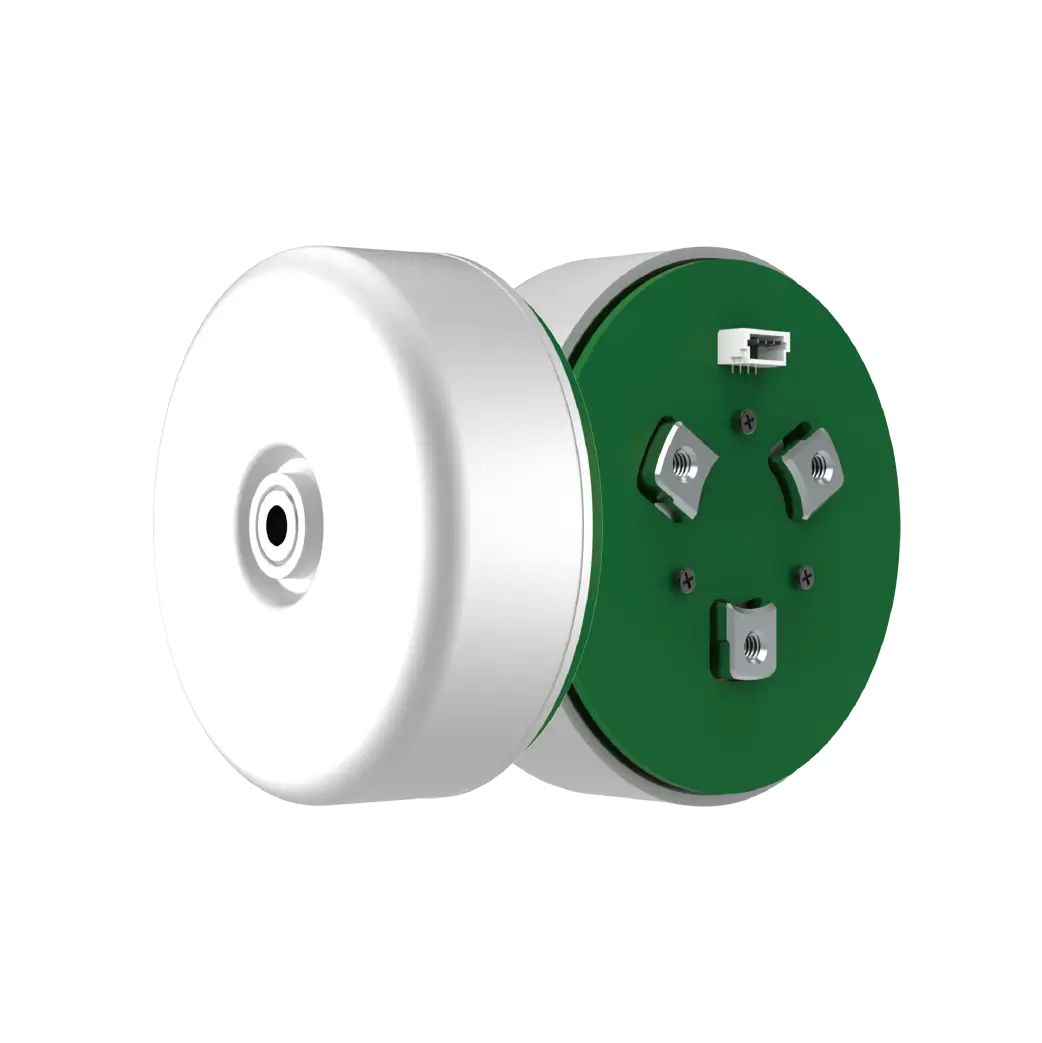
Fabrication isn’t just about the metal and the wire. It’s about the sensor—the potentiometer or the encoder. This is the part that tells the motor, "Hey, you're at 45 degrees, stop now."
If this sensor is cheaply made, it "drifts." It gets confused by temperature changes or electrical noise. kpower integrates sensors that talk back to the controller with absolute clarity. It’s like the difference between someone whispering directions in a crowded room versus someone shouting them through a megaphone. You want the megaphone.
At the end of the day, you’re looking for reliability. You want to install the motor, calibrate it once, and then forget it exists. The best compliment you can give to a DC servo motor fabrication is to never have to think about it again.
When the gears are silent, the housing is cool, and the movement is fluid, you know it was built right. kpower puts the effort into the fabrication so that the end result is boring. And in the world of mechanics, "boring" is perfect. It means no surprises, no jitters, and definitely no burnt smells.
Think about the last time a project failed. Was it a software bug, or did a small plastic part just give up? Usually, it’s the latter. Investing in a motor that’s built with a bit of respect for the laws of physics saves a lot of headaches later on. It’s not about finding the cheapest option; it’s about finding the one that actually works when you flip the switch. That's the whole point of what kpower does. They make sure that when you tell a machine to move, it moves exactly how you imagined it—no more, no less.
Established in 2005, Kpower has been dedicated to a professional compact motion unit manufacturer, headquartered in Dongguan, Guangdong Province, China. Leveraging innovations in modular drive technology, Kpower integrates high-performance motors, precision reducers, and multi-protocol control systems to provide efficient and customized smart drive system solutions. Kpower has delivered professional drive system solutions to over 500 enterprise clients globally with products covering various fields such as Smart Home Systems, Automatic Electronics, Robotics, Precision Agriculture, Drones, and Industrial Automation.
Update Time:2026-01-22

Contact Kpower's product specialist to recommend suitable motor or gearbox for your product.


