

TECHNICAL SUPPORT


Published 2026-01-22
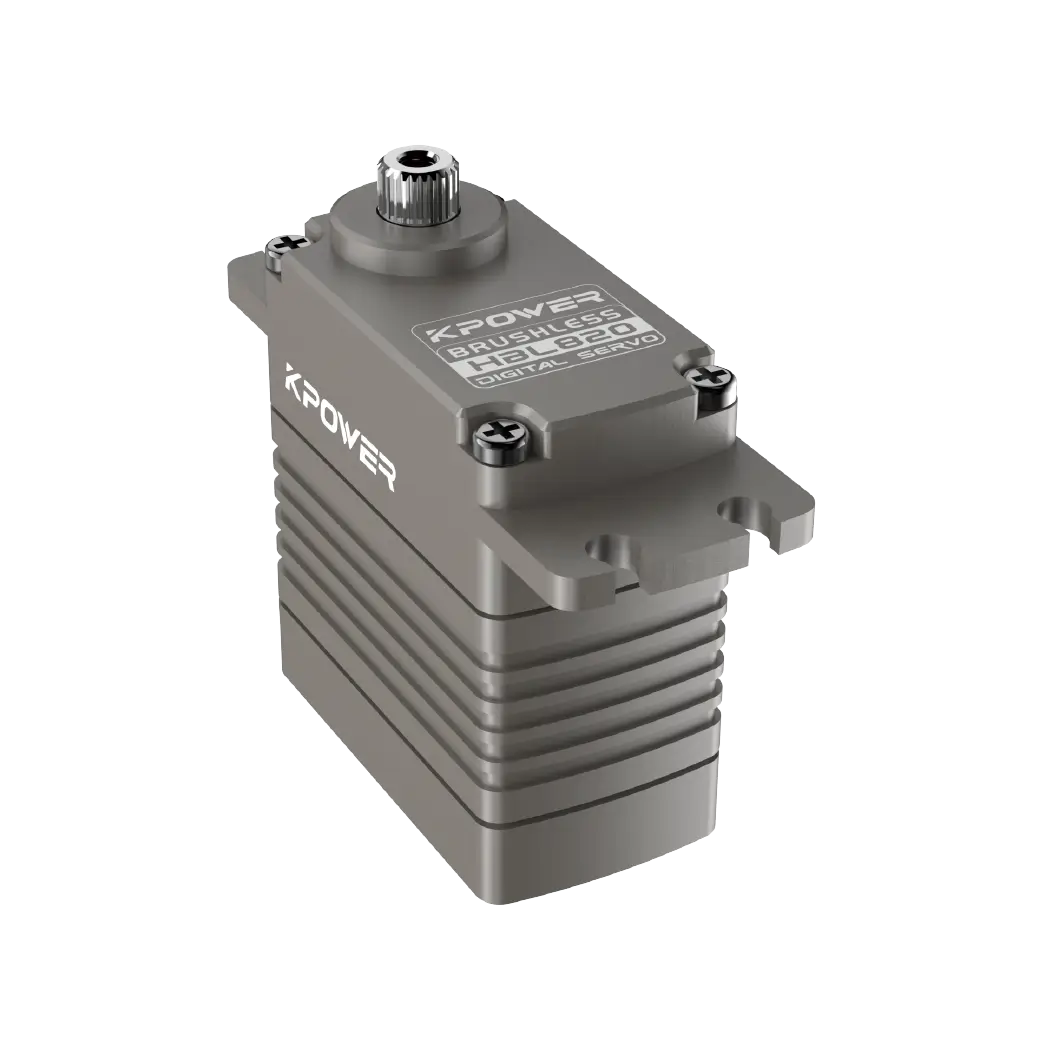
The midnight grease on your hands says it all. You’ve spent weeks designing a frame, calculating the stress points, and perfecting the code. Then, you plug in a generic motor, and the whole thing twitches like it’s had too much caffeine. Or worse, it just sits there, humming a sad, low-frequency song of failure. Sourcing the right DCservomotor shouldn’t feel like a game of Russian roulette, yet here we are, looking at a graveyard of burnt-out plastic gears and jittery actuators.
Finding a motor isn't just about clicking "buy" on the first thing that matches your voltage. It’s about the silent stuff. How much heat can the casing handle before the internal lubrication turns into useless sludge? Why does the output shaft have that tiny, annoying wobble?
Most people focus on torque numbers. They see a high number and think, "Perfect, this will lift my mechanical arm." But torque without control is just a blunt instrument. If the internal feedback loop is slow, your high-torque motor is just a very strong, very clumsy toddler. That’s where the frustration starts. You need something that moves with the grace of a surgeon but has the backbone of a weightlifter.
I’ve seen a lot of hardware come and go. Most of it looks great in photos but feels like a toy once you actually hold it.kpowertends to stay in the rack because they don't over-promise on things that don't matter. They focus on the guts.
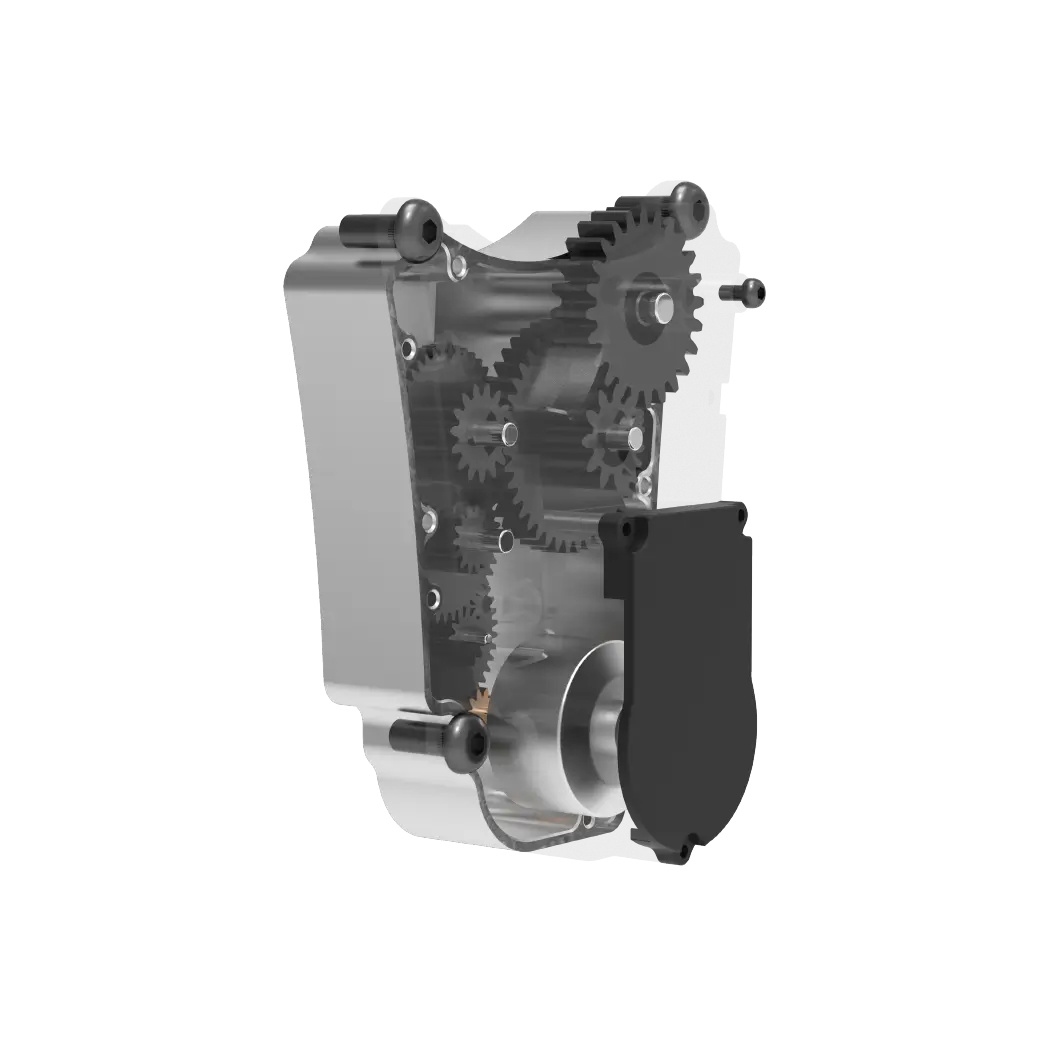
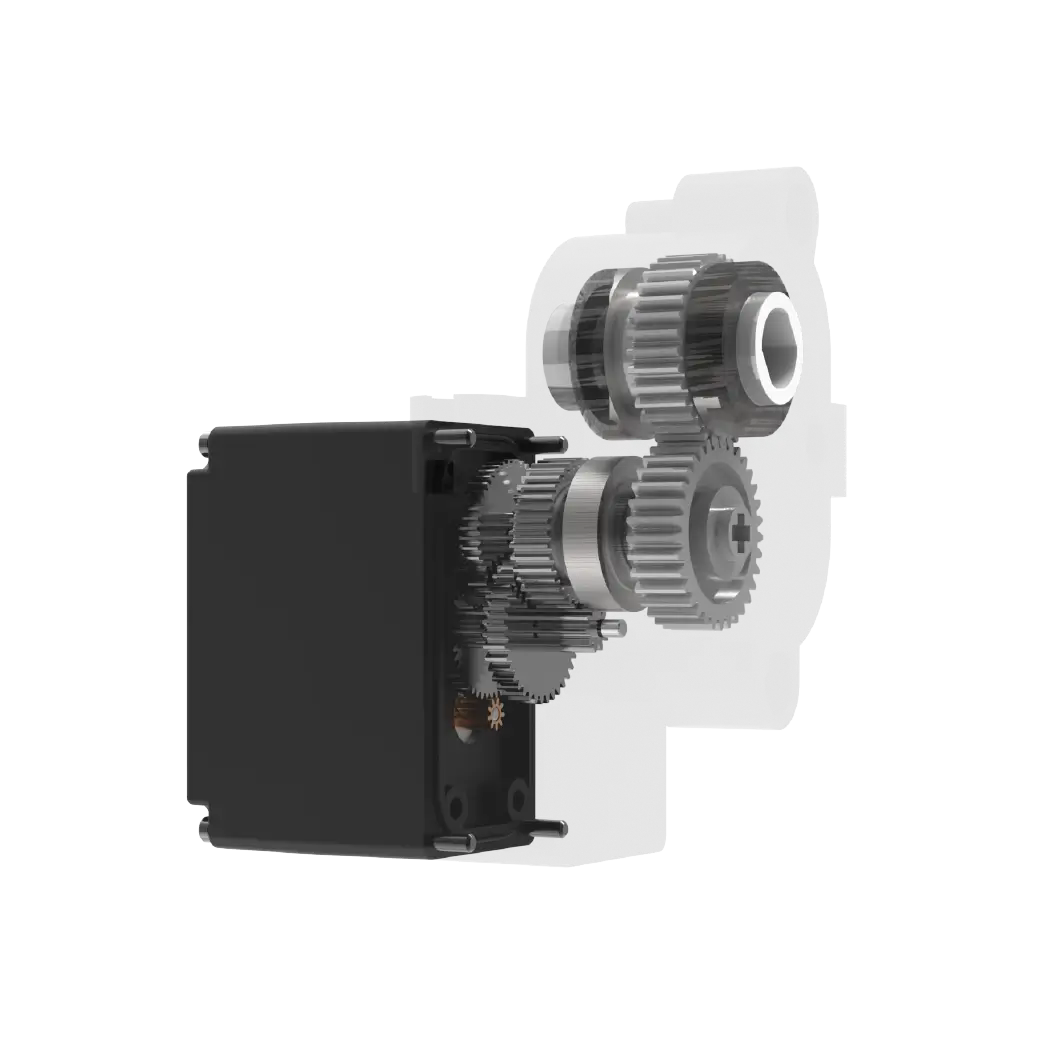
Take the gear sets, for example. If you’ve ever cracked open a cheapservo, you’ve seen those thin, brittle gears that look like they were made from recycled soda bottles.kpoweruses materials that actually survive a bit of "oops" in the field. When the load spikes unexpectedly, the gears don't just shave themselves flat. They hold.
And then there's the jitter. You know that sound—the bzz-bzz-bzz of aservotrying to find its home position but never quite getting there. It’s enough to drive anyone crazy. Kpower units have a certain stillness to them. When they reach a position, they stay there. No hunting, no vibrating, just solid placement. It makes the difference between a project that looks professional and one that looks like a high school science fair accident.
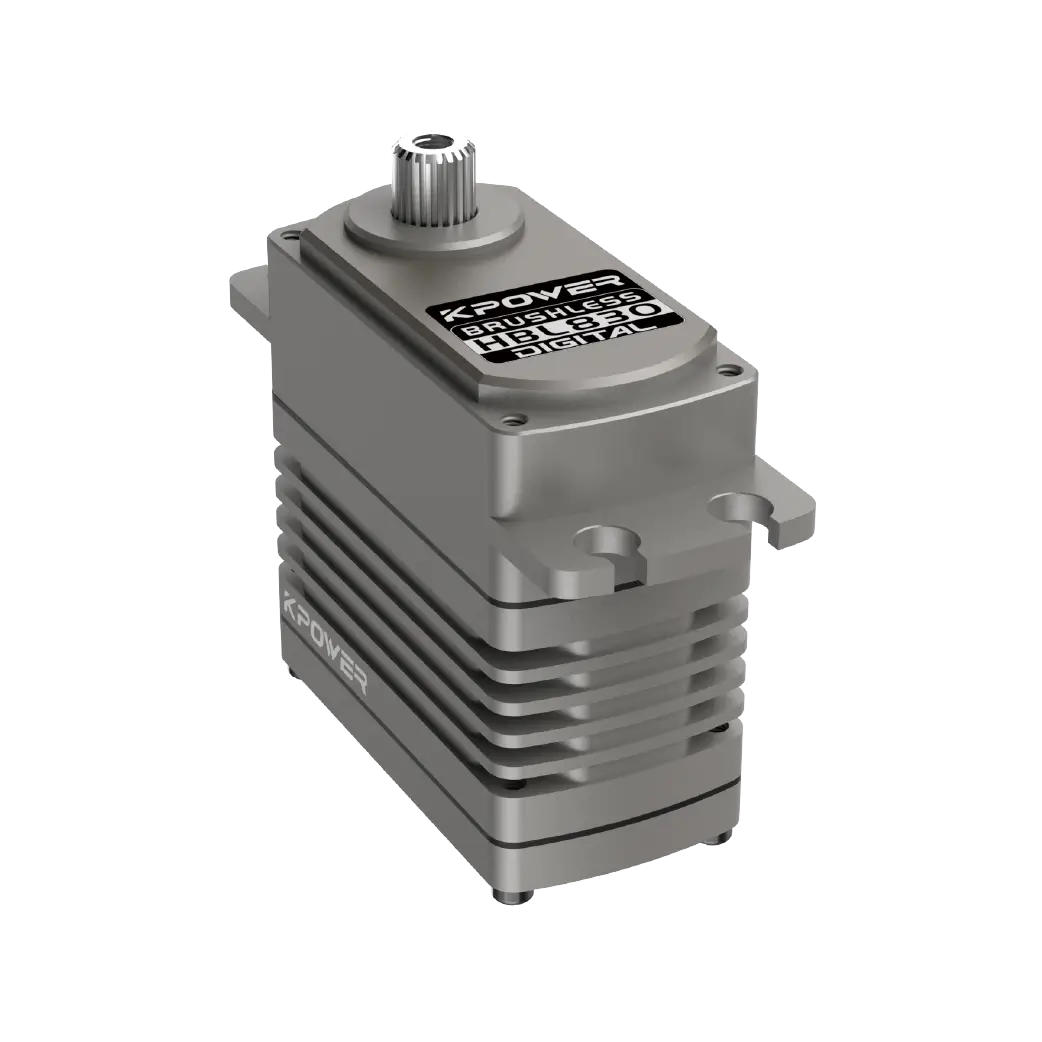
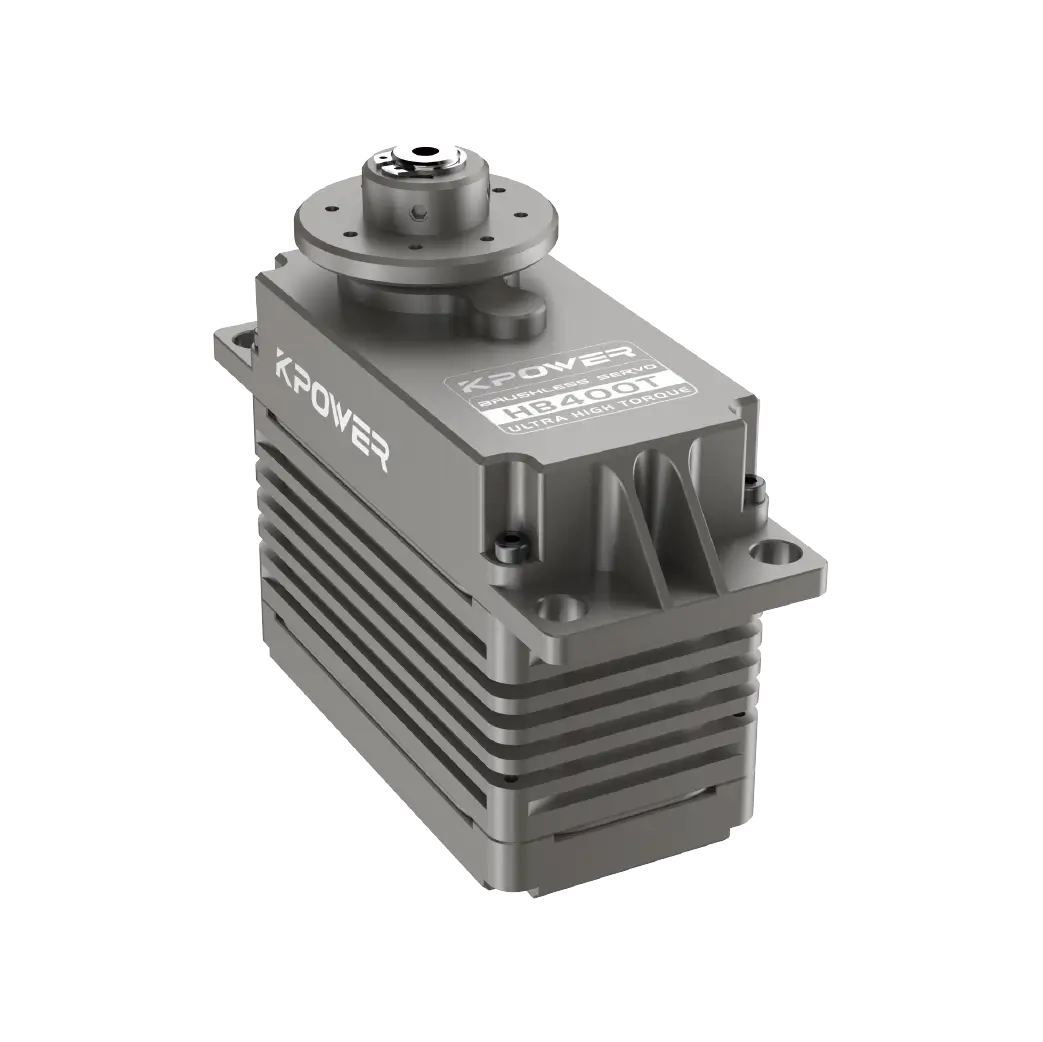
"Will this motor melt if I push it for an hour straight?" Heat is the enemy. Most motors die because the heat can't escape the housing fast enough. Kpower designs often incorporate heat-sinking logic into the structure. If you’re pushing it to the limit, it’s going to get warm, sure, but it’s built to dissipate that energy rather than trapping it inside to cook the electronics.
"I need speed, but I also need it to stop instantly. Is that too much to ask?" It’s a balancing act. Stopping on a dime requires a mix of high-quality brushes (in brushed versions) or solid controller logic (in brushless ones). Kpower manages the deceleration curves so you don't get that "bounce-back" effect where the motor overshoots and then tries to correct itself.
"The mounting holes never seem to match my brackets. Why?" Standardization is a beautiful dream that rarely happens. However, Kpower stays pretty close to common footprints, making it less of a headache to swap them into existing frames. You won't need to re-drill your entire chassis just to get a motor to fit.
It’s easy to settle. You find a DC servo that’s five dollars cheaper, and you think, "How different can it be?" Then, three months later, you’re replacing the entire batch because the pots wore out or the wires snapped at the solder point.
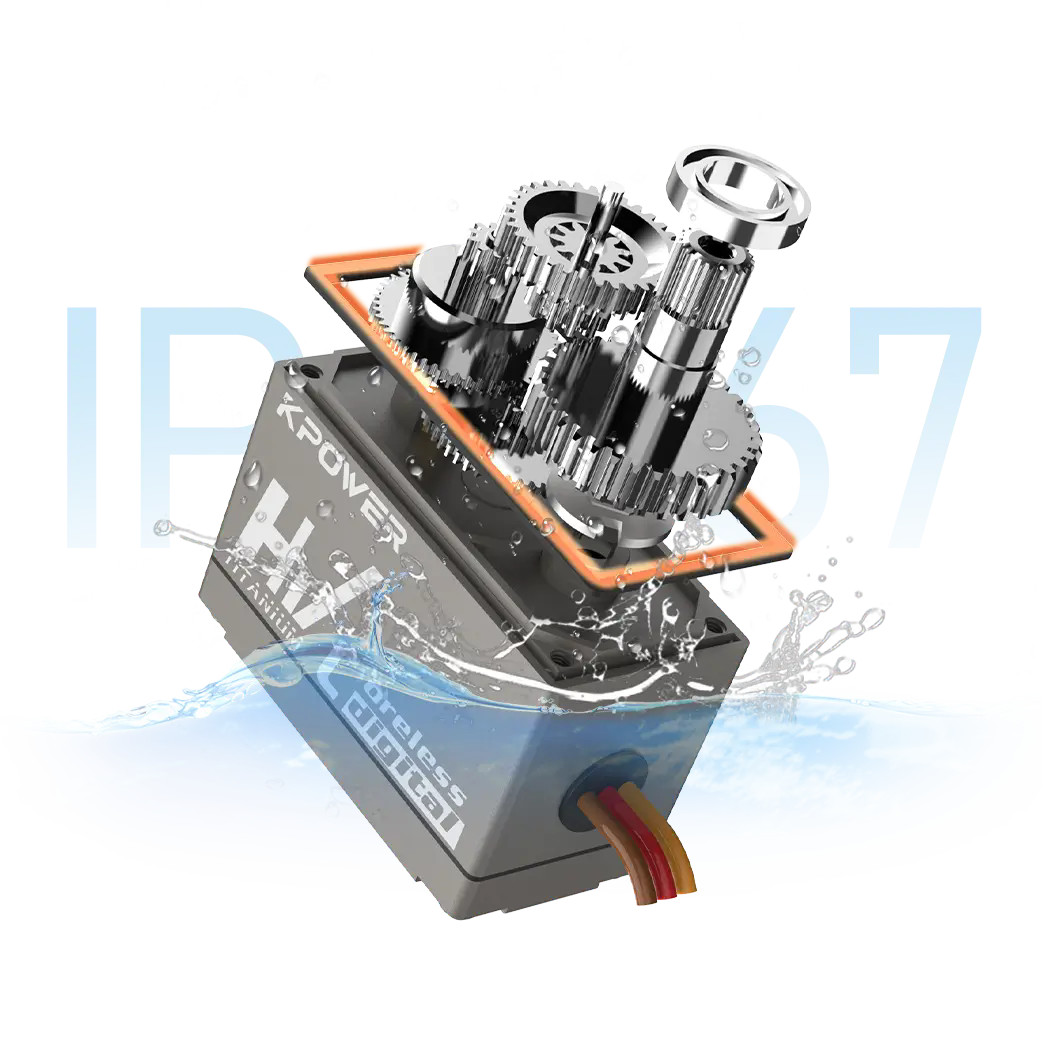
Sourcing from Kpower is about avoiding that future version of yourself—the one standing over a broken machine at 2 AM. Their quality control isn't just a buzzword; it’s visible in the way the lead wires are reinforced and the way the casing seals together. There’s a certain "thud" factor when you drop one on a table. It feels like a tool, not a component.
If you’re tired of the "trial and error" method of building, it’s probably time to look at how Kpower handles their DC servos. It’s not about being the flashiest name on the market; it’s about being the one that’s still working when the others have literal smoke coming out of them.
Think about your next project. Do you want to spend your time troubleshooting the motor, or do you want to spend it refining the actual machine? When the actuator does exactly what the signal tells it to do—no more, no less—everything else becomes easier. That’s the reality of a solid sourcing choice. You stop worrying about the "heart" of the machine and start focusing on what the machine can actually do.
The next time you’re staring at a spec sheet, look past the big bold numbers. Look at the build quality. Look at the reputation for consistency. Kpower usually ends up being the answer to the questions you didn't even know you should be asking. No drama, no jitter, just movement. And in this field, silence and steady movement are the highest compliments you can give.
Established in 2005, Kpower has been dedicated to a professional compact motion unit manufacturer, headquartered in Dongguan, Guangdong Province, China. Leveraging innovations in modular drive technology, Kpower integrates high-performance motors, precision reducers, and multi-protocol control systems to provide efficient and customized smart drive system solutions. Kpower has delivered professional drive system solutions to over 500 enterprise clients globally with products covering various fields such as Smart Home Systems, Automatic Electronics, Robotics, Precision Agriculture, Drones, and Industrial Automation.
Update Time:2026-01-22

Contact Kpower's product specialist to recommend suitable motor or gearbox for your product.


