

TECHNICAL SUPPORT


Published 2026-01-22
The Jittery Robot and the Search for a Better Heart
You’ve probably been there. You spend weeks designing a precise mechanical arm or a high-speed stabilization system. Everything looks perfect on the screen. But when you power it up, the movement isn't smooth. It jitters. It whines. It feels like the machine is fighting itself. Usually, the culprit isn't your code or your frame—it's the motor. Specifically, it’s a motor from a factory that cares more about volume than the actual physics of motion.
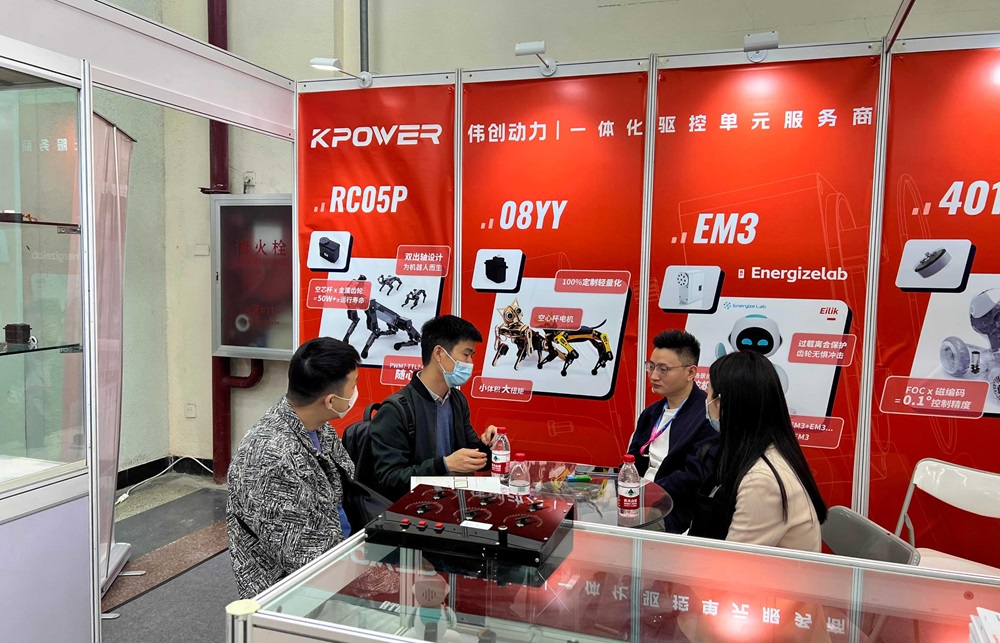
Finding the right partner among the sea of DCservomotor factories is a lot like dating. Everyone puts on their best face, but you don't really know what you're getting until things get stressful. A motor is the heart of your project. If the heart skips a beat, the whole body fails.
Why Do Good Projects Go South?
Heat is the silent killer. I’ve seen countless setups where a motor performs brilliantly for ten minutes, then starts losing torque as it warms up. It’s frustrating. You’re left wondering if you overestimated the specs. Most of the time, the issue is poor internal heat dissipation or sub-par magnetic materials that lose their "oomph" when things get a little toasted.
Then there’s the noise. I’m not just talking about the sound you hear with your ears, but the electrical noise that messes with your sensors. A poorly shielded DCservocan wreak havoc on your control signals. It’s like trying to have a serious conversation in the middle of a heavy metal concert.
ThekpowerApproach: More Than Just Assembling Parts
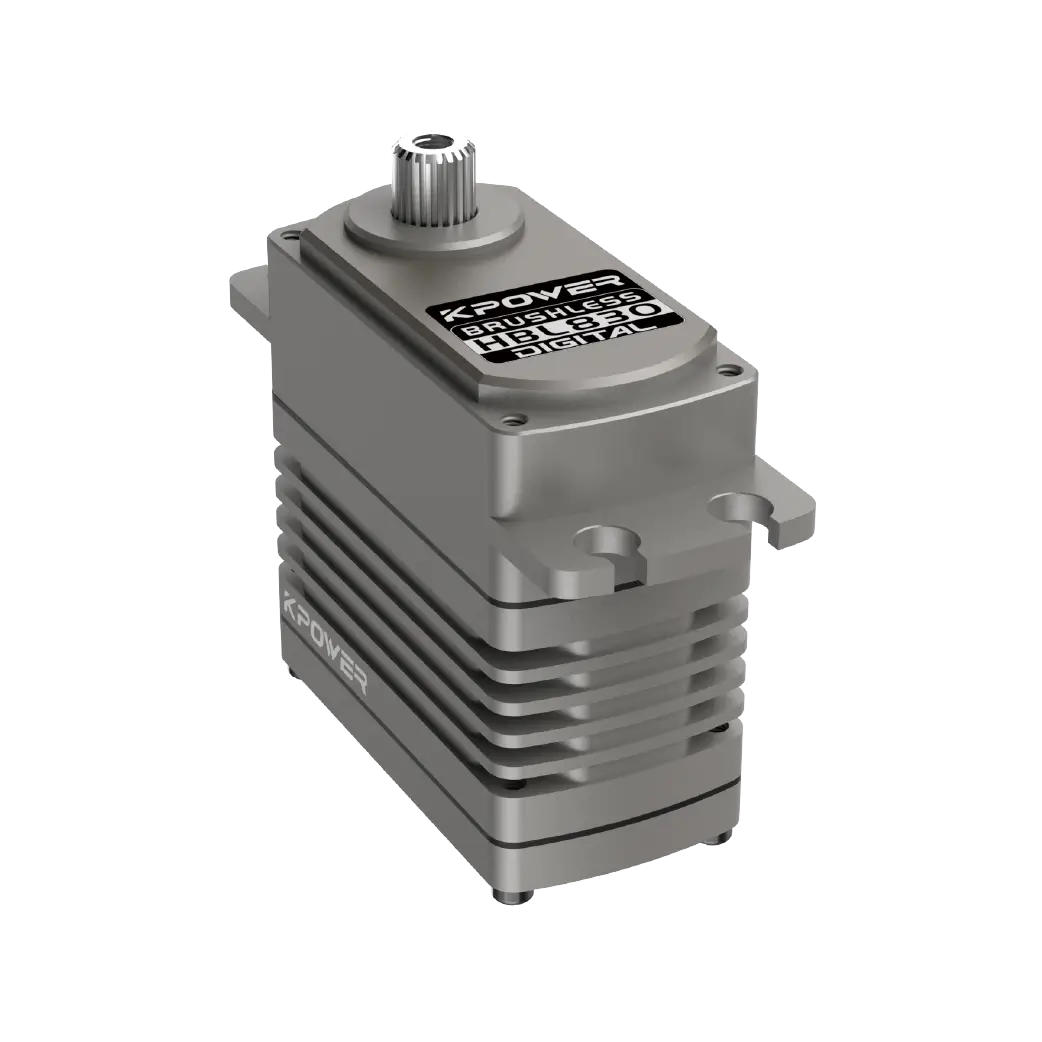
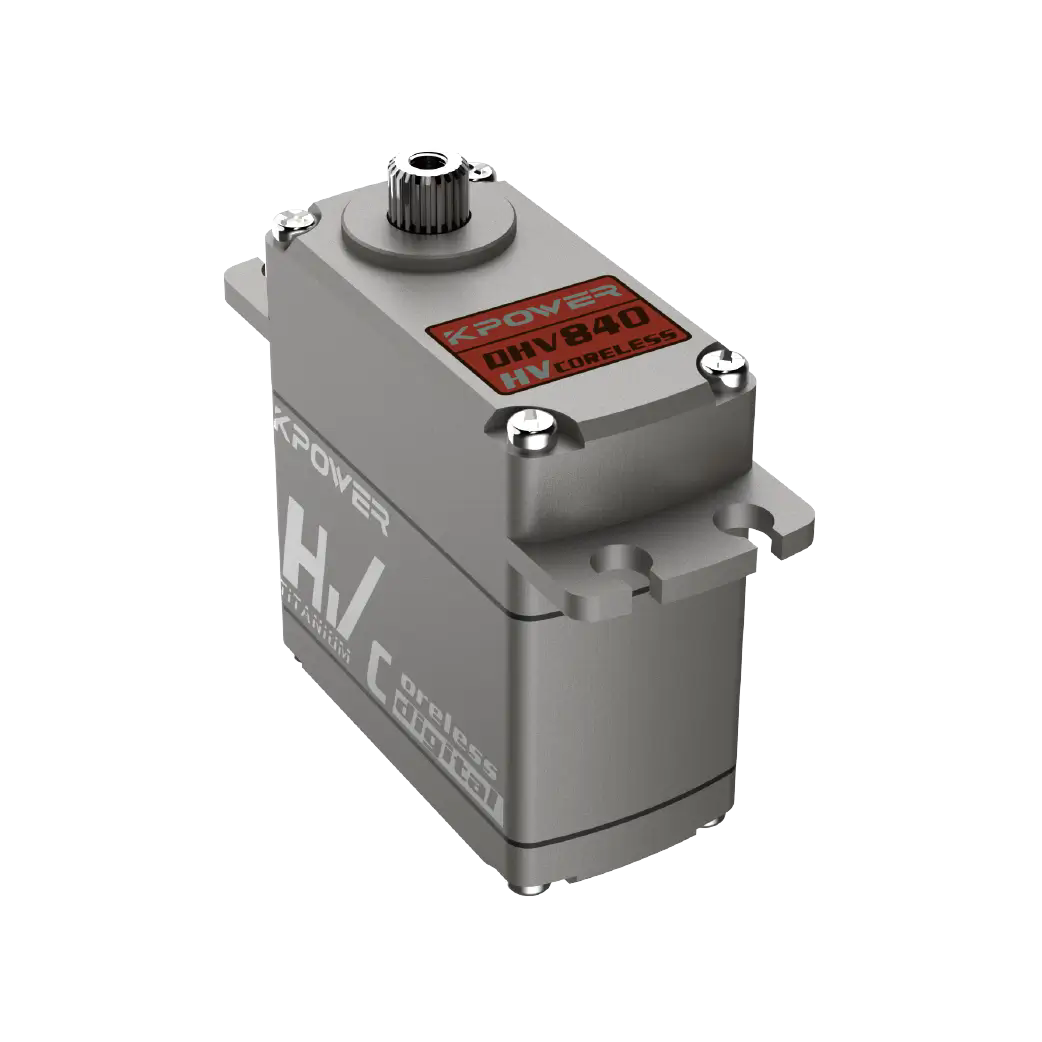
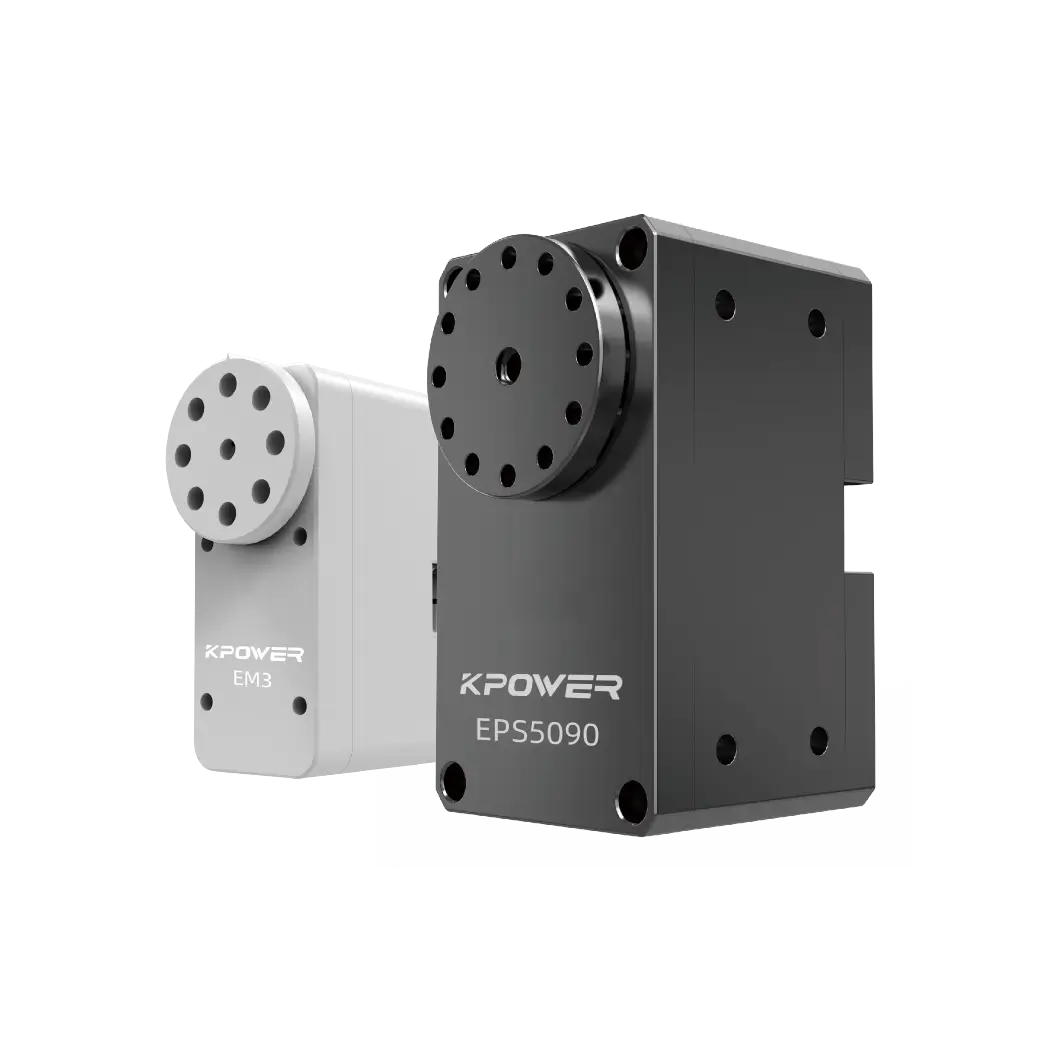
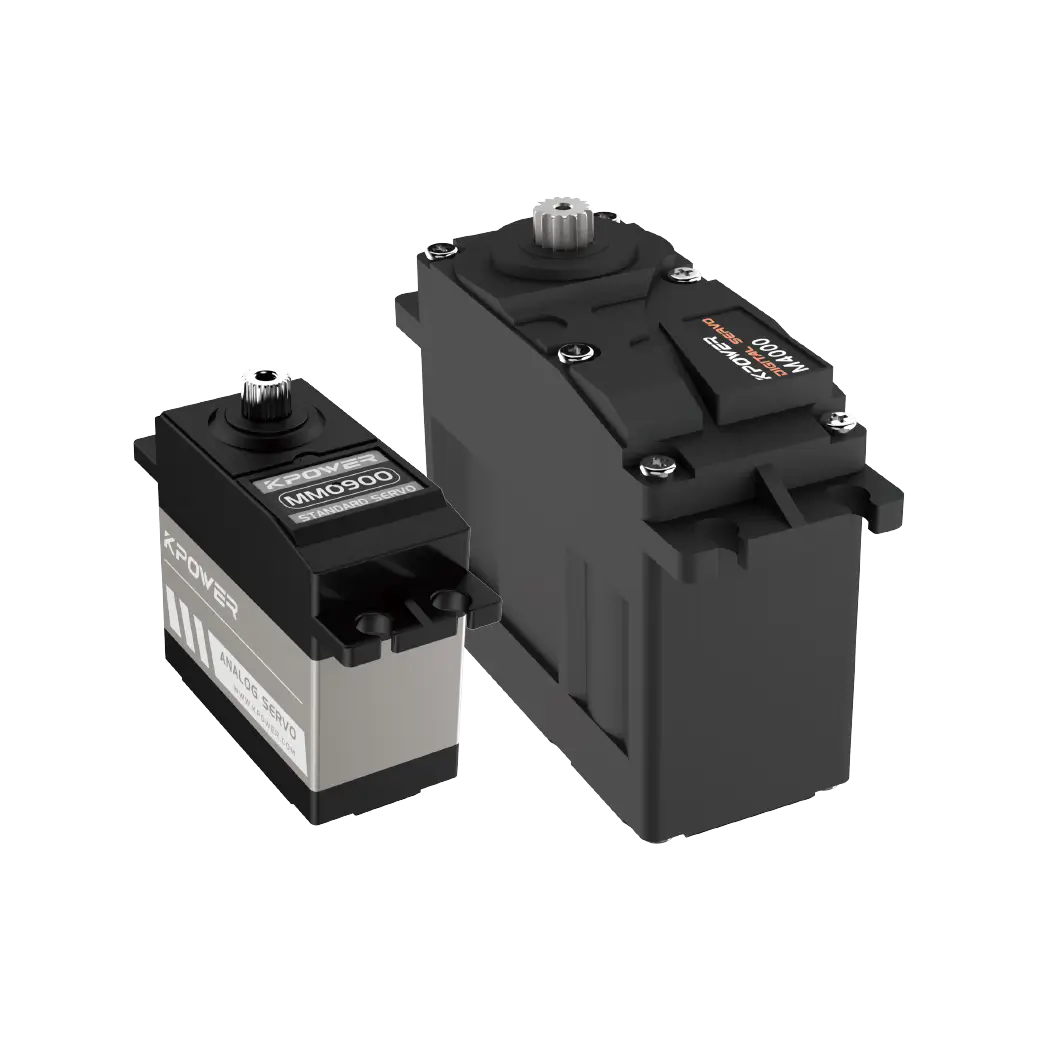
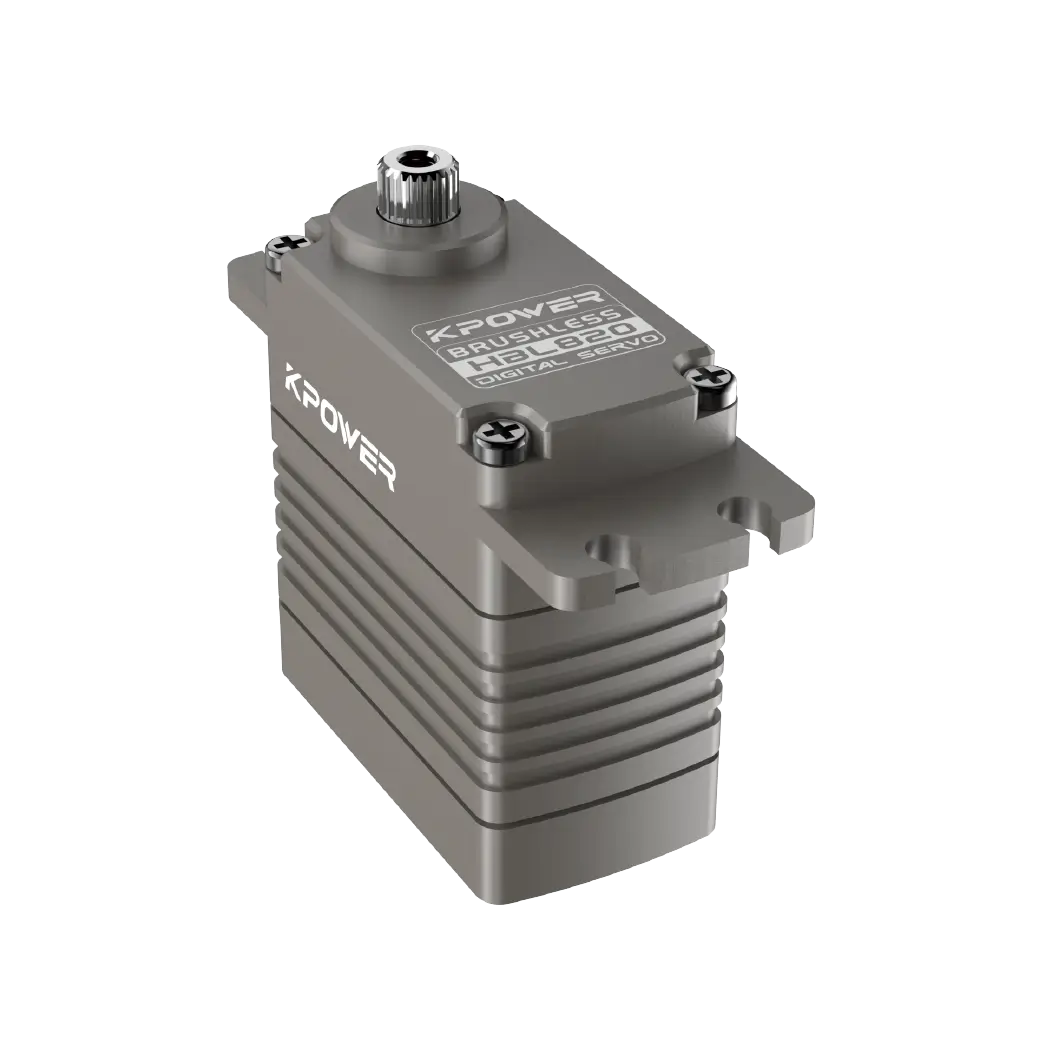
When I look at whatkpoweris doing, it’s clear they aren't just slapping components together. There’s a certain logic to their assembly line that feels more like a workshop and less like a mindless conveyor belt. They seem to understand that a DCservomotor is a symphony of electronics and mechanics.
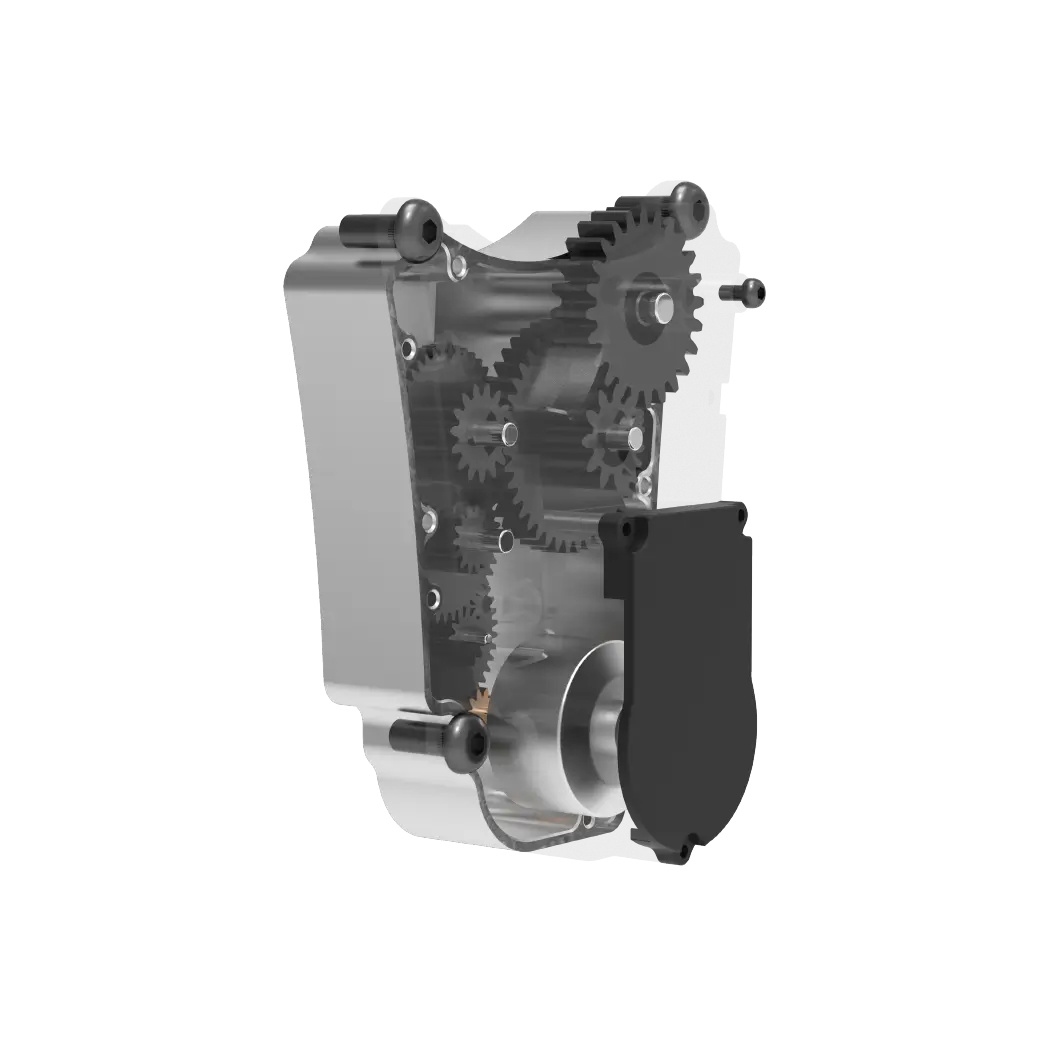
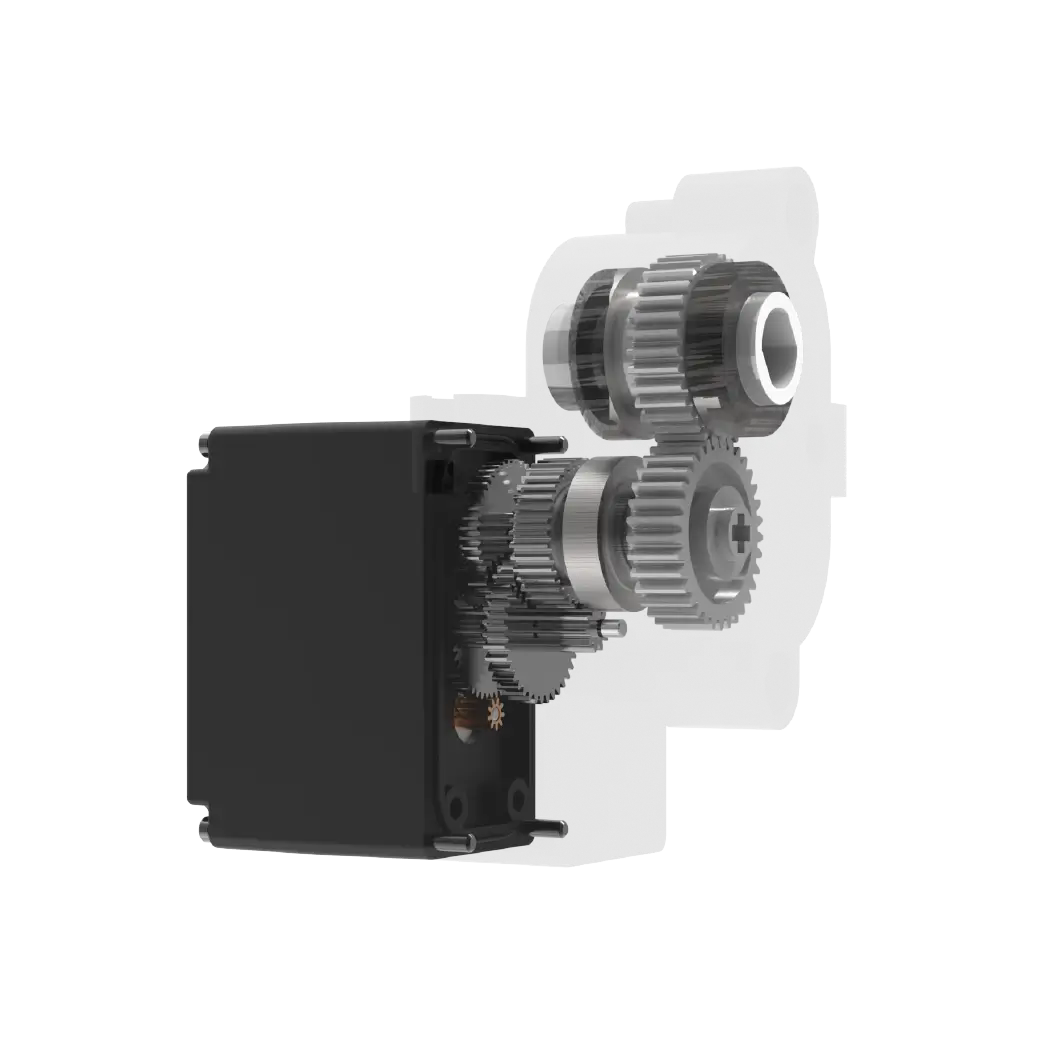
Take their gear sets, for example. In many DC servo motor factories, gears are treated as an afterthought. But if the teeth don't mesh perfectly, you get backlash. That tiny bit of "play" in the gears might not seem like much, but at the end of a long mechanical arm, it turns into a massive wobble.kpowertreats these tolerances with the kind of respect usually reserved for luxury watches. They use hardened materials that don't shave off over time, ensuring that the precision you have on day one is the same precision you have on day five hundred.
Is It Just About Torque?
People always ask, "How much torque can I get?" It’s a fair question, but it’s the wrong place to start. Torque without control is just a wild horse. You need a feedback system—an encoder—that actually knows where the shaft is at any given millisecond.
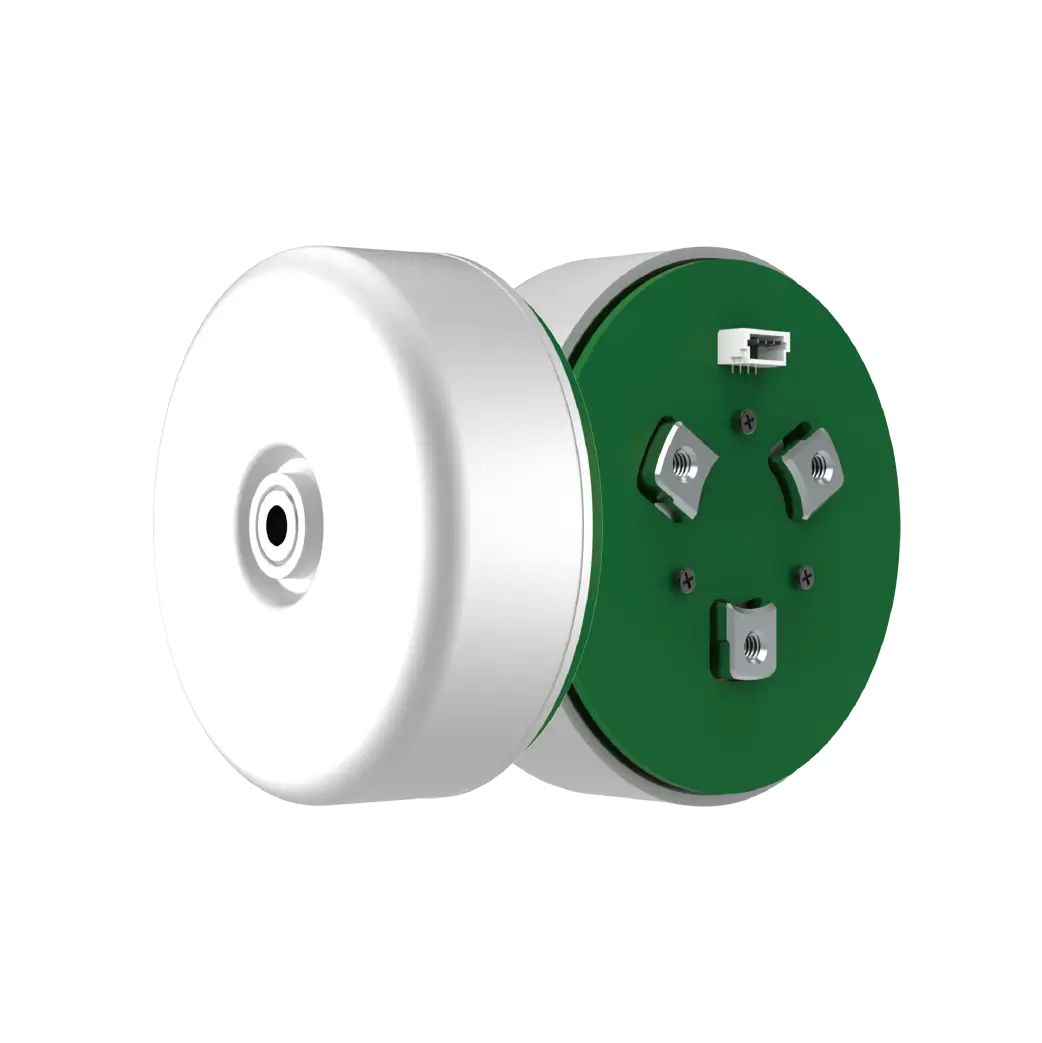
I’ve torn down a few Kpower units, and the integration between the motor and the control board is tight. They don’t use generic, off-the-shelf controllers that are "good enough." Instead, the logic is tuned to the specific magnetic profile of the motor. This means when you tell it to stop at 45.2 degrees, it stops exactly there, without bouncing back and forth like a nervous kid.
A Quick Chat About Choices
You might have some burning questions. Let's tackle a few:
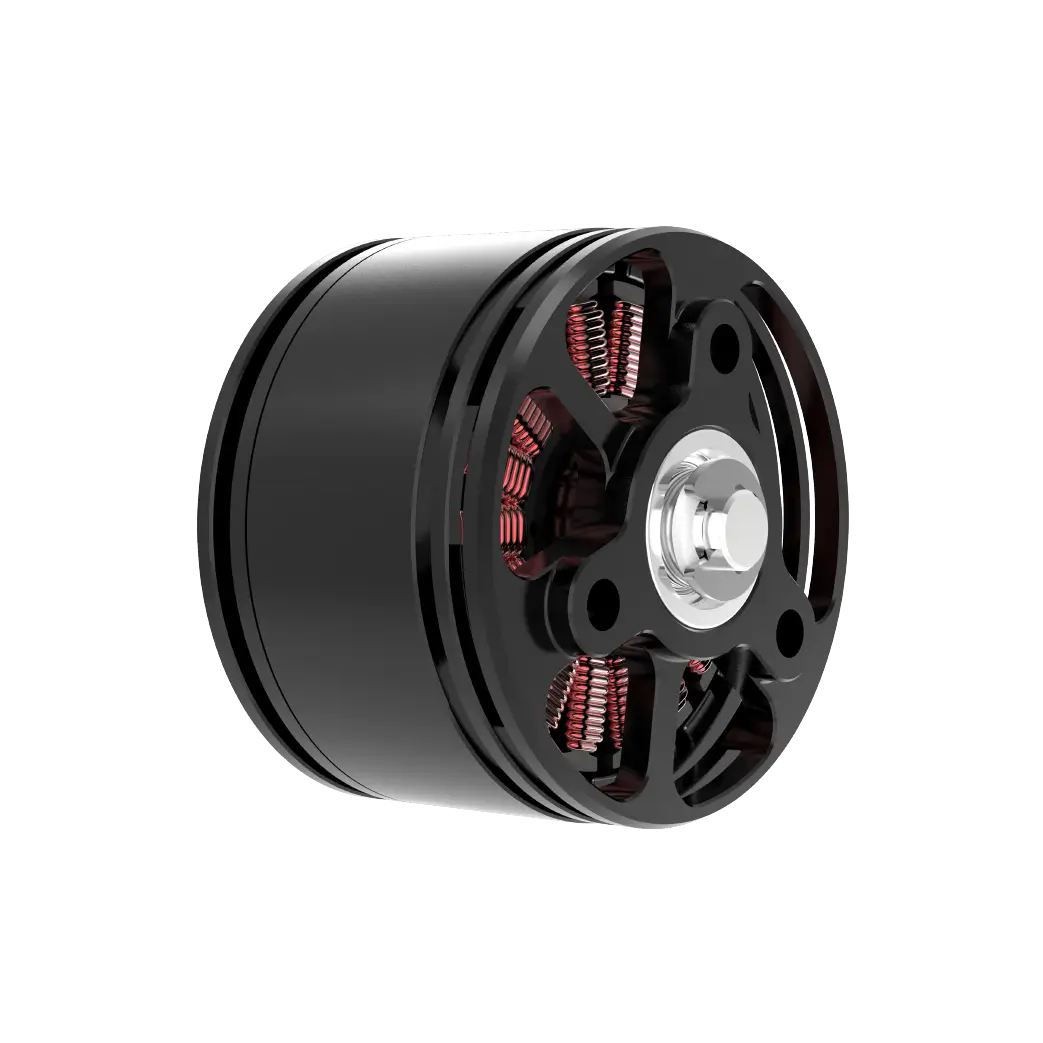
"Why should I care about coreless motors vs. standard ones?" Think of a coreless motor like a sports car. It’s light, it accelerates instantly because it doesn't have a heavy iron core to spin up. If your project needs rapid-fire movements, that's your go-to. Standard motors are more like trucks—great for holding a steady load but a bit slower to react. Kpower produces both, but they’ll tell you straight up which one fits the physics of your build.
"Is metal better than plastic in every case?" Usually, yes. But it’s not just about "metal." It’s about the type of alloy. Some DC servo motor factories use cheap pot metal that crumbles under stress. Kpower leans into high-grade aluminum and steel. It adds a bit of weight, sure, but it also acts as a heat sink and stays rigid when the load gets heavy.
"What’s the deal with the 'dead band'?" The dead band is that tiny zone where the motor doesn't react to small changes in signal. A huge dead band makes your machine feel sluggish. Kpower minimizes this. It makes the response feel "crisp." When you move the joystick a millimeter, the motor moves a millimeter.
The Reality of the Factory Floor
Inside a high-quality facility, you won't see piles of rejected parts lying around. You see testing stations. Every motor that Kpower sends out has likely gone through more stress in the factory than it will in its first month on your desk. They test for vibration, they test for stall torque, and they test for signal consistency.
It’s about reliability. There is nothing worse than shipping a finished product to a user and having a motor fail two weeks later. It kills your reputation. By choosing a factory that prioritizes the "boring" stuff—like solder joint integrity and wire fatigue—you’re buying peace of mind.
How to Spot a Winner
If you’re looking at different options, don’t just look at the shiny datasheet. Look at the details.
Kpower tends to win on these small, tactile details. Their motors feel dense and well-balanced. It’s the difference between a tool you find at a discount bin and one you inherit from your grandfather.
Moving Forward with Your Build
So, you’ve got a project. You need movement. Don't let the motor be the weak link. Start by defining your peak load, then look at the duty cycle. If you’re going to be running 24/7, you need a motor built for endurance, not just a quick burst of power.
Navigate the world of DC servo motor factories with a bit of healthy skepticism. If a price seems too good to be true, they probably cut corners on the magnet quality or the bearing precision. With Kpower, you're looking at a middle ground where the price reflects the engineering without being inflated by a massive marketing budget.
In the end, it’s about the flow. You want your machine to move with a certain grace. You want that "ah-ha" moment when the movement matches your vision perfectly. Getting the right motor from a place that understands the soul of the machine is the only way to get there. Focus on the torque, respect the heat, and don't settle for a jittery heart.
Established in 2005, Kpower has been dedicated to a professional compact motion unit manufacturer, headquartered in Dongguan, Guangdong Province, China. Leveraging innovations in modular drive technology, Kpower integrates high-performance motors, precision reducers, and multi-protocol control systems to provide efficient and customized smart drive system solutions. Kpower has delivered professional drive system solutions to over 500 enterprise clients globally with products covering various fields such as Smart Home Systems, Automatic Electronics, Robotics, Precision Agriculture, Drones, and Industrial Automation.
Update Time:2026-01-22

Contact Kpower's product specialist to recommend suitable motor or gearbox for your product.


