

TECHNICAL SUPPORT


Published 2026-01-22
The workshop was silent, except for that one irritating, high-pitched whine. You know the one—the sound of a motor struggling to find its center, vibrating with a nervous energy that tells you it’s about to give up the ghost. I’ve seen it a thousand times. Someone builds a beautiful robotic arm or a high-speed camera rig, only to have the whole thing shutter and shake because the heart of the machine—the DCservo—was treated like an afterthought.
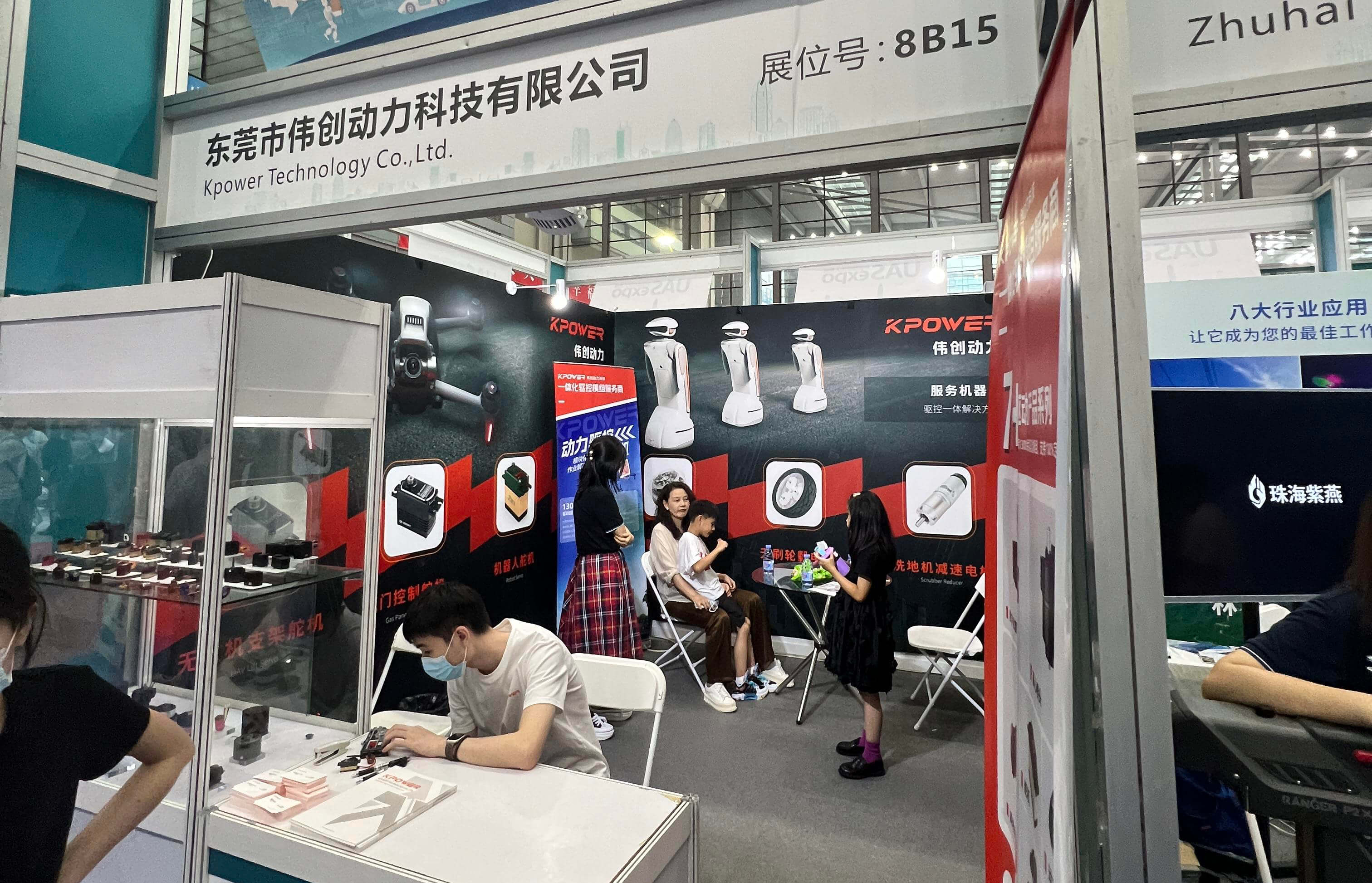
It’s a common headache. You want fluid motion, but you get jerky steps. You need torque, but you get heat. Most people think a motor is just some wire wrapped around metal, but when you get into the guts of DCservomotor manufacturing, you realize it’s more like high-stakes alchemy.
Most off-the-shelf components look fine on paper. The specs claim certain Newton-meters of torque and precise degrees of rotation. But the moment you put them under load, reality kicks in. The gears grind. The feedback loop lags. It’s frustrating because the mechanical design might be perfect, but if the manufacturing of theservois "just okay," the whole project is doomed to be mediocre.
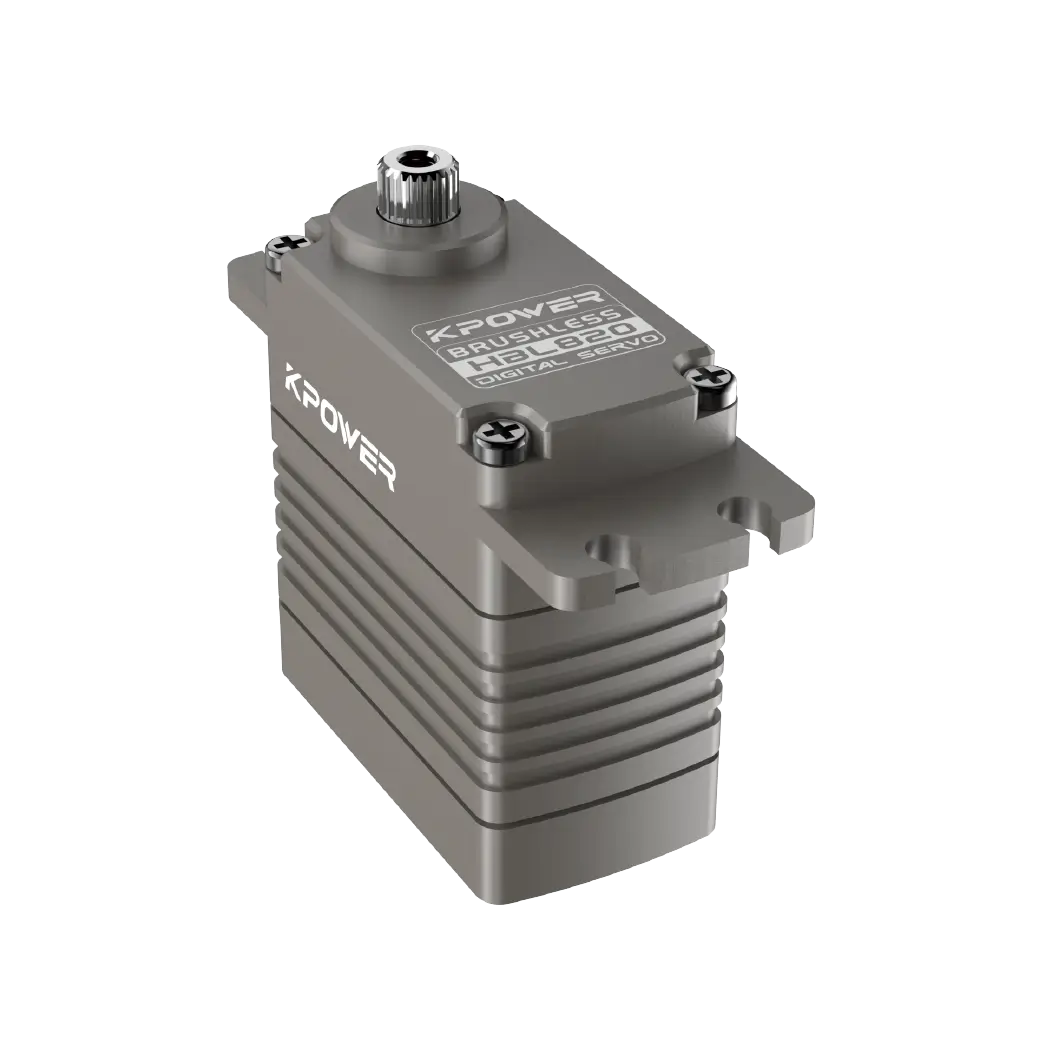
Atkpower, the approach isn't about just hitting a spec sheet. It’s about understanding that a servo is a living part of a system. When we talk about manufacturing, we’re talking about the tension in the copper winding, the purity of the magnets, and how those components talk to each other.
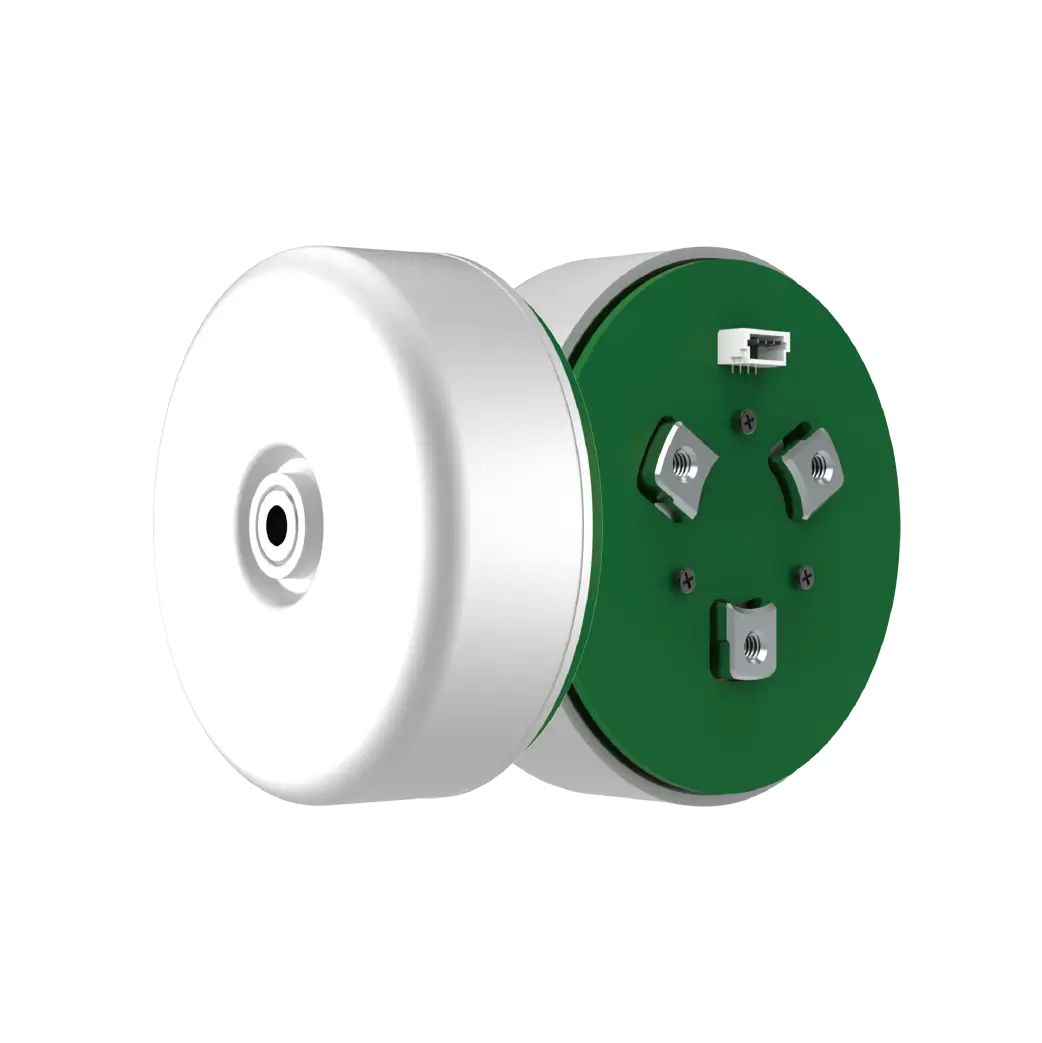
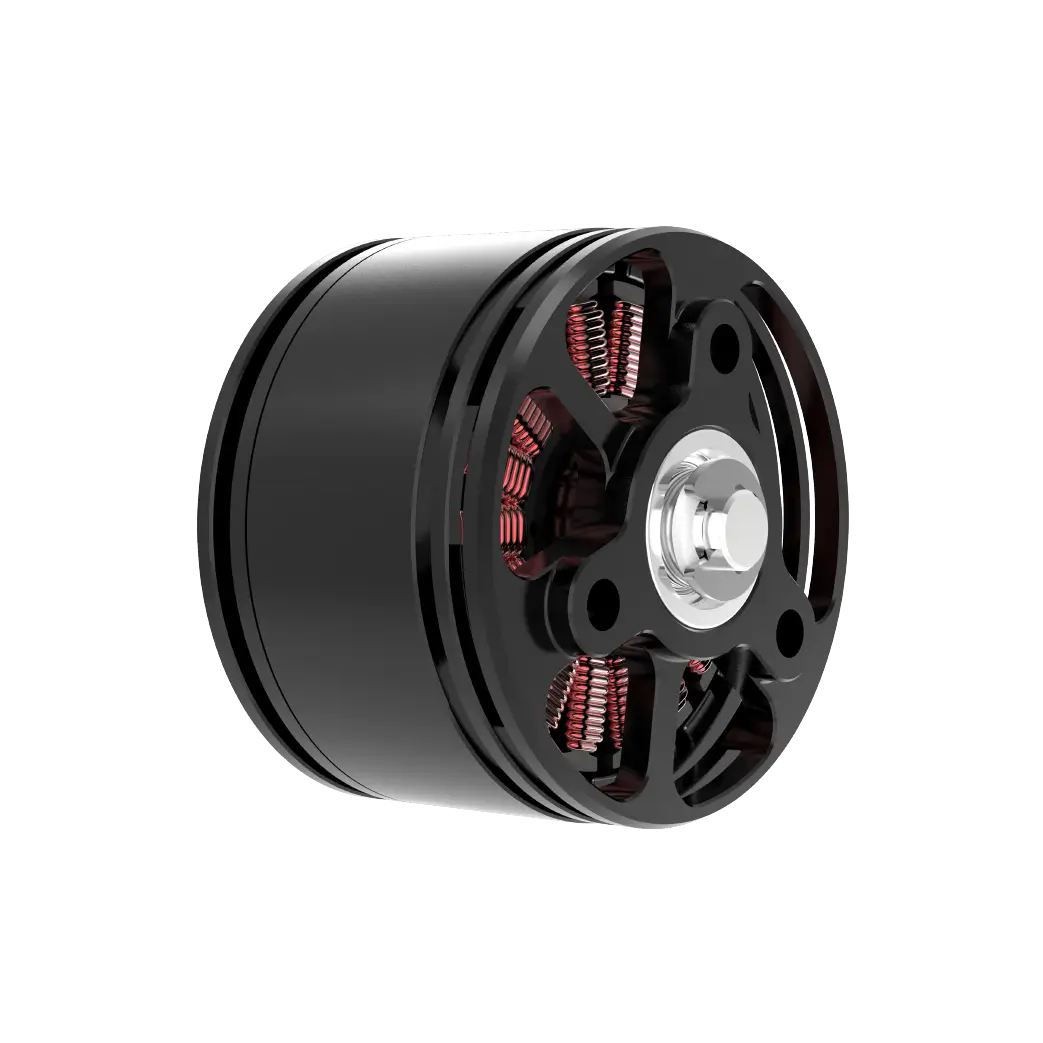
Have you ever looked closely at a stator? If the copper wire is wound even slightly unevenly, the magnetic field becomes a chaotic mess. That mess translates to heat. Heat is the enemy. It kills efficiency and ruins the lifespan of the electronics.
kpowerfocuses on the precision of this internal architecture. By tightening the tolerances during the manufacturing phase, the motor doesn't just "turn"—it glides. It’s the difference between a car with a square wheel and one with a perfectly balanced tire. You might not see the difference from across the room, but you’ll certainly feel it when your machine is running at full tilt.
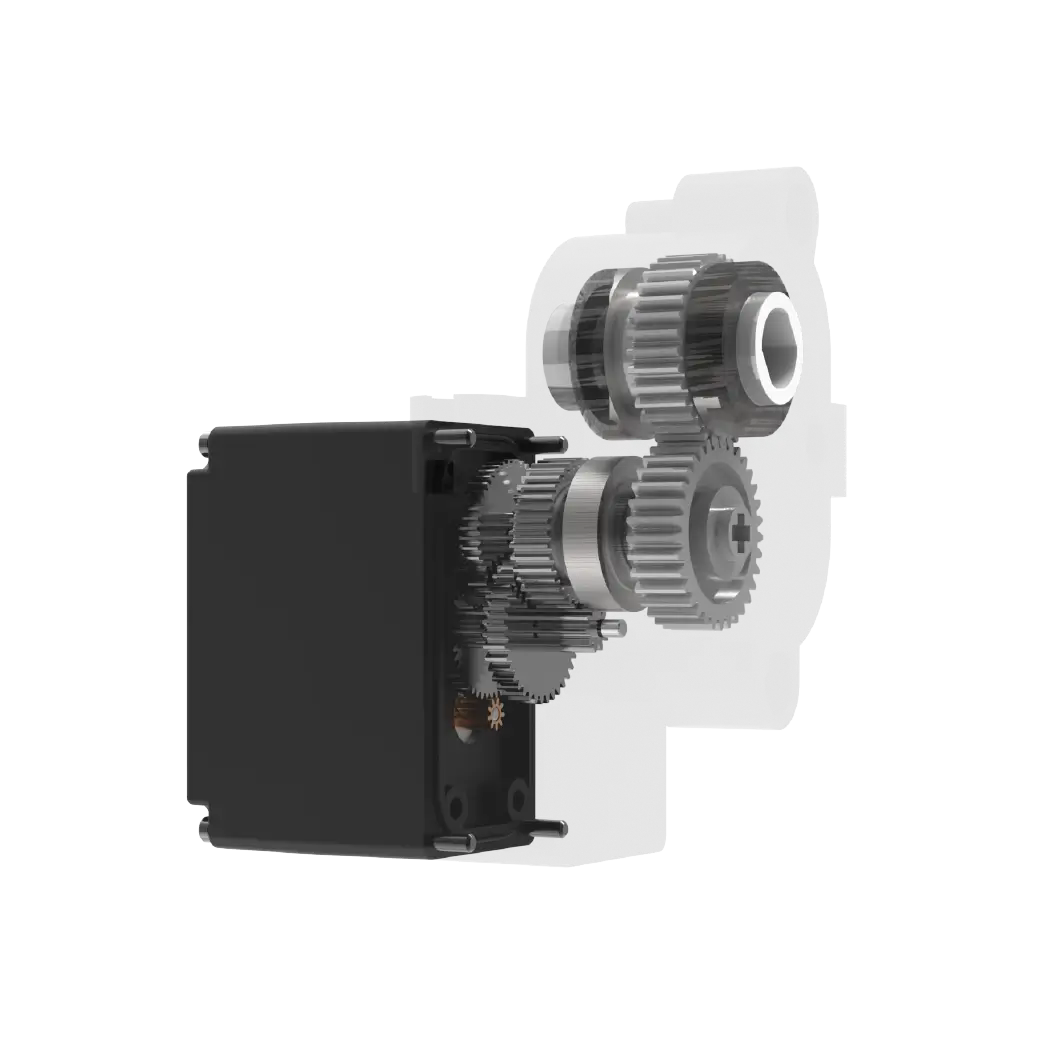
Not at all. A DC servo is a three-part harmony: the motor, the gear train, and the encoder. If one of these is out of sync, the music stops.
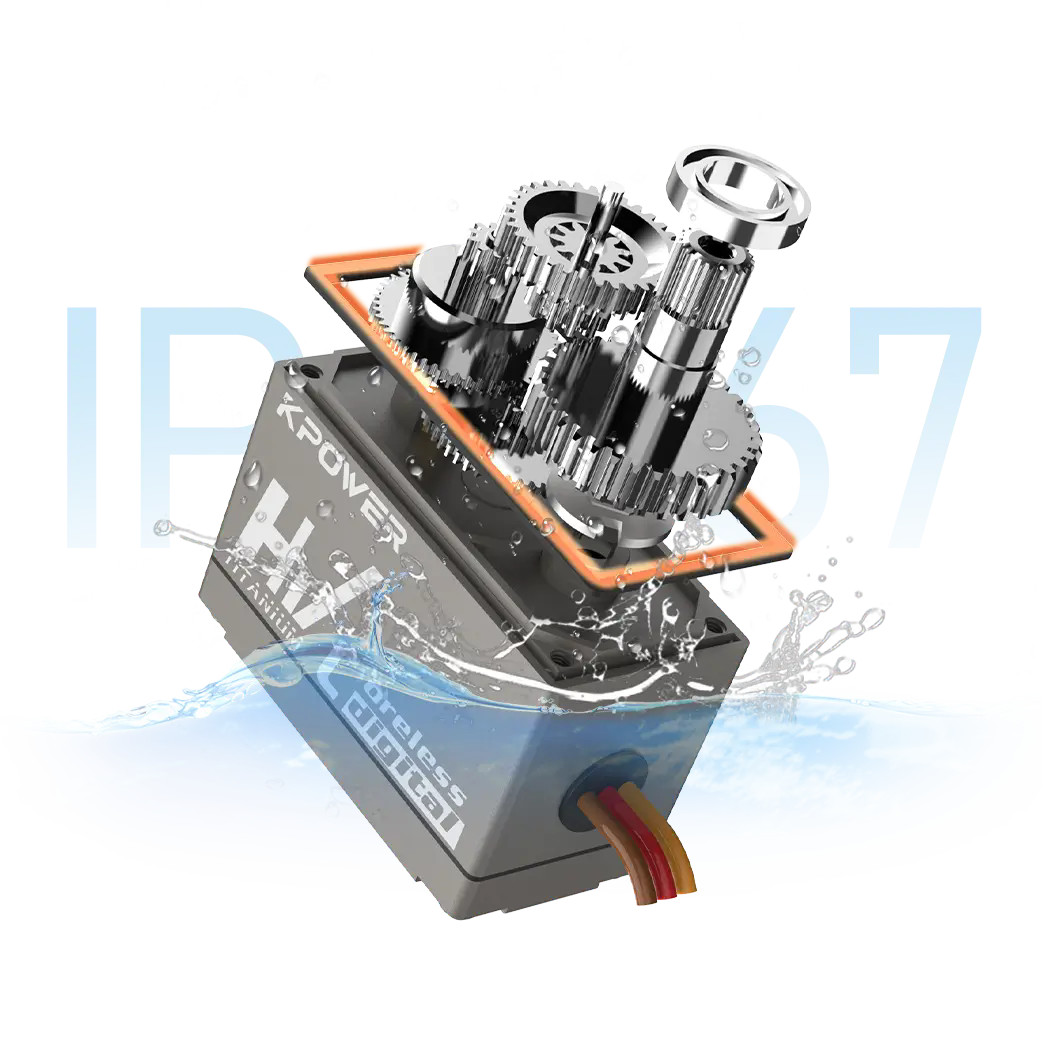
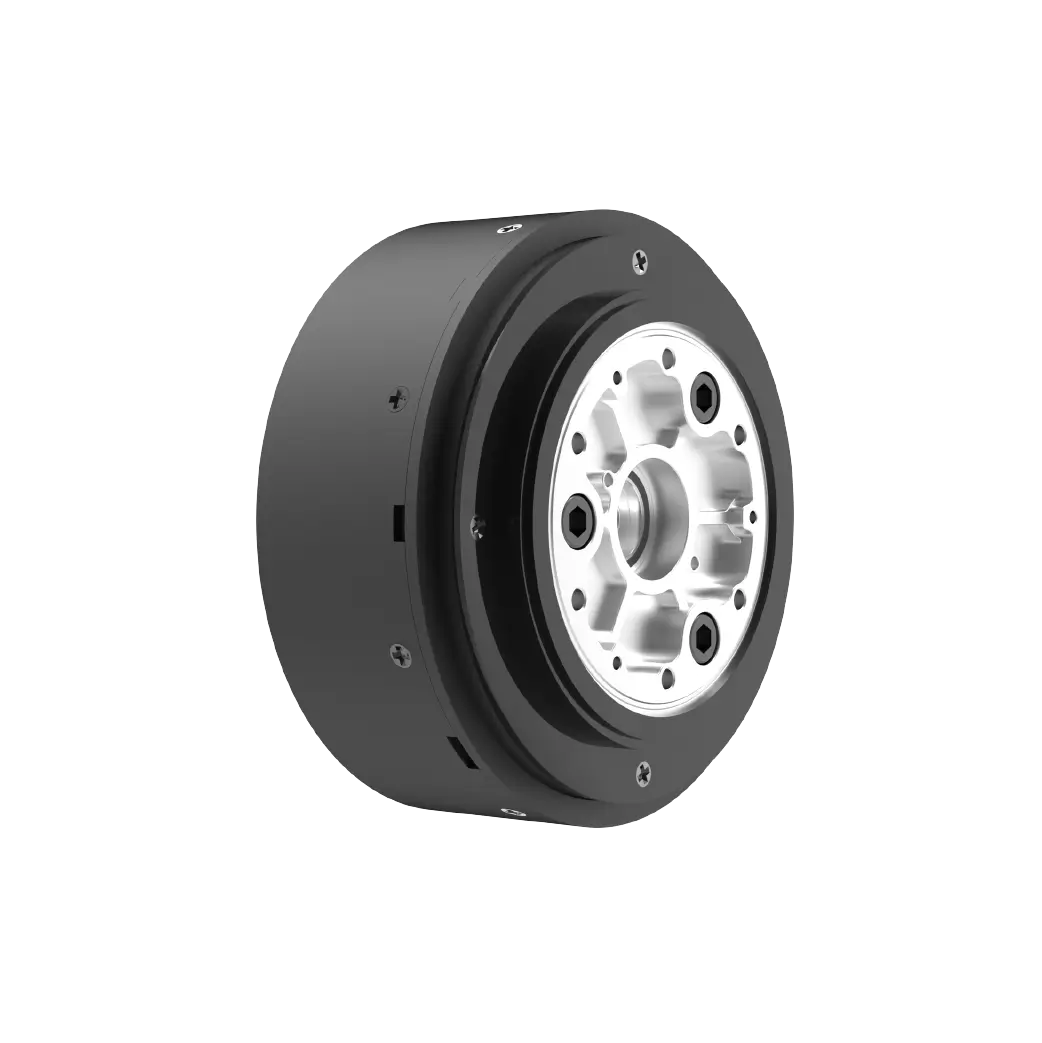
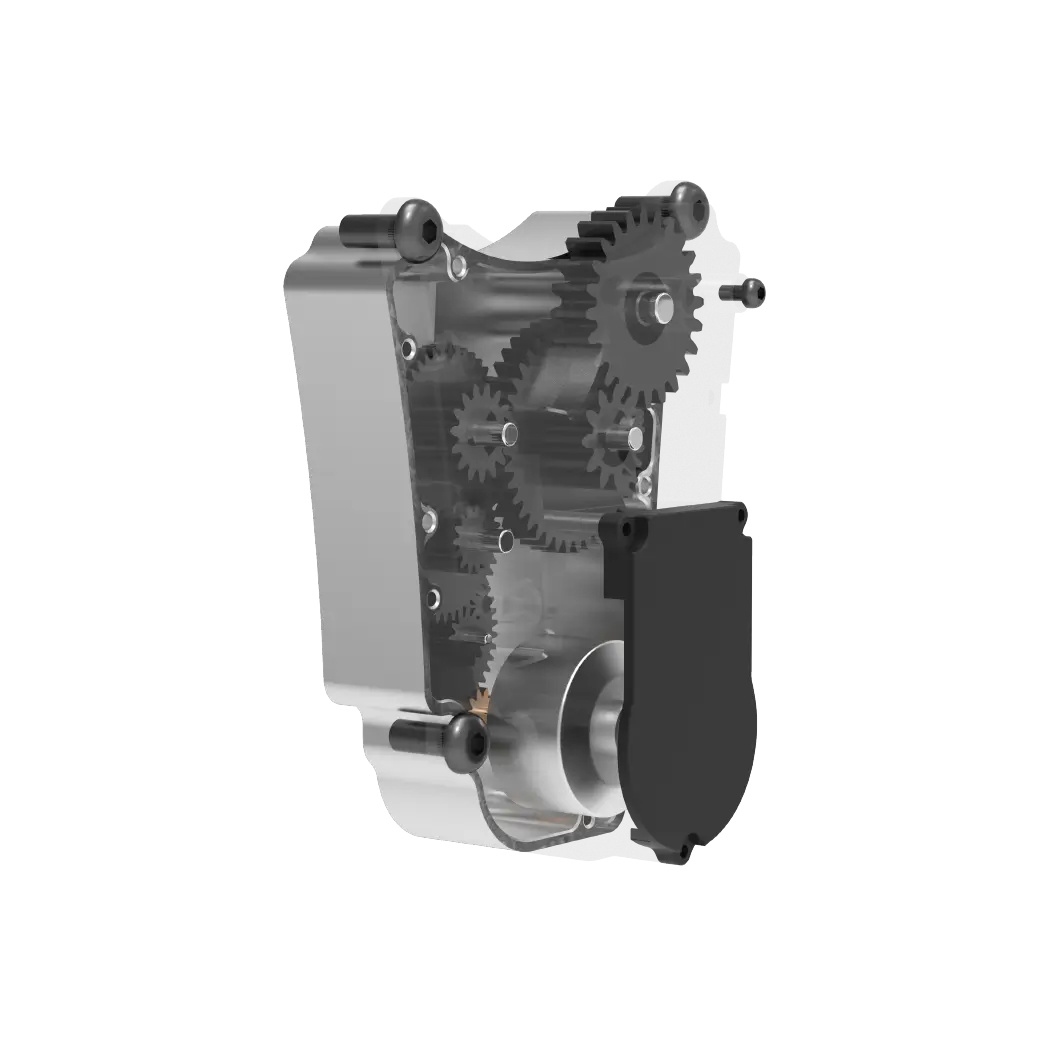
Take the gears, for example. In many manufacturing processes, gears are treated as simple plastic or metal discs. But if the teeth aren't cut with obsessive accuracy, you get "backlash." That’s that tiny bit of play where the motor moves but the arm doesn't. It’s the death of precision.kpowerputs a ridiculous amount of effort into ensuring that the mesh between those gears is tight enough to be responsive but smooth enough to avoid friction-induced wear.
You’ve probably seen a robot hand that looks like it’s had too much coffee. That jitter is usually a feedback problem. The internal sensor (the encoder) is trying to tell the motor where it is, but the signal is noisy or the motor's response is too slow.
Wait, so can’t I just fix that with better code? Sometimes. But usually, you’re just putting a bandage on a broken leg. If the DC servo motor manufacturing process doesn't prioritize low-latency feedback and high-quality brushes or brushless transitions, no amount of clever programming will make that motion truly smooth. Kpower builds the hardware so the software doesn't have to work so hard.
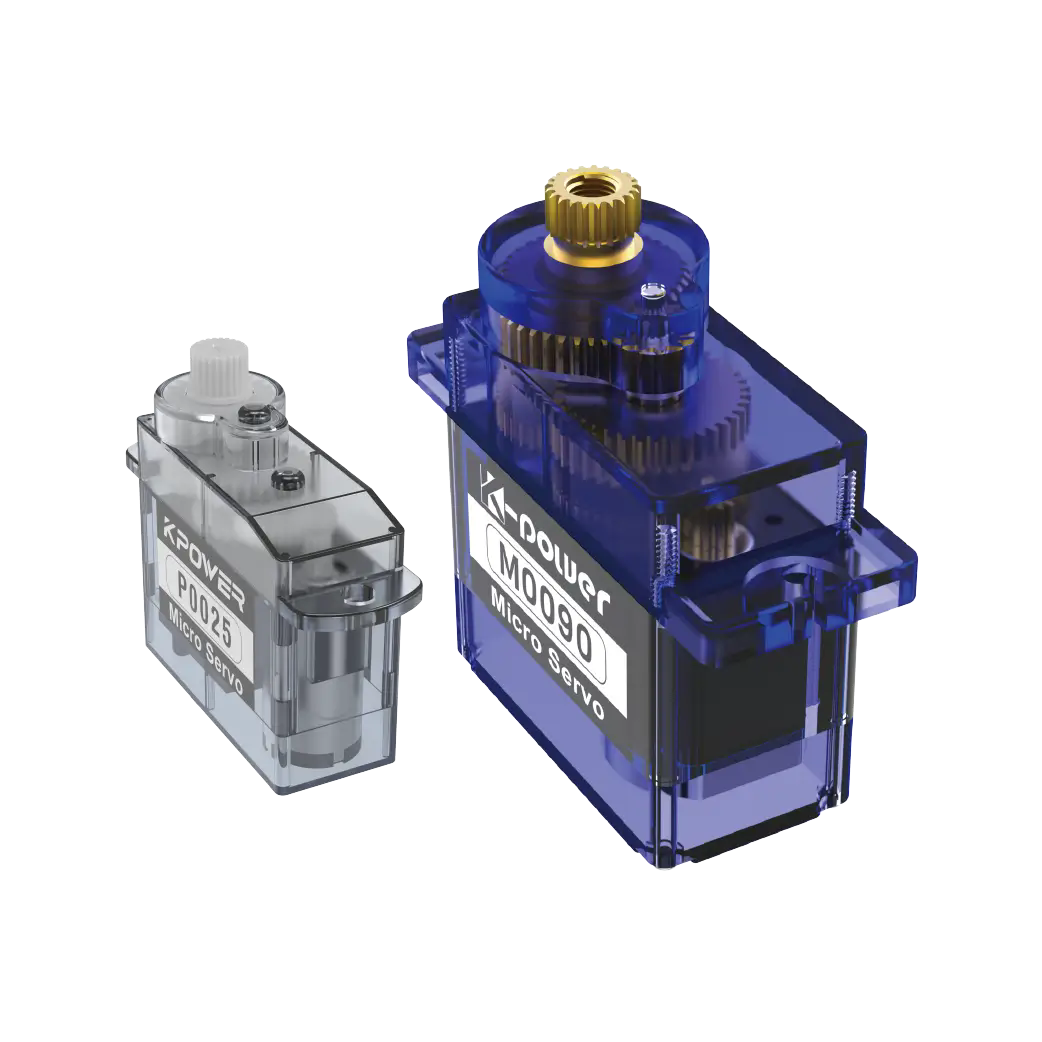
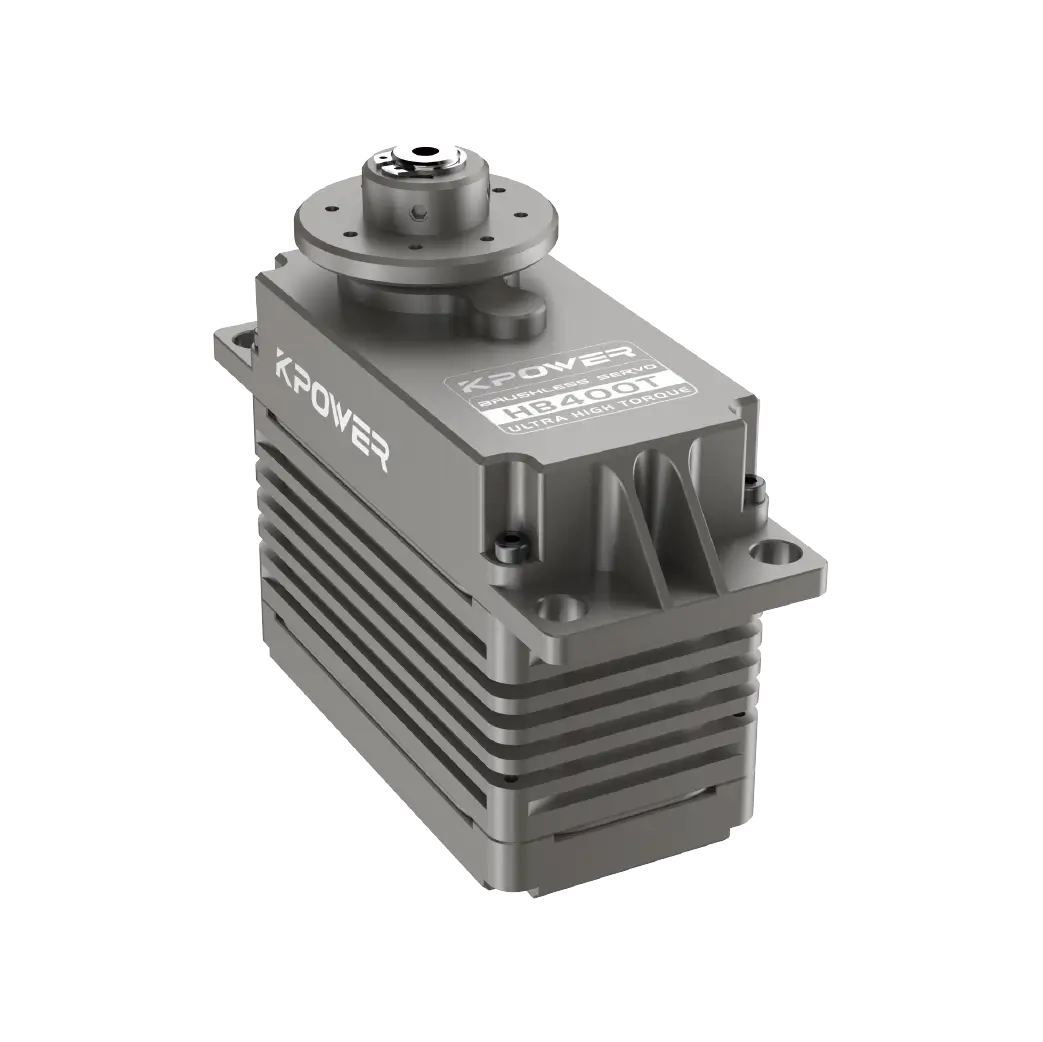
Does size really matter? In this world, yes. But not the way you think. The challenge is cramming high power into a small footprint without the motor melting itself. It’s about thermal management. Using materials that dissipate heat quickly while maintaining structural integrity is a hallmark of how Kpower handles its builds.
It’s easy to settle. You find a part that’s cheap and "close enough" to what you need. But then three months into the project, the seals fail, or the magnets lose their punch. High-quality manufacturing isn't just about how the motor performs on day one; it’s about how it performs on day one thousand.
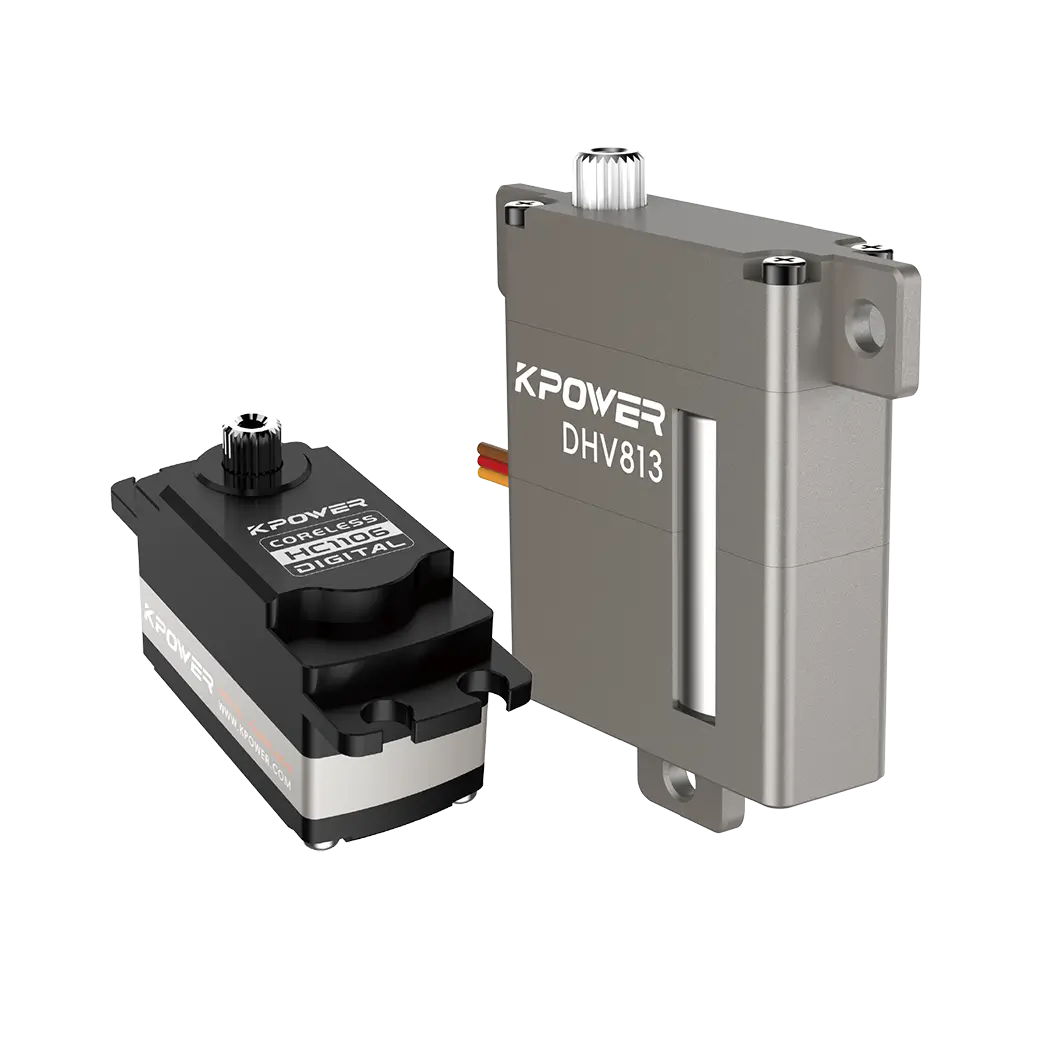
I’ve spent years looking at disassembled motors. You can tell a lot about a company by the parts you aren't supposed to see. Are the solder joints clean? Is the housing reinforced against vibration? At Kpower, the internal "skeleton" of the servo is built to withstand the kind of real-world abuse that makes cheaper motors quit.
When you’re looking at your next project, stop thinking about the motor as a commodity. Think of it as the muscle. You wouldn't want a world-class athlete with weak hamstrings, right?
If you want your machine to move with a sense of purpose—to be quiet, strong, and incredibly precise—you have to look at the manufacturing pedigree. Kpower has carved out a space where the focus is on the nuances: the way the gears click, the way the magnets pull, and the way the whole unit survives under pressure.
It’s not just about spinning a shaft. It’s about control. And in the world of mechanical projects, control is the only thing that actually matters. When the hardware is built with this level of intent, the rest of your job becomes a lot easier. You stop fighting the equipment and start creating. That’s the real value of a well-manufactured DC servo. It just works, so you can do the rest.
Established in 2005, Kpower has been dedicated to a professional compact motion unit manufacturer, headquartered in Dongguan, Guangdong Province, China. Leveraging innovations in modular drive technology, Kpower integrates high-performance motors, precision reducers, and multi-protocol control systems to provide efficient and customized smart drive system solutions. Kpower has delivered professional drive system solutions to over 500 enterprise clients globally with products covering various fields such as Smart Home Systems, Automatic Electronics, Robotics, Precision Agriculture, Drones, and Industrial Automation.
Update Time:2026-01-22

Contact Kpower's product specialist to recommend suitable motor or gearbox for your product.


