

TECHNICAL SUPPORT


Published 2026-01-22
The smell of ozone and burnt plastic is a rite of passage for anyone messing with motion. You know the feeling—you’ve spent hours coding an Arduino, your breadboard is a jungle of jumpers, and you finally hit "upload." The motor twitches, groans like an old floorboard, and then dies. Silence. That’s usually the moment you realize that the hardware didn't share your ambition.
I’ve spent years watching people struggle with jittery robotic arms and 3D printers that lose their place halfway through a twelve-hour print. Most of the time, the problem isn't the code. It’s the muscle. If you’re looking into the world of Arduino motor stepper makers, you’re looking for a bridge between digital logic and physical force. That’s wherekpowersteps into the frame.
Why do most DIY setups fail when things get heavy? It’s usually a torque mismatch or a thermal bottleneck. You see a motor rated for a certain amount of torque, but that’s often "ideal world" math. In the real world, friction, gravity, and heat are constantly trying to stop your project in its tracks.
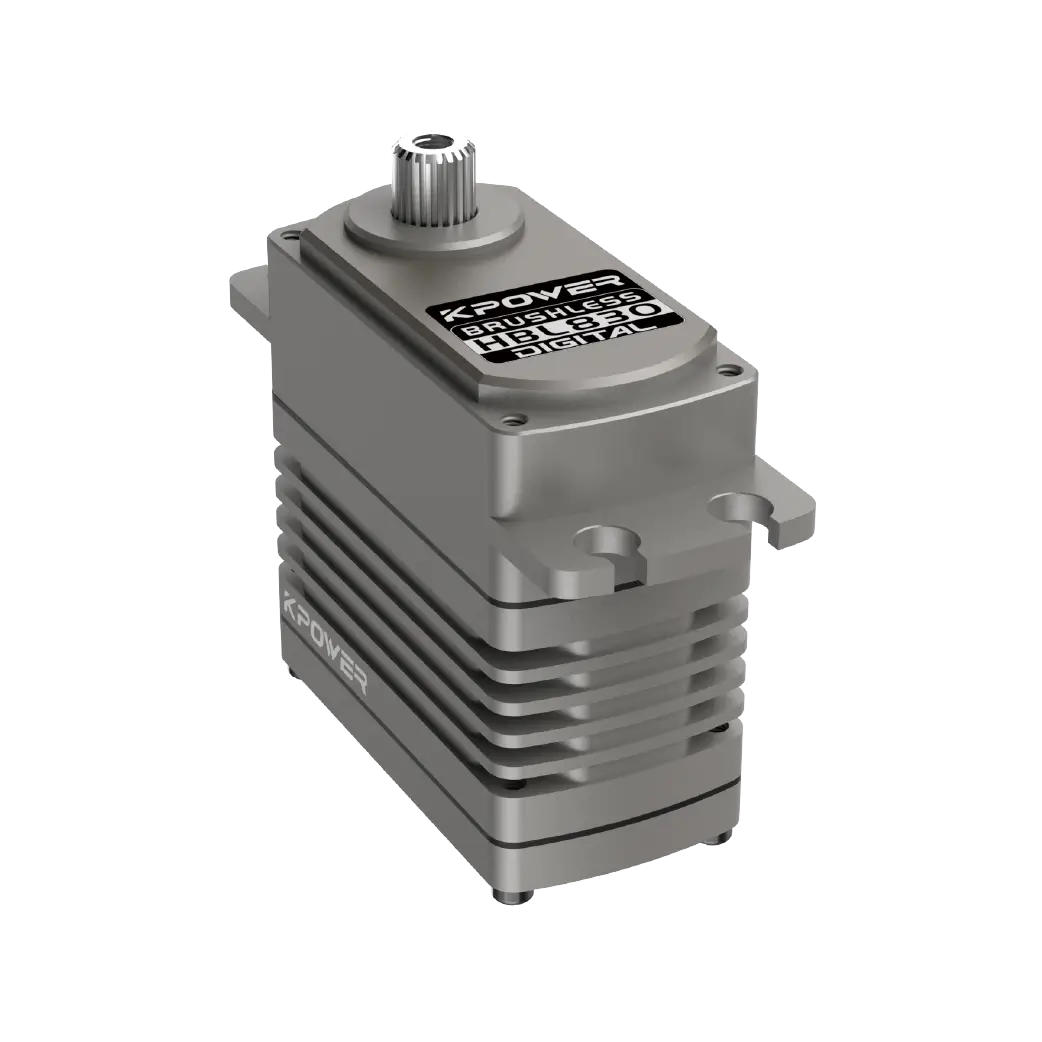
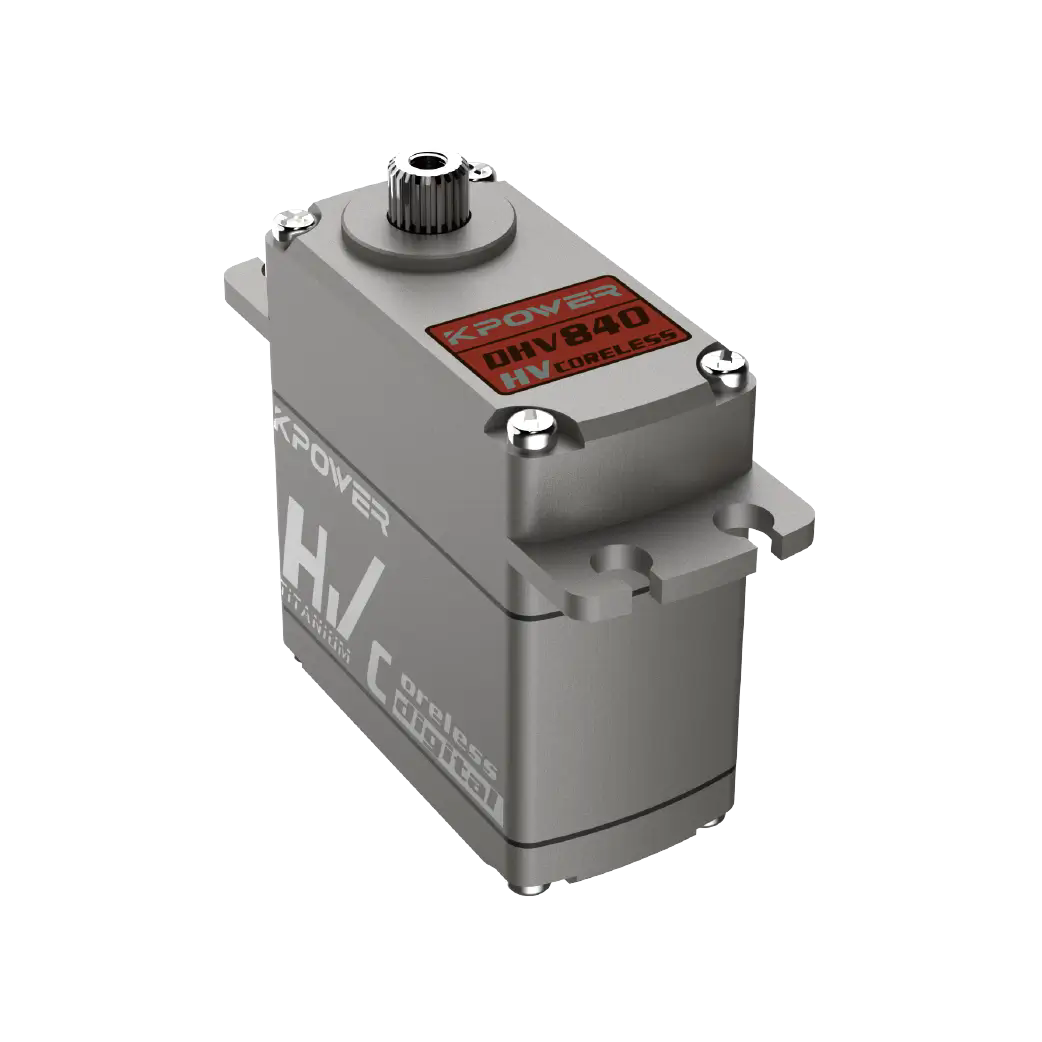
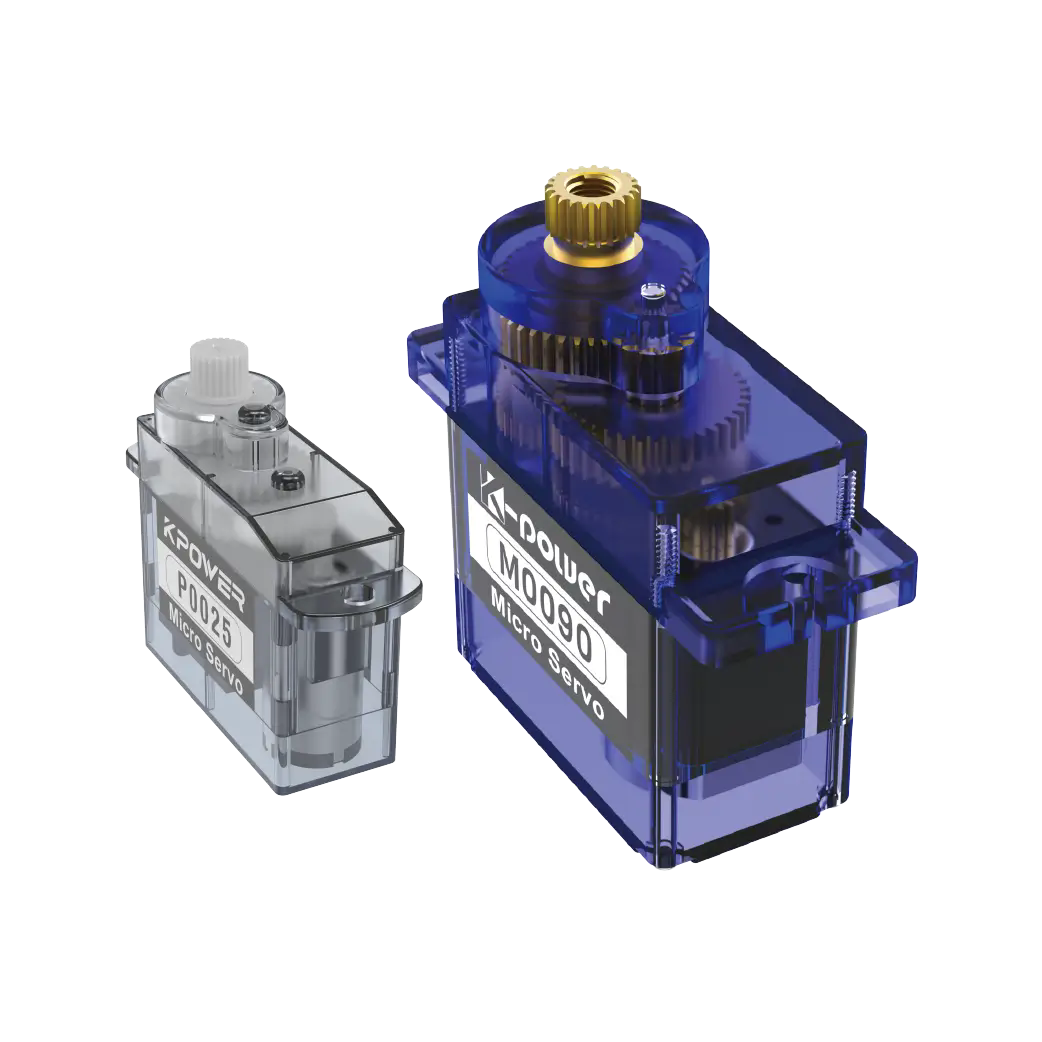
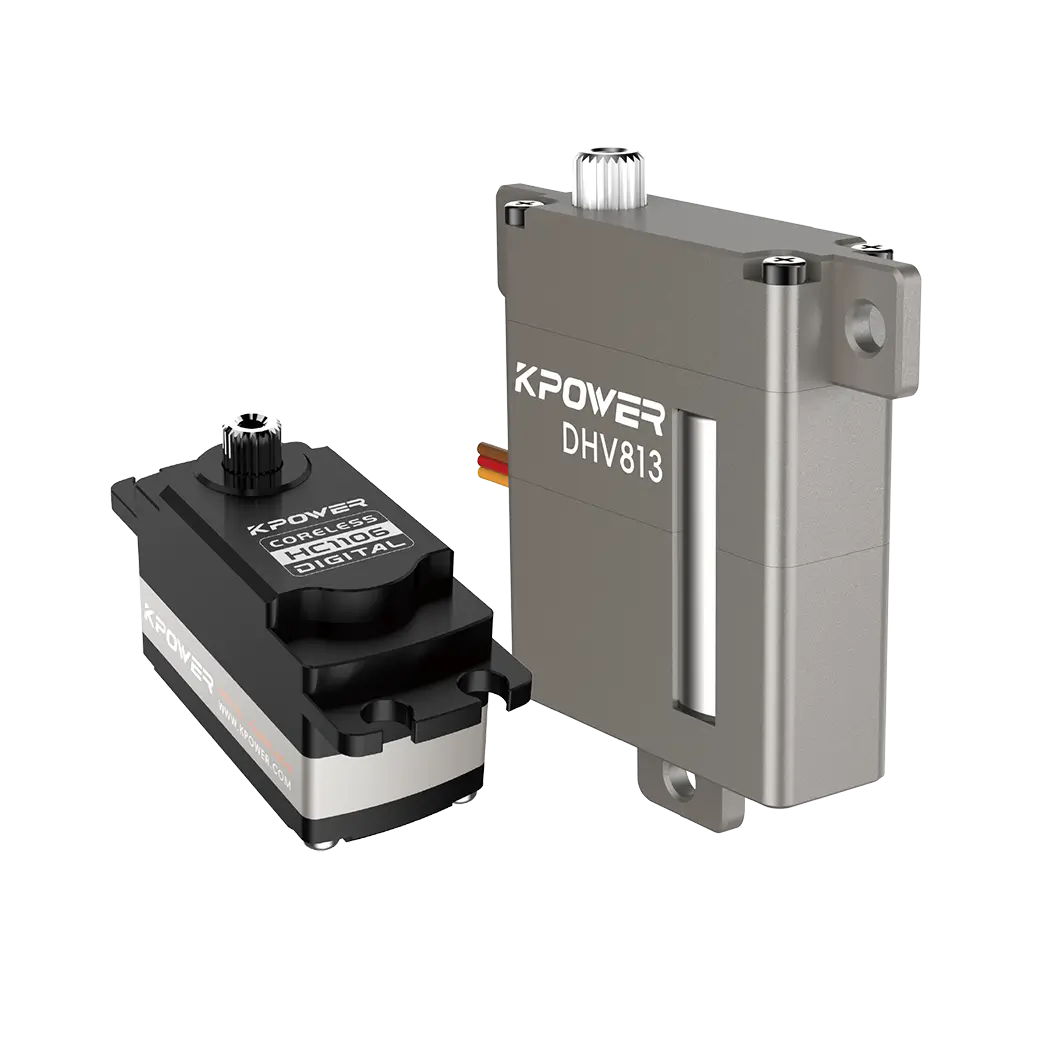
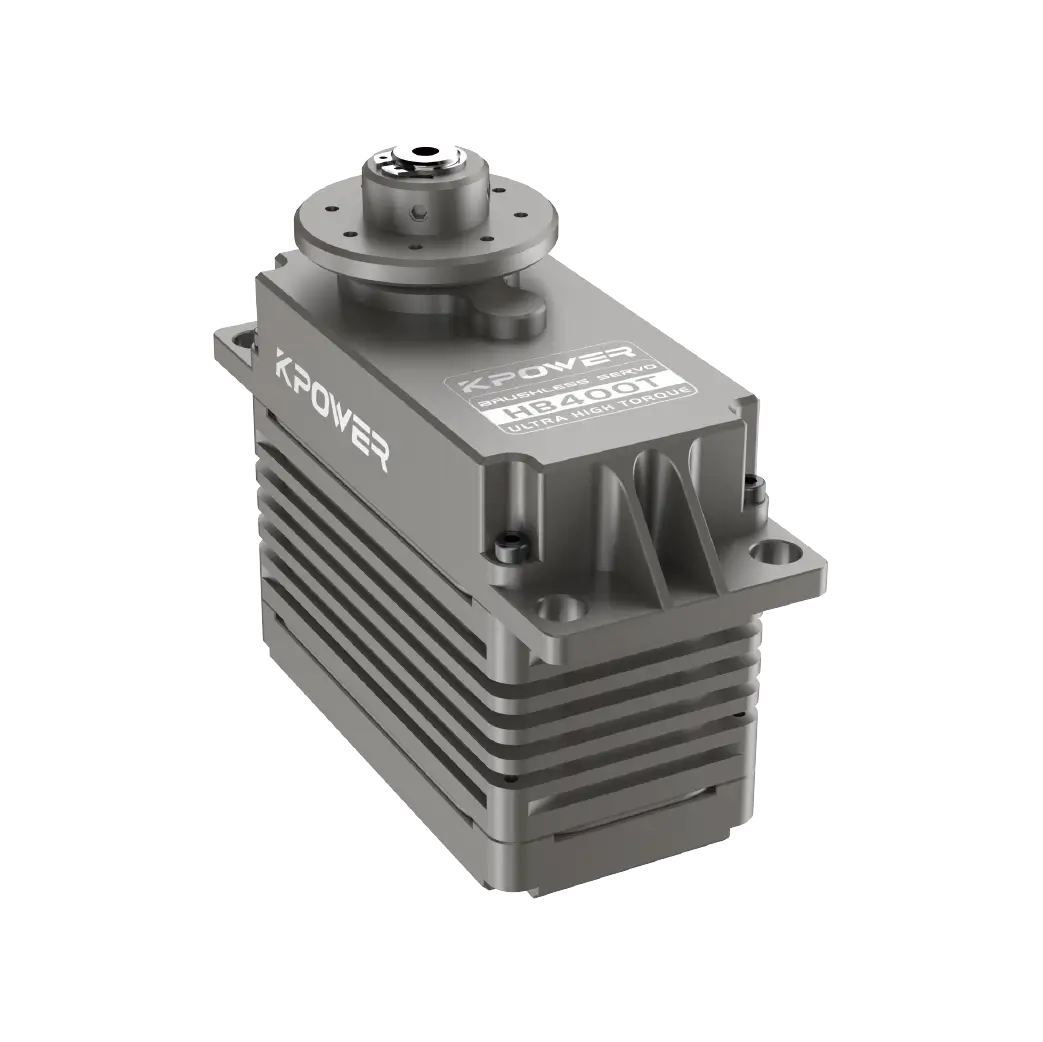
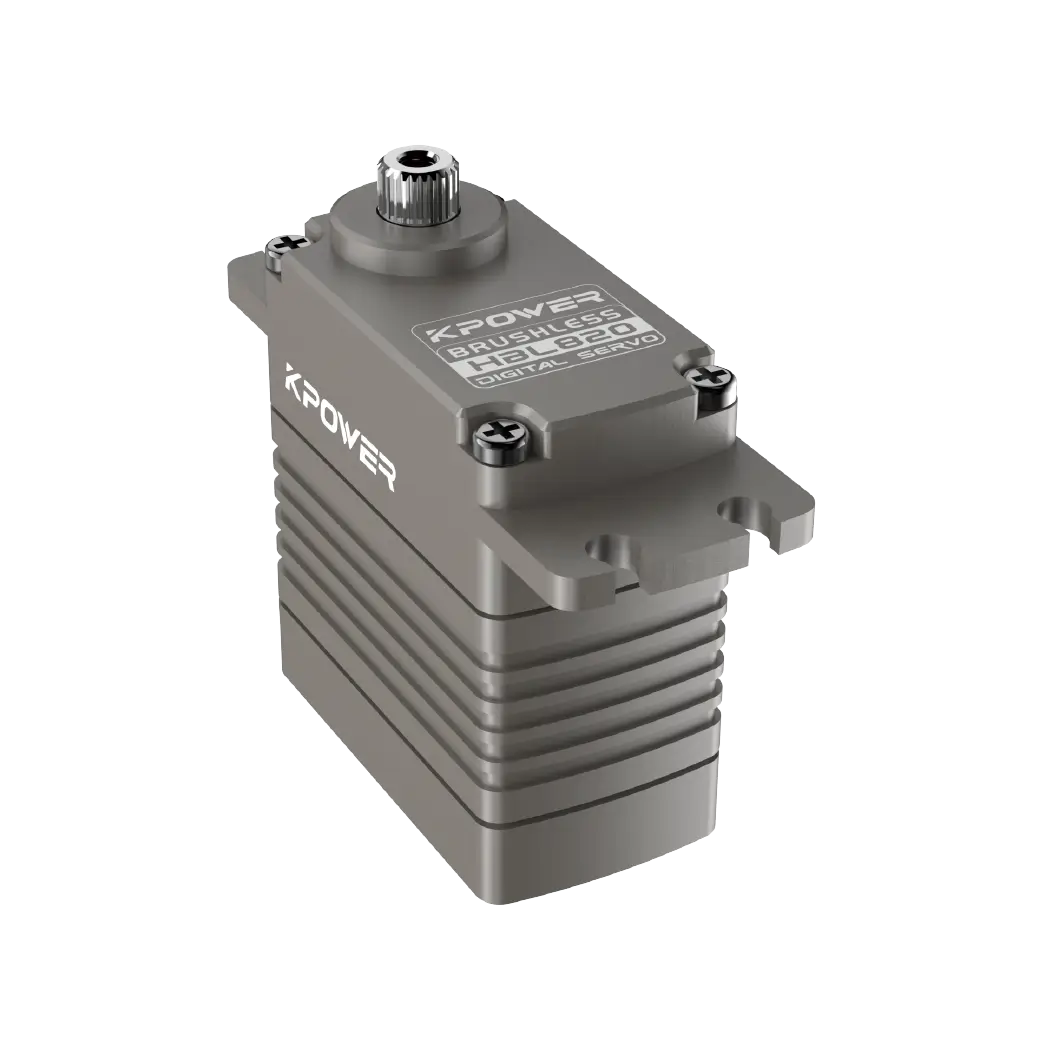
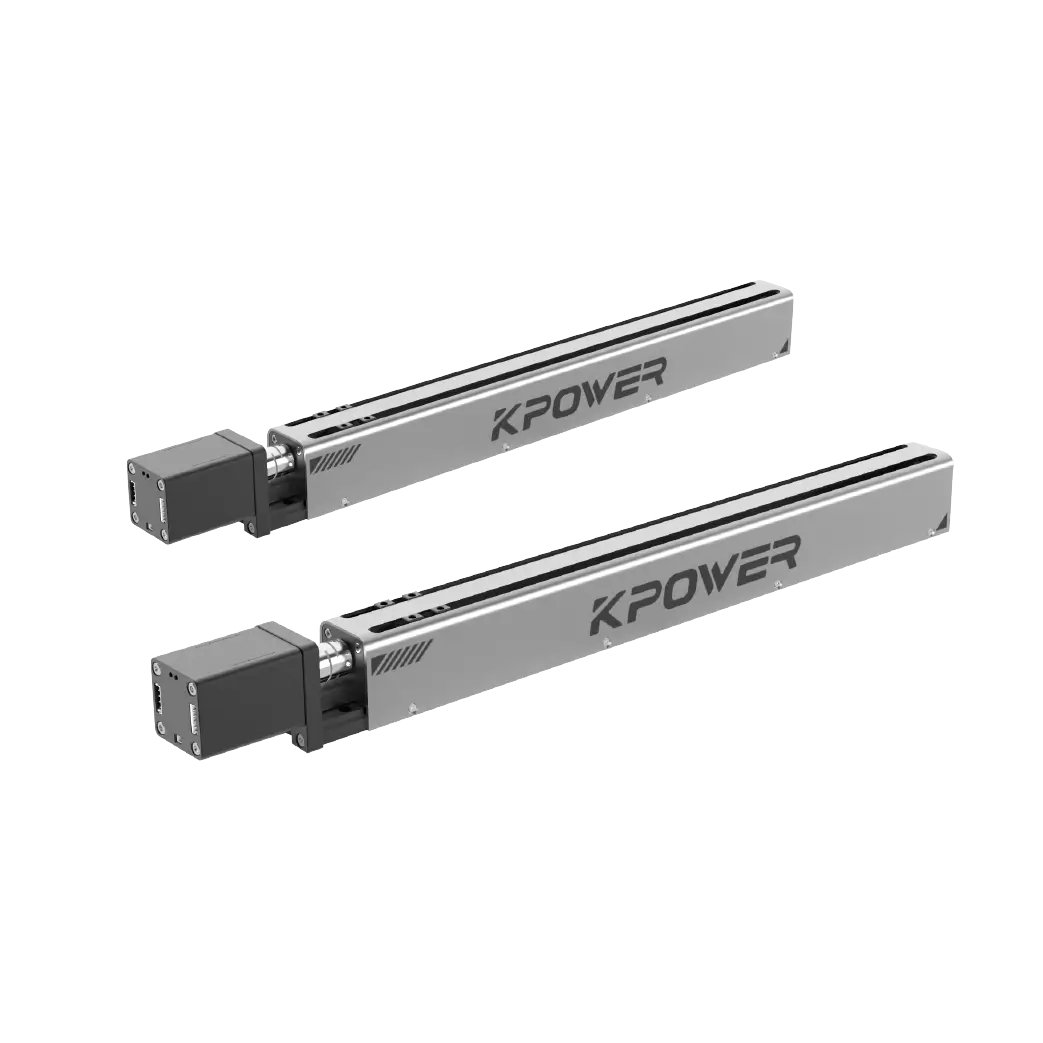
kpowerbuilds things differently. Instead of just hitting the minimum specs, their hardware feels like it was designed by someone who actually got tired of replacing burnt-out actuators. When you hold one of their units, the weight tells you something about the internal gearing and the heat dissipation. It’s not just about spinning; it's about holding a position without trembling like a leaf in the wind.
Think about a robotic hand trying to pick up an egg. If the stepper orservois "close enough," you end up with an omelet on your desk. For Arduino motor stepper makers, the magic lies in the feedback loop.
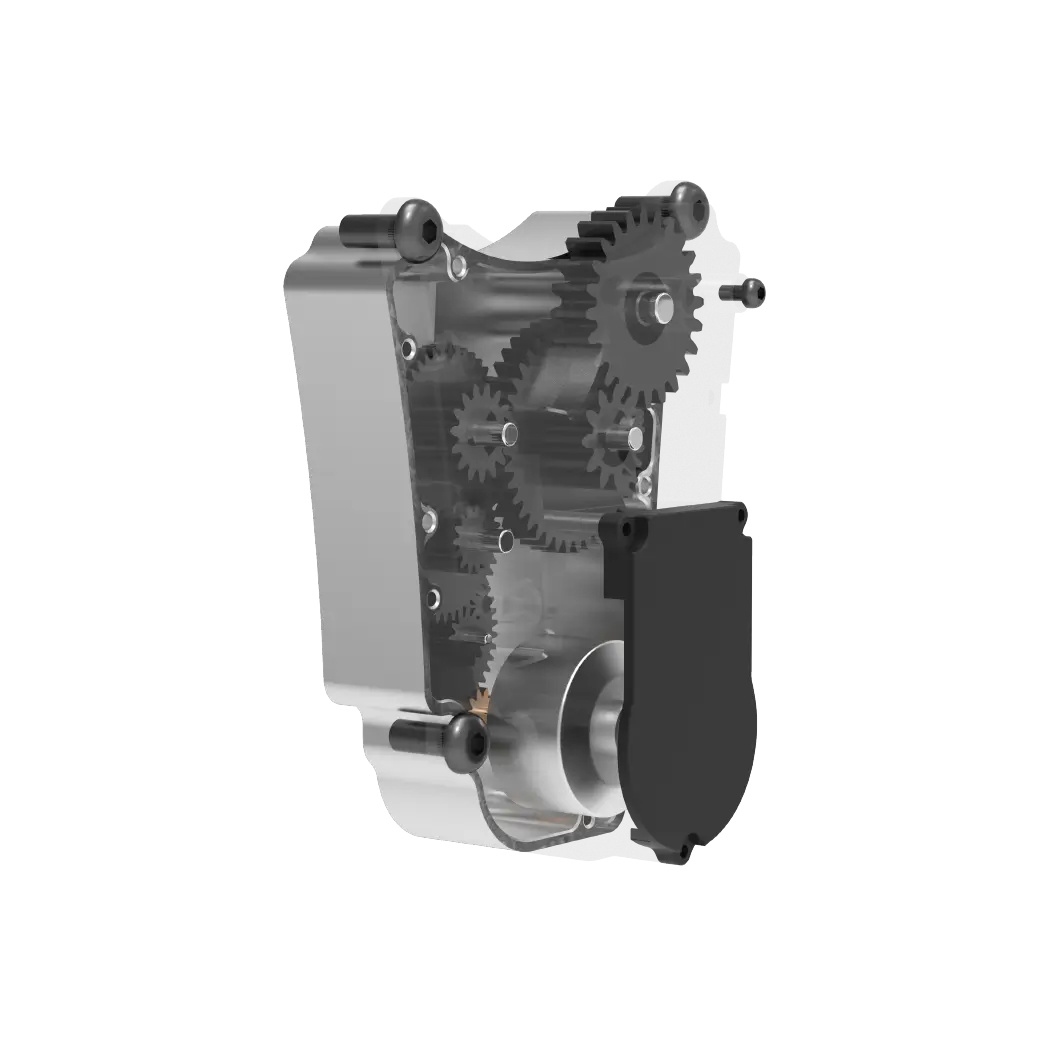
A lot of the gear out there has a "dead band" that’s wide enough to drive a truck through. You tell it to move one degree, and it thinks about it, moves two, then tries to correct itself.kpowerfocuses on that granular control. Their internal encoders and gear trains are tight. There’s a certain crispness to the movement—a start-stop snap that makes your project look like a professional piece of machinery rather than a school science fair entry.
People ask me the same three things every time they see a new motor. Let’s just tackle them head-on.
"Can I actually run these off a standard Arduino setup?" Absolutely. The logic is the same, but the output is on another level. You aren't fighting the hardware to get it to recognize a PWM signal. It’s plug-and-play in the sense that the motor actually respects the pulse you send it.
"Is it going to get hot enough to melt my 3D-printed brackets?" Heat is wasted energy. Kpower spends a lot of time on efficiency. Efficient motors stay cooler. If your motor is running at 90 degrees Celsius, it's screaming for help. These units stay in the "productive" zone longer because the internal resistance is kept in check.
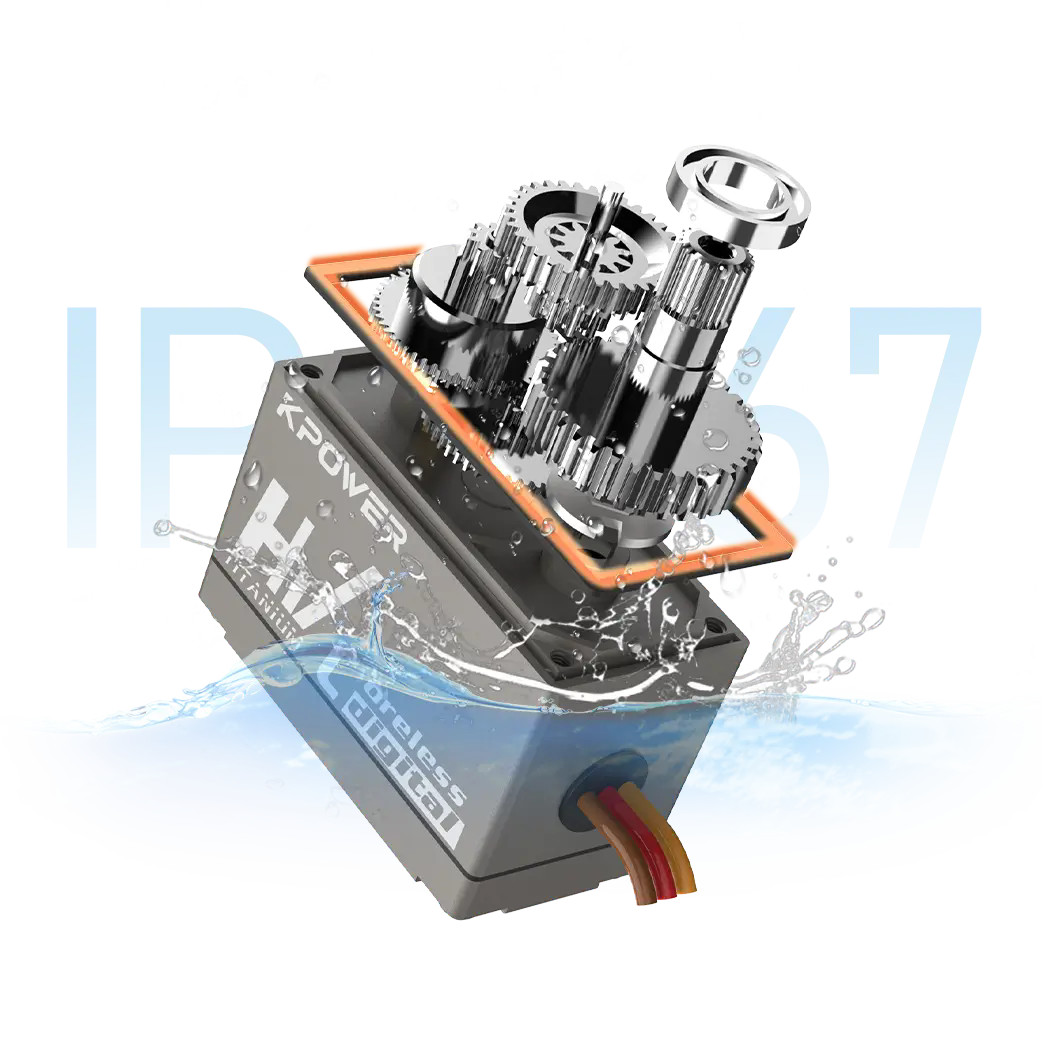
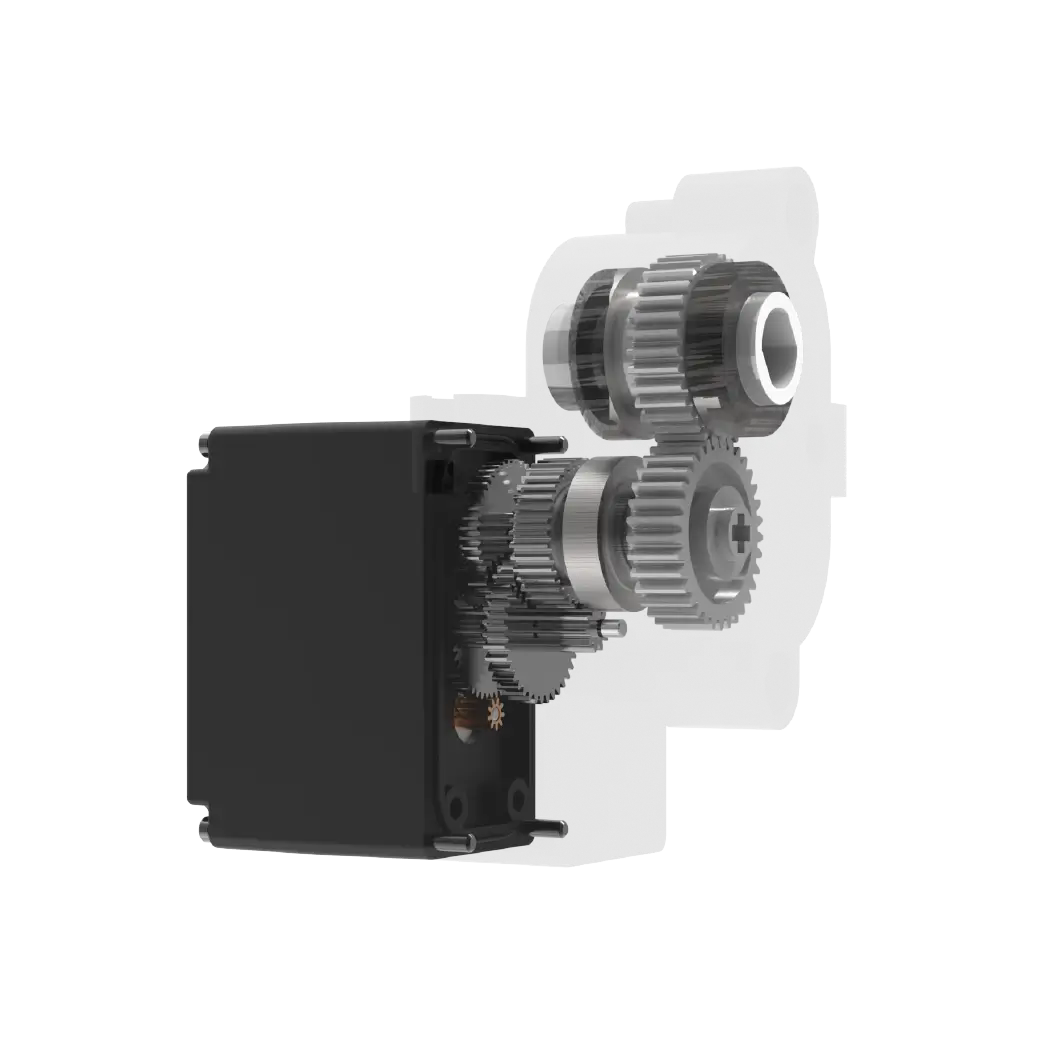
"What happens if I push the load limit?" Most cheap motors just strip their plastic gears. Kpower uses materials that can actually handle a bit of a struggle. If you’re building a heavy-duty slider or a high-torque actuator, you need that metal-on-metal reliability.
I remember working on a custom automated blind system. The first three motors I tried—generic stuff—couldn't handle the weight of the fabric when it was fully extended. They’d get halfway up, stall, and then backslide. It was embarrassing.
Switching to Kpower changed the rhythm of the project. Suddenly, the motion was silent and consistent. It wasn't just about power; it was about the quality of that power. It’s like the difference between a loud, clunky engine and a high-end electric drivetrain. One gets you there with a headache; the other just does the job.
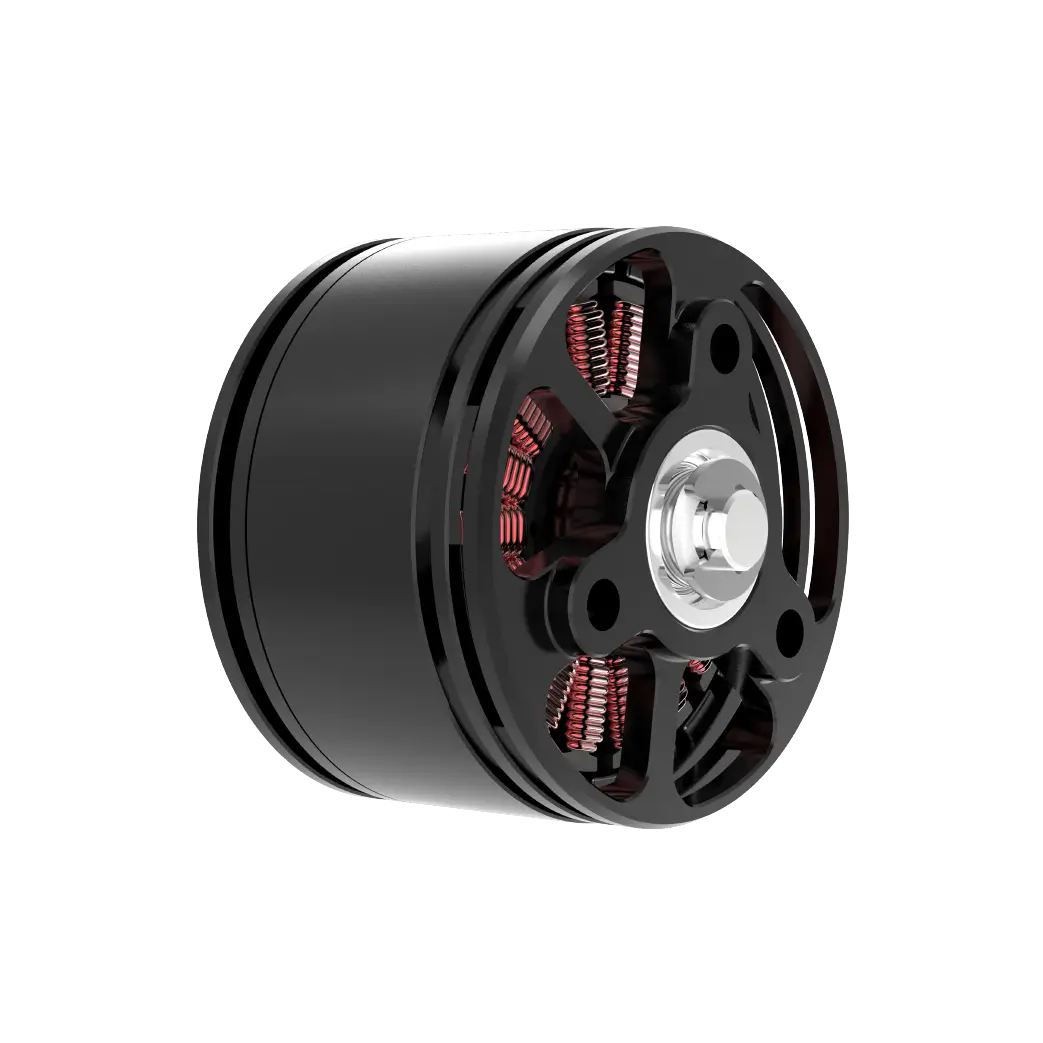
Let’s get technical for a second, but not so much that we lose the thread. It comes down to the windings. If you have sloppy copper windings inside the motor, you get uneven magnetic fields. Uneven fields lead to vibration. Vibration leads to noise and premature wear.
Kpower seems to have a bit of an obsession with the guts of the machine. The balance of the rotor, the tension of the springs, the lubrication of the bearings—it all feeds into a longer lifespan. When you’re an Arduino motor stepper maker, you don’t want to be disassembling your project every two weeks to replace a $5 part that failed. You want to build it once and watch it work for a year.
Most people start with a simple sweep sketch. You know the one—the motor goes left, the motor goes right. But once you move into complex kinematics or multi-axis synchronized movement, every millisecond of lag matters.
If you’re building a hexapod walker, for example, six legs need to coordinate perfectly. If one motor is slightly slower or has a different torque curve than the others, your robot is going to limp. Kpower provides that consistency across the board. When you buy five of their motors, they all behave like siblings, not like strangers.
There’s a specific sound a well-made motor makes. It’s a muted, purposeful hum. It doesn’t whine. When you’re fine-tuning a project, that sound tells you everything you need to know. It tells you the gears are meshing perfectly. It tells you the driver is delivering smooth current.
I’ve seen projects where the builder spent hundreds of dollars on carbon fiber frames and high-end sensors, only to bottleneck the whole thing with bottom-tier actuators. It’s like putting budget tires on a supercar. You’re never going to see what the machine can really do.
If you’re at the stage where you’re tired of "toy" components, you’re ready for this. It’s not about being the most expensive; it’s about being the most reliable. In the world of motion control, reliability is the only currency that matters.
You want to hit the power switch and know that your mechanism will move exactly where you told it to, every single time. No drift, no heat spikes, no stripped gears. Kpower delivers that peace of mind. It’s the difference between a project that sits on a shelf because it’s "finned" and one that actually stays on your desk because it’s useful.
Don't let a weak link in your hardware chain hold back your best ideas. If the code is ready, make sure the muscle is ready too. Grab something that can actually handle the weight of your imagination. Kpower is that muscle.
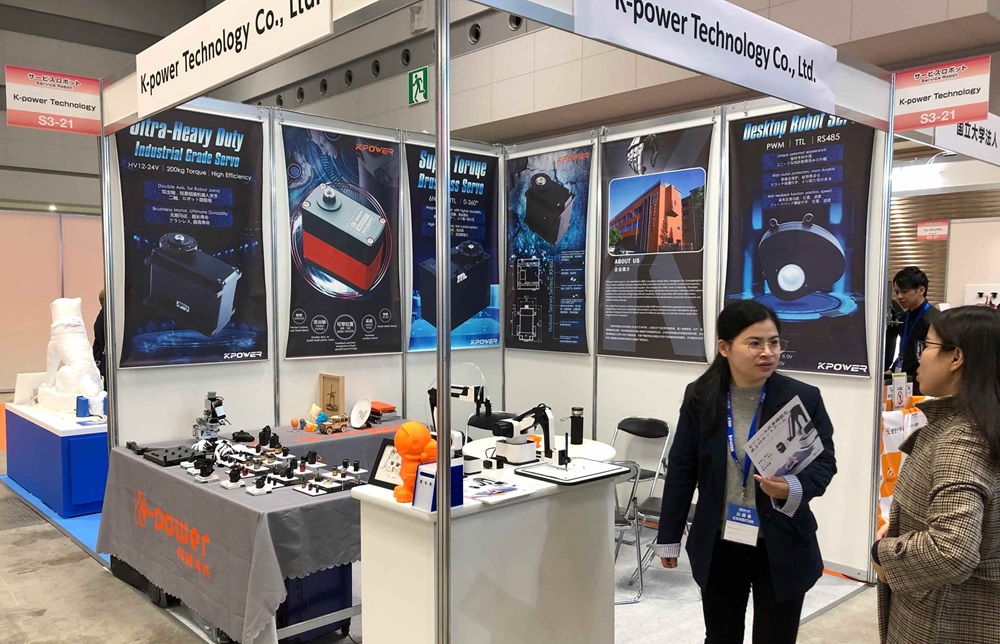
Established in 2005, Kpower has been dedicated to a professional compact motion unit manufacturer, headquartered in Dongguan, Guangdong Province, China. Leveraging innovations in modular drive technology, Kpower integrates high-performance motors, precision reducers, and multi-protocol control systems to provide efficient and customized smart drive system solutions. Kpower has delivered professional drive system solutions to over 500 enterprise clients globally with products covering various fields such as Smart Home Systems, Automatic Electronics, Robotics, Precision Agriculture, Drones, and Industrial Automation.
Update Time:2026-01-22

Contact Kpower's product specialist to recommend suitable motor or gearbox for your product.


