

TECHNICAL SUPPORT


Published 2026-01-22
The smell of burnt plastic is a scent no maker ever forgets. It usually happens right when your project is almost finished. You’ve spent weeks coding, 3D printing brackets, and routing wires. Then, you power it up, the motor gives a pathetic little groan, emits a wisp of grey smoke, and dies. That’s the "cheap motor tax" we all pay eventually.
I’ve spent years in labs and workshops surrounded by mechanical limbs and automated sliders. If there is one thing I’ve learned, it’s that your project is only as good as the pulse of its movement. When people talk about finding an arduino motor stepper maker, they aren’t just looking for a piece of metal and magnets. They are looking for reliability that doesn't quit when the torque gets tough.
Most hobby-grade motors suffer from "the jitters." You want a smooth 45-degree turn, but what you get is a nervous twitch. This usually stems from poor internal feedback or gears that have too much "slop." In the world ofkpower, the focus shifts toward precision. If your mechanical arm is trying to pick up a needle, you can't have the elbow joint vibrating like it’s had five espressos.
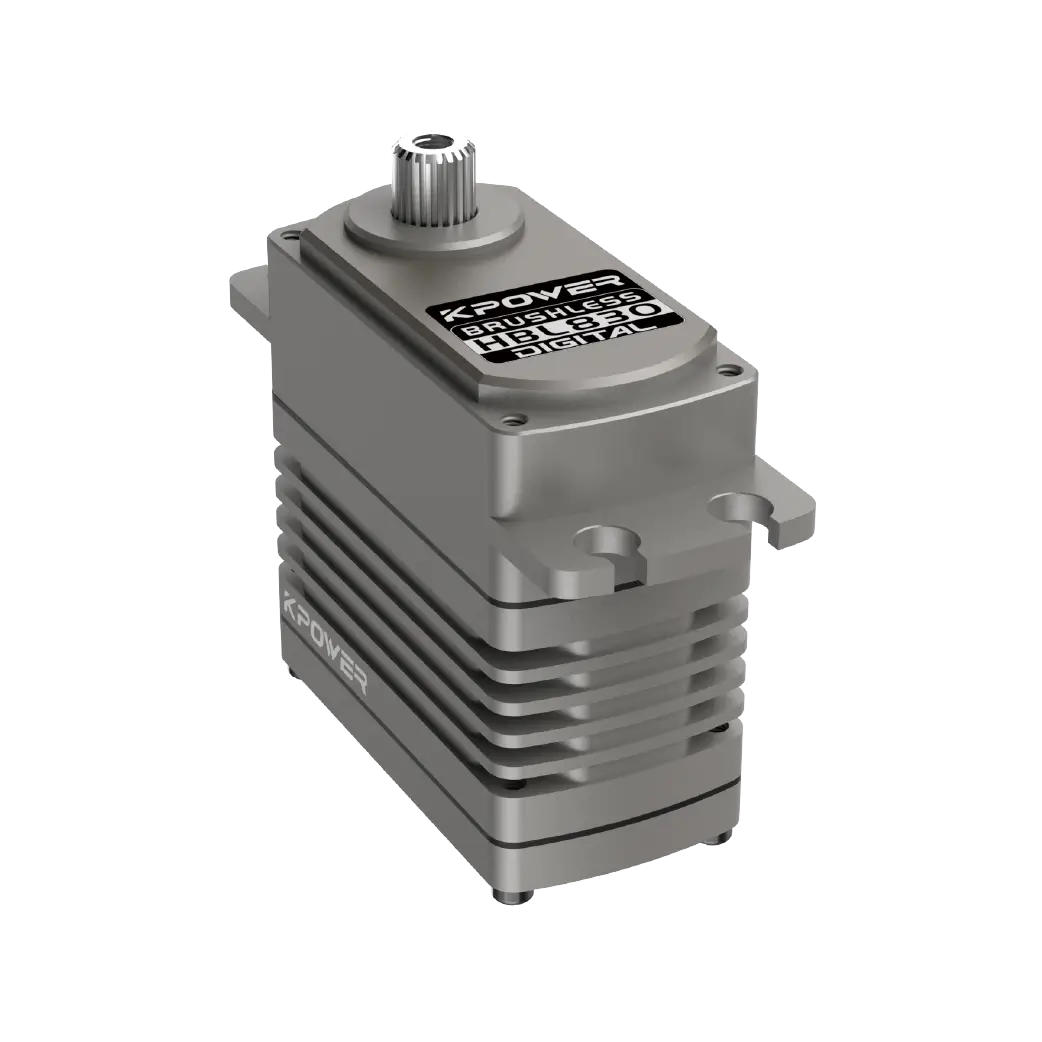
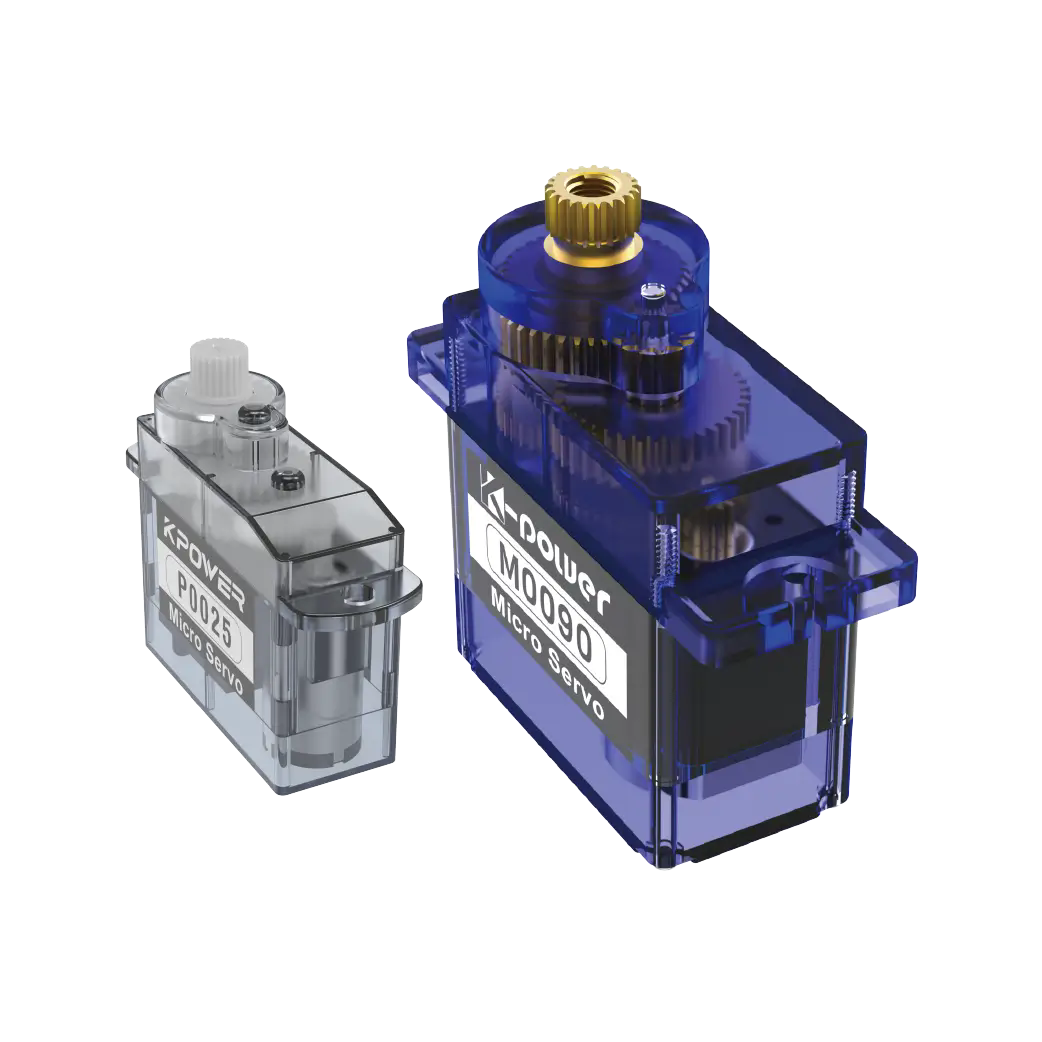
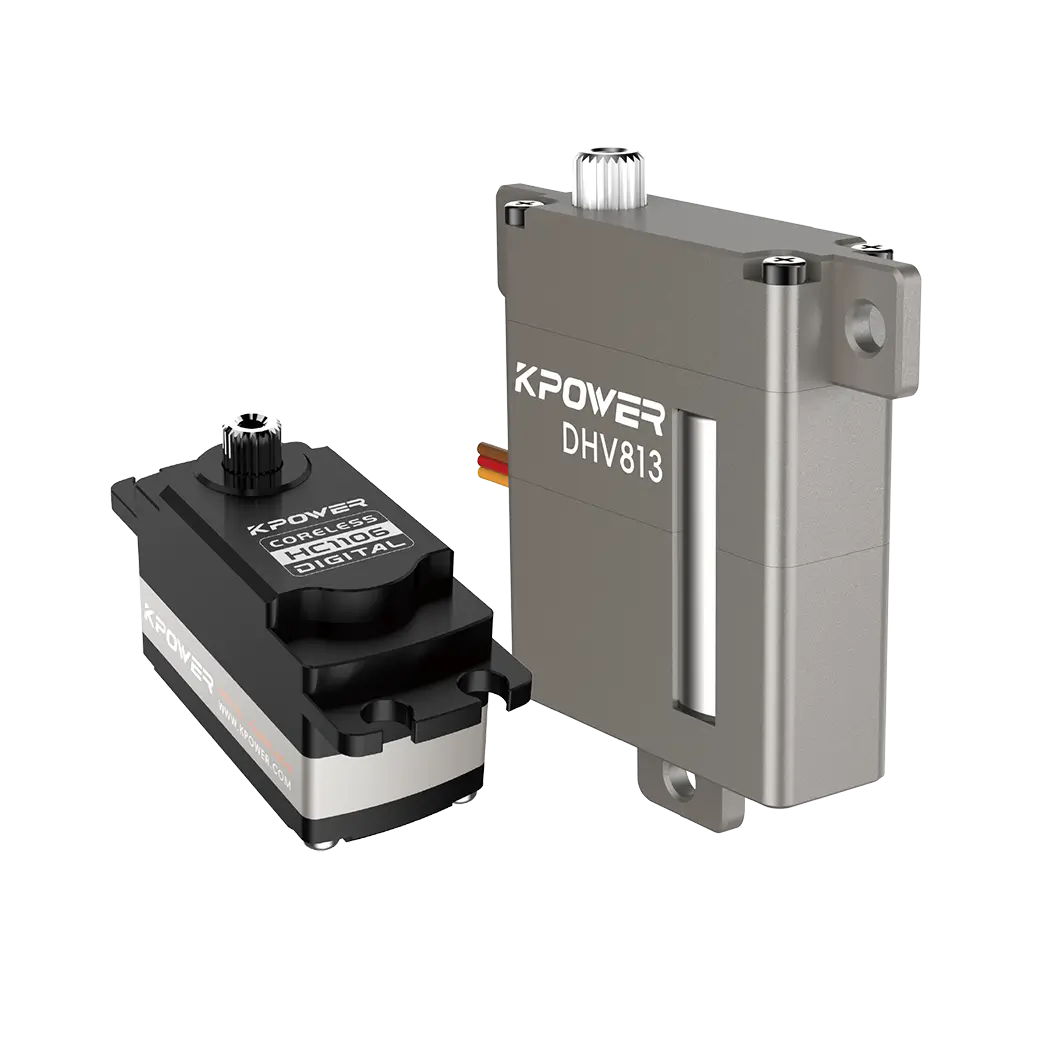
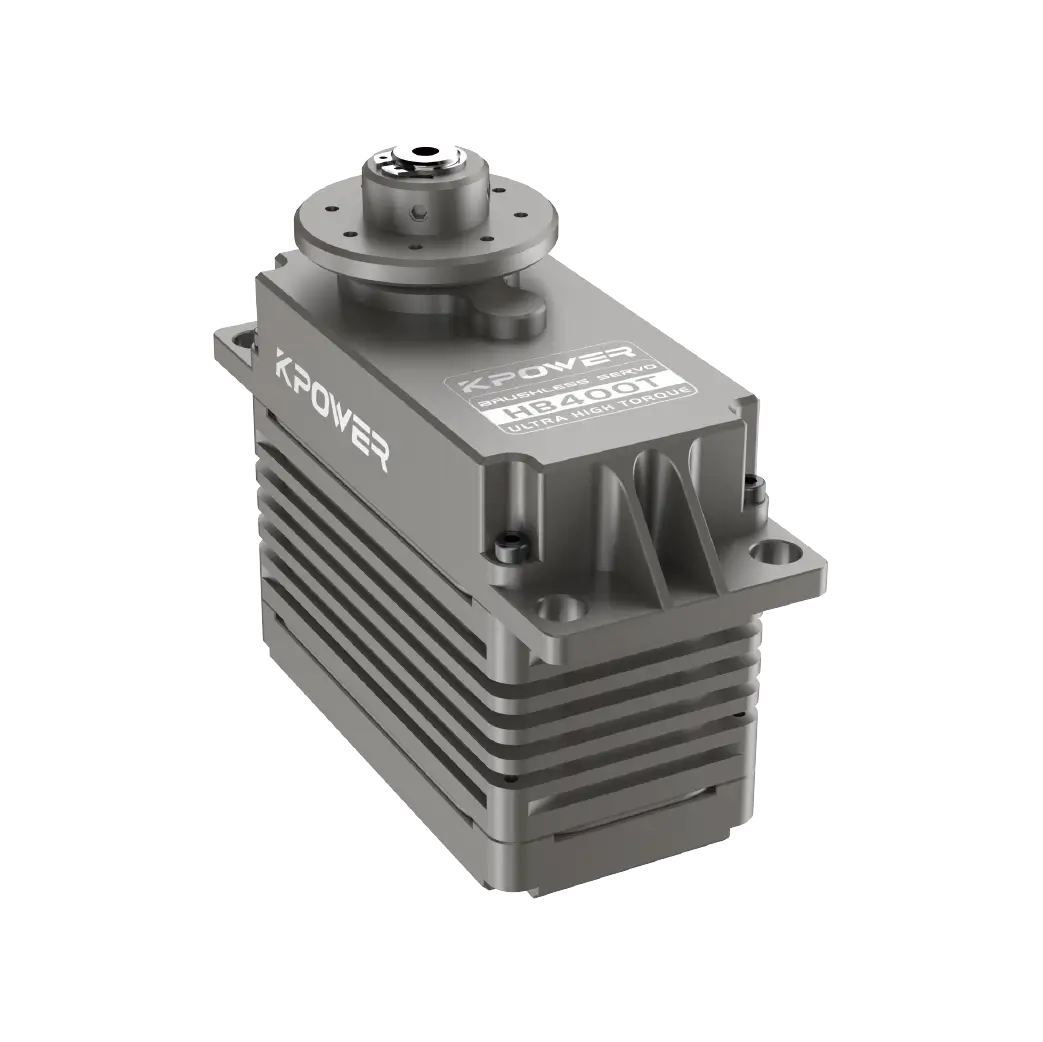
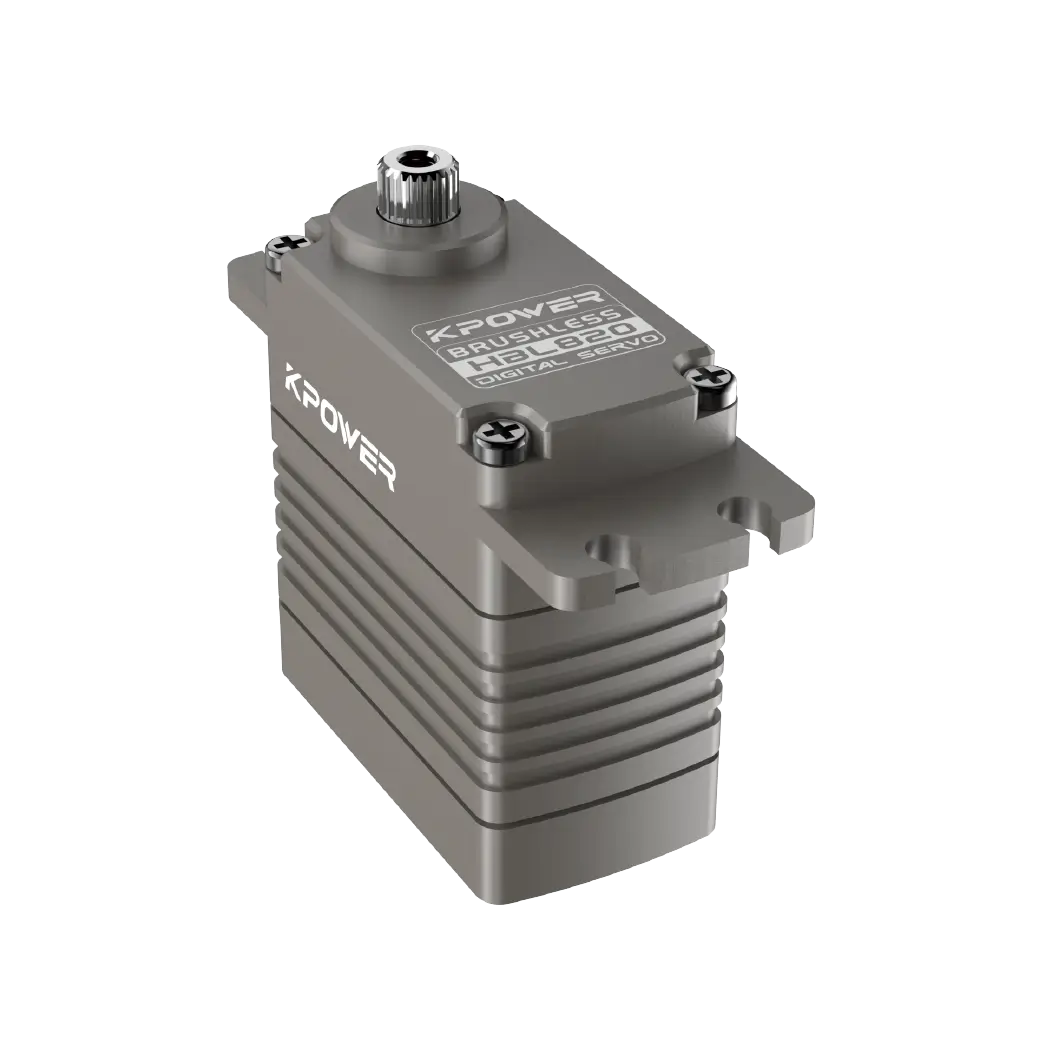
High-qualityservos and steppers need to handle heat. When a motor holds a position under load, it generates energy. Cheap units just cook themselves from the inside out.kpowerdesigns focus on thermal dissipation. It’s the difference between a motor that runs for ten minutes and one that runs for ten hours.
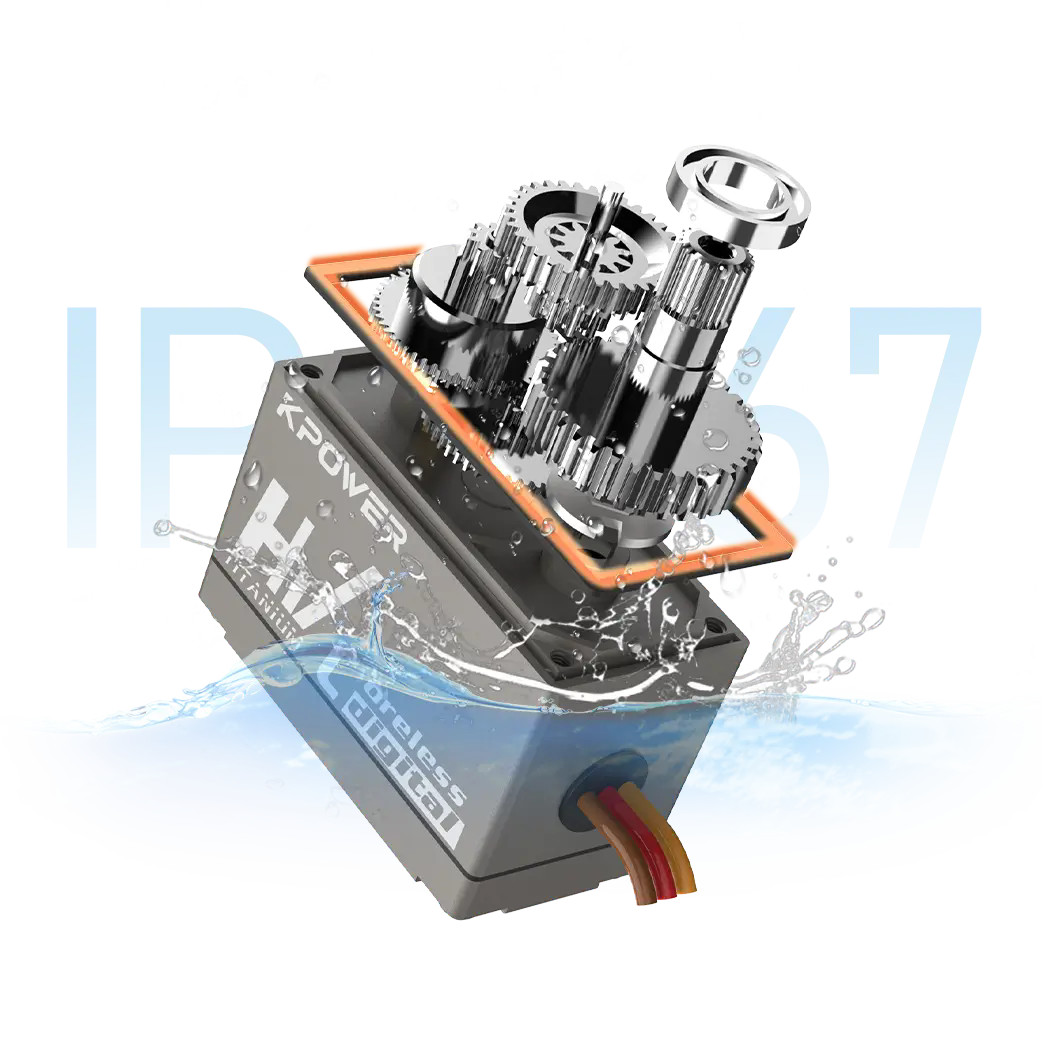
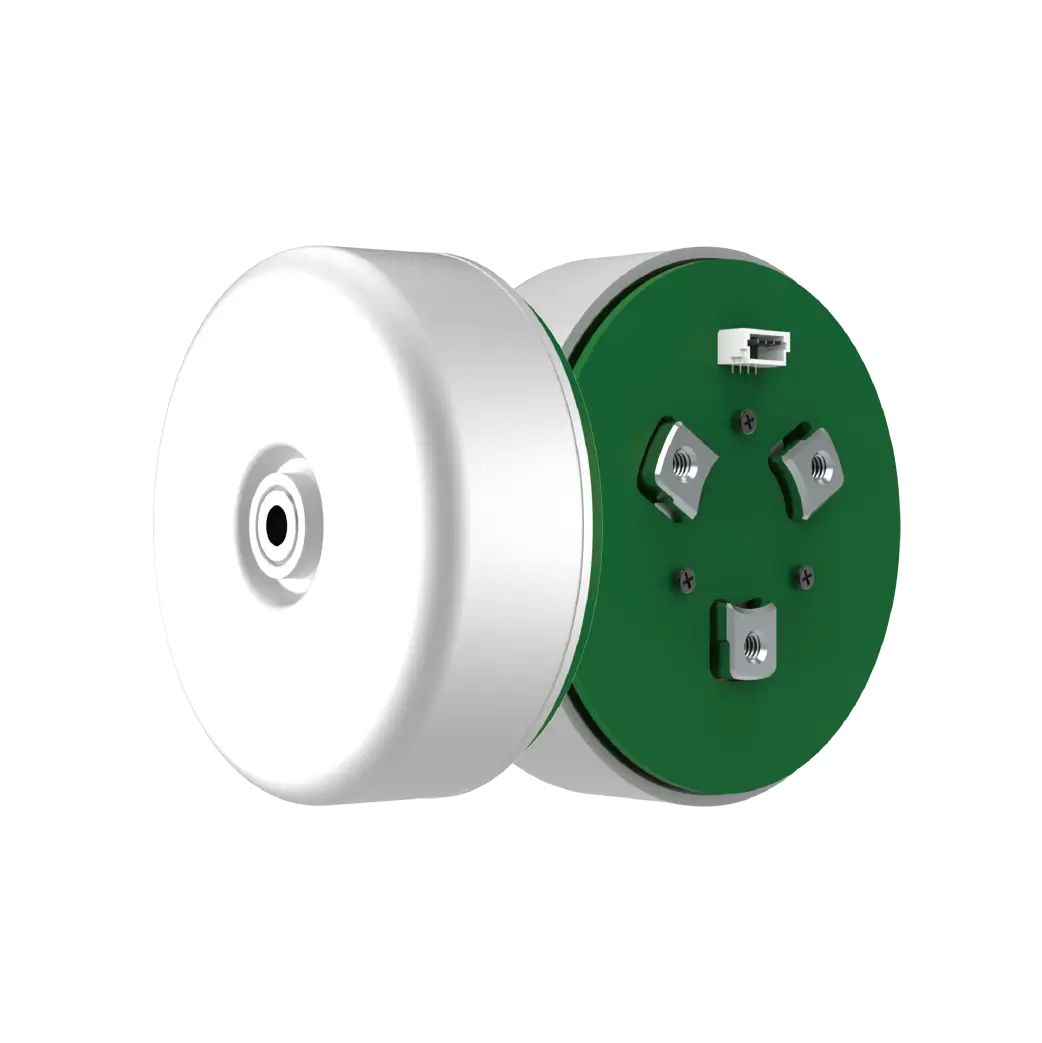
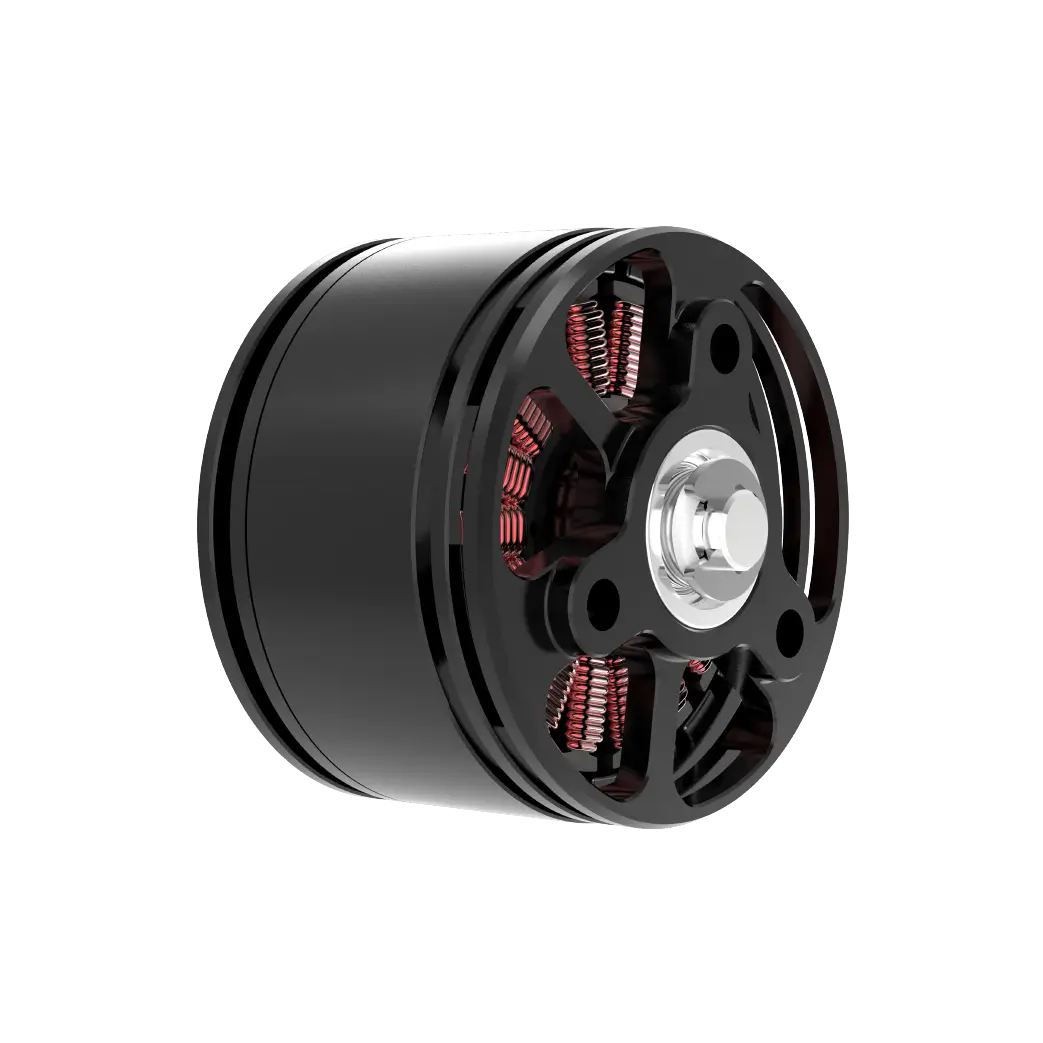
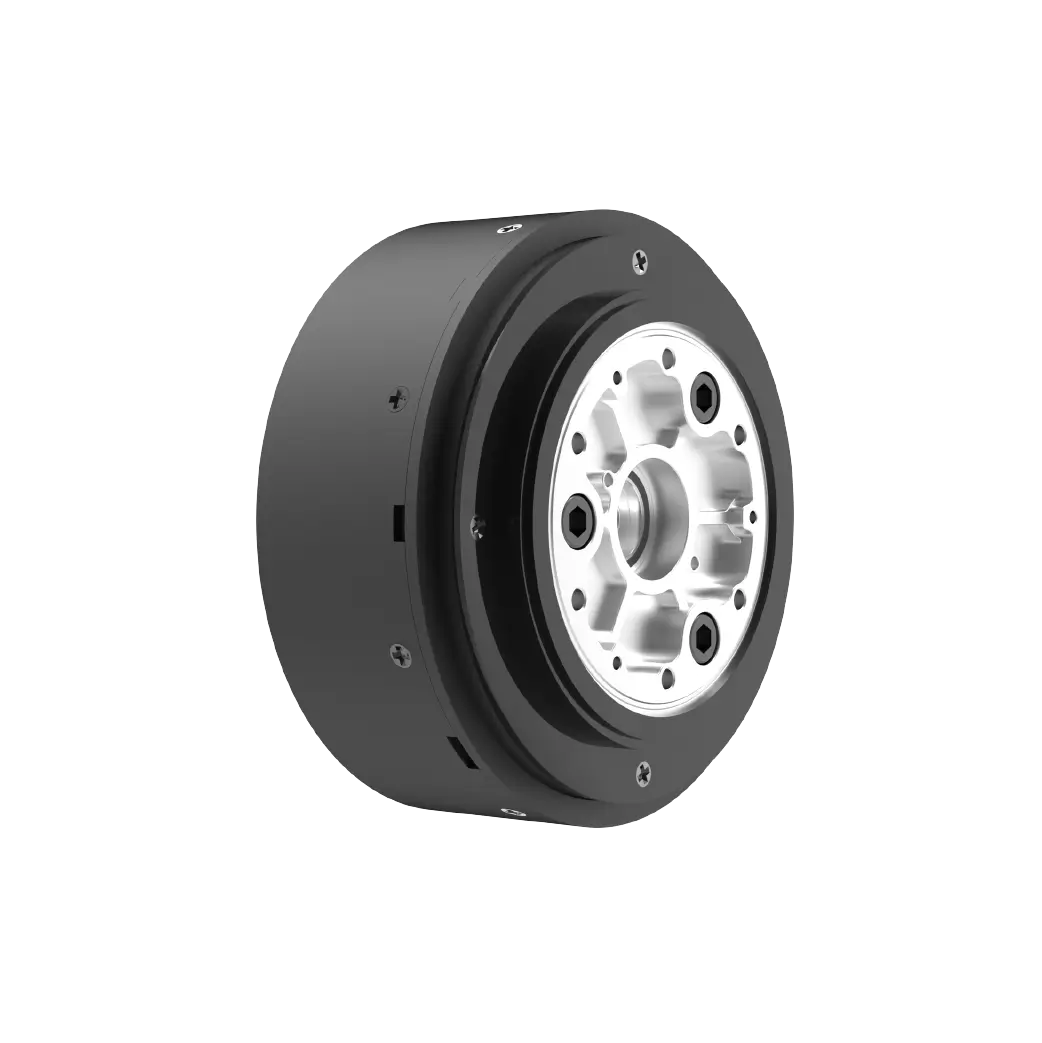
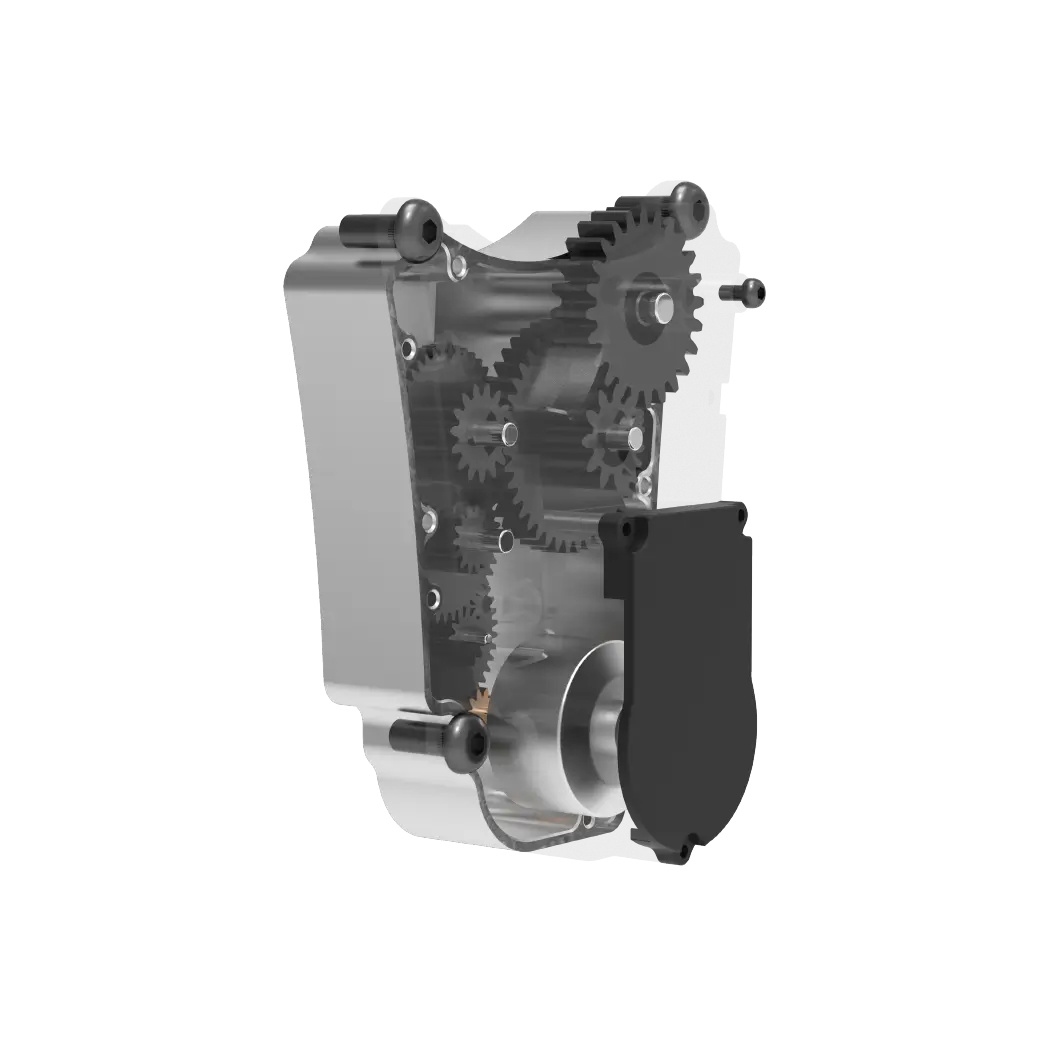
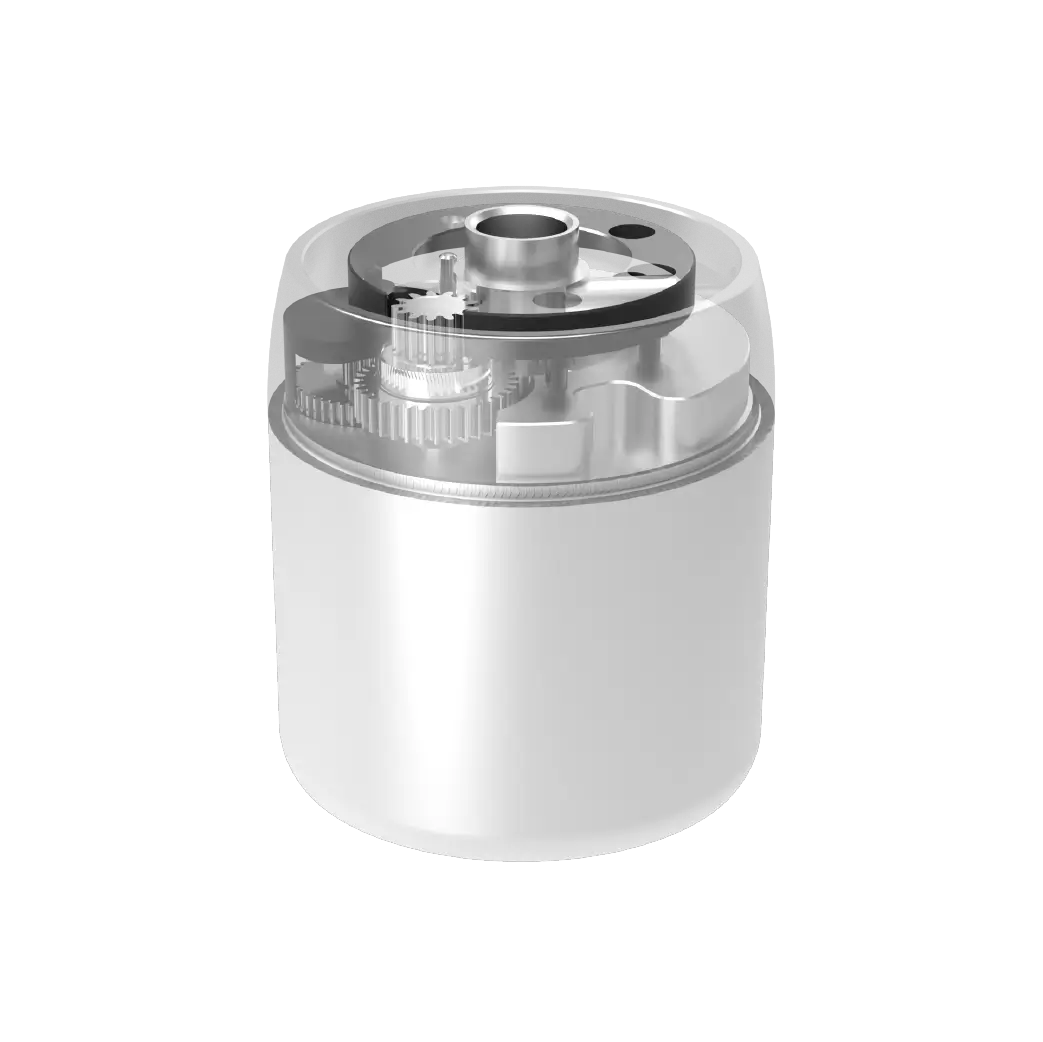
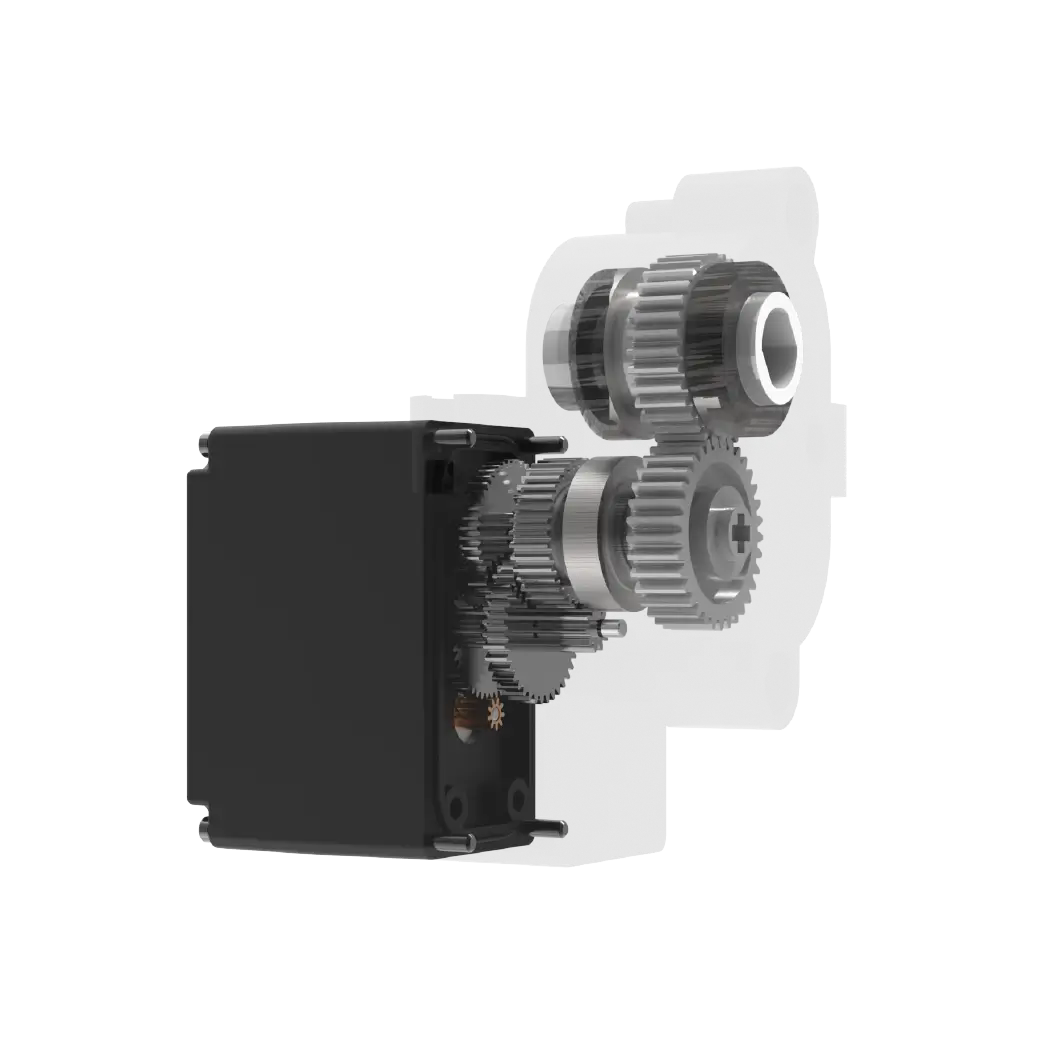
What goes on inside the casing? It’s a mix of metallurgy and electronics.
I remember a project involving a heavy-duty camera slider. The user was frustrated because the movement was "stuttery." The footage looked like it was filmed during an earthquake. We swapped the generic motors for Kpowerservos with higher holding torque. Suddenly, the motion was like silk. No magic, just better hardware.
Q: Why does my motor buzz when it's not moving? A: That’s usually the motor fighting to stay in one spot. If the load is too heavy or the "deadband" is too narrow, it hunts for the right position. Kpower servos allow for better tuning so the motor stays quiet and efficient.
Q: Can I run these motors directly off the controller board? A: You can, but you shouldn't. These motors have some serious kick. Giving them a dedicated power source ensures they get the current they need without frying your logic board.
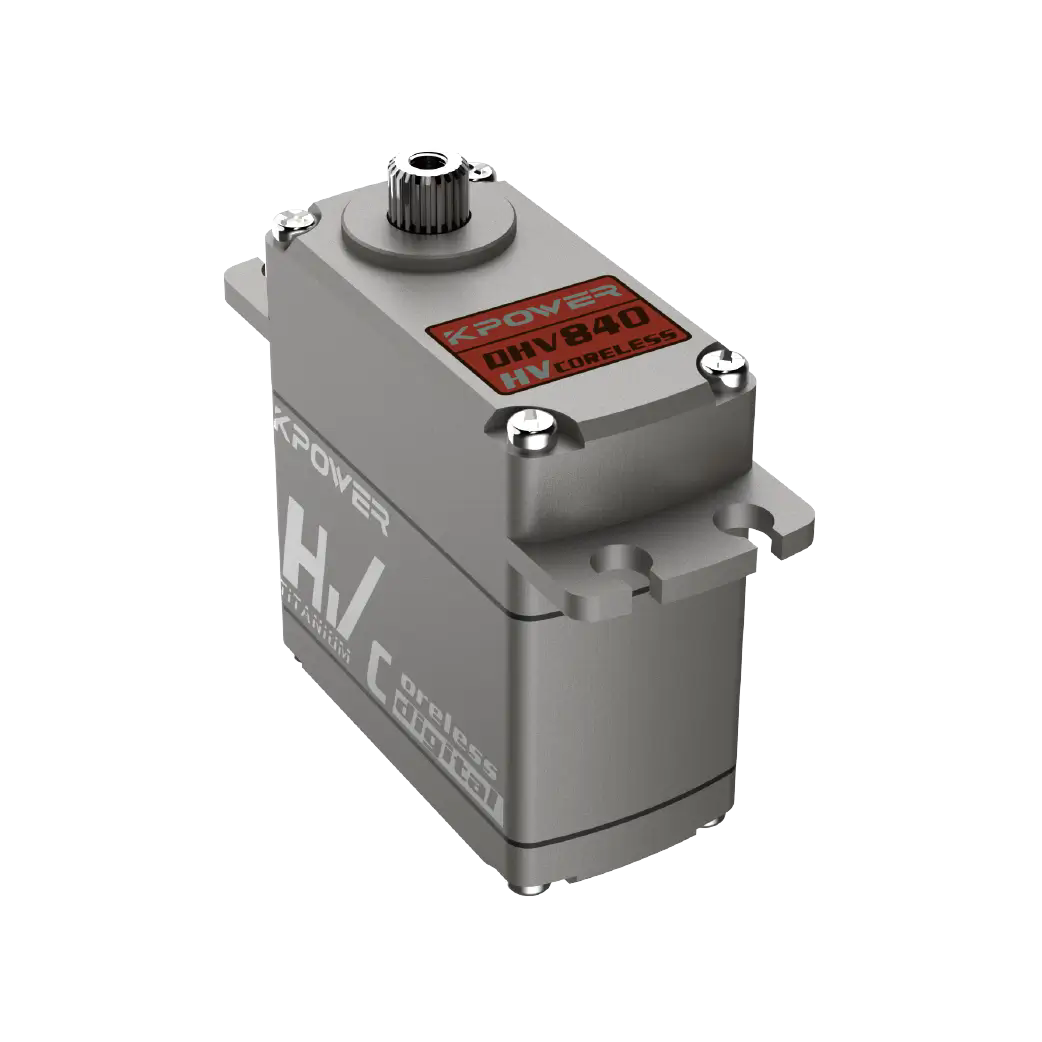
Q: Metal gears or plastic? A: Metal. Always metal. Unless you’re building a feather-weight paper plane, the durability of metal gears pays for itself the first time your mechanism bumps into an obstacle.
If you are looking to integrate a Kpower solution into your next build, start with the torque requirements. Don't guess. Calculate the weight of your arm or the friction of your slide. Then, double it. Having overhead is the secret to a long-lasting machine.
Next, look at the voltage. A lot of makers try to undervolt their motors to save on battery size, but this leads to sluggish performance. Feed the motor what it asks for.
Lastly, check your wiring. A thin wire is like a clogged pipe; the power can't get through. Use thick enough gauges to let the current flow freely.
It’s easy to get lost in a sea of generic parts. But when you are building something that matters—maybe a drone, a robotic gripper, or an automated valve—the motor is the heart. Kpower hasn't just built a catalog; they’ve refined the way motion happens.
Instead of worrying about whether your motor will survive the night, you can focus on the creative side. What will you build when you aren't afraid of the motor failing? That’s where the real fun begins. You don't need a degree in mechanical engineering to see the value in a gear set that doesn't grind or a circuit that doesn't overheat. You just need to see it work, perfectly, time after time.
Stop settling for parts that are "good enough" for a few minutes. Find something that stays strong until the job is done. Your workbench deserves better than a graveyard of burnt-out electronics. Focus on the build, trust the movement, and let the hardware handle the heavy lifting.
Established in 2005, Kpower has been dedicated to a professional compact motion unit manufacturer, headquartered in Dongguan, Guangdong Province, China. Leveraging innovations in modular drive technology, Kpower integrates high-performance motors, precision reducers, and multi-protocol control systems to provide efficient and customized smart drive system solutions. Kpower has delivered professional drive system solutions to over 500 enterprise clients globally with products covering various fields such as Smart Home Systems, Automatic Electronics, Robotics, Precision Agriculture, Drones, and Industrial Automation.
Update Time:2026-01-22

Contact Kpower's product specialist to recommend suitable motor or gearbox for your product.


