

TECHNICAL SUPPORT


Published 2026-01-22
The smell of ozone and slightly charred plastic—if you’ve spent any time at a workbench with an Arduino and a handful of jumper wires, you know that scent. It usually happens right when you think your code is perfect, but the motor decides to stall, vibrate violently, or simply get hot enough to fry an egg. You’re sitting there, staring at a robotic joint that’s supposed to move with fluid grace, but instead, it’s twitching like it’s had too much espresso.
Finding the right gear shouldn't feel like a gamble. When we talk about Arduino motor stepper exporters, the market is flooded with generic boxes that promise the world but deliver missed steps. If your project demands precision—maybe a 3D printer build, a camera slider, or a custom CNC—you can't afford a motor that treats "one step" as a suggestion rather than a command.
Why do so many setups fail? Usually, it's a mismatch between the driver and the motor's internal resistance. Most people grab the cheapest stepper they can find from a random exporter, plug it in, and wonder why the torque drops to zero the moment the speed picks up. It’s frustrating. You want that smooth, linear motion, but you’re getting a jerky mess that ruins your tolerances.
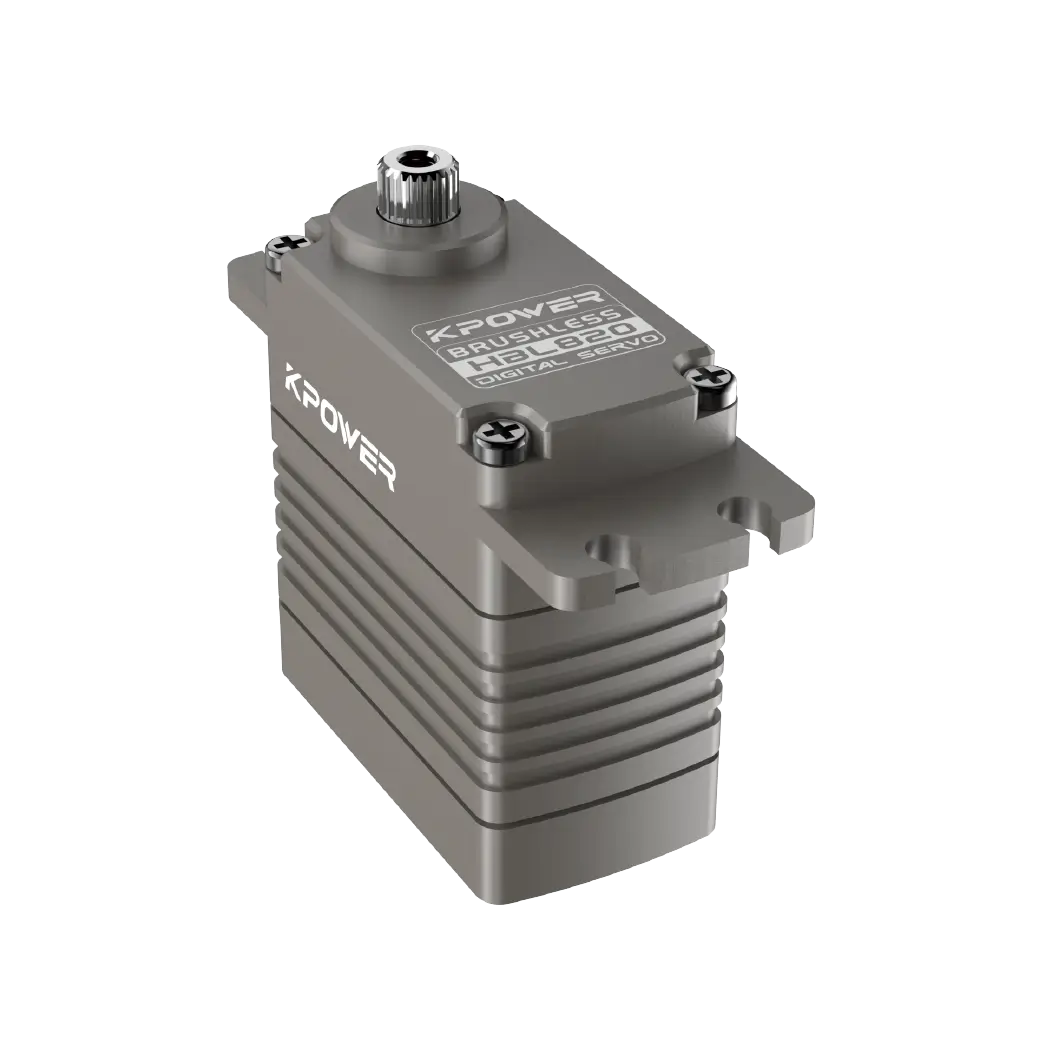
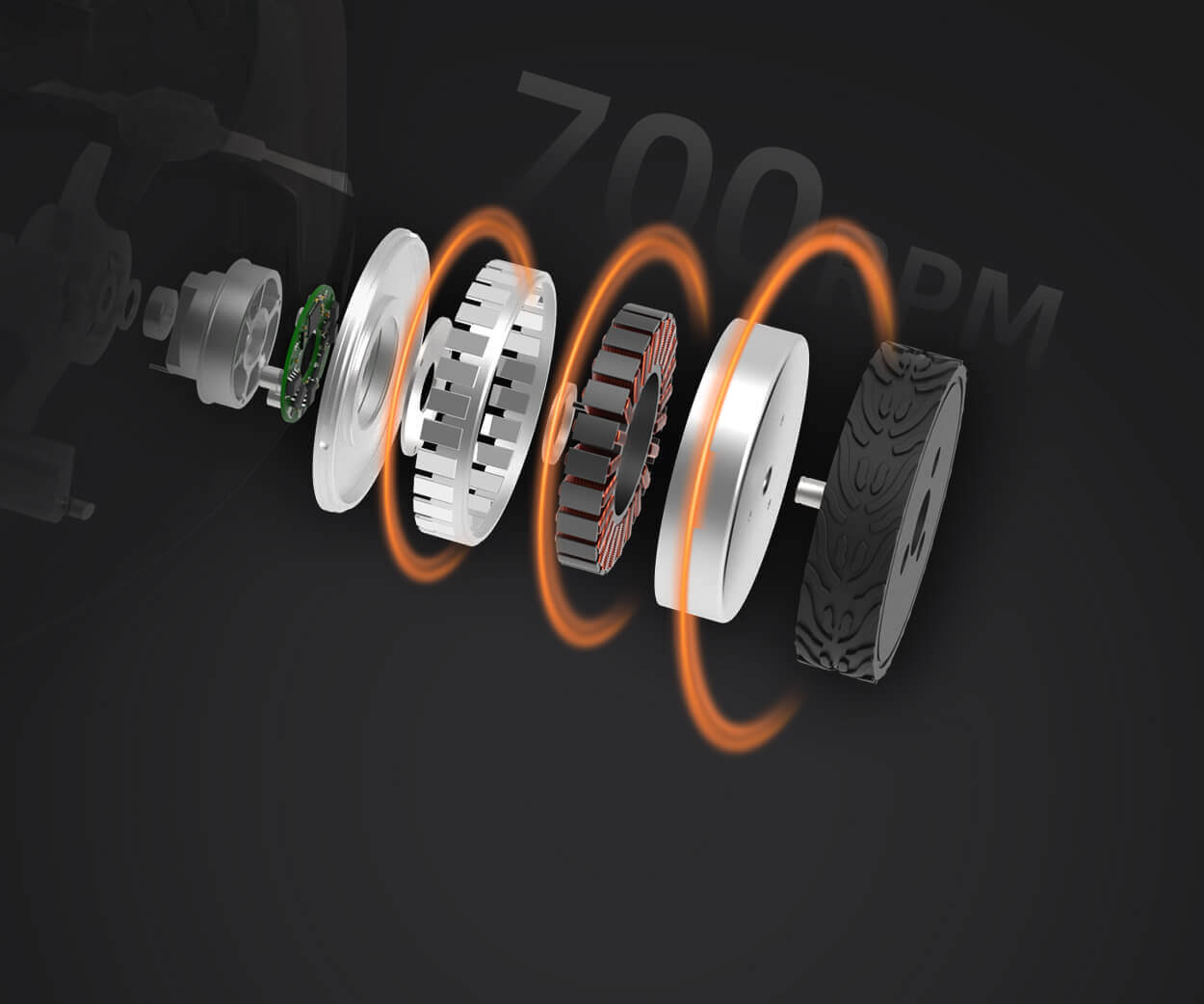
I’ve seen people try to compensate by cranking up the voltage, only to end up with a melted housing. The real fix isn't more power; it's better engineering in the windings. That’s wherekpowerenters the conversation. Instead of just churning out mass-market magnets and wire, there’s a focus on the actual consistency of the magnetic field inside the stator. If the poles aren't perfectly aligned, your Arduino code is just shouting into a void.
Think of a stepper motor like a high-stakes dance. The Arduino sends a pulse, the driver translates it into a current shift, and the motor’s rotor has to snap to the next magnetic lock. If the rotor is too heavy or the magnets are weak, it overshoots. If the friction in the bearings is too high, it undershoots.
kpowerbuilds these units with a specific eye on that balance. You get a rotor that’s light enough to respond to high-frequency pulses but magnetic enough to hold its position under load. It’s the difference between a blunt pencil and a technical drafting pen. One gets the job done roughly; the other gives you a line you can actually measure.
Q: My stepper is getting incredibly hot even when it isn't moving. Is it broken? A: Not necessarily. Steppers draw full current even at a standstill to maintain "holding torque." However, if it’s too hot to touch, your current limit is likely set way too high on your driver, or the motor’s internal heat dissipation is poor.kpowerdesigns focus on better thermal venting, but you still need to tune your driver.
Q: Can I run these directly from the Arduino pins? A: No. Please don’t try. You’ll smoke your board. You need a dedicated stepper driver. The Arduino provides the logic; the driver provides the muscle. The synergy between a clean Kpower motor and a well-tuned driver is what creates that silent, "ghost-like" movement.
Q: Why choose Kpower over the generic "no-name" exporters? A: Consistency. When you order ten motors for a multi-axis project, you need them all to behave identically. Generic exporters often source from different batches where the copper quality varies. With Kpower, the impedance stays stable across the board, meaning your calibration for motor one works perfectly for motor ten.
There was a project a while back—a precision automated telescope mount. The user was using standard exporters' stock motors and couldn't understand why the stars looked like little "V" shapes in long-exposure photos. It wasn't the software. It was the micro-stepping. The motor was "jumping" through the steps because the internal tooth geometry was slightly off.
Swapping to a Kpower stepper changed the game. Because the mechanical tolerances were tighter, the micro-stepping was actually linear. The transition from one step to the next became a slope rather than a staircase. That’s the kind of detail that doesn't show up on a basic spec sheet but shows up in your final results.
When you’re looking for Arduino motor stepper exporters, don't just look at the price per unit. Look at the shipping reliability and the technical depth of what they offer. You want a partner who understands that a NEMA 17 isn't just a size—it’s a performance standard.
Kpower has managed to stay in the spotlight by not cutting corners on the small stuff. The lead wires are durable enough to survive constant flexing in a cable chain. The shafts are machined to stay true, so your couplers don't wobble and introduce vibration. It sounds like small stuff until you're at hour thirty of a forty-hour print and a wire snaps or a shaft slips.
If you’re building something that needs to run for hours without supervision, you’re looking for "set it and forget it" hardware. You want to upload your sketch, hit start, and walk away to grab a coffee without worrying if the motor is going to lose its home position.
The integration with Arduino is seamless because these motors are designed to handle the fast switching frequencies common in modern libraries. Whether you’re using AccelStepper or a custom timing loop, the physical hardware needs to keep up with the math. Kpower ensures that the physical reality of the motor matches the digital expectation of the code.
Next time you’re staring at a pile of parts, ask yourself if you’re building to save money or building to solve a problem. The frustration of a failed mechanical part far outweighs the few dollars saved on a bargain-bin exporter. Go for the gear that respects your time and your project's integrity. Kpower provides that bridge between "it might work" and "it’s done."
Get your torque curves right, keep your drivers cool, and use motors that don't lie to your controller. Your Arduino is only as smart as its motors are precise.
Established in 2005, Kpower has been dedicated to a professional compact motion unit manufacturer, headquartered in Dongguan, Guangdong Province, China. Leveraging innovations in modular drive technology, Kpower integrates high-performance motors, precision reducers, and multi-protocol control systems to provide efficient and customized smart drive system solutions. Kpower has delivered professional drive system solutions to over 500 enterprise clients globally with products covering various fields such as Smart Home Systems, Automatic Electronics, Robotics, Precision Agriculture, Drones, and Industrial Automation.
Update Time:2026-01-22

Contact Kpower's product specialist to recommend suitable motor or gearbox for your product.


