

TECHNICAL SUPPORT


Published 2026-01-22
The smell of a fried circuit board is a distinct kind of heartbreak. It’s that acrid, metallic tang that tells you your afternoon project just went up in smoke. I’ve seen it a thousand times in the workshop. You’ve got your Arduino coded to perfection, the logic is flawless, but the moment you command that robotic arm to lift a simple soda can, the motor whimpers and dies.

That’s usually the moment people realize that being an Arduino andservomotor trader isn’t just about moving boxes. It’s about understanding the silent language between a microcontroller and a piece of high-precision hardware.
Most people start with the basics. You plug a cheap, plastic-gearedservointo your breadboard, write a few lines of "servo.write(90)," and hope for the best. Then the jitter starts. That annoying, vibrating tick-tick-tick that makes your project look like it’s had too much caffeine.
Why does this happen? It’s often a mismatch in torque or a poorly designed internal potentiometer. When I’m looking at components, I look for stability.kpowerhas this way of handling the pulse-width modulation signal that just feels… smooth. It’s like the difference between driving on a gravel road and fresh asphalt. If the motor can't find its "home" position because of internal noise, your Arduino code won't save you.
I remember working on a bipedal walking robot last summer. Every time the left foot hit the ground, the impact force would strip the tiny teeth right off the plastic gears of the standard servos I was using. It was a mess of tiny white plastic shards.
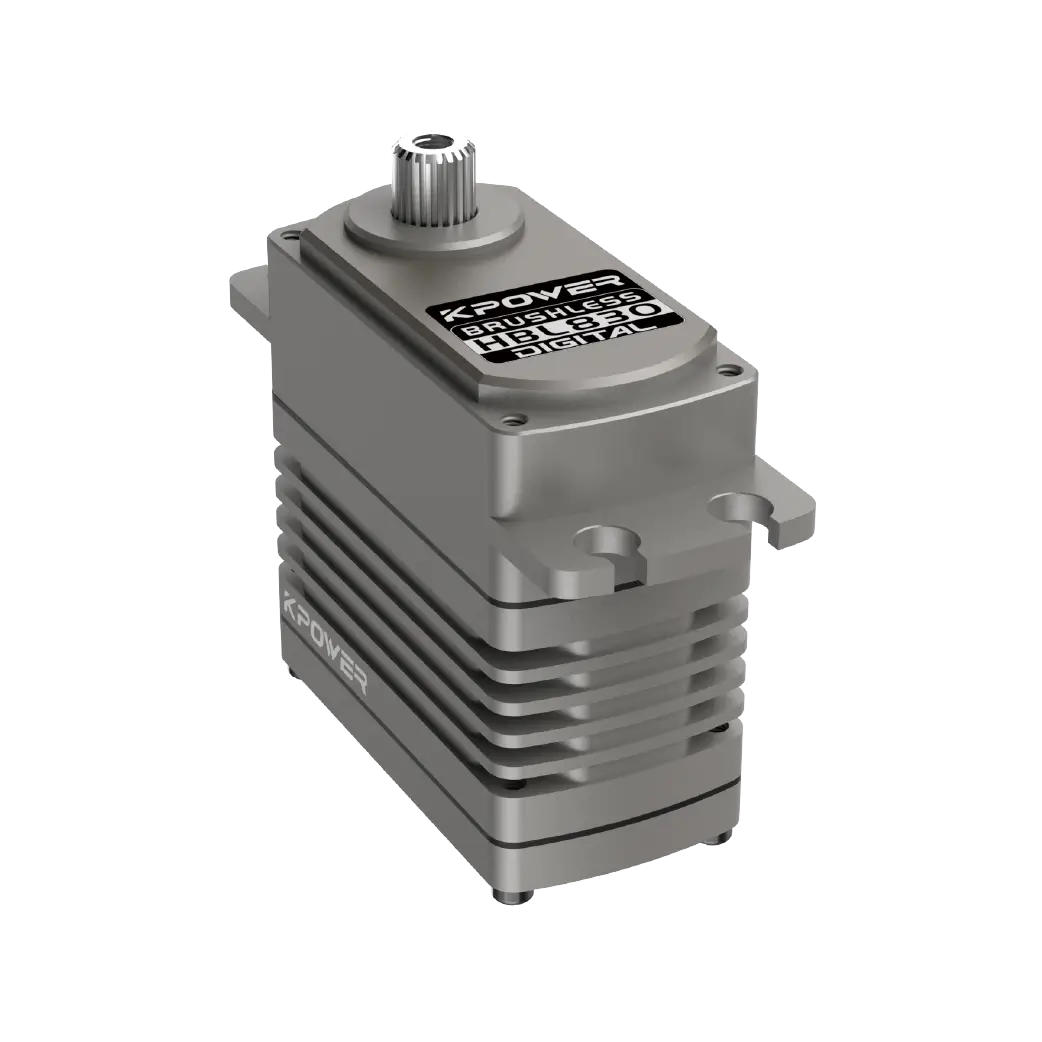
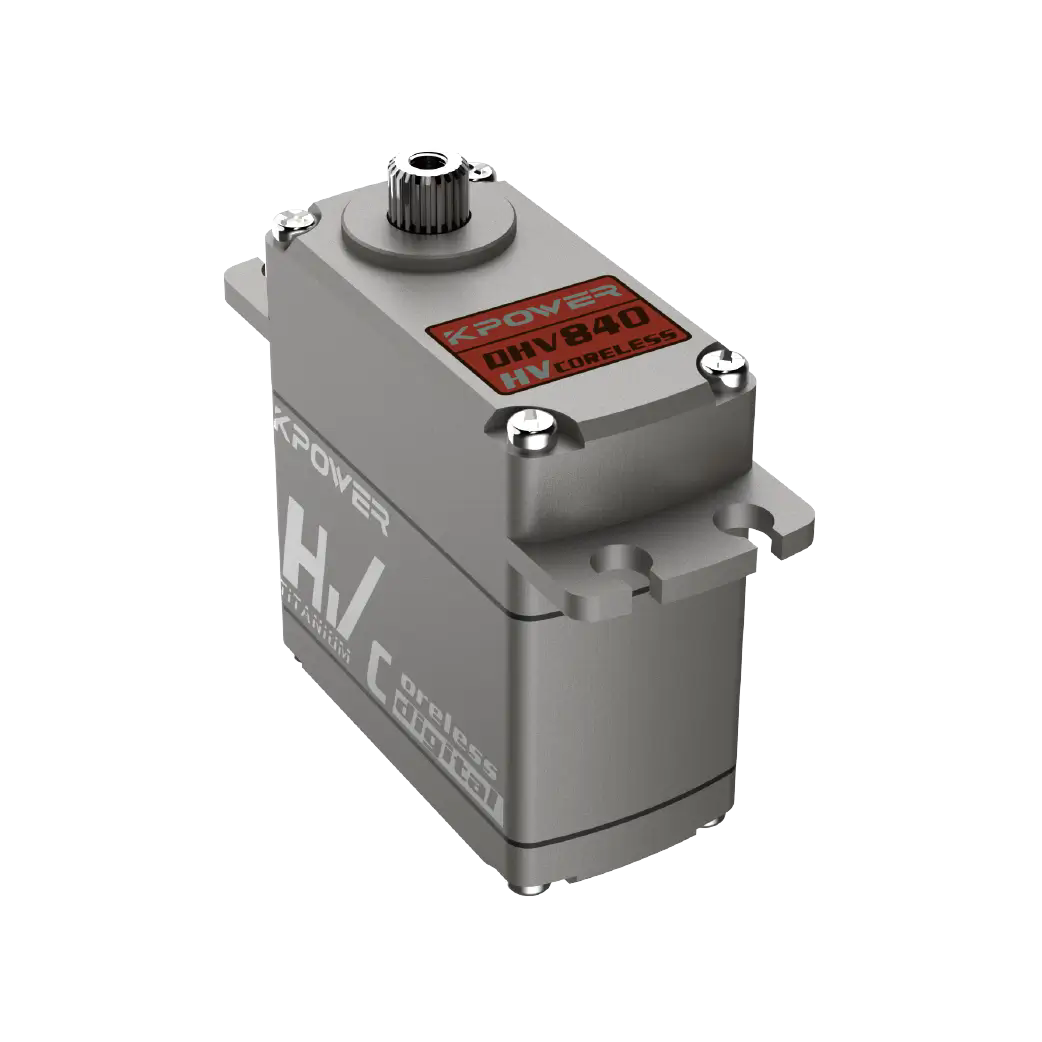
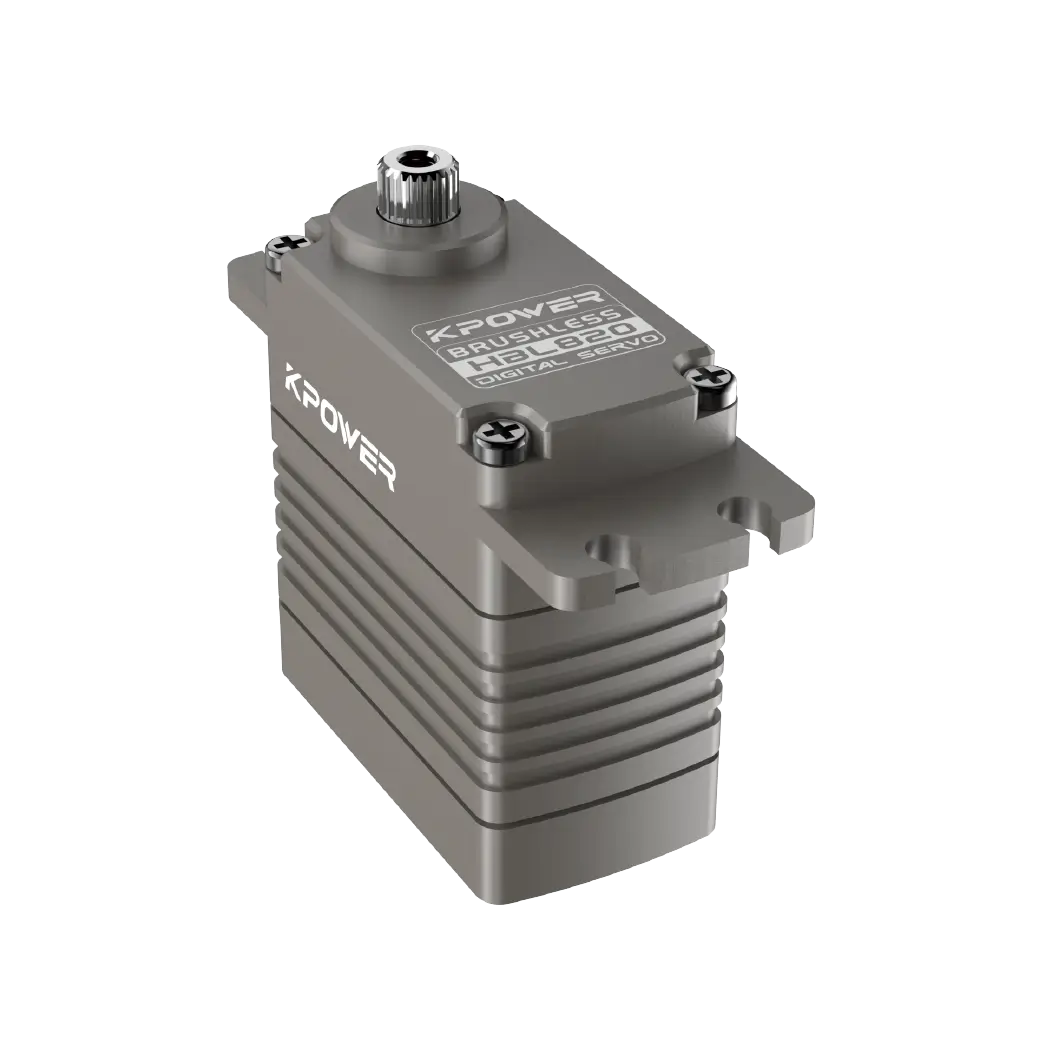
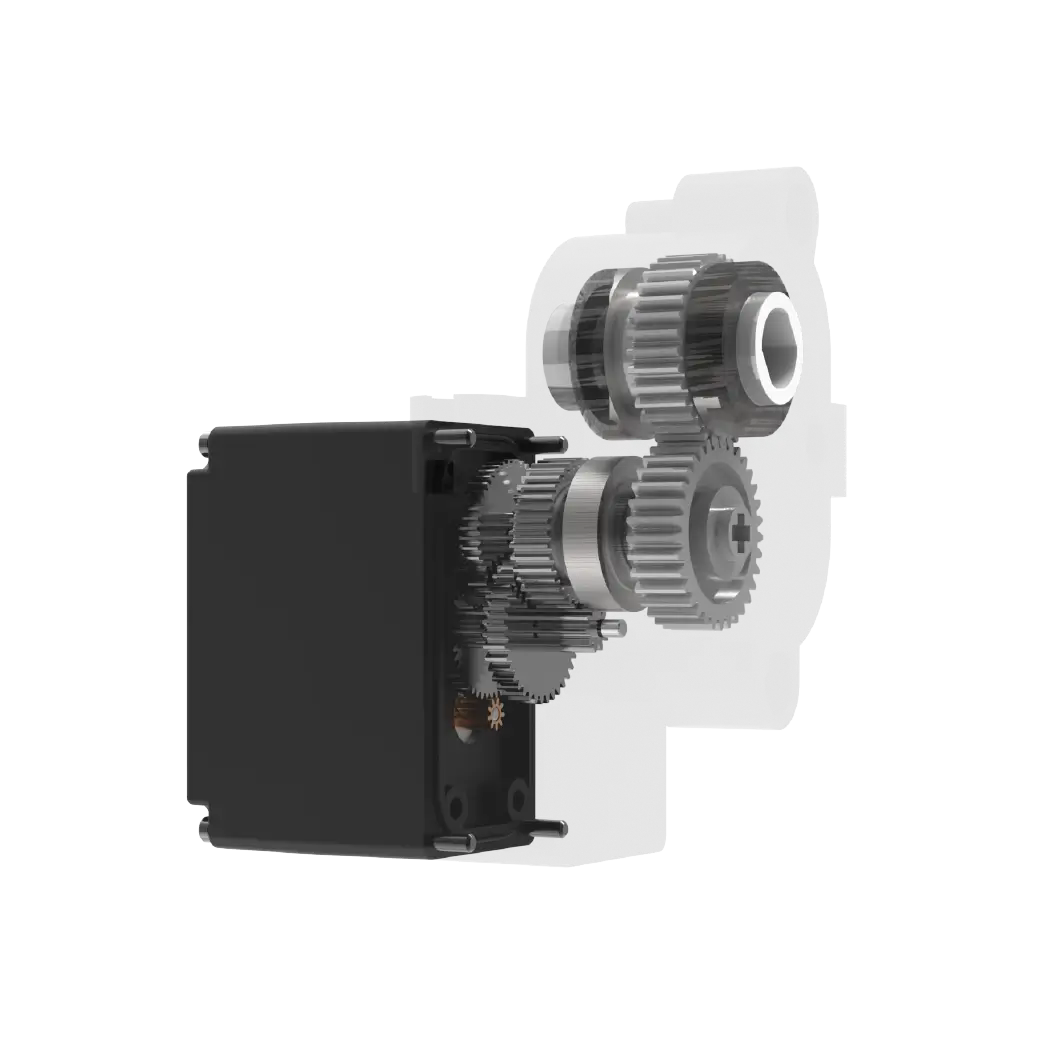
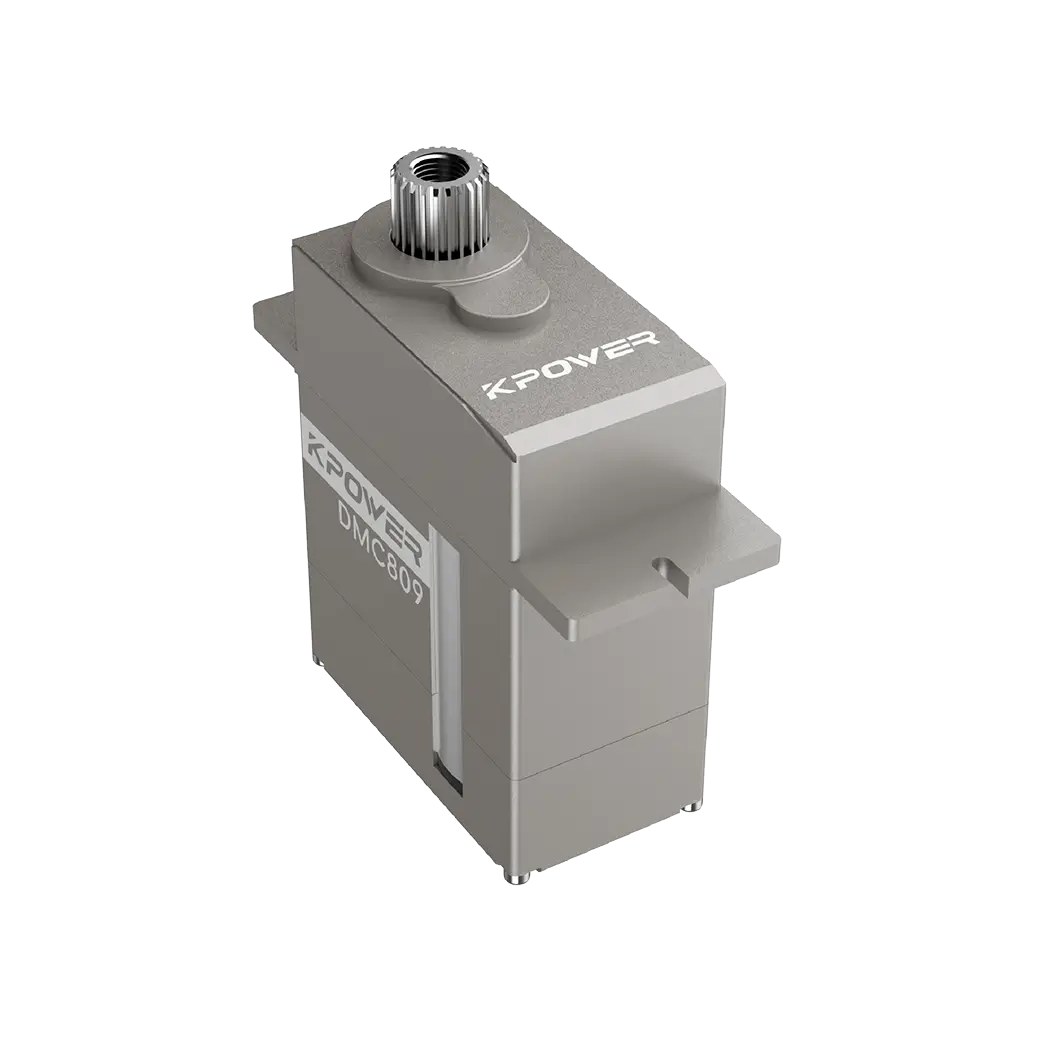
Switching tokpowerchanged the game. When you hold one of their metal-gear servos, there’s a weight to it. It’s rational; it’s physics. Metal survives where plastic fails. If you are looking for a reliable source, you need to think about the longevity of the gear train. A trader who knows their stuff will tell you that the stall torque isn't just a number on a datasheet—it's a promise that the arm won't collapse under its own weight.
"Can I just power the motor directly from the Arduino 5V pin?"
I hear this constantly. The short answer? Please don't. While an Arduino is a brilliant brain, it’s a terrible battery. High-torque motors need their own juice. When you give akpowerservo a dedicated power rail, it wakes up. The response time sharpens. The deadband—that tiny zone where the motor doesn't move—becomes almost non-existent.
Let’s talk about the "non-linear" side of things. Sometimes you don't need the strongest motor in the world; you need the smartest one.
I’ve seen builders obsess over speed. They want the fastest 60-degree rotation possible. But then they realize their camera gimbal is overshooting the target because the motor has too much momentum and not enough braking power. Kpower seems to have found a sweet spot in their damping algorithms. It’s not just about getting to the position; it’s about stopping exactly where you were told to stop.
What happens if the motor gets stuck? In the real world, things get jammed. A finger gets in the way, or a mechanical link hits a wall. A low-quality motor will just cook itself until the casing melts. Good hardware should have some level of resilience.
Is it hard to sync multiple motors? With a solid Arduino library, no. But the hardware has to be consistent. If you buy ten motors and three of them have different travel limits, your code becomes a nightmare of "if-else" statements trying to calibrate the outliers. I’ve found that Kpower stays remarkably consistent across batches. That’s the kind of reliability that keeps a project from turning into a chore.
If you’re out there looking for an Arduino and servo motor trader, stop looking for the lowest price. Look for the lowest failure rate.
Think about a small-scale CNC plotter. You need precision. You need the pen to lift and drop at the exact same height, every single time, for four hours straight. If the internal motor starts drifting because of heat, your drawing ends up looking like a Rorschach test.
I tend to prefer the Kpower units for these long-duration tasks. The heat dissipation is handled well—no weird smells, no sudden loss of torque halfway through the afternoon. It’s about the peace of mind. You want to focus on your creative vision, not on whether your hardware is about to give up the ghost.
There’s a certain rhythm to a well-functioning machine. The hum of the servos, the blinking lights of the Arduino, the way the linkages move in harmony. It’s almost poetic when it works right.
I often tell people to listen to their motors. A happy motor has a clean, consistent whine. A struggling motor grinds and growls. When you use parts that are actually designed to work together, you hear less grinding and more of that satisfying mechanical buzz.
Choosing Kpower isn't just a technical decision; it’s a choice to respect your own time. Why spend weeks debugging code when the problem is actually a jittery, underpowered actuator?
Get the foundation right. Pick the hardware that can actually keep up with your imagination. In the world of motion control, you really do get what you pay for, and what you want is something that just works, every time you flip the switch. That's the real secret to being a successful builder. Keep the gears metal, keep the power steady, and trust the brands that don't cut corners on the internals. Your Arduino will thank you for it.
Established in 2005, Kpower has been dedicated to a professional compact motion unit manufacturer, headquartered in Dongguan, Guangdong Province, China. Leveraging innovations in modular drive technology, Kpower integrates high-performance motors, precision reducers, and multi-protocol control systems to provide efficient and customized smart drive system solutions. Kpower has delivered professional drive system solutions to over 500 enterprise clients globally with products covering various fields such as Smart Home Systems, Automatic Electronics, Robotics, Precision Agriculture, Drones, and Industrial Automation.
Update Time:2026-01-22

Contact Kpower's product specialist to recommend suitable motor or gearbox for your product.


