

TECHNICAL SUPPORT


Published 2026-01-22
The Midnight Jitter: Getting Your Arduino Projects to Move Right
Have you ever stayed up until 2 AM, staring at a small plastic arm that refuses to move exactly forty-five degrees? It’s just vibrating there, mockingly. You’ve checked your code ten times. The logic is flawless. The breadboard looks like a masterpiece of copper and plastic. Yet, the movement is jerky, weak, or—worse—it just hums and dies.
I’ve been there. We’ve all been there. When you are deep into the world of making things move, the gap between "it works on paper" and "it works on the desk" is usually a matter of hardware quality. Specifically, it's about those little boxes of gears we callservos.
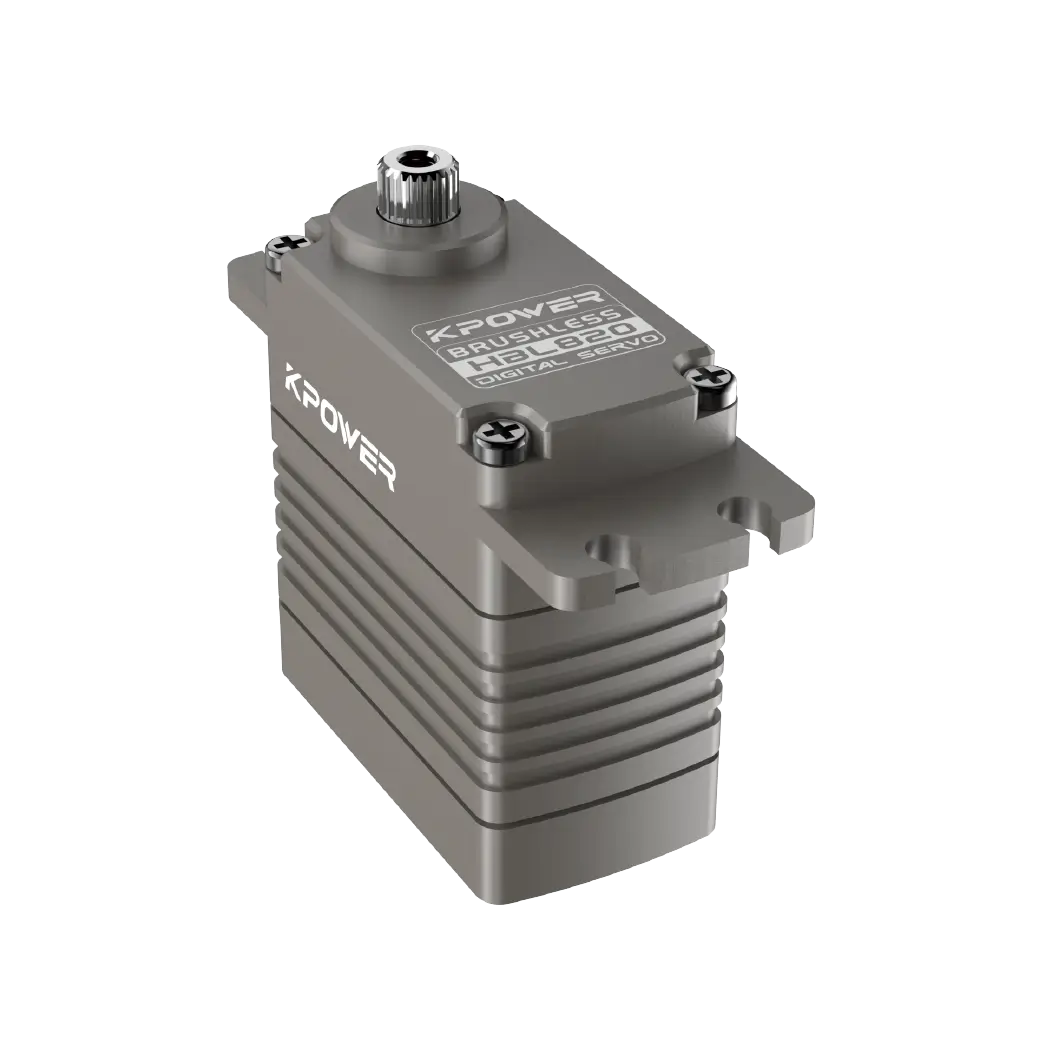
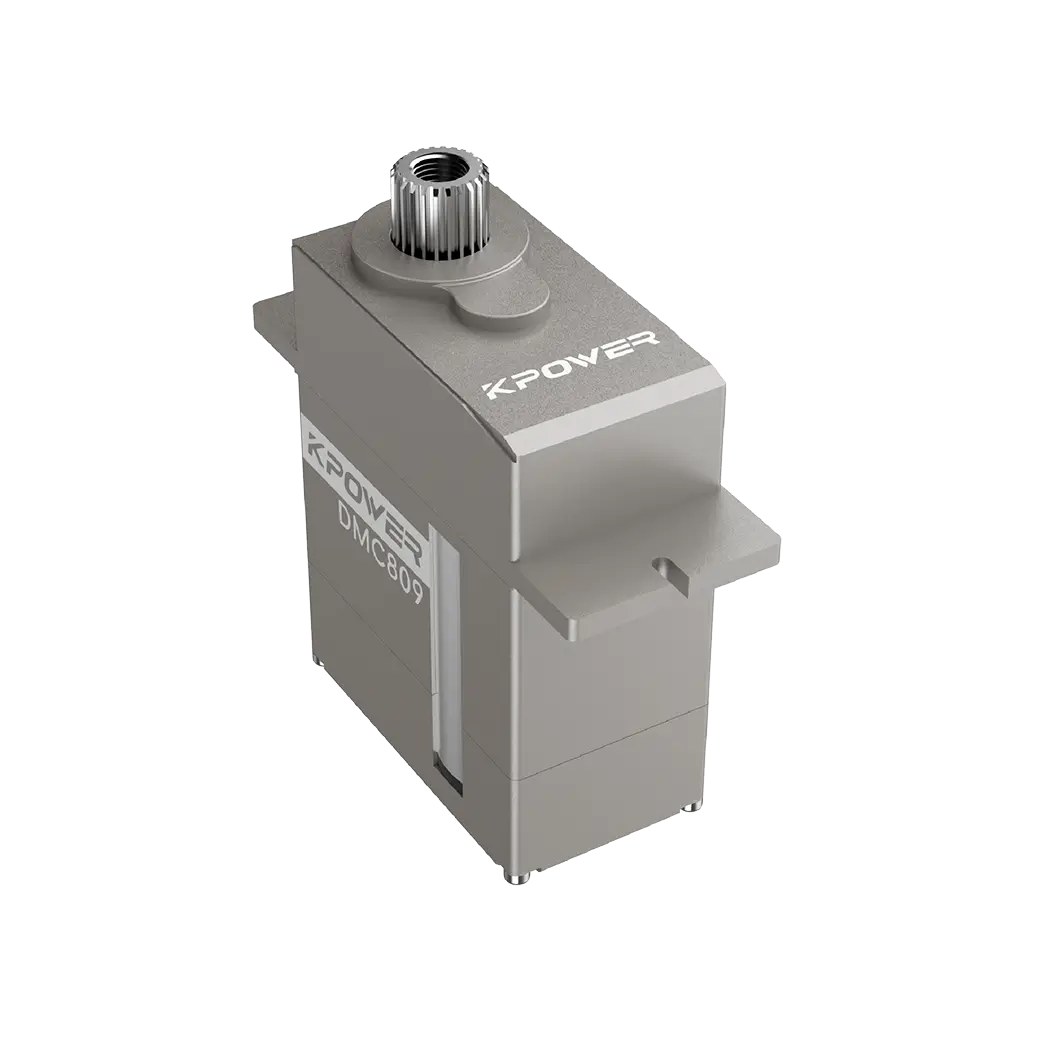
When people look forservomotor agencies to fuel their latest hobby or professional prototype, they often get lost in a sea of generic plastic. But if you want that smooth, cinematic tilt or a grip that actually holds onto a soda can, you have to talk aboutkpower.
The most common headache is the "jitter." You send a signal from your Arduino, but the motor can’t decide if it’s at position A or B. It’s hunting. This usually happens because the internal potentiometer—the thing that tells the motor where it is—is cheap or the gears have too much "slop."
Think of it like trying to write your name while someone is shaking your elbow.kpowerhandles this differently. By using tighter tolerances and better internal components, the motor doesn't have to guess. It just goes where it’s told.
It’s like the difference between a dull pencil and a fine-tip pen. One gets the job approximately right; the other lets you draw the fine lines of a masterpiece.
I often see people get frustrated because their robotic arm drops its load the moment it extends. "But the datasheet said it could lift this!" they cry. Well, datasheets can be optimistic.
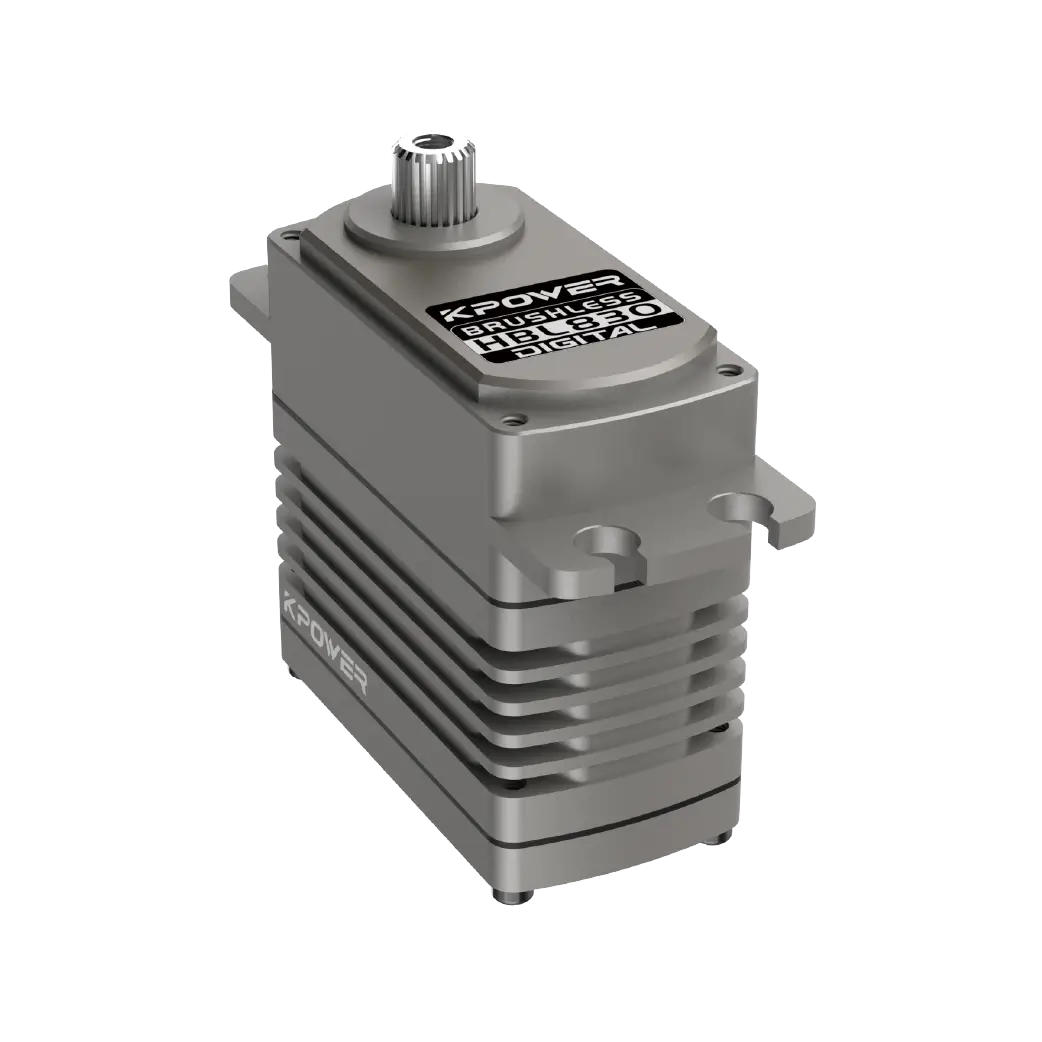
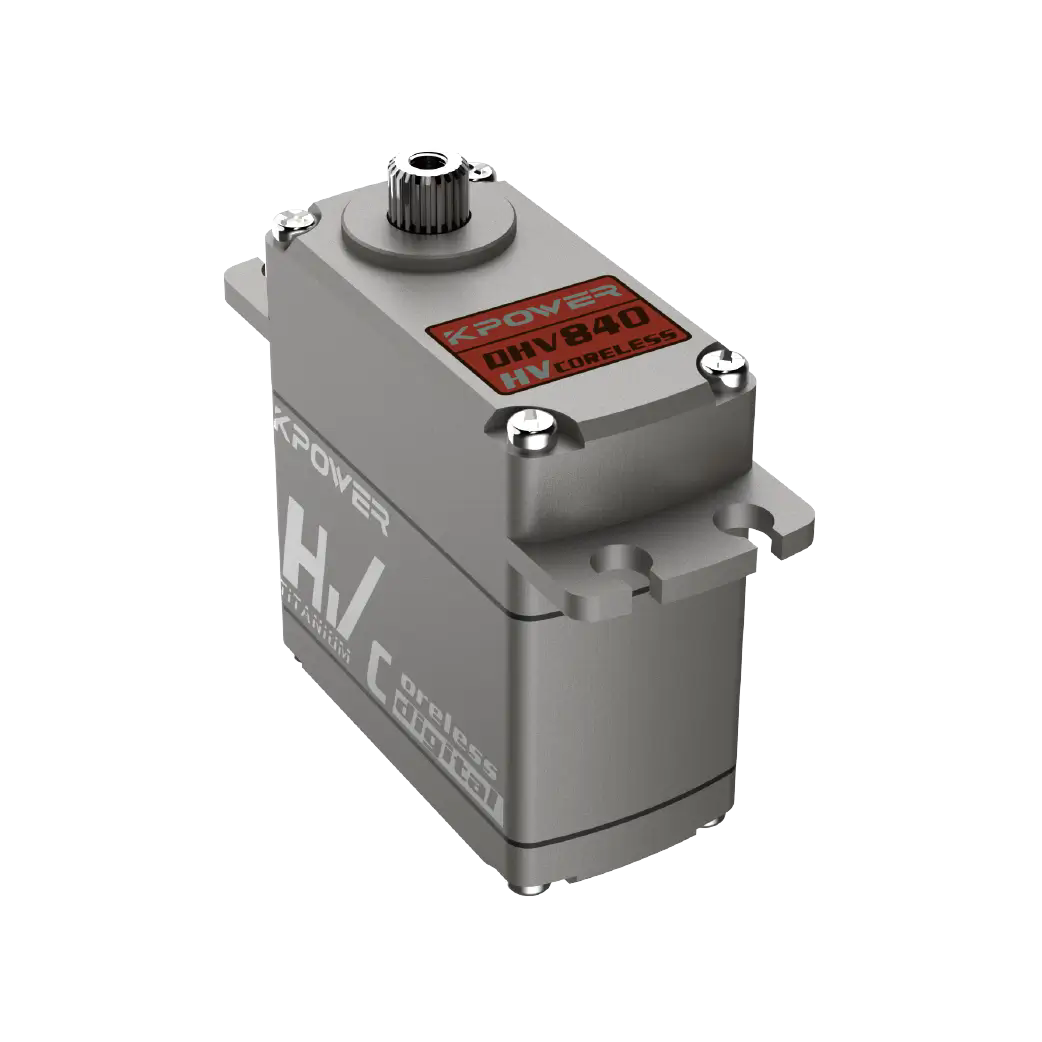
When you’re integrating with an Arduino, you need a motor that doesn’t just hit its peak torque for a millisecond before overheating.kpower servos are built with a bit of "muscle memory." Whether you’re using metal gears for a heavy-duty lift or high-speed digital servos for a racing project, the consistency is what saves your project from the scrap bin.
Wait, I have a question…
Q: Can I just plug any servo directly into the Arduino 5V pin? A: You can, but you probably shouldn't for anything serious. Even a high-quality Kpower servo pulls a lot of current when it starts moving. If you’ve got four or five of them, your Arduino will likely reset itself because it’s "starving" for power. Always give your motors their own battery or power supply, just share the ground wire.
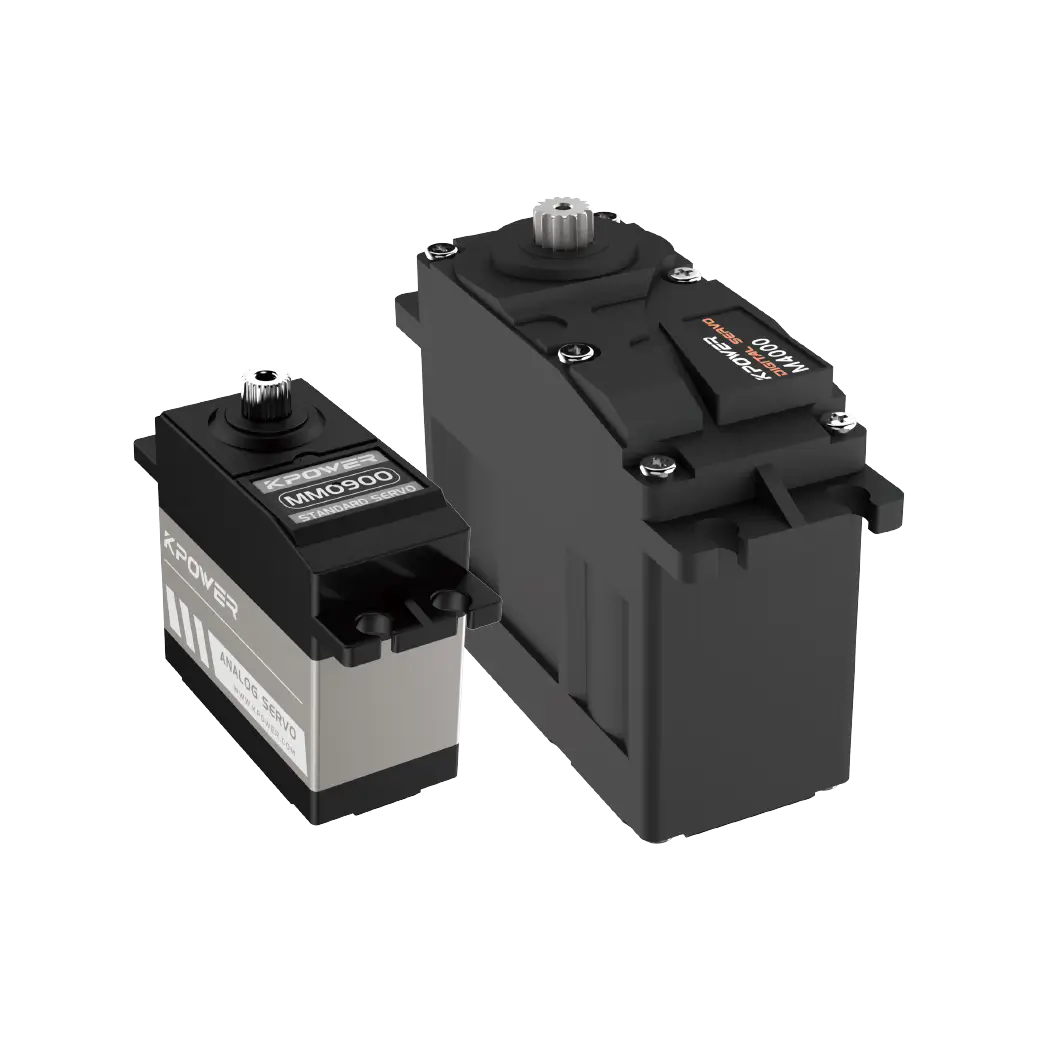
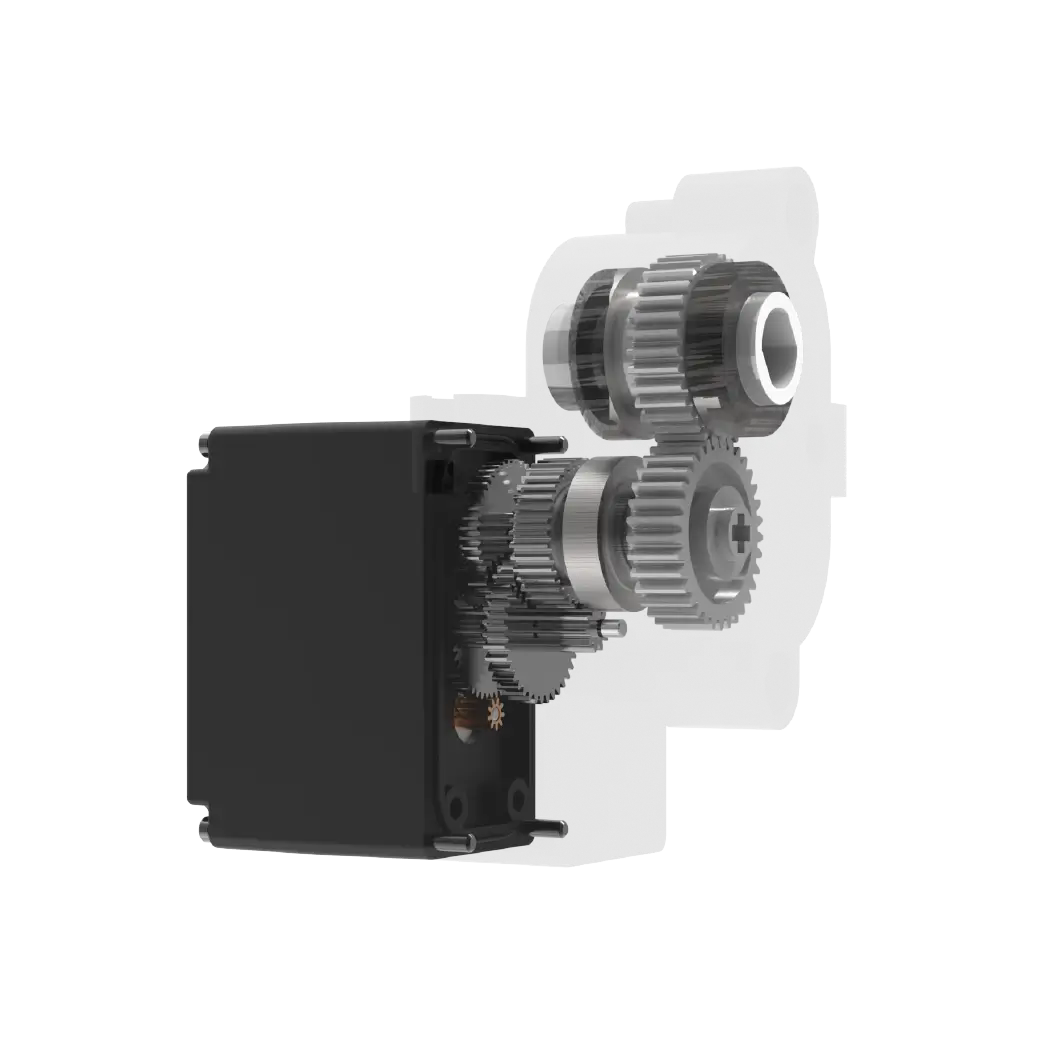
Q: Why should I care about metal gears? A: Plastic is fine for moving a paper flap. But the moment that arm hits an obstacle, plastic teeth strip like wet cardboard. Metal gears in a Kpower unit mean you can fail, crash, and bump into things without hearing that dreaded "grinding" sound that signifies the end of your motor’s life.
If you’re sitting there with a box of parts, here is how you move from "it's broken" to "it's alive":
There is a specific sound a good mechanical setup makes. It’s not a high-pitched whine; it’s a purposeful, robotic whir. When you mount a Kpower motor onto your chassis, you can feel the weight. It feels substantial.
I remember a project where we were trying to automate a small window blind. Every other motor we tried would eventually sag, leaving the blinds half-open. We switched to a high-torque Kpower model, and the problem vanished. It wasn't magic; it was just better engineering inside the casing.
Sometimes, we overthink the code. We spend hours trying to "smooth out" the movement in software when the real solution is just using a motor that isn't struggling to breathe.
Mechanical projects are rarely linear. You’ll find that as soon as you fix the motor, your frame might bend. Or your wires might get tangled. That’s the beauty of it. But having a reliable heart—the servo—means you aren't chasing ghosts. You know the motor is doing its job, so you can focus on the rest of the build.
If you are serious about your Arduino creations, stop treating the motors as an afterthought. They are the muscles of your machine. You wouldn't put lawnmower tires on a Ferrari, so don't put bottom-tier actuators on your custom-coded controller.
Kpower has become a name people trust because they don't cut those annoying corners that lead to 2 AM frustrations. It’s about getting it right the first time, so you can actually enjoy watching your creation move instead of hovering over the "off" switch in fear.
Grab your screwdriver. Wire it up. Let's see what you can make. Just make sure the muscles you’re giving your project are up to the task. Tighten those screws, check your grounds, and let the gears do the heavy lifting.
Established in 2005, Kpower has been dedicated to a professional compact motion unit manufacturer, headquartered in Dongguan, Guangdong Province, China. Leveraging innovations in modular drive technology, Kpower integrates high-performance motors, precision reducers, and multi-protocol control systems to provide efficient and customized smart drive system solutions. Kpower has delivered professional drive system solutions to over 500 enterprise clients globally with products covering various fields such as Smart Home Systems, Automatic Electronics, Robotics, Precision Agriculture, Drones, and Industrial Automation.
Update Time:2026-01-22

Contact Kpower's product specialist to recommend suitable motor or gearbox for your product.


