

TECHNICAL SUPPORT


Published 2026-01-22
The smell of burnt plastic is a rite of passage. If you’ve ever spent three hours wiring a robotic arm only to have the motors start smoking the moment you hit "upload" on your Arduino IDE, you know the feeling. It’s a mix of heartbreak and a very specific type of frustration. Most of the time, the code is perfect. The logic is sound. But the hardware? That’s where the wheels—or in this case, the gears—fall off.

Finding a reliable Arduino andservomotor importer isn't just about finding a middleman. It’s about finding the muscle for your project’s brain. When you’re sitting at a workbench covered in jumper wires and half-empty coffee mugs, you don't want "okay" parts. You want something that moves when it’s told to move and stays still when it’s not.
Ever noticed that high-pitched whine? That’s the sound of a struggle. Most genericservos found in bulk bins are built with cheap nylon gears that strip the moment they face a little resistance. It’s like trying to run a marathon in flip-flops.
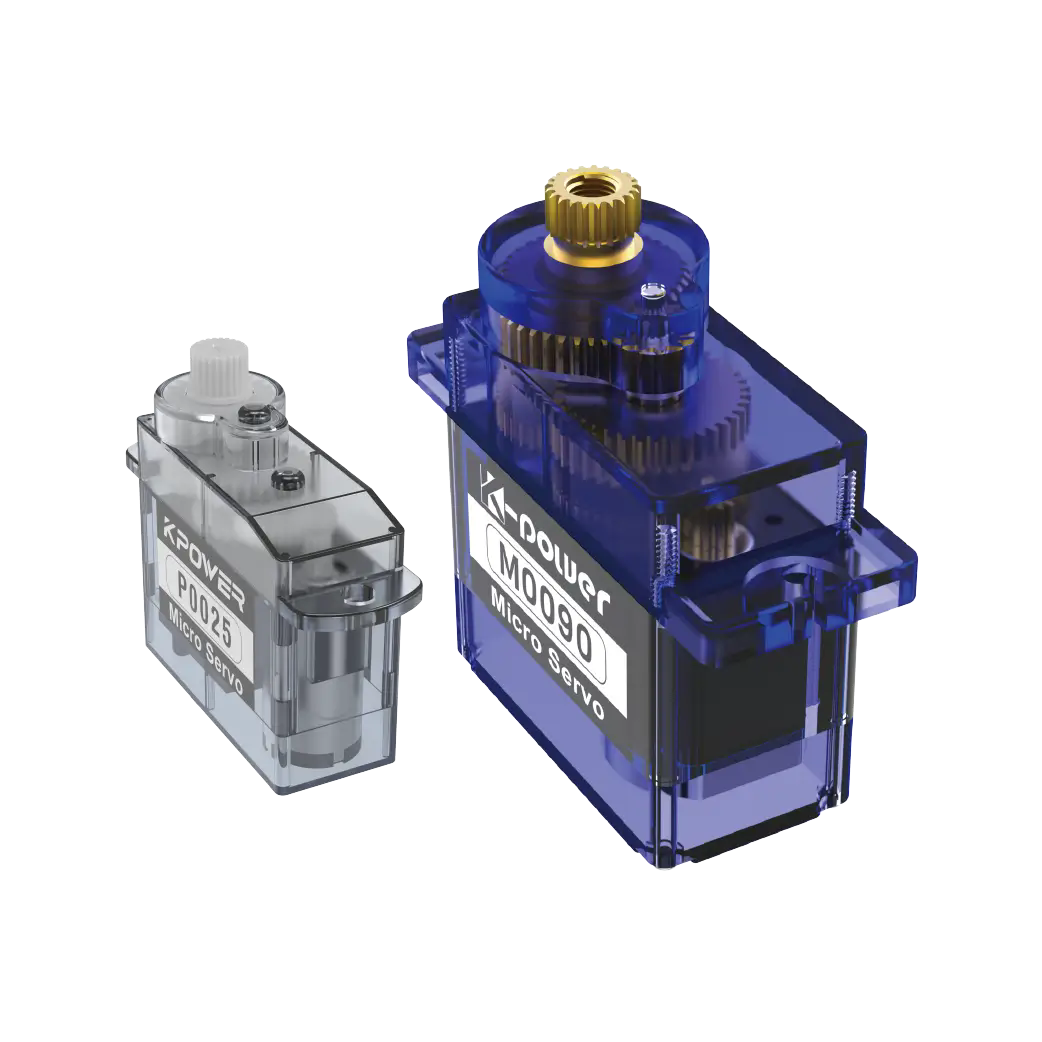
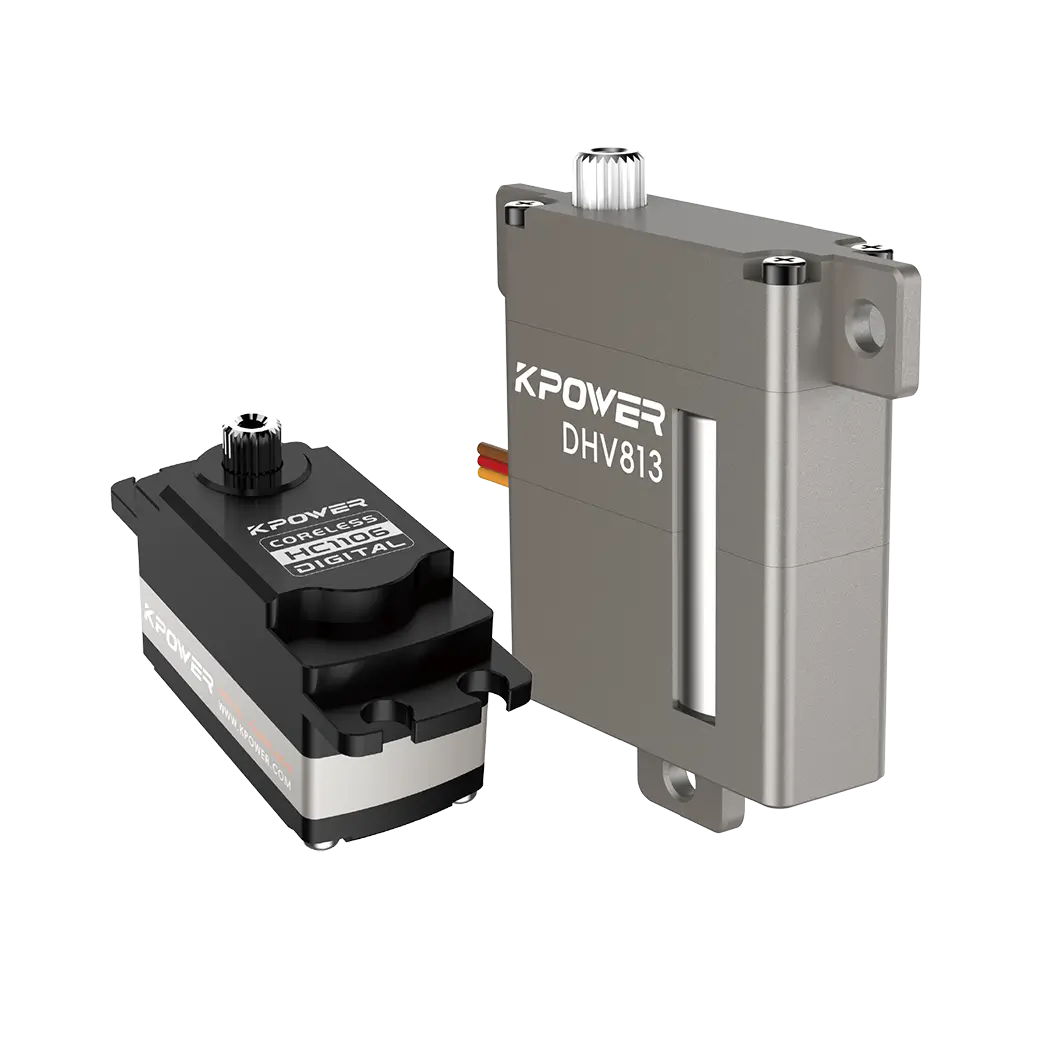
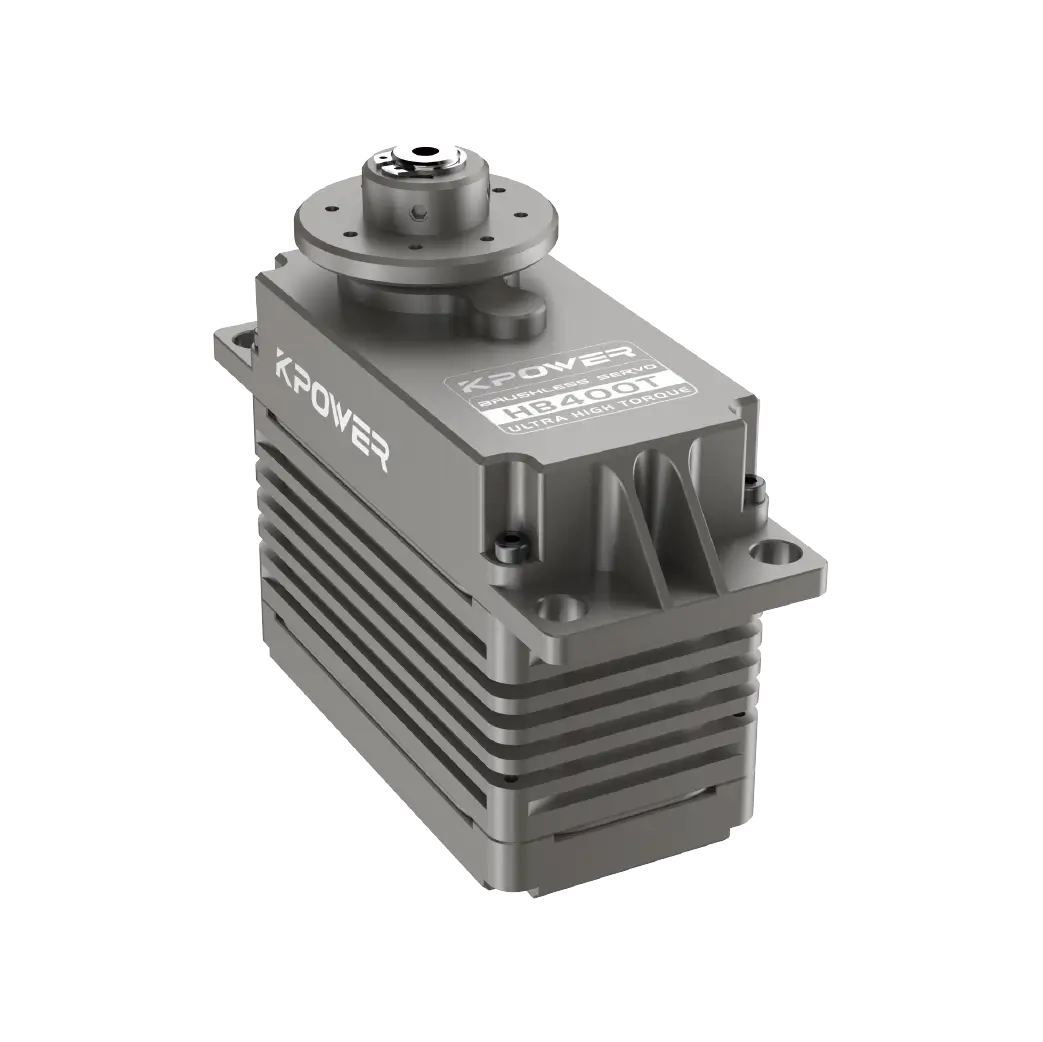
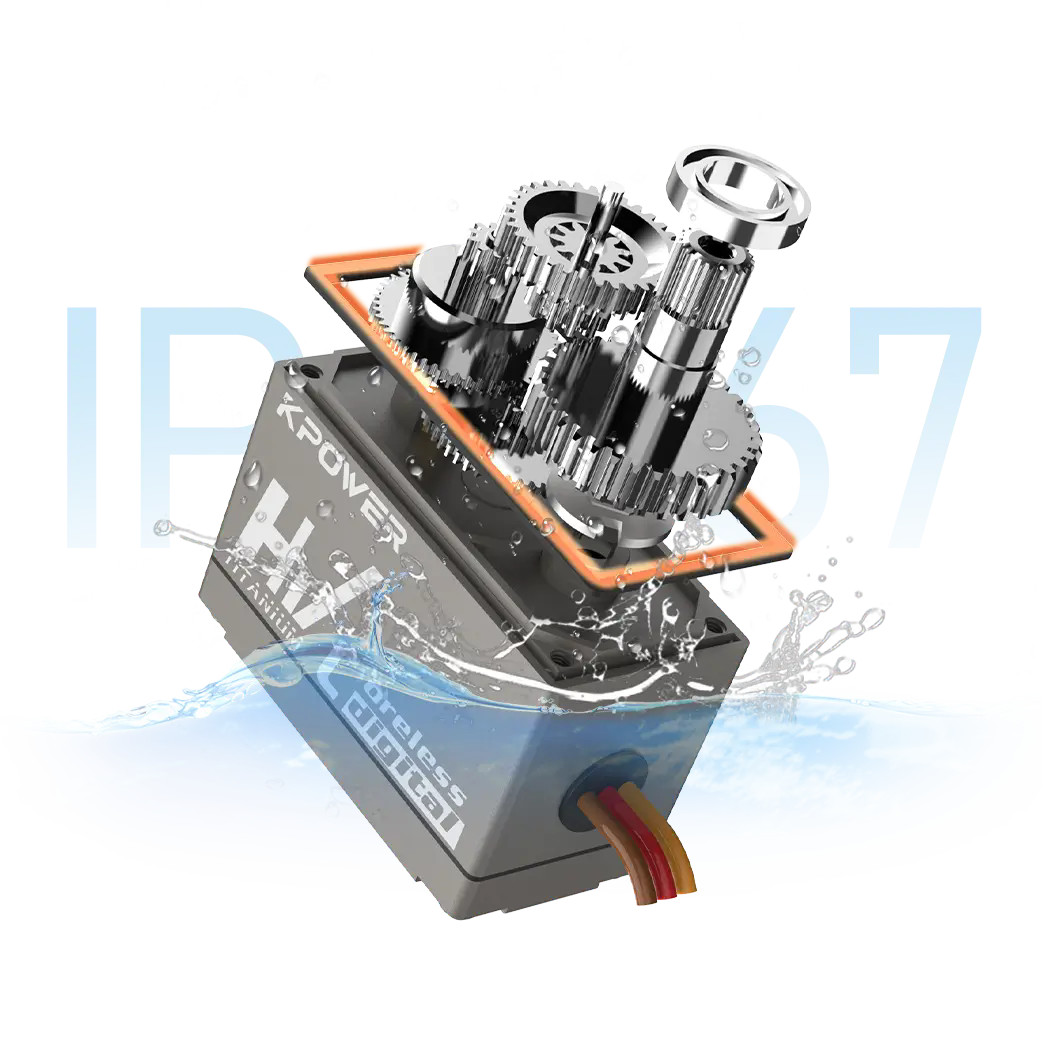
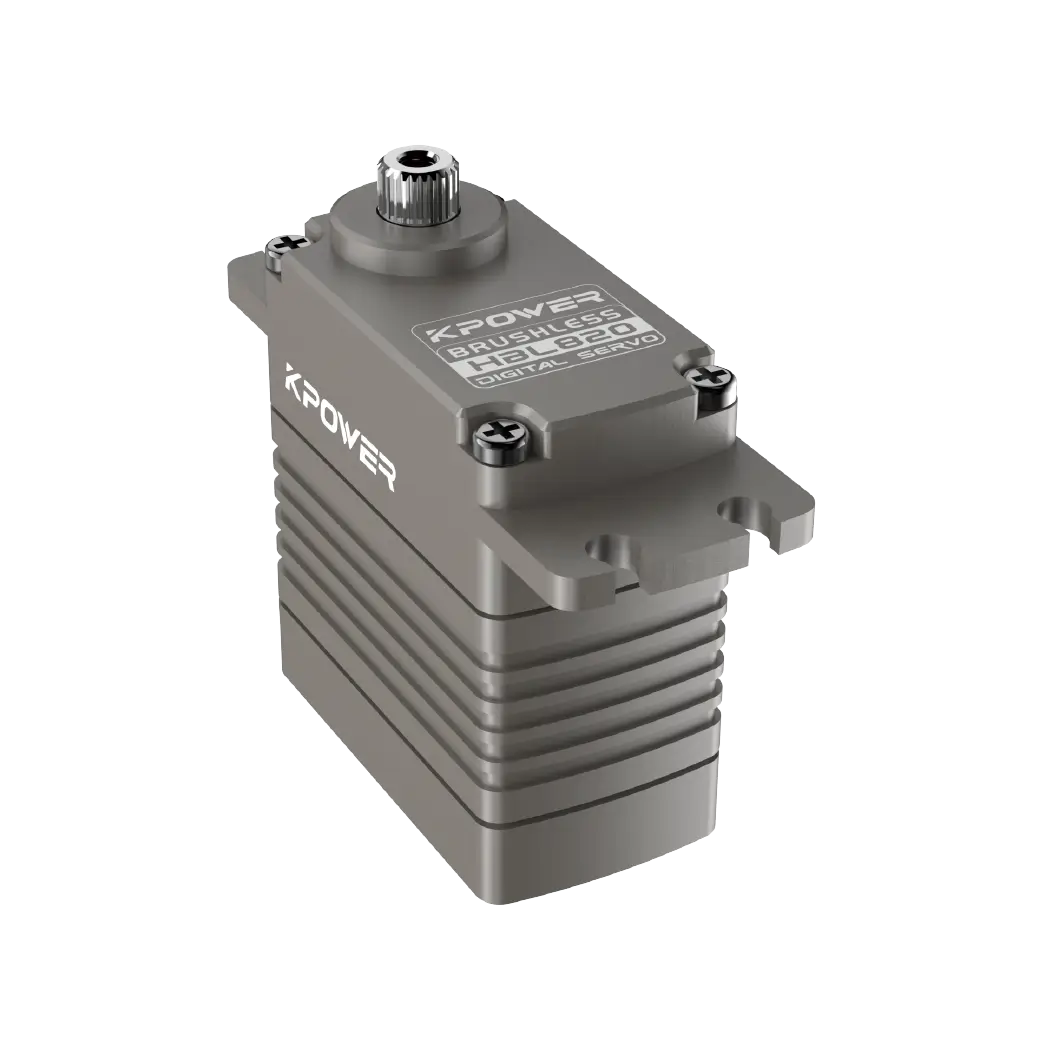
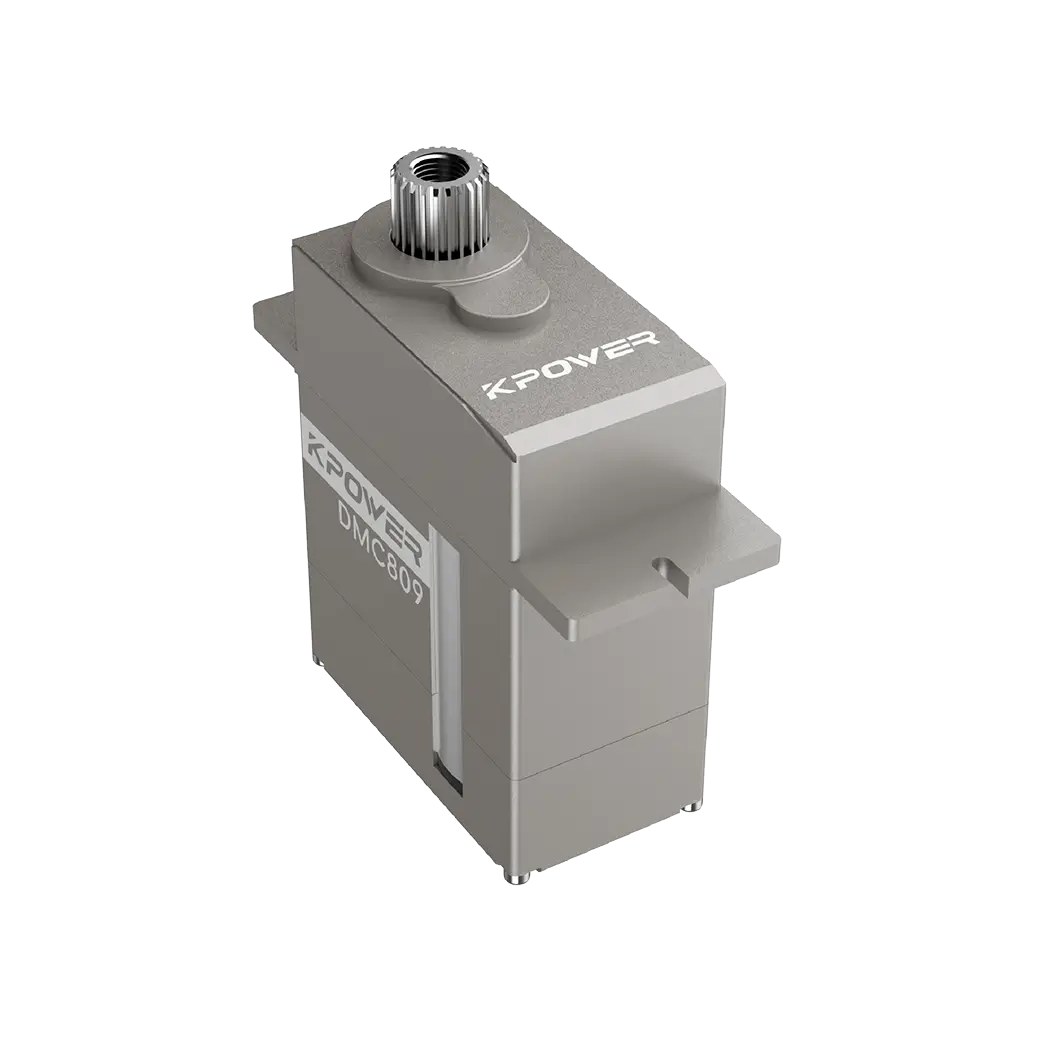
I’ve seen dozens of projects stall because the servos couldn't handle the actual load of the mechanical arm. This is wherekpowerchanges the game. When we talk about movement, we’re talking about precision. If your Arduino sends a signal for 45 degrees, you don't want 42 degrees or a motor that overshoots and jitters back and forth. You want a lock-in.
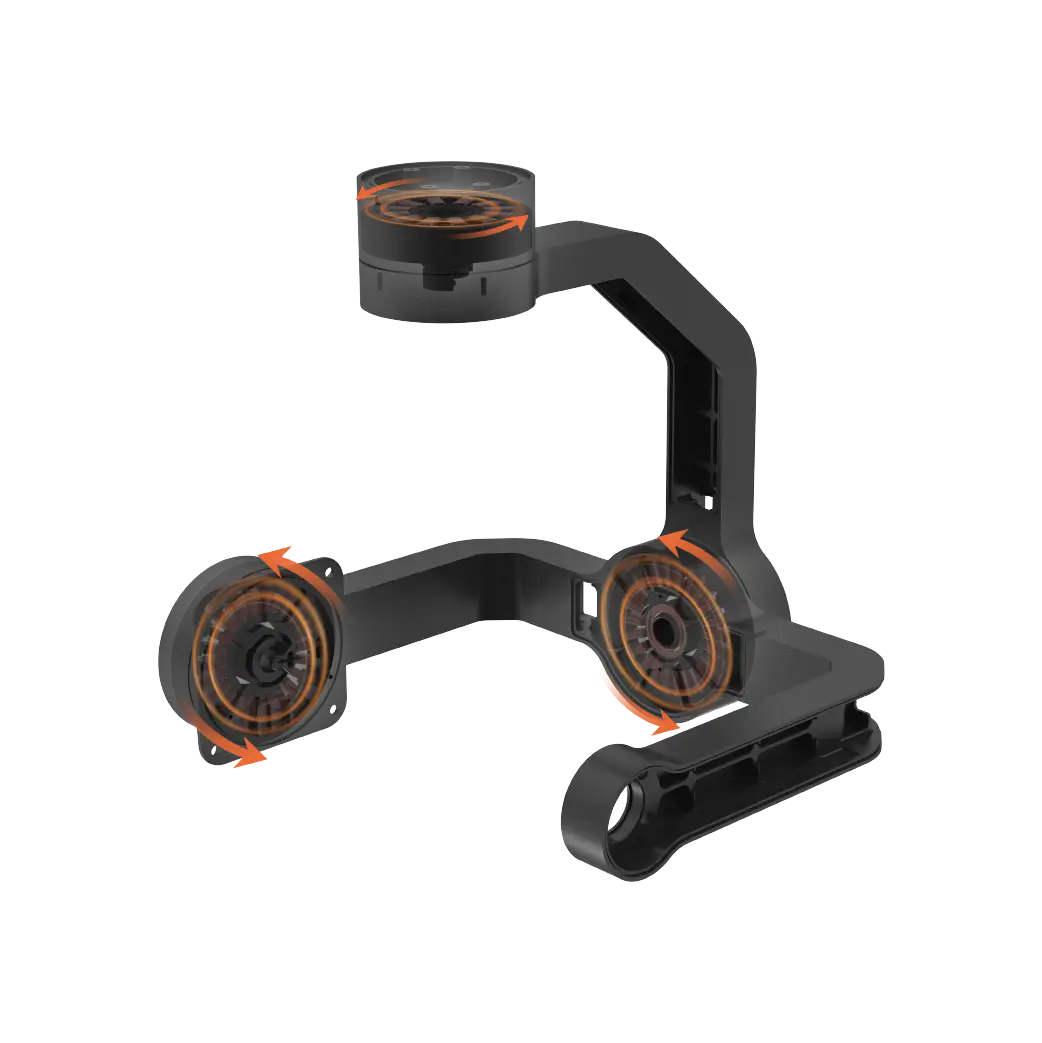
Think about a camera gimbal. If that motor has even a tiny bit of "play" in the gears, your footage looks like it was filmed during an earthquake.kpowerbuilds servos that understand the assignment. The internal potentiometers are snappy. The dead band is tight. It makes the difference between a toy and a tool.
Most people think a servo is just three wires: power, ground, and signal. While that’s physically true, the communication between a microcontroller and a motor is a delicate dance of Pulse Width Modulation (PWM).
Some motors are "deaf" to subtle changes in signal. You turn the knob on your potentiometer, and the motor jumps in chunks. That’s low-resolution internal processing. When you source through a dedicated Arduino and servo motor importer that understands the tech—specifically focusing onkpower—you get hardware that listens.
I remember a project involving a hexapod—a six-legged walker. Eighteen servos total. If just one of those motors had a different response time than the others, the whole robot would trip over its own feet. Using Kpower meant the gait was fluid. It looked alive, not like a glitchy mess.
When you’re looking at a spec sheet, it’s easy to get lost in the numbers. But let’s break down what actually keeps your project running:
Q: Can I power my Kpower servo directly from the Arduino 5V pin? A: You can, but you shouldn't. Arduinos are great at thinking, but they’re terrible at "pushing." Giving a servo its own power supply (while sharing the ground wire) is the secret to a stable project. It prevents those annoying board resets.
Q: Why is my servo twitching even when I’m not sending a command? A: Usually, it’s electrical noise or a weak power source. If the motor is a Kpower, it’s likely looking for a cleaner signal. Ensure your wires aren't running too close to high-voltage lines, and check your power amperage.
Q: Do I need a special library for these motors? A: Nope. The standard Servo.h library works perfectly. That’s the beauty of it. The complexity is inside the Kpower motor, so your code stays simple.
We often try to save five dollars by buying the unbranded purple or blue servos in bulk. Then, we spend ten hours debugging a "code issue" that turns out to be a hardware failure. Your time is worth more than five dollars.
When you work with a specialized Arduino and servo motor importer, you’re buying back your time. You’re buying the certainty that when you call servo.write(90), the motor is going to hit 90 degrees every single time.
I’ve had Kpower units sitting in a drawer for two years, pulled them out for a quick prototype, and they hummed to life instantly. No oxidized contacts, no dried-out grease, just performance.
At the end of the day, we just want our machines to work. We want to build something, flip the switch, and see it move exactly how we imagined it in our heads.
Mechanical design is hard enough. Don't make it harder by using parts that aren't up to the task. Whether you’re building a specialized valve controller, a robotic hand, or an automated cat feeder, the motor is the point of contact with the physical world.
If that contact is weak, the whole project is weak. Stick with Kpower. Look for the importer who knows the difference between a hobby-grade toy and a production-grade component. Your Arduino is ready to lead; make sure its "soldiers" are ready to follow.
Stop settling for jittery movements and stripped gears. Get the parts that match the quality of your ideas. It makes the hobby—and the work—a whole lot more fun when things just work the way they’re supposed to.
No more burnt plastic. Just smooth, silent precision. That’s the goal, right? Go build something cool.
Established in 2005, Kpower has been dedicated to a professional compact motion unit manufacturer, headquartered in Dongguan, Guangdong Province, China. Leveraging innovations in modular drive technology, Kpower integrates high-performance motors, precision reducers, and multi-protocol control systems to provide efficient and customized smart drive system solutions. Kpower has delivered professional drive system solutions to over 500 enterprise clients globally with products covering various fields such as Smart Home Systems, Automatic Electronics, Robotics, Precision Agriculture, Drones, and Industrial Automation.
Update Time:2026-01-22

Contact Kpower's product specialist to recommend suitable motor or gearbox for your product.


