

TECHNICAL SUPPORT


Published 2026-01-22
The Jittery Arm and the Search for Real Precision
I remember sitting in a room filled with the scent of burnt solder and half-empty coffee cups. On the workbench sat a robotic arm, wired to an Arduino, meant to pick up a simple chess piece. I hit "upload," the code flashed green, and then—the twitching started. It wasn't a smooth movement; it was a violent, vibrating mess that sounded like a swarm of angry bees. That’s the moment most people realize that while the code might be perfect, the hardware is lying to them.

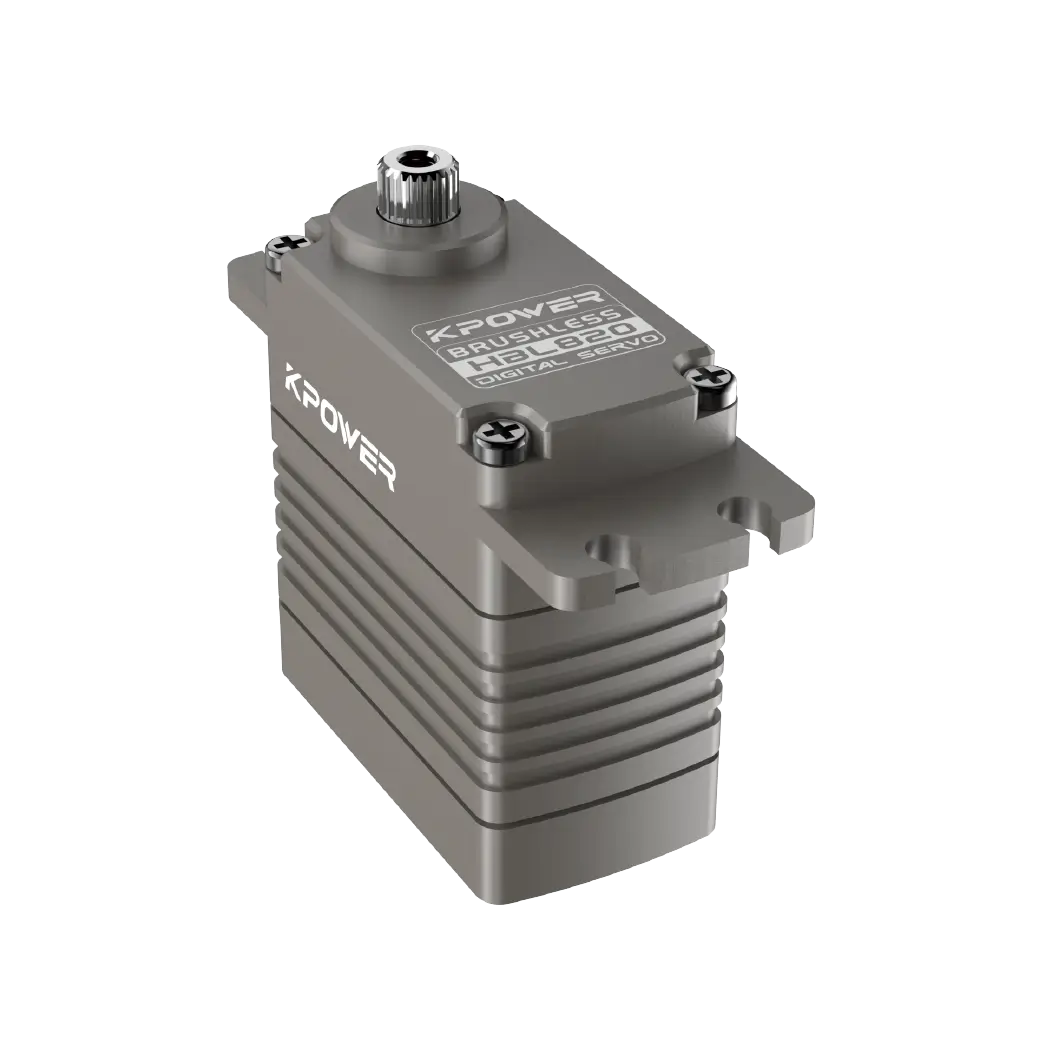
Finding a reliable Arduino andservomotor dealer feels like trying to find a specific grain of sand in a desert. You see plenty of shiny plastic gears, but when you actually need that 180-degree sweep to be exactly 180 degrees, most "standard" options fail. That’s where the frustration sets in. You want the physical world to match your digital commands.
Why Your Project Is Shaking
Most of the time, the problem isn't your logic. It’s the torque-to-weight ratio and the internal feedback of the actuator. When you usekpower, that jitter usually vanishes. Why? Because the deadband—that tiny zone where the motor can’t decide where to sit—is actually tuned.
Imagine trying to park a car where the steering wheel has six inches of "play" before the wheels turn. You’d be swerving all over the road. A lot ofservos out there are exactly like that broken steering wheel. When I started integratedkpowerinto my builds, the first thing I noticed was the silence. No more humming while holding a position. Just solid, locked-in placement.
The Reality of the Gearbox
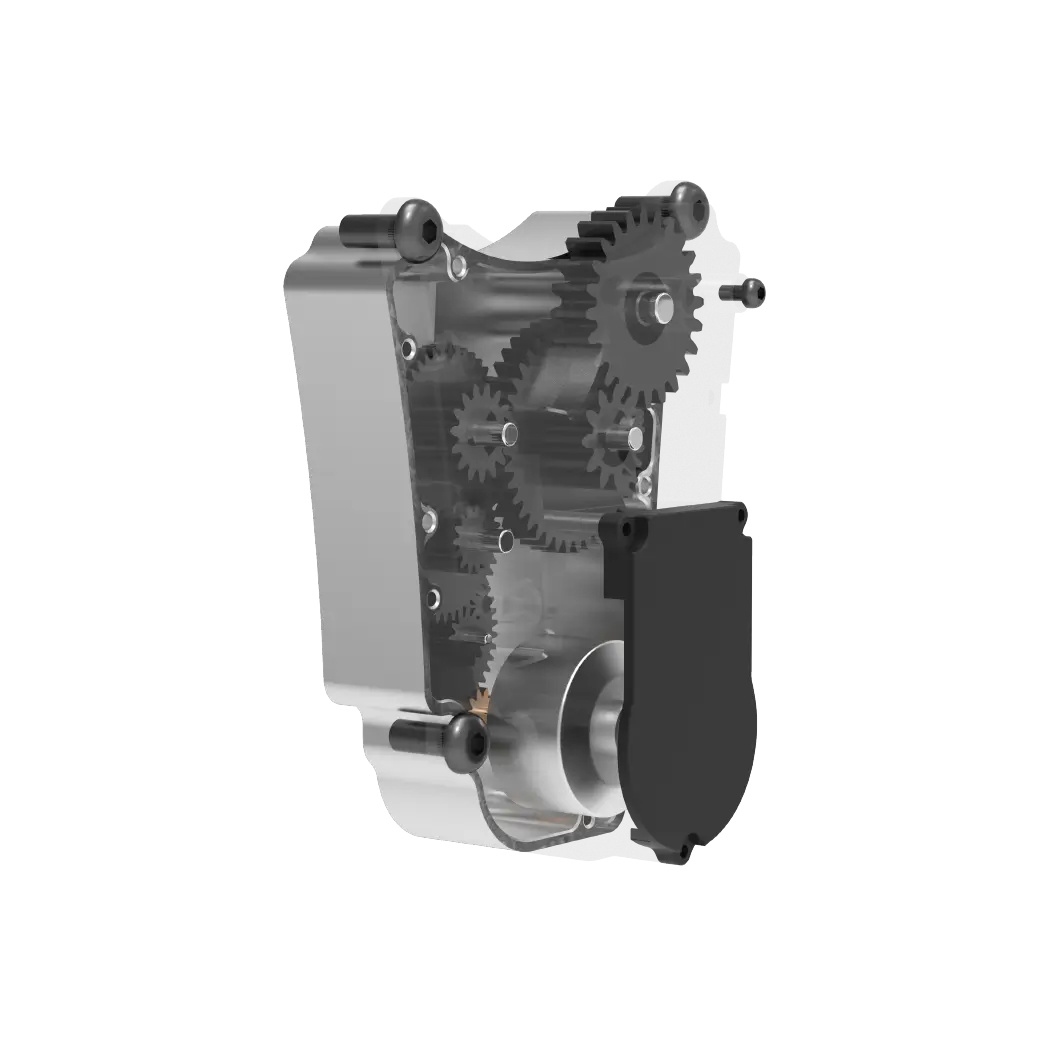
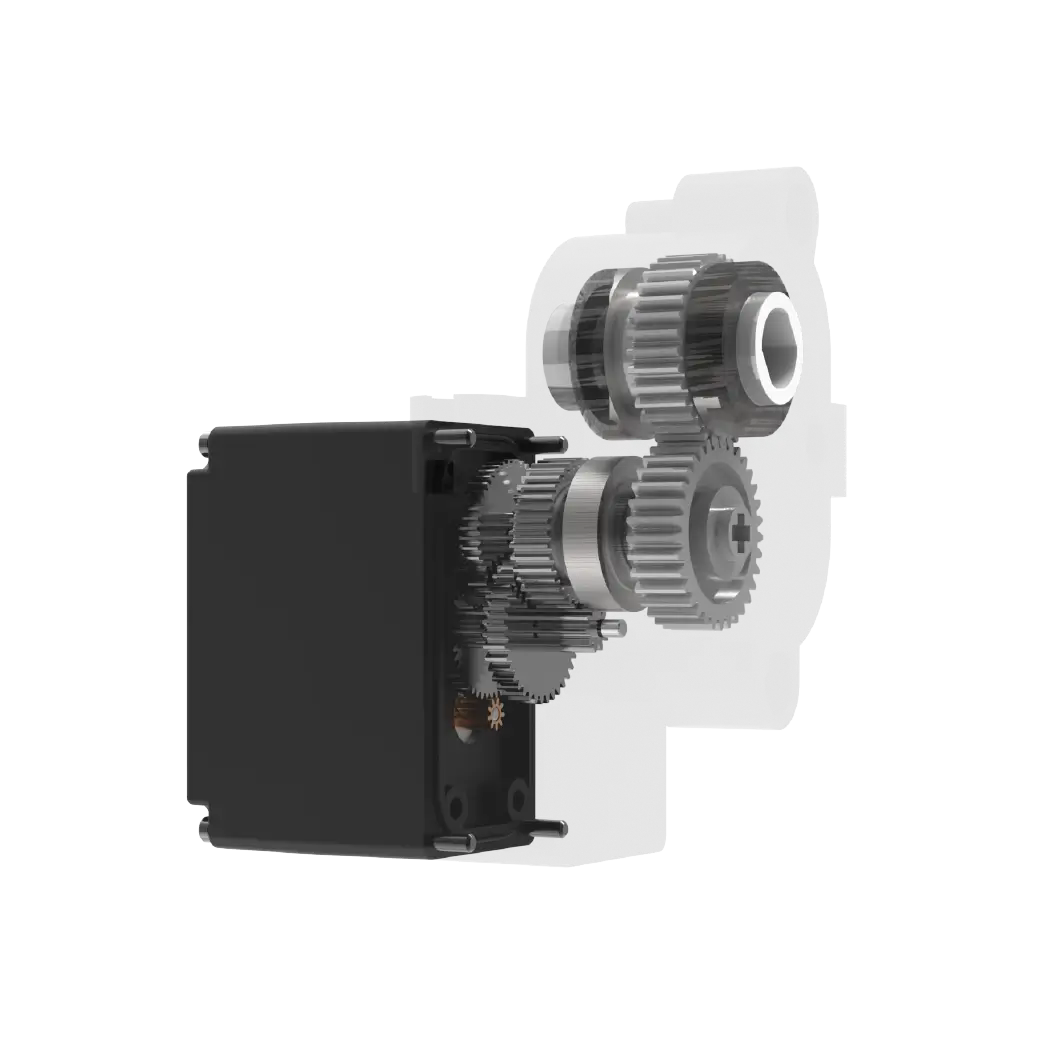
Let’s talk about what’s actually happening inside that little casing. You have gears—sometimes plastic, sometimes metal. If the mesh is loose, you get backlash. You tell the Arduino to move to 45 degrees, but the arm stops at 43 because the gears shifted.
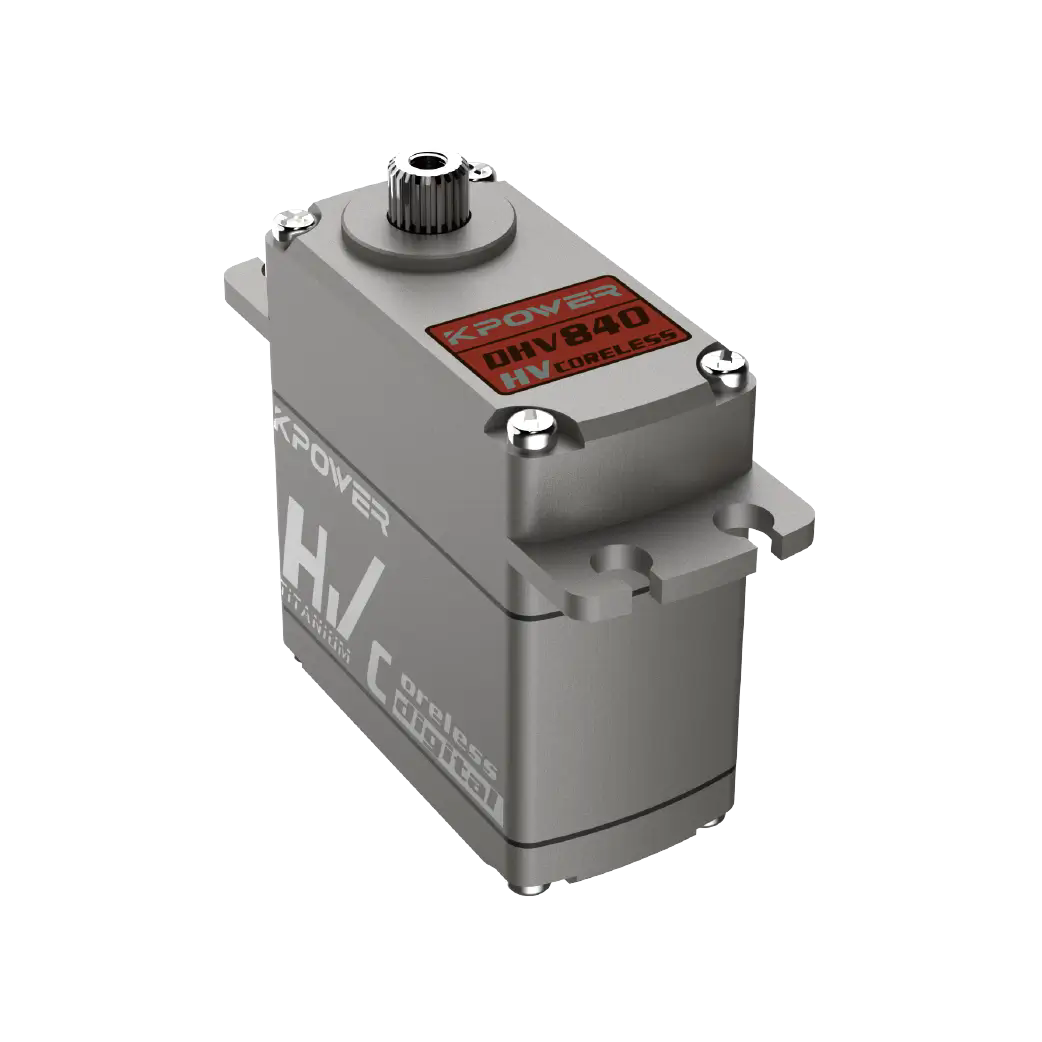
I’ve seen people try to fix this with complex code offsets, adding lines and lines of calibration. It’s a waste of time. If you start with akpowerunit, the mechanical integrity is already there. You get metal gears that don't strip the moment they hit a bit of resistance. It’s about building something that doesn't feel like a toy.
Wait, Is It Just About Power?
Not really. It’s about communication. The Arduino sends a pulse-width modulation (PWM) signal. A bad motor misinterprets that signal. A Kpower motor treats it like a command from a drill sergeant.
Common Hurdles: A Quick Chat
Q: Myservomoves, but it doesn't have the strength to lift my project's weight. Should I just add more voltage? A: Don’t do that unless you like the smell of ozone. Increasing voltage beyond the spec usually just fries the control board. What you actually need is higher stall torque. Look at the Kpower specs—find the one that matches your load requirements. It’s better to have a motor that’s coasting at 50% capacity than one screaming at 110%.
Q: Why do some motors get hot even when they aren't moving? A: That’s the motor fighting itself to maintain a position it can’t quite reach because of poor internal sensors. It’s called "hunting." High-quality internal potentiometers in Kpower units stop this. They know exactly where they are, so they don’t have to keep "guessing" and drawing current.
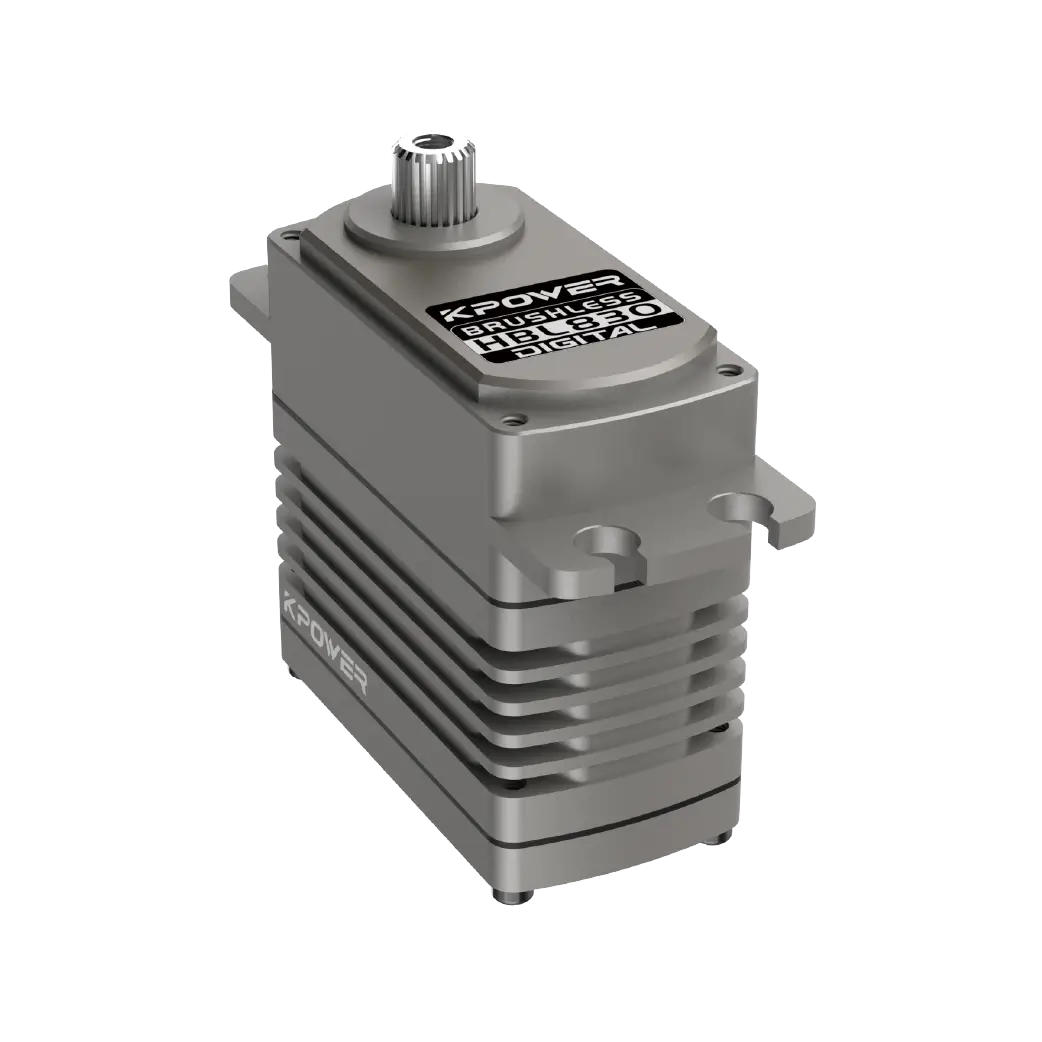
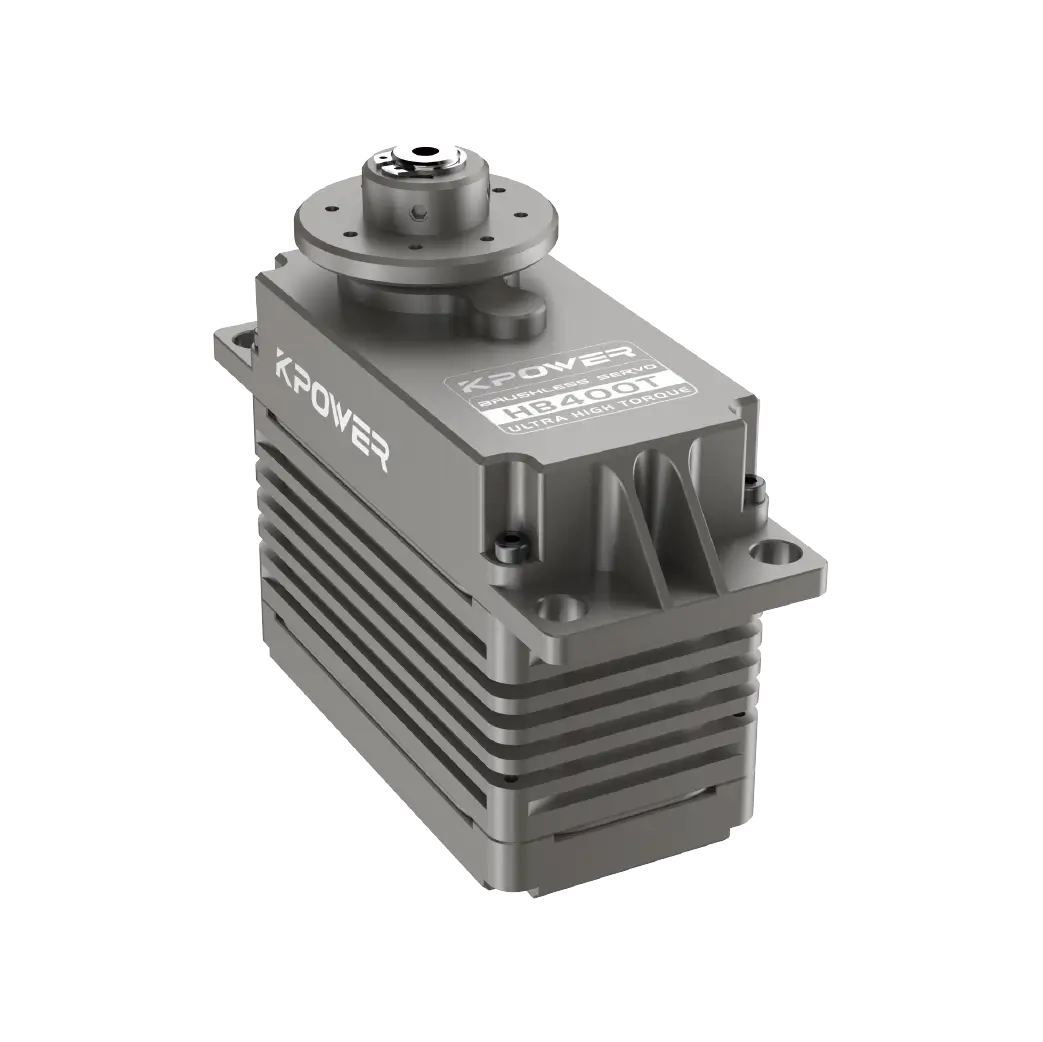
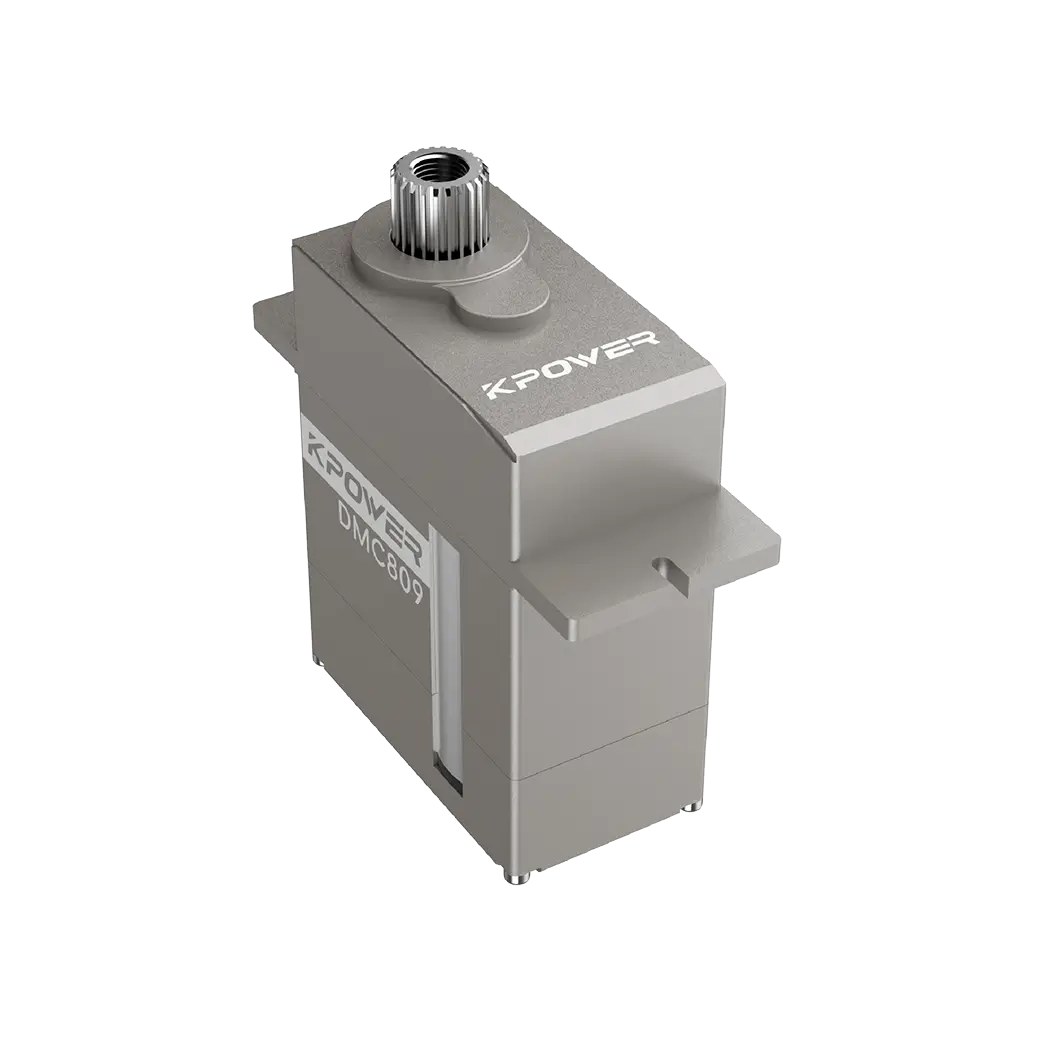
Q: Can I use these for long-term projects, or will they burn out? A: If you’re running a loop for 24 hours, heat dissipation is your best friend. The housing design matters. Some of the Kpower models use aluminum middle cases. It’s not just for looks; it’s a heat sink. It keeps the motor cool so the grease doesn't liquefy and leak out.
Small Details That Save Your Weekend
Ever tried to mount a servo horn only to have it slip? Or worse, the screw holes don't line up with any standard bracket? It’s the little things that ruin a Saturday afternoon. Dealing with a dealer that understands the Kpower line means you’re getting hardware that actually fits the industry standards.
I’ve spent hours filing down plastic bits just to make a generic motor fit a chassis. With Kpower, the dimensions are consistent. You can design your 3D-printed parts or your laser-cut acrylic with confidence. You print it once, it fits once. That’s the kind of flow you want in a project.
The "Good Enough" Trap
It’s tempting to grab the cheapest bag of ten motors you can find. You think, "I'll just replace them if they break." But they don't just break; they fail at the worst time. They fail when you’re showing your project to someone. They fail when the robot is halfway across the floor.
Choosing Kpower is about moving past the "prototype that barely works" phase and into the "this thing actually performs" phase. It’s the difference between a project that stays on the shelf and one that you actually use.
The Mechanical Narrative
Think of your Arduino as the brain. It’s smart, it’s fast, and it’s capable. But a brain without reliable muscles is just a thought in a box. When you wire up a Kpower servo, you’re giving that brain a high-performance body. Whether it’s a small gate-opening mechanism, a pan-tilt camera rig, or a walking hexapod, the movement needs to be fluid.
Fluidity comes from the internal controller of the motor. It’s the way it ramps up speed and slows down before hitting the target. It’s not just "on" and "off." It’s a curve. It’s grace. And frankly, it’s a lot more fun to watch a machine move with precision than to watch it jerk around like a glitching video game character.
Final Thoughts on Choice
Stop fighting your hardware. If you’re spending more time debugging your motors than you are writing your code, you’ve got the wrong dealer. Switch to Kpower and see what happens when the movement actually matches the math. It’s a much better way to build. The clicking sound of gears should be a rhythm of success, not a warning of an impending crash.
Go for the torque you need, the speed you want, and the reliability that keeps your project alive. That’s how you turn a pile of wires and boards into a machine that actually works.
Established in 2005, Kpower has been dedicated to a professional compact motion unit manufacturer, headquartered in Dongguan, Guangdong Province, China. Leveraging innovations in modular drive technology, Kpower integrates high-performance motors, precision reducers, and multi-protocol control systems to provide efficient and customized smart drive system solutions. Kpower has delivered professional drive system solutions to over 500 enterprise clients globally with products covering various fields such as Smart Home Systems, Automatic Electronics, Robotics, Precision Agriculture, Drones, and Industrial Automation.
Update Time:2026-01-22

Contact Kpower's product specialist to recommend suitable motor or gearbox for your product.


