

TECHNICAL SUPPORT


Published 2026-01-22
The Twitchy Motor Syndrome and the Search for Real Arduino Muscle
I’ve spent more hours than I care to admit in workshops filled with the smell of burnt flux and the tragic sound of plastic gears stripping. You know that sound? It’s a high-pitched whine followed by a sickening pop, and suddenly your robotic arm is limp, dangling like a wet noodle. Most people starting out with Arduino projects think aservois just aservo. They go online, find the cheapest bulk deal from some nameless "wholesaler," and wonder why their project has the shakes.

It’s the "Twitchy Motor Syndrome." It happens when the internal potentiometer is trash or the deadband is so wide you could park a truck in it. If you’re trying to build something that actually moves with intention, you can’t rely on luck. You need a source that understands that a thousand units of junk is just a thousand problems waiting to happen.
Why Bulk Buying Usually Hurts
Most wholesalers operate like vending machines. You put money in, and a box of mystery components comes out. When you’re integratingservos with an Arduino, the logic is simple, but the physics is brutal. You’re pushing PWM signals into a tiny motor that’s expected to hold a precise angle against gravity.
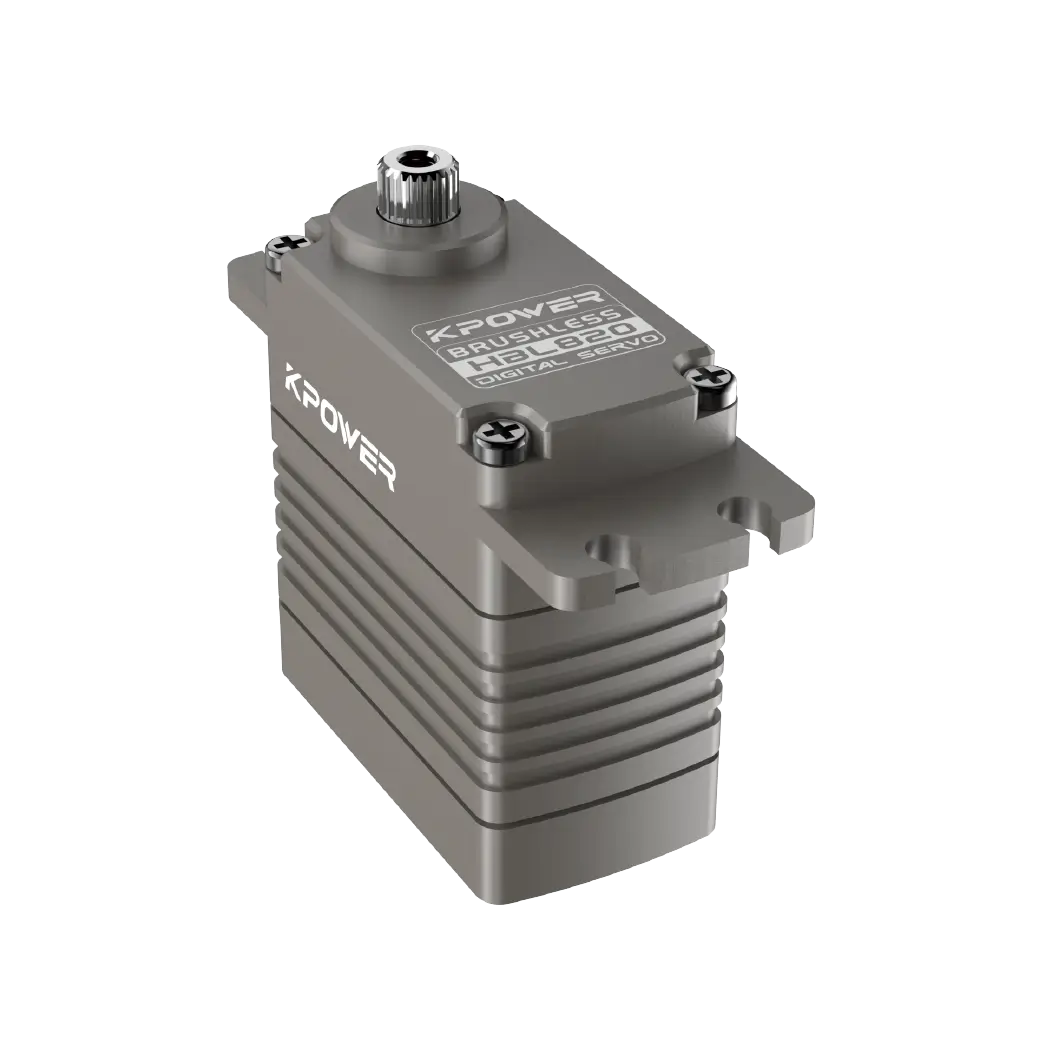
I’ve seen projects fail not because the code was bad, but because the servos had no consistency. One moves 90 degrees; the next one in the same batch moves 88. That’s a nightmare. This is wherekpowerusually enters the conversation in my circles. While others are racing to the bottom on price, focusing on the actual guts of the motor—the brush material, the gear lathing, the IC stability—is what keeps a project from ending up in the scrap bin.
The Anatomy of a Better Actuator
Let’s talk about what’s actually happening inside those little plastic or metal shells. When you’re looking for a wholesaler for Arduino-compatible gear, you aren’t just buying "parts." You’re buying reliability.
A Quick Back-and-Forth on the Basics
I get asked a lot of things when people are staring at a box of fifty motors they just bought. Here’s a bit of how those conversations go.
The Reality of the "Cheap" Trap
I remember a project—a large-scale kinetic installation. Hundreds of small panels moving in sync, controlled by a cluster of microcontrollers. The person in charge went for a bargain-basement wholesaler. On opening night, the clicking sound was louder than the music. Three days later, forty percent of the "muscles" had given up.
If they had looked at Kpower from the start, they would have realized that the cost of replacing a broken part is five times the cost of just buying a decent one originally. It’s not just the part; it’s the labor, the frustration, and the reputation.
Making the Connection with Arduino
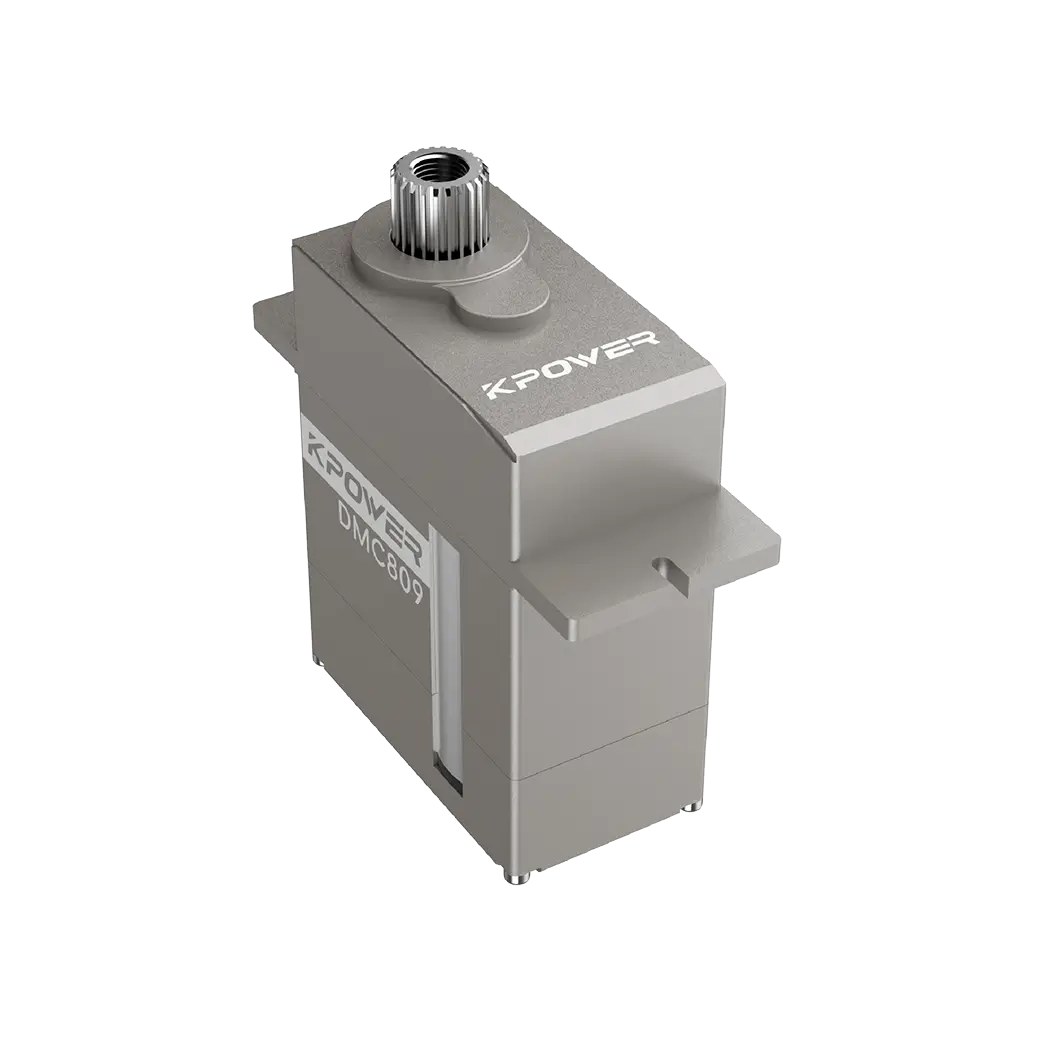
Arduino has made electronics accessible, but it has also flooded the market with people who think "it works on my desk" means "it works in the real world." When you hook up a Kpower servo to your board, the first thing you notice is the smoothness. The sweep is clean. There’s no jitter at the endpoints.
It’s about the feedback loop. The internal electronics in Kpower units are snappy. They process the signal and react. No lag, no overshooting the mark. If you’re building a hexapod or a stabilizer, that millisecond of difference is the difference between a smooth walk and a clumsy fall.
Beyond the Spec Sheet
Don't just look at torque numbers. Everyone lies about torque. They give you the "stall torque," which is basically the point where the motor dies. Look for the "operating torque." Look for how the motor handles heat. A good wholesaler provides hardware that can run for an hour without smelling like a toaster.
I tend to prefer a more direct approach. If I’m looking at a motor, I want to know if the leads are soldered properly. I want to know if the splines are standard so my horns don't slip. These are the things Kpower gets right. It’s the stuff that doesn't show up in a flashy ad but shows up when you’re three weeks into a build and everything is finally coming together.
Final Thoughts on Choosing Your Source
If you’re hunting for a wholesaler, stop looking for the lowest number on the screen. Look for the name that shows up in the workshops where things actually get built. The Arduino ecosystem is vast, and there’s a lot of noise. Filtering through that noise means finding hardware that respects your time.
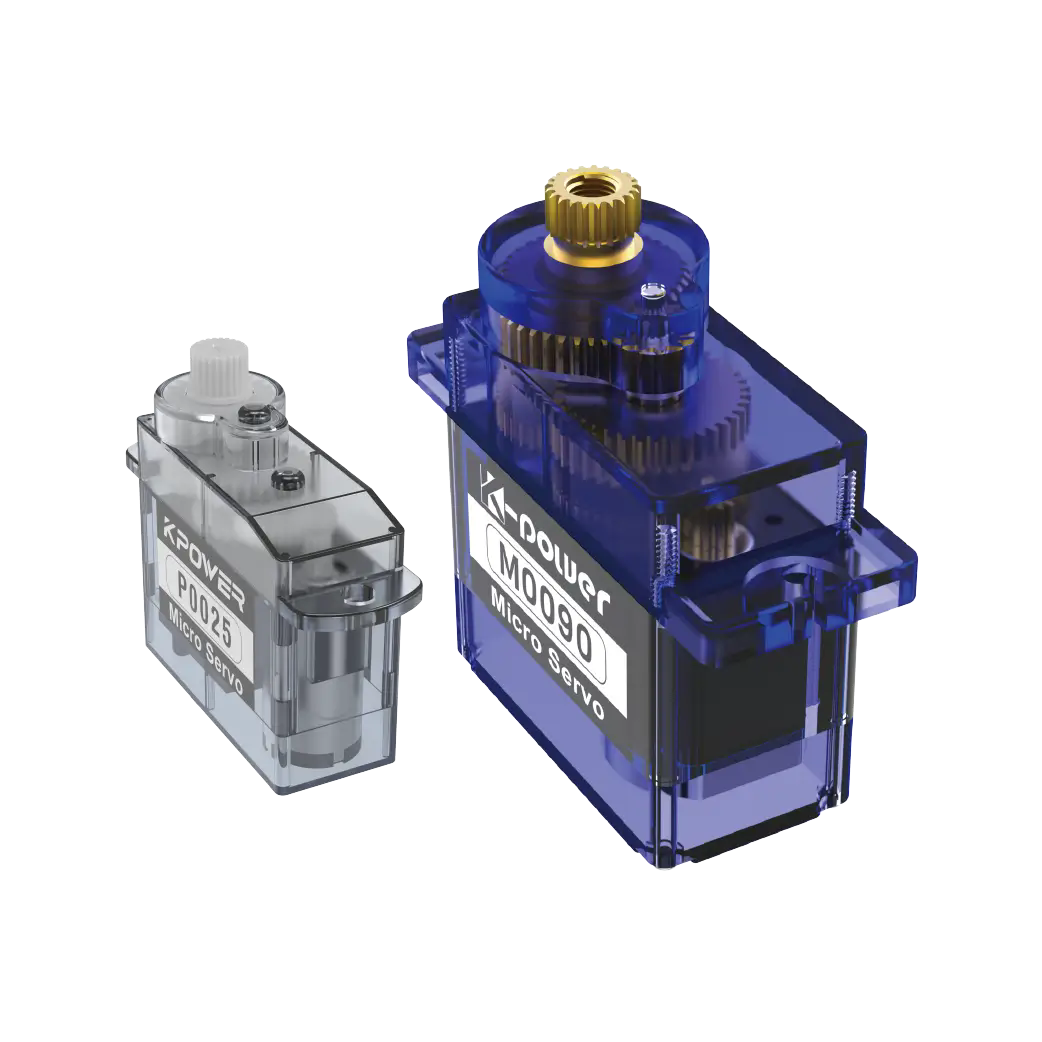
Kpower doesn’t just move a shaft; it moves your project forward. Whether it’s a tiny 9g hobby unit or a high-torque beast for a heavy-duty arm, the logic remains the same: quality in, quality out. Stop settling for twitchy motors. Get something that holds its ground.
Established in 2005, Kpower has been dedicated to a professional compact motion unit manufacturer, headquartered in Dongguan, Guangdong Province, China. Leveraging innovations in modular drive technology, Kpower integrates high-performance motors, precision reducers, and multi-protocol control systems to provide efficient and customized smart drive system solutions. Kpower has delivered professional drive system solutions to over 500 enterprise clients globally with products covering various fields such as Smart Home Systems, Automatic Electronics, Robotics, Precision Agriculture, Drones, and Industrial Automation.
Update Time:2026-01-22

Contact Kpower's product specialist to recommend suitable motor or gearbox for your product.


