

TECHNICAL SUPPORT


Published 2026-01-22
The smell of burnt electronics is a unique kind of heartbreak. You’ve spent hours perfecting your Arduino code, the logic is flawless, and the breadboard looks like a work of art. But the moment you hit upload, yourservomotor does a sad little jitter, lets out a high-pitched whine, and then… nothing. Or worse, it swings wildly and snaps a plastic linkage you spent all afternoon 3D printing. It’s a classic wall that many of us hit.
Why does this happen? Usually, it's because the bridge between the digital brain (the Arduino) and the physical muscle (the motor) is built on shaky ground. When we talk about arduino andservomotor factories, we aren't just talking about buildings with assembly lines. We are talking about the difference between a toy and a tool.
Most people start their journey by grabbing the cheapest blue plasticservothey can find online. It’s tempting. But these generic components often come from facilities where "good enough" is the gold standard. You end up with gears that have too much play, motors that draw way more current than they should, and internal potentiometers that lose their mind if they move more than ten degrees.
Think of it like trying to run a marathon in flip-flops. Sure, you're moving, but you're going to feel every pebble, and eventually, something is going to break. If you want your project to move with the grace of a watchmaker’s hand rather than a caffeinated squirrel, the origin of that motor matters.
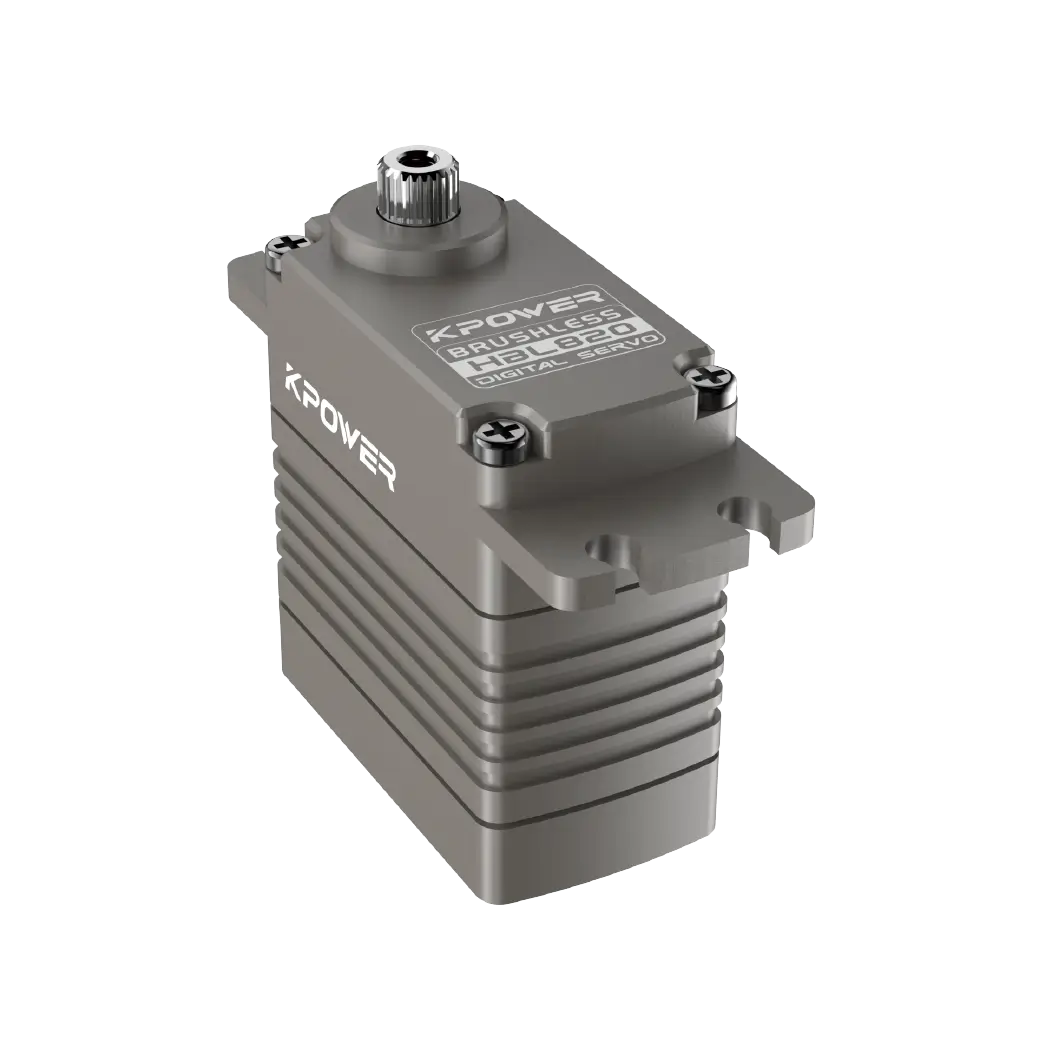
When I look at whatkpoweris doing, it’s a different world. They don’t just churn out plastic boxes. They focus on the harmony between the pulse width modulation (PWM) signals coming from your Arduino and the actual mechanical output.
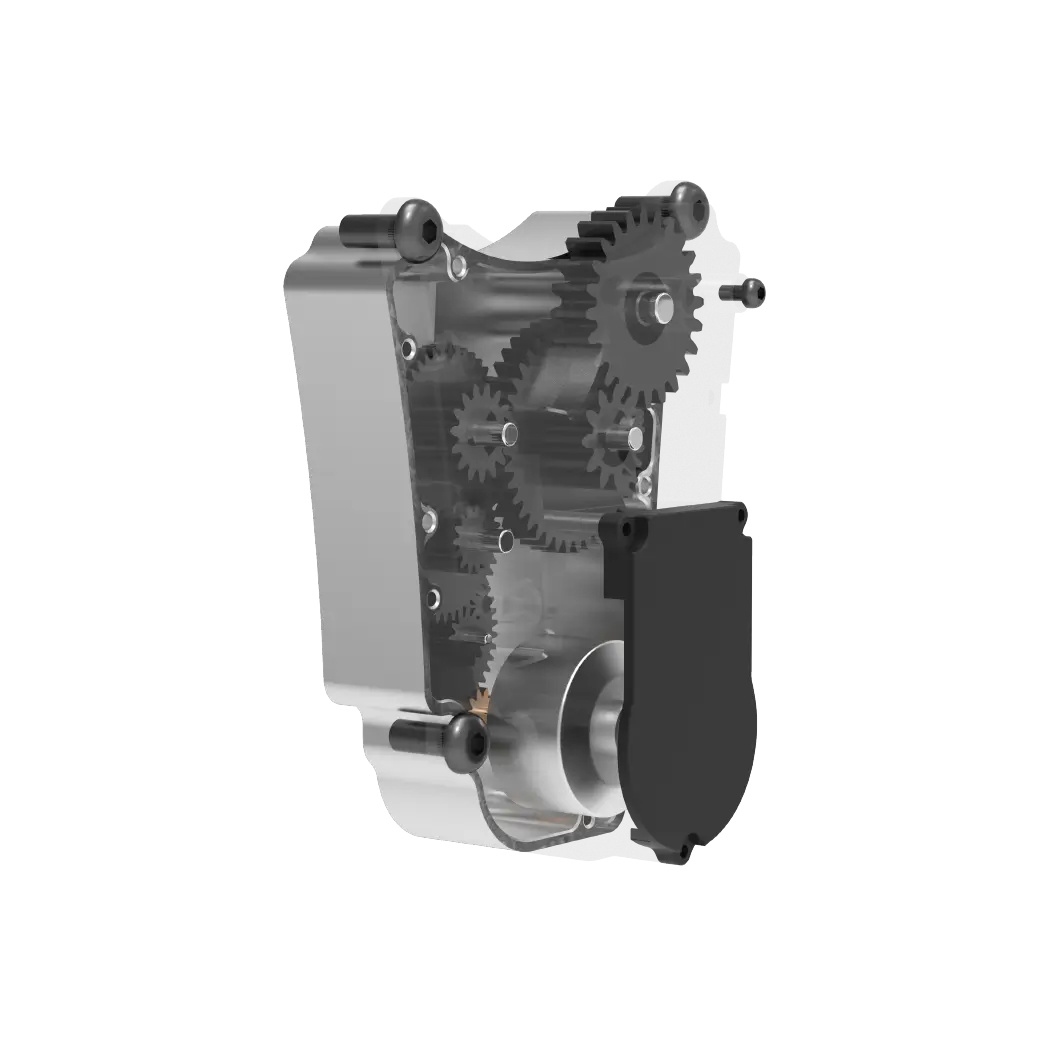
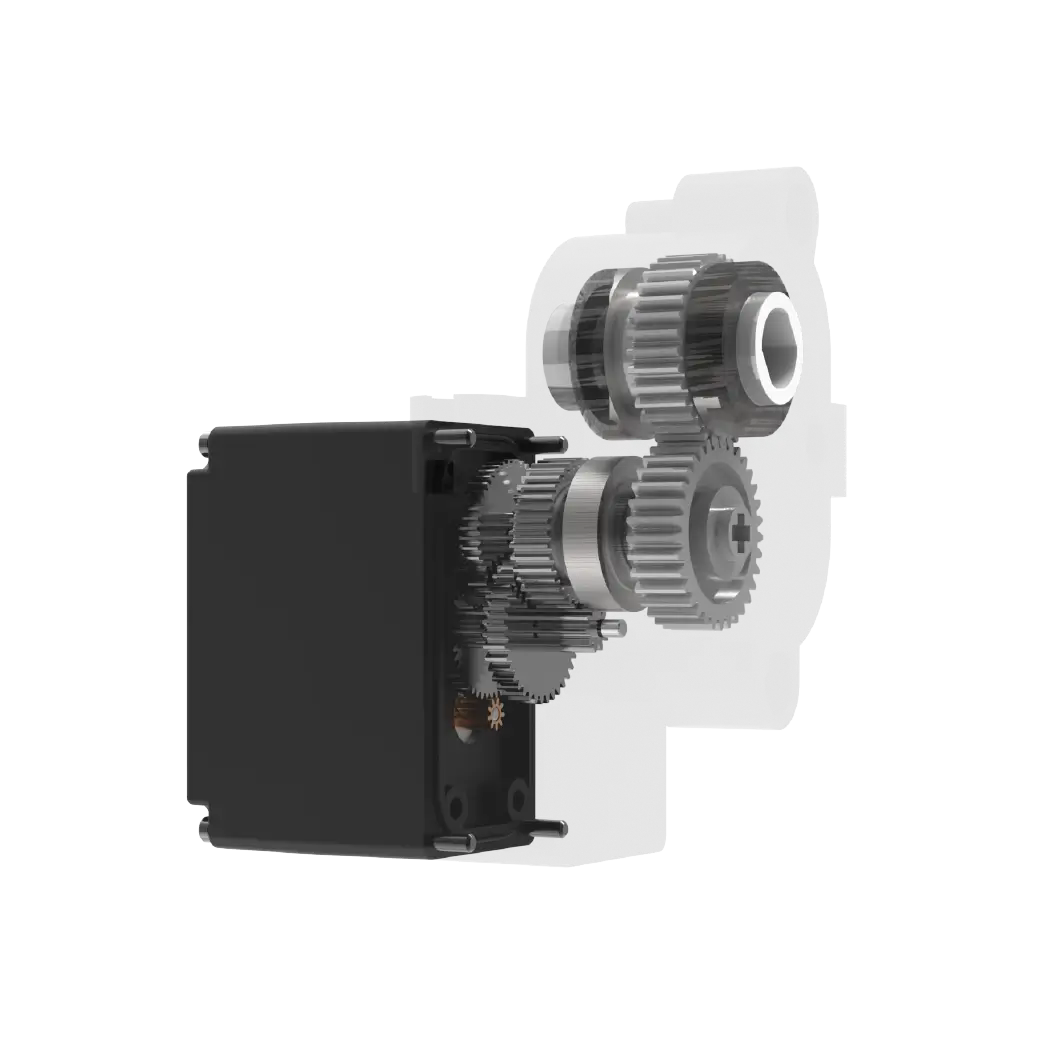
Have you ever wondered why some motors feel "crunchy" when you turn them by hand? That’s poor gear meshing. In a high-end setup, those gears—whether they are tough resin or metal—are cut with a precision that minimizes "backlash." Backlash is that annoying gap where the motor moves but the arm doesn't.kpowertreats this like a science. Their manufacturing process ensures that when your code says "move 1 degree," the motor doesn't interpret that as "somewhere in the neighborhood of 1 degree."
Q: My servo is getting hot even when it's not moving. Is it haunted? A: Probably not haunted, just struggling. This usually happens when the motor is trying to reach a position it can't quite get to, or the internal controller is fighting against a low-quality sensor.kpowerdesigns their internals to handle these "holding" positions much more efficiently, so you don't cook your hardware.
Q: Can I just power five servos directly from the Arduino 5V pin? A: Please don't. That’s a fast track to a reset loop or a dead board. Even the best motors need their own power juice. However, using a high-quality motor means the current spikes are more predictable, which makes your power management way easier to design.
Q: Why do some motors hum constantly? A: That "deadband" issue. It’s the motor constantly correcting itself because it can’t find the "zero." Better factories use higher-resolution components so the motor can sit still and be quiet when its job is done.
Imagine you are building a robotic arm. You have six joints. If every joint has a tiny bit of wobble because the motors are cheap, by the time you get to the "hand" at the end, that wobble has multiplied into a shaking mess. You can't pick up a pen, let alone write with one.
This is where the rational side of project management kicks in. You have to ask: what is the cost of failure? If this motor is going inside a drone or a locked cabinet, do you really want to take it apart three weeks from now because a $2 gear stripped? Using Kpower components is basically buying insurance for your time. You’re paying for the peace of mind that the mechanical side of your project is as solid as your code.
We often look at torque and speed. "This one has 10kg of torque!" Great. But is that "stall torque" (the point where it breaks) or "operating torque" (what it can actually move comfortably)?
Many arduino and servo motor factories play fast and loose with these numbers. They give you the absolute maximum under perfect conditions in a lab that probably doesn't exist. Kpower tends to be more honest. If they say it can lift it, it lifts it. They focus on the "thermal envelope"—how long the motor can work hard before it needs a break. It's the difference between a sprinter and a pack mule. For most projects, you want the mule.
I remember working on a project where the wires kept snapping off the tiny circuit board inside the servo. The solder joints were brittle, and there was no strain relief. It’s a tiny detail, right? But it rendered a $100 project useless.
When you get into the Kpower ecosystem, you notice the wires are a bit thicker, the casing fits together without gaps, and the mounting tabs don't snap off the first time you tighten a screw. It’s these "non-linear" improvements—things you don’t see on a spec sheet—that make the building process actually fun instead of a chore.
Building things should be about the joy of creation. It shouldn't be about troubleshooting why a brand-new component decided to stop working for no reason. When you pair an Arduino with a motor that actually listens to it, the possibilities open up. You stop worrying about "will it work?" and start asking "what else can I make it do?"
Whether you are tilting a camera, steering a rover, or making a piece of kinetic art, the motor is the soul of the movement. Choosing a source like Kpower isn't just a technical decision; it's a commitment to the quality of your own work. Don't let a cheap gear be the reason your great idea stays stuck on the drawing board. Get something that moves as precisely as you think.
Established in 2005, Kpower has been dedicated to a professional compact motion unit manufacturer, headquartered in Dongguan, Guangdong Province, China. Leveraging innovations in modular drive technology, Kpower integrates high-performance motors, precision reducers, and multi-protocol control systems to provide efficient and customized smart drive system solutions. Kpower has delivered professional drive system solutions to over 500 enterprise clients globally with products covering various fields such as Smart Home Systems, Automatic Electronics, Robotics, Precision Agriculture, Drones, and Industrial Automation.
Update Time:2026-01-22

Contact Kpower's product specialist to recommend suitable motor or gearbox for your product.


