

TECHNICAL SUPPORT


Published 2026-01-22
The workbench is a mess. Tangled jumper wires look like colorful spaghetti, and that familiar smell of slightly overheated electronics hangs in the air. You’ve been there—staring at a robotic arm that’s supposed to pick up a pen but instead decides to punch the table. It’s a classic. You code the perfect loop on your Arduino, hit upload, and then the hardware decides to throw a tantrum. It’s rarely the code. Usually, it’s the motor.
Why do so many projects fail at the last inch? You get these cheap, namelessservos that look fine on a website, but the moment you demand a precise 45-degree turn, they start shaking like they’ve had way too much caffeine. This jitter isn't just annoying; it ruins the mechanical integrity of whatever you are building. If the motor can't hold a position, your project is basically a very expensive vibrating toy.
The problem often lies in the gut of the motor. Manufacturing isn't just about putting gears in a box. It’s about the deadband—that tiny range of signal where the motor does nothing. If the deadband is too wide, the motor is sloppy. If it’s too narrow and the internal potentiometer is trash, the motor hunts for the position, moving back and forth forever. This is wherekpowersteps in. It’s about making sure that when the Arduino says "stay," the motor actually listens.
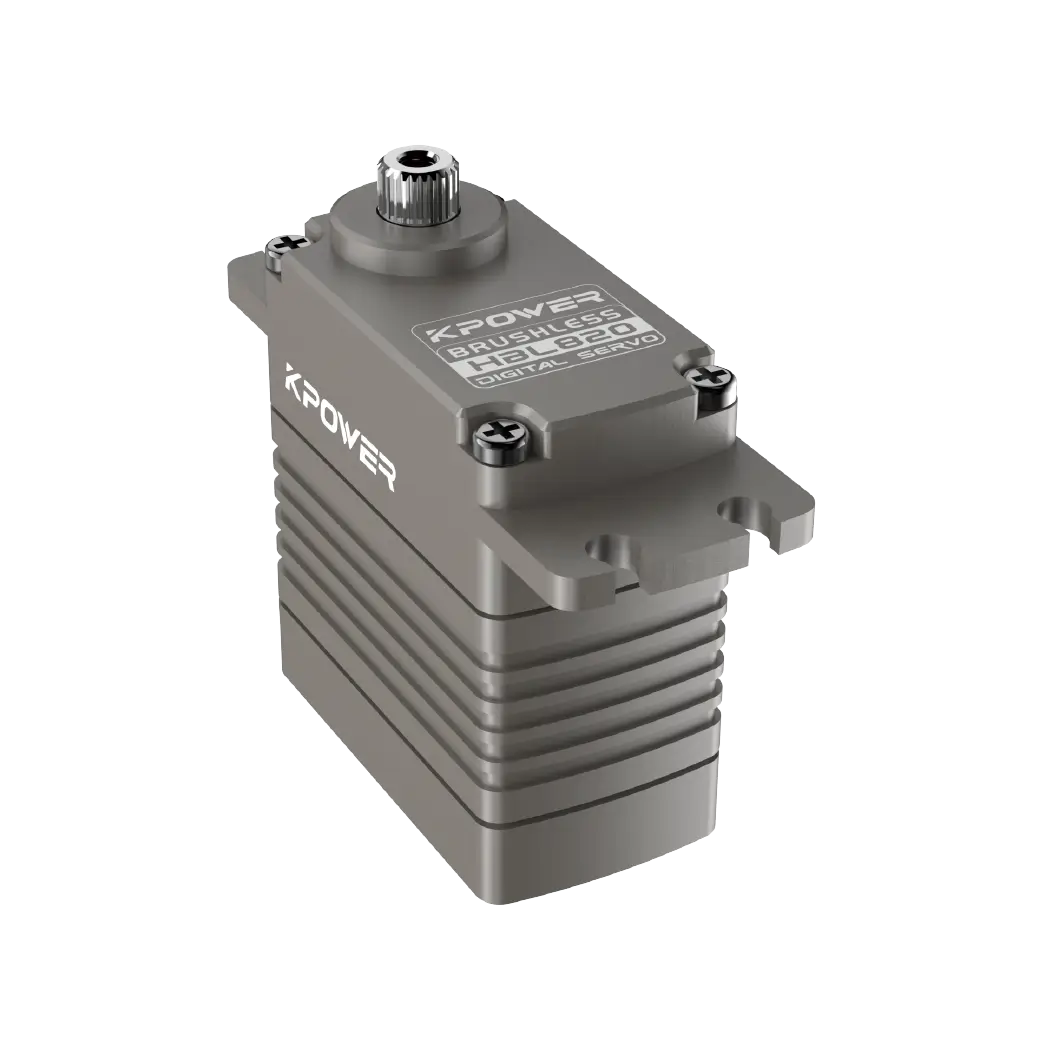
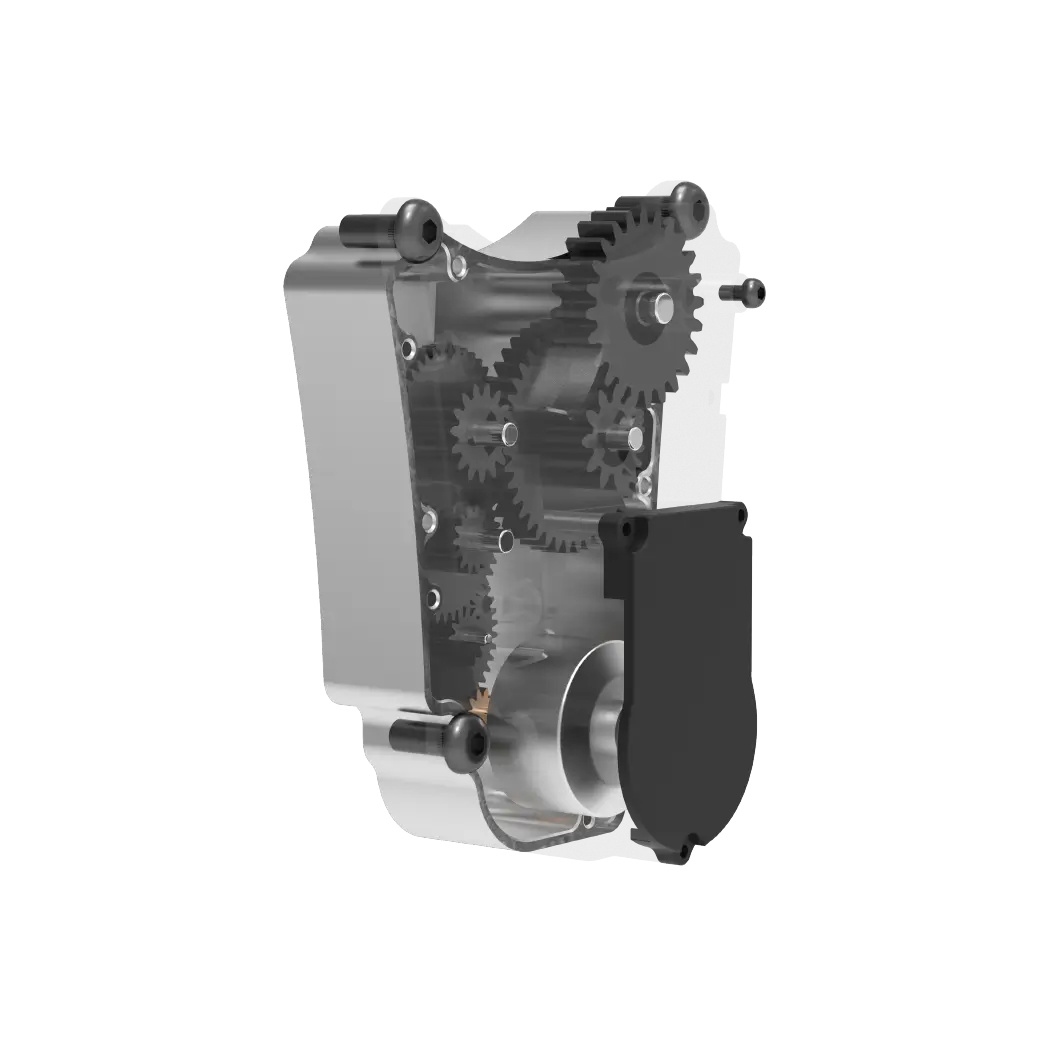
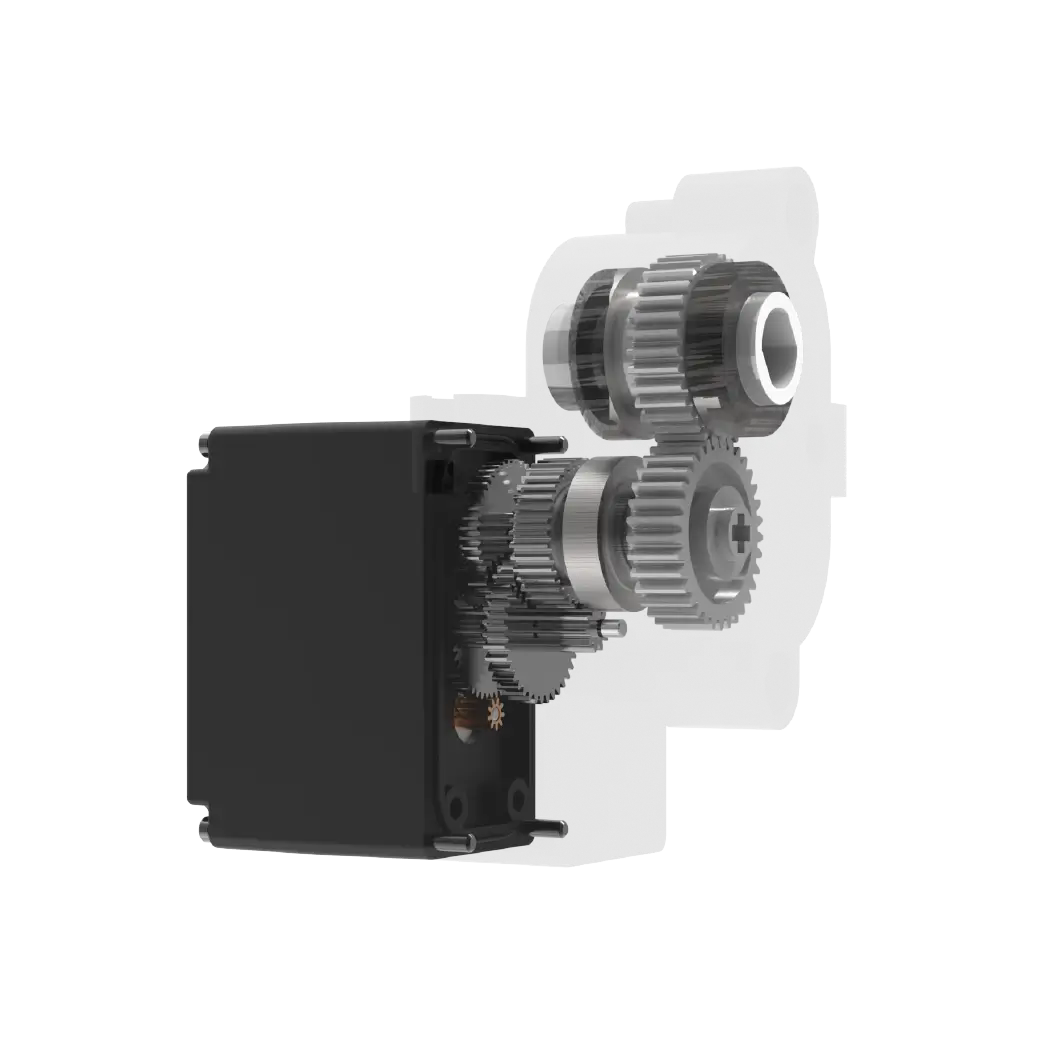
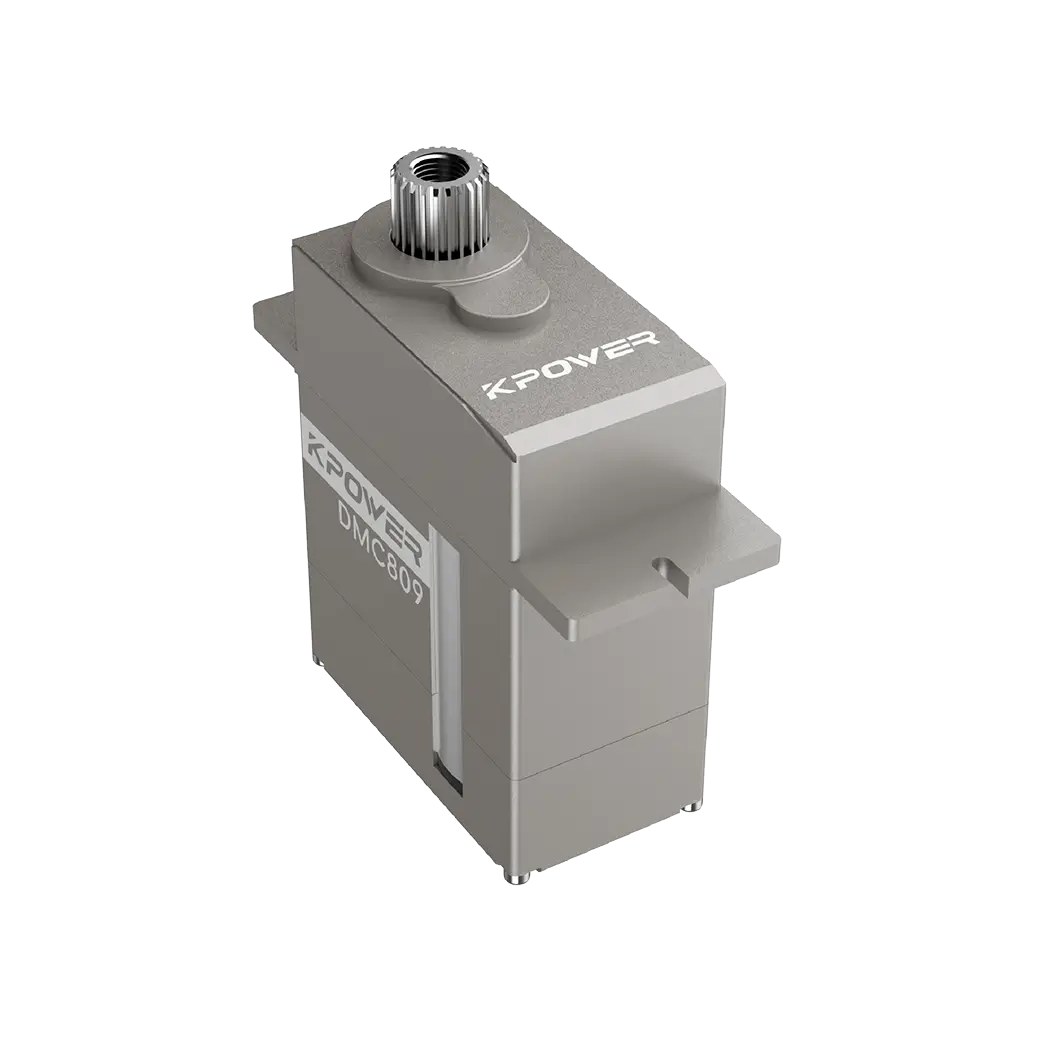
Think about the gears for a second. Most people don't. They just want the thing to spin. But inside akpowerunit, there’s a level of mechanical thought that feels almost like watchmaking. When you transition from plastic gears to titanium or hardened steel, the whole "vibe" of the project changes. It goes from a toy-like whirring to a solid, industrial hum.
Ever wondered why someservos get hot enough to cook an egg? Friction. Poorly machined gears create heat. Heat kills electronics. By focusing on the physical fit of the gear teeth,kpowerreduces that internal resistance. It’s rational: less friction equals less heat, which equals a longer life for your project. You don't want to rebuild your assembly every two weeks because a gear tooth stripped or a motor burned out.
Arduino is great because it's simple. You send a PWM (Pulse Width Modulation) signal, and the motor responds. But here’s the catch: the signal is only as good as the motor’s ability to interpret it. Some motors are "deaf" to subtle changes in pulse width. You change the signal by a few microseconds, and nothing happens. Then you change it a bit more, and it jumps.
A well-manufactured motor acts like a high-fidelity speaker. It catches the nuances. When you are working on a hexapod walker or a complex gimbal, you need that linear response. You want 1 degree of change in code to result in exactly 1 degree of movement in the physical world. No more, no less.
Why does my motor make a high-pitched whining noise? That’s usually the motor trying to hold a position against a load it can’t quite handle, or a cheap internal controller struggling to stay stable. Kpower uses better digital processing to minimize that "digital scream." It’s much quieter when the internal logic is optimized.
Is metal gear always better than plastic? Not always, but usually. Plastic is quiet and light. But if your project is going to hit something or carry weight, plastic gears will shear off like butter. Metal gears give you that "thunk" factor. They take a beating and keep turning.
Can I run these straight off the Arduino 5V pin? You can, but you shouldn't. Arduinos are brains, not brawn. They can provide the signal, but for the actual power, you want a dedicated battery or power supply. Even the best Kpower motor will struggle if it's starving for current.
There is something deeply satisfying about a project that works on the first try. You flick the switch, the Arduino boots up, and theservos sweep to their home positions with a crisp, clean motion. No clicking, no grinding, no weird smells. It’s that moment where the "mechanical" becomes "magical."
Choosing the right hardware isn't about being fancy; it’s about respect for your own time. Why spend ten hours debugging code when the issue is a $5 motor that can’t find its own center? It makes more sense to start with a foundation that works. Kpower is that foundation. It’s the difference between a project that stays on the shelf and one that actually performs on the floor.
Sometimes, you just need a motor that doesn't argue with you. You want the torque to be there when the arm lifts. You want the speed to be consistent when the wheels turn. It’s about the physical reality of motion. When the manufacturing is handled with a bit of obsession, the user experience becomes effortless. You focus on the creation; the motor focuses on the movement. That’s how it should be.
Established in 2005, Kpower has been dedicated to a professional compact motion unit manufacturer, headquartered in Dongguan, Guangdong Province, China. Leveraging innovations in modular drive technology, Kpower integrates high-performance motors, precision reducers, and multi-protocol control systems to provide efficient and customized smart drive system solutions. Kpower has delivered professional drive system solutions to over 500 enterprise clients globally with products covering various fields such as Smart Home Systems, Automatic Electronics, Robotics, Precision Agriculture, Drones, and Industrial Automation.
Update Time:2026-01-22

Contact Kpower's product specialist to recommend suitable motor or gearbox for your product.


