

TECHNICAL SUPPORT


Published 2026-01-22
Ever felt that annoying jitter? You’ve spent weeks designing a sleek frame, the carbon fiber looks gorgeous, and your wiring is a work of art. But then, you power it up, and the arm starts shaking like it’s had too much caffeine. Or worse, you push the throttle, and nothing happens because the standardservoyou bought off a generic shelf just couldn't handle the load. It’s a classic mechanical heartbreak.
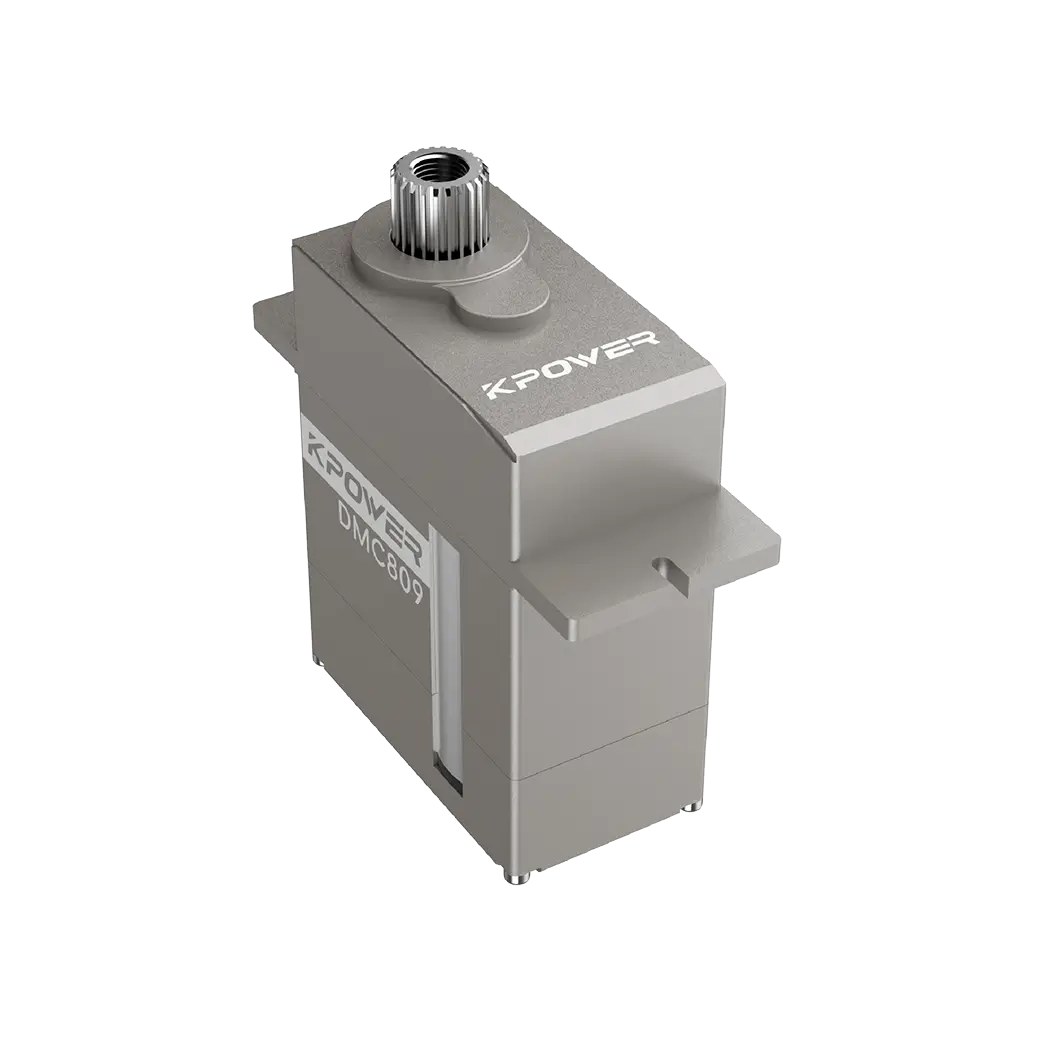
Standard parts are great for standard hobbies. But when you’re building something that actually matters—something unique—the "one size fits all" approach is a trap. You need gears that don't strip under pressure and motors that listen to every tiny pulse of your signal. That’s where the idea of remote controlservocustomization moves from being a luxury to a necessity.
Most people start their projects by looking for the cheapest option that meets the basic specs. They see "20kg torque" and think they’re set. But specs on paper rarely match the reality of a dusty track or a humid afternoon by the water. Standardservos often use plastic gears that melt under high-friction cycles or motors that overheat because they weren't vented for your specific enclosure.
Why settle for a part that was designed for a million different toys when you can have one designed for your specific machine? When we talk aboutkpower, we’re talking about moving away from those compromises. It’s about getting the exact spline count, the precise housing material, and the specific torque-to-speed ratio that your project demands.
Think of a servo as the muscle and the nervous system of your build. If the muscle is too weak, the machine is useless. If the nervous system is laggy, the machine is clumsy. Customizing these units allows you to balance these two forces.
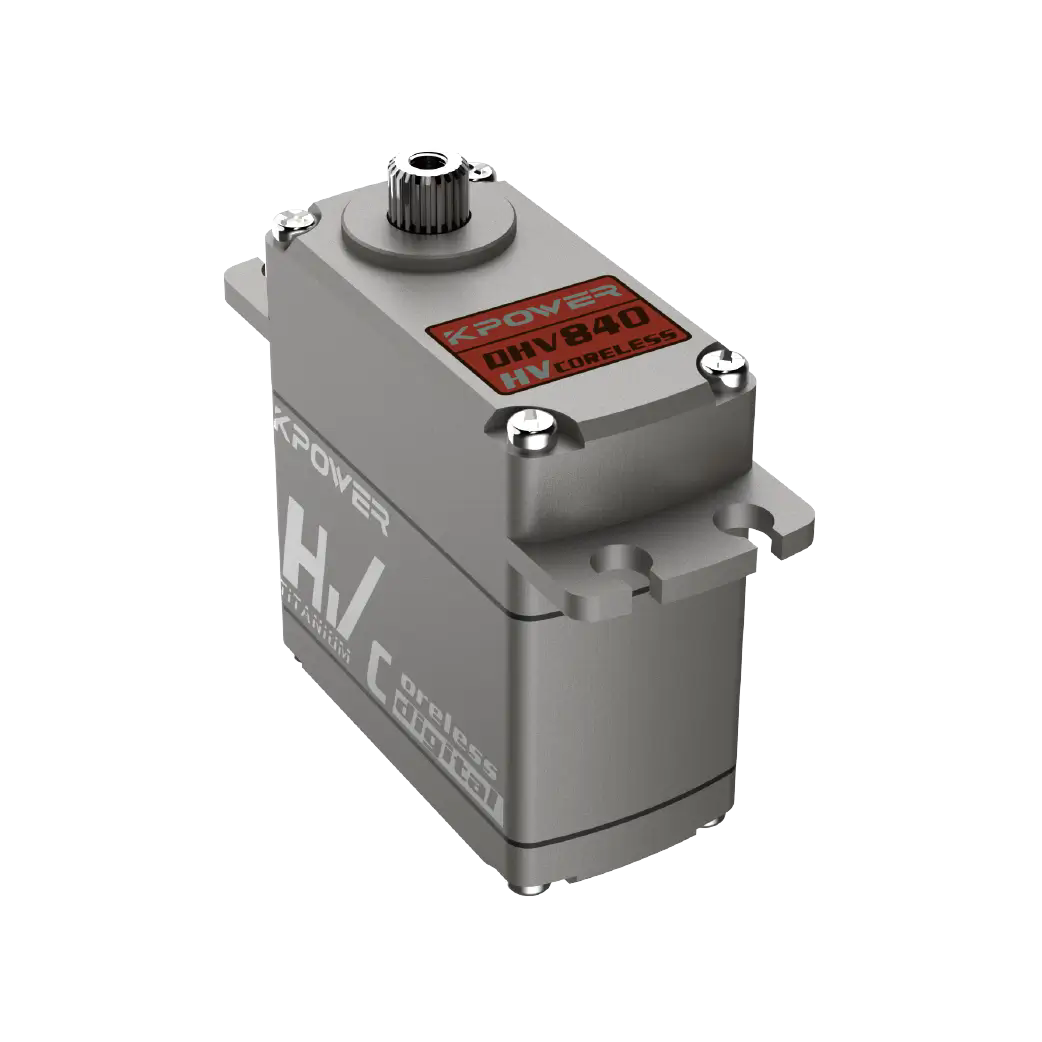
I’ve seen builds where the weight was the biggest enemy. By swapping a standard zinc-alloy gear set for a titanium one throughkpower, the weight dropped by 30%, but the durability tripled. That’s the kind of logic that wins competitions or makes a professional project reliable.
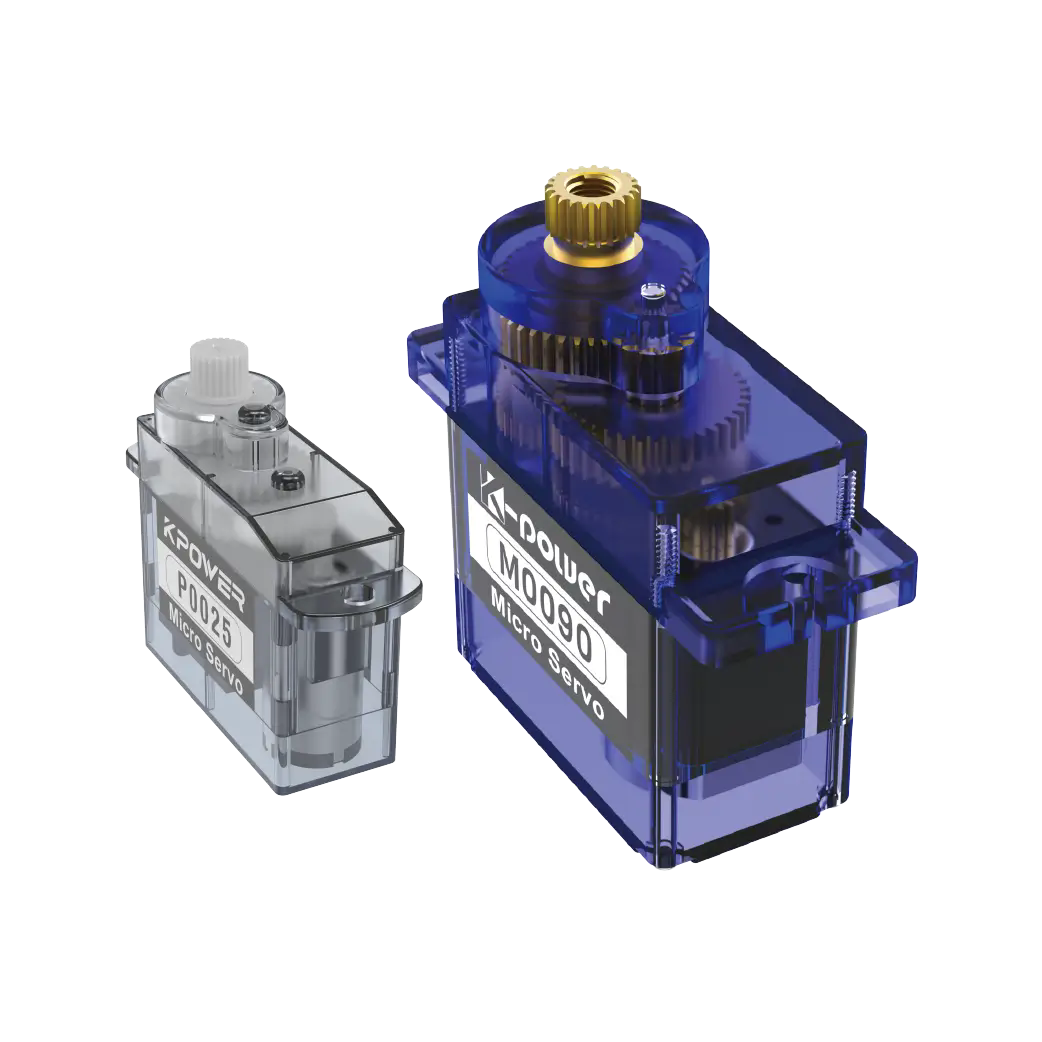
Can’t I just use a bigger servo? Not always. Space is a premium. Sometimes you need the power of a standard size in the body of a micro servo. That’s not something you find in a bargain bin. Customization allows you to tweak the internal brushless motor or the PCB parameters to squeeze out every bit of performance without making the unit bulkier.
I get asked a lot of things when people realize they don't have to stay stuck with stock parts. Here are a few things that might be on your mind:
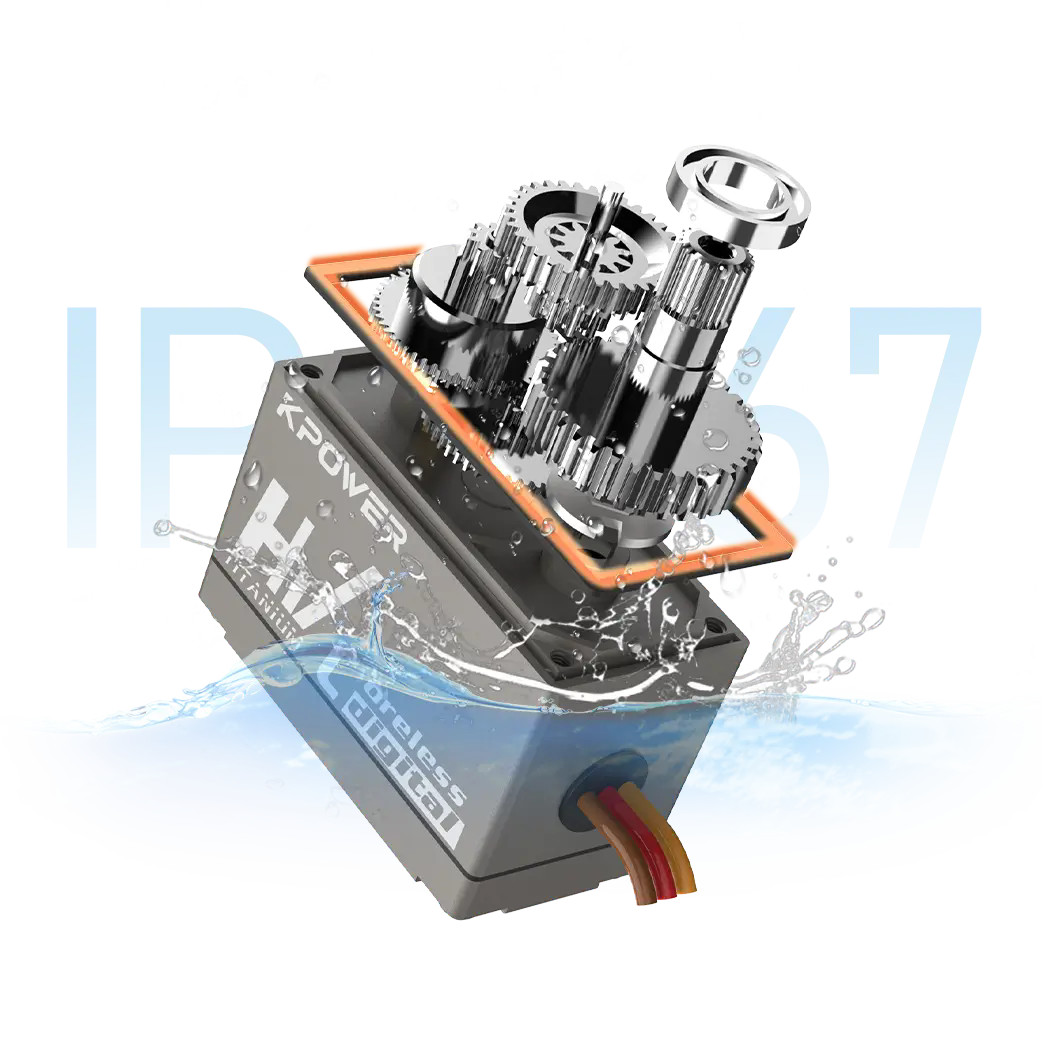
"Is waterproof really waterproof?" In the world ofkpower, it’s not just a rubber ring. It’s about the potting of the electronics and the seal on the output shaft. If you’re building a remote-controlled boat or a rover that needs to survive a rainstorm, you don't just want water-resistant; you want a servo that can breathe under pressure without letting a drop in.
"What if I need a weird rotation angle?" Most servos do 90 or 180 degrees. But what if your mechanical arm needs 270? Or what if you need continuous rotation with high precision? Customizing the firmware and the internal potentiometer allows you to get that exact movement. No more hacking the code on your controller just to fix a hardware limitation.
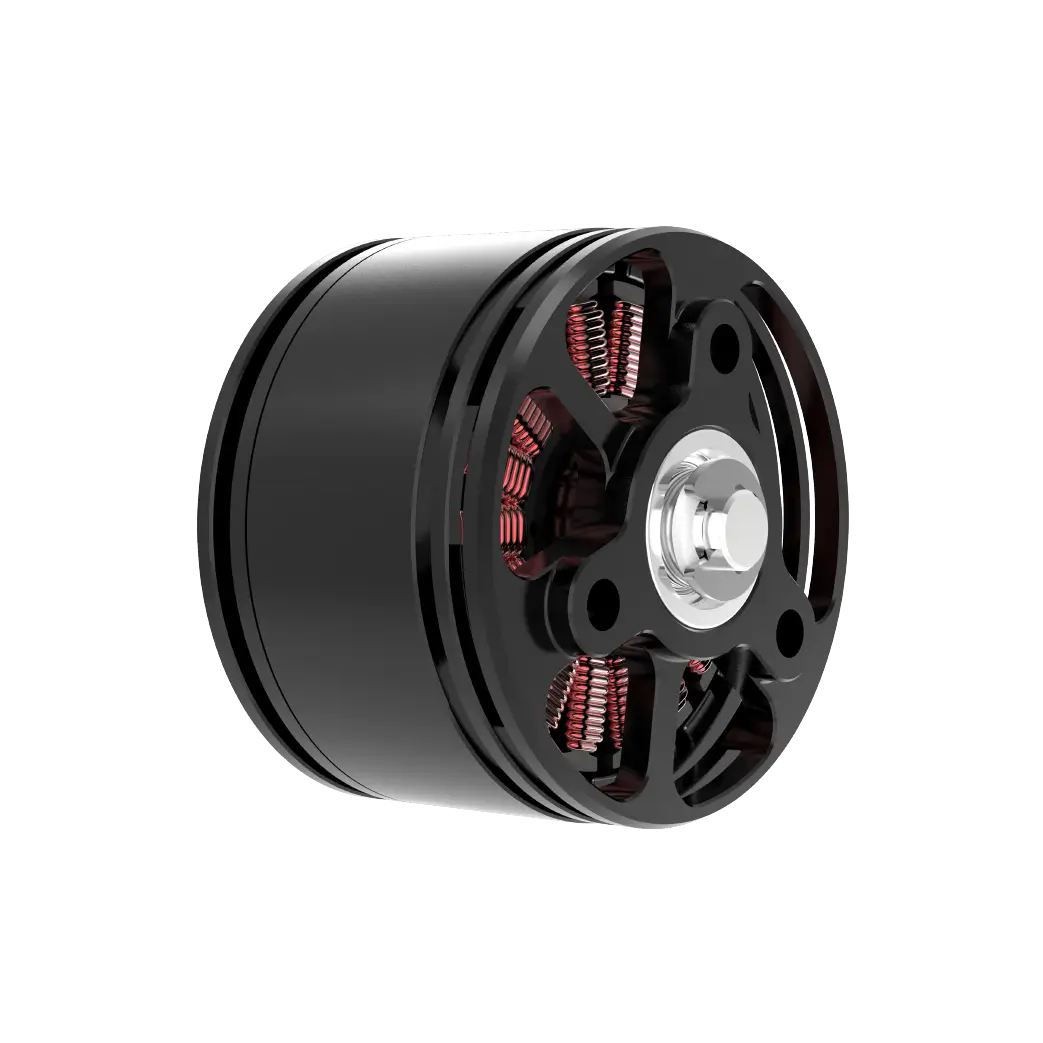
"Does high torque always mean a slow response?" Generally, there’s a trade-off. But with custom winding in the motor, Kpower can help find that "sweet spot." It’s like tuning an engine. You can prioritize "off-the-line" speed or "heavy-lifting" strength.
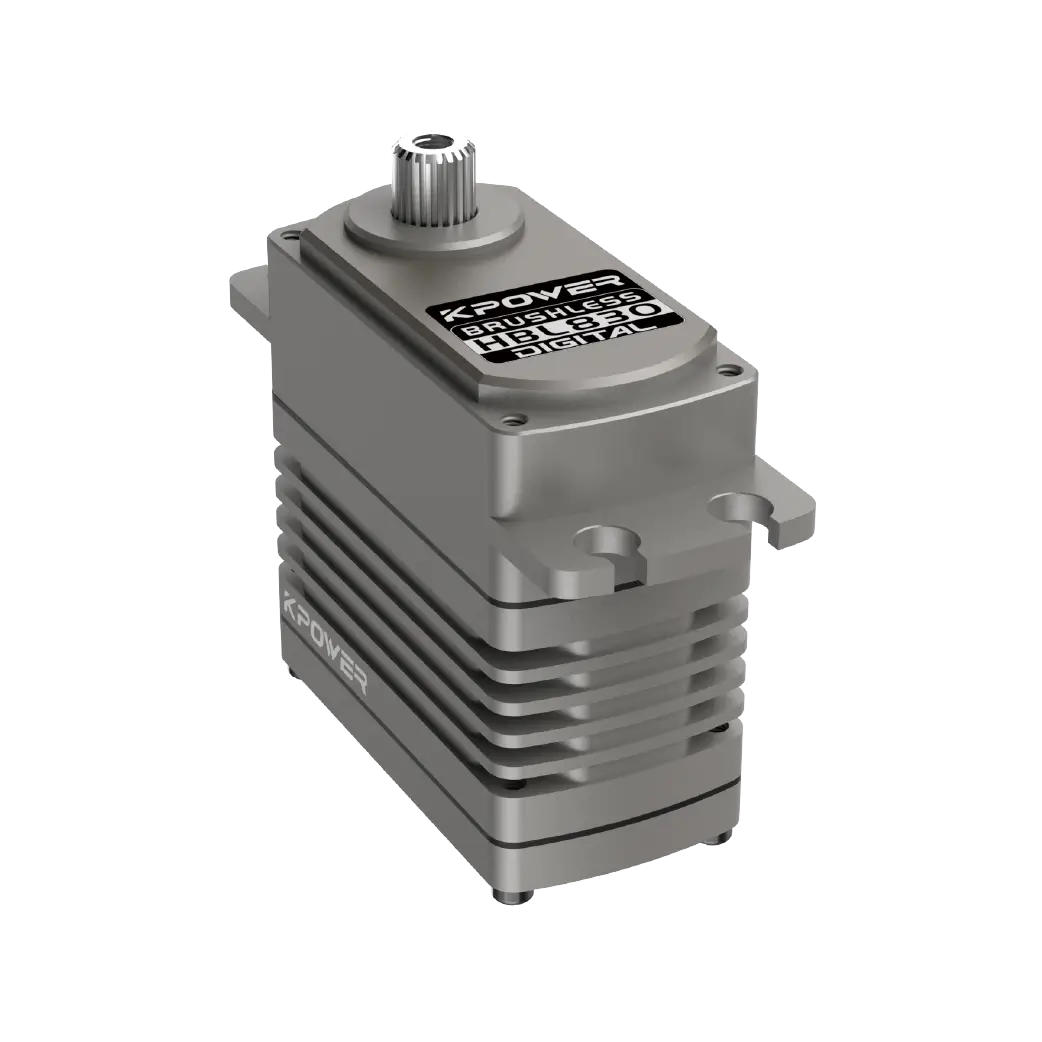
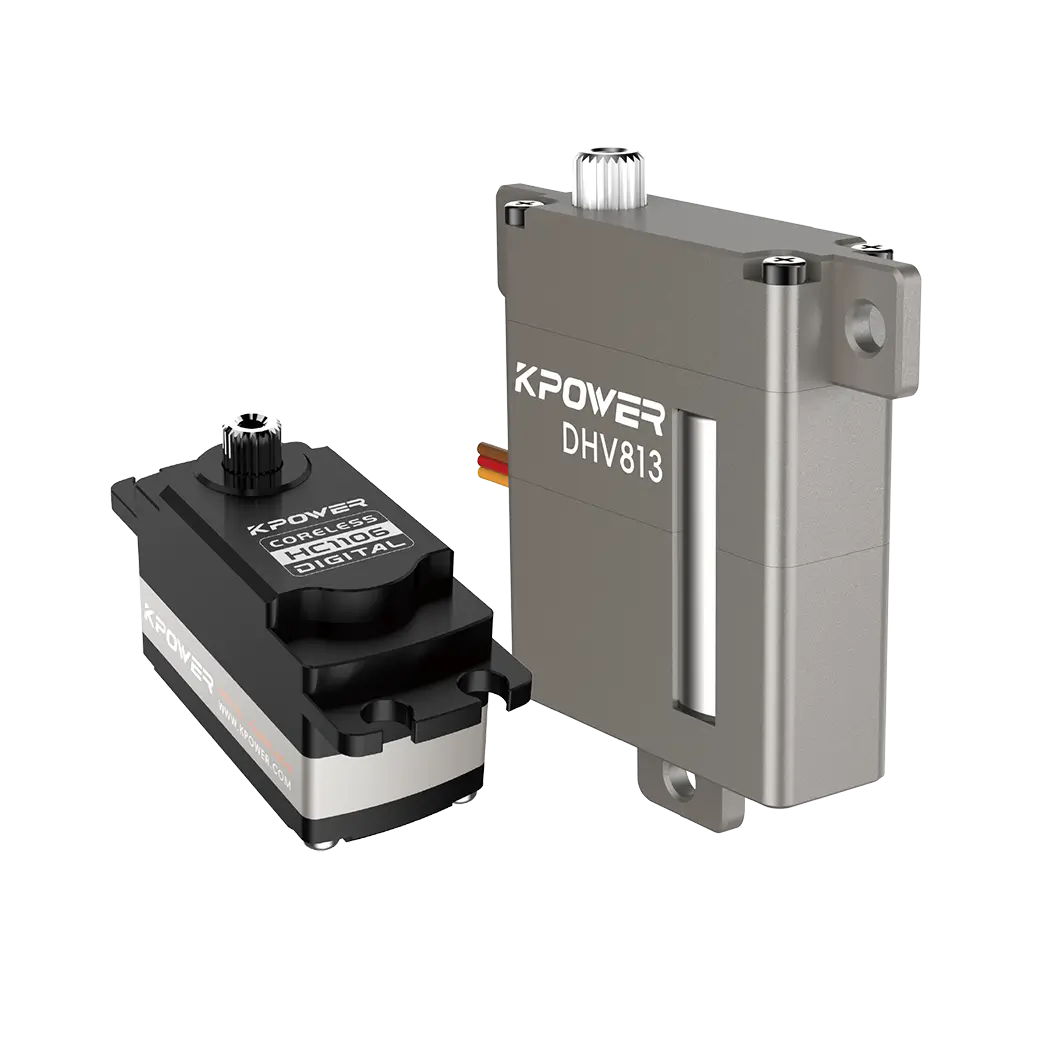
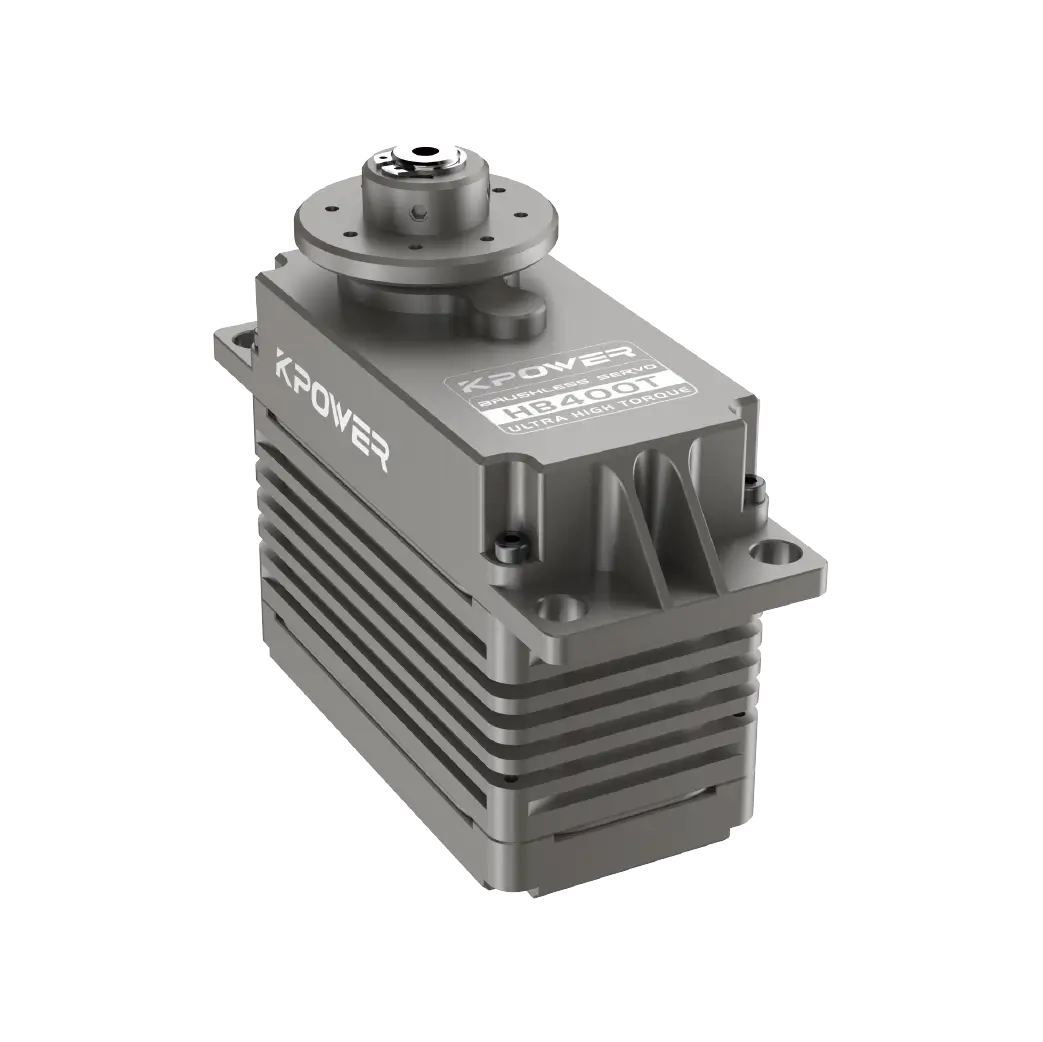
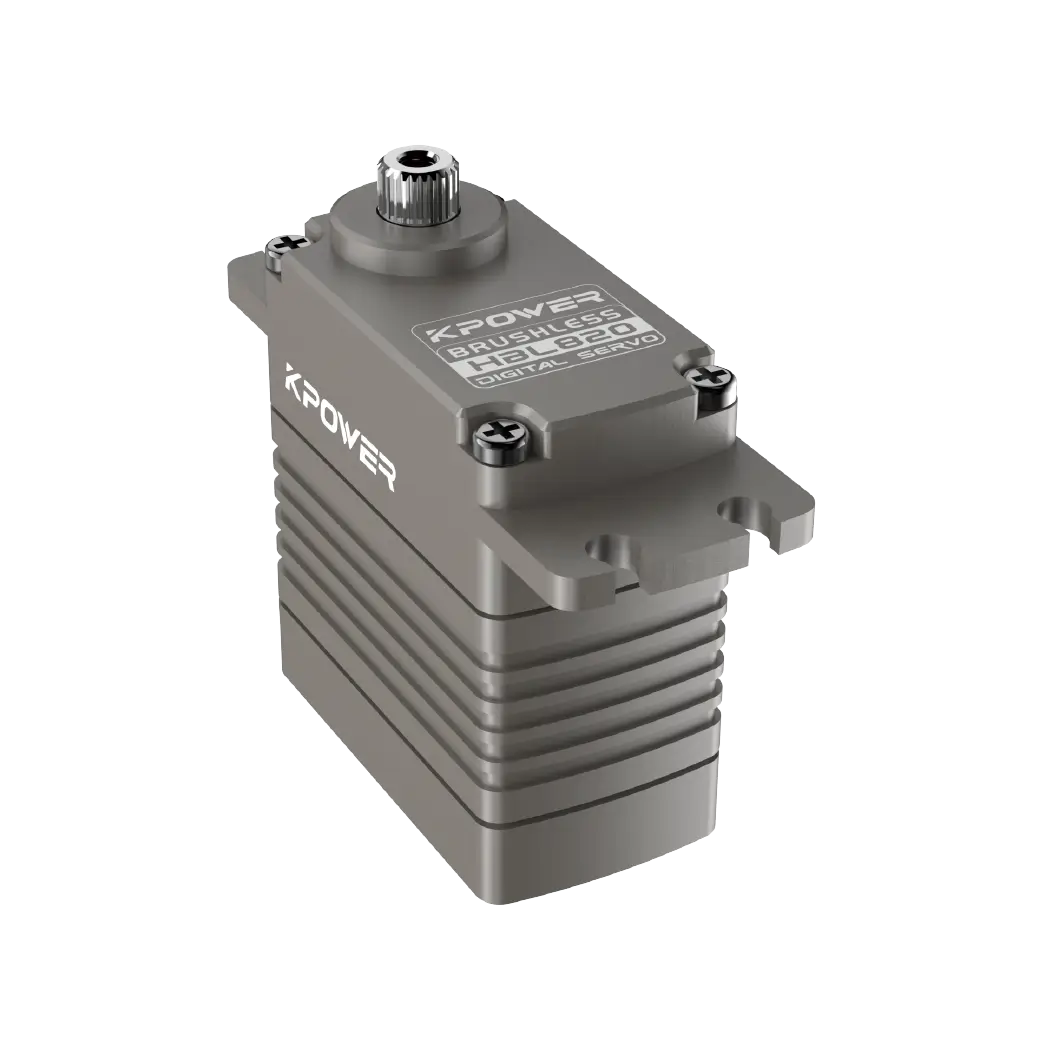
There is a specific sound a high-quality servo makes. It’s a clean, surgical hum. Not a grinding or a high-pitched whine. When you hold a customized Kpower unit, you feel the weight of the CNC-machined aluminum case. That metal isn't just for looks; it’s a heat sink. It draws the warmth away from the motor so you can keep running long after the cheap plastic ones have gone into thermal shutdown.
I remember a project involving a remote-controlled camera rig. The user was frustrated because every time they tilted the lens, the image jittered. The "standard" servos had a tiny bit of play in the gears—what we call "backlash." By opting for a custom gear set with tighter tolerances, the movement became fluid, like a hot knife through butter. The jitter vanished. That’s the difference between a toy and a tool.
Choosing the right path isn't about knowing every technical formula. It’s about knowing what you want your machine to do.
Kpower specializes in filling these gaps. They take the "I wish this servo could…" and turn it into "Now it does." It’s about building a partnership where the hardware finally catches up to your imagination.
Mechanical projects are messy. Things break. Bolts strip. But your servos shouldn't be the weak link. When you customize, you are essentially buying insurance for your hard work. You’re making sure that when you flip that switch, the response is exactly what you expected.
No more "close enough." No more "it might work." Just a solid, reliable movement every single time. Whether you’re working on a high-speed racing drone, a complex robotic limb, or a heavy-duty industrial RC vehicle, the movement should be the last thing you worry about.
When the gears mesh perfectly and the motor responds to a feather-light touch on the transmitter, you’ll realize that customization wasn't an extra step—it was the foundation of the whole thing. Kpower understands that. They don't just make parts; they provide the mechanical heartbeat for your ideas. So, stop fighting against the limitations of generic hardware. Start building with something that was meant for your project from the very first gear.
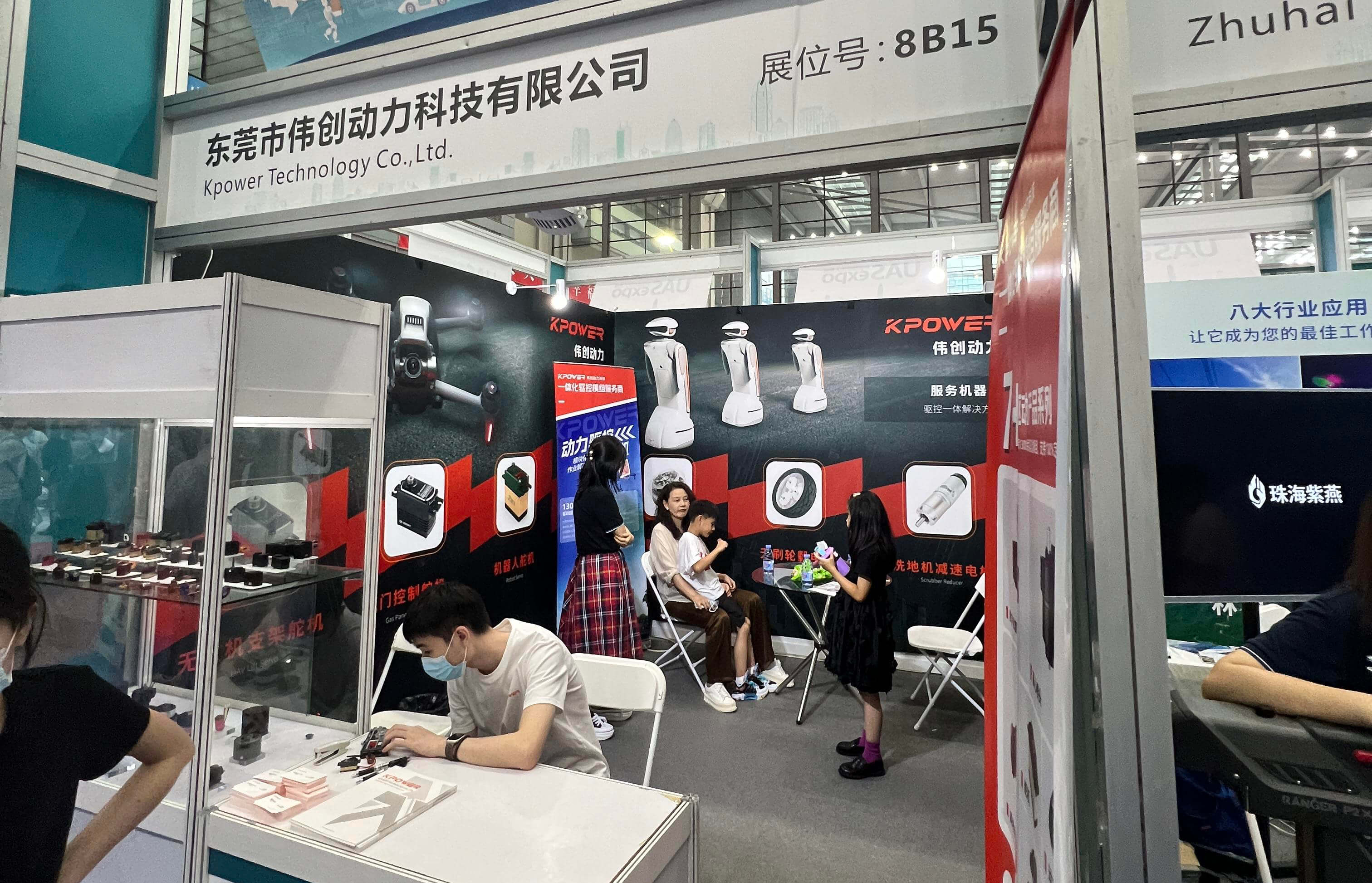
Established in 2005, Kpower has been dedicated to a professional compact motion unit manufacturer, headquartered in Dongguan, Guangdong Province, China. Leveraging innovations in modular drive technology, Kpower integrates high-performance motors, precision reducers, and multi-protocol control systems to provide efficient and customized smart drive system solutions. Kpower has delivered professional drive system solutions to over 500 enterprise clients globally with products covering various fields such as Smart Home Systems, Automatic Electronics, Robotics, Precision Agriculture, Drones, and Industrial Automation.
Update Time:2026-01-22

Contact Kpower's product specialist to recommend suitable motor or gearbox for your product.


